×

Tanzania🇹🇿 | townsNzegaGold-country supplies, boda-boda lanes, grain market, mud-brick backstreets | things to do and best time to go

Explore LiwaleExplore Same

Backpacking in Nzega
👌 Worth visitingtown ranked #23
By Johan Kruseman 🇳🇱 | Updated October 22, 2026

Nzega was once a dusty stop on the old caravan road and a gold-rush crossroads; today it is a working market town where you bargain for tomatoes and ride boda-bodas down red-dirt lanes. It sits in the Tabora Region, in the west-central interior of Tanzania, along the main highway between Dodoma and Mwanza. Expect few hostels and almost no backpackers, but plenty of curious greetings and cheap grilled meat. Bring cash, because ATMs are scarce.

Discover everything you want to know in the 📖 Tanzania Travel Guide.


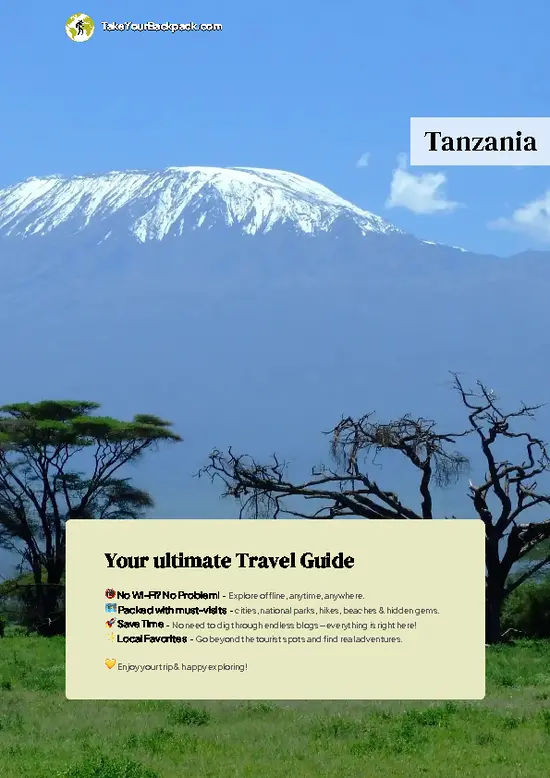
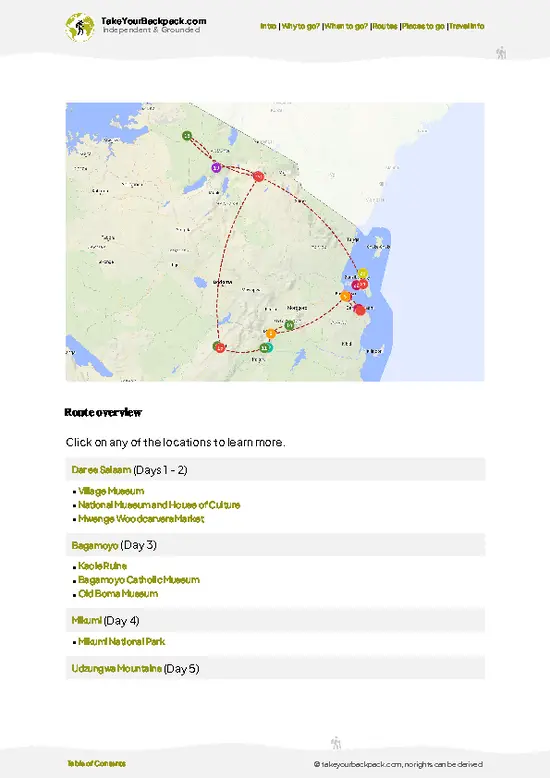
example page 0 from our offline Travel Guide for Tanzania
example page 1 from our offline Travel Guide for Tanzania
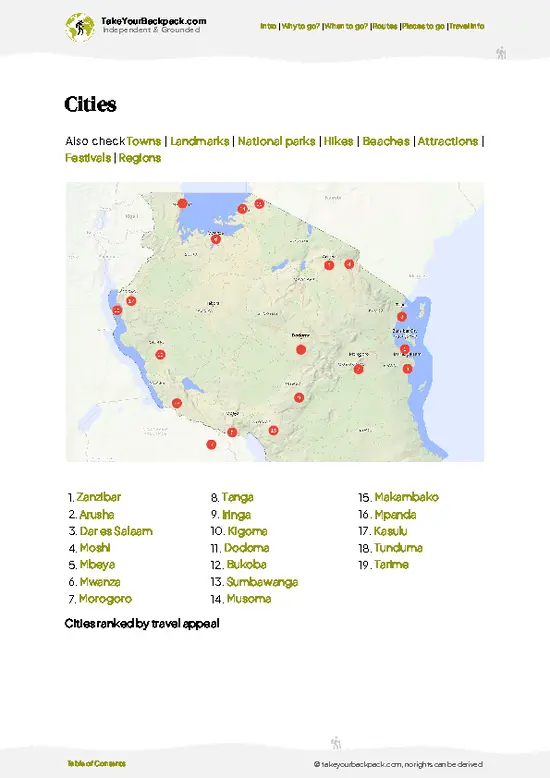
example page 2 from our offline Travel Guide for Tanzania
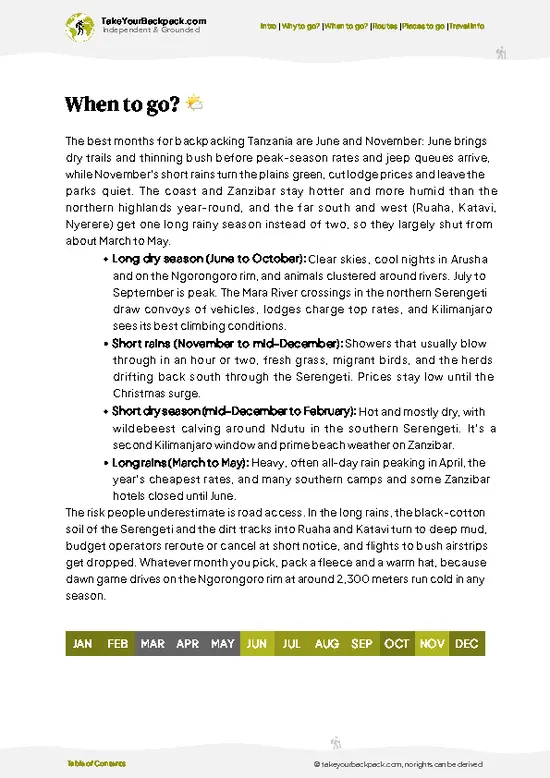
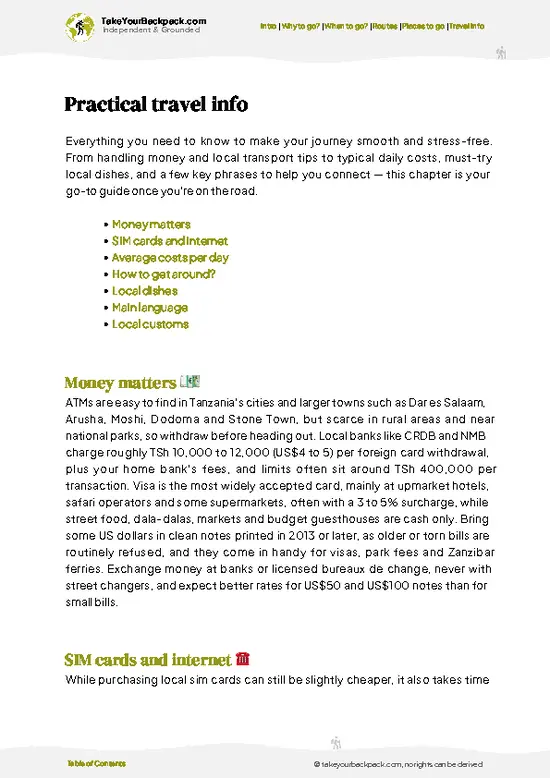
example page 3 from our offline Travel Guide for Tanzania
example page 4 from our offline Travel Guide for Tanzania
example page 5 from our offline Travel Guide for Tanzania
example page 6 from our offline Travel Guide for Tanzania
example page 7 from our offline Travel Guide for Tanzania
Loading the map 🌍
CLICK TO FILTER
cities
towns
landmarks
national parks
hikes
beaches
attractions
festivals
regions
SHOW COUNTRY’S BESTSHOW ALL

✨ Why go?
Ranked #23 town in Tanzania
What makes it a must-see town

Nzega suits the traveler who wants a real Tanzanian town rather than a safari checkpoint. It works as an overnight break on the long overland haul between the lake and the capital region, and some people linger a second day just to wander. The big weekly market is the main draw: Nzega Central Market overflows with sunflower oil, dried fish and cloth. Guesthouses are simple, evenings are quiet, and Swahili practice comes free with every conversation. Solo travelers and slow overlanders will enjoy it. Anyone chasing nightlife or big sights should keep rolling.

💡 HighlightsThe experiences that define the visit

  1. Nzega Central Market: The town’s true center, with stacked produce, secondhand clothes, spices and grain sacks. Go in the morning when stock is freshest. Entry is free, and 1 to 2 hours covers it.
  2. Nzega Main Bus Stand: Loud and chaotic, with hawkers pushing roasted corn, peanuts and cold drinks through bus windows. Late afternoon is liveliest. It costs nothing, and 30 to 45 minutes is plenty.
  3. Roadside Nyama Choma Spots: Grilled goat and beef served with ugali and kachumbari by the main road. Come at dusk for the smoke and the crowd. A plate costs about US$2 to 4, and a meal takes an hour.
  4. Old Nzega Town Walk: Backstreets of mud-brick houses, tailors’ stalls and small mosques and churches, with kids calling out hello. Early morning is cool and quiet. Free, about 1 to 2 hours.
  5. Local Mining Supply
… read more 👉
  1. Nzega Central Market: The town’s true center, with stacked produce, secondhand clothes, spices and grain sacks. Go in the morning when stock is freshest. Entry is free, and 1 to 2 hours covers it.
  2. Nzega Main Bus Stand: Loud and chaotic, with hawkers pushing roasted corn, peanuts and cold drinks through bus windows. Late afternoon is liveliest. It costs nothing, and 30 to 45 minutes is plenty.
  3. Roadside Nyama Choma Spots: Grilled goat and beef served with ugali and kachumbari by the main road. Come at dusk for the smoke and the crowd. A plate costs about US$2 to 4, and a meal takes an hour.
  4. Old Nzega Town Walk: Backstreets of mud-brick houses, tailors’ stalls and small mosques and churches, with kids calling out hello. Early morning is cool and quiet. Free, about 1 to 2 hours.
  5. Local Mining Supply Shops: Nzega sits in gold country, and the shops near the center sell the picks, sieves and boots that small-scale miners use. Visit during the day. Browsing is free and takes 20 to 30 minutes.
From Nzega you can reach the old caravan town of Tabora and the shores of Lake Victoria near Mwanza on day trips or onward legs. Start with the market, because it is at its best early and sets the pace for everything else.
Spotted a mistake or missing something? Contact us.

🏘️ NeighborhoodsNeighborhood guide to Nzega

Nzega is a compact mining and farming town in Tabora Region, and you can cover its parts on foot or by a quick boda ride, so start moving.
  • Central Market and Bus Stand Area: Dive into dusty lanes of tomato, onion and rice stalls, with grilled maize and chapati sellers shouting over minibus engines. Walk it all in twenty minutes and you leave with a hot, cheap breakfast.
  • Along the Main Road (Tabora to Mwanza highway): Strings of simple eateries, phone shops and tiny guesthouses. Grab nyama choma and a cold soda, then watch trucks thunder past at dusk.
  • Mining Outskirts: Hop a boda to nearby gold-digging settlements, where small-scale miners work and trading is loud and quick. You get a raw look at the economy driving the region.

⌛️ 1 dayWhat you can realistically do in a day

7:30 AM, Nzega Central Market: Start here while vendors are setting up and the air is cool. Walk the aisles, sample fresh mandazi from a stall, and watch traders unload from trucks.
10:00 AM, Old Town Backstreets: Wander the mud-brick lanes behind the market, where tailors work foot-pedal machines. It is the part of town most passersby never see.
12:30 PM, Roadside Lunch: Settle at a nyama choma spot for grilled meat and ugali, then rest in the shade.
3:00 PM, Mining Supply Shops: Stroll to the shops that outfit the district’s gold miners and chat with the owners about local life.
5:30 PM, Main Bus Stand: Finish with the late-afternoon bustle, grabbing roasted peanuts as buses come and go.

🌤️ When to go?Seasonal considerations and timing

  • June to October (cool, dry): Days reach about 27 to 30°C (81 to 86°F), nights dip to 14 to 16°C (57 to 61°F), roads stay firm and dust is the main nuisance.
  • November to April (rainy): Showers come in bursts, highs hit 28 to 31°C (82 to 88°F), and dirt tracks turn to mud, slowing buses.
  • Prices and crowds: Nzega sees few tourists, so rates barely shift, though produce is cheapest after the harvest around May to July.
Arrive in the dry months if you plan to leave the highway.

source: climatestotravel.comJANJanuary: fair for travelingFEBFebruary: fair for travelingMARMarch: fair for travelingAPRApril: fair for travelingMAYMay: fair for travelingJUNJune: highly recommended for travelingJULJuly: excellent for travelingAUGAugust: excellent for travelingSEPSeptember: highly recommended for travelingOCTOctober: good for travelingNOVNovember: fair for travelingDECDecember: fair for traveling
when-to-go

✈️ The backpacker research shortcutTanzania Travel Guide

An offline-friendly backpacking guide with optimized travel routes, ranked highlights, transport advice, and the best areas to stay.
example page 0 from our offline Travel Guide for Tanzania
example page 1 from our offline Travel Guide for Tanzania
example page 2 from our offline Travel Guide for Tanzania
example page 3 from our offline Travel Guide for Tanzania
example page 4 from our offline Travel Guide for Tanzania
example page 5 from our offline Travel Guide for Tanzania
example page 6 from our offline Travel Guide for Tanzania
example page 7 from our offline Travel Guide for Tanzania
The digital guide (396 pages) contains:
✅ 103 highlights, ranked by travel appeal
✅ Optimized 7, 14 & 21-day travel routes
✅ Cities, national parks, landmarks, beaches
✅ How to get around
✅ Offline-friendly for travel without Wi-Fi
👉 Click to see all 30+ guide features

📅 Plan smarter in minutes, not weeks
✅ Month by month travel advice
✅ Festivals & national holidays
✅ Budget expectations

🗺️ Go to the right places, skip the overrated ones
✅ Honest pros & cons of destinations
✅ Top hikes, parks & viewpoints
✅ Lesser-known places most travelers miss
✅ Clear “worth it vs skip it” guidance

🛏️ Travel smoothly without rookie mistakes
✅ Best areas to stay
✅ Transport systems explained simply
✅ Common scams & safety advice
✅ SIM cards, money & practical tips

🌍 Understand the country, not just visit it
✅ Culture & traditions
✅ 52 Essential phrases & customs
✅ Festivals worth planning around
✅ Traveler-friendly historical context
✅ Insights that make places more meaningful

📱 Built for real travel conditions
✅ Fully downloadable PDF
✅ Works completely offline
✅ Optimized for phone use
✅ Useful in remote areas & buses
✅ Everything in one place
Stop searching, start planning
Get instant access to your full guide. 30‑day money-back guarantee.
+ Add another guide for just

By proceeding you agree to our terms.
Sent to your inbox immediately after payment • 100% Secure Checkout
Best Backpacking Travel Advisor 2025 tourism awardBest Backpacking
Travel Advisor
2025
What others say about Take Your Backpack Guides:
⭐⭐⭐⭐⭐
Fantastic, amazing amount of information!
⭐⭐⭐⭐⭐
My goodness this is amazing, it's what I've been looking for hats off too you!
⭐⭐⭐⭐⭐
I think this is absolutely BRILLIANT
⭐⭐⭐⭐
Very complete and informative. It's still missing places, but I gotta to commend you
⭐⭐⭐⭐⭐
This is truly amazing, thank you, can't wait to explore it with my kids!
⭐⭐⭐⭐⭐
Awesome resource, thank you!
⭐⭐⭐⭐⭐
This is amazing! Can't wait to explore the ones I haven't seen
⭐⭐⭐⭐
I love this! Well done, great idea.
⭐⭐⭐⭐⭐
Thanks for taking the time to make this gem!
⭐⭐⭐⭐⭐
This might be the best website I've ever seen.
⭐⭐⭐⭐⭐
Congratulations, and thank you so much for your work; it's incredibly valuable.
⭐⭐⭐⭐
In all seriousness I think you did a great job pointing out the important spots
⭐⭐⭐⭐⭐
10/10 very good
⭐⭐⭐⭐⭐
As someone who's only just starting to visit regularly this is awesome, thank you.
⭐⭐⭐⭐
Thank you very much! I'm going to visit my dad, it's going to be very useful!
⭐⭐⭐⭐⭐
This is really cool! We'll be travelling for the first time and this definitely come in handy.
⭐⭐⭐⭐⭐
You are now our minister of culture, congratulations 👨‍💼
⭐⭐⭐⭐⭐
Just wanted to tell you that this is a pearl! Going to follow your recommendations.
⭐⭐⭐⭐⭐
This is so cool. I'll definitely be using the resource for my travels soon.
⭐⭐⭐⭐⭐
This is very impressive! Good work.
⭐⭐⭐⭐⭐
This is an amazing and informative site. Very well done!

🛏️ Where to stay?Best areas to stay in Tanzania

Stay near the central bus stand and market, where the few budget guesthouses cluster and you can walk to food and onward buses. Nzega has no true hostel scene, so expect simple private rooms with a fan and shared or basic en-suite bathrooms rather than dorms. Choose a side street slightly off the main road to avoid truck noise through the night, and pick a place with a lockable compound gate. Boda drivers are available nearby after dark, which helps if you arrive late. Book nothing ahead; just walk in and look at the room first.

🚌 Getting aroundMoving around without the hassle

Boda-boda motorbike taxis are the easiest way to get around Nzega, because they dart through traffic, reach any corner of town in minutes and cost very little. The town is small, the main road carries heavy truck traffic, and side streets are mostly dirt, so expect dust and noise.
  • Walking: The market, bus stand and main road sit within about 1 to 2 kilometers of each other. You stroll past food stalls and stop for a snack whenever the smell hits.
  • Boda-boda: Most rides in town cost US$0.40 to 1. Agree the fare first, hold tight, and you arrive in minutes with dust in your hair.
  • Bajaji (three-wheeled tuk-tuks): Expect US$0.80 to 2 within town, handy with luggage or in rain, and you get a roof overhead.
  • Intercity buses and minibuses: Nzega sits on the highway between Tabora and Shinyanga/Mwanza,
… read more 👉
Boda-boda motorbike taxis are the easiest way to get around Nzega, because they dart through traffic, reach any corner of town in minutes and cost very little. The town is small, the main road carries heavy truck traffic, and side streets are mostly dirt, so expect dust and noise.
  • Walking: The market, bus stand and main road sit within about 1 to 2 kilometers of each other. You stroll past food stalls and stop for a snack whenever the smell hits.
  • Boda-boda: Most rides in town cost US$0.40 to 1. Agree the fare first, hold tight, and you arrive in minutes with dust in your hair.
  • Bajaji (three-wheeled tuk-tuks): Expect US$0.80 to 2 within town, handy with luggage or in rain, and you get a roof overhead.
  • Intercity buses and minibuses: Nzega sits on the highway between Tabora and Shinyanga/Mwanza, so buses pass through from early morning, with most services leaving the bus stand before about 3 pm. Tabora costs roughly US$4 to 7, 2 to 3 hours, and you watch savanna and farmland roll by.

👛 Costs (as of 22 October 2026)Typical daily expenses

Nzega costs most backpackers about US$22 to 31 per day, and a realistic total is US$28.
CategoryBudget RangeLocal Reality
Dorm accommodationUS$6 to 12No dorms; a simple private guesthouse room with a fan is the norm.
MealsUS$4 to 8Rice, beans, ugali with stew, chapati and nyama choma at local canteens.
Local transportUS$1 to 3Boda-boda and bajaji rides within town.
Basic activities/entry feesUS$0 to 4Mostly free market wandering and village walks.
Miscellaneous expensesUS$2 to 4Water, airtime, snacks.
Total Daily BudgetUS$28Using the upper end of accommodation.
Eat where locals queue at lunchtime, since plates are bigger and cheaper than at roadside places aimed at bus passengers.
⚠️ Prices can change and everyone travels differently, so take this as a rough guide. Hope it helps you plan your adventure!

🚌 Day tripsWhere to go beyond the main area

Nzega works as a modest base for day trips, since the highway brings frequent buses and the sights are low-key and rural.Tabora: Tabora is a historic trading town with old caravan-route history, the Livingstone-era Kwihara house and a lively market. Buses take 2 to 3 hours each way and cost US$4 to 7, so budget US$15 to 20 including lunch. Go in the dry months and leave early to get back before buses thin out.
Shinyanga: Shinyanga is a regional hub with a big market and access to the Mwadui area, famous for diamond mining. Allow about 2 hours by bus, US$4 to 6 each way. Many first-timers underestimate how late the last buses leave, so check before you commit.
Igunga: Igunga is a quiet highway town with a daily market and rural scenery on the road from Nzega, about an hour away. A round trip … read more 👉
Nzega works as a modest base for day trips, since the highway brings frequent buses and the sights are low-key and rural.Tabora: Tabora is a historic trading town with old caravan-route history, the Livingstone-era Kwihara house and a lively market. Buses take 2 to 3 hours each way and cost US$4 to 7, so budget US$15 to 20 including lunch. Go in the dry months and leave early to get back before buses thin out.
Shinyanga: Shinyanga is a regional hub with a big market and access to the Mwadui area, famous for diamond mining. Allow about 2 hours by bus, US$4 to 6 each way. Many first-timers underestimate how late the last buses leave, so check before you commit.
Igunga: Igunga is a quiet highway town with a daily market and rural scenery on the road from Nzega, about an hour away. A round trip costs US$4 to 8 and suits a half day in dry weather.

🍲 FoodEating & Drinking in Nzega

In ’Nzega, food is a lively negotiation between simplicity and bold flavors. You’ll want to dive into ugali, the dense maize porridge that’s the backbone of every meal, usually paired with nyama choma—grilled meat that’s smoky, tender, and often enjoyed with a spicy tomato relish. The city’s markets are your best bet for authentic bites; here, street vendors serve up fresh mchicha (local greens) and fried mandazi—sweet, doughy pockets perfect with a cup of strong, sweetened chai.

Backpackers tend to gather around these bustling hubs, where the air hums with chatter and the scent of charcoal fires. Drinking culture leans heavily on tea and local brews, with a casual, communal vibe. Don’t rush your meal; sharing food and stories is part of the rhythm here. Expect to eat with your right hand—cleanliness … read more 👉
In ’Nzega, food is a lively negotiation between simplicity and bold flavors. You’ll want to dive into ugali, the dense maize porridge that’s the backbone of every meal, usually paired with nyama choma—grilled meat that’s smoky, tender, and often enjoyed with a spicy tomato relish. The city’s markets are your best bet for authentic bites; here, street vendors serve up fresh mchicha (local greens) and fried mandazi—sweet, doughy pockets perfect with a cup of strong, sweetened chai.

Backpackers tend to gather around these bustling hubs, where the air hums with chatter and the scent of charcoal fires. Drinking culture leans heavily on tea and local brews, with a casual, communal vibe. Don’t rush your meal; sharing food and stories is part of the rhythm here. Expect to eat with your right hand—cleanliness is key, but forks are rare. This is food as connection, not just fuel.

🛡️ SafetyScams, Hazards, and Annoyances

Nzega is a calm town where most problems are petty. Keep your phone and cash out of sight in the crowded market and bus stand, where pickpocketing and overcharging happen. Agree boda fares before riding and wear a helmet if offered. After dark, streets are poorly lit, so take a boda rather than walking alone, especially solo. Bus touts may inflate fares, so ask a ticket-office clerk the price first.

FAQFrequently asked questions about Nzega

Nzega is mostly a stopover rather than a destination. It sits on the Tabora to Shinyanga/Mwanza highway, with a busy market and gold-mining surroundings, but no major sights. Most travelers spend one night, and the real draws, like Tabora, lie 2 to 3 hours away.
One night is plenty in Nzega. A full day covers the central market, the main road food stalls and a boda ride to a mining settlement. Stay a second day only if you plan a trip to Tabora or Shinyanga, each 2 to 3 hours by bus at about US$4 to 7.
Nzega can be done as a day trip from Tabora or Shinyanga, though it is not worth a special trip. Buses run 2 to 3 hours from Tabora and about 2 hours from Shinyanga, costing US$4 to 7. A day gives enough time for the market and lunch, then catch a bus back before late afternoon.
⚠️ Things can change over time, so always validate details locally before you go.

Other Tanzanian towns near Nzega

Explore more nearby:

  • Urambo—Tobacco barns, frontier road, miombo tracks, church choirs| 156 km away
  • Biharamulo—Highway stopover, game reserve edge, nyama choma, bus stand| 272 km away
  • Ujiji—Livingstone memorial, Tanganyika dhow yards, dagaa market, caravan history| 397 km away

💡 Not sure where to go next?
Create a personalized itinerary for Tanzania including Nzega and the places that fit your trip.

Generate my itinerary

👉 Discover all towns

Or checkout all Tanzania has to offer (think cities, towns, villages, national parks, hikes, beaches, festivals)
Country photo of Tanzania

We 💚 feedbackIs it worth it?

Nzega’s overlooked detail is its tailors, who stitch bright kitenge cloth on foot-pedal machines in the market lanes. I would buy a length of fabric and have something made. Skip rushing, and carry small bills.

✍️ Help improve this page!
The information on this page is based on in-depth research, insights shared by experienced travelers, and feedback from the local travel community in Tanzania. While every effort is made to keep the information accurate and current, conditions can change — so if you spot anything incorrect or outdated, please get in touch.


🙋‍♂️ Give feedback

👋 Meet the founderWho’s Behind Take Your Backpack?

Johan, backpacker and founder of TakeYourBackpackHi, I’m Johan (Netherlands 🇳🇱), the creator of TakeYourBackpack. Over the past 3 decades, I’ve backpacked through 90+ countries across six continents, gaining extensive experience with independent travel, long-term trips, and overland routes.

This site is built on a combination of firsthand travel experience and carefully curated insights from other backpackers. Many guides are based on places I’ve personally visited, while others bring together tips, observations, and practical advice shared by trusted travelers I’ve met along the way.

The goal is to provide realistic, experience-driven guidance — not generic itineraries — so you can explore destinations with better context, clearer expectations, and more confidence.