v2.webp)
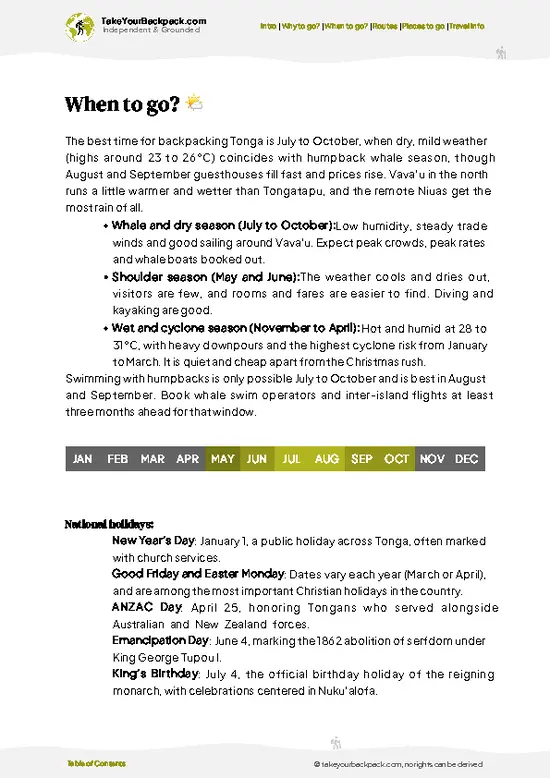
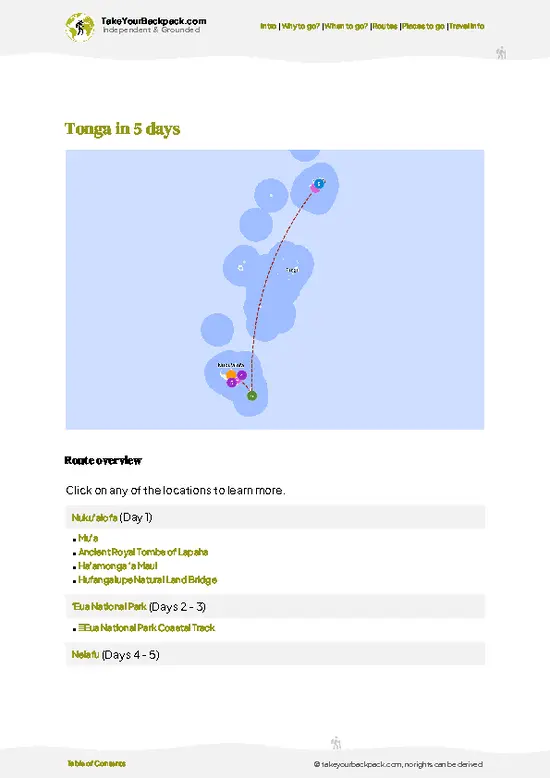
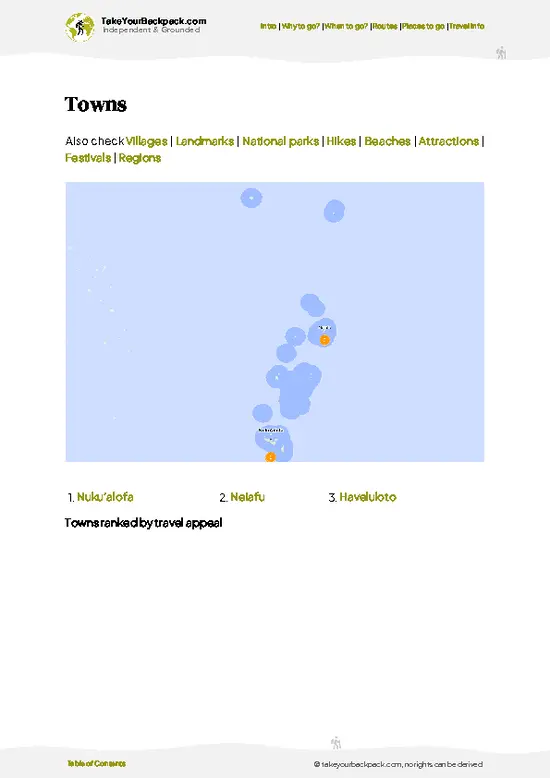
- Sunday church service in Falevai: Singing is the thing Tonga is best known for in daily life, and a village service delivers it without any staging. Voices fill the building in full harmony, and the congregation arrives in their best, with many wearing woven ta‘ovala mats around the waist. Visitors are usually welcome if they dress modestly (covered shoulders and knees) and sit quietly near the back. It is free, though a small donation is kind. Go in the morning and plan 1 to 1.5 hours.
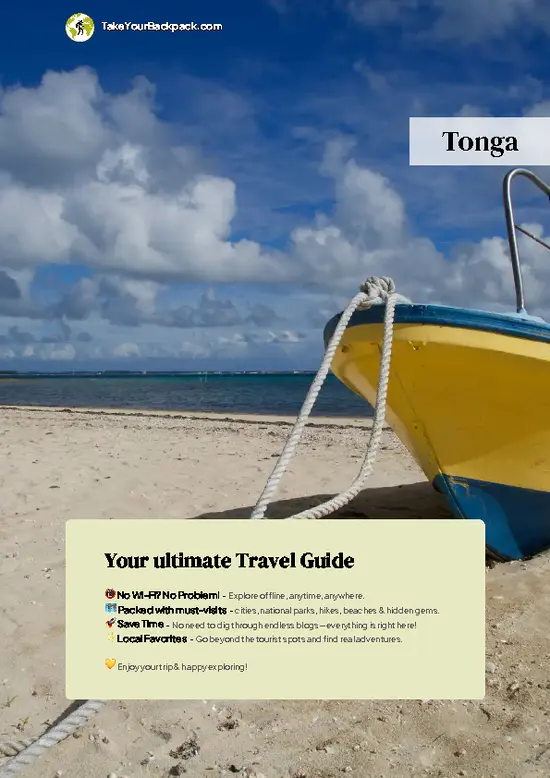
- The Falevai boat landing and shoreline: The landing is the village’s front door and its best viewpoint, looking across the channel toward Vava‘u’s main island. Fishing skiffs come and go, children jump in from the edge, and the water changes from pale turquoise to deep blue within a few meters. Visit in the
- Sunday church service in Falevai: Singing is the thing Tonga is best known for in daily life, and a village service delivers it without any staging. Voices fill the building in full harmony, and the congregation arrives in their best, with many wearing woven ta‘ovala mats around the waist. Visitors are usually welcome if they dress modestly (covered shoulders and knees) and sit quietly near the back. It is free, though a small donation is kind. Go in the morning and plan 1 to 1.5 hours.
- The Falevai boat landing and shoreline: The landing is the village’s front door and its best viewpoint, looking across the channel toward Vava‘u’s main island. Fishing skiffs come and go, children jump in from the edge, and the water changes from pale turquoise to deep blue within a few meters. Visit in the cooler early morning or late afternoon. It costs nothing, and 30 to 45 minutes is plenty, longer if you want a swim.
- A walk through the village lanes: Wander the grass lanes between the houses, past gardens of taro, cassava and banana, and past family graves decorated with bright quilts and flowers. Greet people with a simple “malo e lelei” and the conversation often takes care of itself. Early morning is best, before the heat sets in. It is free, takes about an hour, and photographing people or graves should always start with asking.
Spotted a mistake or missing something? Contact us.

 Best Backpacking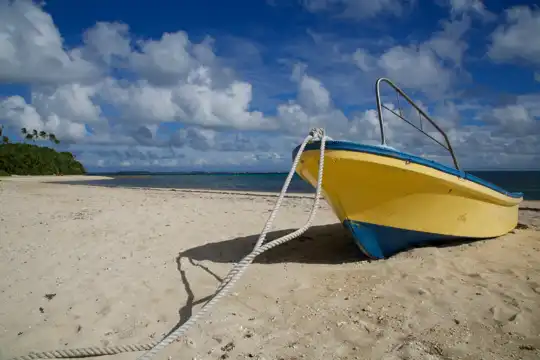
.jpg) Hi, I’m Johan (Netherlands 🇳🇱), the creator of TakeYourBackpack. Over the past 3 decades, I’ve backpacked through 90+ countries across six continents, gaining extensive experience with independent travel, long-term trips, and overland routes.
Hi, I’m Johan (Netherlands 🇳🇱), the creator of TakeYourBackpack. Over the past 3 decades, I’ve backpacked through 90+ countries across six continents, gaining extensive experience with independent travel, long-term trips, and overland routes.