The Roman Mosaics: The Real Showstoppers
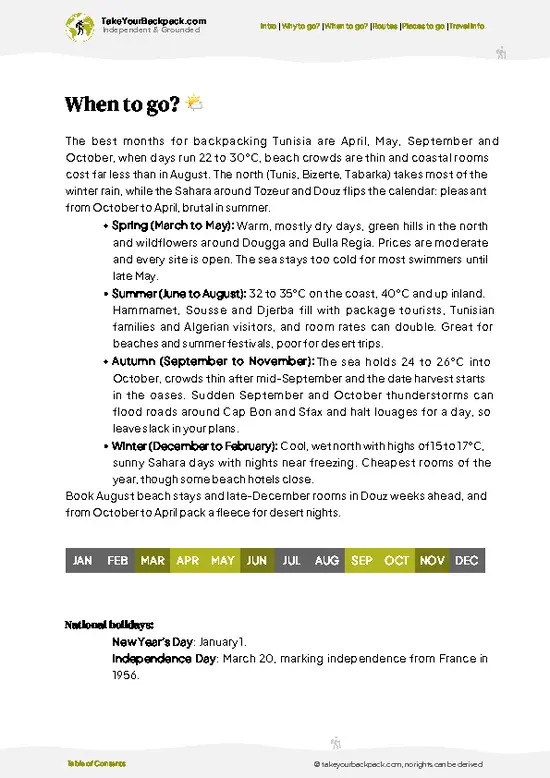
Forget the Instagram filters—nothing prepares you for the sheer scale and audacity of these mosaics. We’re talking entire floors and walls ripped straight from ancient North African villas, pieced together with obsessive precision. The “Virgil Mosaic” is the headliner, but the real magic is in the details: Medusa’s wild stare, Neptune’s sea monsters, and hunting scenes that make you feel the dust and adrenaline. These mosaics aren’t just art—they’re ancient flexing, proof that Tunisia was once the playground of emperors and poets. If you only have an hour, this is where you spend it.
The Sousse Room: A Crash Course in Roman Excess
This isn’t just another gallery. The Sousse Room is a cavernous, echoing space where the mosaics are so massive you have … read more 👉
Forget the Instagram filters—nothing prepares you for the sheer scale and audacity of these mosaics. We’re talking entire floors and walls ripped straight from ancient North African villas, pieced together with obsessive precision. The “Virgil Mosaic” is the headliner, but the real magic is in the details: Medusa’s wild stare, Neptune’s sea monsters, and hunting scenes that make you feel the dust and adrenaline. These mosaics aren’t just art—they’re ancient flexing, proof that Tunisia was once the playground of emperors and poets. If you only have an hour, this is where you spend it.
The Sousse Room: A Crash Course in Roman Excess
This isn’t just another gallery. The Sousse Room is a cavernous, echoing space where the mosaics are so massive you have … read more 👉
The Roman Mosaics: The Real Showstoppers
Forget the Instagram filters—nothing prepares you for the sheer scale and audacity of these mosaics. We’re talking entire floors and walls ripped straight from ancient North African villas, pieced together with obsessive precision. The “Virgil Mosaic” is the headliner, but the real magic is in the details: Medusa’s wild stare, Neptune’s sea monsters, and hunting scenes that make you feel the dust and adrenaline. These mosaics aren’t just art—they’re ancient flexing, proof that Tunisia was once the playground of emperors and poets. If you only have an hour, this is where you spend it.
The Sousse Room: A Crash Course in Roman Excess
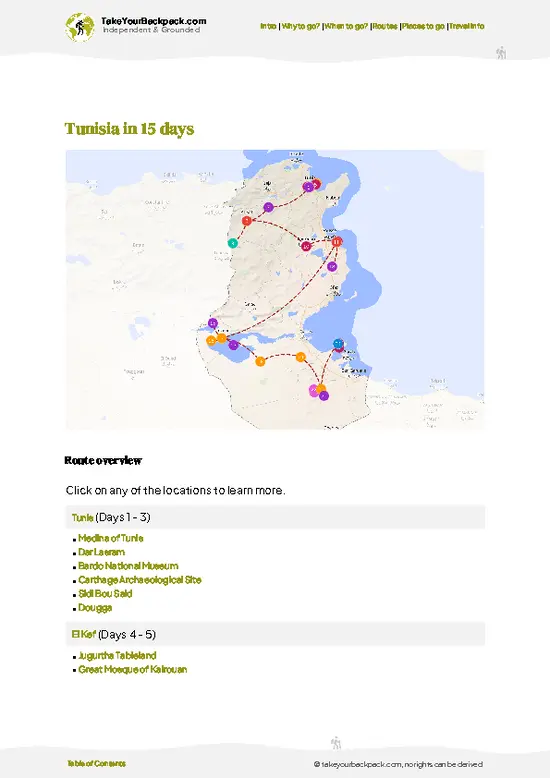
This isn’t just another gallery. The Sousse Room is a cavernous, echoing space where the mosaics are so massive you have to crane your neck. The “Triumph of Neptune” is the centerpiece—think of it as the Marvel movie of Roman mosaics, all swirling gods and sea creatures. The room’s scale alone is worth the price of admission, but it’s the sense of standing in the middle of a lost civilization’s living room that hits hardest.
The Islamic Art Collection: Beyond the Postcard
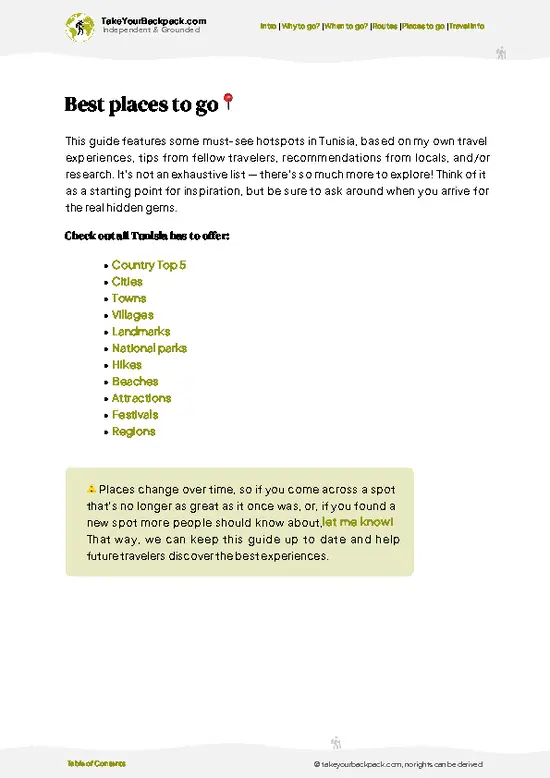
Most people come for the Romans and leave before they realize the Bardo is also a powerhouse of Islamic art. Don’t make that mistake. The ceramics, woodwork, and intricate Qur’anic calligraphy here are a masterclass in North African craftsmanship. The carved wooden minbar (pulpit) from the Kairouan Mosque is a highlight—over a thousand years old, and still radiating authority. This isn’t just religious art; it’s a window into centuries of daily life, trade, and power struggles.
The Punic Treasures: Carthage, Unfiltered
Tunisia’s pre-Roman history gets overshadowed, but the Bardo’s Punic collection is a rare chance to see Carthage without the Hollywood myth-making. Jewelry, funerary masks, and stelae (stone slabs) tell the story of a civilization that went toe-to-toe with Rome and almost won. The gold and glasswork is shockingly modern—proof that style didn’t start with the Italians.
The Palace Architecture: The Museum Itself Is the Exhibit
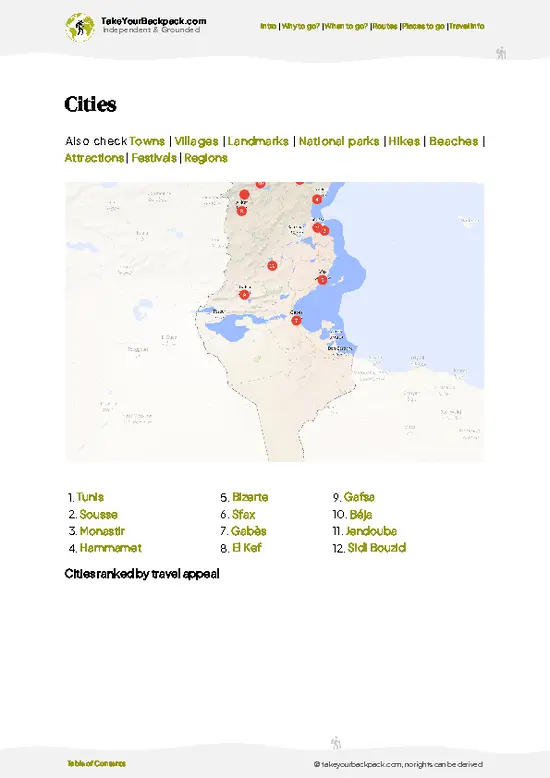
Here’s the part the travel brochures skip: the Bardo isn’t just a container for artifacts. The building is a 19th-century beylical palace, all marble courtyards, painted ceilings, and sunlit arcades. You’ll find yourself gawking at the tiles and stucco as much as the exhibits. It’s a rare museum where the walls are as memorable as what’s on them. And yes, you’ll want a photo—but the real reward is the sense of walking through layers of Tunisian history, not just looking at it.
Forget the Instagram filters—nothing prepares you for the sheer scale and audacity of these mosaics. We’re talking entire floors and walls ripped straight from ancient North African villas, pieced together with obsessive precision. The “Virgil Mosaic” is the headliner, but the real magic is in the details: Medusa’s wild stare, Neptune’s sea monsters, and hunting scenes that make you feel the dust and adrenaline. These mosaics aren’t just art—they’re ancient flexing, proof that Tunisia was once the playground of emperors and poets. If you only have an hour, this is where you spend it.
The Sousse Room: A Crash Course in Roman Excess
This isn’t just another gallery. The Sousse Room is a cavernous, echoing space where the mosaics are so massive you have to crane your neck. The “Triumph of Neptune” is the centerpiece—think of it as the Marvel movie of Roman mosaics, all swirling gods and sea creatures. The room’s scale alone is worth the price of admission, but it’s the sense of standing in the middle of a lost civilization’s living room that hits hardest.
The Islamic Art Collection: Beyond the Postcard
Most people come for the Romans and leave before they realize the Bardo is also a powerhouse of Islamic art. Don’t make that mistake. The ceramics, woodwork, and intricate Qur’anic calligraphy here are a masterclass in North African craftsmanship. The carved wooden minbar (pulpit) from the Kairouan Mosque is a highlight—over a thousand years old, and still radiating authority. This isn’t just religious art; it’s a window into centuries of daily life, trade, and power struggles.
The Punic Treasures: Carthage, Unfiltered
Tunisia’s pre-Roman history gets overshadowed, but the Bardo’s Punic collection is a rare chance to see Carthage without the Hollywood myth-making. Jewelry, funerary masks, and stelae (stone slabs) tell the story of a civilization that went toe-to-toe with Rome and almost won. The gold and glasswork is shockingly modern—proof that style didn’t start with the Italians.
The Palace Architecture: The Museum Itself Is the Exhibit
Here’s the part the travel brochures skip: the Bardo isn’t just a container for artifacts. The building is a 19th-century beylical palace, all marble courtyards, painted ceilings, and sunlit arcades. You’ll find yourself gawking at the tiles and stucco as much as the exhibits. It’s a rare museum where the walls are as memorable as what’s on them. And yes, you’ll want a photo—but the real reward is the sense of walking through layers of Tunisian history, not just looking at it.
Spotted a mistake or missing something? Contact us.
v2.webp)


Best Backpacking
Hi, I’m Johan (Netherlands 🇳🇱), the creator of TakeYourBackpack. Over the past decade, I’ve backpacked through 80+ countries across six continents, gaining extensive experience with independent travel, long-term trips, and overland routes.