×

Tunisia🇹🇳 | attractionsCarthage National MuseumPhoenician artifacts, hilltop views, statuary | things to do and best time to go

Explore Dar Ben Abdallah Museum of Traditional Arts and TraditionsExplore Kasbah of Hammamet

Backpacking in Carthage National Museum
👍 Recommendedattraction ranked #8
By Johan Kruseman 🇳🇱 | Updated May 26, 2026

Here’s what nobody tells you until you’re standing in line: your ticket to the Carthage National Museum also covers several of the surrounding ancient sites—so don’t toss it, and don’t rush. The museum itself sits on Byrsa Hill, right above the Mediterranean, in the northern suburbs of Tunis. Carthage National Museum is not the Instagram-perfect, marble-halled fantasy you might expect. It’s a bit rough around the edges, with faded signage and a layout that feels more like a treasure hunt than a curated experience. But that’s the hook: you’re face-to-face with relics that shaped empires, not just staring at glass cases. The crowds are thinner than at El Jem or the medina in Tunis, and the vibe is low-key, almost sleepy—until you step outside and realize you’re wandering the bones of a city that once rivaled Rome. It’s not cheap by Tunisian standards, but you’re paying for access to the real layers of history, not just a photo op. If you want adrenaline, look elsewhere; if you want to feel the weight of centuries, this is your spot.

Discover everything you want to know in the 📖 Tunisia Travel Guide.


Get your Tunisia guide
97 ranked highlights, routes & tips, works offline (372 pages)
Loading the map 🌍
CLICK TO FILTER
cities
towns
villages
landmarks
national parks
hikes
beaches
attractions
festivals
regions
SHOW COUNTRY’S BESTSHOW ALL

✨ Why go?
Ranked #8 attraction in Tunisia
What makes this attraction worth visiting

The Carthage National Museum isn’t some polished, Instagram-perfect spot where you snap a quick selfie and move on. It’s a gritty dive into the raw, tangled history of one of the Mediterranean’s most legendary civilizations. Sure, it gets its share of tourists, but the crowds here are nothing compared to the hype-heavy ruins outside the city. Inside, you’re face-to-face with artifacts that tell stories of empire, war, and cultural fusion—things you won’t get from a guidebook’s surface-level gloss.

This museum is a milestone on any Tunisia route because it anchors your understanding of the country’s deep roots. You’re not just looking at old pottery or statues; you’re tracing the rise and fall of Carthage, a city that shaped the ancient world and clashed with Rome in ways that still echo today. … read more 👉
The Carthage National Museum isn’t some polished, Instagram-perfect spot where you snap a quick selfie and move on. It’s a gritty dive into the raw, tangled history of one of the Mediterranean’s most legendary civilizations. Sure, it gets its share of tourists, but the crowds here are nothing compared to the hype-heavy ruins outside the city. Inside, you’re face-to-face with artifacts that tell stories of empire, war, and cultural fusion—things you won’t get from a guidebook’s surface-level gloss.

This museum is a milestone on any Tunisia route because it anchors your understanding of the country’s deep roots. You’re not just looking at old pottery or statues; you’re tracing the rise and fall of Carthage, a city that shaped the ancient world and clashed with Rome in ways that still echo today. The effort to navigate the exhibits pays off with a visceral connection to history that’s hard to find elsewhere.

If you want a real sense of Tunisia beyond the beaches and souks, this museum delivers. It’s a place where the past isn’t just displayed—it’s alive, challenging you to rethink what you thought you knew about the Mediterranean’s ancient power plays.
Want to include Carthage National Museum in your Tunisia route?
Create a personalized Tunisia itinerary that includes Carthage National Museum and the places that fit your trip — based on your travel style, budget, and available time. Get your route in seconds.

Generate my trip

💡 HighlightsPlaces and moments you shouldn't skip

The Tophet: The Chilling Heart of Carthage
Forget the sanitized museum displays—this is the real deal. The Tophet is an open-air sanctuary-slash-cemetery where Carthaginians performed rituals that still spark debate among historians. Some say it’s evidence of child sacrifice; others argue it’s just a burial ground for infants. Either way, the rows of ancient stelae, inscribed with haunting symbols, are a punch in the gut. You’re not just looking at artifacts; you’re standing in the middle of a 2,500-year-old controversy. It’s raw, it’s unsettling, and it’s the kind of history that doesn’t care about your Instagram grid.


The Punic Collection: Carthage’s True Calling Card
Most people come for the Roman ruins, but the real magic is in the Punic artifacts. The museum’s collection of Carthaginian … read more 👉
The Tophet: The Chilling Heart of Carthage
Forget the sanitized museum displays—this is the real deal. The Tophet is an open-air sanctuary-slash-cemetery where Carthaginians performed rituals that still spark debate among historians. Some say it’s evidence of child sacrifice; others argue it’s just a burial ground for infants. Either way, the rows of ancient stelae, inscribed with haunting symbols, are a punch in the gut. You’re not just looking at artifacts; you’re standing in the middle of a 2,500-year-old controversy. It’s raw, it’s unsettling, and it’s the kind of history that doesn’t care about your Instagram grid.


The Punic Collection: Carthage’s True Calling Card
Most people come for the Roman ruins, but the real magic is in the Punic artifacts. The museum’s collection of Carthaginian jewelry, ceramics, and everyday objects is a rare window into a civilization that Rome tried to erase. The craftsmanship is wild—think delicate gold earrings, amulets shaped like gods, and pottery that survived centuries of conquest. This is where you see Carthage as more than a footnote to Rome. It’s a civilization with its own swagger, and the museum lets you get nose-to-glass with the evidence.


The Roman Mosaics: Floor Art with Attitude
Yes, you’ll find mosaics in every Mediterranean museum, but Carthage’s are a cut above. These aren’t just pretty patterns—they’re sprawling, technicolor scenes of gladiators, sea monsters, and mythological drama. Some are so detailed you’ll catch yourself squatting awkwardly to get a closer look at a dolphin’s teeth. The best part? They’re displayed with minimal barriers, so you can actually appreciate the scale and artistry without feeling like you’re peering through a fish tank.


The Sarcophagi: Death, Carthaginian Style
Here’s where the museum ditches the tourist gloss. The anthropoid sarcophagi—coffin lids carved with stylized human faces—are both eerie and oddly charismatic. You’ll see the famous “Priest” and “Priestess” sarcophagi, their features frozen in a kind of ancient selfie. These aren’t generic stone boxes; they’re personality in limestone, and they force you to confront the humanity (and mortality) of people who lived millennia ago.


The Byrsa Hill Panorama: The View That Explains Everything
Step outside the museum for a second. The view from Byrsa Hill is the Carthage origin story in one sweeping panorama. You see the Mediterranean, the old harbors, and the sprawl of modern Tunis. Suddenly, every artifact inside makes sense—this was prime real estate, the crossroads of empires, and the reason everyone from the Romans to the French wanted a piece. The museum is good, but this view is the mic drop.
Spotted a mistake or missing something? Contact us.

Things to do near Carthage National Museum

Ratings based on Tripadvisor reviews. When you book through this link, you support our work at no extra cost to you.

🌤️ When to go?Seasonal considerations and timing


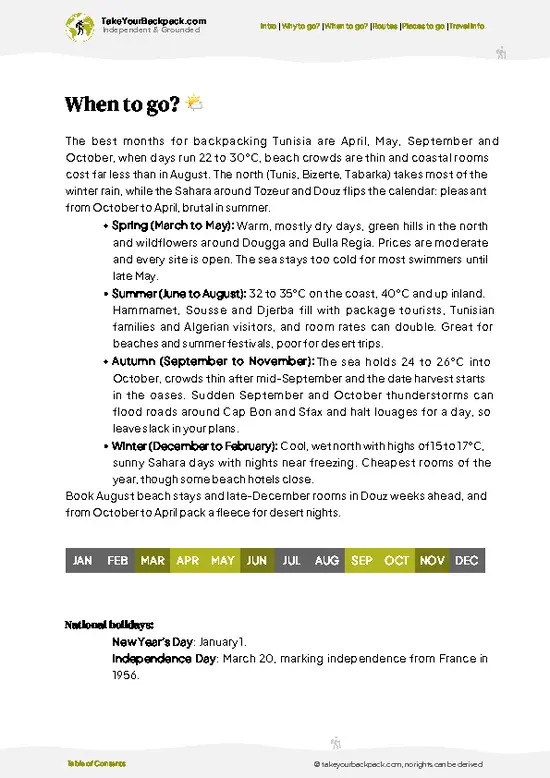
  • Topic: Weather and Temperature – The best months to visit Carthage National Museum are from April to June and September to October. During these periods, temperatures hover between 18°C to 26°C (64°F to 79°F), avoiding the scorching summer heat that can push above 35°C (95°F) in July and August, which makes exploring ruins exhausting.

  • Topic: Daylight Hours – Spring and early fall offer a solid 11 to 13 hours of daylight, giving you ample time to soak in the exhibits without rushing. Winter months, especially December and January, bring shorter days with around 9 to 10 hours, limiting your exploration window.

  • Topic: Crowds – Peak tourist season hits in July and August, turning the museum into a congested pit stop rather than a place to linger. Visiting in shoulder seasons like May or
read more 👉

  • Topic: Weather and Temperature – The best months to visit Carthage National Museum are from April to June and September to October. During these periods, temperatures hover between 18°C to 26°C (64°F to 79°F), avoiding the scorching summer heat that can push above 35°C (95°F) in July and August, which makes exploring ruins exhausting.

  • Topic: Daylight Hours – Spring and early fall offer a solid 11 to 13 hours of daylight, giving you ample time to soak in the exhibits without rushing. Winter months, especially December and January, bring shorter days with around 9 to 10 hours, limiting your exploration window.

  • Topic: Crowds – Peak tourist season hits in July and August, turning the museum into a congested pit stop rather than a place to linger. Visiting in shoulder seasons like May or October means fewer tourists, letting you appreciate the artifacts without elbowing through selfie sticks.

  • Topic: Seasonal Activities – Spring and fall sometimes feature special exhibitions or cultural events linked to Tunisia’s rich history, adding layers to your visit beyond the permanent collection. Summer’s heat often sidelines these extras.

  • Topic: Price Fluctuations – Entry fees remain stable year-round, but accommodation and transport costs spike in summer. Planning your visit outside July and August can save you a chunk of cash, freeing up budget for local eats or souvenirs.


Pro-tip: Aim for late April or early October to dodge the heat and crowds while catching any seasonal events—this is when Carthage feels less like a tourist trap and more like a genuine dive into history.


source: climatestotravel.comJANJanuary: fair for travelingFEBFebruary: good for travelingMARMarch: good for travelingAPRApril: excellent for travelingMAYMay: excellent for travelingJUNJune: excellent for travelingJULJuly: below average for travelingAUGAugust: below average for travelingSEPSeptember: highly recommended for travelingOCTOctober: excellent for travelingNOVNovember: good for travelingDECDecember: fair for traveling
when-to-go

✈️ The backpacker research shortcutTunisia Travel Guide

An offline-friendly backpacking guide with optimized travel routes, ranked highlights, transport advice, and the best areas to stay.
example page 0 from our offline Travel Guide for Tunisia
example page 1 from our offline Travel Guide for Tunisia
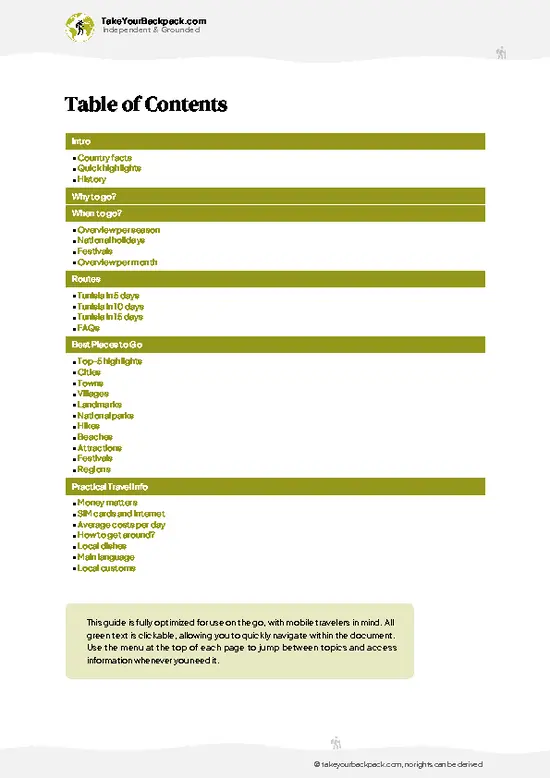
example page 2 from our offline Travel Guide for Tunisia
example page 3 from our offline Travel Guide for Tunisia
example page 4 from our offline Travel Guide for Tunisia
example page 5 from our offline Travel Guide for Tunisia
example page 6 from our offline Travel Guide for Tunisia
example page 7 from our offline Travel Guide for Tunisia
The digital guide (372 pages) contains:
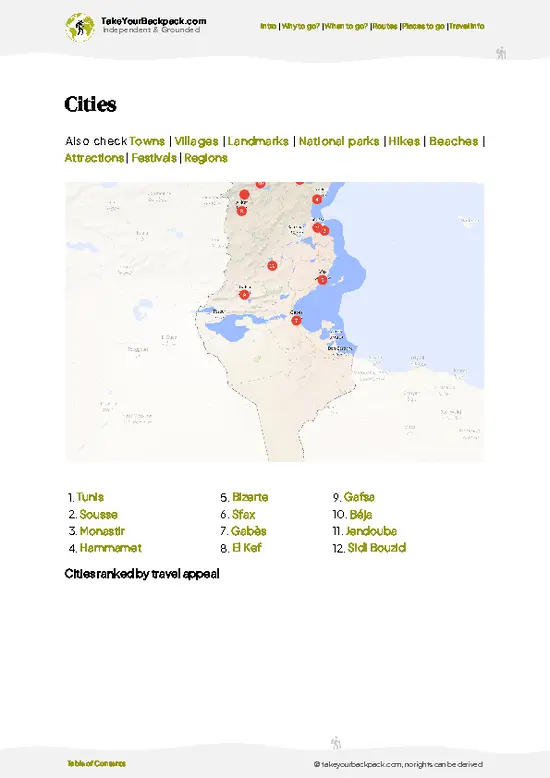
97 highlights, ranked by travel appeal
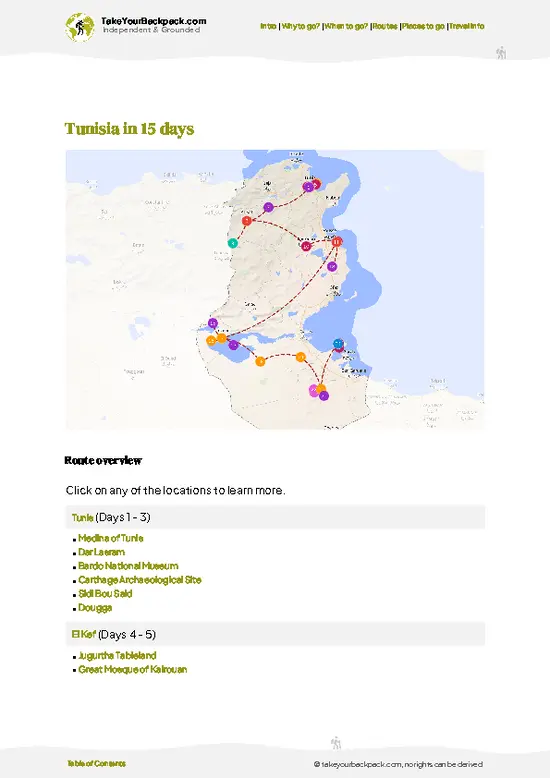
Optimized 5, 10 & 15-day travel routes
Cities, national parks, landmarks, beaches
How to get around
Offline-friendly for travel without Wi-Fi
👉 Click to see all 30+ guide features

📅 Plan smarter in minutes, not weeks
Month by month travel advice
Festivals & national holidays
Budget expectations

🗺️ Go to the right places, skip the overrated ones
Honest pros & cons of destinations
Top hikes, parks & viewpoints
Lesser-known places most travelers miss
Clear “worth it vs skip it” guidance

🛏️ Travel smoothly without rookie mistakes
Best areas to stay
Transport systems explained simply
Common scams & safety advice
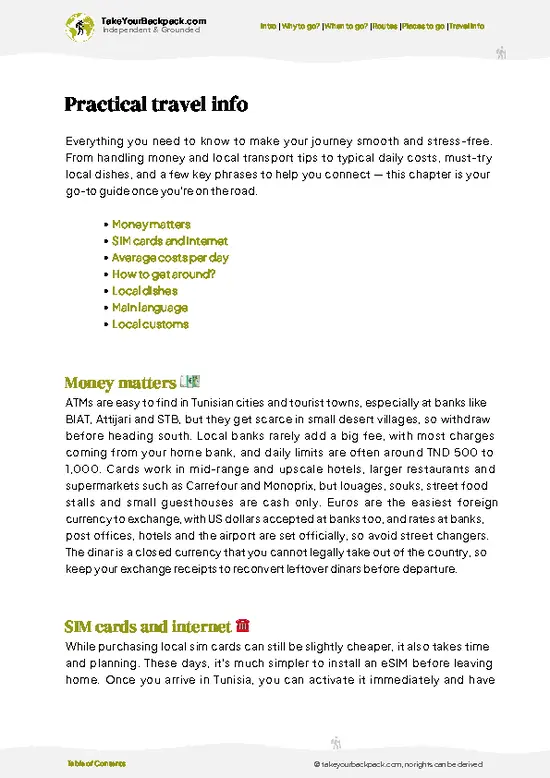
SIM cards, money & practical tips

🌍 Understand the country, not just visit it
Culture & traditions
52 Essential phrases & customs
Festivals worth planning around
Traveler-friendly historical context
Insights that make places more meaningful

📱 Built for real travel conditions
Fully downloadable PDF
Works completely offline
Optimized for phone use
Useful in remote areas & buses
Everything in one place
Save weeks of stressful planning
Get instant access to your full guide. 30‑day money-back guarantee.


By proceeding you agree to our terms.
Sent to your inbox immediately after payment • 100% Secure Checkout
Best Backpacking Travel Advisor 2025 tourism awardBest Backpacking
Travel Advisor
2025
What others say about Take Your Backpack Guides:
⭐⭐⭐⭐⭐
Fantastic, amazing amount of information!
⭐⭐⭐⭐⭐
My goodness this is amazing, it's what I've been looking for hats off too you!
⭐⭐⭐⭐⭐
I think this is absolutely BRILLIANT
⭐⭐⭐⭐
Very complete and informative. It's still missing places, but I gotta to commend you
⭐⭐⭐⭐⭐
This is truly amazing, thank you, can't wait to explore it with my kids!
⭐⭐⭐⭐⭐
Awesome resource, thank you!
⭐⭐⭐⭐⭐
This is amazing! Can't wait to explore the ones I haven't seen
⭐⭐⭐⭐
I love this! Well done, great idea.
⭐⭐⭐⭐⭐
Thanks for taking the time to make this gem!
⭐⭐⭐⭐⭐
This might be the best website I've ever seen.
⭐⭐⭐⭐⭐
Congratulations, and thank you so much for your work; it's incredibly valuable.
⭐⭐⭐⭐
In all seriousness I think you did a great job pointing out the important spots
⭐⭐⭐⭐⭐
10/10 very good
⭐⭐⭐⭐⭐
As someone who's only just starting to visit regularly this is awesome, thank you.
⭐⭐⭐⭐
Thank you very much! I'm going to visit my dad, it's going to be very useful!
⭐⭐⭐⭐⭐
This is really cool! We'll be travelling for the first time and this definitely come in handy.
⭐⭐⭐⭐⭐
You are now our minister of culture, congratulations 👨‍💼
⭐⭐⭐⭐⭐
Just wanted to tell you that this is a pearl! Going to follow your recommendations.
⭐⭐⭐⭐⭐
This is so cool. I'll definitely be using the resource for my travels soon.
⭐⭐⭐⭐⭐
This is very impressive! Good work.
⭐⭐⭐⭐⭐
This is an amazing and informative site. Very well done!

🛏️ Where to stay?Where staying makes the most sense

Carthage National Museum sits in a spot that’s both a magnet for history buffs and a magnet for crowds. Let’s cut through the hype: this isn’t a quiet, untouched archaeological site where you’ll have the ruins all to yourself. Expect groups, guided tours, and the occasional selfie stick army. The entrance fee isn’t a wallet-buster, but it’s not dirt cheap either, especially if you’re juggling multiple sites in Tunisia. So, the real question is where to crash nearby without getting swallowed by tourist traps or sketchy zones.

Skip the immediate vicinity of the museum itself—it’s mostly residential … read more 👉
Carthage National Museum sits in a spot that’s both a magnet for history buffs and a magnet for crowds. Let’s cut through the hype: this isn’t a quiet, untouched archaeological site where you’ll have the ruins all to yourself. Expect groups, guided tours, and the occasional selfie stick army. The entrance fee isn’t a wallet-buster, but it’s not dirt cheap either, especially if you’re juggling multiple sites in Tunisia. So, the real question is where to crash nearby without getting swallowed by tourist traps or sketchy zones.

Skip the immediate vicinity of the museum itself—it’s mostly residential and a bit sleepy after hours, which means fewer social vibes and limited budget options. Instead, aim for the neighborhoods of La Marsa and Sidi Bou Said. La Marsa is a lively beach town just a short bus or taxi ride away. It’s safe, packed with cafés and bars where solo travelers can easily strike up conversations, and has a good mix of budget guesthouses and hostels. The vibe is relaxed but social, perfect for unwinding after a day of history overload.

Sidi Bou Said, while pricier, offers a unique bohemian atmosphere with its blue-and-white streets and art galleries. It’s a magnet for creatives and solo travelers who want to soak in local culture beyond the museum’s stone walls. Both spots provide a genuine slice of Tunisian life, with enough backpacker-friendly infrastructure to keep you connected without feeling like you’re in a tourist bubble. That’s the real magic—living the culture, not just visiting the ruins.

👛 Costs (as of 25 May 2025)How expensive it really is

As of the most recent estimates, the Carthage National Museum charges an entrance fee of 10 Tunisian Dinars (approximately €3) for adults. Students and children under 12 years old receive a discounted rate of 5 Tunisian Dinars (approximately €1.50). Please note that these prices are subject to change, and it's advisable to check the official website or contact the museum directly for the most current information.
⚠️ Prices can change and everyone travels differently, so take this as a rough guide. Hope it helps you plan your adventure!

Other Tunisian attractions near Carthage National Museum

Explore more nearby:


💡 Not sure where to go next?
Create a personalized itinerary for Tunisia including Carthage National Museum and the places that fit your trip.

Generate my itinerary

👉 Discover all attractions

Or checkout all Tunisia has to offer (think cities, towns, villages, national parks, hikes, beaches, festivals)
Country photo of Tunisia

We 💚 feedbackIs it worth it?

Carthage National Museum isn’t your typical tourist stop plastered all over social feeds, and that’s a relief. Expect a quiet, almost reverent vibe—no crowds elbowing for the perfect selfie here. The real magic is in the details: intricate mosaics and artifacts that whisper stories older than most civilizations you’ve seen. Heads up—don’t expect flashy displays or modern gimmicks. This place rewards patience and curiosity, not speed. If you dig history that feels lived-in, this museum quietly nails it.

✍️ Help improve this page!
The information on this page is based on in-depth research, insights shared by experienced travelers, and feedback from the local travel community in Tunisia. While every effort is made to keep the information accurate and current, conditions can change — so if you spot anything incorrect or outdated, please get in touch.


🙋‍♂️ Give feedback

👋 Meet the founderWho’s Behind Take Your Backpack?

Johan, backpacker and founder of TakeYourBackpackHi, I’m Johan (Netherlands 🇳🇱), the creator of TakeYourBackpack. Over the past decade, I’ve backpacked through 80+ countries across six continents, gaining extensive experience with independent travel, long-term trips, and overland routes.

This site is built on a combination of firsthand travel experience and carefully curated insights from other backpackers. Many guides are based on places I’ve personally visited, while others bring together tips, observations, and practical advice shared by trusted travelers I’ve met along the way.

The goal is to provide realistic, experience-driven guidance — not generic itineraries — so you can explore destinations with better context, clearer expectations, and more confidence.

Get full Tunisia guide •
Instant download • 97 highlights • Full Offline guide