The Annual Lag BaOmer Pilgrimage
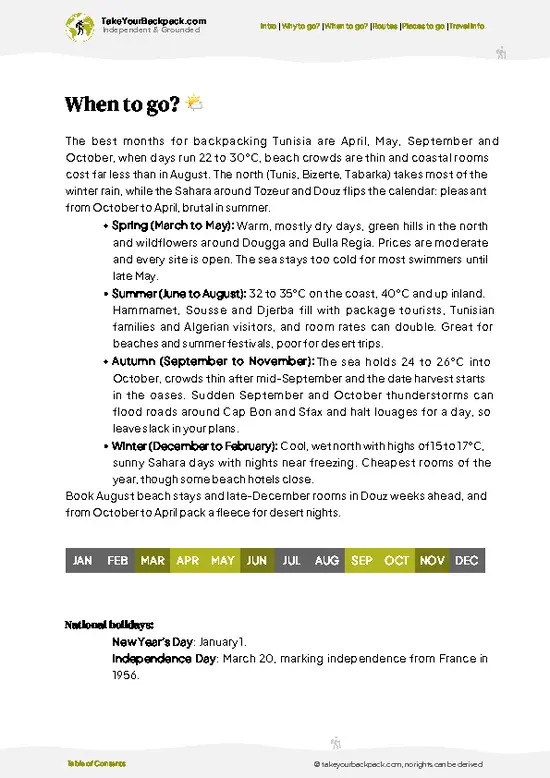
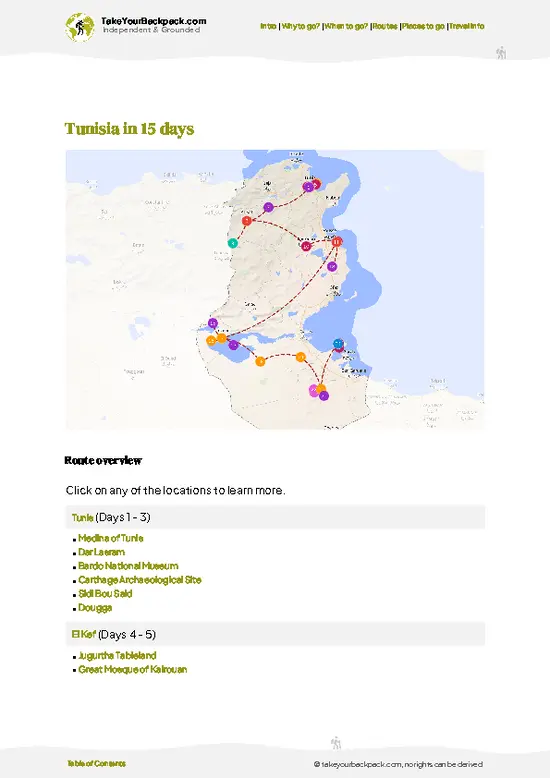
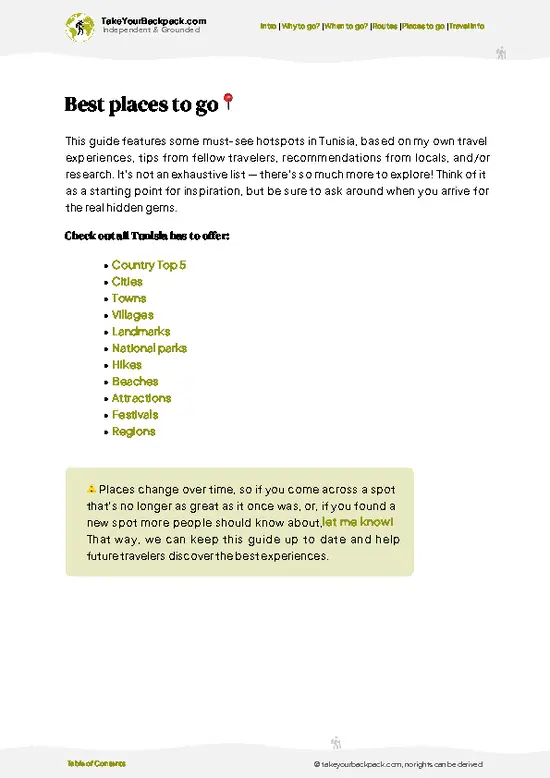
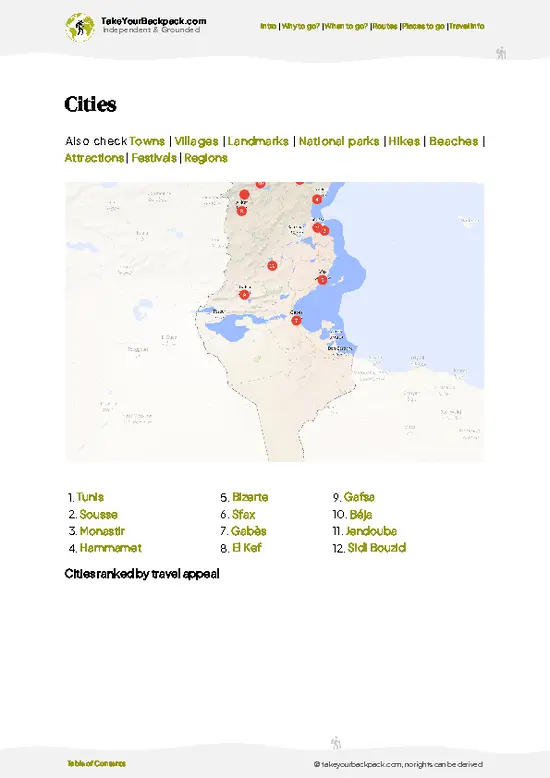
Forget the Instagram shots of empty courtyards and serene contemplation. If you want to see El Ghriba’s pulse, come during Lag BaOmer. Thousands of Tunisian Jews (and plenty of curious outsiders) descend on this tiny village, turning the synagogue into a living, breathing festival. There’s music, food stalls hawking brik and makroud, and a swirl of languages—Judeo-Arabic, French, Hebrew, and the universal dialect of celebration. It’s not a quiet spiritual retreat; it’s a full-on communal homecoming. If you’re allergic to crowds, skip it. But if you want to see living tradition, this is the real show.
The Blue-and-White Sanctuary
Photos can’t capture the sensory overload of stepping inside. The walls are tiled in intricate blue and white faience, the kind of … read more 👉
Forget the Instagram shots of empty courtyards and serene contemplation. If you want to see El Ghriba’s pulse, come during Lag BaOmer. Thousands of Tunisian Jews (and plenty of curious outsiders) descend on this tiny village, turning the synagogue into a living, breathing festival. There’s music, food stalls hawking brik and makroud, and a swirl of languages—Judeo-Arabic, French, Hebrew, and the universal dialect of celebration. It’s not a quiet spiritual retreat; it’s a full-on communal homecoming. If you’re allergic to crowds, skip it. But if you want to see living tradition, this is the real show.
The Blue-and-White Sanctuary
Photos can’t capture the sensory overload of stepping inside. The walls are tiled in intricate blue and white faience, the kind of … read more 👉
The Annual Lag BaOmer Pilgrimage
Forget the Instagram shots of empty courtyards and serene contemplation. If you want to see El Ghriba’s pulse, come during Lag BaOmer. Thousands of Tunisian Jews (and plenty of curious outsiders) descend on this tiny village, turning the synagogue into a living, breathing festival. There’s music, food stalls hawking brik and makroud, and a swirl of languages—Judeo-Arabic, French, Hebrew, and the universal dialect of celebration. It’s not a quiet spiritual retreat; it’s a full-on communal homecoming. If you’re allergic to crowds, skip it. But if you want to see living tradition, this is the real show.
The Blue-and-White Sanctuary
Photos can’t capture the sensory overload of stepping inside. The walls are tiled in intricate blue and white faience, the kind of geometric patterns that make you dizzy if you stare too long. Sunlight bounces off glass chandeliers and gilded Torah arks. The air smells faintly of wax and old wood. This isn’t a museum piece—it’s a working synagogue, layered with centuries of prayers and whispered hopes. You’ll see locals lighting candles, not just tourists snapping selfies. The vibe is lived-in, not staged.
The Ancient Torah Scrolls
El Ghriba claims to house some of the oldest Torah scrolls in the world, and whether or not you’re a scholar, there’s a thrill in knowing you’re in the presence of something that’s survived centuries of exile, migration, and upheaval. The scrolls are kept behind glass, but the sense of continuity—of a community that’s persisted against the odds—hits harder than any artifact label.
The Courtyard Olive Tree
Here’s a detail you won’t find in most guidebooks: in the heart of the courtyard stands a gnarled olive tree, said to be as old as the synagogue itself. Locals will tell you it’s a symbol of resilience, and during the pilgrimage, people tie ribbons and prayers to its branches. It’s not a photo prop—it’s a living witness to centuries of arrivals, departures, and returns.
The Synagogue’s Legends and Lore
El Ghriba isn’t just a building; it’s a magnet for stories. Some say it was founded by a single Jewish woman who survived the destruction of Solomon’s Temple. Others whisper about miracles and mysterious healings. The truth? The lines between history and legend blur here, and that’s part of the magic. Ask a caretaker or a local elder for their version—you’ll get a different answer every time, and each one is worth hearing.
The Djerban Jewish Quarter (Hara Sghira)
Don’t stop at the synagogue doors. The surrounding neighborhood is a living museum of Jewish North African life. You’ll find kosher bakeries, Hebrew-inscribed doorways, and a rhythm of daily life that’s survived centuries of change. It’s not curated for outsiders—this is the real deal, and wandering these streets gives you context you can’t get from any plaque or pamphlet.
Forget the Instagram shots of empty courtyards and serene contemplation. If you want to see El Ghriba’s pulse, come during Lag BaOmer. Thousands of Tunisian Jews (and plenty of curious outsiders) descend on this tiny village, turning the synagogue into a living, breathing festival. There’s music, food stalls hawking brik and makroud, and a swirl of languages—Judeo-Arabic, French, Hebrew, and the universal dialect of celebration. It’s not a quiet spiritual retreat; it’s a full-on communal homecoming. If you’re allergic to crowds, skip it. But if you want to see living tradition, this is the real show.
The Blue-and-White Sanctuary
Photos can’t capture the sensory overload of stepping inside. The walls are tiled in intricate blue and white faience, the kind of geometric patterns that make you dizzy if you stare too long. Sunlight bounces off glass chandeliers and gilded Torah arks. The air smells faintly of wax and old wood. This isn’t a museum piece—it’s a working synagogue, layered with centuries of prayers and whispered hopes. You’ll see locals lighting candles, not just tourists snapping selfies. The vibe is lived-in, not staged.
The Ancient Torah Scrolls
El Ghriba claims to house some of the oldest Torah scrolls in the world, and whether or not you’re a scholar, there’s a thrill in knowing you’re in the presence of something that’s survived centuries of exile, migration, and upheaval. The scrolls are kept behind glass, but the sense of continuity—of a community that’s persisted against the odds—hits harder than any artifact label.
The Courtyard Olive Tree
Here’s a detail you won’t find in most guidebooks: in the heart of the courtyard stands a gnarled olive tree, said to be as old as the synagogue itself. Locals will tell you it’s a symbol of resilience, and during the pilgrimage, people tie ribbons and prayers to its branches. It’s not a photo prop—it’s a living witness to centuries of arrivals, departures, and returns.
The Synagogue’s Legends and Lore
El Ghriba isn’t just a building; it’s a magnet for stories. Some say it was founded by a single Jewish woman who survived the destruction of Solomon’s Temple. Others whisper about miracles and mysterious healings. The truth? The lines between history and legend blur here, and that’s part of the magic. Ask a caretaker or a local elder for their version—you’ll get a different answer every time, and each one is worth hearing.
The Djerban Jewish Quarter (Hara Sghira)
Don’t stop at the synagogue doors. The surrounding neighborhood is a living museum of Jewish North African life. You’ll find kosher bakeries, Hebrew-inscribed doorways, and a rhythm of daily life that’s survived centuries of change. It’s not curated for outsiders—this is the real deal, and wandering these streets gives you context you can’t get from any plaque or pamphlet.
Spotted a mistake or missing something? Contact us.
v2.webp)


Best Backpacking
Hi, I’m Johan (Netherlands 🇳🇱), the creator of TakeYourBackpack. Over the past decade, I’ve backpacked through 80+ countries across six continents, gaining extensive experience with independent travel, long-term trips, and overland routes.