×

Tunisia🇹🇳 | attractionsGuellala MuseumUnderground house, Guellala clay, Djerbian costume, nearby kilns | things to do and best time to go

Explore Dar LasramExplore El Ghriba Synagogue

Backpacking in Guellala Museum
👌 Worth visitingattraction ranked #10
By Johan Kruseman 🇳🇱 | Updated October 22, 2026

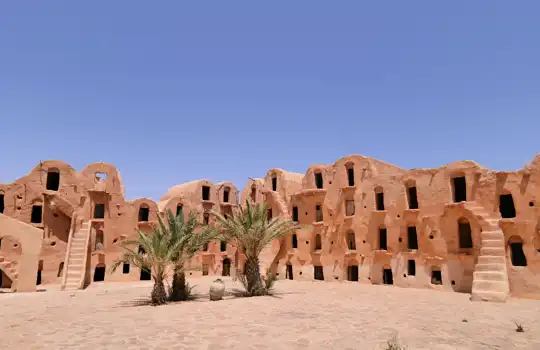
Guellala Museum sits in a village of potters, yet most travelers assume it is a dusty room of glass cases when it is really a heritage museum built into an underground Berber-style house. It lies on the southern side of Djerba island in Tunisia, a short ride from Houmt Souk. The sunken courtyard and the rooms dug around it are the best part, and the tableaux of weddings, circumcisions and farm life are earnest, if a little waxen. Labels can be thin, and tour buses arrive in waves, so the courtyard fills with selfie sticks by late morning. The entry fee is small, which makes it fair value for an hour. Skip the gift stalls; the pottery workshops next door are better. Look for the clay-lined cistern-style rooms that stay cool in August.

Discover everything you want to know in the 📖 Tunisia Travel Guide.


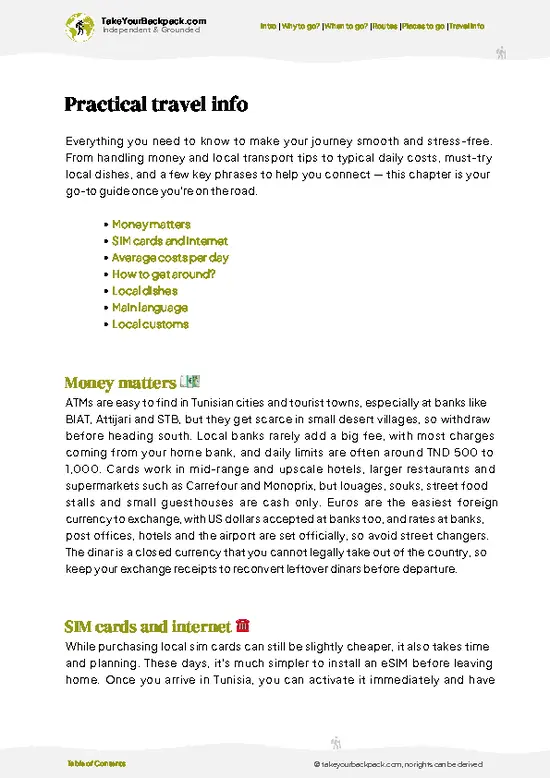
example page 0 from our offline Travel Guide for Tunisia
example page 1 from our offline Travel Guide for Tunisia
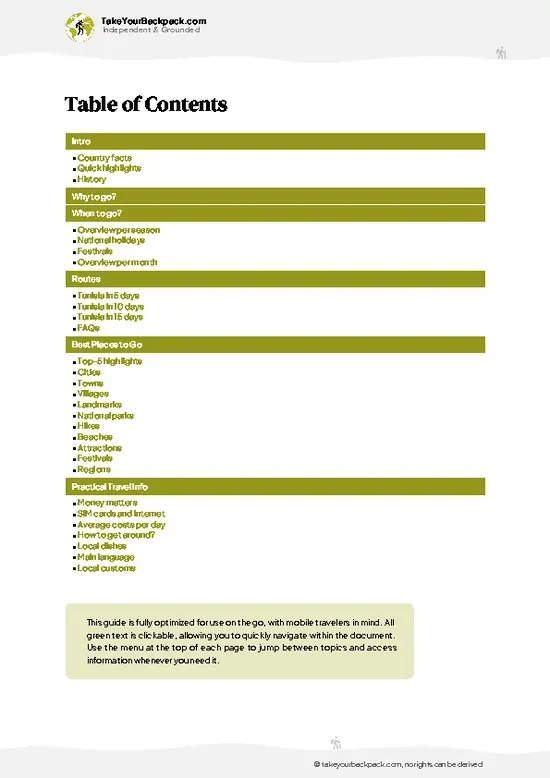
example page 2 from our offline Travel Guide for Tunisia
example page 3 from our offline Travel Guide for Tunisia
example page 4 from our offline Travel Guide for Tunisia
example page 5 from our offline Travel Guide for Tunisia
example page 6 from our offline Travel Guide for Tunisia
example page 7 from our offline Travel Guide for Tunisia
Loading the map 🌍
CLICK TO FILTER
cities
towns
villages
landmarks
national parks
hikes
beaches
attractions
festivals
regions
SHOW COUNTRY’S BESTSHOW ALL

✨ Why go?
Ranked #10 attraction in Tunisia
What sets this place apart

Guellala Museum earns a stop because it explains the thing you will see everywhere on Djerba, the red clay pottery of Guellala village, and shows how the island’s people lived around it. Most visitors only meet the pots at roadside stalls, where a price tag is the whole story. Here you get the context: how clay is dug, shaped and fired, and why the craft became the village’s identity for generations.

The second reason is the regional costumes, jewelry and household tools on display, which make the island’s traditions concrete rather than abstract. For a backpacker circling Djerba by scooter or bicycle, it is a cheap, quiet break from the beach and from Houmt Souk, and it gives you the knowledge to haggle sensibly afterward.

💡 HighlightsTop highlights of Guellala Museum

  1. The Guellala pottery collection: Jugs, amphorae and oil lamps in the red and ochre clay the village is known for, with shapes that changed little across centuries.
  2. Traditional wedding and festival costumes: Embroidered garments and heavy silver jewelry that show how Djerbian families marked big occasions.
  3. Reconstructed village life scenes: Displays of daily domestic and agricultural routines, from cooking to storing water and oil.
  4. Olive oil and farming tools: Pressing equipment and rural implements that explain how the island fed itself in a dry climate.
  5. Craft demonstration areas: Where available, you can watch a potter turn and shape clay, which makes the displays easier to read.
  6. The museum terrace and grounds: A quiet spot with views over the surrounding hills and rooftops, good for a pause before
… read more 👉
  1. The Guellala pottery collection: Jugs, amphorae and oil lamps in the red and ochre clay the village is known for, with shapes that changed little across centuries.
  2. Traditional wedding and festival costumes: Embroidered garments and heavy silver jewelry that show how Djerbian families marked big occasions.
  3. Reconstructed village life scenes: Displays of daily domestic and agricultural routines, from cooking to storing water and oil.
  4. Olive oil and farming tools: Pressing equipment and rural implements that explain how the island fed itself in a dry climate.
  5. Craft demonstration areas: Where available, you can watch a potter turn and shape clay, which makes the displays easier to read.
  6. The museum terrace and grounds: A quiet spot with views over the surrounding hills and rooftops, good for a pause before the next stop.
  7. The pottery workshops nearby: Family-run kilns in Guellala village where finished pieces are fired and sold, a natural follow-up to the exhibits.
Guellala Museum is best started with the pottery collection, because every other room makes more sense once you know how the clay and its forms work.
Spotted a mistake or missing something? Contact us.

Things to do near Guellala Museum

Ratings based on Tripadvisor reviews. When you book through this link, you support our work at no extra cost to you.

🌤️ When to go?Weather, crowds, and seasonal trade-offs

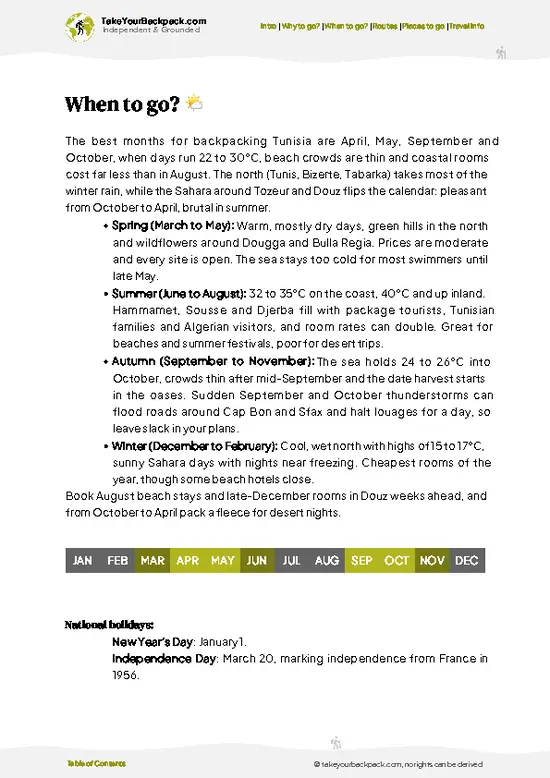
  • Spring (March to May): Djerba runs 18 to 25°C (64 to 77°F) with long daylight, open-air pottery workshops nearby, and light crowds before the beach rush.
  • Summer (June to August): Expect 30 to 36°C (86 to 97°F) with strong humidity. Tour buses arrive in force and hotel prices peak. The museum is a cool indoor refuge at midday.
  • Autumn (September to November): Sea and air stay warm at 22 to 30°C (72 to 86°F). Prices ease after mid-September and workshops are quiet.
  • Winter (December to February): Days sit at 11 to 17°C (52 to 63°F) with occasional rain and short daylight. Rooms are cheapest, though some seasonal cafes close.
Arrive on a weekday morning in shoulder season and you may have the galleries almost to yourself.

source: climatestotravel.comJANJanuary: fair for travelingFEBFebruary: fair for travelingMARMarch: highly recommended for travelingAPRApril: excellent for travelingMAYMay: highly recommended for travelingJUNJune: fair for travelingJULJuly: below average for travelingAUGAugust: below average for travelingSEPSeptember: highly recommended for travelingOCTOctober: excellent for travelingNOVNovember: highly recommended for travelingDECDecember: fair for traveling
when-to-go

✈️ The backpacker research shortcutTunisia Travel Guide

An offline-friendly backpacking guide with optimized travel routes, ranked highlights, transport advice, and the best areas to stay.
example page 0 from our offline Travel Guide for Tunisia
example page 1 from our offline Travel Guide for Tunisia
example page 2 from our offline Travel Guide for Tunisia
example page 3 from our offline Travel Guide for Tunisia
example page 4 from our offline Travel Guide for Tunisia
example page 5 from our offline Travel Guide for Tunisia
example page 6 from our offline Travel Guide for Tunisia
example page 7 from our offline Travel Guide for Tunisia
The digital guide (355 pages) contains:
✅ 90 highlights, ranked by travel appeal
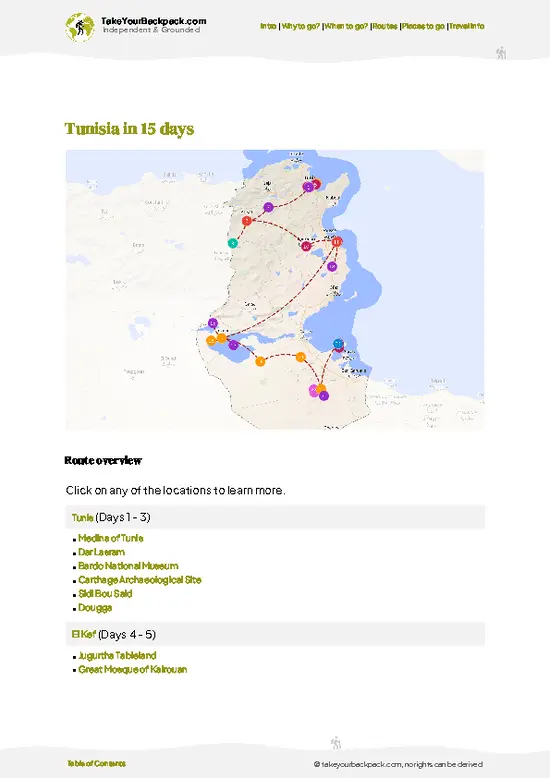
✅ Optimized 5, 10 & 15-day travel routes
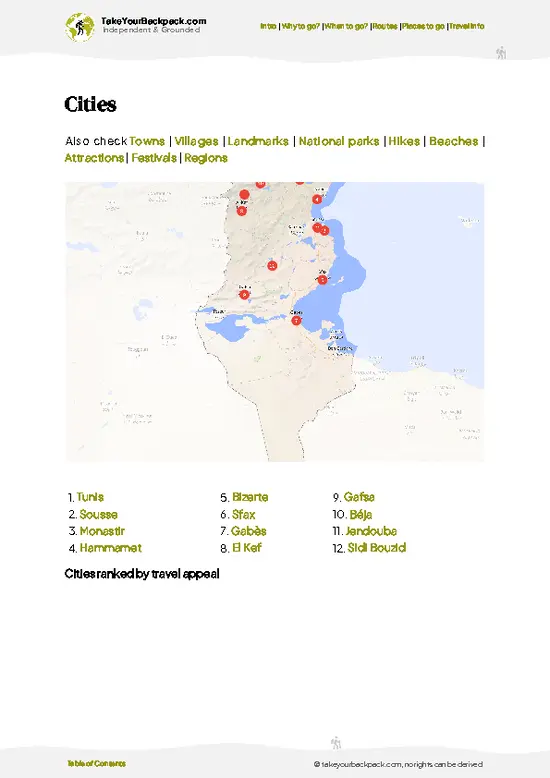
✅ Cities, national parks, landmarks, beaches
✅ How to get around
✅ Offline-friendly for travel without Wi-Fi
👉 Click to see all 30+ guide features

📅 Plan smarter in minutes, not weeks
✅ Month by month travel advice
✅ Festivals & national holidays
✅ Budget expectations

🗺️ Go to the right places, skip the overrated ones
✅ Honest pros & cons of destinations
✅ Top hikes, parks & viewpoints
✅ Lesser-known places most travelers miss
✅ Clear “worth it vs skip it” guidance

🛏️ Travel smoothly without rookie mistakes
✅ Best areas to stay
✅ Transport systems explained simply
✅ Common scams & safety advice
✅ SIM cards, money & practical tips

🌍 Understand the country, not just visit it
✅ Culture & traditions
✅ 52 Essential phrases & customs
✅ Festivals worth planning around
✅ Traveler-friendly historical context
✅ Insights that make places more meaningful

📱 Built for real travel conditions
✅ Fully downloadable PDF
✅ Works completely offline
✅ Optimized for phone use
✅ Useful in remote areas & buses
✅ Everything in one place
Stop searching, start planning
Get instant access to your full guide. 30‑day money-back guarantee.
+ Add another guide for just

By proceeding you agree to our terms.
Sent to your inbox immediately after payment • 100% Secure Checkout
Best Backpacking Travel Advisor 2025 tourism awardBest Backpacking
Travel Advisor
2025
What others say about Take Your Backpack Guides:
⭐⭐⭐⭐⭐
Fantastic, amazing amount of information!
⭐⭐⭐⭐⭐
My goodness this is amazing, it's what I've been looking for hats off too you!
⭐⭐⭐⭐⭐
I think this is absolutely BRILLIANT
⭐⭐⭐⭐
Very complete and informative. It's still missing places, but I gotta to commend you
⭐⭐⭐⭐⭐
This is truly amazing, thank you, can't wait to explore it with my kids!
⭐⭐⭐⭐⭐
Awesome resource, thank you!
⭐⭐⭐⭐⭐
This is amazing! Can't wait to explore the ones I haven't seen
⭐⭐⭐⭐
I love this! Well done, great idea.
⭐⭐⭐⭐⭐
Thanks for taking the time to make this gem!
⭐⭐⭐⭐⭐
This might be the best website I've ever seen.
⭐⭐⭐⭐⭐
Congratulations, and thank you so much for your work; it's incredibly valuable.
⭐⭐⭐⭐
In all seriousness I think you did a great job pointing out the important spots
⭐⭐⭐⭐⭐
10/10 very good
⭐⭐⭐⭐⭐
As someone who's only just starting to visit regularly this is awesome, thank you.
⭐⭐⭐⭐
Thank you very much! I'm going to visit my dad, it's going to be very useful!
⭐⭐⭐⭐⭐
This is really cool! We'll be travelling for the first time and this definitely come in handy.
⭐⭐⭐⭐⭐
You are now our minister of culture, congratulations 👨‍💼
⭐⭐⭐⭐⭐
Just wanted to tell you that this is a pearl! Going to follow your recommendations.
⭐⭐⭐⭐⭐
This is so cool. I'll definitely be using the resource for my travels soon.
⭐⭐⭐⭐⭐
This is very impressive! Good work.
⭐⭐⭐⭐⭐
This is an amazing and informative site. Very well done!

🛏️ Where to stay?Choosing the right base

Houmt Souk is the best base for backpackers, with the island’s largest cluster of budget guesthouses, cheap eateries and the central bus and louage station. It sits about 20 kilometers (12 miles) from Guellala, and shared taxis make the run easy. The old medina is walkable and safe after dark, and solo travelers meet others around its cafes and courtyards.
Guellala village itself suits anyone wanting quiet. A few small guesthouses sit among pottery workshops, so you can walk to the museum and watch potters at work in the evening. Choices are limited and nightlife is basically absent.
Midoun, on … read more 👉
Houmt Souk is the best base for backpackers, with the island’s largest cluster of budget guesthouses, cheap eateries and the central bus and louage station. It sits about 20 kilometers (12 miles) from Guellala, and shared taxis make the run easy. The old medina is walkable and safe after dark, and solo travelers meet others around its cafes and courtyards.
Guellala village itself suits anyone wanting quiet. A few small guesthouses sit among pottery workshops, so you can walk to the museum and watch potters at work in the evening. Choices are limited and nightlife is basically absent.
Midoun, on the north coast, offers beach access and a livelier traveler scene in the tourist zone, with more hostel-style dorms and bike rentals. It is farther from the museum, roughly 30 kilometers (19 miles), so expect a longer ride. Most backpackers pick Houmt Souk and visit Guellala by day.

👛 Costs (as of 22 October 2026)How expensive it really is

Guellala Museum costs a backpacker roughly US$27 to 54 per day, including a bed, meals and transport on Djerba.
CategoryBudget RangeLocal Reality
Museum entryUS$3 to 6Paid at the door in Tunisian dinars; a camera fee may apply.
Accommodation (high season)US$15 to 25Dorm bed or simple guesthouse room in Houmt Souk; roughly 30 percent less in winter.
Local transportUS$2 to 5Shared taxi or local bus from Houmt Souk; a private taxi costs more.
FoodUS$5 to 8Sandwiches, brik and fish plates at local cafes; sit-down meals cost more.
Pottery souvenirsUS$2 to 10Small bowls and tiles from workshops; prices are negotiable.
Total Daily BudgetUS$27 to 54Mid-range for a day centered on the museum and village.
⚠️ Prices can change and everyone travels differently, so take this as a rough guide. Hope it helps you plan your adventure!

FAQTraveler FAQ

Guellala Museum needs about 1 to 2 hours for the galleries and the Djerbian heritage displays. Add another hour if you visit the pottery workshops in the village. A half day from Houmt Souk, including transport, is a comfortable plan.
Guellala Museum is worth the roughly US$3 to 6 entry if you want context on Djerban traditions, from weddings to crafts, before you visit the local potters. Its displays are small, so it works best as a short stop combined with the village workshops. Skip it if you have only one day on the island and want beaches or the Houmt Souk medina instead.
Guellala Museum lies on the south coast of Djerba, about 20 kilometers (12 miles) from Houmt Souk. Shared taxis or local buses take roughly 30 to 45 minutes for US$1 to 3, and a private taxi costs around US$10 to 15. Renting a scooter or bicycle also works on the flat island roads.
⚠️ Things can change over time, so always validate details locally before you go.

Other Tunisian attractions near Guellala Museum

Explore more nearby:

  • El Ghriba Synagogue—Turquoise tilework, colored glass, Lag BaOmer pilgrimage, Erriadh murals| 9 km away
  • Ribat of Monastir—Nador tower, arcaded courtyard, pilgrim cells, Bourguiba mausoleum| 227 km away
  • Great Mosque of Kairouan—Oldest minaret, slanted courtyard, reused Roman columns, carved doors| 228 km away

💡 Not sure where to go next?
Create a personalized itinerary for Tunisia including Guellala Museum and the places that fit your trip.

Generate my itinerary

👉 Discover all attractions

Or checkout all Tunisia has to offer (think cities, towns, villages, national parks, hikes, beaches, festivals)
Country photo of Tunisia

We 💚 feedbackFinal thoughts on visiting Guellala Museum

Guellala Museum suits curious travelers, pottery fans and anyone who likes knowing what they are buying before they buy it. If you only want beaches, skip it. I would go on a slow afternoon, then walk to a workshop and ask to watch the kiln.

✍️ Help improve this page!
The information on this page is based on in-depth research, insights shared by experienced travelers, and feedback from the local travel community in Tunisia. While every effort is made to keep the information accurate and current, conditions can change — so if you spot anything incorrect or outdated, please get in touch.


🙋‍♂️ Give feedback

👋 Meet the founderWho’s Behind Take Your Backpack?

Johan, backpacker and founder of TakeYourBackpackHi, I’m Johan (Netherlands 🇳🇱), the creator of TakeYourBackpack. Over the past 3 decades, I’ve backpacked through 90+ countries across six continents, gaining extensive experience with independent travel, long-term trips, and overland routes.

This site is built on a combination of firsthand travel experience and carefully curated insights from other backpackers. Many guides are based on places I’ve personally visited, while others bring together tips, observations, and practical advice shared by trusted travelers I’ve met along the way.

The goal is to provide realistic, experience-driven guidance — not generic itineraries — so you can explore destinations with better context, clearer expectations, and more confidence.