v2.webp)
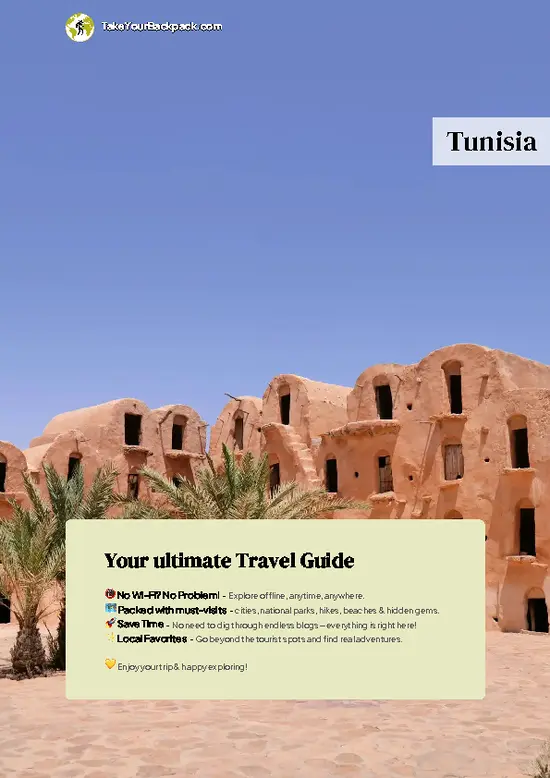
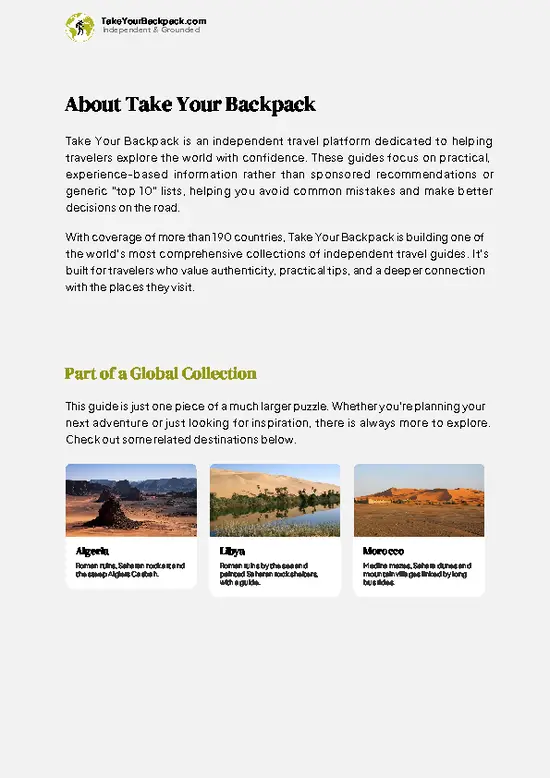
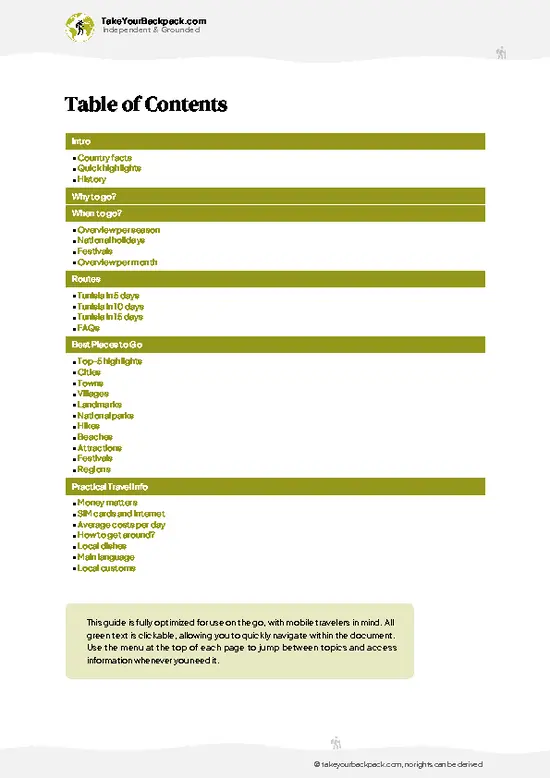
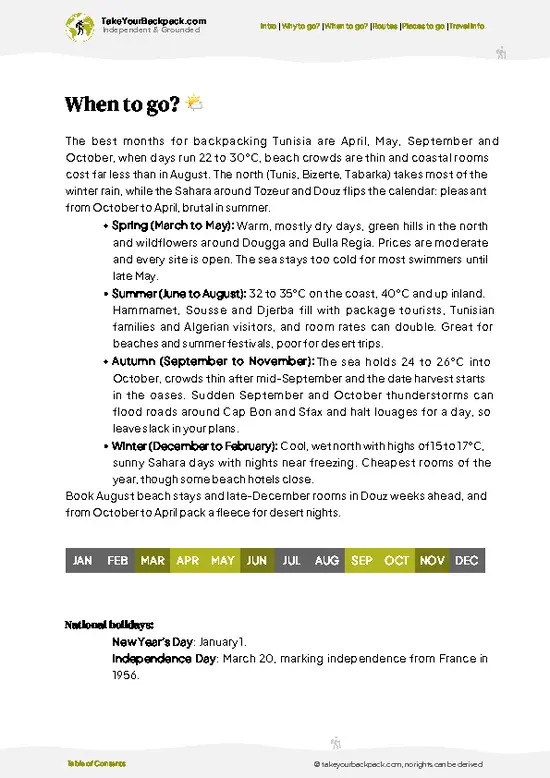
- Ghomrassen Old Quarter and Hilltop Dwellings: Carved and built homes climb the slope above the modern town, with views over the plain. Free, 1 to 2 hours, best in soft light.
- Thursday Souk: Livestock, spices, cloth and tools change hands in the weekly market. Free, 1 to 2 hours, go in the morning before trade winds down.
- Traditional Olive Press Sites: Old stone presses near the edge of town show how families once worked the groves. Free, about 30 minutes, easiest by day.
- Local Pottery Workshops: Potters shape clay for jars and plates, and you can watch and buy small pieces. Expect US$2 to 15 for items, 30 to 45 minutes, mornings are best.
- Main Street Cafés: Sit with mint tea and watch the town run. Tea costs about US$1, take an hour, and late afternoon is liveliest.
- Ghomrassen Old Quarter and Hilltop Dwellings: Carved and built homes climb the slope above the modern town, with views over the plain. Free, 1 to 2 hours, best in soft light.
- Thursday Souk: Livestock, spices, cloth and tools change hands in the weekly market. Free, 1 to 2 hours, go in the morning before trade winds down.
- Traditional Olive Press Sites: Old stone presses near the edge of town show how families once worked the groves. Free, about 30 minutes, easiest by day.
- Local Pottery Workshops: Potters shape clay for jars and plates, and you can watch and buy small pieces. Expect US$2 to 15 for items, 30 to 45 minutes, mornings are best.
- Main Street Cafés: Sit with mint tea and watch the town run. Tea costs about US$1, take an hour, and late afternoon is liveliest.
Spotted a mistake or missing something? Contact us.




 Best Backpacking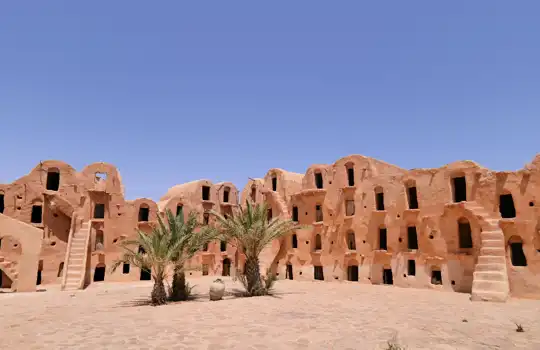
.jpg) Hi, I’m Johan (Netherlands 🇳🇱), the creator of TakeYourBackpack. Over the past 3 decades, I’ve backpacked through 90+ countries across six continents, gaining extensive experience with independent travel, long-term trips, and overland routes.
Hi, I’m Johan (Netherlands 🇳🇱), the creator of TakeYourBackpack. Over the past 3 decades, I’ve backpacked through 90+ countries across six continents, gaining extensive experience with independent travel, long-term trips, and overland routes.