v2.webp)
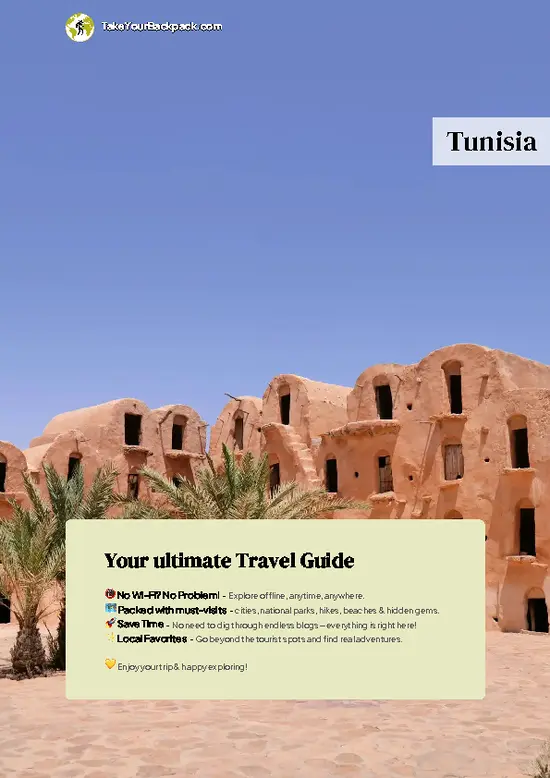
- Médenine Ksar and Ghorfas: The old granary quarter, with vaulted storage cells stacked in rows around courtyards, is what the town is known for. Some are restored and others are crumbling, which makes them better for photos than for polish. Go in the morning for softer light. Free to walk around, about 45 minutes.
- Monday Market: The weekly souk fills the central streets with livestock traders, spice sellers, textiles and hardware. Arrive early, as it thins out by early afternoon. Free to wander, with snacks for US$1 to 3, and allow 1 to 2 hours.
- Central Mosque Quarter: The streets around the main mosque show everyday Médenine, with tea stalls and small bakeries. Best at midday, when people gather. Free, about 30 minutes.
- Local Craft Shops: Look for woven rugs and basketry in small shops, where
- Médenine Ksar and Ghorfas: The old granary quarter, with vaulted storage cells stacked in rows around courtyards, is what the town is known for. Some are restored and others are crumbling, which makes them better for photos than for polish. Go in the morning for softer light. Free to walk around, about 45 minutes.
- Monday Market: The weekly souk fills the central streets with livestock traders, spice sellers, textiles and hardware. Arrive early, as it thins out by early afternoon. Free to wander, with snacks for US$1 to 3, and allow 1 to 2 hours.
- Central Mosque Quarter: The streets around the main mosque show everyday Médenine, with tea stalls and small bakeries. Best at midday, when people gather. Free, about 30 minutes.
- Local Craft Shops: Look for woven rugs and basketry in small shops, where you can watch the work being made. Best in the morning. Browsing is free, and small purchases run US$3 to 15. Allow about an hour.
- Tea and Grill Stops: Take a seat at a street grill for lamb skewers and sweet mint tea. Dinner is best, when the air cools. Expect US$4 to 8, about an hour.
Spotted a mistake or missing something? Contact us.

Tataouine, Chenini and the Berber region 1 day in a private 4X4.

Discovery ride on horseback or camel 2h30

Private 4*4 Day Trip to Ksar Ghilane

Private Day Trip Tataouine and Berber Village

Sahara 4x4 tour with a night in tent Tataouine Ghilane Matmata

Private Day Trip to Ksar Ghilane with Lunch

Night Under Tent 2 Day Excursion Ksar Ghilane

Horseback riding at sunrise 3h

From Djerba: Ksar Ghilane & Matmata 4*4 guided tour with lunch


 Best Backpacking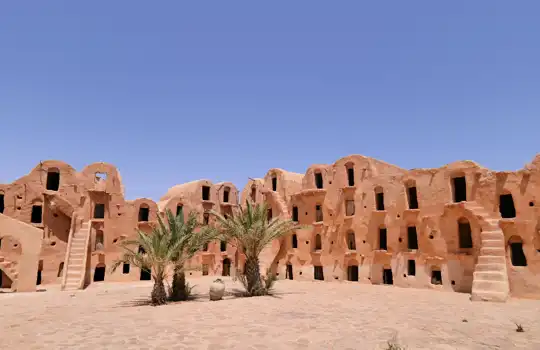
.jpg) Hi, I’m Johan (Netherlands 🇳🇱), the creator of TakeYourBackpack. Over the past 3 decades, I’ve backpacked through 90+ countries across six continents, gaining extensive experience with independent travel, long-term trips, and overland routes.
Hi, I’m Johan (Netherlands 🇳🇱), the creator of TakeYourBackpack. Over the past 3 decades, I’ve backpacked through 90+ countries across six continents, gaining extensive experience with independent travel, long-term trips, and overland routes.