×

Tunisia🇹🇳 | townsMatmatatroglodyte dwellings, Berber heritage, sunken courtyards | things to do and best time to go

Explore DouzExplore Mides

Backpacking in Matmata
🏆 Top picktown ranked #1
By Johan Kruseman 🇳🇱 | Updated June 9, 2026

The secret edge of Matmata is how its cave homes—those sunken, earthen courtyards—turn the midday heat into a cool, silent retreat. Most travelers only realize this after a sweaty day on the road, when stepping down into a troglodyte guesthouse feels like slipping into another climate. Matmata sits in southern Tunisia, on the edge of the desert, a few hours inland from the Mediterranean coast and the busier town of Gabès. For backpackers, Matmata is a crossroads: the landscape is lunar, the air dry and mineral, and the village itself is small enough that you’ll hear the scrape of a neighbor’s shovel echo across the valley at dusk. People stop here for the otherworldly architecture and the hush that settles after sunset—there’s no nightlife, just the low murmur of communal dinners and the occasional burst of laughter from a guesthouse courtyard. Compared to Douz or Tataouine, Matmata is quieter, more intimate, and less polished for tourists. You’ll meet other travelers, but it’s the kind of place where you swap stories over mint tea, not over beers. The reward is a rhythm that feels ancient, and a silence that makes the desert stars seem impossibly close.

Discover everything you want to know in the 📖 Tunisia Travel Guide.


Get your Tunisia guide
97 ranked highlights, routes & tips, works offline (372 pages)
Loading the map 🌍
CLICK TO FILTER
cities
towns
villages
landmarks
national parks
hikes
beaches
attractions
festivals
regions
SHOW COUNTRY’S BESTSHOW ALL

✨ Why go?
Ranked #1 town in Tunisia
Why visitors keep coming back

Matmata is a breath of fresh air for backpackers seeking a slower pace. Nestled in the stunning landscape of southern Tunisia, this village offers a unique blend of local character and natural beauty. The troglodyte dwellings carved into the earth create a surreal atmosphere, inviting you to explore their cool interiors while escaping the heat. It’s a perfect pause between busier destinations like Tunis and the Sahara, allowing you to recharge.

The village is a gateway to hikes in the surrounding hills, where the scent of wild herbs fills the air. You can easily spend a day wandering the trails or simply soaking in the tranquility of the landscape. Backpackers here often find themselves lingering, drawn in by the friendly locals and the chance to share stories over mint tea.

This spot attracts … read more 👉
Matmata is a breath of fresh air for backpackers seeking a slower pace. Nestled in the stunning landscape of southern Tunisia, this village offers a unique blend of local character and natural beauty. The troglodyte dwellings carved into the earth create a surreal atmosphere, inviting you to explore their cool interiors while escaping the heat. It’s a perfect pause between busier destinations like Tunis and the Sahara, allowing you to recharge.

The village is a gateway to hikes in the surrounding hills, where the scent of wild herbs fills the air. You can easily spend a day wandering the trails or simply soaking in the tranquility of the landscape. Backpackers here often find themselves lingering, drawn in by the friendly locals and the chance to share stories over mint tea.

This spot attracts a mix of slow travelers, hikers, and solo adventurers looking for a moment of calm. It’s not a party hub; instead, it offers a chance to connect with the land and its people. If you’re after a genuine experience rather than just a quick photo op, Matmata is worth your time.
Want to include Matmata in your Tunisia route?
Create a personalized Tunisia itinerary that includes Matmata and the places that fit your trip — based on your travel style, budget, and available time. Get your route in seconds.

Generate my trip

💡 HighlightsMust-see experiences and standout moments

  • Sidi Driss (the troglodyte hotel) — The small cave-hotel famous for being used as Luke Skywalker’s childhood home in Star Wars; walking its central courtyard gives a real, tangible connection to both local life and film history.
  • Troglodyte family homes (guided visits) — The core of Matmata: circular underground courtyards carved into the earth. Many families open their homes for tours so you can see how rooms, storage pits and living spaces were (and still are) organized.
  • Stay overnight in a cave guesthouse — Several local guesthouses let you sleep in a troglodyte room. It’s simple, quiet and unforgettable — you’ll feel the thermal logic of the architecture and pick up tips from hosts about everyday life.
  • Sunset viewpoint over the pits — Walk the rim above the clustered wells and courtyards
read more 👉
  • Sidi Driss (the troglodyte hotel) — The small cave-hotel famous for being used as Luke Skywalker’s childhood home in Star Wars; walking its central courtyard gives a real, tangible connection to both local life and film history.
  • Troglodyte family homes (guided visits) — The core of Matmata: circular underground courtyards carved into the earth. Many families open their homes for tours so you can see how rooms, storage pits and living spaces were (and still are) organized.
  • Stay overnight in a cave guesthouse — Several local guesthouses let you sleep in a troglodyte room. It’s simple, quiet and unforgettable — you’ll feel the thermal logic of the architecture and pick up tips from hosts about everyday life.
  • Sunset viewpoint over the pits — Walk the rim above the clustered wells and courtyards for a wide, empty-light view at dusk; the light and shadows make the landscape feel otherworldly and is great for photography.
  • Matmata’s main street and market area — Small but lively: buy fresh produce, local dates and basic supplies, watch locals trade, and overhear real village life — more authentic than staged tourist markets.
  • Local handicraft stalls and rug sellers — You’ll find hand-woven rugs, simple pottery and Berber textiles; friendly bargaining is normal, and it’s a good place to support local makers rather than big shops in bigger towns.
  • In-home cooking and bread-baking demos — Many hosts will show you a clay oven (tabouna) and how traditional flatbreads are made; it’s a hands-on cultural moment and a real taste of daily life.
  • Short, local guided walks explaining troglodyte construction — Local guides (often family members) will show how rooms, ventilation and water storage work together — practical history you won’t get from a signboard.
  • Small, informal community museums and photo displays — Scattered in cafés or family homes are curated photo displays, costume pieces and artifacts that locals gladly explain; they’re low-profile but full of context about changing life here.
  • Everyday village encounters — tea with a family — Not a monument, but one of the best highlights: having mint tea with a resident, listening to stories, and seeing how traditions are kept. It’s where the place’s spirit really shows.
A few excellent, visitable day-trip highlights outside Matmata: the town of Tataouine, the ksar and film set at Ksar Ouled Soltane, and the hilltop Berber villages/ksour of Chenini and Douiret.
Spotted a mistake or missing something? Contact us.

Things to do near Matmata

Ratings based on Tripadvisor reviews. When you book through this link, you support our work at no extra cost to you.

🏘️ NeighborhoodsKey areas and districts to know

Matmata’s charm is in its underground troglodyte homes and slow, sunbaked rhythms. Knowing where to base yourself here shapes everything—from how you catch the fading light in the caves to how you dodge the midday heat.

Old Matmata Village
This is the heart of the troglodyte experience. Staying here means waking up inside a cave home carved into the earth, with cool stone walls that hold the desert’s heat at bay. It’s quiet, almost timeless, with narrow alleys that invite slow wandering. Nightlife is minimal—think starry skies and whispered stories, not bars or clubs. It’s perfect for a short stay if you want to dive deep into the authentic vibe without needing much else. Walkability is excellent, but public transport options are scarce, so plan your arrivals and departures carefully.

read more 👉
Matmata’s charm is in its underground troglodyte homes and slow, sunbaked rhythms. Knowing where to base yourself here shapes everything—from how you catch the fading light in the caves to how you dodge the midday heat.

Old Matmata Village
This is the heart of the troglodyte experience. Staying here means waking up inside a cave home carved into the earth, with cool stone walls that hold the desert’s heat at bay. It’s quiet, almost timeless, with narrow alleys that invite slow wandering. Nightlife is minimal—think starry skies and whispered stories, not bars or clubs. It’s perfect for a short stay if you want to dive deep into the authentic vibe without needing much else. Walkability is excellent, but public transport options are scarce, so plan your arrivals and departures carefully.

New Matmata
A few kilometers away, this area offers more conventional accommodations and basic amenities. It’s busier, with small shops and cafes where locals gather. The vibe is more practical than poetic—good for stocking up on supplies or grabbing a quick meal. It’s easier to find transport connections here, making it a smart base if you’re passing through or staying longer and want a balance between access and authenticity. The streets are wider and more navigable, but you lose the cave-home intimacy.

Surrounding Desert Outskirts
If you’re chasing solitude or planning desert excursions, consider camping or guesthouses on the outskirts. The landscape opens up here—wide horizons, dry air scented with wild thyme and dust. It’s less about convenience and more about immersion. You’ll need your own transport or a guide, but the payoff is waking up to sunrise over endless dunes. This area suits longer stays for those who want to disconnect and explore beyond the village limits.

Choosing your spot in Matmata isn’t just about comfort—it’s about tuning into the pace and texture of this unique place. Each neighborhood offers a different lens on the desert’s story.

⌛️ 1 dayA smart one-day plan

Matmata is a place that grabs you with its raw, earthen charm—homes dug deep into the ground, cool and shadowed, a stark contrast to the blazing Tunisian sun above. This isn’t just a town; it’s a living museum of Berber ingenuity, where the landscape shapes life in ways you won’t find anywhere else. The air carries a dry, mineral scent, and the light here is sharp, casting long shadows into the circular courtyards that form the heart of each troglodyte dwelling.

Start your morning wandering through the central neighborhood, where the most famous underground homes are open to visitors. The coolness inside these cave-like rooms is a relief from the heat, and the rough, hand-carved walls tell stories of generations. Don’t just stick to the main tourist spots—veer off to the less-visited eastern … read more 👉
Matmata is a place that grabs you with its raw, earthen charm—homes dug deep into the ground, cool and shadowed, a stark contrast to the blazing Tunisian sun above. This isn’t just a town; it’s a living museum of Berber ingenuity, where the landscape shapes life in ways you won’t find anywhere else. The air carries a dry, mineral scent, and the light here is sharp, casting long shadows into the circular courtyards that form the heart of each troglodyte dwelling.

Start your morning wandering through the central neighborhood, where the most famous underground homes are open to visitors. The coolness inside these cave-like rooms is a relief from the heat, and the rough, hand-carved walls tell stories of generations. Don’t just stick to the main tourist spots—veer off to the less-visited eastern edge of town, where you’ll find the quiet, authentic troglodyte homes still lived in by locals. Here, the silence is punctuated only by the occasional bleat of goats and the faint aroma of cooking fires. It’s a rare chance to see how this way of life persists beyond the postcard images.

By afternoon, take a short hike up to the nearby hilltop village of Tamezret. It’s a 20-minute drive, but the winding road rewards you with panoramic views of the Matmata basin, where the sun softens and the earth’s reds and ochres deepen. The village itself is a maze of stone houses and narrow alleys, less polished but more vibrant than Matmata’s tourist core. Grab a mint tea at a local café, letting the bittersweet steam mingle with the dry air, and watch the light shift over the rugged landscape.

As evening falls, return to Matmata’s main square. The fading sun casts a golden glow on the mud-brick walls, and the town’s rhythm slows. Find a small family-run restaurant where you can savor traditional couscous or lamb tagine, dishes that taste like the land itself—earthy, hearty, and simple. The quiet hum of conversation and the scent of spices make this moment feel earned, a perfect close to a day spent between sun and shadow, past and present.
Turn your Matmata visit into an Tunisia adventure
Build a complete Tunisia route with Matmata, hidden gems, must-see destinations, and realistic travel times included.

Generate my trip

🌤️ When to go?Seasonal considerations and timing


  • Weather: Matmata’s desert climate means scorching summers, often soaring above 38°C (100°F), which can drain your energy and limit exploration. Winters are mild and far more comfortable, with daytime highs around 15-20°C (59-68°F), perfect for wandering the troglodyte homes without overheating or freezing.

  • Temperature: Nights can be chilly year-round, dropping to near 5°C (41°F) in winter, so pack layers. Spring and autumn offer a sweet spot—warm days in the low 20s Celsius (70s Fahrenheit) and cool nights, making your sleep in underground homes cozy rather than shivery.

  • Daylight Hours: Longer daylight in spring and autumn means more time to explore the rugged landscapes and local markets before dusk. Winter days are shorter, but the soft, golden light enhances the village’s earthen
read more 👉

  • Weather: Matmata’s desert climate means scorching summers, often soaring above 38°C (100°F), which can drain your energy and limit exploration. Winters are mild and far more comfortable, with daytime highs around 15-20°C (59-68°F), perfect for wandering the troglodyte homes without overheating or freezing.

  • Temperature: Nights can be chilly year-round, dropping to near 5°C (41°F) in winter, so pack layers. Spring and autumn offer a sweet spot—warm days in the low 20s Celsius (70s Fahrenheit) and cool nights, making your sleep in underground homes cozy rather than shivery.

  • Daylight Hours: Longer daylight in spring and autumn means more time to explore the rugged landscapes and local markets before dusk. Winter days are shorter, but the soft, golden light enhances the village’s earthen textures, rewarding early risers.

  • Crowds: Peak tourist season aligns with winter holidays and spring, bringing more visitors and higher prices. Visiting just before or after these peaks lets you enjoy the village’s quiet charm and engage more authentically with locals.

  • Seasonal Activities: Spring hosts local festivals celebrating Berber culture, adding layers of music and color to your visit. Summer’s heat limits outdoor events, while autumn offers harvest time, a chance to taste fresh dates and olives.

  • Price Fluctuations: Accommodation and tours spike in winter and spring. Booking in shoulder seasons—late autumn or early spring—can save you money without sacrificing comfort or experience quality.


Pro-tip: Aim for late March to early May or late September to early November—when the light is just right, the air smells like dry earth and blooming herbs, and Matmata feels like it’s sharing its secrets just with you.


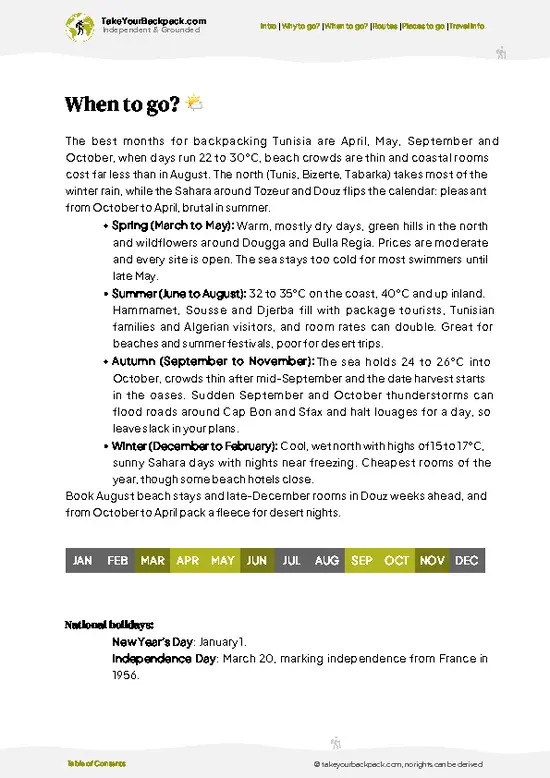
source: climatestotravel.comJANJanuary: highly recommended for travelingFEBFebruary: highly recommended for travelingMARMarch: highly recommended for travelingAPRApril: excellent for travelingMAYMay: excellent for travelingJUNJune: fair for travelingJULJuly: below average for travelingAUGAugust: below average for travelingSEPSeptember: excellent for travelingOCTOctober: excellent for travelingNOVNovember: highly recommended for travelingDECDecember: highly recommended for traveling
when-to-go

✈️ The backpacker research shortcutTunisia Travel Guide

An offline-friendly backpacking guide with optimized travel routes, ranked highlights, transport advice, and the best areas to stay.
example page 0 from our offline Travel Guide for Tunisia
example page 1 from our offline Travel Guide for Tunisia
example page 2 from our offline Travel Guide for Tunisia
example page 3 from our offline Travel Guide for Tunisia
example page 4 from our offline Travel Guide for Tunisia
example page 5 from our offline Travel Guide for Tunisia
example page 6 from our offline Travel Guide for Tunisia
example page 7 from our offline Travel Guide for Tunisia
The digital guide (372 pages) contains:
97 highlights, ranked by travel appeal
Optimized 5, 10 & 15-day travel routes
Cities, national parks, landmarks, beaches
How to get around
Offline-friendly for travel without Wi-Fi
👉 Click to see all 30+ guide features

📅 Plan smarter in minutes, not weeks
Month by month travel advice
Festivals & national holidays
Budget expectations

🗺️ Go to the right places, skip the overrated ones
Honest pros & cons of destinations
Top hikes, parks & viewpoints
Lesser-known places most travelers miss
Clear “worth it vs skip it” guidance

🛏️ Travel smoothly without rookie mistakes
Best areas to stay
Transport systems explained simply
Common scams & safety advice
SIM cards, money & practical tips

🌍 Understand the country, not just visit it
Culture & traditions
52 Essential phrases & customs
Festivals worth planning around
Traveler-friendly historical context
Insights that make places more meaningful

📱 Built for real travel conditions
Fully downloadable PDF
Works completely offline
Optimized for phone use
Useful in remote areas & buses
Everything in one place
Save weeks of stressful planning
Get instant access to your full guide. 30‑day money-back guarantee.


By proceeding you agree to our terms.
Sent to your inbox immediately after payment • 100% Secure Checkout
Best Backpacking Travel Advisor 2025 tourism awardBest Backpacking
Travel Advisor
2025
What others say about Take Your Backpack Guides:
⭐⭐⭐⭐⭐
Fantastic, amazing amount of information!
⭐⭐⭐⭐⭐
My goodness this is amazing, it's what I've been looking for hats off too you!
⭐⭐⭐⭐⭐
I think this is absolutely BRILLIANT
⭐⭐⭐⭐
Very complete and informative. It's still missing places, but I gotta to commend you
⭐⭐⭐⭐⭐
This is truly amazing, thank you, can't wait to explore it with my kids!
⭐⭐⭐⭐⭐
Awesome resource, thank you!
⭐⭐⭐⭐⭐
This is amazing! Can't wait to explore the ones I haven't seen
⭐⭐⭐⭐
I love this! Well done, great idea.
⭐⭐⭐⭐⭐
Thanks for taking the time to make this gem!
⭐⭐⭐⭐⭐
This might be the best website I've ever seen.
⭐⭐⭐⭐⭐
Congratulations, and thank you so much for your work; it's incredibly valuable.
⭐⭐⭐⭐
In all seriousness I think you did a great job pointing out the important spots
⭐⭐⭐⭐⭐
10/10 very good
⭐⭐⭐⭐⭐
As someone who's only just starting to visit regularly this is awesome, thank you.
⭐⭐⭐⭐
Thank you very much! I'm going to visit my dad, it's going to be very useful!
⭐⭐⭐⭐⭐
This is really cool! We'll be travelling for the first time and this definitely come in handy.
⭐⭐⭐⭐⭐
You are now our minister of culture, congratulations 👨‍💼
⭐⭐⭐⭐⭐
Just wanted to tell you that this is a pearl! Going to follow your recommendations.
⭐⭐⭐⭐⭐
This is so cool. I'll definitely be using the resource for my travels soon.
⭐⭐⭐⭐⭐
This is very impressive! Good work.
⭐⭐⭐⭐⭐
This is an amazing and informative site. Very well done!

🛏️ Where to stay?Choosing the right base

Matmata’s draw is its troglodyte homes—ancient underground caves carved into the earth, offering a cool refuge from Tunisia’s relentless sun. Staying in one of these cave hotels isn’t just lodging; it’s a full sensory experience. The air inside is cool and dry, a stark contrast to the dusty heat outside. You’ll feel the rough, hand-chiseled walls around you, the dim natural light filtering in from the open courtyard above, and the quiet that’s almost sacred.

For backpackers, the best places to stay are the family-run cave hotels like Sidi Driss or Hotel Matmata. These spots offer authentic cave … read more 👉
Matmata’s draw is its troglodyte homes—ancient underground caves carved into the earth, offering a cool refuge from Tunisia’s relentless sun. Staying in one of these cave hotels isn’t just lodging; it’s a full sensory experience. The air inside is cool and dry, a stark contrast to the dusty heat outside. You’ll feel the rough, hand-chiseled walls around you, the dim natural light filtering in from the open courtyard above, and the quiet that’s almost sacred.

For backpackers, the best places to stay are the family-run cave hotels like Sidi Driss or Hotel Matmata. These spots offer authentic cave rooms with simple, sturdy furnishings and shared bathrooms, keeping costs low without sacrificing character. Why choose these over a standard guesthouse? Because here, you’re not just sleeping—you’re stepping into a living museum, where the scent of earth and the echo of footsteps connect you to centuries of Berber life.

Booking directly with these hotels often gets you better rates and a chance to chat with locals who can point you toward lesser-known hikes or the best spots for mint tea. Avoid the newer, flashy hotels on the outskirts; they lack the tactile charm and the cool cave atmosphere that make Matmata special. The payoff is waking up in a cool, quiet cave, ready to explore the rugged, sun-baked landscape with fresh energy.

🚌 Getting aroundGetting around like a local

Matmata moves at its own rhythm, a slow pulse beneath the blazing Saharan sun. Time here isn’t dictated by clocks but by the shifting light and the scent of dust and spices carried on the dry wind. The town’s layout feels organic, almost like a living maze carved into the earth, where the best way to get around is less about strict schedules and more about reading the mood of the place. You won’t find a bus stop with a timetable nailed to a post; instead, you’ll catch rides when they come, and walk when the silence of the desert calls for it. This isn’t a place for rushing—embracing its flow means letting go of rigid plans and tuning into the natural pace of life.


  • Walking: The heart of Matmata is compact, and walking is not just practical but essential. The uneven, sandy paths between
read more 👉
Matmata moves at its own rhythm, a slow pulse beneath the blazing Saharan sun. Time here isn’t dictated by clocks but by the shifting light and the scent of dust and spices carried on the dry wind. The town’s layout feels organic, almost like a living maze carved into the earth, where the best way to get around is less about strict schedules and more about reading the mood of the place. You won’t find a bus stop with a timetable nailed to a post; instead, you’ll catch rides when they come, and walk when the silence of the desert calls for it. This isn’t a place for rushing—embracing its flow means letting go of rigid plans and tuning into the natural pace of life.


  • Walking: The heart of Matmata is compact, and walking is not just practical but essential. The uneven, sandy paths between troglodyte homes and local markets are best explored on foot. It’s free, flexible, and lets you soak in the tactile textures of sun-baked stone and the faint aroma of mint tea wafting from nearby homes. Expect to cover the main village in under an hour at a leisurely pace.


  • Shared Taxis (Louages): These are the lifeblood of regional travel. Louages operate on a semi-flexible schedule, leaving when full rather than on the clock. From Matmata, you can catch a louage to Gabès or Medenine for around 5-10 Tunisian dinars. They’re fast and affordable but expect a tight squeeze and a bit of a bumpy ride on the desert roads. Louages gather near the main square—arrive early to snag a seat.


  • Local Minibuses: Slightly more formal than louages, minibuses run fixed routes but still follow a loose timetable. They’re a budget-friendly option for short hops within the region, like trips to nearby villages or the outskirts of Matmata. Prices hover around 2-4 dinars. These vehicles are basic, often without air conditioning, so plan for a warm, rattling journey that’s part of the authentic experience.


  • Motorbike Rentals: For those craving independence and a bit of adventure, renting a motorbike is a smart move. It’s a quick way to escape the village and explore the surrounding desert landscapes at your own pace. Rentals cost roughly 30-50 dinars per day. Keep in mind the sun is relentless, so early morning rides offer cooler air and softer light, perfect for photography and avoiding the midday heat.


  • Hitchhiking: While not officially organized, hitchhiking is surprisingly common and accepted here. Drivers often stop for travelers, especially along main roads leading to larger towns. It’s free, unpredictable, and requires patience and a good sense of timing. The payoff is a chance to connect with locals and experience the desert’s vastness from a passenger seat, with the wind carrying the scent of dry earth and distant olives.

👛 Costs (as of 11 June 2025)How expensive it really is

Backpacking in Matmata, Tunisia, offers a unique blend of ancient troglodyte homes and desert landscapes, but knowing the daily costs helps you plan without surprises.
  • Dorm Accommodation: Expect to pay around €10-15 per night for a bed in a basic guesthouse dormitory. These places are simple, often family-run, with cool, cave-like rooms that keep you surprisingly comfortable despite the desert heat outside.
  • Meals: Local eateries serve hearty, traditional dishes like couscous or brik for about €3-6 per meal. Street food and small cafés offer filling options that won’t drain your wallet, with fresh bread and mint tea often included in the experience.
  • Local Transport: Getting around Matmata is mostly on foot or by shared taxis, which cost roughly €1-2 for short trips. If you’re heading to
read more 👉
Backpacking in Matmata, Tunisia, offers a unique blend of ancient troglodyte homes and desert landscapes, but knowing the daily costs helps you plan without surprises.
  • Dorm Accommodation: Expect to pay around €10-15 per night for a bed in a basic guesthouse dormitory. These places are simple, often family-run, with cool, cave-like rooms that keep you surprisingly comfortable despite the desert heat outside.
  • Meals: Local eateries serve hearty, traditional dishes like couscous or brik for about €3-6 per meal. Street food and small cafés offer filling options that won’t drain your wallet, with fresh bread and mint tea often included in the experience.
  • Local Transport: Getting around Matmata is mostly on foot or by shared taxis, which cost roughly €1-2 for short trips. If you’re heading to nearby villages or the desert, expect to pay a bit more—around €5-10—especially if you negotiate a private ride.
  • Basic Activities/Entry Fees: Visiting the troglodyte homes and local museums typically costs between €2-5. Guided tours into the desert or to nearby Star Wars filming locations can run €15-30, but they’re worth it for the context and access they provide.
  • Miscellaneous Expenses: Budget around €2-5 for essentials like water, snacks, or small souvenirs. Keep in mind that ATMs are scarce, so plan your cash needs ahead to avoid fees or inconvenience.

All told, a daily budget in Matmata usually falls between €25 and €50. This range covers basic comfort without cutting corners, letting you soak in the atmosphere of this otherworldly place without constant money stress.
⚠️ Prices can change and everyone travels differently, so take this as a rough guide. Hope it helps you plan your adventure!

🚌 Day tripsShort trips worth adding

Matmata, with its unique troglodyte dwellings and rich Berber culture, serves as an ideal base for exploring the surrounding wonders of Tunisia. Here are some day trips that will elevate your experience.

1. Chott El Jerid
This vast salt flat stretches endlessly, creating a surreal landscape that feels otherworldly. The shimmering white crust contrasts sharply with the deep blue sky, especially at sunrise or sunset. It’s about a 45-minute drive from Matmata, and you can expect to spend around 10 TND on transportation. Bring plenty of water and snacks, as facilities are sparse. Many first-timers underestimate the heat; dress in layers and wear a hat. The best time to visit is during the cooler months, from October to April, when the temperatures are more forgiving. The sight of the sun setting … read more 👉
Matmata, with its unique troglodyte dwellings and rich Berber culture, serves as an ideal base for exploring the surrounding wonders of Tunisia. Here are some day trips that will elevate your experience.

1. Chott El Jerid
This vast salt flat stretches endlessly, creating a surreal landscape that feels otherworldly. The shimmering white crust contrasts sharply with the deep blue sky, especially at sunrise or sunset. It’s about a 45-minute drive from Matmata, and you can expect to spend around 10 TND on transportation. Bring plenty of water and snacks, as facilities are sparse. Many first-timers underestimate the heat; dress in layers and wear a hat. The best time to visit is during the cooler months, from October to April, when the temperatures are more forgiving. The sight of the sun setting over the salt flats is a reward that makes the journey worthwhile. 👉 Explore Matmata

2. Douz
Known as the ”Gateway to the Sahara,” Douz is a mere hour away and offers a taste of desert life. The vibrant market is a feast for the senses, filled with spices, textiles, and the scent of grilled meats wafting through the air. You can rent a camel for a short trek into the dunes, which costs around 20 TND. The best time to visit is early morning or late afternoon to avoid the midday heat. A common mistake is to skip the market; it’s where you’ll find authentic local culture. The experience of haggling for a handmade carpet or sipping mint tea with locals is invaluable. 👉 Explore Matmata

3. Ksar Ouled Soltane
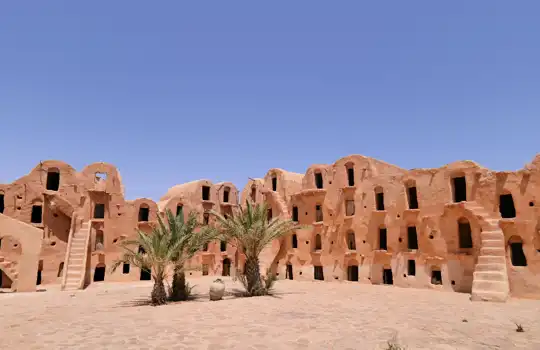
Just 30 minutes from Matmata, this ancient granary is a stunning example of Berber architecture. The mud-brick structures tell stories of a bygone era, and wandering through the narrow alleys feels like stepping back in time. Entry is free, but consider bringing a small donation for maintenance. The best time to visit is early morning when the light casts beautiful shadows on the walls. Many travelers miss the chance to chat with the locals who often hang around; their stories add depth to the visit. 👉 Explore Matmata

4. Medenine
About 40 minutes away, Medenine is famous for its unique architecture and lively atmosphere. The town’s traditional granaries, or ”ksours,” are fascinating to explore. You can grab a local lunch for around 15 TND, making it a budget-friendly stop. The best time to visit is during the market days, typically Wednesdays and Saturdays, when the town buzzes with activity. A common mistake is to rush through; take your time to soak in the vibrant local life. 👉 Explore Matmata

These day trips not only enhance your stay in Matmata but also immerse you in the rich tapestry of Tunisian culture and landscape.
Want to know what more Tunisia offers?
The Tunisia Travel Guide describes 97 highlights, from cities to national parks, from beaches to hikes

Get the Travel Guide -

🛡️ SafetySafety Tips and Common Scams in Matmata

Matmata feels like stepping into another world, but that doesn’t mean you should drop your guard. The town is broadly safe, with locals used to visitors wandering through its troglodyte homes and dusty streets. Still, the narrow alleys and dim light inside the underground dwellings can play tricks on your senses—keep your belongings close and avoid flashing valuables. Solo travelers will find the daytime calm inviting, but after sunset, the quiet can feel isolating; stick to well-lit areas near guesthouses and avoid wandering too far into the labyrinthine tunnels alone.

Scams here aren’t aggressive, but the usual tourist traps apply: vendors might inflate prices if you seem unsure or distracted. The best defense is to engage with a friendly, confident tone and know the rough cost of souvenirs … read more 👉
Matmata feels like stepping into another world, but that doesn’t mean you should drop your guard. The town is broadly safe, with locals used to visitors wandering through its troglodyte homes and dusty streets. Still, the narrow alleys and dim light inside the underground dwellings can play tricks on your senses—keep your belongings close and avoid flashing valuables. Solo travelers will find the daytime calm inviting, but after sunset, the quiet can feel isolating; stick to well-lit areas near guesthouses and avoid wandering too far into the labyrinthine tunnels alone.

Scams here aren’t aggressive, but the usual tourist traps apply: vendors might inflate prices if you seem unsure or distracted. The best defense is to engage with a friendly, confident tone and know the rough cost of souvenirs or meals before committing. If someone insists on guiding you or offering a “special” deal, a polite but firm “no, merci” works wonders. The slow rhythm of Matmata rewards patience and respect—carry yourself like you belong, and the town’s unique charm will unfold without hassle.

Other Tunisian towns near Matmata

Explore more nearby:

  • Ghomrassen—rocky outcrops, Berber villages, arid valleys| 69 km away
  • Medenine—Ksour granaries, desert edge, weekly market, Berber architecture| 69 km away
  • Douz—Sahara gateway, camel market, sand dunes| 69 km away

💡 Not sure where to go next?
Create a personalized itinerary for Tunisia including Matmata and the places that fit your trip.

Generate my itinerary

👉 Discover all towns

Or checkout all Tunisia has to offer (think cities, towns, villages, national parks, hikes, beaches, festivals)
Country photo of Tunisia

We 💚 feedbackIs it worth it?

Matmata is a world apart, where the ochre earth meets the sky in a way that feels almost surreal. The troglodyte homes, cool and earthy, offer a unique vibe that’s both ancient and alive. Don’t miss the sunset; the light dances off the hills, creating a moment that feels like a secret just for you. Just a heads-up: the locals can be a bit pushy with their hospitality. Embrace it, but set your boundaries. It’s all part of the experience.

✍️ Help improve this page!
The information on this page is based on in-depth research, insights shared by experienced travelers, and feedback from the local travel community in Tunisia. While every effort is made to keep the information accurate and current, conditions can change — so if you spot anything incorrect or outdated, please get in touch.


🙋‍♂️ Give feedback

👋 Meet the founderWho’s Behind Take Your Backpack?

Johan, backpacker and founder of TakeYourBackpackHi, I’m Johan (Netherlands 🇳🇱), the creator of TakeYourBackpack. Over the past decade, I’ve backpacked through 80+ countries across six continents, gaining extensive experience with independent travel, long-term trips, and overland routes.

This site is built on a combination of firsthand travel experience and carefully curated insights from other backpackers. Many guides are based on places I’ve personally visited, while others bring together tips, observations, and practical advice shared by trusted travelers I’ve met along the way.

The goal is to provide realistic, experience-driven guidance — not generic itineraries — so you can explore destinations with better context, clearer expectations, and more confidence.

Get full Tunisia guide •
Instant download • 97 highlights • Full Offline guide