×

Tunisia🇹🇳 | attractionsGuellala Museum (Traditional Pottery and Berber CulturePottery workshops, Berber artifacts, domed halls | things to do and best time to go

Explore Dar LasramExplore El Ghriba Synagogue

Backpacking in Guellala Museum (Traditional Pottery and Berber Culture
👌 Worth visitingattraction ranked #10
By Johan Kruseman 🇳🇱 | Updated April 25, 2026

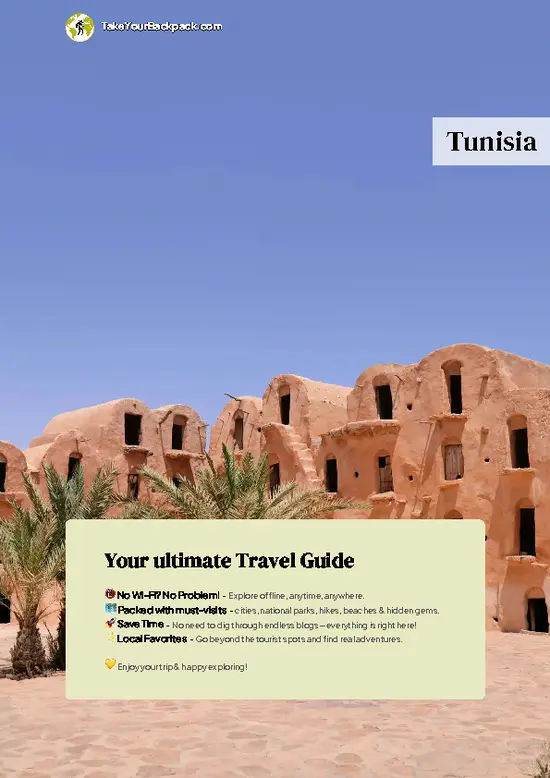
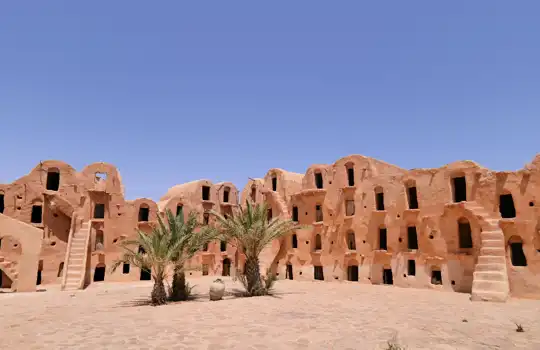
Forget the Instagram myth: Guellala Museum isn’t some sleepy, untouched pottery village where you’ll have the place to yourself and a Berber grandmother will hand you a clay cup for a perfect selfie. The reality? This museum sits on the southern tip of Djerba, Tunisia’s island darling, and it’s no secret—tour buses do swing by, especially in high season. But here’s the kicker: Guellala Museum actually earns its stripes. The building itself is a whitewashed, hilltop fortress with panoramic views that’ll make you forget the crowds for a minute. Inside, it’s a crash course in Berber ingenuity—pottery, costumes, and everyday tools, all displayed with a rawness that feels more lived-in than curated. It’s not adrenaline-pumping, but it’s a genuine window into Tunisia’s rural soul, and the entry fee is a fraction of what you’d pay for a “big ticket” site like El Jem. If you want glossy, go elsewhere. If you want real, Guellala delivers.

Discover everything you want to know in the 📖 Tunisia Travel Guide.


Get your Tunisia guide
97 ranked highlights, routes & tips, works offline (372 pages)
Loading the map 🌍
CLICK TO FILTER
cities
towns
villages
landmarks
national parks
hikes
beaches
attractions
festivals
regions
SHOW COUNTRY’S BESTSHOW ALL

✨ Why go?
Ranked #10 attraction in Tunisia
Why visitors keep coming back

The Guellala Museum isn’t just another stop on Tunisia’s tourist map—it’s a checkpoint where history, craft, and culture collide in a way that hits deeper than your average roadside attraction. Yes, it draws crowds, especially during peak season, and the entry fee isn’t exactly pocket change for a backpacker. But here’s the kicker: this place is the beating heart of Berber pottery traditions, a craft honed over centuries in the harsh, sunbaked environment of Djerba Island. You’re not just looking at pots; you’re stepping into a living story of survival, artistry, and identity.

The museum’s collection is raw and real—handmade ceramics that carry the fingerprints of generations, telling tales of everyday life and spiritual beliefs. It’s a cultural milestone on any Tunisia route because it offers … read more 👉
The Guellala Museum isn’t just another stop on Tunisia’s tourist map—it’s a checkpoint where history, craft, and culture collide in a way that hits deeper than your average roadside attraction. Yes, it draws crowds, especially during peak season, and the entry fee isn’t exactly pocket change for a backpacker. But here’s the kicker: this place is the beating heart of Berber pottery traditions, a craft honed over centuries in the harsh, sunbaked environment of Djerba Island. You’re not just looking at pots; you’re stepping into a living story of survival, artistry, and identity.

The museum’s collection is raw and real—handmade ceramics that carry the fingerprints of generations, telling tales of everyday life and spiritual beliefs. It’s a cultural milestone on any Tunisia route because it offers a tactile connection to Berber heritage that no glossy Instagram post can capture. The effort to get here—often a dusty, winding ride through local villages—is rewarded with an experience that’s both grounding and eye-opening. For backpackers chasing authenticity over flash, Guellala Museum is a rare gem where the past isn’t just preserved; it’s alive and kicking.
Want to include Guellala Museum (Traditional Pottery and Berber Culture in your Tunisia route?
Create a personalized Tunisia itinerary that includes Guellala Museum (Traditional Pottery and Berber Culture and the places that fit your trip — based on your travel style, budget, and available time. Get your route in seconds.

Generate my trip

💡 HighlightsEssential experiences to have while visiting Guellala Museum (Traditional Pottery and Berber Culture

Live Pottery Demonstrations
Forget the souvenir shop knock-offs. Here, you watch real potters—hands caked in clay, shirts streaked with years of practice—spin, slap, and coax Djerban earth into bowls, amphorae, and jugs. No glass wall, no staged smiles. You’re close enough to see the sweat and the muscle memory. The wheel whirs, the clay wobbles, and suddenly, you understand why this craft survived centuries. It’s not just a show; it’s a living tradition, and you’re in the front row.


Berber Troglodyte House Replica
Instagram will show you the white domes and blue doors of Djerba, but the real story is underground. The museum’s reconstructed Berber home isn’t a Disney set—it’s a blunt, practical answer to desert heat and raiders. Step inside and you’ll feel the temperature drop. The rooms … read more 👉
Live Pottery Demonstrations
Forget the souvenir shop knock-offs. Here, you watch real potters—hands caked in clay, shirts streaked with years of practice—spin, slap, and coax Djerban earth into bowls, amphorae, and jugs. No glass wall, no staged smiles. You’re close enough to see the sweat and the muscle memory. The wheel whirs, the clay wobbles, and suddenly, you understand why this craft survived centuries. It’s not just a show; it’s a living tradition, and you’re in the front row.


Berber Troglodyte House Replica
Instagram will show you the white domes and blue doors of Djerba, but the real story is underground. The museum’s reconstructed Berber home isn’t a Disney set—it’s a blunt, practical answer to desert heat and raiders. Step inside and you’ll feel the temperature drop. The rooms are carved from earth, cool and shadowy, with alcoves for bread and secret nooks for valuables. This isn’t just architecture; it’s survival strategy, and it’s a rare chance to step into the daily life of people who made the desert their ally.


Traditional Wedding Room
You’ll see more color in this single room than in a week of Djerban sunsets. The wedding chamber is a riot of embroidered textiles, silver jewelry, and ceremonial pottery. But it’s not just eye candy. Every object here has a job—warding off bad luck, signaling family status, or storing the sweets that fuel a three-day party. The guides don’t sugarcoat it: Berber weddings are marathons, and this room is the starting line. If you want to understand how tradition survives, look at what people celebrate.


Ancient Olive Oil Press
This isn’t a sterile exhibit behind velvet ropes. The press is massive, scarred, and still smells faintly of olives and sweat. You can trace the grooves worn by generations of hands. The process—crushing, pressing, waiting—hasn’t changed much since Roman times. It’s a reminder that food here is more than fuel; it’s a link to ancestors. If you’re used to supermarket olive oil, this is a wake-up call.


Panoramic Rooftop View
Most people miss this, racing for the pottery shop. Climb the stairs and you’re rewarded with a 360-degree sweep of Guellala’s patchwork: domed houses, dusty roads, and the Mediterranean glinting in the distance. It’s not a postcard-perfect view, but it’s honest. You see the real scale of the village, the fields where the clay comes from, and the horizon that shaped every story in the museum below. If you want the Instagram shot, fine—but stay for the perspective.
Spotted a mistake or missing something? Contact us.

Things to do near Guellala Museum (Traditional Pottery and Berber Culture

Ratings based on Tripadvisor reviews. When you book through this link, you support our work at no extra cost to you.

🌤️ When to go?Best time to visit Guellala Museum (Traditional Pottery and Berber Culture


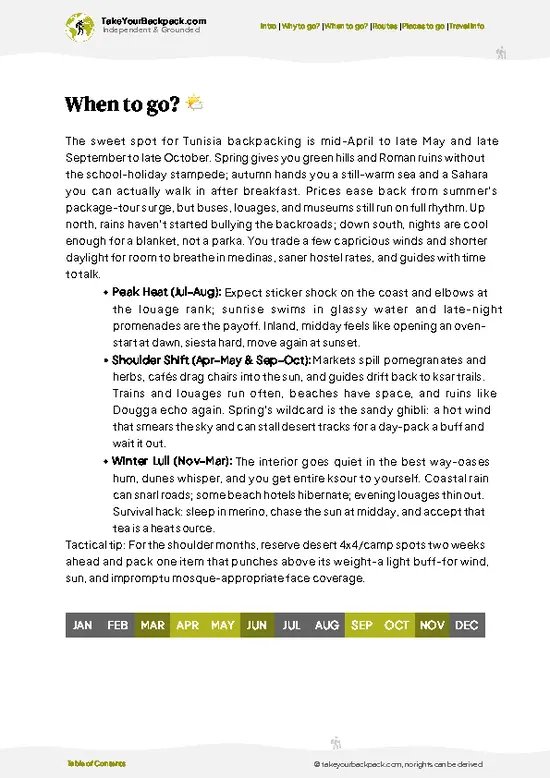
  • Weather: The best weather hits between March and May or September to November. Expect mild temperatures around 20-25°C (68-77°F), perfect for wandering without sweating buckets or freezing your fingers off.

  • Temperature: Summer months (June to August) can scorch you with highs pushing 35°C (95°F) or more, making outdoor exploration a sweaty slog. Winter (December to February) chills down to 10-15°C (50-59°F), which is fine but less inviting for long strolls.

  • Daylight Hours: Spring and fall offer a sweet spot with about 11-13 hours of daylight, giving you plenty of time to soak in the pottery displays and Berber culture without rushing.

  • Crowds: Peak tourist season in summer means the museum can feel cramped, especially with tour groups. Visiting in shoulder seasons (spring or fall)
read more 👉

  • Weather: The best weather hits between March and May or September to November. Expect mild temperatures around 20-25°C (68-77°F), perfect for wandering without sweating buckets or freezing your fingers off.

  • Temperature: Summer months (June to August) can scorch you with highs pushing 35°C (95°F) or more, making outdoor exploration a sweaty slog. Winter (December to February) chills down to 10-15°C (50-59°F), which is fine but less inviting for long strolls.

  • Daylight Hours: Spring and fall offer a sweet spot with about 11-13 hours of daylight, giving you plenty of time to soak in the pottery displays and Berber culture without rushing.

  • Crowds: Peak tourist season in summer means the museum can feel cramped, especially with tour groups. Visiting in shoulder seasons (spring or fall) means fewer people, letting you actually enjoy the exhibits and chat with locals.

  • Seasonal Activities: Spring brings local festivals and pottery workshops that aren’t heavily advertised but add real depth to your visit. Fall sometimes hosts harvest-related events, giving you a glimpse into traditional Berber life beyond the museum walls.

  • Price Fluctuations: Expect higher prices for accommodations and tours in summer. Shoulder seasons often offer better deals, making your trip more budget-friendly without sacrificing experience quality.


Pro-tip: Aim for April or October to dodge the heat and crowds while catching authentic local events that turn a simple museum visit into a cultural deep dive.


source: climatestotravel.comJANJanuary: fair for travelingFEBFebruary: fair for travelingMARMarch: highly recommended for travelingAPRApril: excellent for travelingMAYMay: highly recommended for travelingJUNJune: fair for travelingJULJuly: below average for travelingAUGAugust: below average for travelingSEPSeptember: highly recommended for travelingOCTOctober: excellent for travelingNOVNovember: highly recommended for travelingDECDecember: fair for traveling
when-to-go

✈️ The backpacker research shortcutTunisia Travel Guide

An offline-friendly backpacking guide with optimized travel routes, ranked highlights, transport advice, and the best areas to stay.
example page 0 from our offline Travel Guide for Tunisia
example page 1 from our offline Travel Guide for Tunisia
example page 2 from our offline Travel Guide for Tunisia
example page 3 from our offline Travel Guide for Tunisia
example page 4 from our offline Travel Guide for Tunisia
example page 5 from our offline Travel Guide for Tunisia
example page 6 from our offline Travel Guide for Tunisia
example page 7 from our offline Travel Guide for Tunisia
The digital guide (372 pages) contains:
97 highlights, ranked by travel appeal
Optimized 5, 10 & 15-day travel routes
Cities, national parks, landmarks, beaches
How to get around
Offline-friendly for travel without Wi-Fi
👉 Click to see all 30+ guide features

📅 Plan smarter in minutes, not weeks
Month by month travel advice
Festivals & national holidays
Budget expectations

🗺️ Go to the right places, skip the overrated ones
Honest pros & cons of destinations
Top hikes, parks & viewpoints
Lesser-known places most travelers miss
Clear “worth it vs skip it” guidance

🛏️ Travel smoothly without rookie mistakes
Best areas to stay
Transport systems explained simply
Common scams & safety advice
SIM cards, money & practical tips

🌍 Understand the country, not just visit it
Culture & traditions
52 Essential phrases & customs
Festivals worth planning around
Traveler-friendly historical context
Insights that make places more meaningful

📱 Built for real travel conditions
Fully downloadable PDF
Works completely offline
Optimized for phone use
Useful in remote areas & buses
Everything in one place
Save weeks of stressful planning
Get instant access to your full guide. 30‑day money-back guarantee.


By proceeding you agree to our terms.
Sent to your inbox immediately after payment • 100% Secure Checkout
Best Backpacking Travel Advisor 2025 tourism awardBest Backpacking
Travel Advisor
2025
What others say about Take Your Backpack Guides:
⭐⭐⭐⭐⭐
Fantastic, amazing amount of information!
⭐⭐⭐⭐⭐
My goodness this is amazing, it's what I've been looking for hats off too you!
⭐⭐⭐⭐⭐
I think this is absolutely BRILLIANT
⭐⭐⭐⭐
Very complete and informative. It's still missing places, but I gotta to commend you
⭐⭐⭐⭐⭐
This is truly amazing, thank you, can't wait to explore it with my kids!
⭐⭐⭐⭐⭐
Awesome resource, thank you!
⭐⭐⭐⭐⭐
This is amazing! Can't wait to explore the ones I haven't seen
⭐⭐⭐⭐
I love this! Well done, great idea.
⭐⭐⭐⭐⭐
Thanks for taking the time to make this gem!
⭐⭐⭐⭐⭐
This might be the best website I've ever seen.
⭐⭐⭐⭐⭐
Congratulations, and thank you so much for your work; it's incredibly valuable.
⭐⭐⭐⭐
In all seriousness I think you did a great job pointing out the important spots
⭐⭐⭐⭐⭐
10/10 very good
⭐⭐⭐⭐⭐
As someone who's only just starting to visit regularly this is awesome, thank you.
⭐⭐⭐⭐
Thank you very much! I'm going to visit my dad, it's going to be very useful!
⭐⭐⭐⭐⭐
This is really cool! We'll be travelling for the first time and this definitely come in handy.
⭐⭐⭐⭐⭐
You are now our minister of culture, congratulations 👨‍💼
⭐⭐⭐⭐⭐
Just wanted to tell you that this is a pearl! Going to follow your recommendations.
⭐⭐⭐⭐⭐
This is so cool. I'll definitely be using the resource for my travels soon.
⭐⭐⭐⭐⭐
This is very impressive! Good work.
⭐⭐⭐⭐⭐
This is an amazing and informative site. Very well done!

🛏️ Where to stay?Best areas and accommodation options

Forget the postcard-perfect image of Guellala Museum as some quiet, untouched cultural haven. Yes, it’s a hotspot for traditional pottery and Berber culture, but it draws a steady stream of tourists, especially during peak season. The crowds can be a grind if you’re chasing solitude, and prices in the immediate vicinity reflect that tourist traffic. But here’s the kicker: the real magic isn’t just inside the museum—it’s in the neighborhoods where locals live and work, just a short walk away.

For backpackers, the best bet is to stay in the nearby village clusters that surround the museum rather … read more 👉
Forget the postcard-perfect image of Guellala Museum as some quiet, untouched cultural haven. Yes, it’s a hotspot for traditional pottery and Berber culture, but it draws a steady stream of tourists, especially during peak season. The crowds can be a grind if you’re chasing solitude, and prices in the immediate vicinity reflect that tourist traffic. But here’s the kicker: the real magic isn’t just inside the museum—it’s in the neighborhoods where locals live and work, just a short walk away.

For backpackers, the best bet is to stay in the nearby village clusters that surround the museum rather than right next to it. These areas offer a safer, more authentic vibe where you can actually connect with locals and other travelers without the inflated costs. You’ll find small guesthouses and family-run inns that don’t scream “tourist trap” but still provide a social atmosphere. It’s where you swap stories over mint tea, not just snap photos.

These neighborhoods are compact and walkable, so you’re never far from the museum or the coast. Plus, they tend to be quieter at night, giving you a break from the daytime tourist rush. If you want to soak in the culture beyond the museum walls, this is where you want to be. It’s not about luxury or flashy amenities—it’s about real encounters and a genuine sense of place. That’s the kind of stay that sticks with you long after you leave.

👛 Costs (as of 25 April 2025)Travel costs and budget guide for Guellala Museum (Traditional Pottery and Berber Culture

As of the most recent estimates, the Guellala Museum charges an entrance fee of approximately €3 to €5 per adult. Additional costs may include a photo permit fee of €3 for professional equipment, camel rides or photos in national dress for €1 or €2, and souvenirs from the gift shop.

source: musee-djerba-guellala.com
⚠️ Prices can change and everyone travels differently, so take this as a rough guide. Hope it helps you plan your adventure!

Other Tunisian attractions near Guellala Museum (Traditional Pottery and Berber Culture

Explore more nearby:


💡 Not sure where to go next?
Create a personalized itinerary for Tunisia including Guellala Museum (Traditional Pottery and Berber Culture and the places that fit your trip.

Generate my itinerary

👉 Discover all attractions

Or checkout all Tunisia has to offer (think cities, towns, villages, national parks, hikes, beaches, festivals)
Country photo of Tunisia

We 💚 feedbackWhat to keep in mind

The Guellala Museum isn’t some polished tourist trap, and that’s exactly why it’s worth your time. Yes, it can get a bit crowded, especially midday, but the real magic happens when you slow down and watch the potters at work—there’s a raw, tactile connection to centuries of Berber tradition you won’t find in glossy brochures. Don’t expect flashy displays; this place is about texture, sweat, and stories etched in clay. If you’re after something genuine and hands-on, this museum quietly delivers.

✍️ Help improve this page!
The information on this page is based on in-depth research, insights shared by experienced travelers, and feedback from the local travel community in Tunisia. While every effort is made to keep the information accurate and current, conditions can change — so if you spot anything incorrect or outdated, please get in touch.


🙋‍♂️ Give feedback

👋 Meet the founderWho’s Behind Take Your Backpack?

Johan, backpacker and founder of TakeYourBackpackHi, I’m Johan (Netherlands 🇳🇱), the creator of TakeYourBackpack. Over the past decade, I’ve backpacked through 80+ countries across six continents, gaining extensive experience with independent travel, long-term trips, and overland routes.

This site is built on a combination of firsthand travel experience and carefully curated insights from other backpackers. Many guides are based on places I’ve personally visited, while others bring together tips, observations, and practical advice shared by trusted travelers I’ve met along the way.

The goal is to provide realistic, experience-driven guidance — not generic itineraries — so you can explore destinations with better context, clearer expectations, and more confidence.

Get full Tunisia guide •
Instant download • 97 highlights • Full Offline guide