v2.webp)
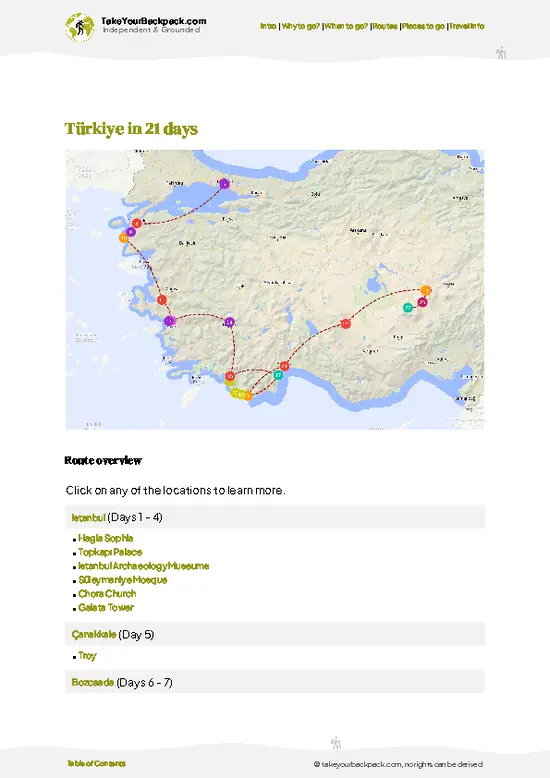
The Rolling Stone Doors
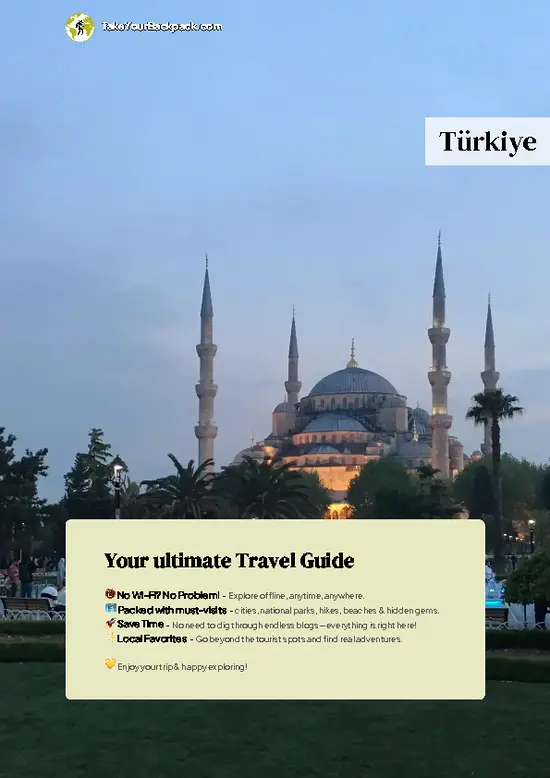
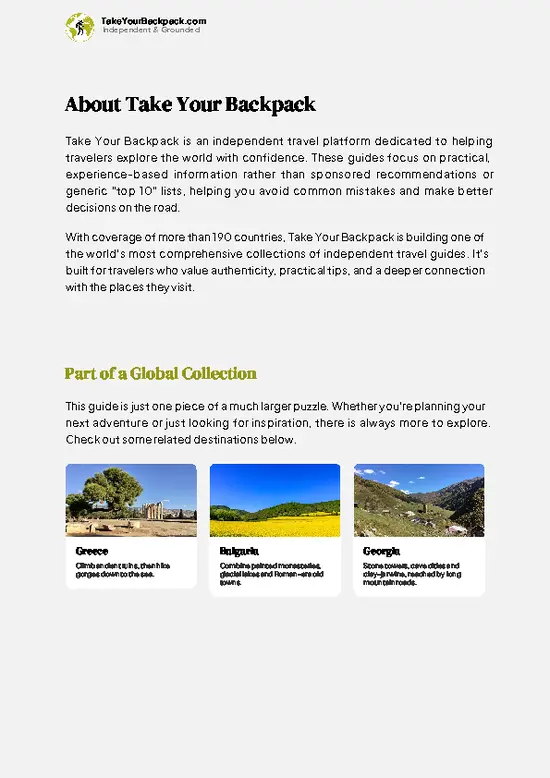
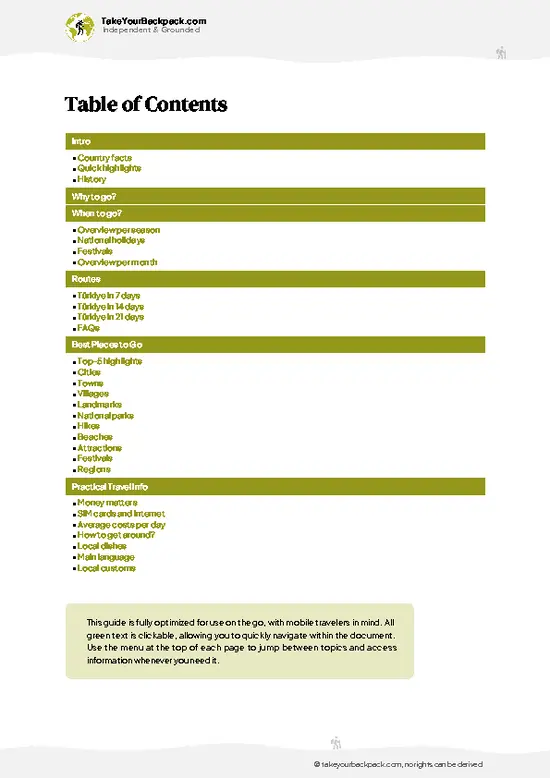
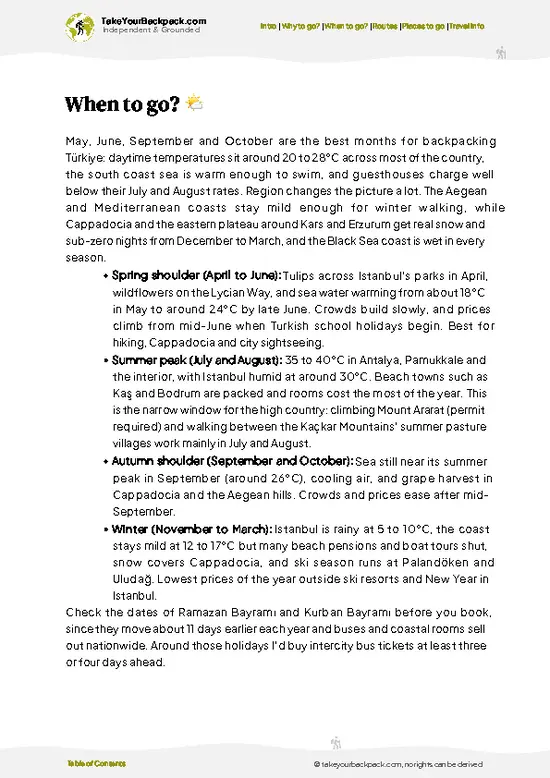
Forget the Instagram shots of empty tunnels—Derinkuyu’s stone doors are the real showstoppers. These aren’t quaint little gates; they’re massive, circular slabs weighing up to half a ton, designed to seal off entire corridors from invaders. You can still see the grooves where ancient hands rolled them shut. It’s part medieval panic room, part engineering flex, and it’s the moment you realize this place was built for survival, not just spectacle.
The Ventilation Shaft
This isn’t just a hole in the ground. The main shaft plunges over 50 meters and kept the air fresh for thousands of people hiding below. Stand next to it and you’ll feel the cool draft—proof that ancient Cappadocians understood airflow better than most modern architects. It’s a spine-tingling reminder … read more 👉
Forget the Instagram shots of empty tunnels—Derinkuyu’s stone doors are the real showstoppers. These aren’t quaint little gates; they’re massive, circular slabs weighing up to half a ton, designed to seal off entire corridors from invaders. You can still see the grooves where ancient hands rolled them shut. It’s part medieval panic room, part engineering flex, and it’s the moment you realize this place was built for survival, not just spectacle.
The Ventilation Shaft
This isn’t just a hole in the ground. The main shaft plunges over 50 meters and kept the air fresh for thousands of people hiding below. Stand next to it and you’ll feel the cool draft—proof that ancient Cappadocians understood airflow better than most modern architects. It’s a spine-tingling reminder … read more 👉
The Rolling Stone Doors
Forget the Instagram shots of empty tunnels—Derinkuyu’s stone doors are the real showstoppers. These aren’t quaint little gates; they’re massive, circular slabs weighing up to half a ton, designed to seal off entire corridors from invaders. You can still see the grooves where ancient hands rolled them shut. It’s part medieval panic room, part engineering flex, and it’s the moment you realize this place was built for survival, not just spectacle.
The Ventilation Shaft
This isn’t just a hole in the ground. The main shaft plunges over 50 meters and kept the air fresh for thousands of people hiding below. Stand next to it and you’ll feel the cool draft—proof that ancient Cappadocians understood airflow better than most modern architects. It’s a spine-tingling reminder that this city was meant to function, not just impress.
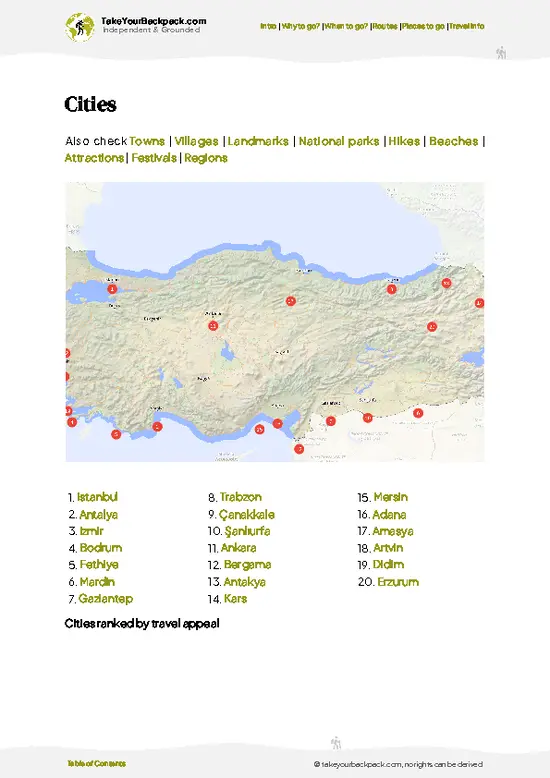
The Communal Spaces
You’ll find chapels, wineries, kitchens, and even a school carved into the rock. These aren’t just token rooms—they’re the heartbeat of Derinkuyu. The chapel, with its low ceiling and rough-hewn altar, feels more sacred than any gilded cathedral because you can picture real people huddled here, whispering prayers while chaos raged above.
The Depths—Down to the 8th Floor
Most tourists bail after a couple of levels. Push on. The deeper you go, the more the air thickens and the crowds thin. Down here, you get a taste of the real underground city: claustrophobic, yes, but also exhilarating. This is where the city’s genius—and its desperation—hits hardest. This is my personal favorite.
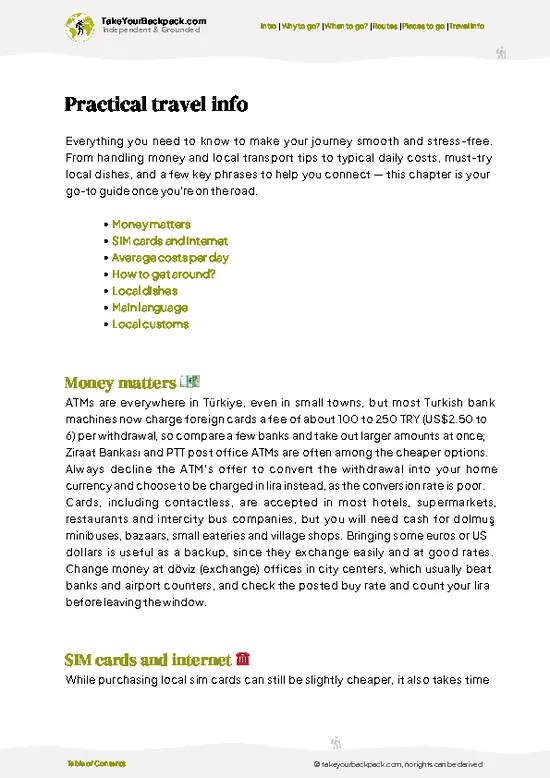
The Escape Tunnels
These aren’t for the faint of heart. Narrow, twisting, and pitch-black, they were built for quick getaways or secret movement between levels. If you want to feel the pulse of ancient paranoia and ingenuity, duck into one—just don’t lose your nerve or your sense of direction.
Forget the Instagram shots of empty tunnels—Derinkuyu’s stone doors are the real showstoppers. These aren’t quaint little gates; they’re massive, circular slabs weighing up to half a ton, designed to seal off entire corridors from invaders. You can still see the grooves where ancient hands rolled them shut. It’s part medieval panic room, part engineering flex, and it’s the moment you realize this place was built for survival, not just spectacle.
The Ventilation Shaft
This isn’t just a hole in the ground. The main shaft plunges over 50 meters and kept the air fresh for thousands of people hiding below. Stand next to it and you’ll feel the cool draft—proof that ancient Cappadocians understood airflow better than most modern architects. It’s a spine-tingling reminder that this city was meant to function, not just impress.
The Communal Spaces
You’ll find chapels, wineries, kitchens, and even a school carved into the rock. These aren’t just token rooms—they’re the heartbeat of Derinkuyu. The chapel, with its low ceiling and rough-hewn altar, feels more sacred than any gilded cathedral because you can picture real people huddled here, whispering prayers while chaos raged above.
The Depths—Down to the 8th Floor
Most tourists bail after a couple of levels. Push on. The deeper you go, the more the air thickens and the crowds thin. Down here, you get a taste of the real underground city: claustrophobic, yes, but also exhilarating. This is where the city’s genius—and its desperation—hits hardest. This is my personal favorite.
The Escape Tunnels
These aren’t for the faint of heart. Narrow, twisting, and pitch-black, they were built for quick getaways or secret movement between levels. If you want to feel the pulse of ancient paranoia and ingenuity, duck into one—just don’t lose your nerve or your sense of direction.
Spotted a mistake or missing something? Contact us.

Cappadocia Green Tour - Classic Route (Popular)

Cappadocia South (Green) Tour - Small Group (Top pick)

Cappadocia Green Tour - Usual Program (Popular)

Best Cappadocia Green Tour (Likely to sell out)

Full-Day Green tour

Under Ground City Tour - Half Day

Full-day Cappadocia Green Tour to Ihlara Valley

Best of Cappadocia 3 Days Tour - Optional Hot Air Balloon

Multi Language Private Tour in Cappadocia


 Best Backpacking
.jpg) Hi, I’m Johan (Netherlands 🇳🇱), the creator of TakeYourBackpack. Over the past 3 decades, I’ve backpacked through 90+ countries across six continents, gaining extensive experience with independent travel, long-term trips, and overland routes.
Hi, I’m Johan (Netherlands 🇳🇱), the creator of TakeYourBackpack. Over the past 3 decades, I’ve backpacked through 90+ countries across six continents, gaining extensive experience with independent travel, long-term trips, and overland routes.