v2.webp)
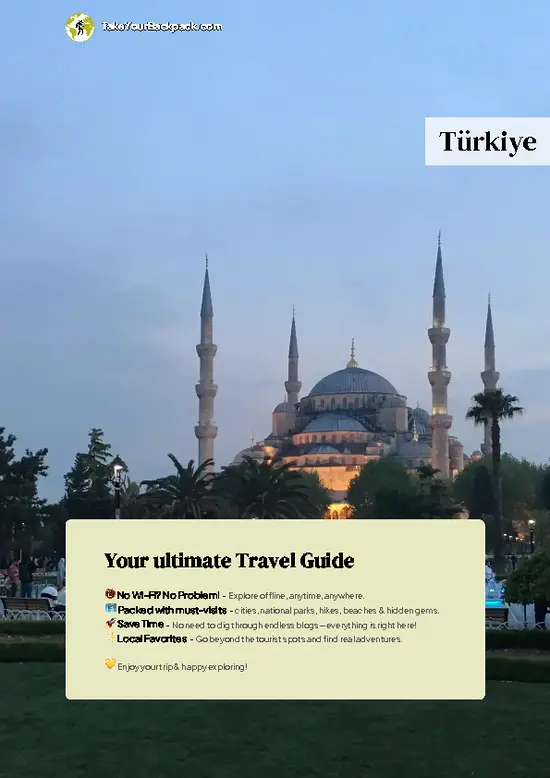
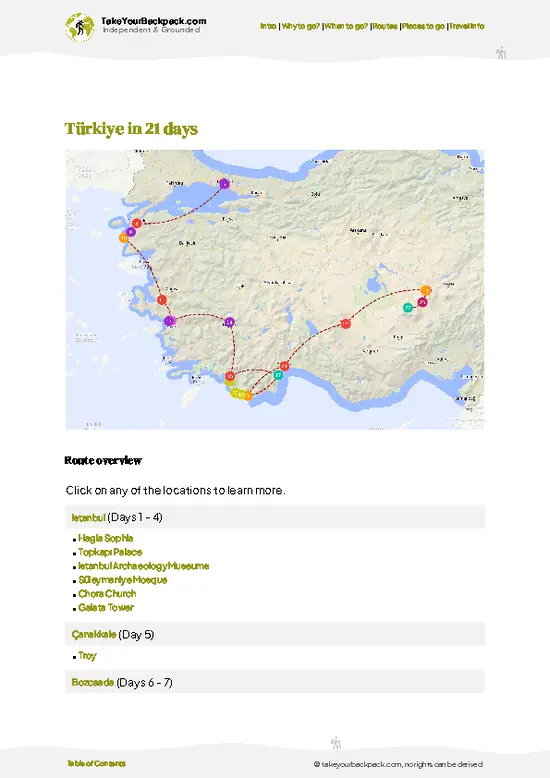
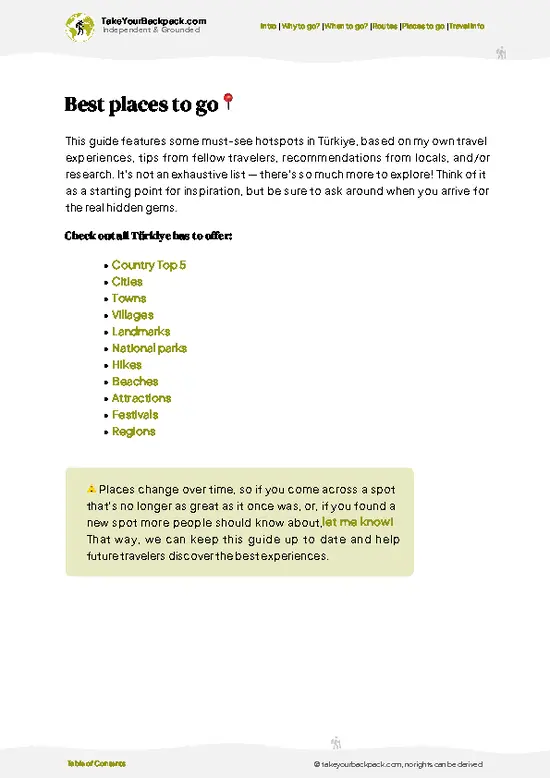
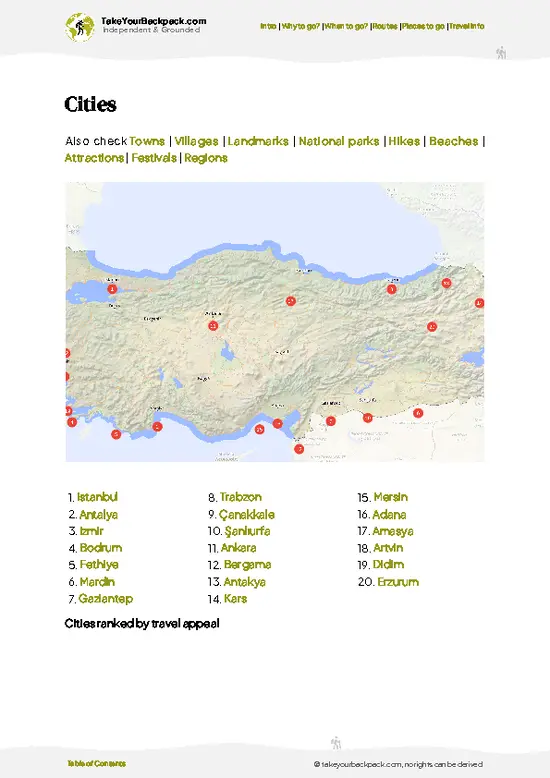
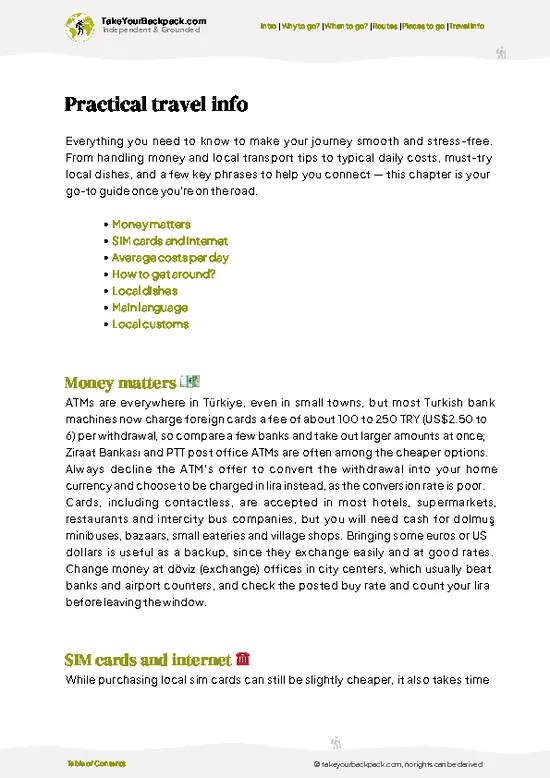
The Tomb of Rumi (Mevlana Celaleddin-i Rumi)
This is the magnetic core of the museum—Rumi’s actual tomb, draped in emerald cloth and surrounded by a hush that cuts through the tourist chatter. The energy here is not Instagrammable; it’s visceral. Pilgrims and poetry nerds alike stand shoulder to shoulder, drawn by the gravity of a man whose words still spark revolutions of the heart. If you’re only here for a selfie, you’ll miss the pulse in the air.
The Dervish Lodge (Tekke)
Forget the sanitized whirling dervish shows in Istanbul. This is the real deal: the original lodge where the Mevlevi order practiced their mind-bending rituals. The space is simple, almost austere, but the history is thick enough to taste. You can almost hear the echo of the ney flute and the shuffle of felt slippers on … read more 👉
This is the magnetic core of the museum—Rumi’s actual tomb, draped in emerald cloth and surrounded by a hush that cuts through the tourist chatter. The energy here is not Instagrammable; it’s visceral. Pilgrims and poetry nerds alike stand shoulder to shoulder, drawn by the gravity of a man whose words still spark revolutions of the heart. If you’re only here for a selfie, you’ll miss the pulse in the air.
The Dervish Lodge (Tekke)
Forget the sanitized whirling dervish shows in Istanbul. This is the real deal: the original lodge where the Mevlevi order practiced their mind-bending rituals. The space is simple, almost austere, but the history is thick enough to taste. You can almost hear the echo of the ney flute and the shuffle of felt slippers on … read more 👉
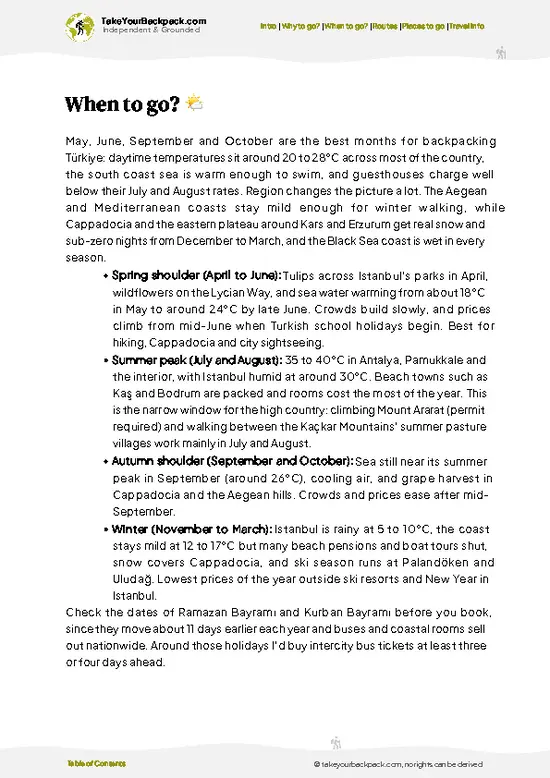
The Tomb of Rumi (Mevlana Celaleddin-i Rumi)
This is the magnetic core of the museum—Rumi’s actual tomb, draped in emerald cloth and surrounded by a hush that cuts through the tourist chatter. The energy here is not Instagrammable; it’s visceral. Pilgrims and poetry nerds alike stand shoulder to shoulder, drawn by the gravity of a man whose words still spark revolutions of the heart. If you’re only here for a selfie, you’ll miss the pulse in the air.
The Dervish Lodge (Tekke)
Forget the sanitized whirling dervish shows in Istanbul. This is the real deal: the original lodge where the Mevlevi order practiced their mind-bending rituals. The space is simple, almost austere, but the history is thick enough to taste. You can almost hear the echo of the ney flute and the shuffle of felt slippers on wood.
The Manuscript Room
This is where the museum flexes its intellectual muscle. Shelves of centuries-old Qur’ans, Rumi’s own poetry, and illuminated manuscripts that look like they were painted yesterday. If you geek out over calligraphy or the power of the written word, this room is a time machine. My personal favorite—there’s something electric about standing inches from the ink that changed world literature.
The Dervish Paraphernalia Displays
Robes, hats, musical instruments, and the everyday objects of the Mevlevi order. These aren’t just relics—they’re clues to a way of life that prized discipline, music, and ecstatic devotion. It’s the antidote to the gift shop: real artifacts, not mass-produced souvenirs.
The Rose Garden
Step outside and you’ll find a garden that’s more than just a breather from the crowds. The roses are a living metaphor for Rumi’s poetry—beauty with thorns, fragrance that lingers. Locals come here to reflect, not just to pose. If you need a moment to process the museum’s intensity, this is where you’ll find it.
This is the magnetic core of the museum—Rumi’s actual tomb, draped in emerald cloth and surrounded by a hush that cuts through the tourist chatter. The energy here is not Instagrammable; it’s visceral. Pilgrims and poetry nerds alike stand shoulder to shoulder, drawn by the gravity of a man whose words still spark revolutions of the heart. If you’re only here for a selfie, you’ll miss the pulse in the air.
The Dervish Lodge (Tekke)
Forget the sanitized whirling dervish shows in Istanbul. This is the real deal: the original lodge where the Mevlevi order practiced their mind-bending rituals. The space is simple, almost austere, but the history is thick enough to taste. You can almost hear the echo of the ney flute and the shuffle of felt slippers on wood.
The Manuscript Room
This is where the museum flexes its intellectual muscle. Shelves of centuries-old Qur’ans, Rumi’s own poetry, and illuminated manuscripts that look like they were painted yesterday. If you geek out over calligraphy or the power of the written word, this room is a time machine. My personal favorite—there’s something electric about standing inches from the ink that changed world literature.
The Dervish Paraphernalia Displays
Robes, hats, musical instruments, and the everyday objects of the Mevlevi order. These aren’t just relics—they’re clues to a way of life that prized discipline, music, and ecstatic devotion. It’s the antidote to the gift shop: real artifacts, not mass-produced souvenirs.
The Rose Garden
Step outside and you’ll find a garden that’s more than just a breather from the crowds. The roses are a living metaphor for Rumi’s poetry—beauty with thorns, fragrance that lingers. Locals come here to reflect, not just to pose. If you need a moment to process the museum’s intensity, this is where you’ll find it.
Spotted a mistake or missing something? Contact us.

Highlights of Konya Tour

Private Sufi Tour / Konya

In The Footsteps Of Rumi Tour / Konya

Catalhuyuk Archeological Site Tour

Çatalhöyük Archaeological Excavation Site and Virtual Museum

Private Transfer from Konya to Cappadocia with Sultanhani

Daily Cappadocia Tour From Konya

Konya Rumi Whirling Dervishes Sema Ceremony Entry Ticket

Private Transfer from Konya Airport to Konya hotels


 Best Backpacking
.jpg) Hi, I’m Johan (Netherlands 🇳🇱), the creator of TakeYourBackpack. Over the past 3 decades, I’ve backpacked through 90+ countries across six continents, gaining extensive experience with independent travel, long-term trips, and overland routes.
Hi, I’m Johan (Netherlands 🇳🇱), the creator of TakeYourBackpack. Over the past 3 decades, I’ve backpacked through 90+ countries across six continents, gaining extensive experience with independent travel, long-term trips, and overland routes.