v2.webp)
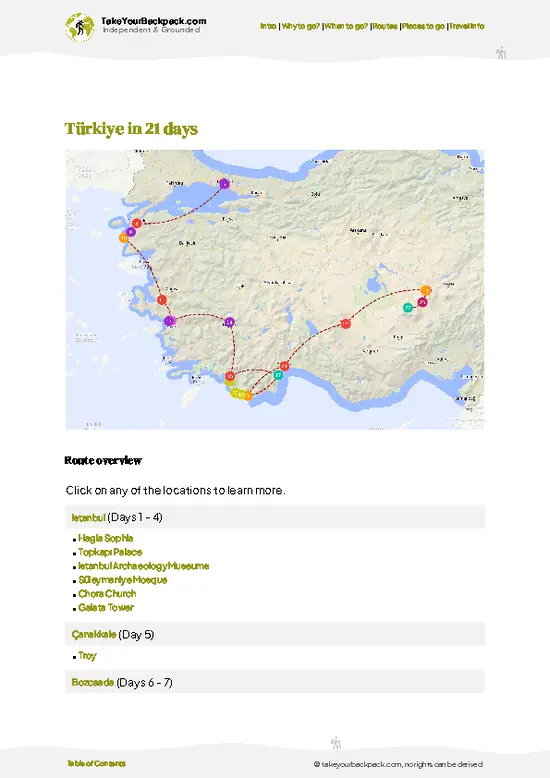
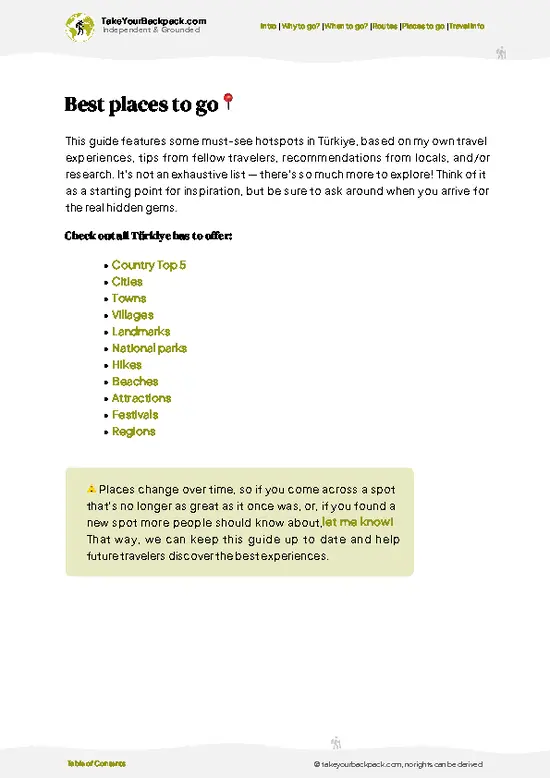
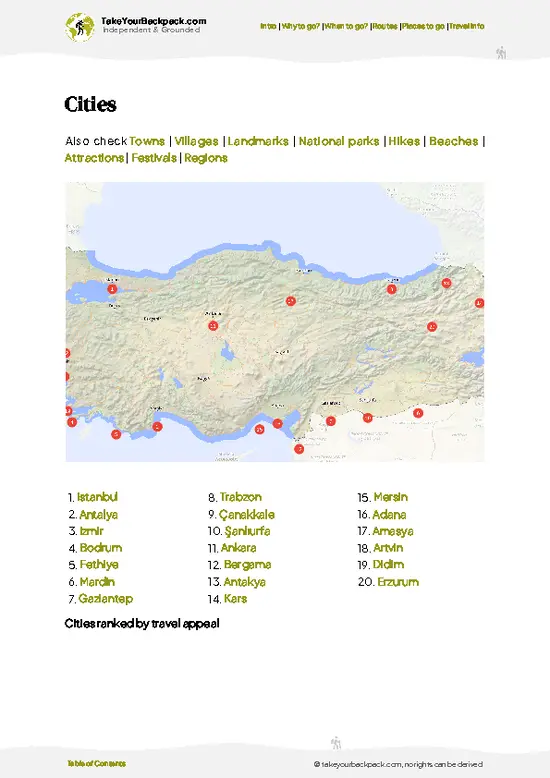
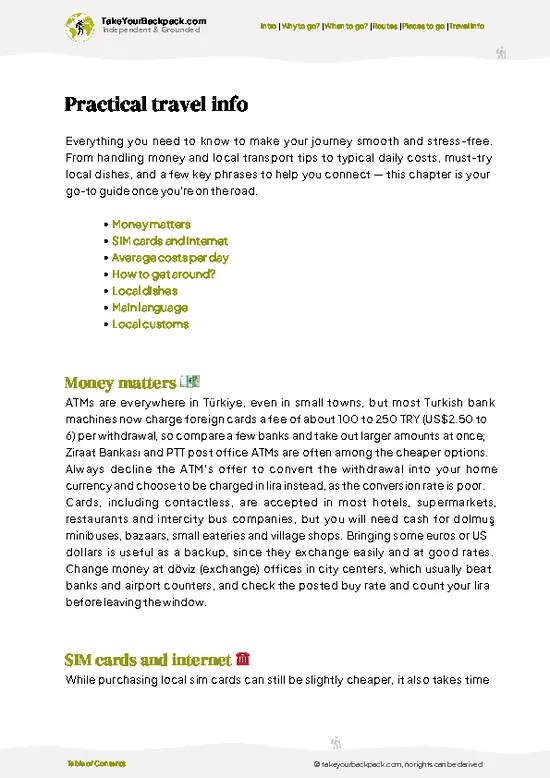
1. The Dark Church (Karanlık Kilise)
Let’s get real: most people come for the Instagram shot of the fairy chimneys, but the Dark Church is where you actually feel the centuries breathe. The frescoes here are so vivid, so shockingly well-preserved, you’ll forget you’re in a cave and not a Byzantine cathedral. The reason? Centuries of darkness—literally. The tiny window kept sunlight (and damage) out, so the colors are still electric. You’ll pay extra to enter, but this is one of those rare “worth every lira” moments. If you only splurge on one thing in Cappadocia, make it this. (Personal favorite—nothing else in the region hits this hard.)
2. The Buckle Church (Tokalı Kilise)
This is the museum’s heavyweight. It’s the largest church in the complex, and the frescoes here are a full-on visual … read more 👉
Let’s get real: most people come for the Instagram shot of the fairy chimneys, but the Dark Church is where you actually feel the centuries breathe. The frescoes here are so vivid, so shockingly well-preserved, you’ll forget you’re in a cave and not a Byzantine cathedral. The reason? Centuries of darkness—literally. The tiny window kept sunlight (and damage) out, so the colors are still electric. You’ll pay extra to enter, but this is one of those rare “worth every lira” moments. If you only splurge on one thing in Cappadocia, make it this. (Personal favorite—nothing else in the region hits this hard.)
2. The Buckle Church (Tokalı Kilise)
This is the museum’s heavyweight. It’s the largest church in the complex, and the frescoes here are a full-on visual … read more 👉
1. The Dark Church (Karanlık Kilise)
Let’s get real: most people come for the Instagram shot of the fairy chimneys, but the Dark Church is where you actually feel the centuries breathe. The frescoes here are so vivid, so shockingly well-preserved, you’ll forget you’re in a cave and not a Byzantine cathedral. The reason? Centuries of darkness—literally. The tiny window kept sunlight (and damage) out, so the colors are still electric. You’ll pay extra to enter, but this is one of those rare “worth every lira” moments. If you only splurge on one thing in Cappadocia, make it this. (Personal favorite—nothing else in the region hits this hard.)
2. The Buckle Church (Tokalı Kilise)
This is the museum’s heavyweight. It’s the largest church in the complex, and the frescoes here are a full-on visual marathon: Old and New Testament scenes, painted with a confidence and detail that rivals anything in Istanbul. The sheer scale is wild. You’ll find yourself craning your neck, trying to decode the stories swirling across the barrel vaults. It’s less crowded than the Dark Church, so you can actually stand still and soak it in without someone’s selfie stick in your peripheral vision.
3. The Apple Church (Elmali Kilise)
Smaller, yes, but the Apple Church is a masterclass in subtlety. The frescoes are softer, more faded, but the intimacy is the draw. You can almost feel the hands that painted these walls. It’s a reminder that faith here was lived, not just displayed. The name? It’s a mystery—no apples in sight—but the real flavor is the quiet, almost meditative atmosphere.
4. The Chapel of St. Barbara
This one’s for the weirdos (in the best way). The red-ochre doodles and cryptic symbols scrawled across the walls are unlike anything else in the museum. It’s raw, almost punk rock compared to the polished biblical scenes elsewhere. If you’re tired of the “official” story, this is where you feel the underground spirit of Cappadocia—literally and figuratively.
5. The Nunnery
Most people breeze past this multi-level complex, but it’s a rare chance to see how people actually lived here. Think kitchens, dining halls, and a chapel stacked on top of each other, all carved out of volcanic rock. It’s not glamorous, but it’s real. Climb the stairs, duck through the tunnels, and you’ll get a sense of the daily grind—and the ingenuity—of the people who called these caves home.
Let’s get real: most people come for the Instagram shot of the fairy chimneys, but the Dark Church is where you actually feel the centuries breathe. The frescoes here are so vivid, so shockingly well-preserved, you’ll forget you’re in a cave and not a Byzantine cathedral. The reason? Centuries of darkness—literally. The tiny window kept sunlight (and damage) out, so the colors are still electric. You’ll pay extra to enter, but this is one of those rare “worth every lira” moments. If you only splurge on one thing in Cappadocia, make it this. (Personal favorite—nothing else in the region hits this hard.)
2. The Buckle Church (Tokalı Kilise)
This is the museum’s heavyweight. It’s the largest church in the complex, and the frescoes here are a full-on visual marathon: Old and New Testament scenes, painted with a confidence and detail that rivals anything in Istanbul. The sheer scale is wild. You’ll find yourself craning your neck, trying to decode the stories swirling across the barrel vaults. It’s less crowded than the Dark Church, so you can actually stand still and soak it in without someone’s selfie stick in your peripheral vision.
3. The Apple Church (Elmali Kilise)
Smaller, yes, but the Apple Church is a masterclass in subtlety. The frescoes are softer, more faded, but the intimacy is the draw. You can almost feel the hands that painted these walls. It’s a reminder that faith here was lived, not just displayed. The name? It’s a mystery—no apples in sight—but the real flavor is the quiet, almost meditative atmosphere.
4. The Chapel of St. Barbara
This one’s for the weirdos (in the best way). The red-ochre doodles and cryptic symbols scrawled across the walls are unlike anything else in the museum. It’s raw, almost punk rock compared to the polished biblical scenes elsewhere. If you’re tired of the “official” story, this is where you feel the underground spirit of Cappadocia—literally and figuratively.
5. The Nunnery
Most people breeze past this multi-level complex, but it’s a rare chance to see how people actually lived here. Think kitchens, dining halls, and a chapel stacked on top of each other, all carved out of volcanic rock. It’s not glamorous, but it’s real. Climb the stairs, duck through the tunnels, and you’ll get a sense of the daily grind—and the ingenuity—of the people who called these caves home.
Spotted a mistake or missing something? Contact us.

Full-Day Private Cappadocia Highlights Tour (Car&Licensed Guide)

Private Photo & Drone Session in Cappadocia

Full Day Private Cappadocia Tour

Cappadocia Valley Horse Riding - Half Day Tour 4 hrs / Min 2 pax.

Private Tour in Cappadocia with Guide in Portuguese

Cappadocia Sunrise Hot Air Balloon Flight with Hotel Pickup

Cappadocia Green Tour with hike in İhlara Valley (Small Group)

Full-Day Private Guided RED Tour of Cappadocia

Red Tour Highlights and Underground City Mix Cappadocia Tour


 Best Backpacking
.jpg) Hi, I’m Johan (Netherlands 🇳🇱), the creator of TakeYourBackpack. Over the past 3 decades, I’ve backpacked through 90+ countries across six continents, gaining extensive experience with independent travel, long-term trips, and overland routes.
Hi, I’m Johan (Netherlands 🇳🇱), the creator of TakeYourBackpack. Over the past 3 decades, I’ve backpacked through 90+ countries across six continents, gaining extensive experience with independent travel, long-term trips, and overland routes.