v2.webp)
- Gül Müzesi (Isparta Rose and Rose Products Museum) — A small, focused museum that tells the story of Isparta’s famous rose oil industry: tools, old stills, photos and shelves of real rose products. Great for understanding why this city smells different in late spring.
- Municipal Rose Gardens and Distillation Workshops — Not a single monument but a cluster of accessible gardens and family-run distilleries inside the city limits where you can see rose harvesting (May-June) and watch traditional distillation up close. Hands-on and very local.
- Isparta Archaeology and Ethnography Museum — Well-curated artifacts from the region: pottery, inscriptions and everyday items that connect the modern city to the ancient communities around it. Compact, informative, and easy to walk through in an hour.
- Gül Müzesi (Isparta Rose and Rose Products Museum) — A small, focused museum that tells the story of Isparta’s famous rose oil industry: tools, old stills, photos and shelves of real rose products. Great for understanding why this city smells different in late spring.
- Municipal Rose Gardens and Distillation Workshops — Not a single monument but a cluster of accessible gardens and family-run distilleries inside the city limits where you can see rose harvesting (May-June) and watch traditional distillation up close. Hands-on and very local.
- Isparta Archaeology and Ethnography Museum — Well-curated artifacts from the region: pottery, inscriptions and everyday items that connect the modern city to the ancient communities around it. Compact, informative, and easy to walk through in an hour.
- Isparta Clock Tower (Saat Kulesi) — A photo-ready city landmark at the heart of the old center. It’s a handy meeting point and a slice of Ottoman-era urban identity that anchors the surrounding cafés and shops.
- The Old Bazaar / Bedesten — Narrow lanes, covered stalls and independent shops selling rose products, spices, teas and textiles. Less polished than big tourist bazaars, but far more authentic for browsing, bargaining and people-watching.
- Ulu Cami (Grand Mosque) and the Old Quarter’s Mosques — The city’s main mosque and its neighborhood companions showcase Ottoman-era architecture and calm courtyard life. Good for photography and to notice local rhythms at prayer times.
- Kaleiçi (Old Town Neighborhood) — A small historic district of narrow streets and traditional houses where you can feel the city’s older urban fabric. Walkable, quiet at times, and full of small surprises: door knockers, walnut trees, and local workshops.
- Atatürk House / Local History Houses — Modest museums and preserved houses that give a window into 19th-20th-century Isparta life: domestic objects, photos and stories about local figures. Short visits but high on context.
- Süleyman Demirel Cultural Center & University Campus Corners — The cultural center and parts of Süleyman Demirel University are surprisingly lively: exhibitions, concerts and a student-driven café scene that show the contemporary pulse of the city.
- Traditional Weaving and Small-Scale Workshops — Scattered around the city are family-run carpet, kilim and textile workshops where you can observe (and sometimes try) dyeing and weaving. They’re a direct link to rural crafts and make for a meaningful, hands-on visit.
Spotted a mistake or missing something? Contact us.

Pamukkale Hot Air Balloon w/Flight Certificates,Champagne Toast & Hotel Transfer

Pamukkale : Hot Air Balloon Sunrise Flight w/Transfer

Pamukkale Paragliding Experience By Local Expert Pilots

Antalya / Belek : Guided Pamukkale Day Trip & Hierapolis w/ Lunch
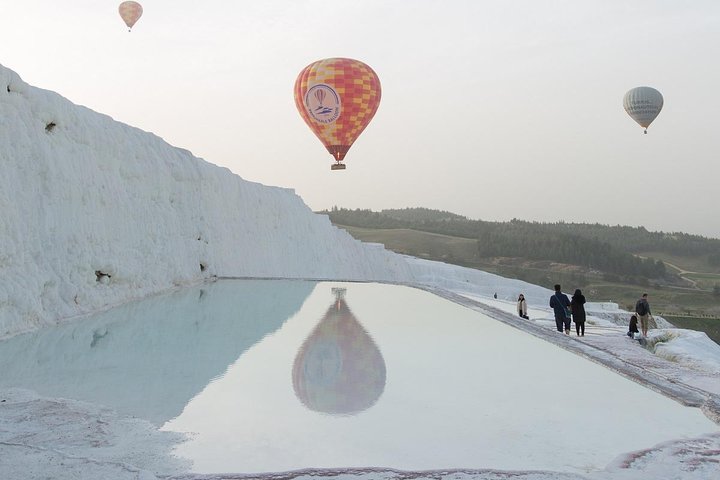
Pamukkale: Sunrise Balloon Flight Above Travertines & Ruins

Pamukkale and Hierapolis Small Group Tour

Full Day Pamukkale City Tour From Pamukkale And Karahayit Hotels

Pamukkale Tour From Pamukkale

Fethiye -Pamukkale-Hierapolis(Cotton Castle)(1 Day)


 Best Backpacking
.jpg) Hi, I’m Johan (Netherlands 🇳🇱), the creator of TakeYourBackpack. Over the past decade, I’ve backpacked through 80+ countries across six continents, gaining extensive experience with independent travel, long-term trips, and overland routes.
Hi, I’m Johan (Netherlands 🇳🇱), the creator of TakeYourBackpack. Over the past decade, I’ve backpacked through 80+ countries across six continents, gaining extensive experience with independent travel, long-term trips, and overland routes.