
×

Tuvalu🇹🇻 | townsLofeagaitraditional homes, pandanus trees, quiet residential lanes | things to do and best time to go

Explore FunafutiExplore Nanumea

Backpacking in Lofeagai
By Johan Kruseman 🇳🇱 | Updated October 16, 2026

Most people only realize after leaving that Lofeagai is where Funafuti finally slows down enough for real conversations; you get the lagoon light, the sea breeze, and the sound of kids playing kirikiti, but without the constant movement of the main government strip. Lofeagai sits on the southern side of Fongafale islet in Funafuti atoll, basically a walk or short scooter ride from the airstrip and “downtown” area. For backpackers, it works less as a checklist destination and more as a low-key base: simple guesthouses, family compounds that sometimes rent rooms, and easy access to the causeway walks and lagoon shore. You’ll mostly walk everywhere; no buses, just shared rides and the occasional lift on a scooter. It’s quiet, social in a village-way rather than a hostel-bar way, cheap by Pacific standards, and feels more lived-in and relaxed than the slightly busier government and shop zone to the north.

Discover everything you want to know in the 📖 Tuvalu Travel Guide.


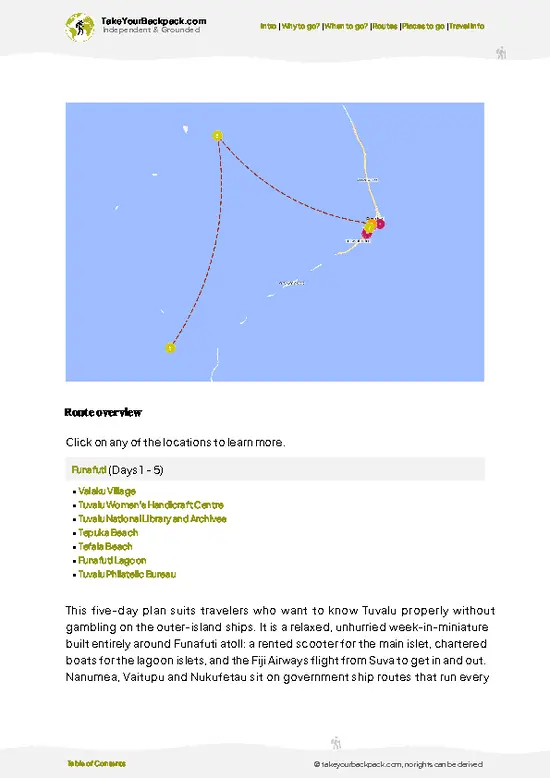
example page 0 from our offline Travel Guide for Tuvalu
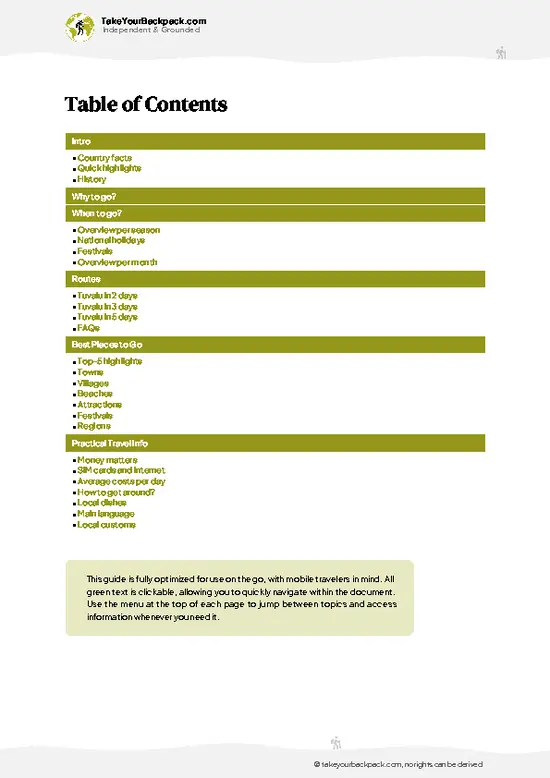
example page 1 from our offline Travel Guide for Tuvalu
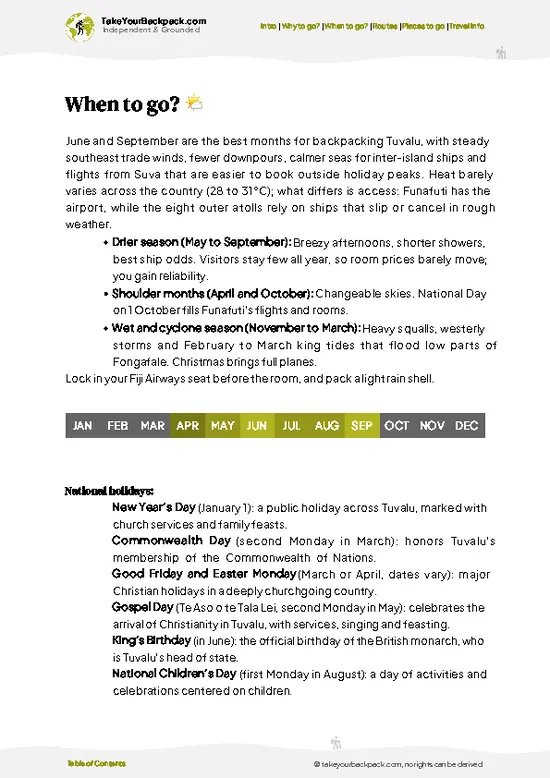
example page 2 from our offline Travel Guide for Tuvalu
example page 3 from our offline Travel Guide for Tuvalu
example page 4 from our offline Travel Guide for Tuvalu
example page 5 from our offline Travel Guide for Tuvalu
example page 6 from our offline Travel Guide for Tuvalu
example page 7 from our offline Travel Guide for Tuvalu
Loading the map 🌍
CLICK TO FILTER
towns
villages
beaches
attractions
festivals
regions
SHOW COUNTRY’S BESTSHOW ALL

✨ Why go?
Ranked #99 town in Tuvalu
Why Lofeagai should be on your travel list

Backpackers flock to Lofeagai in Tuvalu for its convenience as a base for exploring the surrounding beauty. The town’s walkable streets make it easy to navigate, with small-scale guesthouses offering a cozy, intimate vibe. You can grab a bite of local cuisine at nearby eateries, where the scent of grilled fish mingles with the salty sea air.

Hikers appreciate the access to stunning trails that lead to pristine beaches and hidden lagoons, perfect for a refreshing dip after a day on foot. The atmosphere here is friendly and laid-back, ideal for solo travelers or those in small groups looking to connect with fellow adventurers. Most visitors tend to stay a few days, soaking in the relaxed pace and engaging with the local culture.

While nightlife isn’t the main draw, the communal feel of the … read more 👉
Backpackers flock to Lofeagai in Tuvalu for its convenience as a base for exploring the surrounding beauty. The town’s walkable streets make it easy to navigate, with small-scale guesthouses offering a cozy, intimate vibe. You can grab a bite of local cuisine at nearby eateries, where the scent of grilled fish mingles with the salty sea air.

Hikers appreciate the access to stunning trails that lead to pristine beaches and hidden lagoons, perfect for a refreshing dip after a day on foot. The atmosphere here is friendly and laid-back, ideal for solo travelers or those in small groups looking to connect with fellow adventurers. Most visitors tend to stay a few days, soaking in the relaxed pace and engaging with the local culture.

While nightlife isn’t the main draw, the communal feel of the town encourages social interactions, making it a great spot for slow travelers who want to savor their experiences. Lofeagai isn’t just a stopover; it’s a place to breathe, explore, and truly appreciate the essence of Tuvalu.

💡 HighlightsWhat this place is best known for

  • Maneapa (village meeting house): The social heart of Lofeagai — where chiefs and families gather for weddings, funerals, island dances and community decision-making; great place to catch a real slice of local life.
  • Village Congregational Church: A focal point for weekly life and ceremonies; the building, services and surrounding yard give a clear sense of Tuvaluan faith, music and community rhythm.
  • Pulaka pits: Traditional underground swamp-taro gardens that show how islanders grow staples on coral atolls; seeing them in person explains a lot about food, labor and local engineering.
  • Weaving and handicraft area: Women’s weaving spots where pandanus mats, fans and hats are made — watching and buying these pieces supports locals and connects you to craft techniques passed down generations.
… read more 👉
  • Maneapa (village meeting house): The social heart of Lofeagai — where chiefs and families gather for weddings, funerals, island dances and community decision-making; great place to catch a real slice of local life.
  • Village Congregational Church: A focal point for weekly life and ceremonies; the building, services and surrounding yard give a clear sense of Tuvaluan faith, music and community rhythm.
  • Pulaka pits: Traditional underground swamp-taro gardens that show how islanders grow staples on coral atolls; seeing them in person explains a lot about food, labor and local engineering.
  • Weaving and handicraft area: Women’s weaving spots where pandanus mats, fans and hats are made — watching and buying these pieces supports locals and connects you to craft techniques passed down generations.
  • Village boat landing and reef access: The small landing where fishing boats come and go; an easy place to observe daily fishing, hop in for a short snorkel, or join a local fishing trip.
  • Coconut and pandanus groves: Productive strips of trees that frame everyday life — they’re both scenic and practical, showing traditional food and material sources for the village.
  • Village cemetery and ancestral sites: Quiet, respectfully kept grave sites that tell local family histories and are often visited during communal events — culturally important and peaceful to walk through.
  • Primary school and community learning spaces: Where children learn Tuvaluan language and customs alongside basic schooling — visiting during non-class times offers insight into education and community priorities.
Nearby day-trip highlights include Funafuti’s Conservation Area and snorkeling over nearby reef and WWII wreck sites, plus the main settlement of Vaiaku with its administrative buildings and larger markets.
Spotted a mistake or missing something? Contact us.

🏘️ NeighborhoodsUnderstanding the local layout

Lofeagai, the capital of Tuvalu, is a small but vibrant hub where the island’s culture and community come alive. Each area offers a unique flavor, making it essential for backpackers to know where to land.

Fakaifou: This is the heart of Lofeagai. The vibe is lively, with local markets and eateries spilling into the streets. You’ll find affordable accommodations here, making it ideal for budget travelers. Walkability is excellent; everything is within a short stroll. Nightlife is low-key, with a few bars where you can sip local brews and mingle with residents. Perfect for short stays, as you can soak in the local culture quickly.

Vaiaku: A quieter area, Vaiaku is where you can catch your breath. The atmosphere is serene, with beautiful coastal views. It’s slightly pricier, but the peace is … read more 👉
Lofeagai, the capital of Tuvalu, is a small but vibrant hub where the island’s culture and community come alive. Each area offers a unique flavor, making it essential for backpackers to know where to land.

Fakaifou: This is the heart of Lofeagai. The vibe is lively, with local markets and eateries spilling into the streets. You’ll find affordable accommodations here, making it ideal for budget travelers. Walkability is excellent; everything is within a short stroll. Nightlife is low-key, with a few bars where you can sip local brews and mingle with residents. Perfect for short stays, as you can soak in the local culture quickly.

Vaiaku: A quieter area, Vaiaku is where you can catch your breath. The atmosphere is serene, with beautiful coastal views. It’s slightly pricier, but the peace is worth it. Walkability is decent, though you might want a bike for longer distances. This area is great for longer stays, especially if you want to dive into the local lifestyle without the hustle.

Teone: This neighborhood is a hidden treasure for those seeking a more authentic experience. The vibe is laid-back, with friendly locals and fewer tourists. Accommodations are modest and budget-friendly. Walkability is good, but public transport is limited, so plan accordingly. Ideal for those who want to immerse themselves in the everyday life of Tuvalu.

⌛️ 1 day1-day itinerary for Lofeagai

Lofeagai, a charming town in Tuvalu, offers a slice of island life that feels both authentic and untouched. The gentle lapping of waves against the shore sets a serene backdrop, while the vibrant local culture invites you to explore its hidden corners.

Start your morning with a stroll along the coast. The sun rises slowly, casting a golden hue over the water. Grab a breakfast of fresh coconut and local bread from a small roadside stand. The sweet, creamy coconut water is a refreshing kick to start your day.

After breakfast, head to the Lofeagai Cultural Center. This spot is often overlooked by tourists but is a treasure trove of local history and art. Engage with the friendly staff who are eager to share stories about their heritage. The scent of traditional crafts fills the air, and you … read more 👉
Lofeagai, a charming town in Tuvalu, offers a slice of island life that feels both authentic and untouched. The gentle lapping of waves against the shore sets a serene backdrop, while the vibrant local culture invites you to explore its hidden corners.

Start your morning with a stroll along the coast. The sun rises slowly, casting a golden hue over the water. Grab a breakfast of fresh coconut and local bread from a small roadside stand. The sweet, creamy coconut water is a refreshing kick to start your day.

After breakfast, head to the Lofeagai Cultural Center. This spot is often overlooked by tourists but is a treasure trove of local history and art. Engage with the friendly staff who are eager to share stories about their heritage. The scent of traditional crafts fills the air, and you might even catch a glimpse of artisans at work.

In the afternoon, make your way to the nearby village of Funafuti, just a short bike ride away. The ride itself is a treat, with the salty breeze and the sound of birds overhead. Once there, visit the local market. The colors of fresh produce and handmade goods are a feast for the eyes. Don’t miss the chance to try some local fish grilled right on the spot.

As evening approaches, return to Lofeagai and settle in at a beachside spot for dinner. The sun sets in a blaze of orange and pink, and the atmosphere is electric with laughter and music. Enjoy a plate of palusami, a local dish made with taro leaves and coconut cream, as you soak in the vibrant community spirit.

This day in Lofeagai isn’t just about ticking boxes; it’s about immersing yourself in the rhythm of island life, where every moment feels like a step deeper into the heart of Tuvalu.

🌤️ When to go?When to go for the best experience

  • Topic: Weather — Lofeagai’s tropical climate means warm, humid days year-round, but the dry season from May to October offers clearer skies and less oppressive humidity. Rainfall drops significantly, making trails less slippery and outdoor plans more reliable.
  • Topic: Temperature — Expect steady warmth between 27°C and 31°C (80°F to 88°F). The dry season feels more comfortable, with evenings cooling to a pleasant 24°C (75°F), perfect for lingering outside without the sticky cling of moisture.
  • Topic: Daylight Hours — Near the equator, daylight stays consistent, roughly 12 hours year-round. This means no drastic shifts in your hiking or exploring window, so you can plan your days with confidence.
  • Topic: Crowds — Lofeagai is off the beaten path, but the dry season draws a modest uptick in
… read more 👉
  • Topic: Weather — Lofeagai’s tropical climate means warm, humid days year-round, but the dry season from May to October offers clearer skies and less oppressive humidity. Rainfall drops significantly, making trails less slippery and outdoor plans more reliable.
  • Topic: Temperature — Expect steady warmth between 27°C and 31°C (80°F to 88°F). The dry season feels more comfortable, with evenings cooling to a pleasant 24°C (75°F), perfect for lingering outside without the sticky cling of moisture.
  • Topic: Daylight Hours — Near the equator, daylight stays consistent, roughly 12 hours year-round. This means no drastic shifts in your hiking or exploring window, so you can plan your days with confidence.
  • Topic: Crowds — Lofeagai is off the beaten path, but the dry season draws a modest uptick in visitors. You’ll find a balance: enough people to feel safe and social, but not so many that the quiet charm disappears.
  • Topic: Seasonal Activities — The dry months align with local festivals and fishing seasons, offering a richer cultural experience. The sea is calmer, inviting snorkeling and kayaking without the risk of sudden storms.
  • Topic: Price Fluctuations — Accommodation and transport costs rise slightly during the dry season due to demand, but the trade-off is worth it for reliable weather and better access to activities.
Pro-tip: Aim for late May or early October to catch the sweet spot—fewer crowds, stable weather, and vibrant local life without the peak-season price surge.


source: climatestotravel.comJANJanuary: fair for travelingFEBFebruary: fair for travelingMARMarch: fair for travelingAPRApril: good for travelingMAYMay: excellent for travelingJUNJune: excellent for travelingJULJuly: excellent for travelingAUGAugust: excellent for travelingSEPSeptember: excellent for travelingOCTOctober: excellent for travelingNOVNovember: good for travelingDECDecember: fair for traveling
when-to-go

✈️ The backpacker research shortcutTuvalu Travel Guide

An offline-friendly backpacking guide with optimized travel routes, ranked highlights, transport advice, and the best areas to stay.
example page 0 from our offline Travel Guide for Tuvalu
example page 1 from our offline Travel Guide for Tuvalu
example page 2 from our offline Travel Guide for Tuvalu
example page 3 from our offline Travel Guide for Tuvalu
example page 4 from our offline Travel Guide for Tuvalu
example page 5 from our offline Travel Guide for Tuvalu
example page 6 from our offline Travel Guide for Tuvalu
example page 7 from our offline Travel Guide for Tuvalu
The digital guide (97 pages) contains:
✅ 20 highlights, ranked by travel appeal
✅ Optimized 2, 3 & 5-day travel routes
✅ Cities, national parks, landmarks, beaches
✅ How to get around
✅ Offline-friendly for travel without Wi-Fi
👉 Click to see all 30+ guide features

📅 Plan smarter in minutes, not weeks
✅ Month by month travel advice
✅ Festivals & national holidays
✅ Budget expectations

🗺️ Go to the right places, skip the overrated ones
✅ Honest pros & cons of destinations
✅ Top hikes, parks & viewpoints
✅ Lesser-known places most travelers miss
✅ Clear “worth it vs skip it” guidance

🛏️ Travel smoothly without rookie mistakes
✅ Best areas to stay
✅ Transport systems explained simply
✅ Common scams & safety advice
✅ SIM cards, money & practical tips

🌍 Understand the country, not just visit it
✅ Culture & traditions
✅ 52 Essential phrases & customs
✅ Festivals worth planning around
✅ Traveler-friendly historical context
✅ Insights that make places more meaningful

📱 Built for real travel conditions
✅ Fully downloadable PDF
✅ Works completely offline
✅ Optimized for phone use
✅ Useful in remote areas & buses
✅ Everything in one place
Stop searching, start planning
Get instant access to your full guide. 30‑day money-back guarantee.
+ Add another guide for just

By proceeding you agree to our terms.
Sent to your inbox immediately after payment • 100% Secure Checkout
Best Backpacking Travel Advisor 2025 tourism awardBest Backpacking
Travel Advisor
2025
What others say about Take Your Backpack Guides:
⭐⭐⭐⭐⭐
Fantastic, amazing amount of information!
⭐⭐⭐⭐⭐
My goodness this is amazing, it's what I've been looking for hats off too you!
⭐⭐⭐⭐⭐
I think this is absolutely BRILLIANT
⭐⭐⭐⭐
Very complete and informative. It's still missing places, but I gotta to commend you
⭐⭐⭐⭐⭐
This is truly amazing, thank you, can't wait to explore it with my kids!
⭐⭐⭐⭐⭐
Awesome resource, thank you!
⭐⭐⭐⭐⭐
This is amazing! Can't wait to explore the ones I haven't seen
⭐⭐⭐⭐
I love this! Well done, great idea.
⭐⭐⭐⭐⭐
Thanks for taking the time to make this gem!
⭐⭐⭐⭐⭐
This might be the best website I've ever seen.
⭐⭐⭐⭐⭐
Congratulations, and thank you so much for your work; it's incredibly valuable.
⭐⭐⭐⭐
In all seriousness I think you did a great job pointing out the important spots
⭐⭐⭐⭐⭐
10/10 very good
⭐⭐⭐⭐⭐
As someone who's only just starting to visit regularly this is awesome, thank you.
⭐⭐⭐⭐
Thank you very much! I'm going to visit my dad, it's going to be very useful!
⭐⭐⭐⭐⭐
This is really cool! We'll be travelling for the first time and this definitely come in handy.
⭐⭐⭐⭐⭐
You are now our minister of culture, congratulations 👨‍💼
⭐⭐⭐⭐⭐
Just wanted to tell you that this is a pearl! Going to follow your recommendations.
⭐⭐⭐⭐⭐
This is so cool. I'll definitely be using the resource for my travels soon.
⭐⭐⭐⭐⭐
This is very impressive! Good work.
⭐⭐⭐⭐⭐
This is an amazing and informative site. Very well done!

🛏️ Where to stay?Best areas and accommodation options

In Lofeagai, Tuvalu, the best spot for backpackers is the central village area along the main lagoon shore. This neighborhood hums with local life—fishermen hauling nets at dawn, kids splashing in the shallow water, and elders chatting under the shade of coconut palms. It’s safe, straightforward, and the social heartbeat for travelers who want to connect without the fuss of tourist traps. The air carries a salty tang mixed with the faint aroma of grilled fish, grounding you in the island’s rhythm.

Hostel options here are limited but reliable, often family-run with a communal vibe that makes solo … read more 👉
In Lofeagai, Tuvalu, the best spot for backpackers is the central village area along the main lagoon shore. This neighborhood hums with local life—fishermen hauling nets at dawn, kids splashing in the shallow water, and elders chatting under the shade of coconut palms. It’s safe, straightforward, and the social heartbeat for travelers who want to connect without the fuss of tourist traps. The air carries a salty tang mixed with the faint aroma of grilled fish, grounding you in the island’s rhythm.

Hostel options here are limited but reliable, often family-run with a communal vibe that makes solo travelers feel instantly part of the scene. Staying here means easy access to the market, local eateries, and the pier where you can catch boats to nearby islets. Compared to the quieter, more residential outskirts, this area offers a natural social hub without sacrificing authenticity. You won’t find flashy nightlife, but the evenings glow with firelight and storytelling, a perfect wind-down after a day of exploring coral reefs or village trails.

Choosing this neighborhood means embracing the island’s pace—unhurried, genuine, and rich with simple pleasures. It’s where the real Tuvaluan spirit lives, and where your backpacking experience gains depth beyond the postcard.

🚌 Getting aroundHow to get around Lofeagai

Lofeagai moves at its own rhythm—part deliberate, part spontaneous. The streets don’t hum with the relentless tick of a clock but pulse with a laid-back, almost improvisational energy. You’ll find locals weaving through narrow alleys with a casual confidence, pausing to chat or sip coffee as the light shifts from the soft gold of morning to the cool blue of dusk. It’s not a place where everything runs like clockwork, but that’s part of the charm: the flow here rewards patience and a willingness to embrace the unexpected. The scent of sea salt mingles with fresh bread from corner bakeries, and the occasional honk or shout punctuates the air, reminding you that this town thrives on human connection more than rigid schedules.
  • Walking: The heart of Lofeagai is best explored on foot. Most neighborhoods
… read more 👉
Lofeagai moves at its own rhythm—part deliberate, part spontaneous. The streets don’t hum with the relentless tick of a clock but pulse with a laid-back, almost improvisational energy. You’ll find locals weaving through narrow alleys with a casual confidence, pausing to chat or sip coffee as the light shifts from the soft gold of morning to the cool blue of dusk. It’s not a place where everything runs like clockwork, but that’s part of the charm: the flow here rewards patience and a willingness to embrace the unexpected. The scent of sea salt mingles with fresh bread from corner bakeries, and the occasional honk or shout punctuates the air, reminding you that this town thrives on human connection more than rigid schedules.
  • Walking: The heart of Lofeagai is best explored on foot. Most neighborhoods are compact, with cobblestone streets that invite slow wandering. Walking is free, obviously, and lets you catch the subtle details—the texture of weathered walls, the aroma of street food stalls, the way sunlight filters through vine-covered balconies. It’s the most immersive way to get around, though be ready for uneven surfaces and occasional steep inclines.
  • Local Minibuses (Matatus): These are the budget traveler’s lifeline for longer distances within and just outside town. They run roughly from 6 a.m. to 9 p.m., cost a few dollars per ride, and can be cramped but efficient. The catch is they don’t follow strict timetables—departures happen when full, so timing is flexible but unpredictable. The ride is bumpy, windows often open to let in the salty breeze, and the driver’s call-and-response with passengers adds a lively soundtrack to your trip.
  • Bicycle Rentals: For a bit more speed and freedom, renting a bike is a smart move. Daily rates are affordable, and you can cover more ground without losing the intimacy of the town’s narrow lanes. The terrain is mixed—some flat stretches perfect for cruising, others with short, sharp hills that demand a bit of effort but reward you with views over the harbor. Helmets aren’t always standard, so bring your own if safety is a priority.
  • Shared Taxis: These operate on fixed routes between key points and run from early morning until late evening. They’re pricier than minibuses but faster and more comfortable, with air conditioning in some vehicles. Expect to pay around double the minibus fare. They’re a good option if you want to save time without breaking the bank, especially for trips to the outskirts or nearby villages.
  • Ferries: If your itinerary includes nearby islands or coastal spots, ferries are essential. They typically run twice daily—morning and late afternoon—and tickets are inexpensive. The ride offers a refreshing break from land travel, with the sea breeze and panoramic views making the crossing feel like part of the adventure rather than just transit. Be prepared for basic seating and occasional delays due to weather.

👛 Costs (as of 16 October 2026)Money, prices, and spending tips

Backpacking in Lofeagai, Tuvalu, carries a unique cost profile shaped by its remote location and limited infrastructure, so expect prices that reflect both scarcity and simplicity.
  • Dorm Accommodation: Options are extremely limited, often tied to guesthouses or small lodges rather than formal hostels. Expect to pay around $25 to $40 USD per night for a basic dorm-style bed or shared room. The scarcity of budget beds means booking ahead is crucial.
  • Meals: Food costs lean higher due to import reliance. Simple local meals—think fresh fish, taro, and coconut—run about $5 to $10 USD each. If you stick to local eateries or market stalls, you can keep daily food expenses around $15 to $25 USD, but Western-style or imported foods will push that up.
  • Local Transport: Public transport is minimal; most
… read more 👉
Backpacking in Lofeagai, Tuvalu, carries a unique cost profile shaped by its remote location and limited infrastructure, so expect prices that reflect both scarcity and simplicity.
  • Dorm Accommodation: Options are extremely limited, often tied to guesthouses or small lodges rather than formal hostels. Expect to pay around $25 to $40 USD per night for a basic dorm-style bed or shared room. The scarcity of budget beds means booking ahead is crucial.
  • Meals: Food costs lean higher due to import reliance. Simple local meals—think fresh fish, taro, and coconut—run about $5 to $10 USD each. If you stick to local eateries or market stalls, you can keep daily food expenses around $15 to $25 USD, but Western-style or imported foods will push that up.
  • Local Transport: Public transport is minimal; most travel is by foot, bicycle, or occasional boat rides between islets. Budget around $5 to $10 USD daily if you hire a bike or take boat taxis for short hops. Walking is free but can be hot and humid, so plan accordingly.
  • Basic Activities/Entry Fees: Most activities revolve around natural exploration—snorkeling, beachcombing, and village visits—with little to no formal entry fees. Occasionally, cultural events or guided tours may charge $10 to $20 USD. Factor in $5 to $15 USD daily if you want to engage more deeply.
  • Miscellaneous Expenses: This covers essentials like bottled water, occasional snacks, or small souvenirs. Given the limited commercial options, budget $5 to $10 USD daily to avoid surprises.

The total daily budget for backpacking in Lofeagai typically falls between $55 and $100 USD. This range reflects the balance between making the most of local simplicity and the unavoidable premium of island isolation. The payoff is a raw, unfiltered experience where every dollar spent feels like a direct investment in the place’s rare, slow rhythm.
⚠️ Prices can change and everyone travels differently, so take this as a rough guide. Hope it helps you plan your adventure!

🚌 Day tripsShort trips worth adding

Lofeagai, Tuvalu, is a backpacker’s dream base for exploring the surrounding beauty. The laid-back vibe of the town makes it easy to launch into unforgettable day trips. Here are some of the best options.

Funafuti Conservation Area
Just a short boat ride from Lofeagai, the Funafuti Conservation Area is a must-see. Picture yourself snorkeling in crystal-clear waters, surrounded by vibrant coral reefs teeming with life. The trip takes about 30 minutes, and you can expect to spend around $20 for the boat fare and gear rental. The best time to go is during the dry season, from May to October, when visibility is at its peak. A common mistake? Many first-timers forget to bring reef-safe sunscreen, which is crucial for protecting both your skin and the delicate ecosystem.


Nanumea Island
A … read more 👉
Lofeagai, Tuvalu, is a backpacker’s dream base for exploring the surrounding beauty. The laid-back vibe of the town makes it easy to launch into unforgettable day trips. Here are some of the best options.

Funafuti Conservation Area
Just a short boat ride from Lofeagai, the Funafuti Conservation Area is a must-see. Picture yourself snorkeling in crystal-clear waters, surrounded by vibrant coral reefs teeming with life. The trip takes about 30 minutes, and you can expect to spend around $20 for the boat fare and gear rental. The best time to go is during the dry season, from May to October, when visibility is at its peak. A common mistake? Many first-timers forget to bring reef-safe sunscreen, which is crucial for protecting both your skin and the delicate ecosystem.


Nanumea Island
A day trip to Nanumea Island offers a glimpse into local culture and stunning landscapes. The ferry ride takes about an hour, costing around $25. Once there, you can explore traditional villages and enjoy a picnic on the beach. The best time to visit is during the cooler months, from June to September. One mistake to avoid is underestimating the sun; bring plenty of water and a hat, as shade can be scarce.


Te Afua Beach
Te Afua Beach is a local favorite, just a 15-minute bike ride from Lofeagai. The beach is known for its soft sand and calm waters, perfect for a relaxing day. You can rent a bike for about $5 and spend the day swimming or lounging. Aim for the late afternoon when the sun sets in a blaze of colors. A common oversight is not checking the tide schedule; low tide reveals tidal pools that are fun to explore.


Funafuti Lagoon
Exploring Funafuti Lagoon is an adventure in itself. Rent a kayak for around $15 and paddle through the serene waters, spotting marine life along the way. The lagoon is accessible year-round, but the calmest conditions are typically from June to August. Many backpackers miss out on the best spots because they stick too close to shore; venture further out for a more immersive experience.
👉 Explore Funafuti Lagoon

🛡️ SafetySafety Tips and Common Scams in Lofeagai

Lofeagai, Tuvalu, is generally safe, but a few practical tips can enhance your experience. The town has a laid-back vibe, but keep your wits about you, especially in crowded markets. Vendors can be persistent, so a polite but firm “no, thank you” works wonders.

If you’re traveling solo, stick to well-lit areas after dark. The streets are quiet, and while locals are friendly, it’s wise to avoid wandering too far off the beaten path at night.

Scams are rare, but be cautious with offers that seem too good to be true, particularly regarding boat trips or guided tours. Always ask for recommendations from fellow travelers or your accommodation.

Carry your belongings close, especially in busy spots. A crossbody bag can be a lifesaver. Overall, embrace the slow pace, engage with locals, and … read more 👉
Lofeagai, Tuvalu, is generally safe, but a few practical tips can enhance your experience. The town has a laid-back vibe, but keep your wits about you, especially in crowded markets. Vendors can be persistent, so a polite but firm “no, thank you” works wonders.

If you’re traveling solo, stick to well-lit areas after dark. The streets are quiet, and while locals are friendly, it’s wise to avoid wandering too far off the beaten path at night.

Scams are rare, but be cautious with offers that seem too good to be true, particularly regarding boat trips or guided tours. Always ask for recommendations from fellow travelers or your accommodation.

Carry your belongings close, especially in busy spots. A crossbody bag can be a lifesaver. Overall, embrace the slow pace, engage with locals, and soak in the island’s charm—just stay aware, and you’ll have a smooth adventure.

FAQFrequently asked questions about Lofeagai

Lofeagai is primarily a stopover rather than a major destination. It offers limited tourist infrastructure and attractions, making it more suitable for brief visits or transit. Most travelers use it as a rest point while exploring other parts of Tuvalu.
One day is generally sufficient to experience Lofeagai. The town is small with few sights, so spending more than a day is usually unnecessary unless you want to relax or explore nearby natural areas at a slow pace.
No, Lofeagai cannot be visited as a day trip from a nearby city. Tuvalu's islands are spread out, and transport options are limited, requiring overnight stays to travel between locations like Funafuti, the capital, and Lofeagai.
⚠️ Things can change over time, so always validate details locally before you go.

More places to explore across Tuvalu

Lofeagai isn’t the only highlight in Tuvalu. Explore all what Tuvalu has to offer.
Country photo of Tuvalu

We 💚 feedbackFinal thoughts on visiting Lofeagai

Lofeagai is a slice of paradise where the air is thick with the scent of salt and coconut. The vibe? Laid-back, with locals who genuinely welcome you. The best surprise? The vibrant coral reefs just off the shore—snorkeling here feels like entering an aquarium. Just a heads-up: the sun can be relentless, so pack that reef-safe sunscreen. Embrace the slow pace; it’s part of the charm. You’ll leave feeling like you’ve discovered a piece of yourself.

✍️ Help improve this page!
The information on this page is based on in-depth research, insights shared by experienced travelers, and feedback from the local travel community in Tuvalu. While every effort is made to keep the information accurate and current, conditions can change — so if you spot anything incorrect or outdated, please get in touch.


🙋‍♂️ Give feedback

👋 Meet the founderWho’s Behind Take Your Backpack?

Johan, backpacker and founder of TakeYourBackpackHi, I’m Johan (Netherlands 🇳🇱), the creator of TakeYourBackpack. Over the past 3 decades, I’ve backpacked through 90+ countries across six continents, gaining extensive experience with independent travel, long-term trips, and overland routes.

This site is built on a combination of firsthand travel experience and carefully curated insights from other backpackers. Many guides are based on places I’ve personally visited, while others bring together tips, observations, and practical advice shared by trusted travelers I’ve met along the way.

The goal is to provide realistic, experience-driven guidance — not generic itineraries — so you can explore destinations with better context, clearer expectations, and more confidence.