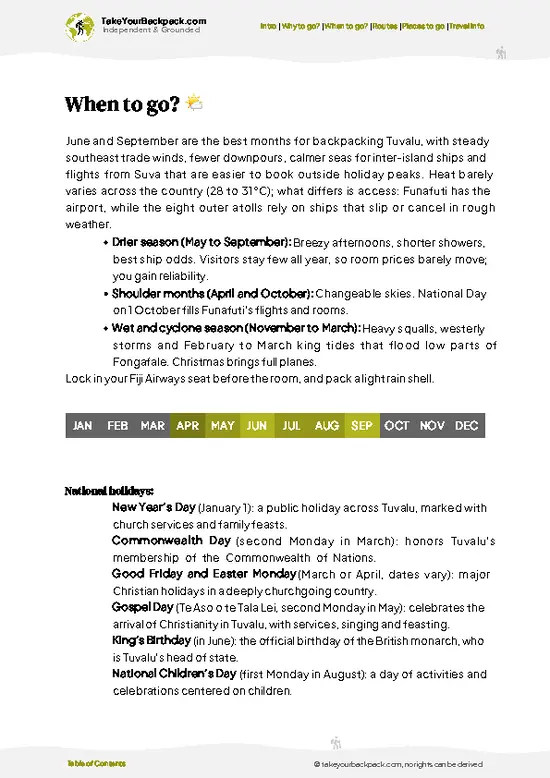
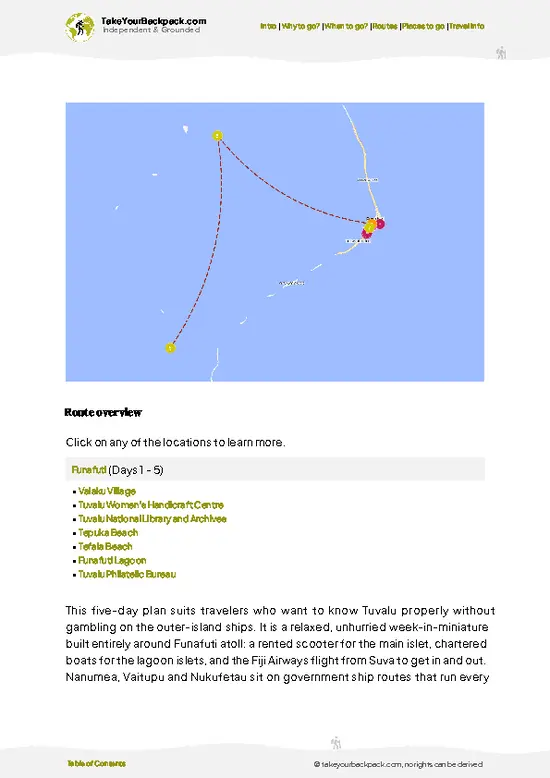
The Pacific’s Smallest National Library—And Its Most Personal
Let’s get real: Tuvalu National Library and Archives is not the British Library, and it’s not trying to be. If you’re expecting marble columns and climate-controlled vaults, you’re in the wrong hemisphere. But if you want to understand Tuvalu beyond the Instagram-perfect lagoon shots, this is where you start. The building itself is humble—think government-issue, not architectural marvel—but the stories inside are the real draw. You’ll likely be the only visitor, and that’s half the magic. There’s no velvet rope between you and the country’s collective memory.
Handwritten Colonial Records—History Without the Filter
This is where Tuvalu’s past isn’t just preserved; it’s handwritten, dog-eared, and sometimes a little sun-bleached. You’ll … read more 👉
Let’s get real: Tuvalu National Library and Archives is not the British Library, and it’s not trying to be. If you’re expecting marble columns and climate-controlled vaults, you’re in the wrong hemisphere. But if you want to understand Tuvalu beyond the Instagram-perfect lagoon shots, this is where you start. The building itself is humble—think government-issue, not architectural marvel—but the stories inside are the real draw. You’ll likely be the only visitor, and that’s half the magic. There’s no velvet rope between you and the country’s collective memory.
Handwritten Colonial Records—History Without the Filter
This is where Tuvalu’s past isn’t just preserved; it’s handwritten, dog-eared, and sometimes a little sun-bleached. You’ll … read more 👉
The Pacific’s Smallest National Library—And Its Most Personal
Let’s get real: Tuvalu National Library and Archives is not the British Library, and it’s not trying to be. If you’re expecting marble columns and climate-controlled vaults, you’re in the wrong hemisphere. But if you want to understand Tuvalu beyond the Instagram-perfect lagoon shots, this is where you start. The building itself is humble—think government-issue, not architectural marvel—but the stories inside are the real draw. You’ll likely be the only visitor, and that’s half the magic. There’s no velvet rope between you and the country’s collective memory.
Handwritten Colonial Records—History Without the Filter
This is where Tuvalu’s past isn’t just preserved; it’s handwritten, dog-eared, and sometimes a little sun-bleached. You’ll find original colonial-era documents, correspondence, and census books that feel like they were plucked from a time capsule. There’s no digital interface—just you, the paper, and the weight of history. It’s a rare chance to see the raw, unedited version of Pacific Island history, not the sanitized textbook summary.
Oral Histories—The Real Voices of Tuvalu
Forget the tourist-board slogans. The library’s collection of oral histories—recorded interviews with elders and community leaders—lets you hear Tuvalu’s story in its own words. These aren’t polished podcasts; they’re honest, sometimes meandering, always deeply human. If you’re lucky, a staff member might play you a recording or even introduce you to someone who lived the history. It’s the closest thing to time travel you’ll find on Funafuti.
Local Newspapers—A Front Row Seat to Island Life
Want to know what matters to Tuvaluans, beyond the headlines about climate change? Dig into the stacks of local newspapers and newsletters. You’ll find everything from government notices to wedding announcements to the occasional heated letter to the editor. It’s a window into daily life that’s refreshingly unfiltered, and you’ll walk away with a sense of the country’s humor, priorities, and quirks.
Genealogy Requests—Family Ties in Real Time
Here’s something you won’t find in most national libraries: staff who will actually help you trace family connections, even if you’re not Tuvaluan. Locals use the archives to piece together family trees, and visitors with Pacific roots sometimes discover relatives they never knew existed. It’s not a slick, automated process—expect hand-written notes and a lot of patience—but it’s as real as it gets.
The Human Factor—Staff Who Are Storytellers
This isn’t a place where you’ll be shushed for asking questions. The staff are more like unofficial historians than librarians, and they’re proud to share what they know. If you show genuine interest, you’ll get stories, context, and maybe even a cup of tea. The real entertainment here is the conversation—raw, unscripted, and impossible to replicate anywhere else.
Let’s get real: Tuvalu National Library and Archives is not the British Library, and it’s not trying to be. If you’re expecting marble columns and climate-controlled vaults, you’re in the wrong hemisphere. But if you want to understand Tuvalu beyond the Instagram-perfect lagoon shots, this is where you start. The building itself is humble—think government-issue, not architectural marvel—but the stories inside are the real draw. You’ll likely be the only visitor, and that’s half the magic. There’s no velvet rope between you and the country’s collective memory.
Handwritten Colonial Records—History Without the Filter
This is where Tuvalu’s past isn’t just preserved; it’s handwritten, dog-eared, and sometimes a little sun-bleached. You’ll find original colonial-era documents, correspondence, and census books that feel like they were plucked from a time capsule. There’s no digital interface—just you, the paper, and the weight of history. It’s a rare chance to see the raw, unedited version of Pacific Island history, not the sanitized textbook summary.
Oral Histories—The Real Voices of Tuvalu
Forget the tourist-board slogans. The library’s collection of oral histories—recorded interviews with elders and community leaders—lets you hear Tuvalu’s story in its own words. These aren’t polished podcasts; they’re honest, sometimes meandering, always deeply human. If you’re lucky, a staff member might play you a recording or even introduce you to someone who lived the history. It’s the closest thing to time travel you’ll find on Funafuti.
Local Newspapers—A Front Row Seat to Island Life
Want to know what matters to Tuvaluans, beyond the headlines about climate change? Dig into the stacks of local newspapers and newsletters. You’ll find everything from government notices to wedding announcements to the occasional heated letter to the editor. It’s a window into daily life that’s refreshingly unfiltered, and you’ll walk away with a sense of the country’s humor, priorities, and quirks.
Genealogy Requests—Family Ties in Real Time
Here’s something you won’t find in most national libraries: staff who will actually help you trace family connections, even if you’re not Tuvaluan. Locals use the archives to piece together family trees, and visitors with Pacific roots sometimes discover relatives they never knew existed. It’s not a slick, automated process—expect hand-written notes and a lot of patience—but it’s as real as it gets.
The Human Factor—Staff Who Are Storytellers
This isn’t a place where you’ll be shushed for asking questions. The staff are more like unofficial historians than librarians, and they’re proud to share what they know. If you show genuine interest, you’ll get stories, context, and maybe even a cup of tea. The real entertainment here is the conversation—raw, unscripted, and impossible to replicate anywhere else.
Spotted a mistake or missing something? Contact us.
v2.webp)

Best Backpacking
Hi, I’m Johan (Netherlands 🇳🇱), the creator of TakeYourBackpack. Over the past decade, I’ve backpacked through 80+ countries across six continents, gaining extensive experience with independent travel, long-term trips, and overland routes.