×

Uganda🇺🇬 | citiesAmolatarLake Kyoga peninsula, fishing communities, rural isolation | things to do and best time to go

Explore KyenjojoExplore Zombo

Backpacking in Amolatar
👀 For curious travelerscity ranked #36
By Johan Kruseman 🇳🇱 | Updated June 12, 2026

Forget the idea that Amolatar is just another dusty junction on the way north—most travelers blow past, missing its quiet pulse. Set on the northern edge of Lake Kyoga, deep in central Uganda, Amolatar is not a hotspot, but that’s its charm. The air is thick with woodsmoke and lake breeze. It’s a practical stopover for backpackers tracing the long, slow roads between Lira and Soroti, or those chasing the mythic “Uganda’s heart” at the nearby geographical center. Don’t expect nightlife or a backpacker scene—this is a town of slow evenings, local chapati stalls, and the occasional boda-boda ride to the lake. You’ll find it more relaxed and less commercial than Lira, but also less social; costs are low, safety is typical for rural Uganda, and the real draw is the feeling of being somewhere most travelers never pause to notice.

Discover everything you want to know in the 📖 Uganda Travel Guide.
Safety warning

The current risk level for Uganda is high. Check the advice before going.


Get your Uganda guide
109 ranked highlights, routes & tips, works offline (422 pages)
Loading the map 🌍
CLICK TO FILTER
cities
towns
landmarks
national parks
hikes
beaches
attractions
festivals
regions
SHOW COUNTRY’S BESTSHOW ALL

✨ Why go?
Ranked #36 city in Uganda
Reasons people choose to visit here

Amolatar serves as a gateway for backpackers exploring Uganda’s hidden treasures. Its walkable streets make it easy to navigate, while small-scale hostels and guesthouses offer a cozy, intimate vibe. Here, you can savor local food that bursts with flavor, connecting you to the culture. Many travelers stay a few days, soaking in the friendly social atmosphere that encourages conversation and camaraderie. It’s ideal for slow travelers and hikers looking to recharge before tackling nearby trails or lakes. Amolatar isn’t a party hub; it’s a place to reflect and connect, making it a worthwhile stop on your journey.
Want to include Amolatar in your Uganda route?
Create a personalized Uganda itinerary that includes Amolatar and the places that fit your trip — based on your travel style, budget, and available time. Get your route in seconds.

Generate my trip

💡 HighlightsThe experiences that define the visit

  • Amolatar Central Market — The real pulse of town: early-morning bustle, fresh produce, smoked fish and useful conversations with traders who’ll tell you where to find the best local food or a boat driver to the lakeshore.
  • Lake Kyoga landing (town pier) — A working waterfront where fishermen haul in their catch, boats put out for island hops, and sunrise/sunset light makes for easy photography and relaxed people-watching.
  • Fishermen’s smokehouses and shore camps — Walk the lakeshore to see traditional fish-smoking, buying fresh tilapia hot off the racks and learning a craft that supports many families here.
  • Amolatar Town Council / District compound — Not glamorous, but the administrative heart of the district: good place to pick up local maps, permission for village visits, and to observe
read more 👉
  • Amolatar Central Market — The real pulse of town: early-morning bustle, fresh produce, smoked fish and useful conversations with traders who’ll tell you where to find the best local food or a boat driver to the lakeshore.
  • Lake Kyoga landing (town pier) — A working waterfront where fishermen haul in their catch, boats put out for island hops, and sunrise/sunset light makes for easy photography and relaxed people-watching.
  • Fishermen’s smokehouses and shore camps — Walk the lakeshore to see traditional fish-smoking, buying fresh tilapia hot off the racks and learning a craft that supports many families here.
  • Amolatar Town Council / District compound — Not glamorous, but the administrative heart of the district: good place to pick up local maps, permission for village visits, and to observe day-to-day civic life in a rural Ugandan town.
  • Community/Cultural Hall (town square) — When events are on this is where dances, meetings and public ceremonies happen; timing a visit for a performance gives a real window into local Lango social life.
  • Main parish church and town mosque — The religious centers are also social hubs: visiting respectfully (outside service times or with permission) reveals architecture, community rhythms and local charity projects.
  • Local craft stalls and basket-weaving workshops — Small clusters of artisans make mats, baskets and simple woodwork; watching (and buying) supports household incomes and you get authentic, portable souvenirs.
  • Town hill viewpoint / peninsula walk — A short climb or stroll along the peninsula gives sweeping views of Lake Kyoga and the surrounding wetlands — simple, free and quietly beautiful at golden hour.
  • Neighborhood homestead visits (arranged with a guide) — With a local fixer you can visit family homes to see traditional cooking, farming and local hospitality; these visits are where the town’s everyday culture comes alive.
  • Roadside eateries and fish joints — The best way to taste the place: small local kitchens serving fresh, cheap meals — fish, side dishes and local tea — and a chance to chat with Amolatar residents over food.
A few good day trips from Amolatar: boat trips out to the nearby Lake Kyoga islands and fishing communities (my personal favorite), a run to Lira for larger markets and regional museums, and short drives into nearby Kole/Dokolo districts for birding and wetland scenery.
Spotted a mistake or missing something? Contact us.

Things to do near Amolatar

Ratings based on Tripadvisor reviews. When you book through this link, you support our work at no extra cost to you.

🏘️ NeighborhoodsUnderstanding the local layout

Amolatar is a vibrant hub that offers a unique blend of culture and nature, perfect for backpackers seeking authentic experiences.

Central Amolatar: This area buzzes with local markets and street vendors. It’s walkable, making it easy to explore shops and eateries. Costs are low, and the vibe is lively, especially in the evenings. Perfect for short stays, you can soak in the local life without feeling rushed.

Lake Kyoga Shoreline: A quieter escape with stunning views. Ideal for longer stays, this area offers peaceful walks along the water. Accommodations here are slightly pricier, but the tranquility is worth it. Transport options are limited, so plan ahead.

Amolatar Town Center: The heart of nightlife, with bars and music venues. It’s bustling and energetic, great for socializing. Walkability … read more 👉
Amolatar is a vibrant hub that offers a unique blend of culture and nature, perfect for backpackers seeking authentic experiences.

Central Amolatar: This area buzzes with local markets and street vendors. It’s walkable, making it easy to explore shops and eateries. Costs are low, and the vibe is lively, especially in the evenings. Perfect for short stays, you can soak in the local life without feeling rushed.

Lake Kyoga Shoreline: A quieter escape with stunning views. Ideal for longer stays, this area offers peaceful walks along the water. Accommodations here are slightly pricier, but the tranquility is worth it. Transport options are limited, so plan ahead.

Amolatar Town Center: The heart of nightlife, with bars and music venues. It’s bustling and energetic, great for socializing. Walkability is high, but noise can be an issue at night. Perfect for those looking to dive into the local scene.

⌛️ 1 dayA smart one-day plan

Amolatar, Uganda, is a vibrant town where the pulse of local life beats strong. It’s a place where the air is rich with the scent of fresh tilapia from the nearby shores of Lake Kyoga, and the laughter of children fills the streets.

Start your morning at the bustling local market. The colors of fresh produce and handmade crafts are a feast for the eyes. Grab a few ripe bananas or a warm chapati from a vendor; it’s a delicious way to fuel up. Afterward, stroll through the nearby neighborhoods, where you can see traditional mud huts and friendly faces.

In the afternoon, head to the shores of Lake Kyoga. Rent a canoe from a local fisherman and paddle out. The tranquility of the water, with birds soaring overhead, is a refreshing escape.

As evening approaches, visit the Amolatar Cultural … read more 👉
Amolatar, Uganda, is a vibrant town where the pulse of local life beats strong. It’s a place where the air is rich with the scent of fresh tilapia from the nearby shores of Lake Kyoga, and the laughter of children fills the streets.

Start your morning at the bustling local market. The colors of fresh produce and handmade crafts are a feast for the eyes. Grab a few ripe bananas or a warm chapati from a vendor; it’s a delicious way to fuel up. Afterward, stroll through the nearby neighborhoods, where you can see traditional mud huts and friendly faces.

In the afternoon, head to the shores of Lake Kyoga. Rent a canoe from a local fisherman and paddle out. The tranquility of the water, with birds soaring overhead, is a refreshing escape.

As evening approaches, visit the Amolatar Cultural Center. It’s often overlooked by tourists but offers a glimpse into the rich traditions of the Lango people. Enjoy a local meal at a nearby eatery, where the flavors of ugali and fish will linger long after you leave. This day in Amolatar isn’t just a visit; it’s an immersion into the heart of Uganda.
Turn your Amolatar visit into an Uganda adventure
Build a complete Uganda route with Amolatar, hidden gems, must-see destinations, and realistic travel times included.

Generate my trip

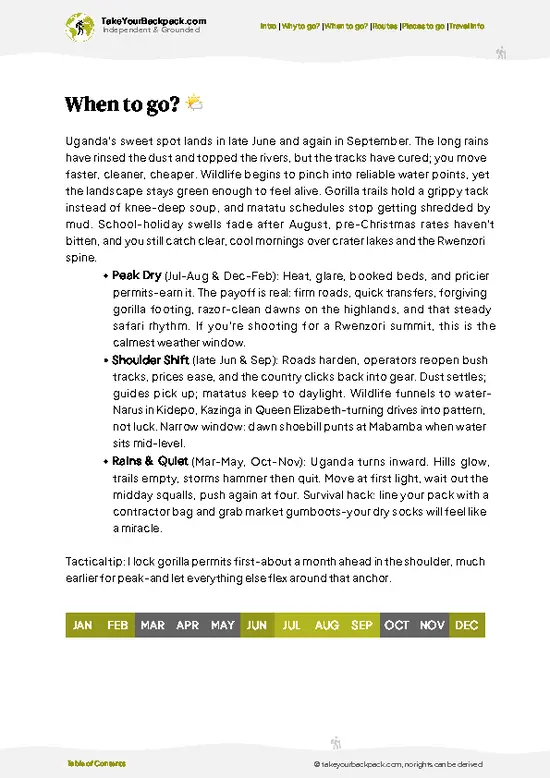
🌤️ When to go?Choosing the right time of year


  • Topic: Weather – The dry seasons from December to February and June to August offer clear skies and dusty trails, perfect for trekking without the mud. Rainy months (March-May, September-November) bring lush greenery but slippery paths and frequent downpours.

  • Topic: Temperature – Expect daytime highs around 28-32°C (82-90°F) during dry months, cooling to 22-26°C (72-79°F) in the wet season. Nights can dip to 15°C (59°F), so pack layers.

  • Topic: Daylight Hours – Near the equator, daylight stays steady at about 12 hours year-round, giving you reliable time to explore without early sunsets cutting your day short.

  • Topic: Crowds – Amolatar remains off the beaten path, so crowds are minimal year-round. Dry season sees a slight uptick with local visitors, but you’ll still find plenty of solitude.
read more 👉

  • Topic: Weather – The dry seasons from December to February and June to August offer clear skies and dusty trails, perfect for trekking without the mud. Rainy months (March-May, September-November) bring lush greenery but slippery paths and frequent downpours.

  • Topic: Temperature – Expect daytime highs around 28-32°C (82-90°F) during dry months, cooling to 22-26°C (72-79°F) in the wet season. Nights can dip to 15°C (59°F), so pack layers.

  • Topic: Daylight Hours – Near the equator, daylight stays steady at about 12 hours year-round, giving you reliable time to explore without early sunsets cutting your day short.

  • Topic: Crowds – Amolatar remains off the beaten path, so crowds are minimal year-round. Dry season sees a slight uptick with local visitors, but you’ll still find plenty of solitude.

  • Topic: Seasonal Activities – Dry months are ideal for fishing and boat trips on Lake Kyoga, while the wet season brings vibrant birdlife and blooming landscapes for nature lovers.

  • Topic: Price Fluctuations – Accommodation and transport costs dip during the rainy season due to lower demand, but expect to pay a premium in the dry months when conditions are prime.


Pro-tip: Aim for late dry season—August to early September—when the landscape is still golden and dry, but the crowds haven’t fully arrived, giving you the best balance of comfort and quiet.


source: climatestotravel.comJANJanuary: excellent for travelingFEBFebruary: excellent for travelingMARMarch: fair for travelingAPRApril: fair for travelingMAYMay: fair for travelingJUNJune: highly recommended for travelingJULJuly: highly recommended for travelingAUGAugust: excellent for travelingSEPSeptember: highly recommended for travelingOCTOctober: fair for travelingNOVNovember: fair for travelingDECDecember: excellent for traveling
when-to-go

✈️ The backpacker research shortcutUganda Travel Guide

An offline-friendly backpacking guide with optimized travel routes, ranked highlights, transport advice, and the best areas to stay.
example page 0 from our offline Travel Guide for Uganda
example page 1 from our offline Travel Guide for Uganda
example page 2 from our offline Travel Guide for Uganda
example page 3 from our offline Travel Guide for Uganda
example page 4 from our offline Travel Guide for Uganda
example page 5 from our offline Travel Guide for Uganda
example page 6 from our offline Travel Guide for Uganda
example page 7 from our offline Travel Guide for Uganda
The digital guide (422 pages) contains:
109 highlights, ranked by travel appeal
Optimized 5, 10 & 15-day travel routes
Cities, national parks, landmarks, beaches
How to get around
Offline-friendly for travel without Wi-Fi
👉 Click to see all 30+ guide features

📅 Plan smarter in minutes, not weeks
Month by month travel advice
Festivals & national holidays
Budget expectations

🗺️ Go to the right places, skip the overrated ones
Honest pros & cons of destinations
Top hikes, parks & viewpoints
Lesser-known places most travelers miss
Clear “worth it vs skip it” guidance

🛏️ Travel smoothly without rookie mistakes
Best areas to stay
Transport systems explained simply
Common scams & safety advice
SIM cards, money & practical tips

🌍 Understand the country, not just visit it
Culture & traditions
52 Essential phrases & customs
Festivals worth planning around
Traveler-friendly historical context
Insights that make places more meaningful

📱 Built for real travel conditions
Fully downloadable PDF
Works completely offline
Optimized for phone use
Useful in remote areas & buses
Everything in one place
Save weeks of stressful planning
Get instant access to your full guide. 30‑day money-back guarantee.


By proceeding you agree to our terms.
Sent to your inbox immediately after payment • 100% Secure Checkout
Best Backpacking Travel Advisor 2025 tourism awardBest Backpacking
Travel Advisor
2025
What others say about Take Your Backpack Guides:
⭐⭐⭐⭐⭐
Fantastic, amazing amount of information!
⭐⭐⭐⭐⭐
My goodness this is amazing, it's what I've been looking for hats off too you!
⭐⭐⭐⭐⭐
I think this is absolutely BRILLIANT
⭐⭐⭐⭐
Very complete and informative. It's still missing places, but I gotta to commend you
⭐⭐⭐⭐⭐
This is truly amazing, thank you, can't wait to explore it with my kids!
⭐⭐⭐⭐⭐
Awesome resource, thank you!
⭐⭐⭐⭐⭐
This is amazing! Can't wait to explore the ones I haven't seen
⭐⭐⭐⭐
I love this! Well done, great idea.
⭐⭐⭐⭐⭐
Thanks for taking the time to make this gem!
⭐⭐⭐⭐⭐
This might be the best website I've ever seen.
⭐⭐⭐⭐⭐
Congratulations, and thank you so much for your work; it's incredibly valuable.
⭐⭐⭐⭐
In all seriousness I think you did a great job pointing out the important spots
⭐⭐⭐⭐⭐
10/10 very good
⭐⭐⭐⭐⭐
As someone who's only just starting to visit regularly this is awesome, thank you.
⭐⭐⭐⭐
Thank you very much! I'm going to visit my dad, it's going to be very useful!
⭐⭐⭐⭐⭐
This is really cool! We'll be travelling for the first time and this definitely come in handy.
⭐⭐⭐⭐⭐
You are now our minister of culture, congratulations 👨‍💼
⭐⭐⭐⭐⭐
Just wanted to tell you that this is a pearl! Going to follow your recommendations.
⭐⭐⭐⭐⭐
This is so cool. I'll definitely be using the resource for my travels soon.
⭐⭐⭐⭐⭐
This is very impressive! Good work.
⭐⭐⭐⭐⭐
This is an amazing and informative site. Very well done!

🛏️ Where to stay?Choosing the right base

In Amolatar, the best spot for backpackers is the town center near the main market and trading hub. This area pulses with local life—vendors calling out, the scent of fresh produce mixing with earth after rain. It’s where you’ll find the few budget guesthouses and informal hostels that cater to solo travelers and those watching their wallets. Staying here means you’re steps from social spots where locals and travelers mingle, making it easier to swap stories or find a guide. Other parts of town feel quieter and less connected, lacking that lively, safe buzz that makes evenings feel secure and welcoming.

🚌 Getting aroundMoving around without the hassle

Amolatar moves at the pace of the Nile’s slow curve—unhurried but deliberate. The sun casts long shadows by mid-afternoon, and the air carries the earthy scent of river mud mixed with fresh papyrus. This isn’t a place where timetables rule; it’s a town where intuition and local rhythm guide your steps. You’ll find that the best way to get around is to lean into the flow—trust the informal networks, the shared rides, and the steady shuffle of feet on dusty paths. The charm here is in the gentle unpredictability, but knowing the main transit options will keep you from spinning your wheels.


  • Walking: The heart of Amolatar is compact enough to explore on foot. Expect dusty, uneven paths and the occasional friendly dog. Walking lets you soak in the smells of fresh cassava and the chatter from
read more 👉
Amolatar moves at the pace of the Nile’s slow curve—unhurried but deliberate. The sun casts long shadows by mid-afternoon, and the air carries the earthy scent of river mud mixed with fresh papyrus. This isn’t a place where timetables rule; it’s a town where intuition and local rhythm guide your steps. You’ll find that the best way to get around is to lean into the flow—trust the informal networks, the shared rides, and the steady shuffle of feet on dusty paths. The charm here is in the gentle unpredictability, but knowing the main transit options will keep you from spinning your wheels.


  • Walking: The heart of Amolatar is compact enough to explore on foot. Expect dusty, uneven paths and the occasional friendly dog. Walking lets you soak in the smells of fresh cassava and the chatter from market stalls, all at your own pace.

  • Boda-boda (Motorcycle Taxi): These are the quickest way to cover longer distances, weaving through narrow lanes with ease. Prices are negotiable but usually under 2,000 UGX per ride. They start early and run until dusk, but safety gear is minimal—hold on tight.

  • Matatu (Shared Minibus): The backbone of local transit, matatus run irregularly but frequently between Amolatar and nearby towns. Fares hover around 3,000–5,000 UGX. They’re slow, often crowded, and noisy, but perfect for budget travelers wanting to blend in.

  • Bicycle Rentals: A slower, sweatier option but rewarding for those who want control and a breeze on their face. Rentals cost about 5,000 UGX per day. Roads can be rough, so sturdy tires and a good sense of balance are essential.

👛 Costs (as of 14 May 2026)How expensive it really is

Backpacking in Amolatar, Uganda, is a raw, grounded experience where costs stay low but the rhythm of local life sets the tone. Here’s how your daily budget breaks down in practical terms:
  • Dorm Accommodation: Expect to pay around $5 to $10 per night for a basic dorm bed. Options are limited and rustic, often with mosquito nets and shared facilities. This is about embracing simplicity rather than luxury.
  • Meals: Local meals run between $2 and $5 each. Think fresh matoke, beans, and rice served in small roadside eateries where the air carries the scent of wood smoke and simmering sauces. Street food is cheaper but stick to cooked dishes to avoid stomach trouble.
  • Local Transport: Boda-bodas (motorcycle taxis) are the go-to, costing roughly $0.50 to $1 for short rides within town. For longer trips
read more 👉
Backpacking in Amolatar, Uganda, is a raw, grounded experience where costs stay low but the rhythm of local life sets the tone. Here’s how your daily budget breaks down in practical terms:
  • Dorm Accommodation: Expect to pay around $5 to $10 per night for a basic dorm bed. Options are limited and rustic, often with mosquito nets and shared facilities. This is about embracing simplicity rather than luxury.
  • Meals: Local meals run between $2 and $5 each. Think fresh matoke, beans, and rice served in small roadside eateries where the air carries the scent of wood smoke and simmering sauces. Street food is cheaper but stick to cooked dishes to avoid stomach trouble.
  • Local Transport: Boda-bodas (motorcycle taxis) are the go-to, costing roughly $0.50 to $1 for short rides within town. For longer trips or shared taxis, budget $2 to $4. The roads are dusty and bumpy, so factor in a bit of time and patience.
  • Basic Activities/Entry Fees: Amolatar isn’t packed with tourist traps, so entry fees are minimal or nonexistent. Visiting local markets or cultural spots might cost $1 to $3 if there’s a small fee or donation expected.
  • Miscellaneous Expenses: This covers bottled water, snacks, phone credit, or a cold soda—plan for about $1 to $3 daily. Water quality varies, so buying bottled water is a safe bet.

All told, you’re looking at roughly $10 to $20 per day to keep things moving smoothly without cutting corners. The modest costs reflect the town’s simplicity and the slower pace of life. It’s not about flashy comforts but about tuning into the local vibe, where every dollar stretches and every meal tastes like a small victory.
⚠️ Prices can change and everyone travels differently, so take this as a rough guide. Hope it helps you plan your adventure!

🚌 Day tripsExploring the surroundings

Amolatar, Uganda, is a backpacker’s dream base for day trips, offering a blend of culture, wildlife, and stunning landscapes.

Lake Kyoga Expedition
A boat ride on Lake Kyoga is a must. The water glistens under the sun, and the air is filled with the scent of fresh fish. You’ll spot local fishermen casting nets and maybe even a hippo or two. It takes about an hour to reach the lake from Amolatar, and you can expect to spend around $10 for the boat hire. Early mornings are best for calm waters and vibrant birdlife. A common mistake? Forgetting sunscreen; the sun can be relentless.


Okwang Sub-County Cultural Tour
Immerse yourself in local culture by visiting Okwang. The vibrant markets buzz with life, and the aroma of local dishes wafts through the air. It’s a 30-minute ride, costing … read more 👉
Amolatar, Uganda, is a backpacker’s dream base for day trips, offering a blend of culture, wildlife, and stunning landscapes.

Lake Kyoga Expedition
A boat ride on Lake Kyoga is a must. The water glistens under the sun, and the air is filled with the scent of fresh fish. You’ll spot local fishermen casting nets and maybe even a hippo or two. It takes about an hour to reach the lake from Amolatar, and you can expect to spend around $10 for the boat hire. Early mornings are best for calm waters and vibrant birdlife. A common mistake? Forgetting sunscreen; the sun can be relentless.


Okwang Sub-County Cultural Tour
Immerse yourself in local culture by visiting Okwang. The vibrant markets buzz with life, and the aroma of local dishes wafts through the air. It’s a 30-minute ride, costing about $5. Engage with locals, learn about their traditions, and maybe even join a dance. The dry season, from June to August, is ideal for this experience. Many first-timers skip the markets, but they’re the heart of the community.


Mount Elgon Hike
For the adventurous, a day hike at Mount Elgon is exhilarating. The lush greenery and the sound of rustling leaves create a serene atmosphere. It’s a two-hour drive to the trailhead, with transport costing around $15. Aim for the dry months, as trails can get muddy. A common pitfall is underestimating the hike; pack enough water and snacks to keep your energy up.
👉 Explore Mount Elgon
Want to know what more Uganda offers?
The Uganda Travel Guide describes 109 highlights, from cities to national parks, from beaches to hikes

Get the Travel Guide -

🍲 FoodLocal Flavors for Backpackers

In Amolatar, the food scene is a lively dive into local flavors that hit the spot without fuss. Think hearty plates of posho (a dense maize porridge) paired with fresh, leafy greens or grilled fish from nearby Lake Kyoga—simple, filling, and deeply satisfying. Backpackers will find themselves drawn to bustling markets where the air is thick with the scent of frying cassava and spicy stews bubbling in pots. Street vendors serve up quick bites that double as social hubs, while casual eateries offer a chance to sit down and savor the rhythm of daily life. Don’t rush your meal here; sharing food and stories is part of the local drinking culture, often accompanied by sweet, homemade millet beer or a strong cup of Ugandan tea. Respect the unhurried pace—mealtime is a moment to connect, not just refuel.

🛡️ SafetyTraveler Safety Guide

Amolatar is generally safe, but staying alert is key. Stick to well-lit areas at night; the streets can feel quiet, and a little caution goes a long way. Solo travelers should blend in—dress modestly and engage with locals to build rapport.

Watch for common scams, like overly friendly strangers offering unsolicited help. Politely decline and keep your belongings close. Street vendors can be persistent, but a firm “no, thank you” usually does the trick. Embrace the local vibe, but stay grounded in your surroundings.

Other Ugandan cities near Amolatar

Explore more nearby:

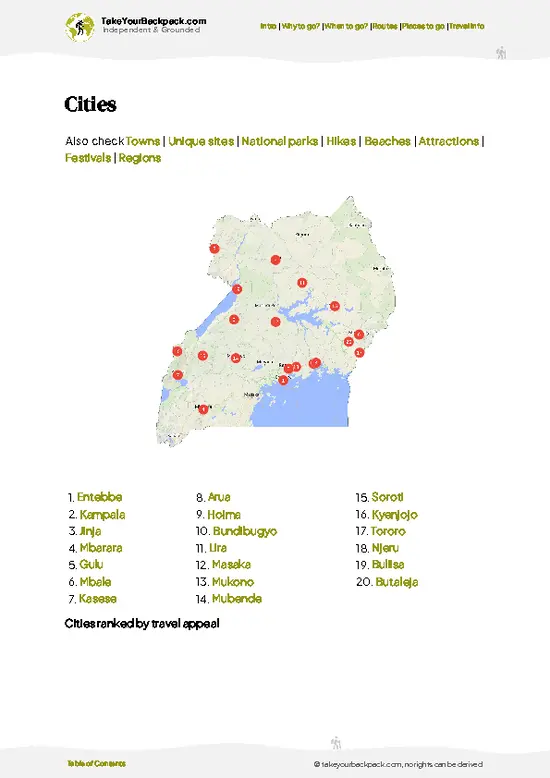
  • Lira—northern trade hub, wide boulevards, local music scene| 70 km away
  • Soroti—rocky outcrops, Teso heritage, central market| 91 km away
  • Njeru—Nile crossing, industrial zone, Jinja gateway| 139 km away

💡 Not sure where to go next?
Create a personalized itinerary for Uganda including Amolatar and the places that fit your trip.

Generate my itinerary

👉 Discover all cities

Or checkout all Uganda has to offer (think cities, towns, villages, national parks, hikes, beaches, festivals)
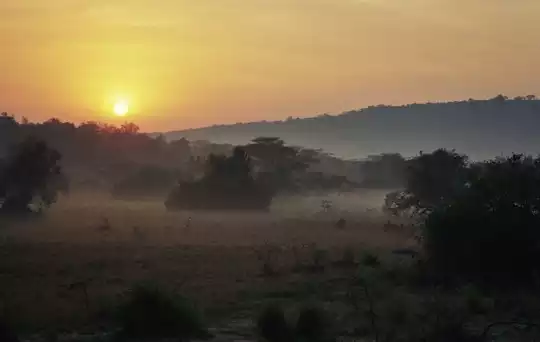
Country photo of Uganda

We 💚 feedbackFinal thoughts on visiting Amolatar

Amolatar’s charm lies in its vibrant local markets, where the aroma of fresh produce mingles with laughter and chatter. But be ready for the heat; it can be relentless. Embrace the sweat, and you’ll find the warmth of the community makes every drop worth it.

✈️ When did I visit Uganda?
In September 2019 I have done a backpacking trip through Uganda. Seeing gorilla’s in the wild from up close was a pure unexpected highlight!

✍️ Help improve this page!
The information on this page is based on my own backpacking experience in Uganda, supplemented with up-to-date research and feedback from other travelers. Travel details can change, so if you notice anything outdated or incomplete, feel free to let me know.


🙋‍♂️ Give feedback

👋 Meet the founderWho’s Behind Take Your Backpack?

Johan, backpacker and founder of TakeYourBackpackHi, I’m Johan (Netherlands 🇳🇱), the creator of TakeYourBackpack. Over the past decade, I’ve backpacked through 80+ countries across six continents, gaining extensive experience with independent travel, long-term trips, and overland routes.

This site is built on a combination of firsthand travel experience and carefully curated insights from other backpackers. Many guides are based on places I’ve personally visited, while others bring together tips, observations, and practical advice shared by trusted travelers I’ve met along the way.

The goal is to provide realistic, experience-driven guidance — not generic itineraries — so you can explore destinations with better context, clearer expectations, and more confidence.

Get full Uganda guide •
Instant download • 109 highlights • Full Offline guide