×

Uganda🇺🇬 | citiesKyenjojotea hills, Toro region, road junction | things to do and best time to go

Explore BundibugyoExplore Amolatar

Backpacking in Kyenjojo
👌 Worth visitingcity ranked #13
By Johan Kruseman 🇳🇱 | Updated June 12, 2026

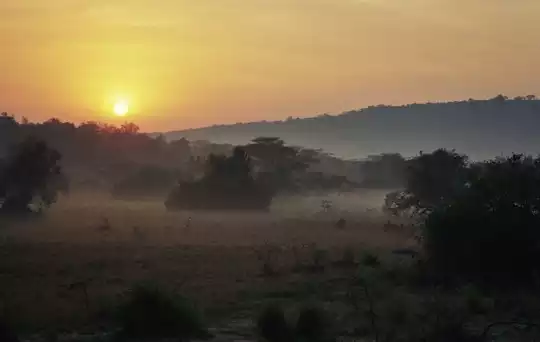
Most travelers expect Kyenjojo to be a sleepy crossroads, but here’s the twist: it’s one of the few Ugandan towns where you can wake to the smell of eucalyptus and hear colobus monkeys before breakfast—without paying safari lodge prices. Kyenjojo sits in western Uganda, a few hours east of Fort Portal, where the tarmac gives way to rolling tea fields and the air cools. The town itself is practical, not pretty—think red-dust roads, a handful of lively markets, and a pace that slows after sunset. It’s not a destination for nightlife or colonial architecture, but as a launchpad for Kibale Forest’s chimp treks or a rest stop between Kampala and Queen Elizabeth National Park, it’s gold. You’ll find basic guesthouses, cheap chapati stands, and the kind of bus park where every arrival is an event. Don’t expect a backpacker scene—this is more solo-reflection than hostel-bar crawl—but it’s safe, affordable, and friendlier than busier Fort Portal. If you want a place that feels real, not curated, Kyenjojo delivers.

Discover everything you want to know in the 📖 Uganda Travel Guide.
Safety warning

The current risk level for Uganda is high. Check the advice before going.


Get your Uganda guide
109 ranked highlights, routes & tips, works offline (422 pages)
Loading the map 🌍
CLICK TO FILTER
cities
towns
landmarks
national parks
hikes
beaches
attractions
festivals
regions
SHOW COUNTRY’S BESTSHOW ALL

✨ Why go?
Ranked #13 city in Uganda
What makes this city worth visiting

Kyenjojo is a strategic pit stop for backpackers navigating Uganda’s stunning landscapes. Its proximity to hikes in the Rwenzori Mountains makes it a natural choice for those seeking adventure. The local guesthouses offer a cozy, affordable stay, fostering a friendly atmosphere where solo travelers and small groups can connect over shared experiences. The walkable streets are lined with stalls selling fresh, local food, inviting you to savor the flavors of Uganda. While many pass through quickly, some linger for a few days, soaking in the laid-back vibe. If you’re a slow traveler or a hiker, Kyenjojo’s charm will resonate, making it a worthwhile stop on your journey.
Want to include Kyenjojo in your Uganda route?
Create a personalized Uganda itinerary that includes Kyenjojo and the places that fit your trip — based on your travel style, budget, and available time. Get your route in seconds.

Generate my trip

💡 HighlightsEssential experiences to have while visiting Kyenjojo

  1. Kyenjojo Central Market — The heart of town: a chaotic, colorful place where you can buy fresh matooke, plantains, piles of cassava, handmade baskets and watch traders shouting deals. Great for people-watching and real food at local prices.
  2. Weekly livestock & produce market — On market day the outskirts of town turn into an all-day bazaar of cattle, goats and roadside vendors. It’s loud, dusty and brilliant for seeing local trade rhythms and bargaining in practice (ask a local which day).
  3. Main Street trading strip — The compact commercial spine of Kyenjojo: small hardware shops, second-hand clothes stalls, roadside eateries and phone shops. Pop in for cheap burners (jerry can tea), mobile credit and a real sense of everyday life.
  4. Bus park & highway junction — Not glamorous, but essential:
read more 👉
  1. Kyenjojo Central Market — The heart of town: a chaotic, colorful place where you can buy fresh matooke, plantains, piles of cassava, handmade baskets and watch traders shouting deals. Great for people-watching and real food at local prices.
  2. Weekly livestock & produce market — On market day the outskirts of town turn into an all-day bazaar of cattle, goats and roadside vendors. It’s loud, dusty and brilliant for seeing local trade rhythms and bargaining in practice (ask a local which day).
  3. Main Street trading strip — The compact commercial spine of Kyenjojo: small hardware shops, second-hand clothes stalls, roadside eateries and phone shops. Pop in for cheap burners (jerry can tea), mobile credit and a real sense of everyday life.
  4. Bus park & highway junction — Not glamorous, but essential: this is where routes meet, boda-bodas swarm and travelers arrive and leave. It’s the best place to catch a shared taxi to Fort Portal or to eavesdrop on travel tips from drivers.
  5. Smallholder coffee gardens & washing stations (near town) — Coffee is grown all over this area. With permission you can visit a smallholder plot or a local washing station to see bean processing and taste fresh local coffee — a short ride from the centre and a proper hands-on experience.
  6. Town hill viewpoints — Short walks up the small hills that ring Kyenjojo give sweeping views over patchwork farmland and the distant Rwenzori foothills on clear days. Quick, cheap and useful for photos without leaving the town limits.
  7. Local religious centres (parish church & town mosque) — Visiting a service or just the compounds gives insight into community life, architecture and social networks. Churches and the mosque are open to visitors if you’re respectful; they’re also good places to meet locals.
  8. Roadside tea stalls & evening music spots — Small roadside cafés (“mazzi” stalls) and the simple bars that host local musicians are where people unwind. Sit down for a sweet black tea, try rolexs or samosas, and you’ll get stories and laughter cheaper than any tour.
  9. Women’s craft groups & small cooperatives — There are local groups selling woven baskets, mats and beads—often run by women’s associations. Buying directly supports households and gives you a chance to hear about everyday life and entrepreneurial projects.
  10. Homestays and village visits on the town’s edge — A short rickety boda ride out of the centre gets you invited into homes for supper, a walk on the farm or a look at traditional food prep. Low cost, highly memorable and a genuine cultural exchange when arranged through a local contact.
A few good day-trip highlights just outside Kyenjojo: Fort Portal town and its botanical gardens, Kibale National Park for chimp-tracking, and the Rwenzori foothills for short hikes — Kibale is my personal favorite for wildlife and easy access.
Spotted a mistake or missing something? Contact us.

Things to do near Kyenjojo

Ratings based on Tripadvisor reviews. When you book through this link, you support our work at no extra cost to you.

🏘️ NeighborhoodsWhere things are and how it's laid out

Kyenjojo is a vibrant hub for backpackers, blending local culture with stunning landscapes. Here’s how to navigate its neighborhoods:

Town Center: This is the heartbeat of Kyenjojo. Bustling markets and street vendors create a lively atmosphere. It’s walkable, with affordable accommodations. Perfect for short stays, you’ll find local eateries and shops. Nightlife is low-key, ideal for unwinding after a day of exploration.

Nyabuhikye: A quieter area, great for those seeking a peaceful retreat. It’s slightly more upscale, with guesthouses that offer a cozy vibe. Walkability is decent, but you might need a boda-boda for longer distances. Best for longer stays, you can soak in the local life without the hustle.

Rukiga: This neighborhood offers a mix of tranquility and accessibility. It’s a … read more 👉
Kyenjojo is a vibrant hub for backpackers, blending local culture with stunning landscapes. Here’s how to navigate its neighborhoods:

Town Center: This is the heartbeat of Kyenjojo. Bustling markets and street vendors create a lively atmosphere. It’s walkable, with affordable accommodations. Perfect for short stays, you’ll find local eateries and shops. Nightlife is low-key, ideal for unwinding after a day of exploration.

Nyabuhikye: A quieter area, great for those seeking a peaceful retreat. It’s slightly more upscale, with guesthouses that offer a cozy vibe. Walkability is decent, but you might need a boda-boda for longer distances. Best for longer stays, you can soak in the local life without the hustle.

Rukiga: This neighborhood offers a mix of tranquility and accessibility. It’s a bit off the main path, making it less touristy. Affordable options are available, and the local scenery is breathtaking. Ideal for nature lovers, it’s a great base for hiking and exploring nearby attractions.

⌛️ 1 dayWhat you can realistically do in a day

Kyenjojo, Uganda, is a vibrant town that pulses with local life, surrounded by lush hills and the scent of fresh earth after rain. It’s a place where the rhythm of daily life unfolds in colorful markets and friendly faces.

Start your morning at the bustling Kyenjojo Market. The air is thick with the aroma of roasted maize and spices. Grab a cup of local coffee from a nearby stall; it’s rich and earthy, a perfect kickstart. As you wander through the stalls, engage with vendors selling everything from fresh produce to handmade crafts. This is where you’ll feel the town’s heartbeat.

In the afternoon, head to the nearby Kibale National Park. It’s a short drive, and the journey is filled with stunning views. Opt for a guided nature walk; the guides are knowledgeable and passionate about the … read more 👉
Kyenjojo, Uganda, is a vibrant town that pulses with local life, surrounded by lush hills and the scent of fresh earth after rain. It’s a place where the rhythm of daily life unfolds in colorful markets and friendly faces.

Start your morning at the bustling Kyenjojo Market. The air is thick with the aroma of roasted maize and spices. Grab a cup of local coffee from a nearby stall; it’s rich and earthy, a perfect kickstart. As you wander through the stalls, engage with vendors selling everything from fresh produce to handmade crafts. This is where you’ll feel the town’s heartbeat.

In the afternoon, head to the nearby Kibale National Park. It’s a short drive, and the journey is filled with stunning views. Opt for a guided nature walk; the guides are knowledgeable and passionate about the flora and fauna. You might even spot some monkeys swinging through the trees.

As evening falls, return to Kyenjojo and visit the local eatery, The Green Spot. The grilled tilapia is a must-try, seasoned to perfection. Sit outside, enjoy the cool breeze, and soak in the lively atmosphere. This day in Kyenjojo isn’t just about sights; it’s about connecting with the land and its people.
Turn your Kyenjojo visit into an Uganda adventure
Build a complete Uganda route with Kyenjojo, hidden gems, must-see destinations, and realistic travel times included.

Generate my trip

🌤️ When to go?When to go for the best experience


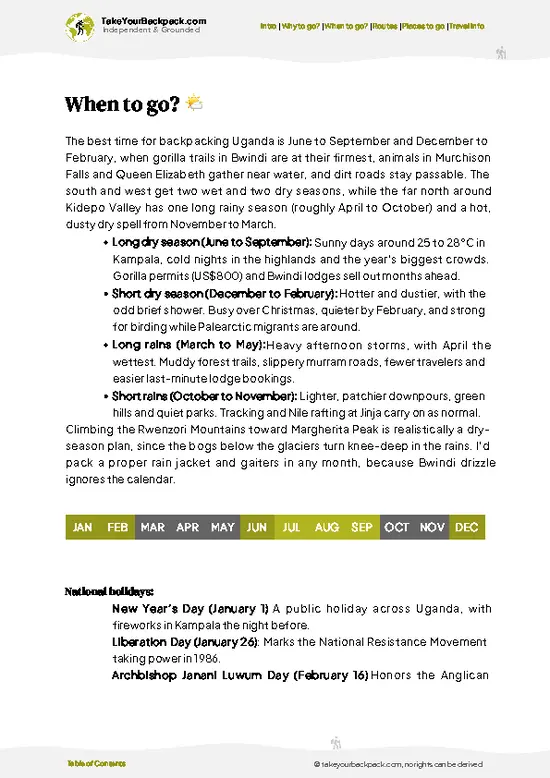
  • Topic: Weather – Kyenjojo’s climate swings between wet and dry seasons. The dry months, from June to August and December to February, offer clearer skies and less mud, making trails easier and the air fresher. Rainy seasons (March-May, September-November) bring lush greenery but slippery paths and frequent downpours.

  • Topic: Temperature – Expect daytime highs around 25-28°C (77-82°F) during dry months, cooling to 18-20°C (64-68°F) at night. Wet seasons are slightly warmer but more humid, which can sap your energy faster on hikes.

  • Topic: Daylight Hours – Near the equator, daylight is steady year-round, roughly 12 hours. This consistency means you can plan early starts and late finishes without worrying about fading light.

  • Topic: Crowds – Tourist traffic peaks in the dry season, especially
read more 👉

  • Topic: Weather – Kyenjojo’s climate swings between wet and dry seasons. The dry months, from June to August and December to February, offer clearer skies and less mud, making trails easier and the air fresher. Rainy seasons (March-May, September-November) bring lush greenery but slippery paths and frequent downpours.

  • Topic: Temperature – Expect daytime highs around 25-28°C (77-82°F) during dry months, cooling to 18-20°C (64-68°F) at night. Wet seasons are slightly warmer but more humid, which can sap your energy faster on hikes.

  • Topic: Daylight Hours – Near the equator, daylight is steady year-round, roughly 12 hours. This consistency means you can plan early starts and late finishes without worrying about fading light.

  • Topic: Crowds – Tourist traffic peaks in the dry season, especially July and December holidays. Visiting just before or after these months means fewer people on trails and better chances for spontaneous local interactions.

  • Topic: Seasonal Activities – Dry seasons are prime for trekking and wildlife spotting, as animals gather near water sources. Wet seasons bring vibrant birdlife and blooming flora, rewarding those who don’t mind a little mud.

  • Topic: Price Fluctuations – Accommodation and tour prices rise during dry season peaks. Booking in shoulder months can save money and still deliver excellent weather and experiences.


Pro-tip: Aim for late August or early December—when the air is crisp, trails firm, and the crowds thin—so you get the best of Kyenjojo’s wild charm without the hassle.


source: climatestotravel.comJANJanuary: highly recommended for travelingFEBFebruary: highly recommended for travelingMARMarch: fair for travelingAPRApril: fair for travelingMAYMay: fair for travelingJUNJune: highly recommended for travelingJULJuly: good for travelingAUGAugust: excellent for travelingSEPSeptember: fair for travelingOCTOctober: fair for travelingNOVNovember: fair for travelingDECDecember: excellent for traveling
when-to-go

✈️ The backpacker research shortcutUganda Travel Guide

An offline-friendly backpacking guide with optimized travel routes, ranked highlights, transport advice, and the best areas to stay.
example page 0 from our offline Travel Guide for Uganda
example page 1 from our offline Travel Guide for Uganda
example page 2 from our offline Travel Guide for Uganda
example page 3 from our offline Travel Guide for Uganda
example page 4 from our offline Travel Guide for Uganda
example page 5 from our offline Travel Guide for Uganda
example page 6 from our offline Travel Guide for Uganda
example page 7 from our offline Travel Guide for Uganda
The digital guide (422 pages) contains:
109 highlights, ranked by travel appeal
Optimized 5, 10 & 15-day travel routes
Cities, national parks, landmarks, beaches
How to get around
Offline-friendly for travel without Wi-Fi
👉 Click to see all 30+ guide features

📅 Plan smarter in minutes, not weeks
Month by month travel advice
Festivals & national holidays
Budget expectations

🗺️ Go to the right places, skip the overrated ones
Honest pros & cons of destinations
Top hikes, parks & viewpoints
Lesser-known places most travelers miss
Clear “worth it vs skip it” guidance

🛏️ Travel smoothly without rookie mistakes
Best areas to stay
Transport systems explained simply
Common scams & safety advice
SIM cards, money & practical tips

🌍 Understand the country, not just visit it
Culture & traditions
52 Essential phrases & customs
Festivals worth planning around
Traveler-friendly historical context
Insights that make places more meaningful

📱 Built for real travel conditions
Fully downloadable PDF
Works completely offline
Optimized for phone use
Useful in remote areas & buses
Everything in one place
Save weeks of stressful planning
Get instant access to your full guide. 30‑day money-back guarantee.


By proceeding you agree to our terms.
Sent to your inbox immediately after payment • 100% Secure Checkout
Best Backpacking Travel Advisor 2025 tourism awardBest Backpacking
Travel Advisor
2025
What others say about Take Your Backpack Guides:
⭐⭐⭐⭐⭐
Fantastic, amazing amount of information!
⭐⭐⭐⭐⭐
My goodness this is amazing, it's what I've been looking for hats off too you!
⭐⭐⭐⭐⭐
I think this is absolutely BRILLIANT
⭐⭐⭐⭐
Very complete and informative. It's still missing places, but I gotta to commend you
⭐⭐⭐⭐⭐
This is truly amazing, thank you, can't wait to explore it with my kids!
⭐⭐⭐⭐⭐
Awesome resource, thank you!
⭐⭐⭐⭐⭐
This is amazing! Can't wait to explore the ones I haven't seen
⭐⭐⭐⭐
I love this! Well done, great idea.
⭐⭐⭐⭐⭐
Thanks for taking the time to make this gem!
⭐⭐⭐⭐⭐
This might be the best website I've ever seen.
⭐⭐⭐⭐⭐
Congratulations, and thank you so much for your work; it's incredibly valuable.
⭐⭐⭐⭐
In all seriousness I think you did a great job pointing out the important spots
⭐⭐⭐⭐⭐
10/10 very good
⭐⭐⭐⭐⭐
As someone who's only just starting to visit regularly this is awesome, thank you.
⭐⭐⭐⭐
Thank you very much! I'm going to visit my dad, it's going to be very useful!
⭐⭐⭐⭐⭐
This is really cool! We'll be travelling for the first time and this definitely come in handy.
⭐⭐⭐⭐⭐
You are now our minister of culture, congratulations 👨‍💼
⭐⭐⭐⭐⭐
Just wanted to tell you that this is a pearl! Going to follow your recommendations.
⭐⭐⭐⭐⭐
This is so cool. I'll definitely be using the resource for my travels soon.
⭐⭐⭐⭐⭐
This is very impressive! Good work.
⭐⭐⭐⭐⭐
This is an amazing and informative site. Very well done!

🛏️ Where to stay?How to pick the right area

In Kyenjojo, the heartbeat for backpackers pulses strongest around the town center, where the streets hum with local markets and small eateries. This area is your best bet for safety and social energy—daylight spills over vendors selling fresh matoke and roasted maize, and evenings bring a mellow buzz from roadside bars where travelers and locals swap stories over cold soda or a local brew. Hostels here tend to cluster near main roads, offering simple dorms that are clean and affordable, with a vibe that’s easy to tap into for meeting fellow adventurers.

Venture too far into the outskirts, and … read more 👉
In Kyenjojo, the heartbeat for backpackers pulses strongest around the town center, where the streets hum with local markets and small eateries. This area is your best bet for safety and social energy—daylight spills over vendors selling fresh matoke and roasted maize, and evenings bring a mellow buzz from roadside bars where travelers and locals swap stories over cold soda or a local brew. Hostels here tend to cluster near main roads, offering simple dorms that are clean and affordable, with a vibe that’s easy to tap into for meeting fellow adventurers.

Venture too far into the outskirts, and you lose that pulse; the quiet neighborhoods are safer but isolate you from the communal buzz that makes solo travel rewarding. Staying central means you’re never far from transport links, local eateries, and the informal social hubs that turn a basic stay into a shared experience. The scent of earth and cooking fires at dusk is the backdrop to making connections that outlast your trip.

🚌 Getting aroundHow to get around Kyenjojo

Kyenjojo moves at its own rhythm—less a clockwork town and more a pulse you feel in the dusty air and the chatter spilling from roadside stalls. The sun hits hard by midday, baking the red earth and sharpening shadows under acacia trees. Here, schedules are loose suggestions, not ironclad rules. You’ll find the flow in the hum of motorbikes weaving through crowds, the clatter of boda bodas revving up, and the occasional burst of laughter from market corners. It’s a place where intuition guides your timing more than timetables, and patience pays off with genuine local encounters.


  • Walking: The best way to soak in Kyenjojo’s atmosphere. Distances between key spots are manageable, and the town’s compact layout means you can explore markets, eateries, and local hangouts on foot without rushing.
read more 👉
Kyenjojo moves at its own rhythm—less a clockwork town and more a pulse you feel in the dusty air and the chatter spilling from roadside stalls. The sun hits hard by midday, baking the red earth and sharpening shadows under acacia trees. Here, schedules are loose suggestions, not ironclad rules. You’ll find the flow in the hum of motorbikes weaving through crowds, the clatter of boda bodas revving up, and the occasional burst of laughter from market corners. It’s a place where intuition guides your timing more than timetables, and patience pays off with genuine local encounters.


  • Walking: The best way to soak in Kyenjojo’s atmosphere. Distances between key spots are manageable, and the town’s compact layout means you can explore markets, eateries, and local hangouts on foot without rushing. Early mornings and late afternoons offer cooler temperatures and softer light, perfect for wandering.


  • Boda Bodas (Motorcycle Taxis): The lifeblood of local transit—fast, flexible, and everywhere. Expect to negotiate fares upfront; rides typically cost between 1,000 to 3,000 UGX depending on distance. They dart through traffic and unpaved lanes alike, making them ideal for short hops or reaching spots off the beaten path. Helmets aren’t always standard, so keep your wits about you.


  • Matatus (Minibus Taxis): For longer hauls or trips to nearby villages, matatus offer a budget-friendly option. They don’t run on strict schedules but usually depart when full, which means waiting times can vary. Fares hover around 2,000 to 5,000 UGX. The ride is bumpy and lively, with windows down to catch the scents of earth and cooking fires outside.


  • Bicycles: Renting a bike is a smart move if you want to cover more ground without losing the freedom to stop wherever the light or a roadside fruit stand catches your eye. Rentals are affordable, and the terrain around Kyenjojo is mostly gentle, though expect some dust and occasional potholes.

👛 Costs (as of 14 May 2026)Travel costs and budget guide for Kyenjojo

Backpacking in Kyenjojo, Uganda, is a straightforward, low-cost experience if you know where to look and how to move. The town’s pace is unhurried, the air often carrying the scent of fresh earth and tropical greenery, but don’t mistake that for luxury—this is real, grassroots travel.
  • Dorm Accommodation: Expect to pay around $5 to $10 per night for a basic dorm bed. These are simple setups—think mosquito nets, a fan if you’re lucky, and shared bathrooms. It’s not about comfort here; it’s about connection and saving cash for the next adventure.
  • Meals: Local eateries serve up hearty plates for $2 to $4. Staples include matoke (steamed plantains), beans, and rice, often accompanied by fresh greens. Street food is even cheaper but stick to cooked items to avoid stomach trouble.
  • Local Transport:
read more 👉
Backpacking in Kyenjojo, Uganda, is a straightforward, low-cost experience if you know where to look and how to move. The town’s pace is unhurried, the air often carrying the scent of fresh earth and tropical greenery, but don’t mistake that for luxury—this is real, grassroots travel.
  • Dorm Accommodation: Expect to pay around $5 to $10 per night for a basic dorm bed. These are simple setups—think mosquito nets, a fan if you’re lucky, and shared bathrooms. It’s not about comfort here; it’s about connection and saving cash for the next adventure.
  • Meals: Local eateries serve up hearty plates for $2 to $4. Staples include matoke (steamed plantains), beans, and rice, often accompanied by fresh greens. Street food is even cheaper but stick to cooked items to avoid stomach trouble.
  • Local Transport: Boda-bodas (motorcycle taxis) are the go-to, costing about $0.50 to $1 for short rides within town. For longer trips, shared minibuses run between $1 and $3 depending on distance. Walking is a solid option too, especially in the cooler morning or late afternoon light.
  • Basic Activities/Entry Fees: Kyenjojo isn’t a tourist hotspot, so activities are mostly local markets, small cultural sites, or nature walks. Entry fees, if any, hover around $1 to $3. Hiring a local guide for a day might cost $10 to $15 but can unlock stories and spots you’d miss solo.
  • Miscellaneous Expenses: Budget $1 to $3 for essentials like bottled water, snacks, or phone credit. Internet cafes or SIM cards are affordable, but signal strength can be patchy, so plan accordingly.

All told, you’re looking at roughly $10 to $25 a day to cover the basics in Kyenjojo. It’s a place where every dollar stretches, but the trade-off is simplicity and immersion rather than polished convenience. The slower rhythm here means you’ll spend less time chasing comforts and more time soaking in the genuine, earthy vibe of rural Uganda.


source: visituganda.com
⚠️ Prices can change and everyone travels differently, so take this as a rough guide. Hope it helps you plan your adventure!

🚌 Day tripsEasy escapes and nearby places

Kyenjojo is a backpacker’s dream base, offering easy access to some of Uganda’s most captivating experiences. The town itself buzzes with local life, and from here, you can dive into nature, culture, and adventure without the hassle of long travel days.

Queen Elizabeth National Park
Just a couple of hours from Kyenjojo, this park is a wildlife haven. Picture yourself cruising along the Kazinga Channel, where hippos yawn and elephants splash in the water. A day trip typically costs around $50, including transport and park fees. Early mornings are best for spotting wildlife, so set your alarm. Many first-timers underestimate the park’s vastness; don’t rush—take your time to soak it all in.
👉 Explore Queen Elizabeth National Park

Fort Portal
Only about 30 minutes away, Fort Portal is … read more 👉
Kyenjojo is a backpacker’s dream base, offering easy access to some of Uganda’s most captivating experiences. The town itself buzzes with local life, and from here, you can dive into nature, culture, and adventure without the hassle of long travel days.

Queen Elizabeth National Park
Just a couple of hours from Kyenjojo, this park is a wildlife haven. Picture yourself cruising along the Kazinga Channel, where hippos yawn and elephants splash in the water. A day trip typically costs around $50, including transport and park fees. Early mornings are best for spotting wildlife, so set your alarm. Many first-timers underestimate the park’s vastness; don’t rush—take your time to soak it all in.
👉 Explore Queen Elizabeth National Park

Fort Portal
Only about 30 minutes away, Fort Portal is a vibrant town with a rich cultural scene. Explore the local markets, where the scent of fresh produce fills the air, or hike to the nearby Amabere Caves, where legends intertwine with nature. Expect to spend around $10 for transport and snacks. The best time to visit is during the dry season, when trails are less muddy. A common mistake? Skipping the local food stalls—try the matoke!
👉 Explore Fort Portal

Semuliki National Park
A bit further afield, about an hour and a half drive, Semuliki offers hot springs and unique wildlife. The bubbling waters of Sempaya Hot Springs are a treat after a day of hiking. Budget around $60 for transport and entry fees. Visit during the dry season for the best experience. Many backpackers miss the guided walks; they’re invaluable for spotting rare birds and learning about the ecosystem.
👉 Explore Semuliki National Park

Rwenzori Mountains
For those craving a challenge, the Rwenzori Mountains are just a couple of hours away. Day hikes can be arranged for around $40, and the views are jaw-dropping. The best time to go is during the dry months, but be prepared for sudden weather changes. A common rookie mistake is underestimating the terrain; wear sturdy shoes and pack layers.
👉 Explore Rwenzori Mountains

Each of these trips offers a unique slice of Uganda, making Kyenjojo an ideal launchpad for your adventures.
Want to know what more Uganda offers?
The Uganda Travel Guide describes 109 highlights, from cities to national parks, from beaches to hikes

Get the Travel Guide -

🍲 FoodEating & Drinking in Kyenjojo

In Kyenjojo, food is a lively negotiation between simplicity and bold flavors. The must-try is matoke, steamed green bananas mashed with rich, spicy groundnut sauce—a dish that tastes like the heart of Uganda on a plate. Pair it with roasted goat or fried tilapia for a true local feast.

Backpackers will find themselves drawn to bustling markets where vendors grill meat over open flames and serve steaming bowls of posho, a maize porridge staple. Street food stalls offer quick bites like chapati wraps stuffed with beans or beef, perfect for eating on the go while soaking in the city’s rhythm.

Drinking culture here leans toward local brews like waragi, a potent banana spirit, or chilled millet beer, often shared in communal settings that invite conversation and connection. Expect a casual, … read more 👉
In Kyenjojo, food is a lively negotiation between simplicity and bold flavors. The must-try is matoke, steamed green bananas mashed with rich, spicy groundnut sauce—a dish that tastes like the heart of Uganda on a plate. Pair it with roasted goat or fried tilapia for a true local feast.

Backpackers will find themselves drawn to bustling markets where vendors grill meat over open flames and serve steaming bowls of posho, a maize porridge staple. Street food stalls offer quick bites like chapati wraps stuffed with beans or beef, perfect for eating on the go while soaking in the city’s rhythm.

Drinking culture here leans toward local brews like waragi, a potent banana spirit, or chilled millet beer, often shared in communal settings that invite conversation and connection. Expect a casual, no-frills vibe—eat with your hands, share your food, and embrace the warmth of Ugandan hospitality.

🛡️ SafetyTraveler Safety Guide

Kyenjojo is generally safe, but staying aware enhances your experience. Stick to well-lit areas at night, especially around the market. Solo travelers should blend in; avoid flashy gear that screams “tourist.”

While scams are rare, be cautious of overly friendly locals offering unsolicited help—often, they expect payment. Bargaining is common in markets, so keep your cool and negotiate with a smile.

Embrace the local vibe, but trust your instincts. If something feels off, it probably is. Carry yourself with confidence, and you’ll unlock the true essence of Kyenjojo.

Other Ugandan cities near Kyenjojo

Explore more nearby:

  • Bundibugyo—Rwenzori foothills, cocoa farms, Bwamba culture| 65 km away
  • Kasese—Rwenzori Mountains, mining activity, park gateway| 79 km away
  • Mubende—hilltop fort, central crossroads, coffee farms| 83 km away

💡 Not sure where to go next?
Create a personalized itinerary for Uganda including Kyenjojo and the places that fit your trip.

Generate my itinerary

👉 Discover all cities

Or checkout all Uganda has to offer (think cities, towns, villages, national parks, hikes, beaches, festivals)
Country photo of Uganda

We 💚 feedbackParting advice and final tips

Kyenjojo is a gateway to Uganda’s stunning landscapes and vibrant culture, where the air is thick with the scent of fresh earth after rain. But be ready for the roads—some are rough, and patience is key. Embrace the journey; it’s part of what makes this place feel alive.

✈️ When did I visit Uganda?
In September 2019 I have done a backpacking trip through Uganda. Seeing gorilla’s in the wild from up close was a pure unexpected highlight!

✍️ Help improve this page!
The information on this page is based on my own backpacking experience in Uganda, supplemented with up-to-date research and feedback from other travelers. Travel details can change, so if you notice anything outdated or incomplete, feel free to let me know.


🙋‍♂️ Give feedback

👋 Meet the founderWho’s Behind Take Your Backpack?

Johan, backpacker and founder of TakeYourBackpackHi, I’m Johan (Netherlands 🇳🇱), the creator of TakeYourBackpack. Over the past decade, I’ve backpacked through 80+ countries across six continents, gaining extensive experience with independent travel, long-term trips, and overland routes.

This site is built on a combination of firsthand travel experience and carefully curated insights from other backpackers. Many guides are based on places I’ve personally visited, while others bring together tips, observations, and practical advice shared by trusted travelers I’ve met along the way.

The goal is to provide realistic, experience-driven guidance — not generic itineraries — so you can explore destinations with better context, clearer expectations, and more confidence.

Get full Uganda guide •
Instant download • 109 highlights • Full Offline guide