v2.webp)
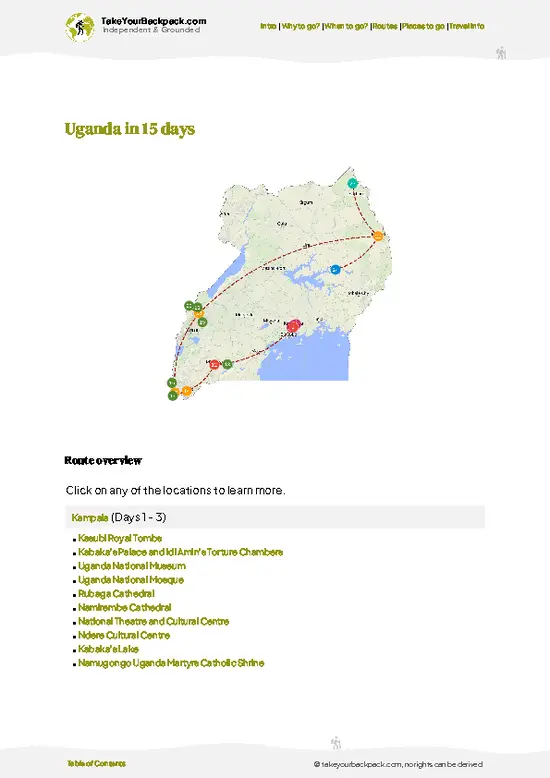
1. Ankole Cow Heritage Exhibit
Forget the Instagram shots of tourists posing with long-horned cattle. The real story is in the details: the Ankole cow is a living symbol of status, survival, and stubborn beauty in western Uganda. Here, you get up close—sometimes literally close enough to smell the earthy musk and hear the low, resonant grumble. The exhibit doesn’t just show off horns; it unpacks the deep relationship between the Banyankole people and their cattle, from milk rituals to dowry negotiations. This isn’t a petting zoo. It’s a crash course in why these animals matter, and why you’ll see their silhouette on everything from roadside signs to wedding invitations.
2. Traditional Huts & Architecture Walkthrough
You can scroll past a thousand photos of “authentic” huts online, but Igongo’s … read more 👉
Forget the Instagram shots of tourists posing with long-horned cattle. The real story is in the details: the Ankole cow is a living symbol of status, survival, and stubborn beauty in western Uganda. Here, you get up close—sometimes literally close enough to smell the earthy musk and hear the low, resonant grumble. The exhibit doesn’t just show off horns; it unpacks the deep relationship between the Banyankole people and their cattle, from milk rituals to dowry negotiations. This isn’t a petting zoo. It’s a crash course in why these animals matter, and why you’ll see their silhouette on everything from roadside signs to wedding invitations.
2. Traditional Huts & Architecture Walkthrough
You can scroll past a thousand photos of “authentic” huts online, but Igongo’s … read more 👉
1. Ankole Cow Heritage Exhibit
Forget the Instagram shots of tourists posing with long-horned cattle. The real story is in the details: the Ankole cow is a living symbol of status, survival, and stubborn beauty in western Uganda. Here, you get up close—sometimes literally close enough to smell the earthy musk and hear the low, resonant grumble. The exhibit doesn’t just show off horns; it unpacks the deep relationship between the Banyankole people and their cattle, from milk rituals to dowry negotiations. This isn’t a petting zoo. It’s a crash course in why these animals matter, and why you’ll see their silhouette on everything from roadside signs to wedding invitations.
2. Traditional Huts & Architecture Walkthrough
You can scroll past a thousand photos of “authentic” huts online, but Igongo’s reconstructions are the real deal—built with the same grass, mud, and sweat as their ancestors used. Step inside and you’ll feel the temperature drop, the air thicken with the scent of packed earth and smoke. The guides don’t just point at artifacts; they tell you how families lived, how homes were built to outsmart the equatorial sun, and why every detail—door height, hearth placement—matters. It’s a tactile, immersive history lesson, not a sterile museum display.
3. The Empaako Naming Ceremony Experience
This isn’t a staged tourist show. If you’re lucky enough to catch a live Empaako ceremony, you’ll witness a naming tradition that’s as much about community as it is about identity. The Empaako name is a badge of belonging, a word that can diffuse arguments or open doors. The singing, drumming, and laughter are contagious, and you’ll walk away understanding why this ritual is UNESCO-listed. It’s a living, breathing slice of culture—messy, loud, and absolutely worth the detour. (Personal favorite—there’s nothing like being swept up in a celebration you barely understand, but feel in your bones.)
4. The Eriijukiro Museum Collection
This is where the Instagram filters fail. The Eriijukiro Museum is packed with artifacts that don’t just sit behind glass—they tell stories of migration, conflict, and adaptation. Expect to see everything from royal regalia to battered farming tools, each with a backstory that’s more gripping than any guidebook blurb. The curators don’t sugarcoat the past; you’ll get the real, sometimes raw, history of the region. If you want to understand western Uganda beyond the travel-brochure version, this is your deep dive.
5. Igongo’s Local Cuisine Experience
Skip the hotel buffet. The on-site restaurant serves up dishes that are unapologetically local—think millet bread, eshabwe (a creamy ghee sauce), and roasted goat that tastes like it was carved off the savannah that morning. The food isn’t just fuel; it’s a lesson in resourcefulness and flavor, with recipes passed down through generations. You’ll eat with your hands, and you’ll probably make a mess. That’s the point. This is the taste of the region, not a watered-down version for tourists.
Forget the Instagram shots of tourists posing with long-horned cattle. The real story is in the details: the Ankole cow is a living symbol of status, survival, and stubborn beauty in western Uganda. Here, you get up close—sometimes literally close enough to smell the earthy musk and hear the low, resonant grumble. The exhibit doesn’t just show off horns; it unpacks the deep relationship between the Banyankole people and their cattle, from milk rituals to dowry negotiations. This isn’t a petting zoo. It’s a crash course in why these animals matter, and why you’ll see their silhouette on everything from roadside signs to wedding invitations.
2. Traditional Huts & Architecture Walkthrough
You can scroll past a thousand photos of “authentic” huts online, but Igongo’s reconstructions are the real deal—built with the same grass, mud, and sweat as their ancestors used. Step inside and you’ll feel the temperature drop, the air thicken with the scent of packed earth and smoke. The guides don’t just point at artifacts; they tell you how families lived, how homes were built to outsmart the equatorial sun, and why every detail—door height, hearth placement—matters. It’s a tactile, immersive history lesson, not a sterile museum display.
3. The Empaako Naming Ceremony Experience
This isn’t a staged tourist show. If you’re lucky enough to catch a live Empaako ceremony, you’ll witness a naming tradition that’s as much about community as it is about identity. The Empaako name is a badge of belonging, a word that can diffuse arguments or open doors. The singing, drumming, and laughter are contagious, and you’ll walk away understanding why this ritual is UNESCO-listed. It’s a living, breathing slice of culture—messy, loud, and absolutely worth the detour. (Personal favorite—there’s nothing like being swept up in a celebration you barely understand, but feel in your bones.)
4. The Eriijukiro Museum Collection
This is where the Instagram filters fail. The Eriijukiro Museum is packed with artifacts that don’t just sit behind glass—they tell stories of migration, conflict, and adaptation. Expect to see everything from royal regalia to battered farming tools, each with a backstory that’s more gripping than any guidebook blurb. The curators don’t sugarcoat the past; you’ll get the real, sometimes raw, history of the region. If you want to understand western Uganda beyond the travel-brochure version, this is your deep dive.
5. Igongo’s Local Cuisine Experience
Skip the hotel buffet. The on-site restaurant serves up dishes that are unapologetically local—think millet bread, eshabwe (a creamy ghee sauce), and roasted goat that tastes like it was carved off the savannah that morning. The food isn’t just fuel; it’s a lesson in resourcefulness and flavor, with recipes passed down through generations. You’ll eat with your hands, and you’ll probably make a mess. That’s the point. This is the taste of the region, not a watered-down version for tourists.
Spotted a mistake or missing something? Contact us.



 Best Backpacking
.jpg) Hi, I’m Johan (Netherlands 🇳🇱), the creator of TakeYourBackpack. Over the past decade, I’ve backpacked through 80+ countries across six continents, gaining extensive experience with independent travel, long-term trips, and overland routes.
Hi, I’m Johan (Netherlands 🇳🇱), the creator of TakeYourBackpack. Over the past decade, I’ve backpacked through 80+ countries across six continents, gaining extensive experience with independent travel, long-term trips, and overland routes.