v2.webp)
The Royal Tombs Themselves
Let’s cut through the Instagram haze: the Karambi Royal Tombs are not a glitzy, photo-op palace. They’re a cluster of understated, grass-thatched mausoleums set among rolling hills, holding the remains of three Toro kings. What makes them compelling isn’t grandeur—it’s the raw, unfiltered sense of history. You’re standing at the crossroads of tradition and power, where the air is heavy with the stories of a kingdom that still shapes western Uganda. The tombs are simple, but the reverence is palpable. You feel it in the hush, in the careful arrangement of royal regalia, and in the way locals lower their voices as they pass.
The Royal Regalia
This isn’t a museum behind glass. Inside the tombs, you’ll see actual artifacts—spears, drums, and ceremonial stools—used by … read more 👉
Let’s cut through the Instagram haze: the Karambi Royal Tombs are not a glitzy, photo-op palace. They’re a cluster of understated, grass-thatched mausoleums set among rolling hills, holding the remains of three Toro kings. What makes them compelling isn’t grandeur—it’s the raw, unfiltered sense of history. You’re standing at the crossroads of tradition and power, where the air is heavy with the stories of a kingdom that still shapes western Uganda. The tombs are simple, but the reverence is palpable. You feel it in the hush, in the careful arrangement of royal regalia, and in the way locals lower their voices as they pass.
The Royal Regalia
This isn’t a museum behind glass. Inside the tombs, you’ll see actual artifacts—spears, drums, and ceremonial stools—used by … read more 👉
The Royal Tombs Themselves
Let’s cut through the Instagram haze: the Karambi Royal Tombs are not a glitzy, photo-op palace. They’re a cluster of understated, grass-thatched mausoleums set among rolling hills, holding the remains of three Toro kings. What makes them compelling isn’t grandeur—it’s the raw, unfiltered sense of history. You’re standing at the crossroads of tradition and power, where the air is heavy with the stories of a kingdom that still shapes western Uganda. The tombs are simple, but the reverence is palpable. You feel it in the hush, in the careful arrangement of royal regalia, and in the way locals lower their voices as they pass.
The Royal Regalia
This isn’t a museum behind glass. Inside the tombs, you’ll see actual artifacts—spears, drums, and ceremonial stools—used by the Toro kings. These aren’t replicas or tourist props. Each item is a thread in the fabric of Toro identity, and the caretakers will tell you exactly who used what, and why it matters. It’s tactile history, not a sanitized exhibit. If you want to understand the soul of a kingdom, pay attention to what they choose to preserve.
The Keeper’s Stories
Skip the guidebooks. The real magic is in the oral storytelling. The caretakers—often descendants of the royal line—don’t just recite facts. They’ll tell you about the kings’ personalities, rivalries, and the rituals that still echo through Toro culture. You’ll hear about the king who loved music, the one who modernized the kingdom, and the taboos that still govern royal burials. This is living history, delivered with the kind of detail you’ll never get from a plaque. My personal favorite—one caretaker’s story about a king’s secret midnight visits to the tombs—made the whole place feel alive and just a little bit haunted.
The Sacred Grounds
You’ll notice the boundaries—marked by traditional fencing and guarded by silence. These aren’t just decorative. The land itself is considered sacred, and you’ll be asked to remove your shoes before entering. It’s a rare chance to experience Ugandan spirituality up close, without the filter of a staged ceremony. The respect for the site is contagious; even the most jaded traveler finds themselves whispering.
The Connection to Toro Kingdom Today
This isn’t a relic frozen in time. The Karambi Royal Tombs are still used for royal rituals and community gatherings. If you’re lucky (or plan ahead), you might witness a ceremony or see local chiefs paying their respects. It’s a reminder that the Toro Kingdom isn’t just a chapter in a history book—it’s a living, breathing institution, and the tombs are its beating heart.
The View and Setting
Forget the Instagram filters. The real beauty here is the quiet, open landscape—rolling green hills, scattered banana trees, and the distant Rwenzori Mountains. It’s not about the perfect shot; it’s about the sense of place. The setting gives you space to reflect, and for a moment, you’re not a tourist—you’re a witness to something enduring.
Let’s cut through the Instagram haze: the Karambi Royal Tombs are not a glitzy, photo-op palace. They’re a cluster of understated, grass-thatched mausoleums set among rolling hills, holding the remains of three Toro kings. What makes them compelling isn’t grandeur—it’s the raw, unfiltered sense of history. You’re standing at the crossroads of tradition and power, where the air is heavy with the stories of a kingdom that still shapes western Uganda. The tombs are simple, but the reverence is palpable. You feel it in the hush, in the careful arrangement of royal regalia, and in the way locals lower their voices as they pass.
The Royal Regalia
This isn’t a museum behind glass. Inside the tombs, you’ll see actual artifacts—spears, drums, and ceremonial stools—used by the Toro kings. These aren’t replicas or tourist props. Each item is a thread in the fabric of Toro identity, and the caretakers will tell you exactly who used what, and why it matters. It’s tactile history, not a sanitized exhibit. If you want to understand the soul of a kingdom, pay attention to what they choose to preserve.
The Keeper’s Stories
Skip the guidebooks. The real magic is in the oral storytelling. The caretakers—often descendants of the royal line—don’t just recite facts. They’ll tell you about the kings’ personalities, rivalries, and the rituals that still echo through Toro culture. You’ll hear about the king who loved music, the one who modernized the kingdom, and the taboos that still govern royal burials. This is living history, delivered with the kind of detail you’ll never get from a plaque. My personal favorite—one caretaker’s story about a king’s secret midnight visits to the tombs—made the whole place feel alive and just a little bit haunted.
The Sacred Grounds
You’ll notice the boundaries—marked by traditional fencing and guarded by silence. These aren’t just decorative. The land itself is considered sacred, and you’ll be asked to remove your shoes before entering. It’s a rare chance to experience Ugandan spirituality up close, without the filter of a staged ceremony. The respect for the site is contagious; even the most jaded traveler finds themselves whispering.
The Connection to Toro Kingdom Today
This isn’t a relic frozen in time. The Karambi Royal Tombs are still used for royal rituals and community gatherings. If you’re lucky (or plan ahead), you might witness a ceremony or see local chiefs paying their respects. It’s a reminder that the Toro Kingdom isn’t just a chapter in a history book—it’s a living, breathing institution, and the tombs are its beating heart.
The View and Setting
Forget the Instagram filters. The real beauty here is the quiet, open landscape—rolling green hills, scattered banana trees, and the distant Rwenzori Mountains. It’s not about the perfect shot; it’s about the sense of place. The setting gives you space to reflect, and for a moment, you’re not a tourist—you’re a witness to something enduring.
Spotted a mistake or missing something? Contact us.






 Best Backpacking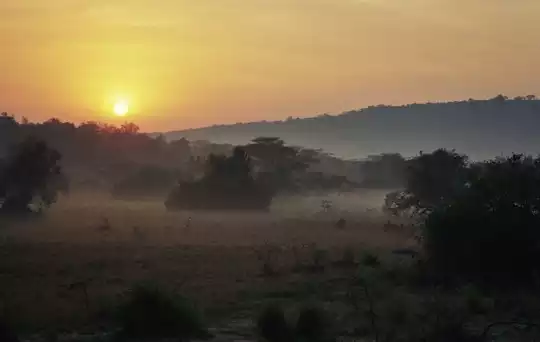
.jpg) Hi, I’m Johan (Netherlands 🇳🇱), the creator of TakeYourBackpack. Over the past decade, I’ve backpacked through 80+ countries across six continents, gaining extensive experience with independent travel, long-term trips, and overland routes.
Hi, I’m Johan (Netherlands 🇳🇱), the creator of TakeYourBackpack. Over the past decade, I’ve backpacked through 80+ countries across six continents, gaining extensive experience with independent travel, long-term trips, and overland routes.