

×

Uganda🇺🇬 | townsKisoroVirunga volcanoes, gorilla trekking base, border town | things to do and best time to go

Explore RukungiriExplore Bugiri

Backpacking in Kisoro
🏆 Top picktown ranked #4
By Johan Kruseman 🇳🇱 | Updated June 10, 2026

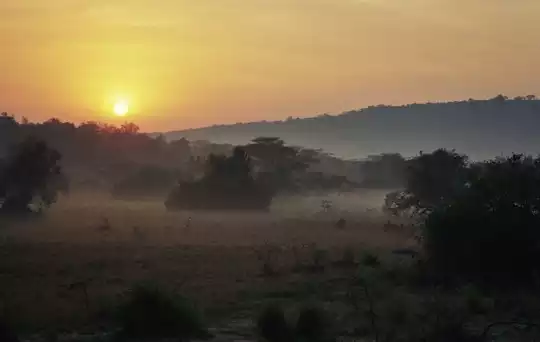
A rooster’s call slices through the morning mist as you step onto Kisoro’s main street, the air thick with woodsmoke and the earthy scent of rain-soaked red clay. Kisoro sits in Uganda’s far southwest, a stone’s throw from the borders with Rwanda and the DRC, hemmed in by volcanic peaks that loom like sentinels. This isn’t a town you come to for nightlife or urban buzz—Kisoro is a launchpad, not a destination in itself. The real draw is what lies beyond: the trailheads to Mgahinga Gorilla National Park, the muddy roads to Lake Mutanda, the promise of gorilla tracking or volcano hikes. The town itself is compact and walkable, with a few basic hostels and guesthouses where travelers swap stories over cheap chapati and tea. It’s less polished than Kabale, less touristy than Gisenyi across the Rwandan border, and far more relaxed than bustling Kampala. Buses are slow but reliable, and you’ll need a boda-boda for anything outside town. Costs are low, and while the vibe is friendly, solo backpackers may find the social scene quiet unless a gorilla trek group is in town. Safety is solid by Ugandan standards, but the real risk is missing the wild beauty just outside the town limits.

Discover everything you want to know in the 📖 Uganda Travel Guide.
Safety warning

The current risk level for Uganda is high. Check the advice before going.


Get your Uganda guide
109 ranked highlights, routes & tips, works offline (422 pages)
Loading the map 🌍
CLICK TO FILTER
cities
towns
landmarks
national parks
hikes
beaches
attractions
festivals
regions
SHOW COUNTRY’S BESTSHOW ALL

✨ Why go?
Ranked #4 town in Uganda
Reasons people choose to visit here

Kisoro is a backpacker’s hub that serves as a launchpad for some of Uganda’s most breathtaking hikes, including the Virunga Mountains. The town’s walkable streets are lined with small-scale hostels and guesthouses, making it easy to find a cozy spot to rest your head after a day of adventure. You’ll smell the rich aroma of local street food wafting through the air, inviting you to try dishes like posho and matoke.

Travelers often linger here for a few days, soaking in the friendly social atmosphere that encourages connections among solo adventurers and small groups alike. It’s not a party town, but the sense of community is palpable, with fellow backpackers sharing stories over a cup of locally brewed coffee.

Kisoro is perfect for slow travelers who appreciate the balance of exploration … read more 👉
Kisoro is a backpacker’s hub that serves as a launchpad for some of Uganda’s most breathtaking hikes, including the Virunga Mountains. The town’s walkable streets are lined with small-scale hostels and guesthouses, making it easy to find a cozy spot to rest your head after a day of adventure. You’ll smell the rich aroma of local street food wafting through the air, inviting you to try dishes like posho and matoke.

Travelers often linger here for a few days, soaking in the friendly social atmosphere that encourages connections among solo adventurers and small groups alike. It’s not a party town, but the sense of community is palpable, with fellow backpackers sharing stories over a cup of locally brewed coffee.

Kisoro is perfect for slow travelers who appreciate the balance of exploration and relaxation. Whether you’re gearing up for a trek or simply enjoying the scenery, this town offers a genuine taste of Ugandan culture, making it a worthwhile stop on your journey.
Want to include Kisoro in your Uganda route?
Create a personalized Uganda itinerary that includes Kisoro and the places that fit your trip — based on your travel style, budget, and available time. Get your route in seconds.

Generate my trip

💡 HighlightsMust-see experiences and standout moments

  • Kisoro Central Market — The beating heart of town: a colorful morning market where you can taste local fruits, buy fresh greens, pick up a roasted maize or samosa, and watch traders (and the occasional Batwa seller) hustle — great for photos and real-life people-watching.
  • Kisoro Airstrip — Tiny, dusty and oddly thrilling: the airstrip is where local charters land and take off against a backdrop of the Virunga volcanoes. Even if you’re not flying, the arrivals/departures are a neat slice of local travel life and the views are worth the walk.
  • Mgahinga/UWA Park Office (Kisoro) — The Uganda Wildlife Authority desk in town is where you get practical park info, pay for permits or confirm guides for Mgahinga National Park. It’s useful, informative and a real hub for anyone planning wildlife treks
read more 👉
  • Kisoro Central Market — The beating heart of town: a colorful morning market where you can taste local fruits, buy fresh greens, pick up a roasted maize or samosa, and watch traders (and the occasional Batwa seller) hustle — great for photos and real-life people-watching.
  • Kisoro Airstrip — Tiny, dusty and oddly thrilling: the airstrip is where local charters land and take off against a backdrop of the Virunga volcanoes. Even if you’re not flying, the arrivals/departures are a neat slice of local travel life and the views are worth the walk.
  • Mgahinga/UWA Park Office (Kisoro) — The Uganda Wildlife Authority desk in town is where you get practical park info, pay for permits or confirm guides for Mgahinga National Park. It’s useful, informative and a real hub for anyone planning wildlife treks nearby.
  • Gorilla Doctors field unit (Kisoro) — The conservation vets who care for the region’s gorillas have a presence in Kisoro. Visits are usually by arrangement, but talking to the staff gives honest, on-the-ground insight into gorilla health, anti-poaching work and conservation challenges.
  • Kisoro town viewpoints — Walk up any of the small hills around town at sunrise or sunset and you’ll get jaw-dropping views of the Virunga volcanoes and rolling farmland. It’s an accessible, free way to feel the geography that defines the place.
  • Batwa craft stalls and local artisan stands — Scattered around the market and main road, these stalls sell baskets, beadwork and small carvings. Buying here supports families who live on the edges of the parks and gives you a tangible connection to local history and culture.
  • Kisoro bus park & main street — The transport hub is chaotic in a good way: matatus, boda-bodas, traders, and snacks on every corner. Walking the main street is a quick immersion into daily Kisoro life, with plenty of chances to chat with drivers and traders.
  • Kisoro community tourism/trek booking desks — Several small offices and travel desks in town arrange guides, Batwa village visits, mountain hikes and golden monkey treks. They’re the practical place to book local experiences and to get honest advice from people who do this every day.
  • Local coffee stalls and cafés along Main Road — This is coffee country: small cafés and roadside vendors pull strong local brews made from mountain-grown beans. Sit, sip, and listen — you’ll learn more about the area and meet locals than you will in fancier spots.
  • The main parish church and community gathering spots — The town’s central churches and adjacent public spaces are social anchors: on Sundays and market days they’re busy with music, trading and community life. Visiting gives a respectful window into local traditions and social rhythms.
A few great day trips outside Kisoro: Mgahinga Gorilla National Park (golden monkeys and volcano hikes), Bwindi Impenetrable Forest for gorilla trekking, and scenic Lake Mutanda — my personal favorite for paddling, views and easy side-walks around the lake.
Spotted a mistake or missing something? Contact us.

Things to do around Kisoro

Ratings based on Tripadvisor reviews. When you book through this link, you support our work at no extra cost to you.

🏘️ NeighborhoodsKey areas and districts to know

Kisoro is a vibrant town that serves as a gateway to the stunning landscapes of southwestern Uganda. Each neighborhood offers a unique flavor, catering to different backpacker needs.

Central Kisoro: This is the heartbeat of the town. You’ll find bustling markets, local eateries, and a lively atmosphere. It’s walkable, making it easy to explore on foot. Prices here are reasonable, perfect for budget travelers. The nightlife is low-key, with a few bars where you can unwind after a day of trekking. Ideal for short stays, as you can quickly access transport to nearby attractions.

Rubuguri: A bit quieter, this area is nestled in the hills. It’s a great spot for those seeking a more relaxed vibe. The accommodation options are slightly pricier but offer stunning views. Walkability is decent, though … read more 👉
Kisoro is a vibrant town that serves as a gateway to the stunning landscapes of southwestern Uganda. Each neighborhood offers a unique flavor, catering to different backpacker needs.

Central Kisoro: This is the heartbeat of the town. You’ll find bustling markets, local eateries, and a lively atmosphere. It’s walkable, making it easy to explore on foot. Prices here are reasonable, perfect for budget travelers. The nightlife is low-key, with a few bars where you can unwind after a day of trekking. Ideal for short stays, as you can quickly access transport to nearby attractions.

Rubuguri: A bit quieter, this area is nestled in the hills. It’s a great spot for those seeking a more relaxed vibe. The accommodation options are slightly pricier but offer stunning views. Walkability is decent, though you might need a taxi for longer distances. This neighborhood is perfect for longer stays, especially if you want to immerse yourself in local culture and enjoy the serene environment.

Nyundo: Located on the outskirts, Nyundo is less touristy and offers a more authentic Ugandan experience. The atmosphere is peaceful, with fewer distractions. Prices are lower here, making it a budget-friendly option. However, transport access can be tricky, so plan ahead. This area is best for longer stays, allowing you to connect with the local community and explore the surrounding nature.

⌛️ 1 day1-day itinerary for Kisoro

Kisoro, Uganda, is a vibrant town that serves as a gateway to the breathtaking Virunga Mountains and the rare mountain gorillas. The air is thick with the scent of fresh earth and the chatter of locals, creating an atmosphere that feels alive and welcoming.

Start your morning with a stroll through the bustling market in the heart of Kisoro. The colors of fresh produce and handmade crafts are a feast for the eyes. Grab a cup of strong Ugandan coffee from a local vendor; the rich aroma will kickstart your day. As you wander, take a moment to chat with the vendors. They often share stories about their crafts or the region, adding a personal touch to your experience.

In the afternoon, head to the nearby Lake Mutanda. It’s a bit off the usual tourist path, but the tranquility is worth it. Rent … read more 👉
Kisoro, Uganda, is a vibrant town that serves as a gateway to the breathtaking Virunga Mountains and the rare mountain gorillas. The air is thick with the scent of fresh earth and the chatter of locals, creating an atmosphere that feels alive and welcoming.

Start your morning with a stroll through the bustling market in the heart of Kisoro. The colors of fresh produce and handmade crafts are a feast for the eyes. Grab a cup of strong Ugandan coffee from a local vendor; the rich aroma will kickstart your day. As you wander, take a moment to chat with the vendors. They often share stories about their crafts or the region, adding a personal touch to your experience.

In the afternoon, head to the nearby Lake Mutanda. It’s a bit off the usual tourist path, but the tranquility is worth it. Rent a canoe and paddle across the lake, surrounded by lush hills and the distant peaks of the Virunga range. The water is calm, reflecting the sky like a mirror. This is where you can truly soak in the beauty of the landscape, away from the crowds. Pack a light lunch to enjoy on the shore, listening to the gentle lapping of the waves.

As evening approaches, return to Kisoro and explore the local eateries. Try some traditional Ugandan dishes like matoke or posho at a family-run restaurant. The warmth of the locals and the flavors of the food create a cozy atmosphere.

End your day with a walk through the town as the sun sets, casting a golden hue over the hills. The sounds of laughter and music fill the air, reminding you that Kisoro is not just a stopover; it’s a place that invites connection and discovery.
Turn your Kisoro visit into an Uganda adventure
Build a complete Uganda route with Kisoro, hidden gems, must-see destinations, and realistic travel times included.

Generate my trip

🌤️ When to go?When to go for the best experience


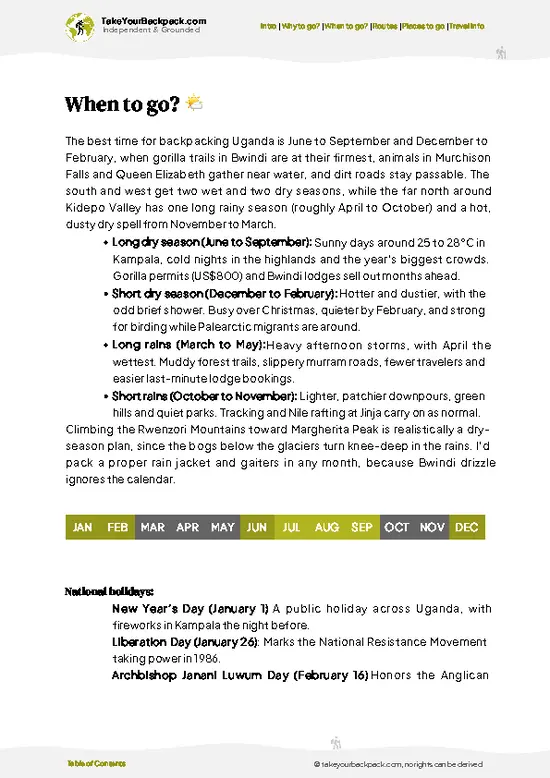
  • Weather: Kisoro’s climate is shaped by its high altitude, so it stays cool year-round. The dry seasons, from June to August and December to February, offer crisp air and clear skies—perfect for trekking without the mud and slippery trails that come with the rains.

  • Temperature: Expect daytime highs around 18-22°C (64-72°F) and nights dropping to 7-10°C (45-50°F). The cool evenings mean layering is essential, especially if you’re camping or hiking early mornings.

  • Daylight Hours: Near the equator, Kisoro enjoys roughly 12 hours of daylight year-round. Sunrise around 6:30 AM and sunset near 6:30 PM give you a reliable window for early starts and late finishes without losing light.

  • Crowds: Tourist traffic peaks during dry months, especially July and August, when gorilla trekking permits
read more 👉

  • Weather: Kisoro’s climate is shaped by its high altitude, so it stays cool year-round. The dry seasons, from June to August and December to February, offer crisp air and clear skies—perfect for trekking without the mud and slippery trails that come with the rains.

  • Temperature: Expect daytime highs around 18-22°C (64-72°F) and nights dropping to 7-10°C (45-50°F). The cool evenings mean layering is essential, especially if you’re camping or hiking early mornings.

  • Daylight Hours: Near the equator, Kisoro enjoys roughly 12 hours of daylight year-round. Sunrise around 6:30 AM and sunset near 6:30 PM give you a reliable window for early starts and late finishes without losing light.

  • Crowds: Tourist traffic peaks during dry months, especially July and August, when gorilla trekking permits are in high demand. Visiting just before or after this rush means fewer people on trails and a more intimate experience.

  • Seasonal Activities: Dry seasons are ideal for gorilla trekking and hiking the volcanic landscapes. The rainy season, while wetter, brings lush greenery and fewer tourists, but trails can be slippery and some activities limited.

  • Price Fluctuations: Accommodation and permit prices tend to rise during peak dry months. Booking in shoulder seasons can save money and still offer decent weather, but be ready for occasional showers.


Pro-tip: Aim for late dry season—September to November—when the air is fresh, crowds thin, and the landscape is starting to green up, giving you the best balance of comfort, cost, and scenery.


source: climatestotravel.comJANJanuary: excellent for travelingFEBFebruary: excellent for travelingMARMarch: good for travelingAPRApril: fair for travelingMAYMay: good for travelingJUNJune: excellent for travelingJULJuly: excellent for travelingAUGAugust: excellent for travelingSEPSeptember: highly recommended for travelingOCTOctober: highly recommended for travelingNOVNovember: highly recommended for travelingDECDecember: excellent for traveling
uganda-city-kisoro
© Google |

✈️ The backpacker research shortcutUganda Travel Guide

An offline-friendly backpacking guide with optimized travel routes, ranked highlights, transport advice, and the best areas to stay.
example page 0 from our offline Travel Guide for Uganda
example page 1 from our offline Travel Guide for Uganda
example page 2 from our offline Travel Guide for Uganda
example page 3 from our offline Travel Guide for Uganda
example page 4 from our offline Travel Guide for Uganda
example page 5 from our offline Travel Guide for Uganda
example page 6 from our offline Travel Guide for Uganda
example page 7 from our offline Travel Guide for Uganda
The digital guide (422 pages) contains:
109 highlights, ranked by travel appeal
Optimized 5, 10 & 15-day travel routes
Cities, national parks, landmarks, beaches
How to get around
Offline-friendly for travel without Wi-Fi
👉 Click to see all 30+ guide features

📅 Plan smarter in minutes, not weeks
Month by month travel advice
Festivals & national holidays
Budget expectations

🗺️ Go to the right places, skip the overrated ones
Honest pros & cons of destinations
Top hikes, parks & viewpoints
Lesser-known places most travelers miss
Clear “worth it vs skip it” guidance

🛏️ Travel smoothly without rookie mistakes
Best areas to stay
Transport systems explained simply
Common scams & safety advice
SIM cards, money & practical tips

🌍 Understand the country, not just visit it
Culture & traditions
52 Essential phrases & customs
Festivals worth planning around
Traveler-friendly historical context
Insights that make places more meaningful

📱 Built for real travel conditions
Fully downloadable PDF
Works completely offline
Optimized for phone use
Useful in remote areas & buses
Everything in one place
Save weeks of stressful planning
Get instant access to your full guide. 30‑day money-back guarantee.


By proceeding you agree to our terms.
Sent to your inbox immediately after payment • 100% Secure Checkout
Best Backpacking Travel Advisor 2025 tourism awardBest Backpacking
Travel Advisor
2025
What others say about Take Your Backpack Guides:
⭐⭐⭐⭐⭐
Fantastic, amazing amount of information!
⭐⭐⭐⭐⭐
My goodness this is amazing, it's what I've been looking for hats off too you!
⭐⭐⭐⭐⭐
I think this is absolutely BRILLIANT
⭐⭐⭐⭐
Very complete and informative. It's still missing places, but I gotta to commend you
⭐⭐⭐⭐⭐
This is truly amazing, thank you, can't wait to explore it with my kids!
⭐⭐⭐⭐⭐
Awesome resource, thank you!
⭐⭐⭐⭐⭐
This is amazing! Can't wait to explore the ones I haven't seen
⭐⭐⭐⭐
I love this! Well done, great idea.
⭐⭐⭐⭐⭐
Thanks for taking the time to make this gem!
⭐⭐⭐⭐⭐
This might be the best website I've ever seen.
⭐⭐⭐⭐⭐
Congratulations, and thank you so much for your work; it's incredibly valuable.
⭐⭐⭐⭐
In all seriousness I think you did a great job pointing out the important spots
⭐⭐⭐⭐⭐
10/10 very good
⭐⭐⭐⭐⭐
As someone who's only just starting to visit regularly this is awesome, thank you.
⭐⭐⭐⭐
Thank you very much! I'm going to visit my dad, it's going to be very useful!
⭐⭐⭐⭐⭐
This is really cool! We'll be travelling for the first time and this definitely come in handy.
⭐⭐⭐⭐⭐
You are now our minister of culture, congratulations 👨‍💼
⭐⭐⭐⭐⭐
Just wanted to tell you that this is a pearl! Going to follow your recommendations.
⭐⭐⭐⭐⭐
This is so cool. I'll definitely be using the resource for my travels soon.
⭐⭐⭐⭐⭐
This is very impressive! Good work.
⭐⭐⭐⭐⭐
This is an amazing and informative site. Very well done!

🛏️ Where to stay?How to pick the right area

Kisoro’s heartbeat for backpackers pulses strongest around the town center, where the main road slices through a cluster of guesthouses, eateries, and small shops. This area isn’t just convenient—it’s where you’ll find the pulse of local life mingling with fellow travelers. The streets here are lively but manageable, with enough foot traffic to feel safe after dark without the chaos of a big city. The air carries the scent of fresh chapati and brewing coffee, grounding you in the everyday rhythms of Ugandan small-town life.

Staying near the town center means you’re a short walk from the bus park, … read more 👉
Kisoro’s heartbeat for backpackers pulses strongest around the town center, where the main road slices through a cluster of guesthouses, eateries, and small shops. This area isn’t just convenient—it’s where you’ll find the pulse of local life mingling with fellow travelers. The streets here are lively but manageable, with enough foot traffic to feel safe after dark without the chaos of a big city. The air carries the scent of fresh chapati and brewing coffee, grounding you in the everyday rhythms of Ugandan small-town life.

Staying near the town center means you’re a short walk from the bus park, the launchpad for gorilla trekking and volcano hikes. This proximity isn’t just about saving time; it’s about slipping into the flow of adventure without the hassle of long, expensive transfers. Hostels and budget lodges cluster here, offering communal spaces where you can swap stories over a cold soda or plan your next move with other solo travelers.

Venture too far out, and you lose that social buzz and easy access. Neighborhoods on the outskirts are quieter but feel disconnected, with fewer options for mingling or grabbing a quick bite. For a backpacker, the town center is the sweet spot—safe, social, and perfectly placed to fuel your Kisoro experience.

🚌 Getting aroundHow to get from A to B

Kisoro moves at its own rhythm—less a clockwork town and more a place where the day unfolds like a slow, deliberate breath. The air carries the scent of damp earth and wood smoke, and the streets pulse with a mix of purposeful strides and casual pauses. Here, schedules are suggestions, not mandates. You’ll find that patience isn’t just a virtue; it’s your best travel companion. The town’s flow is shaped by the mountain mist that lingers into mid-morning and the chatter of locals negotiating fares or sharing news. This isn’t a place where you rush; it’s where you sync with the natural tempo, letting the landscape and people guide your pace.


  • Walking: The most reliable and immersive way to get around Kisoro, especially for budget travelers. The town is compact, with most key spots reachable
read more 👉
Kisoro moves at its own rhythm—less a clockwork town and more a place where the day unfolds like a slow, deliberate breath. The air carries the scent of damp earth and wood smoke, and the streets pulse with a mix of purposeful strides and casual pauses. Here, schedules are suggestions, not mandates. You’ll find that patience isn’t just a virtue; it’s your best travel companion. The town’s flow is shaped by the mountain mist that lingers into mid-morning and the chatter of locals negotiating fares or sharing news. This isn’t a place where you rush; it’s where you sync with the natural tempo, letting the landscape and people guide your pace.


  • Walking: The most reliable and immersive way to get around Kisoro, especially for budget travelers. The town is compact, with most key spots reachable within 20-30 minutes on foot. Walking lets you soak in the cool mountain air, the vibrant market smells, and the casual street life without spending a cent.


  • Boda Bodas (Motorcycle Taxis): The go-to for quick hops and short distances. Expect to pay around 1,000 to 2,000 UGX per ride within town. They’re fast and nimble on narrow roads but hold on tight—the ride can be bumpy and the drivers eager. No fixed schedule; just flag one down when you need it.


  • Minibus Taxis (Matatus): For trips to nearby villages or the border, these minibuses run from early morning (around 6:30 AM) until late afternoon (about 5 PM). Fares vary but generally hover around 3,000 to 5,000 UGX depending on distance. They’re affordable but often crowded, so be ready for a lively, social ride with frequent stops.


  • Shared Taxis: Slightly pricier than minibuses but faster and more comfortable, shared taxis operate on flexible schedules. They’re a solid choice if you want to cover longer distances without the hassle of waiting for a full minibus. Expect to pay double the minibus fare, but enjoy a smoother ride on paved roads.


  • Private Car Hire: Not budget-friendly but worth mentioning for those who want control over timing and routes, especially for trekking trips to Mgahinga Gorilla National Park. Rates start around $50 per day. The roads can be rough, so a 4x4 is recommended. Booking through a local guesthouse often nets better deals and reliable drivers.

👛 Costs (as of 16 May 2026)What things cost and how to budget

Backpacking in Kisoro, Uganda, is a raw, earthy experience where every dollar stretches against the backdrop of lush hills and the scent of fresh rain on volcanic soil. Here’s what you can expect to spend daily as an independent traveler.
  • Dorm Accommodation: Dorm beds in guesthouses or budget hostels hover around $5 to $10 per night. These places are simple but clean, often with a fan and basic mosquito netting. Expect shared bathrooms and a chance to swap stories with other travelers.
  • Meals: Local meals are a steal, typically $2 to $5 per meal. Think hearty plates of matoke (steamed plantains), beans, and fresh greens, often accompanied by a small portion of rice or posho. Street food snacks like roasted maize or samosas cost less than a dollar, perfect for quick refueling.
  • Local Transport:
read more 👉
Backpacking in Kisoro, Uganda, is a raw, earthy experience where every dollar stretches against the backdrop of lush hills and the scent of fresh rain on volcanic soil. Here’s what you can expect to spend daily as an independent traveler.
  • Dorm Accommodation: Dorm beds in guesthouses or budget hostels hover around $5 to $10 per night. These places are simple but clean, often with a fan and basic mosquito netting. Expect shared bathrooms and a chance to swap stories with other travelers.
  • Meals: Local meals are a steal, typically $2 to $5 per meal. Think hearty plates of matoke (steamed plantains), beans, and fresh greens, often accompanied by a small portion of rice or posho. Street food snacks like roasted maize or samosas cost less than a dollar, perfect for quick refueling.
  • Local Transport: Boda-bodas (motorcycle taxis) are the go-to for short hops around town, usually $0.50 to $1.50 depending on distance. For longer trips, shared minibuses might cost $2 to $4. Walking is also a solid option given Kisoro’s compact size and scenic routes.
  • Basic Activities/Entry Fees: Entry to local attractions like Mgahinga Gorilla National Park or Bwindi Impenetrable Forest can be pricey, but for everyday activities like visiting markets or community centers, expect $1 to $3. Guided walks or cultural tours might run $10 to $20 if booked locally.
  • Miscellaneous Expenses: This covers essentials like bottled water ($0.50), SIM cards with data ($5 to $10 for a decent package), and occasional treats like a cold soda or coffee ($1 to $2). Always keep a small buffer for unexpected needs or tips.

All told, a realistic daily budget in Kisoro lands between $15 and $30. This range lets you live comfortably without cutting corners, soaking in the slow rhythms of the town and its surroundings. The modest costs reflect the simplicity of life here, where the real richness comes from the landscape and the people, not flashy comforts.


source: visituganda.com
⚠️ Prices can change and everyone travels differently, so take this as a rough guide. Hope it helps you plan your adventure!

🚌 Day tripsExploring the surroundings

Kisoro, Uganda, is your launchpad for unforgettable day trips, each one a unique adventure that rewards your effort with stunning landscapes and rich culture.

1. Gorilla Trekking in Bwindi Impenetrable National Park
This is the big one. The thrill of trekking through dense, misty forests to meet the majestic mountain gorillas is unparalleled. Expect to spend about 1-2 hours hiking, but the experience is worth every bead of sweat. Costs hover around $600 for a permit, but if you’re lucky, you might snag a last-minute deal. The best time to go is during the dry seasons, from June to August and December to February. A common rookie mistake? Underestimating the physical demand. Be prepared for steep trails and muddy paths. The moment you lock eyes with a silverback, all the effort fades away. … read more 👉
Kisoro, Uganda, is your launchpad for unforgettable day trips, each one a unique adventure that rewards your effort with stunning landscapes and rich culture.

1. Gorilla Trekking in Bwindi Impenetrable National Park
This is the big one. The thrill of trekking through dense, misty forests to meet the majestic mountain gorillas is unparalleled. Expect to spend about 1-2 hours hiking, but the experience is worth every bead of sweat. Costs hover around $600 for a permit, but if you’re lucky, you might snag a last-minute deal. The best time to go is during the dry seasons, from June to August and December to February. A common rookie mistake? Underestimating the physical demand. Be prepared for steep trails and muddy paths. The moment you lock eyes with a silverback, all the effort fades away.
👉 Explore Bwindi Impenetrable National Park

2. Lake Mutanda
Just a short drive from Kisoro, Lake Mutanda is a serene escape. Rent a canoe and paddle across the calm waters, surrounded by lush hills and distant volcanoes. The trip takes about 30 minutes by car, and you can spend a leisurely afternoon here for around $10, including canoe rental. The best time to visit is early morning when the mist hangs low over the lake, creating a magical atmosphere. Many first-timers miss the chance to explore the nearby villages. Engage with locals for a richer experience and a taste of authentic Ugandan life.


3. Mgahinga Gorilla National Park
This park offers a different flavor of adventure. The hike to the summit of Mount Sabinyo is challenging but rewarding, with panoramic views that make the climb worthwhile. Expect a 4-6 hour trek, and budget around $50 for park fees. The dry seasons are ideal, but be ready for unpredictable weather. A common pitfall is not bringing enough water or snacks; trust me, you’ll need them. The sense of accomplishment at the top, with the world sprawling beneath you, is a moment you’ll cherish.
👉 Explore Mgahinga Gorilla National Park

4. Kisoro Town Exploration
Sometimes the best adventures are right at your doorstep. Spend a day wandering through Kisoro’s bustling markets, where the scents of fresh produce and spices fill the air. It’s a short walk from anywhere in town, and you can easily spend a few hours soaking in the local culture for next to nothing. The best time to visit is during market days, typically on Thursdays and Sundays. Many travelers overlook this vibrant slice of life, but it’s a fantastic way to connect with the community and pick up unique souvenirs.
Want to know what more Uganda offers?
The Uganda Travel Guide describes 109 highlights, from cities to national parks, from beaches to hikes

Get the Travel Guide -

🛡️ SafetySafety Tips and Common Scams in Kisoro

Kisoro is generally safe, but a few practical tips can enhance your experience. The town buzzes with life, especially around the market. Keep your belongings close; pickpockets can be a nuisance in crowded areas. When wandering solo, especially at night, stick to well-lit streets and avoid shortcuts through dark alleys.

Local transport can be a bit chaotic. Always negotiate fares before hopping into a boda-boda (motorcycle taxi) to avoid surprises. Some drivers might inflate prices for tourists, so a friendly but firm demeanor goes a long way.

Be aware of the occasional “guides” who approach you, offering unsolicited help. Politely decline if you’re not interested; they can be persistent.

Overall, trust your instincts. Kisoro’s charm lies in its vibrant community, and with a little awareness, … read more 👉
Kisoro is generally safe, but a few practical tips can enhance your experience. The town buzzes with life, especially around the market. Keep your belongings close; pickpockets can be a nuisance in crowded areas. When wandering solo, especially at night, stick to well-lit streets and avoid shortcuts through dark alleys.

Local transport can be a bit chaotic. Always negotiate fares before hopping into a boda-boda (motorcycle taxi) to avoid surprises. Some drivers might inflate prices for tourists, so a friendly but firm demeanor goes a long way.

Be aware of the occasional “guides” who approach you, offering unsolicited help. Politely decline if you’re not interested; they can be persistent.

Overall, trust your instincts. Kisoro’s charm lies in its vibrant community, and with a little awareness, you can navigate it smoothly while soaking in the rich atmosphere.

Other Ugandan towns near Kisoro

Explore more nearby:

  • Kabale—Kigezi highlands, Lake Bunyonyi, terraced hills| 33 km away
  • Kanungu—tea estates, Bwindi access, hilly backroads| 45 km away
  • Rukungiri—hilly terrain, market town, southwestern route| 61 km away

💡 Not sure where to go next?
Create a personalized itinerary for Uganda including Kisoro and the places that fit your trip.

Generate my itinerary

👉 Discover all towns

Or checkout all Uganda has to offer (think cities, towns, villages, national parks, hikes, beaches, festivals)
Country photo of Uganda

We 💚 feedbackFinal thoughts on visiting Kisoro

Kisoro’s charm lies in its raw, untouched beauty. The misty mountains cradle the town, and the air is thick with the scent of fresh earth after rain. You’ll feel the pulse of local life, especially at the bustling markets. But be ready for the reality check: the roads can be rough, and transport is often unpredictable. Embrace the chaos; it’s part of the adventure that makes the payoff so rewarding.

✈️ When did I visit Uganda?
In September 2019 I have done a backpacking trip through Uganda. Seeing gorilla’s in the wild from up close was a pure unexpected highlight!

✍️ Help improve this page!
The information on this page is based on my own backpacking experience in Uganda, supplemented with up-to-date research and feedback from other travelers. Travel details can change, so if you notice anything outdated or incomplete, feel free to let me know.


🙋‍♂️ Give feedback

👋 Meet the founderWho’s Behind Take Your Backpack?

Johan, backpacker and founder of TakeYourBackpackHi, I’m Johan (Netherlands 🇳🇱), the creator of TakeYourBackpack. Over the past decade, I’ve backpacked through 80+ countries across six continents, gaining extensive experience with independent travel, long-term trips, and overland routes.

This site is built on a combination of firsthand travel experience and carefully curated insights from other backpackers. Many guides are based on places I’ve personally visited, while others bring together tips, observations, and practical advice shared by trusted travelers I’ve met along the way.

The goal is to provide realistic, experience-driven guidance — not generic itineraries — so you can explore destinations with better context, clearer expectations, and more confidence.

Get full Uganda guide •
Instant download • 109 highlights • Full Offline guide