×

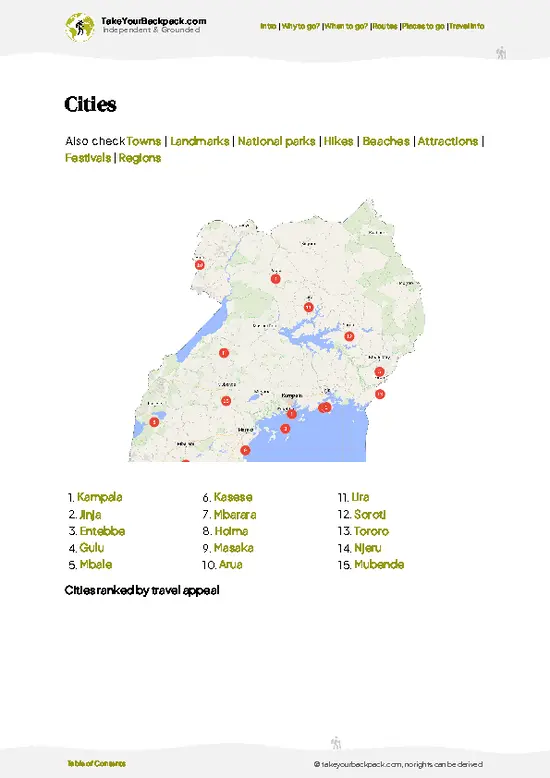
Uganda🇺🇬 | townsRukungirihilly terrain, market town, southwestern route | things to do and best time to go

Explore KamuliExplore Kisoro

Backpacking in Rukungiri
🌟 Highlighttown ranked #10
By Johan Kruseman 🇳🇱 | Updated June 10, 2026

The first real choice you’ll face in Rukungiri is whether to linger or just pass through. That decision matters because Rukungiri isn’t a destination that dazzles on arrival—it’s a crossroads, not a climax. You’ll find it in southwestern Uganda, a few hours’ drive from the misty drama of Bwindi Impenetrable Forest and the Rwenzori foothills. The town itself is honest: red-dust roads, a market that smells of jackfruit and diesel, and a pace that slows to a crawl after sunset. For backpackers, Rukungiri works best as a launchpad—cheap guesthouses, easy matatu connections, and a handful of chapati stalls to fuel you before heading deeper into the wild. It’s quieter and less polished than Kabale, with fewer travelers and almost no nightlife, but that’s the charm if you want to see Uganda between the guidebook lines. Costs are low, safety is typical for rural Uganda (watch your pockets, but relax), and you’ll need to make your own fun—don’t expect hostels packed with new friends. Rukungiri is for those who like their journeys a little raw, and their rewards well-earned.

Discover everything you want to know in the 📖 Uganda Travel Guide.
Safety warning

The current risk level for Uganda is high. Check the advice before going.


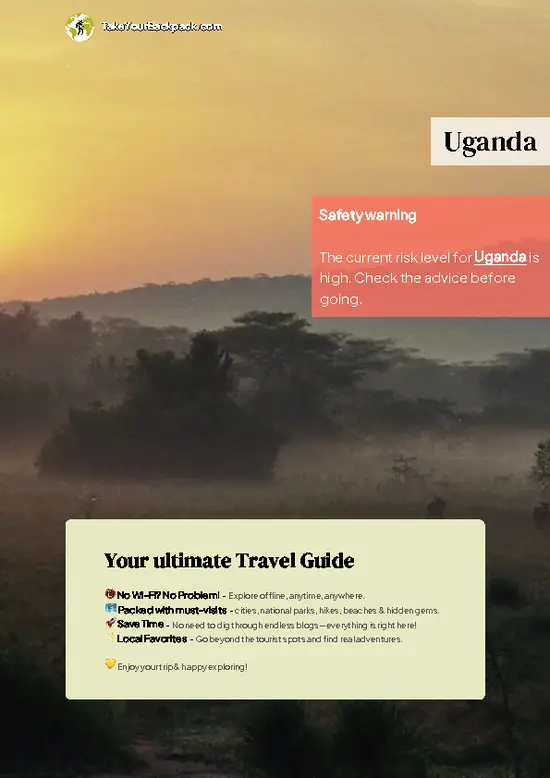
Get your Uganda guide
109 ranked highlights, routes & tips, works offline (422 pages)
Loading the map 🌍
CLICK TO FILTER
cities
towns
landmarks
national parks
hikes
beaches
attractions
festivals
regions
SHOW COUNTRY’S BESTSHOW ALL

✨ Why go?
Ranked #10 town in Uganda
What sets this place apart

Rukungiri serves as a gateway for backpackers eager to explore Uganda’s stunning landscapes. Nestled between hiking trails and cultural sites, it’s a convenient stop for those heading to Bwindi Impenetrable National Park or the Queen Elizabeth National Park. The town’s walkable streets invite you to wander, with small-scale hostels and guesthouses offering cozy, affordable stays. You’ll find a friendly vibe here, perfect for solo travelers or small groups looking to connect over local food experiences.

While some backpackers might just pass through, many linger for a few days, soaking in the community atmosphere and sharing stories with fellow adventurers. The scent of grilled street food fills the air, while the sounds of laughter echo from nearby cafes. Rukungiri isn’t about nightlife; … read more 👉
Rukungiri serves as a gateway for backpackers eager to explore Uganda’s stunning landscapes. Nestled between hiking trails and cultural sites, it’s a convenient stop for those heading to Bwindi Impenetrable National Park or the Queen Elizabeth National Park. The town’s walkable streets invite you to wander, with small-scale hostels and guesthouses offering cozy, affordable stays. You’ll find a friendly vibe here, perfect for solo travelers or small groups looking to connect over local food experiences.

While some backpackers might just pass through, many linger for a few days, soaking in the community atmosphere and sharing stories with fellow adventurers. The scent of grilled street food fills the air, while the sounds of laughter echo from nearby cafes. Rukungiri isn’t about nightlife; it’s about the slow travel experience, where the journey is as rewarding as the destination. If you appreciate a blend of nature and culture, this town is a solid choice for your itinerary.
Want to include Rukungiri in your Uganda route?
Create a personalized Uganda itinerary that includes Rukungiri and the places that fit your trip — based on your travel style, budget, and available time. Get your route in seconds.

Generate my trip

💡 HighlightsThe experiences that define the visit

  • Rukungiri Central Market — The town’s heartbeat: a chaotic, colorful market where farmers sell fresh vegetables, fruits, fish and meat, and where you’ll find cheap street food, local fabrics and everyday life on display. Best early morning for the bustle and bargaining; perfect for food photos and meeting locals.
  • St. Paul’s Cathedral (Diocese of Rukungiri) — The Anglican cathedral that serves as a cultural and spiritual anchor for the town. Visiting during a service gives a real sense of community, music and local worship practices, while the grounds offer a calm contrast to the market’s energy.
  • Main Taxi Park / Stage — More than transport: this is where Rukungiri’s rhythms are obvious — minibuses, boda-bodas and long-distance taxis assemble, vendors hawk snacks, and you can catch routes
read more 👉
  • Rukungiri Central Market — The town’s heartbeat: a chaotic, colorful market where farmers sell fresh vegetables, fruits, fish and meat, and where you’ll find cheap street food, local fabrics and everyday life on display. Best early morning for the bustle and bargaining; perfect for food photos and meeting locals.
  • St. Paul’s Cathedral (Diocese of Rukungiri) — The Anglican cathedral that serves as a cultural and spiritual anchor for the town. Visiting during a service gives a real sense of community, music and local worship practices, while the grounds offer a calm contrast to the market’s energy.
  • Main Taxi Park / Stage — More than transport: this is where Rukungiri’s rhythms are obvious — minibuses, boda-bodas and long-distance taxis assemble, vendors hawk snacks, and you can catch routes to nearby villages. Essential for experiencing daily life and for arranging onward travel.
Nearby day trips worth doing: Lake Bunyonyi, Bwindi Impenetrable Forest (gorilla country) and the Kisizi mission area — Lake Bunyonyi is my personal favorite.
Spotted a mistake or missing something? Contact us.

Things to do near Rukungiri

Ratings based on Tripadvisor reviews. When you book through this link, you support our work at no extra cost to you.

🏘️ NeighborhoodsNeighborhood guide to Rukungiri

Rukungiri is a vibrant hub in southwestern Uganda, where the pulse of local life meets the thrill of adventure. Each neighborhood offers a unique flavor, making it essential to choose wisely.

Central Rukungiri: This is the heart of the town, buzzing with energy. You’ll find local markets, shops, and eateries that serve up authentic Ugandan dishes. The vibe is lively, perfect for short stays. It’s walkable, but be prepared for some hustle and bustle. Nightlife is modest, with a few bars that come alive after dark, but it’s more about the daytime experience.

Nyakibale: A quieter area, ideal for those seeking a peaceful retreat. It’s a bit farther from the main action, but the tranquility is worth it. You’ll find guesthouses that cater to longer stays, often with beautiful views of the surrounding … read more 👉
Rukungiri is a vibrant hub in southwestern Uganda, where the pulse of local life meets the thrill of adventure. Each neighborhood offers a unique flavor, making it essential to choose wisely.

Central Rukungiri: This is the heart of the town, buzzing with energy. You’ll find local markets, shops, and eateries that serve up authentic Ugandan dishes. The vibe is lively, perfect for short stays. It’s walkable, but be prepared for some hustle and bustle. Nightlife is modest, with a few bars that come alive after dark, but it’s more about the daytime experience.

Nyakibale: A quieter area, ideal for those seeking a peaceful retreat. It’s a bit farther from the main action, but the tranquility is worth it. You’ll find guesthouses that cater to longer stays, often with beautiful views of the surrounding hills. Transport options are available, but you might need to rely on local taxis. This area is perfect for unwinding after a day of exploration.

Kihihi: Just a short drive from Rukungiri, Kihihi offers a mix of adventure and accessibility. It’s a gateway to nearby national parks, making it a great base for backpackers. The vibe is relaxed, with a few local hangouts. It’s walkable, but having a bike or arranging transport can enhance your experience. Ideal for those planning longer stays focused on nature.

Choose your area wisely, and let Rukungiri’s charm unfold.

⌛️ 1 dayHow to make the most of one day

Rukungiri, Uganda, is a vibrant town that pulses with the rhythm of daily life, where the air is thick with the scent of fresh matoke and the sounds of laughter echo through the streets. It’s a place where you can feel the heartbeat of the community, making it a perfect spot for an immersive day trip.

Start your morning at the bustling Rukungiri Market. The sun filters through the canopies, casting playful shadows on the colorful stalls. Grab a cup of local coffee—rich and earthy—and wander through the maze of vendors selling everything from fresh produce to handmade crafts. Engage with the locals; their warmth is contagious, and you might just learn a few words in Rukiga.

As the day unfolds, head to the nearby Nyundo Cathedral, a stunning piece of architecture that offers a moment of tranquility. … read more 👉
Rukungiri, Uganda, is a vibrant town that pulses with the rhythm of daily life, where the air is thick with the scent of fresh matoke and the sounds of laughter echo through the streets. It’s a place where you can feel the heartbeat of the community, making it a perfect spot for an immersive day trip.

Start your morning at the bustling Rukungiri Market. The sun filters through the canopies, casting playful shadows on the colorful stalls. Grab a cup of local coffee—rich and earthy—and wander through the maze of vendors selling everything from fresh produce to handmade crafts. Engage with the locals; their warmth is contagious, and you might just learn a few words in Rukiga.

As the day unfolds, head to the nearby Nyundo Cathedral, a stunning piece of architecture that offers a moment of tranquility. The stained glass windows catch the light beautifully, creating a serene atmosphere. Spend some time here reflecting or simply soaking in the peaceful vibe.

For lunch, make your way to a local eatery like Mama Juma’s, where you can savor traditional Ugandan dishes. The ambiance is casual, filled with the chatter of locals enjoying their meals. Try the posho and beans—simple yet satisfying.

In the afternoon, venture to the outskirts of town to explore the lesser-known Kanyankore Cultural Center. This spot is often overlooked by tourists but offers a genuine glimpse into the local culture. Participate in a traditional dance workshop; it’s a fun way to connect with the community and learn about their customs.

As evening approaches, return to the town center. The sunset casts a golden hue over Rukungiri, perfect for a leisurely stroll. Find a cozy spot to enjoy a cold Nile Special beer while you watch the day wind down, surrounded by the laughter and chatter of the townsfolk. This day in Rukungiri isn’t just about sights; it’s about feeling the pulse of a community that welcomes you with open arms.
Turn your Rukungiri visit into an Uganda adventure
Build a complete Uganda route with Rukungiri, hidden gems, must-see destinations, and realistic travel times included.

Generate my trip

🌤️ When to go?Weather, crowds, and seasonal trade-offs


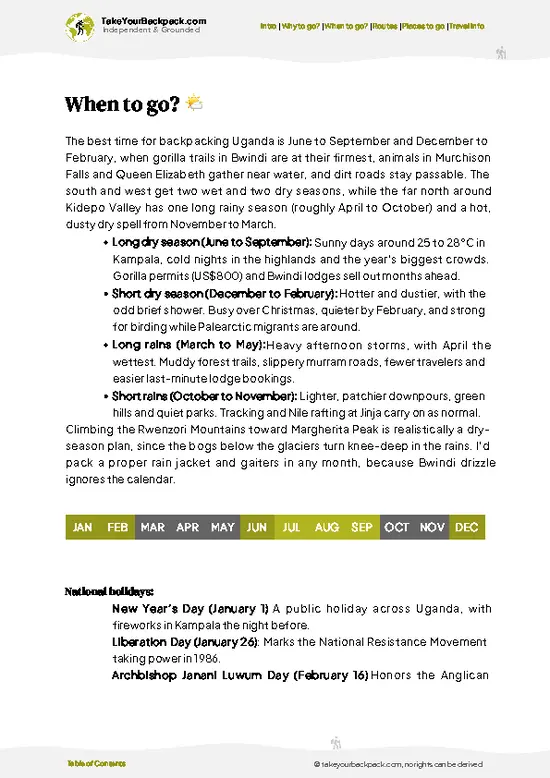
  • Weather: Rukungiri’s climate swings between wet and dry seasons. The dry months, June to August and December to February, offer clearer skies and less mud, making trails easier and the air crisp around 20-25°C (68-77°F). The rainy season, March to May and September to November, drenches the landscape, turning paths slippery and rivers fuller, which can slow you down but also intensifies the lush green views.

  • Temperature: Daytime highs hover around 25-28°C (77-82°F) year-round, but nights can dip to 15°C (59°F) in the dry season, so pack layers. The cool mornings and evenings during dry months feel like a fresh reset after humid days.

  • Daylight Hours: Near the equator, Rukungiri enjoys roughly 12 hours of daylight year-round, but the dry season’s clearer skies mean more reliable light
read more 👉

  • Weather: Rukungiri’s climate swings between wet and dry seasons. The dry months, June to August and December to February, offer clearer skies and less mud, making trails easier and the air crisp around 20-25°C (68-77°F). The rainy season, March to May and September to November, drenches the landscape, turning paths slippery and rivers fuller, which can slow you down but also intensifies the lush green views.

  • Temperature: Daytime highs hover around 25-28°C (77-82°F) year-round, but nights can dip to 15°C (59°F) in the dry season, so pack layers. The cool mornings and evenings during dry months feel like a fresh reset after humid days.

  • Daylight Hours: Near the equator, Rukungiri enjoys roughly 12 hours of daylight year-round, but the dry season’s clearer skies mean more reliable light for early starts and late finishes.

  • Crowds: Tourist traffic is low year-round, but the dry season attracts more visitors, especially around holidays, so expect a livelier atmosphere and slightly higher prices.

  • Seasonal Activities: Dry months are prime for hiking and exploring the nearby crater lakes without the risk of sudden downpours. The rainy season, while challenging, offers birdwatching at its peak and a chance to witness the landscape’s dramatic transformation.

  • Price Fluctuations: Accommodation and transport costs rise modestly during the dry season due to demand. The rainy season offers better deals but factor in potential delays and extra gear costs.


Pro-tip: Aim for the shoulder months—late February or early September—when the rains ease but the crowds haven’t yet arrived, giving you the best balance of lush scenery, manageable trails, and wallet-friendly rates.


source: climatestotravel.comJANJanuary: excellent for travelingFEBFebruary: highly recommended for travelingMARMarch: fair for travelingAPRApril: fair for travelingMAYMay: fair for travelingJUNJune: excellent for travelingJULJuly: excellent for travelingAUGAugust: excellent for travelingSEPSeptember: highly recommended for travelingOCTOctober: fair for travelingNOVNovember: fair for travelingDECDecember: excellent for traveling
when-to-go

✈️ The backpacker research shortcutUganda Travel Guide

An offline-friendly backpacking guide with optimized travel routes, ranked highlights, transport advice, and the best areas to stay.
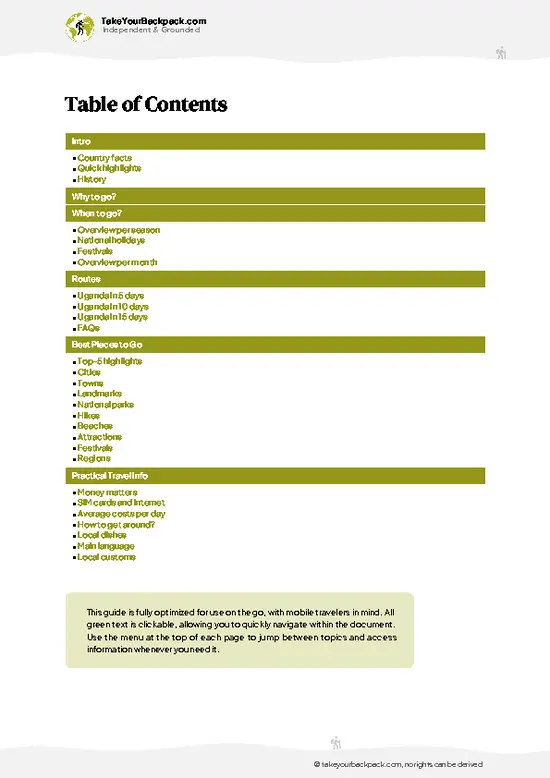
example page 0 from our offline Travel Guide for Uganda
example page 1 from our offline Travel Guide for Uganda
example page 2 from our offline Travel Guide for Uganda
example page 3 from our offline Travel Guide for Uganda
example page 4 from our offline Travel Guide for Uganda
example page 5 from our offline Travel Guide for Uganda
example page 6 from our offline Travel Guide for Uganda
example page 7 from our offline Travel Guide for Uganda
The digital guide (422 pages) contains:
109 highlights, ranked by travel appeal
Optimized 5, 10 & 15-day travel routes
Cities, national parks, landmarks, beaches
How to get around
Offline-friendly for travel without Wi-Fi
👉 Click to see all 30+ guide features

📅 Plan smarter in minutes, not weeks
Month by month travel advice
Festivals & national holidays
Budget expectations

🗺️ Go to the right places, skip the overrated ones
Honest pros & cons of destinations
Top hikes, parks & viewpoints
Lesser-known places most travelers miss
Clear “worth it vs skip it” guidance

🛏️ Travel smoothly without rookie mistakes
Best areas to stay
Transport systems explained simply
Common scams & safety advice
SIM cards, money & practical tips

🌍 Understand the country, not just visit it
Culture & traditions
52 Essential phrases & customs
Festivals worth planning around
Traveler-friendly historical context
Insights that make places more meaningful

📱 Built for real travel conditions
Fully downloadable PDF
Works completely offline
Optimized for phone use
Useful in remote areas & buses
Everything in one place
Save weeks of stressful planning
Get instant access to your full guide. 30‑day money-back guarantee.


By proceeding you agree to our terms.
Sent to your inbox immediately after payment • 100% Secure Checkout
Best Backpacking Travel Advisor 2025 tourism awardBest Backpacking
Travel Advisor
2025
What others say about Take Your Backpack Guides:
⭐⭐⭐⭐⭐
Fantastic, amazing amount of information!
⭐⭐⭐⭐⭐
My goodness this is amazing, it's what I've been looking for hats off too you!
⭐⭐⭐⭐⭐
I think this is absolutely BRILLIANT
⭐⭐⭐⭐
Very complete and informative. It's still missing places, but I gotta to commend you
⭐⭐⭐⭐⭐
This is truly amazing, thank you, can't wait to explore it with my kids!
⭐⭐⭐⭐⭐
Awesome resource, thank you!
⭐⭐⭐⭐⭐
This is amazing! Can't wait to explore the ones I haven't seen
⭐⭐⭐⭐
I love this! Well done, great idea.
⭐⭐⭐⭐⭐
Thanks for taking the time to make this gem!
⭐⭐⭐⭐⭐
This might be the best website I've ever seen.
⭐⭐⭐⭐⭐
Congratulations, and thank you so much for your work; it's incredibly valuable.
⭐⭐⭐⭐
In all seriousness I think you did a great job pointing out the important spots
⭐⭐⭐⭐⭐
10/10 very good
⭐⭐⭐⭐⭐
As someone who's only just starting to visit regularly this is awesome, thank you.
⭐⭐⭐⭐
Thank you very much! I'm going to visit my dad, it's going to be very useful!
⭐⭐⭐⭐⭐
This is really cool! We'll be travelling for the first time and this definitely come in handy.
⭐⭐⭐⭐⭐
You are now our minister of culture, congratulations 👨‍💼
⭐⭐⭐⭐⭐
Just wanted to tell you that this is a pearl! Going to follow your recommendations.
⭐⭐⭐⭐⭐
This is so cool. I'll definitely be using the resource for my travels soon.
⭐⭐⭐⭐⭐
This is very impressive! Good work.
⭐⭐⭐⭐⭐
This is an amazing and informative site. Very well done!

🛏️ Where to stay?How to pick the right area

Rukungiri’s heart for backpackers pulses strongest around the town center, where the streets hum with local life and the air carries the scent of fresh matoke and roasting coffee. This area is your best bet for safety and social energy. It’s compact enough to walk everywhere, so you’re never stuck with expensive or unreliable transport. Hostels and guesthouses cluster here, offering budget-friendly beds and a chance to swap stories with fellow travelers over a cold local brew.

Compared to the quieter, more residential outskirts, the town center buzzes with a mix of traders, students, and travelers, … read more 👉
Rukungiri’s heart for backpackers pulses strongest around the town center, where the streets hum with local life and the air carries the scent of fresh matoke and roasting coffee. This area is your best bet for safety and social energy. It’s compact enough to walk everywhere, so you’re never stuck with expensive or unreliable transport. Hostels and guesthouses cluster here, offering budget-friendly beds and a chance to swap stories with fellow travelers over a cold local brew.

Compared to the quieter, more residential outskirts, the town center buzzes with a mix of traders, students, and travelers, creating a vibe that’s both lively and approachable. You’ll find it easier to connect with locals and other backpackers alike, which is gold when you’re solo. The streets are well-lit at night, and the presence of small eateries and markets means you’re never far from a meal or a friendly face. Skip the isolated neighborhoods; they lack the pulse and practical perks that make Rukungiri feel like a place to belong, not just pass through.

🚌 Getting aroundMoving around without the hassle

Rukungiri moves at a pace that feels like a slow breath in the heat of the afternoon sun. It’s not a place where timetables rule your day but where intuition and local rhythms guide your steps. The market hums with the scent of fresh cassava and roasting maize, and the occasional honk of a boda boda slices through the calm. Here, transit isn’t about precision; it’s about reading the moment, catching the right ride when it rolls by, and savoring the unhurried flow of life. This is a town where your best bet is to blend into the ebb and flow rather than fight it.


  • Walking: The heart of Rukungiri is compact enough to explore on foot, with dirt roads warmed by the sun and shaded by mango trees. Walking costs nothing and lets you soak in the earthy scent of the soil and the chatter of locals.
read more 👉
Rukungiri moves at a pace that feels like a slow breath in the heat of the afternoon sun. It’s not a place where timetables rule your day but where intuition and local rhythms guide your steps. The market hums with the scent of fresh cassava and roasting maize, and the occasional honk of a boda boda slices through the calm. Here, transit isn’t about precision; it’s about reading the moment, catching the right ride when it rolls by, and savoring the unhurried flow of life. This is a town where your best bet is to blend into the ebb and flow rather than fight it.


  • Walking: The heart of Rukungiri is compact enough to explore on foot, with dirt roads warmed by the sun and shaded by mango trees. Walking costs nothing and lets you soak in the earthy scent of the soil and the chatter of locals. It’s the best way to discover tucked-away stalls and catch the town’s pulse.


  • Boda Bodas (Motorcycle Taxis): These are the lifeblood of local transit—fast, flexible, and everywhere. Expect to pay around 1,000 to 3,000 UGX for short hops. They don’t run on a schedule; instead, they wait for passengers, so you can flag one down anytime. The wind in your face and the dust kicked up behind you are part of the experience.


  • Minibus Taxis (Matatus): For trips beyond the town center, minibuses offer a budget-friendly option. They leave when full, which means timing is unpredictable but usually frequent during daylight hours. Fares hover around 2,000 to 5,000 UGX depending on distance. They’re cramped but a great way to rub shoulders with locals and catch roadside views.


  • Shared Taxis: Slightly pricier than matatus but faster and more comfortable, shared taxis run on main routes to nearby towns. They typically start early morning and wind down by late afternoon. Expect to pay 10,000 UGX or more. These are your go-to if you want a smoother ride without breaking the bank.

👛 Costs (as of 13 May 2026)Travel costs and budget guide for Rukungiri

Backpacking in Rukungiri, Uganda, offers a raw, authentic experience where every shilling spent feels like a direct investment in local life. Here’s how your daily costs typically break down:
  • Dorm Accommodation: Expect to pay around $5 to $10 per night for a basic dorm bed. These places are simple but clean, often family-run guesthouses where the scent of wood smoke and fresh laundry fills the air. It’s not luxury, but it’s a solid, safe spot to recharge.
  • Meals: Local meals cost between $2 and $5. Think hearty plates of matoke (steamed plantains), beans, and fresh greens, often served with a side of fried fish or beef. Street food stalls and small eateries dominate, offering flavorful, filling options that keep your budget lean and your belly happy.
  • Local Transport: Getting around mostly
read more 👉
Backpacking in Rukungiri, Uganda, offers a raw, authentic experience where every shilling spent feels like a direct investment in local life. Here’s how your daily costs typically break down:
  • Dorm Accommodation: Expect to pay around $5 to $10 per night for a basic dorm bed. These places are simple but clean, often family-run guesthouses where the scent of wood smoke and fresh laundry fills the air. It’s not luxury, but it’s a solid, safe spot to recharge.
  • Meals: Local meals cost between $2 and $5. Think hearty plates of matoke (steamed plantains), beans, and fresh greens, often served with a side of fried fish or beef. Street food stalls and small eateries dominate, offering flavorful, filling options that keep your budget lean and your belly happy.
  • Local Transport: Getting around mostly means boda bodas (motorcycle taxis), which run about $0.50 to $1 for short rides within town. For longer trips or shared minibuses, budget $1 to $3. The air carries a mix of dust and exhaust, but the quick rides give you a pulse on daily life.
  • Basic Activities/Entry Fees: Most local attractions, like community markets or natural spots, have minimal or no entry fees—usually under $1 to $3. Guided hikes or cultural tours might push closer to $10, but these are rare and often arranged through local contacts rather than formal operators.
  • Miscellaneous Expenses: This covers essentials like bottled water ($0.50), occasional snacks, or phone credit for staying connected. Budget around $1 to $3 daily here, depending on your habits and needs.

All told, a realistic daily budget for backpacking in Rukungiri hovers between $10 and $20. This range lets you live comfortably without cutting corners, soaking in the town’s earthy rhythms and genuine hospitality. The key is embracing simplicity—each modest meal and short boda ride adds texture to the experience, making the small costs feel like part of the adventure rather than a burden.


source: visituganda.com
⚠️ Prices can change and everyone travels differently, so take this as a rough guide. Hope it helps you plan your adventure!

🚌 Day tripsWhere to go beyond the main area

Rukungiri, Uganda, is a backpacker’s dream base for day trips, offering a blend of adventure and cultural immersion. The surrounding landscapes are alive with vibrant colors and rich scents, making every journey a sensory delight.

1. Bwindi Impenetrable National Park
Just a couple of hours from Rukungiri, this UNESCO World Heritage site is a must for gorilla trekking. The thrill of encountering these majestic creatures in their natural habitat is hard to beat. Expect to pay around $600 for a permit, but the experience is priceless. The best time to visit is during the dry seasons from June to September and December to February. A common mistake? Underestimating the physical demand of the trek. Be prepared for steep trails and thick foliage.
👉 Explore Bwindi Impenetrable National Park
read more 👉
Rukungiri, Uganda, is a backpacker’s dream base for day trips, offering a blend of adventure and cultural immersion. The surrounding landscapes are alive with vibrant colors and rich scents, making every journey a sensory delight.

1. Bwindi Impenetrable National Park
Just a couple of hours from Rukungiri, this UNESCO World Heritage site is a must for gorilla trekking. The thrill of encountering these majestic creatures in their natural habitat is hard to beat. Expect to pay around $600 for a permit, but the experience is priceless. The best time to visit is during the dry seasons from June to September and December to February. A common mistake? Underestimating the physical demand of the trek. Be prepared for steep trails and thick foliage.
👉 Explore Bwindi Impenetrable National Park

2. Lake Bunyonyi
A scenic 90-minute drive leads you to one of Uganda’s most beautiful lakes. The air is crisp, and the water sparkles like a thousand diamonds. You can rent a canoe for about $5 and paddle among the islands, or simply relax by the shore with a local meal for around $10. The best time to visit is during the dry season, but the lake’s charm is undeniable year-round. Many first-timers miss out on the local stories shared by fishermen; take the time to chat.


3. Queen Elizabeth National Park
About two hours away, this park offers a chance to see the Big Five. A half-day game drive costs around $40, and the thrill of spotting a lion or elephant is exhilarating. The park is best visited in the dry season, when animals are more active. A common rookie mistake is rushing through; take your time to soak in the sights and sounds. The rustle of leaves and distant calls of wildlife create an unforgettable atmosphere.
👉 Explore Queen Elizabeth National Park

4. Kisoro and the Virunga Mountains
A bit further afield, but worth every minute of the two-hour drive, Kisoro offers breathtaking views of the Virunga range. The air is cooler here, and the landscape is a patchwork of green hills. You can hike to the base of the mountains for free, but hiring a local guide for about $10 enhances the experience. The best time to visit is during the dry months, but the misty mornings have their own magic. Many overlook the cultural richness of the local communities; engage with them for a deeper understanding.
Want to know what more Uganda offers?
The Uganda Travel Guide describes 109 highlights, from cities to national parks, from beaches to hikes

Get the Travel Guide -

🛡️ SafetySafety Tips and Common Scams in Rukungiri

Rukungiri is generally safe, but staying aware enhances your experience. The town has a friendly vibe, yet like anywhere, some areas require a sharper eye. Stick to well-lit streets after dark, especially if you’re solo. It’s not about fear; it’s about being smart.

Watch for common scams, like overly eager guides who might offer services you didn’t ask for. Politely decline and keep moving. Local markets can be bustling, and while haggling is part of the fun, be cautious of inflated prices aimed at tourists.

Carry your belongings close, especially in crowded spots. A crossbody bag can be your best friend. Embrace the atmosphere, engage with locals, and trust your instincts. The beauty of Rukungiri unfolds when you’re present and aware, making every moment feel earned.

Other Ugandan towns near Rukungiri

Explore more nearby:

  • Kanungu—tea estates, Bwindi access, hilly backroads| 19 km away
  • Ntungamo—Ankole cattle, rolling hills, highway stop| 39 km away
  • Kabale—Kigezi highlands, Lake Bunyonyi, terraced hills| 51 km away

💡 Not sure where to go next?
Create a personalized itinerary for Uganda including Rukungiri and the places that fit your trip.

Generate my itinerary

👉 Discover all towns

Or checkout all Uganda has to offer (think cities, towns, villages, national parks, hikes, beaches, festivals)
Country photo of Uganda

We 💚 feedbackSumming up the experience

Rukungiri’s charm lies in its raw, unfiltered beauty. The air is thick with the scent of earth after rain, and the locals’ warmth is palpable. But be ready for the roads; they can be rough and slow. Embrace the bumps, though—each jolt brings you closer to the heart of Uganda. It’s a trade-off: a bit of discomfort for a genuine connection to a place that feels like a well-kept secret.

✈️ When did I visit Uganda?
In September 2019 I have done a backpacking trip through Uganda. Seeing gorilla’s in the wild from up close was a pure unexpected highlight!

✍️ Help improve this page!
The information on this page is based on my own backpacking experience in Uganda, supplemented with up-to-date research and feedback from other travelers. Travel details can change, so if you notice anything outdated or incomplete, feel free to let me know.


🙋‍♂️ Give feedback

👋 Meet the founderWho’s Behind Take Your Backpack?

Johan, backpacker and founder of TakeYourBackpackHi, I’m Johan (Netherlands 🇳🇱), the creator of TakeYourBackpack. Over the past decade, I’ve backpacked through 80+ countries across six continents, gaining extensive experience with independent travel, long-term trips, and overland routes.

This site is built on a combination of firsthand travel experience and carefully curated insights from other backpackers. Many guides are based on places I’ve personally visited, while others bring together tips, observations, and practical advice shared by trusted travelers I’ve met along the way.

The goal is to provide realistic, experience-driven guidance — not generic itineraries — so you can explore destinations with better context, clearer expectations, and more confidence.

Get full Uganda guide •
Instant download • 109 highlights • Full Offline guide