×

Uganda🇺🇬 | townsKotidoKaramoja plains, cattle markets, pastoralist culture | things to do and best time to go

Explore KisoroExplore Kaberamaido

Backpacking in Kotido
👌 Worth visitingtown ranked #13
By Johan Kruseman 🇳🇱 | Updated September 3, 2026

The real crossroads in Kotido is whether to linger or just pass through. This isn’t a town that flatters you with instant charm—it’s a dry, sun-bleached outpost in Uganda’s far northeast, closer to the Karamoja plains than to any tourist circuit. For backpackers, Kotido is more launchpad than destination: a gritty base for venturing into Karamojong cattle country, market days thick with dust and barter, or the wild, wind-bent hills nearby. It’s not scenic like Moroto, nor as lively as Gulu; you’ll find few hostels, fewer travelers, and nights that settle quietly. Buses are slow, rides dusty, but you’ll earn every sunrise. Costs are low, safety is reasonable if you keep your wits, and the real reward is the raw, unvarnished Uganda most never see.

Discover everything you want to know in the 📖 Uganda Travel Guide.
Safety warning

The current risk level for Uganda is high. Check the advice before going.


Get your Uganda guide
106 ranked highlights, routes & tips, works offline (408 pages)
Loading the map 🌍
CLICK TO FILTER
cities
towns
landmarks
national parks
hikes
beaches
attractions
festivals
regions
SHOW COUNTRY’S BESTSHOW ALL

✨ Why go?
Ranked #13 town in Uganda
What makes this town worth visiting

Kotido serves as a gateway for backpackers exploring Uganda’s rugged beauty. Its walkable streets make it easy to navigate, while small-scale guesthouses offer a cozy place to rest. The town is a hub for those heading to nearby hikes and cultural sites, making it a strategic stop. You’ll find local food stalls that serve up hearty meals, filling your belly with authentic flavors. Most travelers stay a few days, soaking in the friendly atmosphere and connecting with fellow adventurers. It’s perfect for slow travelers and solo explorers looking for a blend of culture and nature without the urban rush.
Want to include Kotido in your Uganda route?
Create a personalized Uganda itinerary that includes Kotido and the places that fit your trip — based on your travel style, budget, and available time. Get your route in seconds.

Generate my trip

💡 HighlightsWhat this place is best known for

  1. Kotido Central Market — The town’s beating heart: a chaotic, colorful open-air market where you can watch traders haggle, buy fresh produce, and pick up everyday Karamojong items. Great for people-watching and affordable street food.
  2. Kotido Cattle Market (weekly livestock trading) — A hugely important social and economic event for the Karamojong; on market days you’ll see horned cattle, bargaining, and the rituals around livestock sales. It’s loud, dusty and unforgettable—ask locally which day it runs.
  3. Kotido Airstrip — A small, unpaved strip on the edge of town where charter flights and government aircraft come in. It’s an interesting spot to see regional logistics in action and to get a feel for how remote towns stay connected.
  4. Community homestead visits (arranged from town) — Not a
read more 👉
  1. Kotido Central Market — The town’s beating heart: a chaotic, colorful open-air market where you can watch traders haggle, buy fresh produce, and pick up everyday Karamojong items. Great for people-watching and affordable street food.
  2. Kotido Cattle Market (weekly livestock trading) — A hugely important social and economic event for the Karamojong; on market days you’ll see horned cattle, bargaining, and the rituals around livestock sales. It’s loud, dusty and unforgettable—ask locally which day it runs.
  3. Kotido Airstrip — A small, unpaved strip on the edge of town where charter flights and government aircraft come in. It’s an interesting spot to see regional logistics in action and to get a feel for how remote towns stay connected.
  4. Community homestead visits (arranged from town) — Not a single museum, but one of Kotido’s best experiences: arranged visits to Karamojong homesteads to learn about traditional shelters, beadwork, farming and daily life. These visits are best done through a local guide or trusted host.
  5. Main road beadwork and craft stalls — Small shops and pavement sellers line the main thoroughfare selling intricate Karamojong beadwork, leather goods and jewelry. Bargain politely; buying direct supports local artisans.
  6. Town kopje / rocky viewpoint — A short climb on the rocky outcrop that overlooks Kotido gives you a compact panoramic view of the arid landscape and the town layout—a simple, accessible way to orient yourself and watch sunset light spill over the plains.
  7. Religious and communal hubs (central church and mosque) — The main places of worship double as community centers where you can get a sense of everyday life, hear local announcements, and sometimes attend services or events—use respect and ask before photographing.
  8. Kotido District Headquarters & public square — The civic center where local governance happens; it’s useful for context on Karamoja’s recent development and often the site of public gatherings, announcements and small markets.
  9. Night market and roadside food stalls — After dusk the town fills with simple food stalls serving charcoal-grilled meat, tea and local snacks—the best place to meet locals, try roadside specialties, and see Kotido’s social rhythm away from daytime bustle.
  10. Community halls and small cultural events — Local halls, parish centers or schools in town frequently host dances, youth performances and meetings. Timing is everything, so ask locally—catching a performance is a direct way to experience living culture rather than curated displays.
A few real, visitable highlights just outside Kotido that make great day trips are Mount Moroto (my personal favorite for scenery and Karamojong culture), the Napak/ Napak Range area for unusual geology, and Kidepo Valley National Park for wildlife.
Spotted a mistake or missing something? Contact us.

🏘️ NeighborhoodsHow different areas shape the experience

Kotido offers a unique blend of culture and adventure, perfect for backpackers seeking authenticity in Uganda.

Central Kotido: This is the heartbeat of the town. Bustling markets fill the air with the scent of spices and fresh produce. It’s walkable, with plenty of budget-friendly accommodations. The nightlife is low-key, perfect for unwinding after a day of exploration. Ideal for short stays, you can easily access transport to nearby attractions.

Ngora Road Area: A quieter vibe here, with local eateries serving up traditional dishes. It’s less touristy, giving you a genuine feel of daily life. While not as walkable, it’s a short taxi ride to the center. Great for longer stays if you want to immerse yourself in the local culture.

Karamoja Region: A bit further out, this area offers stunning … read more 👉
Kotido offers a unique blend of culture and adventure, perfect for backpackers seeking authenticity in Uganda.

Central Kotido: This is the heartbeat of the town. Bustling markets fill the air with the scent of spices and fresh produce. It’s walkable, with plenty of budget-friendly accommodations. The nightlife is low-key, perfect for unwinding after a day of exploration. Ideal for short stays, you can easily access transport to nearby attractions.

Ngora Road Area: A quieter vibe here, with local eateries serving up traditional dishes. It’s less touristy, giving you a genuine feel of daily life. While not as walkable, it’s a short taxi ride to the center. Great for longer stays if you want to immerse yourself in the local culture.

Karamoja Region: A bit further out, this area offers stunning landscapes and cultural experiences. It’s less developed, so expect a rugged charm. Ideal for adventurous souls looking to explore the countryside. Transport can be tricky, but the payoff is worth it. Perfect for those wanting to dive deep into the region’s rich heritage.

⌛️ 1 day1-day itinerary for Kotido

Kotido, Uganda, pulses with the rhythm of everyday life, where the vibrant local culture meets the stunning backdrop of rolling hills. Start your morning at the bustling Kotido Market. The air is thick with the scent of fresh produce and spices, and the chatter of vendors creates a lively soundtrack. Grab a local breakfast of posho and beans from a street vendor; it’s hearty and will fuel your day.

In the afternoon, take a stroll through the nearby Karamoja Cultural Center. This spot is often overlooked by tourists but offers a deep dive into the rich heritage of the Karamojong people. Engage with local artisans and perhaps pick up a handmade bracelet as a memento.

As the sun begins to dip, head to the outskirts of town to catch the sunset over the hills. The golden light transforms the … read more 👉
Kotido, Uganda, pulses with the rhythm of everyday life, where the vibrant local culture meets the stunning backdrop of rolling hills. Start your morning at the bustling Kotido Market. The air is thick with the scent of fresh produce and spices, and the chatter of vendors creates a lively soundtrack. Grab a local breakfast of posho and beans from a street vendor; it’s hearty and will fuel your day.

In the afternoon, take a stroll through the nearby Karamoja Cultural Center. This spot is often overlooked by tourists but offers a deep dive into the rich heritage of the Karamojong people. Engage with local artisans and perhaps pick up a handmade bracelet as a memento.

As the sun begins to dip, head to the outskirts of town to catch the sunset over the hills. The golden light transforms the landscape, making it a perfect backdrop for reflection. Wrap up your day with dinner at a local eatery, savoring the flavors of traditional Ugandan dishes. Each bite tells a story, and you’ll leave feeling connected to this unique corner of the world.
Turn your Kotido visit into an Uganda adventure
Build a complete Uganda route with Kotido, hidden gems, must-see destinations, and realistic travel times included.

Generate my trip

🌤️ When to go?When to go for the best experience


  • Topic: Weather – Kotido’s dry season from December to February offers clear skies and dust-scented air, perfect for trekking. The wet season (March to May) brings heavy rains that turn trails into slippery mud baths, slowing you down and soaking your gear.

  • Topic: Temperature – Expect daytime highs around 28-32°C (82-90°F) in dry months, cooling to 20-24°C (68-75°F) at night. Wet months feel cooler but more humid, making exertion tougher.

  • Topic: Daylight Hours – Near the equator, daylight stays steady at about 12 hours year-round, so you get reliable hiking windows anytime.

  • Topic: Crowds – Kotido is off the beaten path, so crowds are minimal year-round. Visiting in dry season means fewer locals indoors, more vibrant village life outside.

  • Topic: Seasonal Activities – Dry months coincide
read more 👉

  • Topic: Weather – Kotido’s dry season from December to February offers clear skies and dust-scented air, perfect for trekking. The wet season (March to May) brings heavy rains that turn trails into slippery mud baths, slowing you down and soaking your gear.

  • Topic: Temperature – Expect daytime highs around 28-32°C (82-90°F) in dry months, cooling to 20-24°C (68-75°F) at night. Wet months feel cooler but more humid, making exertion tougher.

  • Topic: Daylight Hours – Near the equator, daylight stays steady at about 12 hours year-round, so you get reliable hiking windows anytime.

  • Topic: Crowds – Kotido is off the beaten path, so crowds are minimal year-round. Visiting in dry season means fewer locals indoors, more vibrant village life outside.

  • Topic: Seasonal Activities – Dry months coincide with local markets and cultural ceremonies, offering richer interactions. Wet season limits outdoor events but paints the landscape lush green.

  • Topic: Price Fluctuations – Accommodation and transport costs dip slightly in the wet season due to lower demand, but the trade-off is tougher travel conditions.


Pro-tip: Aim for late dry season—February—when the air is crisp, the dust has settled a bit, and the locals’ energy is high before the rains hit.


source: climatestotravel.comJANJanuary: excellent for travelingFEBFebruary: excellent for travelingMARMarch: fair for travelingAPRApril: fair for travelingMAYMay: fair for travelingJUNJune: good for travelingJULJuly: good for travelingAUGAugust: good for travelingSEPSeptember: good for travelingOCTOctober: good for travelingNOVNovember: highly recommended for travelingDECDecember: excellent for traveling
when-to-go

✈️ The backpacker research shortcutUganda Travel Guide

An offline-friendly backpacking guide with optimized travel routes, ranked highlights, transport advice, and the best areas to stay.
example page 0 from our offline Travel Guide for Uganda
example page 1 from our offline Travel Guide for Uganda
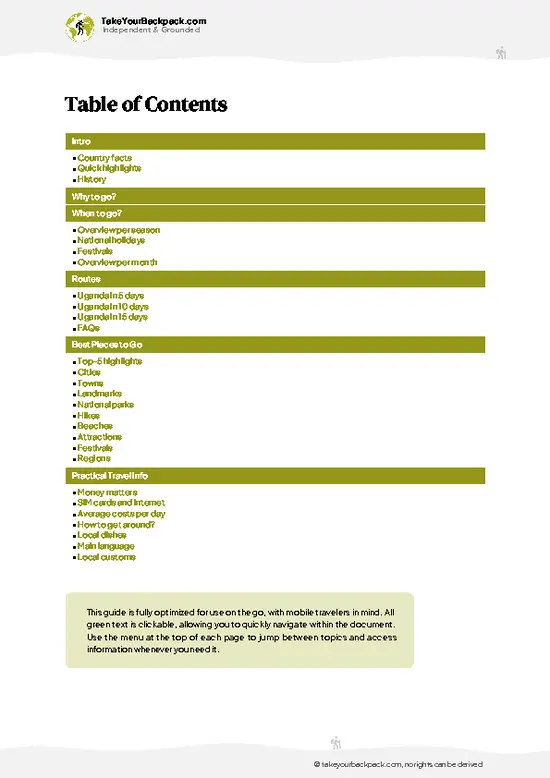
example page 2 from our offline Travel Guide for Uganda
example page 3 from our offline Travel Guide for Uganda
example page 4 from our offline Travel Guide for Uganda
example page 5 from our offline Travel Guide for Uganda
example page 6 from our offline Travel Guide for Uganda
example page 7 from our offline Travel Guide for Uganda
The digital guide (408 pages) contains:
106 highlights, ranked by travel appeal
Optimized 5, 10 & 15-day travel routes
Cities, national parks, landmarks, beaches
How to get around
Offline-friendly for travel without Wi-Fi
👉 Click to see all 30+ guide features

📅 Plan smarter in minutes, not weeks
Month by month travel advice
Festivals & national holidays
Budget expectations

🗺️ Go to the right places, skip the overrated ones
Honest pros & cons of destinations
Top hikes, parks & viewpoints
Lesser-known places most travelers miss
Clear “worth it vs skip it” guidance

🛏️ Travel smoothly without rookie mistakes
Best areas to stay
Transport systems explained simply
Common scams & safety advice
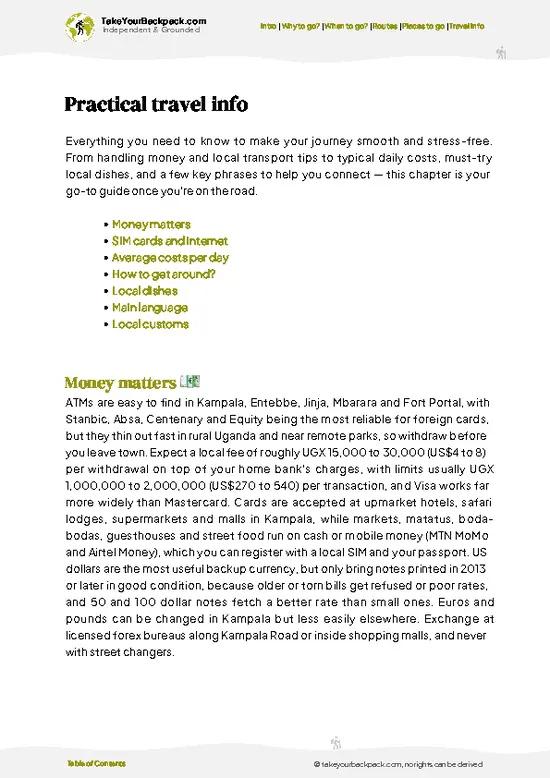
SIM cards, money & practical tips

🌍 Understand the country, not just visit it
Culture & traditions
52 Essential phrases & customs
Festivals worth planning around
Traveler-friendly historical context
Insights that make places more meaningful

📱 Built for real travel conditions
Fully downloadable PDF
Works completely offline
Optimized for phone use
Useful in remote areas & buses
Everything in one place
Save weeks of stressful planning
Get instant access to your full guide. 30‑day money-back guarantee.
+ Add another guide for just R$44.25

By proceeding you agree to our terms.
Sent to your inbox immediately after payment • 100% Secure Checkout
Best Backpacking Travel Advisor 2025 tourism awardBest Backpacking
Travel Advisor
2025
What others say about Take Your Backpack Guides:
⭐⭐⭐⭐⭐
Fantastic, amazing amount of information!
⭐⭐⭐⭐⭐
My goodness this is amazing, it's what I've been looking for hats off too you!
⭐⭐⭐⭐⭐
I think this is absolutely BRILLIANT
⭐⭐⭐⭐
Very complete and informative. It's still missing places, but I gotta to commend you
⭐⭐⭐⭐⭐
This is truly amazing, thank you, can't wait to explore it with my kids!
⭐⭐⭐⭐⭐
Awesome resource, thank you!
⭐⭐⭐⭐⭐
This is amazing! Can't wait to explore the ones I haven't seen
⭐⭐⭐⭐
I love this! Well done, great idea.
⭐⭐⭐⭐⭐
Thanks for taking the time to make this gem!
⭐⭐⭐⭐⭐
This might be the best website I've ever seen.
⭐⭐⭐⭐⭐
Congratulations, and thank you so much for your work; it's incredibly valuable.
⭐⭐⭐⭐
In all seriousness I think you did a great job pointing out the important spots
⭐⭐⭐⭐⭐
10/10 very good
⭐⭐⭐⭐⭐
As someone who's only just starting to visit regularly this is awesome, thank you.
⭐⭐⭐⭐
Thank you very much! I'm going to visit my dad, it's going to be very useful!
⭐⭐⭐⭐⭐
This is really cool! We'll be travelling for the first time and this definitely come in handy.
⭐⭐⭐⭐⭐
You are now our minister of culture, congratulations 👨‍💼
⭐⭐⭐⭐⭐
Just wanted to tell you that this is a pearl! Going to follow your recommendations.
⭐⭐⭐⭐⭐
This is so cool. I'll definitely be using the resource for my travels soon.
⭐⭐⭐⭐⭐
This is very impressive! Good work.
⭐⭐⭐⭐⭐
This is an amazing and informative site. Very well done!

🛏️ Where to stay?Best areas to stay in Uganda

In Kotido, the heart of the action for backpackers pulses around the town center near the main market. This area hums with local life—the scent of fresh produce mingles with dust and diesel, grounding you in the town’s rhythm. It’s where you’ll find the few budget guesthouses and informal hostels that attract solo travelers looking to connect without the fuss of upscale lodgings. Safety here is relative but better than the outskirts, where isolation can amplify risks. Staying close to the market means easy access to food, local transport, and a social vibe that’s raw and unfiltered—perfect for … read more 👉
In Kotido, the heart of the action for backpackers pulses around the town center near the main market. This area hums with local life—the scent of fresh produce mingles with dust and diesel, grounding you in the town’s rhythm. It’s where you’ll find the few budget guesthouses and informal hostels that attract solo travelers looking to connect without the fuss of upscale lodgings. Safety here is relative but better than the outskirts, where isolation can amplify risks. Staying close to the market means easy access to food, local transport, and a social vibe that’s raw and unfiltered—perfect for those who want to dive into Kotido’s everyday pulse rather than just pass through.

🚌 Getting aroundMoving around without the hassle

Kotido moves at its own rhythm—less a clockwork town, more a pulse you feel underfoot. The sun scorches midday, sending locals to shade and slow their pace, while mornings and late afternoons buzz with market chatter and the clatter of motorbikes. There’s a raw, earthy scent of dust and dry grass that clings to everything, reminding you this is a place where time bends around daily survival and community ties, not rigid timetables. Your best bet is to sync with this flow, blending patience with a readiness to jump on whatever moves next.


  • Walking: The most reliable way to soak in Kotido’s atmosphere. Distances are short, and the terrain is mostly flat but dusty—good shoes are a must. Walking lets you catch the scent of roasting maize and the sound of children’s laughter echoing through
read more 👉
Kotido moves at its own rhythm—less a clockwork town, more a pulse you feel underfoot. The sun scorches midday, sending locals to shade and slow their pace, while mornings and late afternoons buzz with market chatter and the clatter of motorbikes. There’s a raw, earthy scent of dust and dry grass that clings to everything, reminding you this is a place where time bends around daily survival and community ties, not rigid timetables. Your best bet is to sync with this flow, blending patience with a readiness to jump on whatever moves next.


  • Walking: The most reliable way to soak in Kotido’s atmosphere. Distances are short, and the terrain is mostly flat but dusty—good shoes are a must. Walking lets you catch the scent of roasting maize and the sound of children’s laughter echoing through the alleys.

  • Boda-Boda (Motorcycle Taxi): Runs from dawn until dusk, fares are negotiable but usually under 2,000 UGX for short hops. Fast and flexible, but hold tight—drivers weave through dust clouds and crowds with practiced ease.

  • Shared Minibus (Matatu): Leaves when full, so timing is unpredictable. Costs about 3,000–5,000 UGX depending on distance. It’s cramped and noisy but the cheapest way to reach nearby villages or the bus park.

  • Private Taxi: Rare and pricier, often reserved for longer trips or when you need to beat the heat. Expect to pay upwards of 20,000 UGX. Comfort comes at a premium, but it’s a solid option if you’re carrying gear or traveling in a group.

👛 Costs (as of 3 September 2026)Travel costs and budget guide for Kotido

Backpacking in Kotido, Uganda, is a raw, grounded experience where every dollar counts and the local pace sets the rhythm of your day. Here’s what you can expect to spend on the essentials, broken down to help you plan smart and travel smooth.
  • Dorm Accommodation: Basic guesthouses or hostels in Kotido offer dorm beds for around $5 to $10 per night. These places are simple—think mosquito nets, a fan if you’re lucky, and shared bathrooms. It’s not luxury, but it’s clean enough and keeps you close to the town’s pulse.
  • Meals: Street food and local eateries serve up hearty meals for $1 to $3. Staples like posho (cornmeal), beans, and grilled meat fill you up without emptying your wallet. If you want something a bit more substantial or a soda, budget closer to $4 per meal.
  • Local Transport: Boda-bodas
read more 👉
Backpacking in Kotido, Uganda, is a raw, grounded experience where every dollar counts and the local pace sets the rhythm of your day. Here’s what you can expect to spend on the essentials, broken down to help you plan smart and travel smooth.
  • Dorm Accommodation: Basic guesthouses or hostels in Kotido offer dorm beds for around $5 to $10 per night. These places are simple—think mosquito nets, a fan if you’re lucky, and shared bathrooms. It’s not luxury, but it’s clean enough and keeps you close to the town’s pulse.
  • Meals: Street food and local eateries serve up hearty meals for $1 to $3. Staples like posho (cornmeal), beans, and grilled meat fill you up without emptying your wallet. If you want something a bit more substantial or a soda, budget closer to $4 per meal.
  • Local Transport: Boda-bodas (motorcycle taxis) are the go-to for getting around. Short rides cost about $0.50 to $1, while longer trips within the district might hit $2. Walking is often the best way to soak in the atmosphere and save cash.
  • Basic Activities/Entry Fees: Kotido’s main draw is its cultural and natural surroundings rather than formal tourist sites. Entry fees to local markets or community events are minimal, usually under $1. If you hire a local guide for a day trip, expect to pay around $10 to $15.
  • Miscellaneous Expenses: Water, snacks, phone credit, and small tips add up to about $1 to $3 daily. Bottled water is a must, and you’ll want to keep your phone topped up for navigation and communication.

All told, you’re looking at roughly $10 to $25 per day to cover the basics in Kotido. It’s a place where simplicity meets authenticity, and your budget stretches further when you embrace the local rhythm rather than chasing comfort. The payoff is in the raw, unfiltered connection to the land and people.


source: ugandatourism.org
⚠️ Prices can change and everyone travels differently, so take this as a rough guide. Hope it helps you plan your adventure!

🚌 Day tripsExploring the surroundings

Kotido, Uganda, is a backpacker’s dream base, offering a gateway to rich cultural experiences and stunning landscapes. Here are some day trips that truly deliver.

Kidepo Valley National Park
A few hours from Kotido, Kidepo is a wildlife haven. Picture yourself watching elephants roam under the vast African sky, the air thick with the scent of acacia trees. The park is about a 2-3 hour drive, costing around $40 for transport and entry. Best visited during the dry season (December to February), you’ll avoid muddy roads and spot more animals. First-timers often underestimate the park’s size; plan to spend the day exploring, not just a quick visit.
👉 Explore Kidepo Valley National Park

Karamoja Cultural Experience
Immerse yourself in the vibrant culture of the Karamojong people, just a … read more 👉
Kotido, Uganda, is a backpacker’s dream base, offering a gateway to rich cultural experiences and stunning landscapes. Here are some day trips that truly deliver.

Kidepo Valley National Park
A few hours from Kotido, Kidepo is a wildlife haven. Picture yourself watching elephants roam under the vast African sky, the air thick with the scent of acacia trees. The park is about a 2-3 hour drive, costing around $40 for transport and entry. Best visited during the dry season (December to February), you’ll avoid muddy roads and spot more animals. First-timers often underestimate the park’s size; plan to spend the day exploring, not just a quick visit.
👉 Explore Kidepo Valley National Park

Karamoja Cultural Experience
Immerse yourself in the vibrant culture of the Karamojong people, just a short drive from town. Spend the day learning traditional crafts, tasting local dishes, and engaging in storytelling. This experience typically costs around $20, including transport and a meal. The best time to visit is during the dry season when community events are more frequent. A common mistake is rushing through; take your time to connect with the locals.


Mount Moroto Hike
For the adventurous, a hike up Mount Moroto offers breathtaking views and a workout. It’s about an hour’s drive to the trailhead, with a guide costing around $15. The best months are June to August, when the weather is cooler. Many underestimate the trail’s difficulty; come prepared with water and snacks. The reward? A panoramic view that makes every step worth it.
Want to know what more Uganda offers?
The Uganda Travel Guide describes 106 highlights, from cities to national parks, from beaches to hikes

Get the Travel Guide -

🛡️ SafetySafety Tips and Common Scams in Kotido

Kotido is generally safe, but awareness is key. Stick to well-lit areas at night; the streets can feel quiet, and it’s easy to lose your bearings. Solo travelers should blend in—avoid flashy gear that screams “tourist.”

Be cautious around markets; while the hustle is vibrant, some vendors may inflate prices for newcomers. Always negotiate, and don’t hesitate to walk away if a deal feels off. Trust your instincts; if something feels wrong, it probably is. Carry yourself confidently, and you’ll navigate Kotido like a pro.

FAQFrequently asked questions about Kotido

Kotido is primarily a stopover rather than a major tourist destination. It serves as a gateway to the Karamoja region, known for its unique culture and landscapes. Visitors often pass through Kotido on their way to more remote areas.
You need 1 to 2 days in Kotido to explore the local markets and experience the culture of the Karamojong people. This timeframe allows for a basic visit without rushing, including a visit to nearby cultural sites or local villages.
Kotido can be visited as a day trip from Moroto, which is about 90 kilometers away. However, the road conditions can be rough, so travel time may take 3 to 4 hours each way, making a day trip long but possible with an early start.
⚠️ Things can change over time, so always validate details locally before you go.

Other Ugandan towns near Kotido

Explore more nearby:

  • Moroto—Karamoja plains, mountain backdrop, cattle markets| 81 km away
  • Pader—post-conflict recovery, Acholi region, rural hub| 115 km away
  • Amuria—Teso sub-region, cattle trading, rural landscape| 120 km away

💡 Not sure where to go next?
Create a personalized itinerary for Uganda including Kotido and the places that fit your trip.

Generate my itinerary

👉 Discover all towns

Or checkout all Uganda has to offer (think cities, towns, villages, national parks, hikes, beaches, festivals)
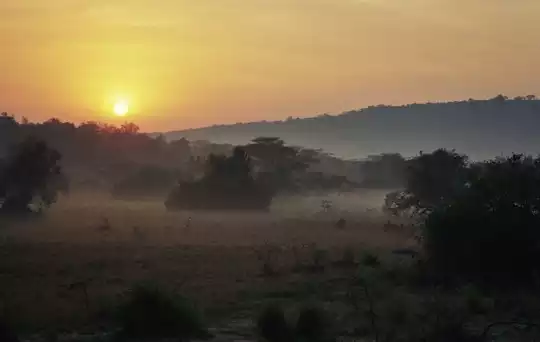
Country photo of Uganda

We 💚 feedbackKey takeaways before you go

Kotido’s vibrant market buzzes with life, where the scent of roasted maize mingles with laughter. It’s a genuine slice of Ugandan culture. But be ready for the heat—daytime temperatures can be relentless. Embrace the sweat; it’s part of the adventure.

✈️ When did I visit Uganda?
In September 2019 I have done a backpacking trip through Uganda. Seeing gorilla’s in the wild from up close was a pure unexpected highlight!

✍️ Help improve this page!
The information on this page is based on my own backpacking experience in Uganda, supplemented with up-to-date research and feedback from other travelers. Travel details can change, so if you notice anything outdated or incomplete, feel free to let me know.


🙋‍♂️ Give feedback

👋 Meet the founderWho’s Behind Take Your Backpack?

Johan, backpacker and founder of TakeYourBackpackHi, I’m Johan (Netherlands 🇳🇱), the creator of TakeYourBackpack. Over the past decade, I’ve backpacked through 80+ countries across six continents, gaining extensive experience with independent travel, long-term trips, and overland routes.

This site is built on a combination of firsthand travel experience and carefully curated insights from other backpackers. Many guides are based on places I’ve personally visited, while others bring together tips, observations, and practical advice shared by trusted travelers I’ve met along the way.

The goal is to provide realistic, experience-driven guidance — not generic itineraries — so you can explore destinations with better context, clearer expectations, and more confidence.

Get full Uganda guide •
Instant download • 106 highlights • Full Offline guide