

×

United Arab Emirates🇦🇪 | best beachesTop-Rated 7 beaches in UAE

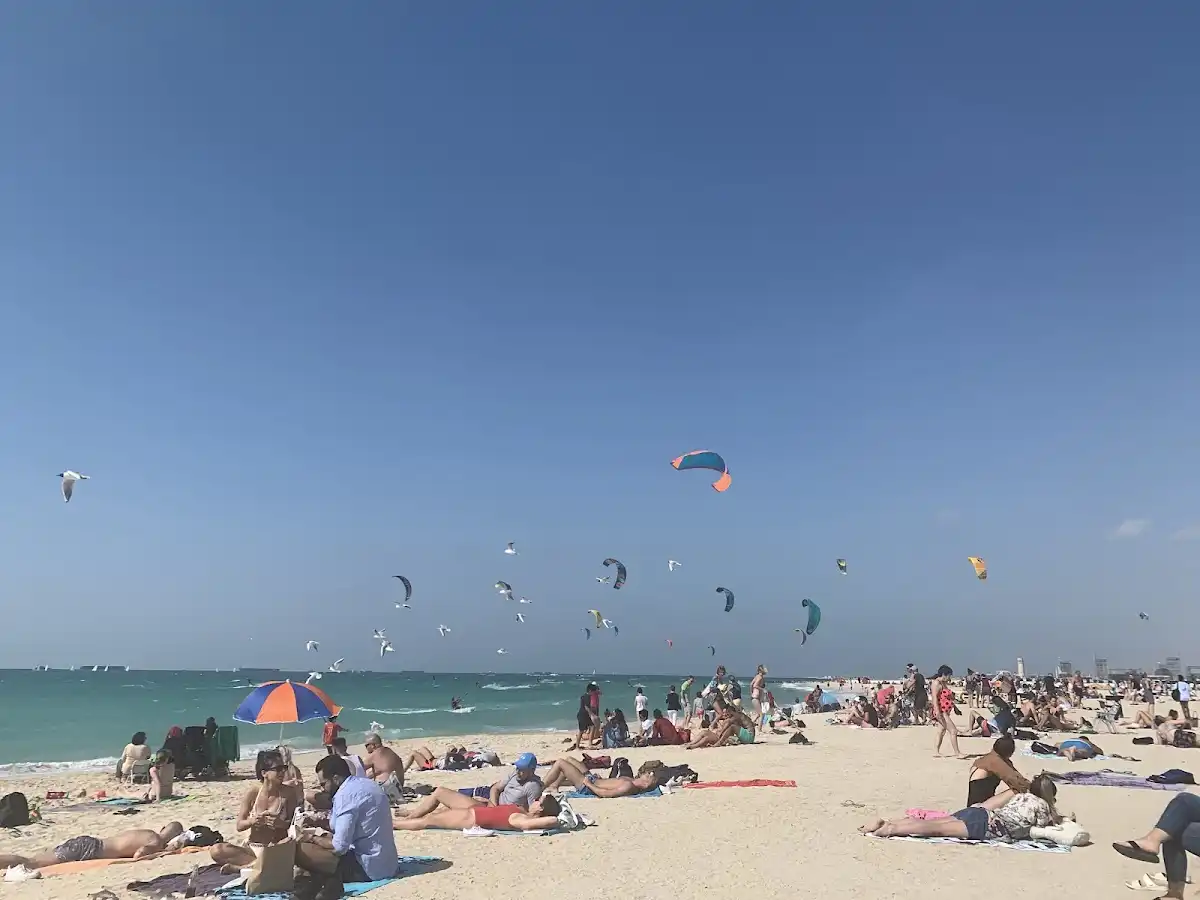
Beaches in the United Arab Emirates (UAE) come in two flavors: Gulf-coast city sand and Indian Ocean coast on the Fujairah and Khor Fakkan side. Dubai and Abu Dhabi have polished, lifeguarded stretches, many behind paid gates or hotel passes, while public strips are free but busy on Fridays. The east coast is rougher, cheaper and better for snorkeling and diving. If you’re traveling independently on a backpacker budget, go for free public beaches and arrive before 8 a.m. or after 4 p.m., when the heat eases and parking is simple. Ras Al Khaimah and Umm Al Quwain feel quieter and more local.

By Johan Kruseman 🇳🇱 | Updated October 19, 2026
Explore the best attractions in UAE

Why go?What Makes Them Special

The UAE has around 1,300 kilometers of coastline split between two very different seas, and that split drives everything. The Persian Gulf side is shallow, calm and warm, with water that tops 33°C in August, which feels more like a bath than a swim. Decades of oil wealth turned this coast into a managed, resort-grade shoreline, so you get lifeguards, showers, shaded areas and tidy sand that is rare in the region. The Gulf of Oman side is a different animal: rocky headlands, the Hajar Mountains right behind the sand, clearer water and marine life close to shore.

Before choosing the UAE for beaches, know that it is not a cheap beach destination. Many of the best-kept stretches charge entry or sit behind hotels, and the summer heat can make midday sand unusable. Rules also matter: the country … read more 👉
The UAE has around 1,300 kilometers of coastline split between two very different seas, and that split drives everything. The Persian Gulf side is shallow, calm and warm, with water that tops 33°C in August, which feels more like a bath than a swim. Decades of oil wealth turned this coast into a managed, resort-grade shoreline, so you get lifeguards, showers, shaded areas and tidy sand that is rare in the region. The Gulf of Oman side is a different animal: rocky headlands, the Hajar Mountains right behind the sand, clearer water and marine life close to shore.

Before choosing the UAE for beaches, know that it is not a cheap beach destination. Many of the best-kept stretches charge entry or sit behind hotels, and the summer heat can make midday sand unusable. Rules also matter: the country is Muslim, so modest dress off the sand is expected, public drinking is not allowed outside licensed venues, and some public beaches have women-only days or family-only sections. Drones, topless sunbathing and loud behavior can all cause trouble. Treat it as a place for polished, easy beach days with a few rough-edged alternatives, and you will plan it well.
How the List Was Created
The list of best beaches in UAE is created based on beauty, vibe, water quality, activities, and surrounding scenery. If you feel a beach is missing in this list, please let us know.

When to go?Timing Your Visit for the Best Experience

Best months and why: The best months for beaches in the UAE are November to March, when daytime air temperatures sit around 24 to 29°C and the sea stays swimmable at roughly 22 to 26°C. Rain is rare, usually a few short showers between December and March, with Dubai getting under 100 mm in a year.

Shoulder seasons: October and April are the shoulder months. Highs reach 33 to 38°C, the water is warm at 27 to 30°C, and hotel rates drop noticeably from the winter peak, often by 20 to 40 percent. Go early morning or late afternoon and you can still enjoy a full beach day.

Summer and peak periods: June to September is brutal, with air temperatures of 40 to 48°C and humidity that can hit 80 to 90 percent along the Gulf. Beach days shrink to dawn and after sunset, though prices fall hardest and … read more 👉
Best months and why: The best months for beaches in the UAE are November to March, when daytime air temperatures sit around 24 to 29°C and the sea stays swimmable at roughly 22 to 26°C. Rain is rare, usually a few short showers between December and March, with Dubai getting under 100 mm in a year.

Shoulder seasons: October and April are the shoulder months. Highs reach 33 to 38°C, the water is warm at 27 to 30°C, and hotel rates drop noticeably from the winter peak, often by 20 to 40 percent. Go early morning or late afternoon and you can still enjoy a full beach day.

Summer and peak periods: June to September is brutal, with air temperatures of 40 to 48°C and humidity that can hit 80 to 90 percent along the Gulf. Beach days shrink to dawn and after sunset, though prices fall hardest and resort day passes get cheap. The east coast around Fujairah and Khor Fakkan is a touch breezier, though still hot. Late December and the New Year week are the most expensive and crowded period, so book ahead or avoid it. During Ramadan, which shifts by about 11 days each year, beaches stay open, but daytime eating and drinking in public is off limits and the atmosphere is quieter.

beach hoppingPlanning Your Route Efficiently

How many days to plan: A trip combining several beaches in the UAE needs 5 to 8 days. The country is small, so the limit is energy and heat, not distance.

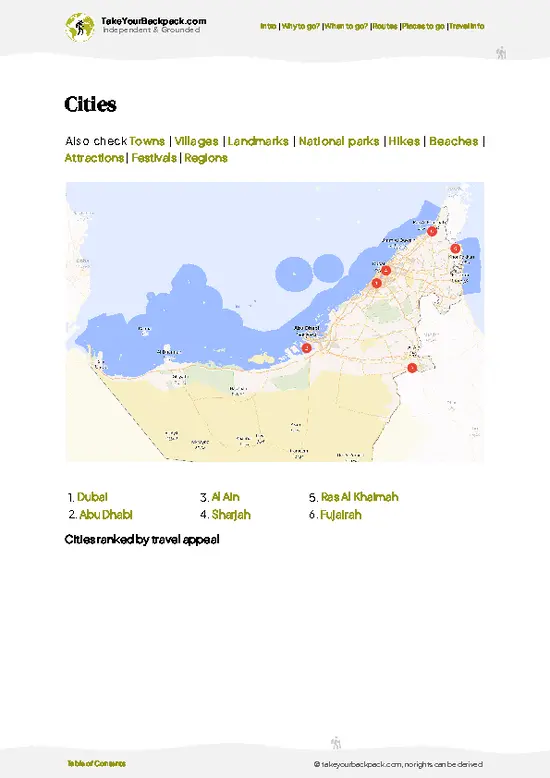
Grouping and direction: The Gulf coast clusters well: Abu Dhabi, Dubai, Sharjah, Ajman and Ras Al Khaimah sit along one highway, with gaps of 1 to 2 hours by car or intercity bus. The Gulf of Oman side is its own cluster, roughly 1.5 to 2 hours across the mountains from Dubai or Sharjah. I suggest starting in Abu Dhabi, drifting up the Gulf coast to Ras Al Khaimah, then crossing to the east coast and finishing around Fujairah, which has a small airport and buses back to Dubai.

Time per stop and mistakes: Give each city base 1 to 3 nights, with a half-day or full day on each beach. The east coast deserves at least two nights if you want … read more 👉
How many days to plan: A trip combining several beaches in the UAE needs 5 to 8 days. The country is small, so the limit is energy and heat, not distance.

Grouping and direction: The Gulf coast clusters well: Abu Dhabi, Dubai, Sharjah, Ajman and Ras Al Khaimah sit along one highway, with gaps of 1 to 2 hours by car or intercity bus. The Gulf of Oman side is its own cluster, roughly 1.5 to 2 hours across the mountains from Dubai or Sharjah. I suggest starting in Abu Dhabi, drifting up the Gulf coast to Ras Al Khaimah, then crossing to the east coast and finishing around Fujairah, which has a small airport and buses back to Dubai.

Time per stop and mistakes: Give each city base 1 to 3 nights, with a half-day or full day on each beach. The east coast deserves at least two nights if you want to snorkel or dive. The common planning mistake is cramming a dawn Dubai beach and a sunset east-coast beach into one day. Distances look small on the map, but Friday traffic and summer heat drain you quickly. Another is relying on buses between beaches. Metro and intercity buses (such as the E-routes from Dubai) reach cities, not coastlines, so budget for taxis or a rental car. Hire a car for the east coast leg, and drop it before you return to Dubai.

The ListMust-Visit beaches in UAE

1 Jumeirah Beach

Burj Al Arab backdrop, soft sand, open swimming, nearby cafés

Experience a long stretch of sand with easy access to food, iconic architecture, and plenty of space for sunbathing or casual walks.

united-arab-emirates-beach-jumeirah-beach
© Google |

2 Saadiyat Beach

dune landscape, turtle nesting, eco boardwalks, art installations

Walk along protected dunes, spot wildlife, and encounter outdoor art in a quieter stretch of sand away from city bustle.

united-arab-emirates-beach-saadiyat-beach
© Google |

3 Kite Beach

kite surfing, volleyball courts, food trucks, jogging path

Join active crowds, try water sports, or grab a quick meal from a truck while watching the skyline fade into the sea.

united-arab-emirates-beach-kite-beach
© Google |

4 Abu Dhabi Corniche Beach

urban skyline, cycling track, wide promenade, lifeguard stations

Stroll along a landscaped waterfront, swim in designated zones, and take in city views while staying close to Abu Dhabi’s amenities.

united-arab-emirates-beach-abu-dhabi-corniche-beach
© Google |

5 Al Mamzar Beach

lagoon views, shaded lawns, barbecue spots, family zones

Relax under palm trees, swim in calm waters, and enjoy picnic areas that make this beach a practical choice for groups and families.

united-arab-emirates-beach-al-mamzar-beach
© Google |

6 Khor Fakkan Beach

mountain backdrop, fishing boats, local eateries, snorkeling spots

Swim near rocky headlands, watch fishermen at work, and sample fresh seafood in a setting framed by the Hajar Mountains.

7 Snoopy Island

offshore rock, coral reefs, kayaking, clear snorkeling

Paddle out to a rocky islet, snorkel over reefs teeming with marine life, and enjoy clear water ideal for underwater exploration.

united-arab-emirates-beach-snoopy-island
© Google |
Loading the map 🌍

Expert viewWhat You Should Know

How many beaches to visit: I recommend three to four beaches in total, in a trip of a week. Two Gulf-coast stretches and one or two on the east coast give you contrast without turning the trip into a sunburn marathon. Beach hopping in 40°C heat gets old fast, and each kind of sand offers something different, so more than four starts repeating itself.

Prioritizing by travel style: If you are on a tight budget, favor free public beaches in Sharjah, Ajman and Ras Al Khaimah, and one east-coast day. If you want snorkeling or diving, put the east coast first, since the water is clearer and reefs are near shore. If you want comfort with showers, sunbeds and lifeguards, pick a Dubai or Abu Dhabi managed beach. Travelers with kids or in a group of women may prefer family-only or ladies’ days.

What … read more 👉
How many beaches to visit: I recommend three to four beaches in total, in a trip of a week. Two Gulf-coast stretches and one or two on the east coast give you contrast without turning the trip into a sunburn marathon. Beach hopping in 40°C heat gets old fast, and each kind of sand offers something different, so more than four starts repeating itself.

Prioritizing by travel style: If you are on a tight budget, favor free public beaches in Sharjah, Ajman and Ras Al Khaimah, and one east-coast day. If you want snorkeling or diving, put the east coast first, since the water is clearer and reefs are near shore. If you want comfort with showers, sunbeds and lifeguards, pick a Dubai or Abu Dhabi managed beach. Travelers with kids or in a group of women may prefer family-only or ladies’ days.

What it costs: Budget about US$60 to 110 a day (AED 220 to 400) for a backpacker who mixes hostel dorms, street food and a beach, more if you rent a car. Public beaches are free. Managed city beaches usually charge AED 10 to 30 (US$3 to 8). Hotel day passes run AED 100 to 300 (US$27 to 82) and often count toward food and drink. Snorkel gear rental is around AED 30 to 60 (US$8 to 16), and a guided snorkel or boat trip on the east coast runs AED 150 to 300 (US$41 to 82). A taxi between beach areas is AED 30 to 100 (US$8 to 27) depending on distance. Carry a refillable bottle, since you can lose liters an hour in the heat.

Safety and culture: Heed the flag system: red means do not swim. Rip currents appear on the east coast, and lifeguards are not on every public stretch, so swim near others. Jellyfish blooms happen in warm months, so ask locals. Sun protection matters: apply SPF 50 and cover up between 11 a.m. and 3 p.m. Wear swimwear only on the sand and in the water, and cover up when walking to shops or cafés. Do not photograph other people, particularly women and families, and keep drones grounded. Alcohol is only allowed in licensed hotel venues, and public intoxication can lead to arrest. Avoid sleeping on beaches, and check whether a stretch is private before settling in.

✈️ The backpacker research shortcutUAE Travel Guide

An offline-friendly backpacking guide with optimized travel routes, ranked highlights, transport advice, and the best areas to stay.
example page 0 from our offline Travel Guide for United Arab Emirates
example page 1 from our offline Travel Guide for United Arab Emirates
example page 2 from our offline Travel Guide for United Arab Emirates
example page 3 from our offline Travel Guide for United Arab Emirates
example page 4 from our offline Travel Guide for United Arab Emirates
example page 5 from our offline Travel Guide for United Arab Emirates
example page 6 from our offline Travel Guide for United Arab Emirates
example page 7 from our offline Travel Guide for United Arab Emirates
The digital guide (263 pages) contains:
✅ 71 highlights, ranked by travel appeal
✅ Optimized 5, 10 & 15-day travel routes
✅ Cities, national parks, landmarks, beaches
✅ How to get around
✅ Offline-friendly for travel without Wi-Fi
👉 Click to see all 30+ guide features

📅 Plan smarter in minutes, not weeks
✅ Month by month travel advice
✅ Festivals & national holidays
✅ Budget expectations

🗺️ Go to the right places, skip the overrated ones
✅ Honest pros & cons of destinations
✅ Top hikes, parks & viewpoints
✅ Lesser-known places most travelers miss
✅ Clear “worth it vs skip it” guidance

🛏️ Travel smoothly without rookie mistakes
✅ Best areas to stay
✅ Transport systems explained simply
✅ Common scams & safety advice
✅ SIM cards, money & practical tips

🌍 Understand the country, not just visit it
✅ Culture & traditions
✅ 52 Essential phrases & customs
✅ Festivals worth planning around
✅ Traveler-friendly historical context
✅ Insights that make places more meaningful

📱 Built for real travel conditions
✅ Fully downloadable PDF
✅ Works completely offline
✅ Optimized for phone use
✅ Useful in remote areas & buses
✅ Everything in one place
Stop searching, start planning
Get instant access to your full guide. 30‑day money-back guarantee.
+ Add another guide for just

By proceeding you agree to our terms.
Sent to your inbox immediately after payment • 100% Secure Checkout
Best Backpacking Travel Advisor 2025 tourism awardBest Backpacking
Travel Advisor
2025
What others say about Take Your Backpack Guides:
⭐⭐⭐⭐⭐
Fantastic, amazing amount of information!
⭐⭐⭐⭐⭐
My goodness this is amazing, it's what I've been looking for hats off too you!
⭐⭐⭐⭐⭐
I think this is absolutely BRILLIANT
⭐⭐⭐⭐
Very complete and informative. It's still missing places, but I gotta to commend you
⭐⭐⭐⭐⭐
This is truly amazing, thank you, can't wait to explore it with my kids!
⭐⭐⭐⭐⭐
Awesome resource, thank you!
⭐⭐⭐⭐⭐
This is amazing! Can't wait to explore the ones I haven't seen
⭐⭐⭐⭐
I love this! Well done, great idea.
⭐⭐⭐⭐⭐
Thanks for taking the time to make this gem!
⭐⭐⭐⭐⭐
This might be the best website I've ever seen.
⭐⭐⭐⭐⭐
Congratulations, and thank you so much for your work; it's incredibly valuable.
⭐⭐⭐⭐
In all seriousness I think you did a great job pointing out the important spots
⭐⭐⭐⭐⭐
10/10 very good
⭐⭐⭐⭐⭐
As someone who's only just starting to visit regularly this is awesome, thank you.
⭐⭐⭐⭐
Thank you very much! I'm going to visit my dad, it's going to be very useful!
⭐⭐⭐⭐⭐
This is really cool! We'll be travelling for the first time and this definitely come in handy.
⭐⭐⭐⭐⭐
You are now our minister of culture, congratulations 👨‍💼
⭐⭐⭐⭐⭐
Just wanted to tell you that this is a pearl! Going to follow your recommendations.
⭐⭐⭐⭐⭐
This is so cool. I'll definitely be using the resource for my travels soon.
⭐⭐⭐⭐⭐
This is very impressive! Good work.
⭐⭐⭐⭐⭐
This is an amazing and informative site. Very well done!

🛏️ Where to stay?Where to Base Yourself

The United Arab Emirates has a small but growing hostel scene, with dorm beds typically running AED 60 to 120 (US$16 to 33) a night and basic private rooms in budget hotels from roughly AED 150 to 250 (US$40 to 70). In Dubai, the old districts of Deira and Bur Dubai hold the most cheap beds, close to the creek, the souks and the metro, safe and lively until late but noisy and a bit dated. Al Barsha and Dubai Marina put you nearer the beach, malls and nightlife at higher prices, while in Abu Dhabi the downtown grid around Al Zahiyah and Al Markaziyah is quiet and very safe, though most big sights there need a bus or taxi ride.

If you enjoy meeting fellow travelers, consider choosing hostels with … read more 👉
The United Arab Emirates has a small but growing hostel scene, with dorm beds typically running AED 60 to 120 (US$16 to 33) a night and basic private rooms in budget hotels from roughly AED 150 to 250 (US$40 to 70). In Dubai, the old districts of Deira and Bur Dubai hold the most cheap beds, close to the creek, the souks and the metro, safe and lively until late but noisy and a bit dated. Al Barsha and Dubai Marina put you nearer the beach, malls and nightlife at higher prices, while in Abu Dhabi the downtown grid around Al Zahiyah and Al Markaziyah is quiet and very safe, though most big sights there need a bus or taxi ride.

If you enjoy meeting fellow travelers, consider choosing hostels with high ratings for atmosphere. On the other hand, if you prefer having your own space, a hotel might be a better option.

UAEExpand Your Journey

👋 Meet the founderWho’s Behind Take Your Backpack?

Johan, backpacker and founder of TakeYourBackpackHi, I’m Johan (Netherlands 🇳🇱), the creator of TakeYourBackpack. Over the past 3 decades, I’ve backpacked through 90+ countries across six continents, gaining extensive experience with independent travel, long-term trips, and overland routes.

This site is built on a combination of firsthand travel experience and carefully curated insights from other backpackers. Many guides are based on places I’ve personally visited, while others bring together tips, observations, and practical advice shared by trusted travelers I’ve met along the way.

The goal is to provide realistic, experience-driven guidance — not generic itineraries — so you can explore destinations with better context, clearer expectations, and more confidence.