×

United Arab Emirates🇦🇪 | best festivalsTop-Rated 11 festivals in UAE

Festivals in the United Arab Emirates (UAE) come in two flavors: polished, ticketed spectacles in Dubai and Abu Dhabi, and heritage gatherings that feel more like a family weekend in the desert or on the east coast. Cities mean air-conditioned venues, metro access and entry fees that add up fast. Out in Al Dhafra, Fujairah or Ras Al Khaimah, you get cheaper, slower, more local days, but you need a rental car or a patient taxi budget. Independent travelers do well by mixing one big city event with one heritage stop. Go on weekday afternoons, then stay for the evening shows, when the heat finally breaks.

By Johan Kruseman 🇳🇱 | Updated October 19, 2026
Explore the best regions in UAE

Why go?What Makes Them Special

The UAE is built for events in a way few countries are. A young nation with huge investment in tourism, it treats festivals as both cultural preservation and national branding, so Bedouin traditions like falconry, camel culture and sword dances sit beside world-class shopping, food and music programs. Infrastructure is the quiet advantage. Roads are excellent, metros and intercity buses run cleanly, signage is in English, and venues come with parking, prayer rooms and shade. Distances between emirates are short, so you rarely lose a day to transit.

The flip side is climate and calendar. Summer heat makes outdoor events impractical, so almost everything clusters in the cooler months, and big weekends can fill hotels and spike prices. Weekends here run Saturday and Sunday for most workplaces, … read more 👉
The UAE is built for events in a way few countries are. A young nation with huge investment in tourism, it treats festivals as both cultural preservation and national branding, so Bedouin traditions like falconry, camel culture and sword dances sit beside world-class shopping, food and music programs. Infrastructure is the quiet advantage. Roads are excellent, metros and intercity buses run cleanly, signage is in English, and venues come with parking, prayer rooms and shade. Distances between emirates are short, so you rarely lose a day to transit.

The flip side is climate and calendar. Summer heat makes outdoor events impractical, so almost everything clusters in the cooler months, and big weekends can fill hotels and spike prices. Weekends here run Saturday and Sunday for most workplaces, with Friday a half day, and Friday afternoons are the busiest family time at many venues. Expect a more orderly, family-focused atmosphere than in much of the world. Alcohol is limited to licensed venues, and many heritage events have none at all. Dress modestly at traditional gatherings, ask before photographing locals, and treat the date of any event as something to confirm shortly before you book, because schedules shift.
How the List Was Created
The list of best festivals in UAE is created based on energy, traditions, crowd experience, activities, and overall excitement. If you feel a festival is missing in this list, please let us know.

When to go?Timing Your Visit for the Best Experience

Best months: November to March: The best months for festivals in the UAE are November to March, because daytime highs fall to roughly 24 to 32°C and outdoor sites become comfortable. Rain is rare, usually a few short showers between December and March, with Fujairah and the Hajar mountains getting the most. Evenings can feel cool, around 14 to 20°C, and desert camps drop lower, so pack a light jacket.

Peak and shoulder periods: December to January is the peak. Hotel rates in Dubai and Abu Dhabi can run 30 to 100 percent above shoulder levels, and holiday weekends sell out. For better value, aim for late November or February to early March, when weather is still excellent and rooms are noticeably cheaper. October and April are warm shoulder months, with highs of 33 to 38°C, so plan indoor … read more 👉
Best months: November to March: The best months for festivals in the UAE are November to March, because daytime highs fall to roughly 24 to 32°C and outdoor sites become comfortable. Rain is rare, usually a few short showers between December and March, with Fujairah and the Hajar mountains getting the most. Evenings can feel cool, around 14 to 20°C, and desert camps drop lower, so pack a light jacket.

Peak and shoulder periods: December to January is the peak. Hotel rates in Dubai and Abu Dhabi can run 30 to 100 percent above shoulder levels, and holiday weekends sell out. For better value, aim for late November or February to early March, when weather is still excellent and rooms are noticeably cheaper. October and April are warm shoulder months, with highs of 33 to 38°C, so plan indoor or evening events.

Summer and Ramadan: From June to September, highs of 40 to 48°C and humidity on the coast shut down most outdoor festivals, though indoor programs and discounted hotels continue. During Ramadan, which shifts about 11 days earlier each year, daytime events are scarce, eating in public is discouraged, and evenings come alive. Check lunar dates before booking.

festival hoppingPlanning Your Route Efficiently

Plan 7 to 10 days: A trip combining several festivals in the UAE needs about 7 to 10 days, and 5 is the realistic minimum if you stay in the north. The country is compact, so the limit is energy and heat, not distance.

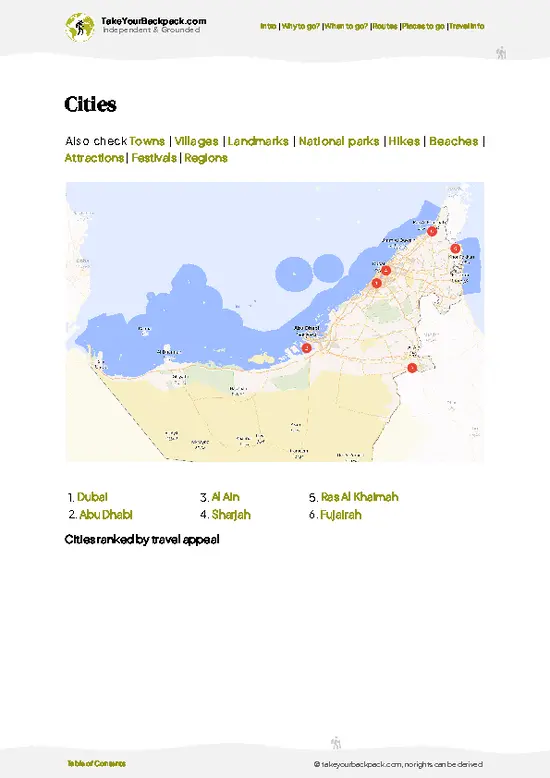
The sensible cluster is Dubai, Sharjah and Ras Al Khaimah in the north, linked by buses and taxis in 30 to 90 minutes. Abu Dhabi is about 1.5 to 2 hours from Dubai by intercity bus or car. A natural direction is to start in Abu Dhabi, move north through Dubai and Sharjah, then finish on the east coast at Fujairah, roughly 1.5 to 2 hours from Dubai by road. The far west, Al Dhafra and Liwa, is 3.5 to 4.5 hours from Dubai and works best as a separate trip with a rental car.

Pacing and common mistakes: Give each major city festival one full day or an afternoon plus evening, and … read more 👉
Plan 7 to 10 days: A trip combining several festivals in the UAE needs about 7 to 10 days, and 5 is the realistic minimum if you stay in the north. The country is compact, so the limit is energy and heat, not distance.

The sensible cluster is Dubai, Sharjah and Ras Al Khaimah in the north, linked by buses and taxis in 30 to 90 minutes. Abu Dhabi is about 1.5 to 2 hours from Dubai by intercity bus or car. A natural direction is to start in Abu Dhabi, move north through Dubai and Sharjah, then finish on the east coast at Fujairah, roughly 1.5 to 2 hours from Dubai by road. The far west, Al Dhafra and Liwa, is 3.5 to 4.5 hours from Dubai and works best as a separate trip with a rental car.

Pacing and common mistakes: Give each major city festival one full day or an afternoon plus evening, and heritage sites two to four hours. The main mistake is packing two events into one day across emirates, since traffic between Dubai and Sharjah can double a 30 minute trip at rush hour. Another is relying on the metro to reach desert or coastal sites, which usually need a taxi or rental car. Finally, many travelers book one hotel far from venues. Choose a base near a metro line, and keep Fridays flexible, because roads and venues are busiest then.

The ListMust-Visit festivals in UAE

1 Dubai Food Festival

street food, chef pop-ups, culinary workshops

Sample diverse cuisines, attend cooking demos, and discover new flavors in a city known for its international dining scene.

2 Dubai Jazz Festival

international headliners, waterfront stage, genre fusion

Hear jazz, blues, and fusion acts perform in a lively outdoor setting, attracting music fans from across the region.

3 Abu Dhabi Festival

concert halls, international artists, cultural dialogue

Attend performances where global musicians and artists collaborate, offering travelers a rare chance to experience cross-cultural creativity in the UAE’s capital.

4 Sharjah Light Festival

illuminated landmarks, projection art, nighttime displays

See historic buildings and mosques transformed by intricate light shows, drawing travelers into Sharjah’s public spaces after dark.

5 Al Dhafra Festival

camel competitions, Bedouin heritage, desert traditions

Watch camel beauty contests, traditional crafts, and heritage displays that immerse visitors in the customs of the western desert communities.

6 Liwa Date Festival

date tasting, agricultural displays, oasis market

Meet local farmers, taste fresh dates, and explore traditional farming methods in the heart of the Liwa desert.

7 Al Ain Camel Festival

camel races, livestock market, rural festivities

Watch traditional camel races and browse local markets, gaining insight into rural life and Emirati animal husbandry.

8 Ras Al Khaimah Fine Arts Festival

art exhibitions, heritage sites, local artists

View contemporary works in restored forts and outdoor spaces, connecting with the region’s creative community.

9 Al Ain Music Festival

open-air concerts, regional bands, historic venues

Listen to live music in gardens and forts, where diverse genres and local talent create a relaxed festival atmosphere.

10 Eid al-Fitr

family gatherings, mosque prayers, festive meals

Experience citywide celebrations as communities mark the end of Ramadan with shared meals, gifts, and a spirit of generosity.

11 Eid Al Etihad

national parades, fireworks, public performances

Join crowds for flag-waving processions, open-air concerts, and fireworks marking the anniversary of the UAE’s founding.

Loading the map 🌍

Expert viewWhat You Should Know

How many festivals to attend: Aim for two to three festivals in a trip of 7 to 10 days. That keeps you inside a comfortable budget and leaves space for the mosques, souks and desert time that make the UAE worth the flight. Going beyond three usually means repeating similar mall-and-stage formats, and the heat and long evenings wear you down.

Choosing by travel style: If you travel cheap and independent, prioritize heritage and community events, which often cost nothing or very little and give the clearest sense of local culture. If you like food, music or design, pick one large city festival and go on a weekday, when queues and prices are lower. Families and photographers should add one coastal or desert event for open space and better light at sunset. Skip multiple big-ticket concerts unless … read more 👉
How many festivals to attend: Aim for two to three festivals in a trip of 7 to 10 days. That keeps you inside a comfortable budget and leaves space for the mosques, souks and desert time that make the UAE worth the flight. Going beyond three usually means repeating similar mall-and-stage formats, and the heat and long evenings wear you down.

Choosing by travel style: If you travel cheap and independent, prioritize heritage and community events, which often cost nothing or very little and give the clearest sense of local culture. If you like food, music or design, pick one large city festival and go on a weekday, when queues and prices are lower. Families and photographers should add one coastal or desert event for open space and better light at sunset. Skip multiple big-ticket concerts unless music is the reason you came.

What it costs: Budget about US$60 to 110 a day (AED 220 to 400) for a mix of hostels or budget hotels, public transport and festival entry. Many heritage events are free or charge AED 10 to 50 (US$3 to 14). Large city festivals run AED 50 to 150 (US$14 to 41) for standard entry, with concerts and premium areas from AED 200 to 600 (US$54 to 163) and more. Food inside venues costs about AED 30 to 80 (US$8 to 22) a meal. Taxis cost AED 30 to 100 (US$8 to 27) per ride within a city, so a Dubai Nol card, Abu Dhabi bus pass or rideshare app saves real money.

Safety and etiquette: The UAE is very safe, but rules are strict. Carry ID or a passport copy, and never take photos of women or families without asking. Drones are restricted and need permits. Dress with covered shoulders and knees at heritage sites and during Ramadan, and keep public displays of affection and swearing minimal. Alcohol is only served in licensed hotels and venues, public drunkenness is an offense, and drugs carry harsh penalties, including for some prescription medicines, so check your own before flying.

Practical watch-outs: Heat is the real risk, not crime. Carry water, wear sunscreen, and shift outdoor time to late afternoon and evening. Buy tickets through the official organizer, since resale listings sometimes mislead. Confirm dates a week before you go, because programs shift. Arrive an hour before headline shows to beat parking and security queues, and keep your phone charged for e-tickets.

✈️ The backpacker research shortcutUAE Travel Guide

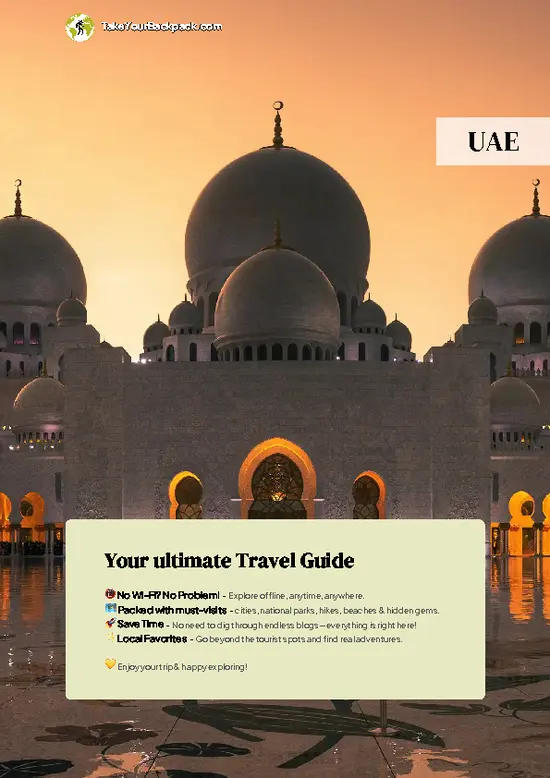
An offline-friendly backpacking guide with optimized travel routes, ranked highlights, transport advice, and the best areas to stay.
example page 0 from our offline Travel Guide for United Arab Emirates
example page 1 from our offline Travel Guide for United Arab Emirates
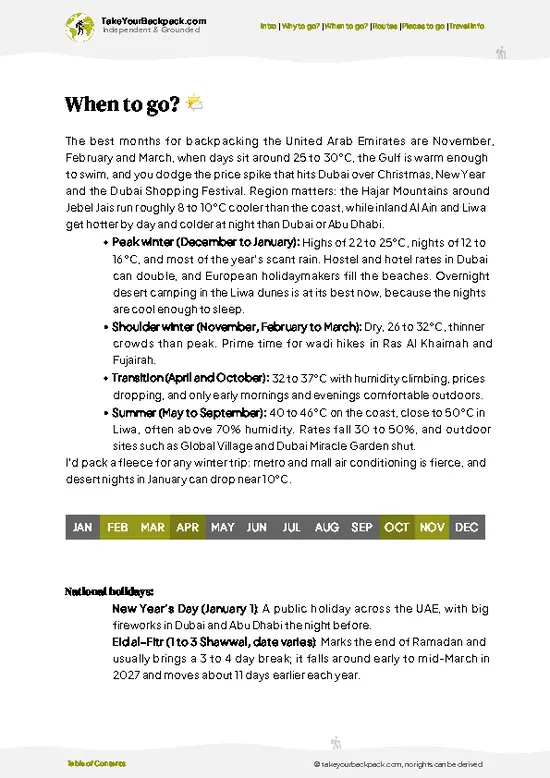
example page 2 from our offline Travel Guide for United Arab Emirates
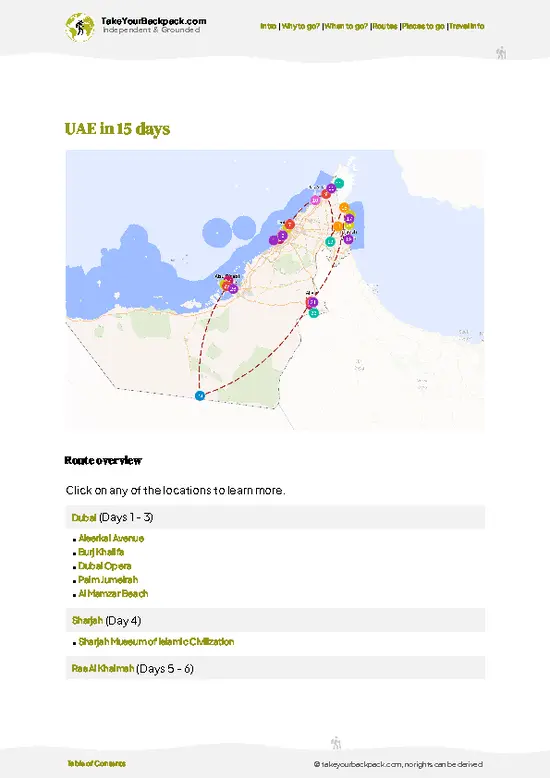
example page 3 from our offline Travel Guide for United Arab Emirates
example page 4 from our offline Travel Guide for United Arab Emirates
example page 5 from our offline Travel Guide for United Arab Emirates
example page 6 from our offline Travel Guide for United Arab Emirates
example page 7 from our offline Travel Guide for United Arab Emirates
The digital guide (263 pages) contains:
✅ 71 highlights, ranked by travel appeal
✅ Optimized 5, 10 & 15-day travel routes
✅ Cities, national parks, landmarks, beaches
✅ How to get around
✅ Offline-friendly for travel without Wi-Fi
👉 Click to see all 30+ guide features

📅 Plan smarter in minutes, not weeks
✅ Month by month travel advice
✅ Festivals & national holidays
✅ Budget expectations

🗺️ Go to the right places, skip the overrated ones
✅ Honest pros & cons of destinations
✅ Top hikes, parks & viewpoints
✅ Lesser-known places most travelers miss
✅ Clear “worth it vs skip it” guidance

🛏️ Travel smoothly without rookie mistakes
✅ Best areas to stay
✅ Transport systems explained simply
✅ Common scams & safety advice
✅ SIM cards, money & practical tips

🌍 Understand the country, not just visit it
✅ Culture & traditions
✅ 52 Essential phrases & customs
✅ Festivals worth planning around
✅ Traveler-friendly historical context
✅ Insights that make places more meaningful

📱 Built for real travel conditions
✅ Fully downloadable PDF
✅ Works completely offline
✅ Optimized for phone use
✅ Useful in remote areas & buses
✅ Everything in one place
Stop searching, start planning
Get instant access to your full guide. 30‑day money-back guarantee.
+ Add another guide for just

By proceeding you agree to our terms.
Sent to your inbox immediately after payment • 100% Secure Checkout
Best Backpacking Travel Advisor 2025 tourism awardBest Backpacking
Travel Advisor
2025
What others say about Take Your Backpack Guides:
⭐⭐⭐⭐⭐
Fantastic, amazing amount of information!
⭐⭐⭐⭐⭐
My goodness this is amazing, it's what I've been looking for hats off too you!
⭐⭐⭐⭐⭐
I think this is absolutely BRILLIANT
⭐⭐⭐⭐
Very complete and informative. It's still missing places, but I gotta to commend you
⭐⭐⭐⭐⭐
This is truly amazing, thank you, can't wait to explore it with my kids!
⭐⭐⭐⭐⭐
Awesome resource, thank you!
⭐⭐⭐⭐⭐
This is amazing! Can't wait to explore the ones I haven't seen
⭐⭐⭐⭐
I love this! Well done, great idea.
⭐⭐⭐⭐⭐
Thanks for taking the time to make this gem!
⭐⭐⭐⭐⭐
This might be the best website I've ever seen.
⭐⭐⭐⭐⭐
Congratulations, and thank you so much for your work; it's incredibly valuable.
⭐⭐⭐⭐
In all seriousness I think you did a great job pointing out the important spots
⭐⭐⭐⭐⭐
10/10 very good
⭐⭐⭐⭐⭐
As someone who's only just starting to visit regularly this is awesome, thank you.
⭐⭐⭐⭐
Thank you very much! I'm going to visit my dad, it's going to be very useful!
⭐⭐⭐⭐⭐
This is really cool! We'll be travelling for the first time and this definitely come in handy.
⭐⭐⭐⭐⭐
You are now our minister of culture, congratulations 👨‍💼
⭐⭐⭐⭐⭐
Just wanted to tell you that this is a pearl! Going to follow your recommendations.
⭐⭐⭐⭐⭐
This is so cool. I'll definitely be using the resource for my travels soon.
⭐⭐⭐⭐⭐
This is very impressive! Good work.
⭐⭐⭐⭐⭐
This is an amazing and informative site. Very well done!

🛏️ Where to stay?Where to Base Yourself

The United Arab Emirates has a small but growing hostel scene, with dorm beds typically running AED 60 to 120 (US$16 to 33) a night and basic private rooms in budget hotels from roughly AED 150 to 250 (US$40 to 70). In Dubai, the old districts of Deira and Bur Dubai hold the most cheap beds, close to the creek, the souks and the metro, safe and lively until late but noisy and a bit dated. Al Barsha and Dubai Marina put you nearer the beach, malls and nightlife at higher prices, while in Abu Dhabi the downtown grid around Al Zahiyah and Al Markaziyah is quiet and very safe, though most big sights there need a bus or taxi ride.

If you enjoy meeting fellow travelers, consider choosing hostels with … read more 👉
The United Arab Emirates has a small but growing hostel scene, with dorm beds typically running AED 60 to 120 (US$16 to 33) a night and basic private rooms in budget hotels from roughly AED 150 to 250 (US$40 to 70). In Dubai, the old districts of Deira and Bur Dubai hold the most cheap beds, close to the creek, the souks and the metro, safe and lively until late but noisy and a bit dated. Al Barsha and Dubai Marina put you nearer the beach, malls and nightlife at higher prices, while in Abu Dhabi the downtown grid around Al Zahiyah and Al Markaziyah is quiet and very safe, though most big sights there need a bus or taxi ride.

If you enjoy meeting fellow travelers, consider choosing hostels with high ratings for atmosphere. On the other hand, if you prefer having your own space, a hotel might be a better option.

UAEExpand Your Journey

👋 Meet the founderWho’s Behind Take Your Backpack?

Johan, backpacker and founder of TakeYourBackpackHi, I’m Johan (Netherlands 🇳🇱), the creator of TakeYourBackpack. Over the past 3 decades, I’ve backpacked through 90+ countries across six continents, gaining extensive experience with independent travel, long-term trips, and overland routes.

This site is built on a combination of firsthand travel experience and carefully curated insights from other backpackers. Many guides are based on places I’ve personally visited, while others bring together tips, observations, and practical advice shared by trusted travelers I’ve met along the way.

The goal is to provide realistic, experience-driven guidance — not generic itineraries — so you can explore destinations with better context, clearer expectations, and more confidence.