v2.webp)
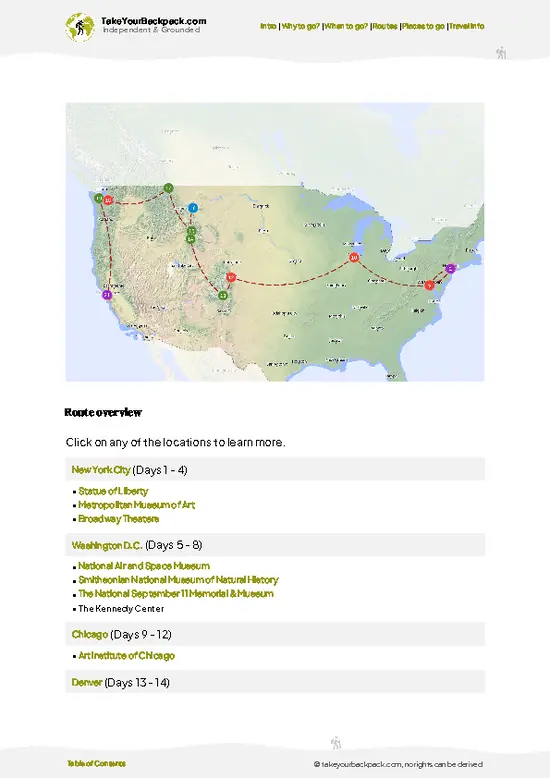
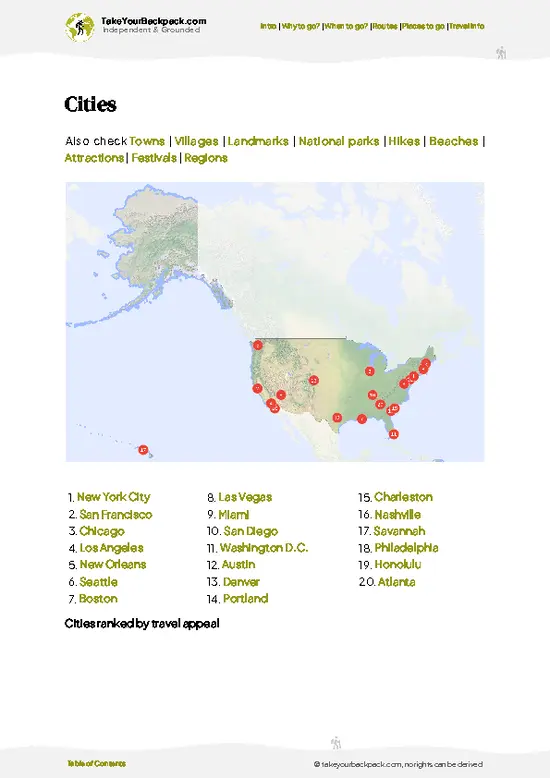
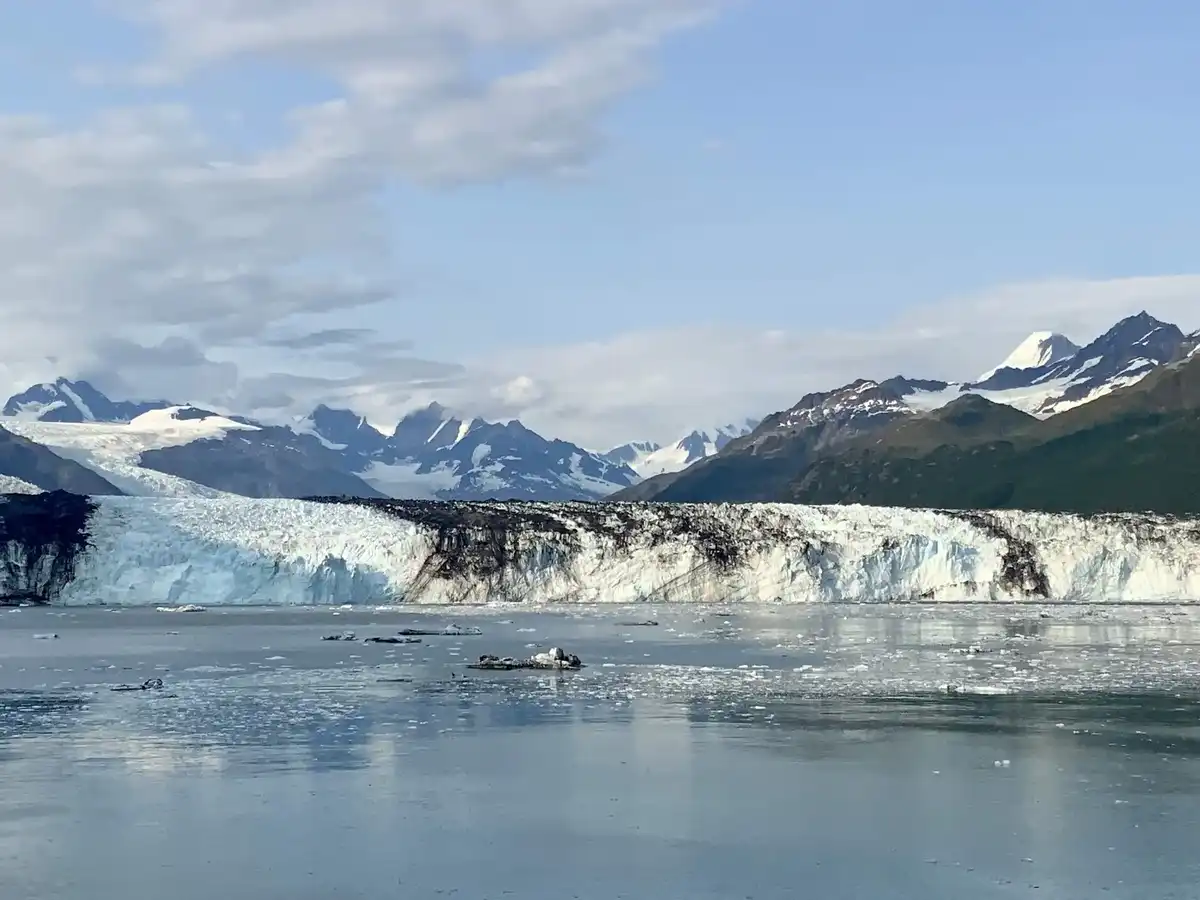
- Margerie Glacier (Ice Falls of the East Arm) — One of Glacier Bay’s most photogenic tidewater glaciers: deep blue seracs, frequent calving, and walls you can approach by small boat. It’s loud, showy, and gives you that full-on glacier theater experience you can’t fake anywhere else.
- Johns Hopkins Glacier & Johns Hopkins Inlet — Active, fast-moving, and the place you go if you want thunderous calving and icebergs bobbing in a quiet fjord. (Personal favorite — the color of the ice and the sense of scale are unforgettable; best seen from a zodiac or kayak when conditions allow.)
- Tarr Inlet & Grand Pacific Glacier — Rugged, dramatic inlet with a sprawling moraine and the Grand Pacific’s black-rock foreground; great for photographers who like contrast between coal-dark sediment and electric
- Margerie Glacier (Ice Falls of the East Arm) — One of Glacier Bay’s most photogenic tidewater glaciers: deep blue seracs, frequent calving, and walls you can approach by small boat. It’s loud, showy, and gives you that full-on glacier theater experience you can’t fake anywhere else.
- Johns Hopkins Glacier & Johns Hopkins Inlet — Active, fast-moving, and the place you go if you want thunderous calving and icebergs bobbing in a quiet fjord. (Personal favorite — the color of the ice and the sense of scale are unforgettable; best seen from a zodiac or kayak when conditions allow.)
- Tarr Inlet & Grand Pacific Glacier — Rugged, dramatic inlet with a sprawling moraine and the Grand Pacific’s black-rock foreground; great for photographers who like contrast between coal-dark sediment and electric blue ice. Compared with the big-name glaciers, Tarr feels wilder and a bit moodier.
- Lituya Bay (The 1958 Megatsunami Site) — Remote, eerie, and historically famous for the world’s largest recorded tsunami; you can still see the stripped trees and the unique geology that caused the event. A proper hidden gem: you’ll likely be one of the few boats to push into the bay, and the story behind the landscape sticks with you.
- Ainsworth Bay & Tidewater Beach — Small inlet with quiet beaches, tidal flats, and great chances to spot seals hauled out and bears picking the shoreline at low tide. Mostly missed by day-cruise routes, so it’s a real local favorite for a peaceful shoreline hike or a calm paddle (hidden gem).
- Sage Beach & Bartlett Cove Shoreline — Easy to reach from the park’s main access point and surprisingly varied for such a short walk: kelp beds, tide pools, and late-night light that’s perfect for solo reflections. Not flashy, but it’s where many Glacier Bay veterans come back to sit and watch the tide — small but quietly special (hidden gem).
- Glacier Bay Whale and Marine Mammal Feeding Grounds — Summer humpback concentrations here are distinctive: deep fjords funnel baitfish, and the whales put on real feeding shows with scores of sea birds and porpoises in the mix. It’s a marine ecosystem you feel part of, not just a wildlife checklist.
- Fairweather Range Vistas (including views of Mount Fairweather) — Jagged, glaciated peaks that wall the bay on clear days; the light on those faces is why photographers get up before dawn. The scale of mountains dropping into sea-level fjords is pretty much as Alaskan as it gets.
- Reid Inlet & Remote Pebble Beaches — A quieter inlet with sprawling pebble beaches, bird life, and the kind of solitude where you can read the shoreline like a map of glacial retreat. Good for campers and paddlers who want to explore tidal ecosystems without crowds.
- Huna Tlingit Ancestral Village Sites within Glacier Bay — Scattered cultural locations and traditional-use places inside the park tell the human side of Glacier Bay: seasonal harvesting spots, clan sites, and oral-history landscapes. These places give context to the glaciers and wildlife — they’re culturally specific to this place and worth visiting respectfully with a guide or local interpretation.
Spotted a mistake or missing something? Contact us.

 Best Backpacking
.jpg) Hi, I’m Johan (Netherlands 🇳🇱), the creator of TakeYourBackpack. Over the past decade, I’ve backpacked through 80+ countries across six continents, gaining extensive experience with independent travel, long-term trips, and overland routes.
Hi, I’m Johan (Netherlands 🇳🇱), the creator of TakeYourBackpack. Over the past decade, I’ve backpacked through 80+ countries across six continents, gaining extensive experience with independent travel, long-term trips, and overland routes.