×

the USA🇺🇸 | regionsHawaiiIsland-hopping flights, Kīlauea lava, Nāpali cliffs, Haleakalā sunrise | things to do and best time to go

Explore GeorgiaExplore Idaho

Backpacking in Hawaii
🏆 Top pickregion ranked #2
By Johan Kruseman 🇳🇱 | Updated October 22, 2026

Hawaii is famous for beaches and volcanoes, yet the overlooked part is that the islands are separate trips stitched together by flights, and every choice costs you something. Hawaii sits in the middle of the Pacific, a long way from the mainland of the United States, and its main islands are Oʻahu, Maui, Kauaʻi and Hawaiʻi Island. Beauty is the easy part: waterfalls, lava fields, the Nāpali coast, Haleakalā. Prices are the hard part, and so are crowds at the famous spots. On Hawaiʻi Island I once spent an hour at a grocery store checking the bulletin board for a ride share to a trailhead, and it saved me a rental car. Renting a car for every island is pricey, while a car on only one or two islands, with cheap buses on Oʻahu, gives a backpacker the most for the money and the least stress. Book your inter-island flights and your campsite permits before you land.

Discover everything you want to know in the 📖 the USA Travel Guide.


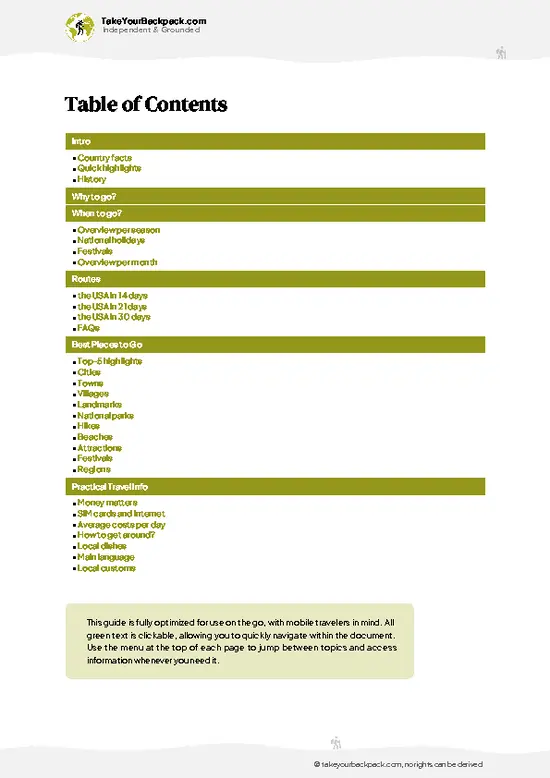
example page 0 from our offline Travel Guide for United States
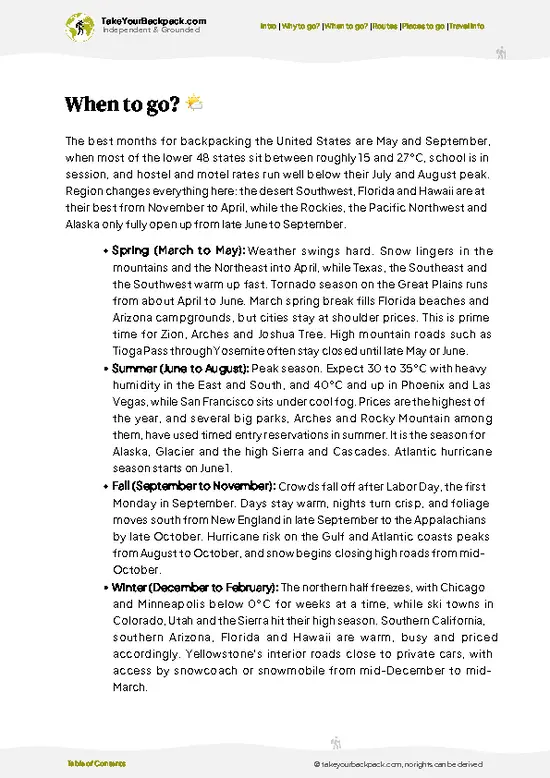
example page 1 from our offline Travel Guide for United States
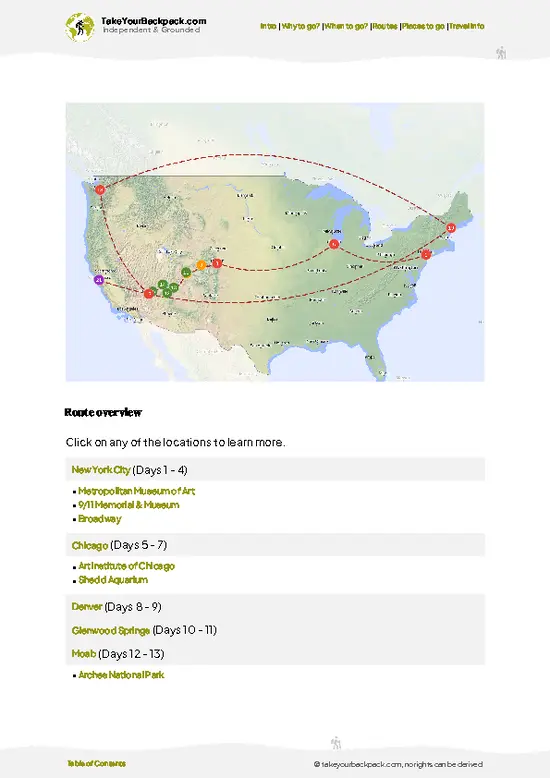
example page 2 from our offline Travel Guide for United States
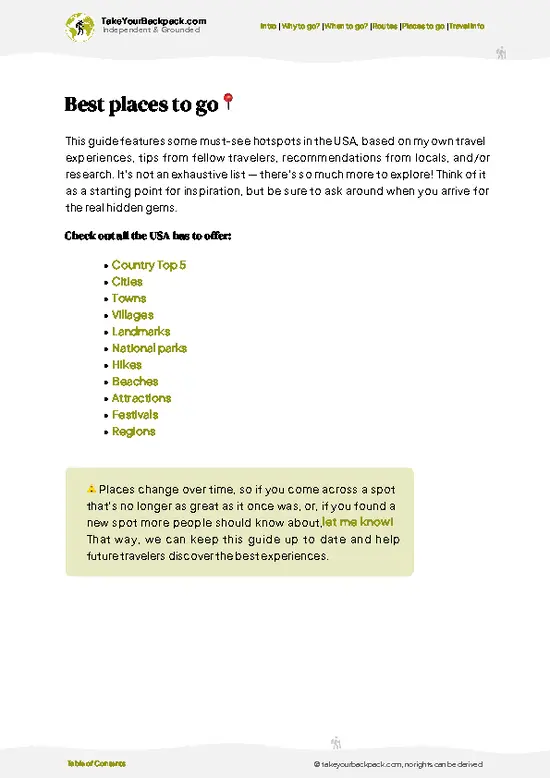
example page 3 from our offline Travel Guide for United States
example page 4 from our offline Travel Guide for United States
example page 5 from our offline Travel Guide for United States
example page 6 from our offline Travel Guide for United States
example page 7 from our offline Travel Guide for United States
Loading the map 🌍
CLICK TO FILTER
cities
towns
villages
landmarks
national parks
hikes
beaches
attractions
festivals
regions
SHOW COUNTRY’S BESTSHOW ALL

✨ Why go?
Ranked #2 region in the USA
Reasons people choose to visit here

Hawaii rewards backpackers who treat it as four trips rather than one. The first reason is contrast. On Hawaiʻi Island you can stand beside an active volcano in the morning and snorkel with turtles by afternoon, and on Kauaʻi the Nāpali coast gives you rainforest, sea cliffs and a multi-day trail without leaving one island. Oʻahu offers the opposite pace, with city food, surf beaches and a real bus system, so you can stay put for days and still see a lot.

The second reason is flexibility. Short inter-island flights make it easy to drop an island or add one, and the state’s public parks and campgrounds, once permitted, are the cheapest way to sleep near the best scenery. Hostels cluster in Waikīkī and a few other towns, which suits slow travel because you can pair a beach week with a hiking … read more 👉
Hawaii rewards backpackers who treat it as four trips rather than one. The first reason is contrast. On Hawaiʻi Island you can stand beside an active volcano in the morning and snorkel with turtles by afternoon, and on Kauaʻi the Nāpali coast gives you rainforest, sea cliffs and a multi-day trail without leaving one island. Oʻahu offers the opposite pace, with city food, surf beaches and a real bus system, so you can stay put for days and still see a lot.

The second reason is flexibility. Short inter-island flights make it easy to drop an island or add one, and the state’s public parks and campgrounds, once permitted, are the cheapest way to sleep near the best scenery. Hostels cluster in Waikīkī and a few other towns, which suits slow travel because you can pair a beach week with a hiking week.

The third reason is culture. Hawaiian language, hula, taro farms and local plate lunches are everyday life here, not performances, and you meet them best when you slow down and eat where residents do.

💡 HighlightsPlaces and moments you shouldn't skip

  1. Hawaiʻi Volcanoes National Park on Hawaiʻi Island: Kīlauea’s crater, steam vents and lava tubes, with the Crater Rim Drive and Thurston Lava Tube as easy starting points. Entry is a per-vehicle or per-person fee.
  2. Haleakalā National Park on Maui: a vast crater above the clouds, best for sunrise, which requires a reservation, or for hiking inside the crater on the Sliding Sands Trail.
  3. Nāpali Coast and Kalalau Trail on Kauaʻi: sheer green cliffs reached by an 11-mile trail, with day hikes to Hanakāpīʻai Beach needing advance entry reservations.
  4. Pearl Harbor National Memorial on Oʻahu: the USS Arizona Memorial is free but needs a timed ticket, and it is the most serious hour of any trip here.
  5. Waimea Canyon on Kauaʻi: a red and green gorge often called the Grand Canyon of the Pacific, with lookouts
… read more 👉
  1. Hawaiʻi Volcanoes National Park on Hawaiʻi Island: Kīlauea’s crater, steam vents and lava tubes, with the Crater Rim Drive and Thurston Lava Tube as easy starting points. Entry is a per-vehicle or per-person fee.
  2. Haleakalā National Park on Maui: a vast crater above the clouds, best for sunrise, which requires a reservation, or for hiking inside the crater on the Sliding Sands Trail.
  3. Nāpali Coast and Kalalau Trail on Kauaʻi: sheer green cliffs reached by an 11-mile trail, with day hikes to Hanakāpīʻai Beach needing advance entry reservations.
  4. Pearl Harbor National Memorial on Oʻahu: the USS Arizona Memorial is free but needs a timed ticket, and it is the most serious hour of any trip here.
  5. Waimea Canyon on Kauaʻi: a red and green gorge often called the Grand Canyon of the Pacific, with lookouts along the road and trails into the canyon.
  6. Diamond Head (Lēʻahi) on Oʻahu: a short crater hike with a city and ocean view, with a required reservation for entry.
  7. Road to Hāna on Maui: a winding road past waterfalls, bamboo and black sand beaches at Waiʻānapanapa State Park, best taken slowly with stops.
  8. Punaluʻu Black Sand Beach on Hawaiʻi Island: dark sand where green sea turtles often rest, and a spot most visitors only pass quickly.
  9. Waipiʻo Valley Lookout on Hawaiʻi Island: a deep, waterfall-lined valley on the Hāmākua coast, often skipped by people heading straight to the volcano.
  10. Hanalei Valley Lookout and the town of Hanalei on Kauaʻi: taro fields below mountains, with a quiet bay and local shave ice nearby.
Hawaii rewards starting at Hawaiʻi Volcanoes National Park early, because the crater is quieter in the morning and the cloud usually builds by midday.
Spotted a mistake or missing something? Contact us.

Things to do around Hawaii

Ratings based on Tripadvisor reviews. When you book through this link, you support our work at no extra cost to you.

⌛️ 5 daysWhat you can realistically do in a week

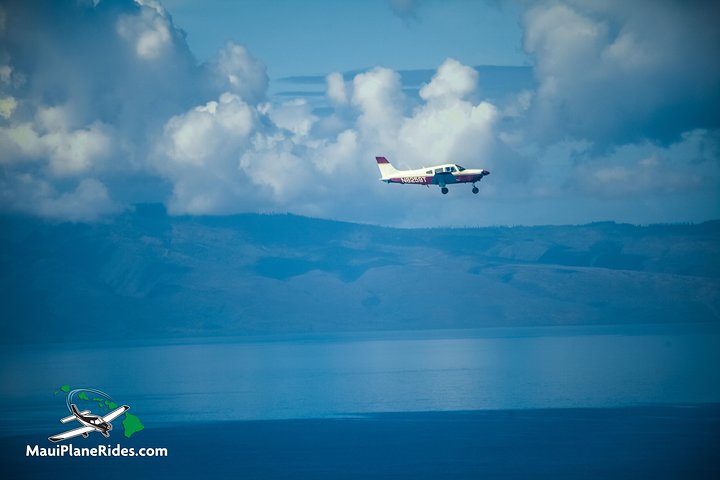
Day 1: Honolulu: This is an arrival and city-food day. Flights land on Oʻahu, and it is the only island where buses can carry you around, so use it to adjust to the time zone, wander Waikīkī and the markets, and book your onward flights and park permits. Keeping the first day car-free saves money, because you only rent where you must.

Day 2: Hawaiʻi Island (Hilo): Fly in the morning, because inter-island hops are short and the island is large enough to need a car. Hilo’s rain-fed waterfalls and farmers market make a calm first stop, and Volcanoes National Park is a drive away. Spend the afternoon at the crater overlooks, then stay near the park so you catch the glow after dark.

Day 3: Hawaiʻi Island (Punaluʻu and Kona): Drive the southern route past the black sand beach and finish on the … read more 👉
Day 1: Honolulu: This is an arrival and city-food day. Flights land on Oʻahu, and it is the only island where buses can carry you around, so use it to adjust to the time zone, wander Waikīkī and the markets, and book your onward flights and park permits. Keeping the first day car-free saves money, because you only rent where you must.

Day 2: Hawaiʻi Island (Hilo): Fly in the morning, because inter-island hops are short and the island is large enough to need a car. Hilo’s rain-fed waterfalls and farmers market make a calm first stop, and Volcanoes National Park is a drive away. Spend the afternoon at the crater overlooks, then stay near the park so you catch the glow after dark.

Day 3: Hawaiʻi Island (Punaluʻu and Kona): Drive the southern route past the black sand beach and finish on the Kona side, where the sunny coast offers snorkeling. Keep to one island for two days, since each flight and car return eats time and money.

Day 4: Kauaʻi: Fly over, then head to Waimea Canyon and its lookouts. The car is useful here because buses are limited.

Day 5: Nāpali Coast (Kalalau Trail): Hike to Hanakāpīʻai Beach with your reservation in hand.

For a detour, add a half day at Waipiʻo Valley Lookout when driving between Hilo and Kona. It adds a green valley view without a single extra flight.

If you only had one day to justify the trip, I would choose Day 5, because the Nāpali trail is the scenery that no other stop here matches.

🌤️ When to go?Best time to visit Hawaii

  • Dry Season (May to October): Sun and steady trade winds, with coastal highs of 29 to 32°C (84 to 90°F) and lows of 21 to 24°C (70 to 75°F). Daylight stretches to about 13 hours in June, and beaches on the south and west shores stay calm.
  • Wet Season (November to March): Rain falls hardest on windward coasts and mountain slopes, while highs hover at 26 to 28°C (79 to 82°F). North Shore surf on Oʻahu peaks, and humpback whales cruise off Maui from December through March. Daylight drops to roughly 11 hours.
  • Holiday Peaks (mid-December to early January, June to August): Flights and rentals climb 20 to 40 percent, and popular beaches and trailheads fill up.
  • Shoulder Months (April to early June, September to mid-November): Crowds thin, rooms drop in price, and weather stays mostly dry. This is my pick
… read more 👉
  • Dry Season (May to October): Sun and steady trade winds, with coastal highs of 29 to 32°C (84 to 90°F) and lows of 21 to 24°C (70 to 75°F). Daylight stretches to about 13 hours in June, and beaches on the south and west shores stay calm.
  • Wet Season (November to March): Rain falls hardest on windward coasts and mountain slopes, while highs hover at 26 to 28°C (79 to 82°F). North Shore surf on Oʻahu peaks, and humpback whales cruise off Maui from December through March. Daylight drops to roughly 11 hours.
  • Holiday Peaks (mid-December to early January, June to August): Flights and rentals climb 20 to 40 percent, and popular beaches and trailheads fill up.
  • Shoulder Months (April to early June, September to mid-November): Crowds thin, rooms drop in price, and weather stays mostly dry. This is my pick for backpackers.
  • Summit Cold: Mauna Kea and Haleakalā summits can hit freezing at night year-round.
Book inter-island flights and car rentals well ahead if you travel during the holiday peaks.


source: climatestotravel.comJANJanuary: good for travelingFEBFebruary: good for travelingMARMarch: good for travelingAPRApril: excellent for travelingMAYMay: excellent for travelingJUNJune: highly recommended for travelingJULJuly: highly recommended for travelingAUGAugust: highly recommended for travelingSEPSeptember: excellent for travelingOCTOctober: excellent for travelingNOVNovember: fair for travelingDECDecember: fair for traveling
when-to-go

✈️ The backpacker research shortcutthe USA Travel Guide

An offline-friendly backpacking guide with optimized travel routes, ranked highlights, transport advice, and the best areas to stay.
example page 0 from our offline Travel Guide for United States
example page 1 from our offline Travel Guide for United States
example page 2 from our offline Travel Guide for United States
example page 3 from our offline Travel Guide for United States
example page 4 from our offline Travel Guide for United States
example page 5 from our offline Travel Guide for United States
example page 6 from our offline Travel Guide for United States
example page 7 from our offline Travel Guide for United States
The digital guide (451 pages) contains:
✅ 159 highlights, ranked by travel appeal
✅ Optimized 14, 21 & 30-day travel routes
✅ Cities, national parks, landmarks, beaches
✅ How to get around
✅ Offline-friendly for travel without Wi-Fi
👉 Click to see all 30+ guide features

📅 Plan smarter in minutes, not weeks
✅ Month by month travel advice
✅ Festivals & national holidays
✅ Budget expectations

🗺️ Go to the right places, skip the overrated ones
✅ Honest pros & cons of destinations
✅ Top hikes, parks & viewpoints
✅ Lesser-known places most travelers miss
✅ Clear “worth it vs skip it” guidance

🛏️ Travel smoothly without rookie mistakes
✅ Best areas to stay
✅ Transport systems explained simply
✅ Common scams & safety advice
✅ SIM cards, money & practical tips

🌍 Understand the country, not just visit it
✅ Culture & traditions
✅ Local customs
✅ Festivals worth planning around
✅ Traveler-friendly historical context
✅ Insights that make places more meaningful

📱 Built for real travel conditions
✅ Fully downloadable PDF
✅ Works completely offline
✅ Optimized for phone use
✅ Useful in remote areas & buses
✅ Everything in one place
Stop searching, start planning
Get instant access to your full guide. 30‑day money-back guarantee.
+ Add another guide for just

By proceeding you agree to our terms.
Sent to your inbox immediately after payment • 100% Secure Checkout
Best Backpacking Travel Advisor 2025 tourism awardBest Backpacking
Travel Advisor
2025
What others say about Take Your Backpack Guides:
⭐⭐⭐⭐⭐
Fantastic, amazing amount of information!
⭐⭐⭐⭐⭐
My goodness this is amazing, it's what I've been looking for hats off too you!
⭐⭐⭐⭐⭐
I think this is absolutely BRILLIANT
⭐⭐⭐⭐
Very complete and informative. It's still missing places, but I gotta to commend you
⭐⭐⭐⭐⭐
This is truly amazing, thank you, can't wait to explore it with my kids!
⭐⭐⭐⭐⭐
Awesome resource, thank you!
⭐⭐⭐⭐⭐
This is amazing! Can't wait to explore the ones I haven't seen
⭐⭐⭐⭐
I love this! Well done, great idea.
⭐⭐⭐⭐⭐
Thanks for taking the time to make this gem!
⭐⭐⭐⭐⭐
This might be the best website I've ever seen.
⭐⭐⭐⭐⭐
Congratulations, and thank you so much for your work; it's incredibly valuable.
⭐⭐⭐⭐
In all seriousness I think you did a great job pointing out the important spots
⭐⭐⭐⭐⭐
10/10 very good
⭐⭐⭐⭐⭐
As someone who's only just starting to visit regularly this is awesome, thank you.
⭐⭐⭐⭐
Thank you very much! I'm going to visit my dad, it's going to be very useful!
⭐⭐⭐⭐⭐
This is really cool! We'll be travelling for the first time and this definitely come in handy.
⭐⭐⭐⭐⭐
You are now our minister of culture, congratulations 👨‍💼
⭐⭐⭐⭐⭐
Just wanted to tell you that this is a pearl! Going to follow your recommendations.
⭐⭐⭐⭐⭐
This is so cool. I'll definitely be using the resource for my travels soon.
⭐⭐⭐⭐⭐
This is very impressive! Good work.
⭐⭐⭐⭐⭐
This is an amazing and informative site. Very well done!

🛏️ Where to stay?Choosing the right base

Waikīkī on Oʻahu is the easiest first stop for backpackers, with the most hostels and the widest mix of solo travelers on the islands. A bed in a dorm runs US$35 to 60 a night, the beach is a short walk, and TheBus links it to Honolulu and the rest of the island. It is crowded and touristy, but you can meet people within an hour of arrival.

On Oʻahu, the North Shore around Haleʻiwa is the quieter alternative, with a surf crowd, a relaxed pace and a few budget beds, though you want a car or a lot of patience with the bus. On Maui, Kīhei and Lahaina’s surrounding areas have cheaper lodging than … read more 👉
Waikīkī on Oʻahu is the easiest first stop for backpackers, with the most hostels and the widest mix of solo travelers on the islands. A bed in a dorm runs US$35 to 60 a night, the beach is a short walk, and TheBus links it to Honolulu and the rest of the island. It is crowded and touristy, but you can meet people within an hour of arrival.

On Oʻahu, the North Shore around Haleʻiwa is the quieter alternative, with a surf crowd, a relaxed pace and a few budget beds, though you want a car or a lot of patience with the bus. On Maui, Kīhei and Lahaina’s surrounding areas have cheaper lodging than the resort strips, with Kīhei the stronger social pick because of its beaches and grocery stores. Paia on the north coast has a bohemian windsurfer feel.

On Hawaiʻi Island, Hilo is the budget favorite, with farmers markets, rain, and easy access to Volcanoes National Park, while Kailua-Kona has sunnier weather and snorkeling. Kauaʻi is the priciest, but Kapaʻa has a few hostels and low-cost rooms close to the coast path. All of these towns are safe for solo travelers, though lock your car and leave nothing visible at trailheads.

🚌 Getting aroundGetting around like a local

Hawaii is walkable only in small pockets, such as central Waikīkī, downtown Hilo, Lahaina’s rebuilding waterfront or Kapaʻa town, and then the sidewalks give out and the island shrugs at you. Most backpackers fly between islands, then combine buses, rideshares and a rental car for a few days. It works, but only if you accept that the Pacific is wide and the buses are not everywhere.
  • Inter-island flights: Hawaiian, Southwest and Mokulele run short hops of 30 to 50 minutes, usually US$50 to 120 one way. The ferry does not exist, so flying is the only sane option, and booking early gets you the low end.
  • TheBus (Oʻahu): A ride costs US$3, with a day pass around US$7.50. It reaches Waikīkī, Honolulu, Pearl Harbor and Hanauma Bay, and it is the best value on the islands, though big backpacks are not
… read more 👉
Hawaii is walkable only in small pockets, such as central Waikīkī, downtown Hilo, Lahaina’s rebuilding waterfront or Kapaʻa town, and then the sidewalks give out and the island shrugs at you. Most backpackers fly between islands, then combine buses, rideshares and a rental car for a few days. It works, but only if you accept that the Pacific is wide and the buses are not everywhere.
  • Inter-island flights: Hawaiian, Southwest and Mokulele run short hops of 30 to 50 minutes, usually US$50 to 120 one way. The ferry does not exist, so flying is the only sane option, and booking early gets you the low end.
  • TheBus (Oʻahu): A ride costs US$3, with a day pass around US$7.50. It reaches Waikīkī, Honolulu, Pearl Harbor and Hanauma Bay, and it is the best value on the islands, though big backpacks are not allowed on board, so pack small.
  • Neighbor island buses: Maui Bus, Kauaʻi Bus and Hele-On on Hawaiʻi Island cost roughly US$2 to 3 per ride. They are cheap and slow, with long gaps between runs, so plan your day around the timetable rather than the other way around.
  • Rental car: Expect US$50 to 110 a day, plus parking at some beaches. Time, comfort and reach all win here, and splitting one among three or four people makes it the best deal on Maui, Kauaʻi and Hawaiʻi Island, where the sights are spread out.
  • Rideshare and shuttles: Uber and Lyft work around Honolulu, Kahului and Kona, with airport trips from US$20 to 60. They are handy for a short hop, painful for anything longer.
Skip the car on Oʻahu, where parking in Waikīkī can cost US$40 or more a night, and rent one only for the days you leave town on the other islands.

🍲 FoodLocal Cuisine & Drinks

Start with poke, cubes of raw ahi tossed with soy, sesame oil, sweet onion and seaweed, sold by the pound from grocery counters for around US$12 to 20. The plate lunch is the budget staple: two scoops of rice, macaroni salad and a main like kalua pork, chicken katsu or loco moco, for roughly US$10 to 16. Smoky, salty kalua pork comes from the underground oven tradition, and sweet, milky haupia coconut pudding finishes it off.

For snacks, chase shave ice doused in tropical syrups (US$5 to 8), malasadas hot from the fryer, and a bag of spam musubi from a convenience store for about US$3. Farmers markets, especially in Hilo and Kapaʻa, sell apple bananas, lilikoʻi and lychee at low prices. Food trucks near the North Shore serve garlicky shrimp over rice, and roadside stands on Maui offer banana … read more 👉
Start with poke, cubes of raw ahi tossed with soy, sesame oil, sweet onion and seaweed, sold by the pound from grocery counters for around US$12 to 20. The plate lunch is the budget staple: two scoops of rice, macaroni salad and a main like kalua pork, chicken katsu or loco moco, for roughly US$10 to 16. Smoky, salty kalua pork comes from the underground oven tradition, and sweet, milky haupia coconut pudding finishes it off.

For snacks, chase shave ice doused in tropical syrups (US$5 to 8), malasadas hot from the fryer, and a bag of spam musubi from a convenience store for about US$3. Farmers markets, especially in Hilo and Kapaʻa, sell apple bananas, lilikoʻi and lychee at low prices. Food trucks near the North Shore serve garlicky shrimp over rice, and roadside stands on Maui offer banana bread still warm. Kona coffee and cold-brew from small cafés can run US$4 to 7 a cup.

A few customs matter. Locals often take shoes off at the door of a home, and sharing a plate is normal. Tipping 15 to 20 percent at sit-down places is expected. Groceries are costly because nearly everything arrives by ship, so cooking in your hostel kitchen saves real money.

FAQTraveler FAQ

Plan 10 to 14 days to see Hawaii across several islands without rushing. Oʻahu deserves 3 to 4 days for Honolulu, Pearl Harbor and the North Shore, and Maui and Hawaiʻi Island each need 3 to 4 days. With a week, pick two islands and fly between them for US$50 to 120 one way.
Hawaii is manageable without a car on Oʻahu, where TheBus costs US$3 a ride and reaches Waikīkī, Honolulu, Pearl Harbor and many beaches. The other islands have county buses at about US$2 to 3 a ride, but they run infrequently and skip many trailheads. Inter-island travel is by plane only, and rideshares fill gaps around Kona, Kahului and Honolulu.
Hawaii is known for volcanoes, surf and Polynesian culture. Kīlauea and Mauna Loa on Hawaiʻi Island sit inside Volcanoes National Park, while Oʻahu holds Waikīkī, Pearl Harbor and the North Shore’s big winter waves. Maui adds the Road to Hana and sunrise at Haleakalā, and Kauaʻi offers the Nā Pali Coast, so expect hiking, snorkeling, poke and plate lunches.
⚠️ Things can change over time, so always validate details locally before you go.

Other American regions near Hawaii

Explore more nearby:

  • California—Sierra granite, redwood coast, Mojave basins, Highway 1| 3973 km away
  • Oregon—Crater Lake blue, Columbia Gorge falls, coastal sea stacks, high desert playas| 4206 km away
  • Nevada—Neon Strip, Valley of Fire, Great Basin darkness, ghost mining towns| 4305 km away

💡 Not sure where to go next?
Create a personalized itinerary for the USA including Hawaii and the places that fit your trip.

Generate my itinerary

👉 Discover all regions

Or checkout all the USA has to offer (think cities, towns, villages, national parks, hikes, beaches, festivals)
Country photo of the USA

We 💚 feedbackFinal thoughts on visiting Hawaii

Hawaii is easy to rush because flights are quick, but the details are in the small places: farm stands, county beach parks, trailheads with no sign. I would spend fewer islands and more days, eat plate lunches instead of resort meals, and reserve your big hikes weeks ahead so you can wander freely the rest of the time.

✈️ When did I visit the USA?
In January 2023 I visited New York. Many years before, before digital cameras existed, I discovered most of the national parks in the West.

✍️ Help improve this page!
The information on this page is based on my own backpacking experience in the USA, supplemented with up-to-date research and feedback from other travelers. Travel details can change, so if you notice anything outdated or incomplete, feel free to let me know.


🙋‍♂️ Give feedback

👋 Meet the founderWho’s Behind Take Your Backpack?

Johan, backpacker and founder of TakeYourBackpackHi, I’m Johan (Netherlands 🇳🇱), the creator of TakeYourBackpack. Over the past 3 decades, I’ve backpacked through 90+ countries across six continents, gaining extensive experience with independent travel, long-term trips, and overland routes.

This site is built on a combination of firsthand travel experience and carefully curated insights from other backpackers. Many guides are based on places I’ve personally visited, while others bring together tips, observations, and practical advice shared by trusted travelers I’ve met along the way.

The goal is to provide realistic, experience-driven guidance — not generic itineraries — so you can explore destinations with better context, clearer expectations, and more confidence.