×
Haleakalā National Park

the USA🇺🇸 | national parksHaleakalā National Park
volcanic crater, sunrise views, native silversword | things to do and best time to go

Explore Great Smoky MountainsExplore Hawaii Volcanoes National Park

Backpacking in Haleakalā
🌟 Highlightnational park ranked #14
By Johan Kruseman 🇳🇱 | last update: 9 April, 2026

Your first real fork in the road at Haleakalā is simple but huge: do you burn a precious pre-dawn wake-up (and rental-car sanity) on the famous summit sunrise, or skip the circus and save your energy for the crater trails and backcountry? Haleakalā National Park sits on Maui in the state of Hawaii, in the USA. For backpackers, it’s harsh and beautiful: long cinder and ash trails, big skies, rare birds, and backcountry cabins instead of classic car-camping ease. It’s pricier and less flexible than many mainland USA parks, with limited water, strict permits, and heavy sunrise crowds, but the volcanic moonscape feels far wilder than most places in the USA, including busier, more road-friendly parks like Hawaiʻi Volcanoes or Yosemite.

Discover everything you want to know in the 📖 the USA Travel Guide.
Loading the map 🌍
CLICK TO FILTER
city
town
village
unique site
national park
hike
beach
attraction
festival
region
SHOW COUNTRY‘S BESTSHOW ALL

✨ Why go?
Ranked #14 national park in the USA
Why visitors keep coming back

Haleakalā National Park in the USA attracts backpackers for its independent exploration opportunities. You can roam freely, choosing from a variety of trails that cater to different skill levels. Budget-conscious travelers appreciate the camping options within the park and nearby hostels, making it easy to stretch your dollars. The park is particularly suited for self-guided travelers, allowing you to set your own pace without the constraints of tours. This flexibility means you can focus your energy and budget on the experiences that truly matter, like watching the sunrise from the summit or hiking through unique landscapes.
Get the complete Travel Guide for the USA
Everything organized for offline planning — routes, highlights, costs & tips

See what’s inside 👉

Get the Travel Guide -

💡 HighlightsDon't-miss highlights and experiences

  • Sunrise at the Summit — Watching the sun spill over the crater rim is the classic Haleakalā moment: otherworldly colors, sea-of-clouds views, and a hush that makes the landscape feel enormous. Go early, bundle up, and expect cold wind and amazing photos.
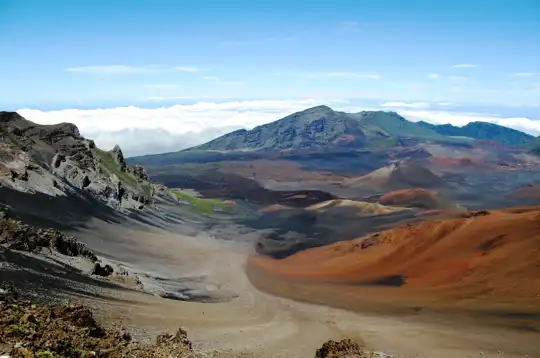
  • Keoneheʻeheʻe (Sliding Sands) Trail — A long, lunar-like descent into the volcanic crater with vast, open panoramas and shifting colors of cinder and rock. It’s great for serious hikers who want solitude and a sense of being on another planet. (Personal favorite — the trail’s scale and silence never get old.)
  • Hālēakalā Crater & Leleiwi Overlook — The big, dramatic crater floor with cinder cones, ridgelines, and stark geology; Leleiwi and other overlooks give easy access to that wide, raw landscape without a big hike.
  • ʻĀhinahina (Silversword)
  • read more 👉
  • Sunrise at the Summit — Watching the sun spill over the crater rim is the classic Haleakalā moment: otherworldly colors, sea-of-clouds views, and a hush that makes the landscape feel enormous. Go early, bundle up, and expect cold wind and amazing photos.
  • Keoneheʻeheʻe (Sliding Sands) Trail — A long, lunar-like descent into the volcanic crater with vast, open panoramas and shifting colors of cinder and rock. It’s great for serious hikers who want solitude and a sense of being on another planet. (Personal favorite — the trail’s scale and silence never get old.)
  • Hālēakalā Crater & Leleiwi Overlook — The big, dramatic crater floor with cinder cones, ridgelines, and stark geology; Leleiwi and other overlooks give easy access to that wide, raw landscape without a big hike.
  • ʻĀhinahina (Silversword) Habitat — The rare, silvery-leaved plant found only at high elevations here. It looks fragile and alien and blooms rarely — spotting healthy populations is a quiet thrill for plant nerds and hikers alike.
  • Halemauʻu Trail — A steeper, greener alternative into the crater rim that moves through native shrubland and offers different perspectives than Sliding Sands. Good for hikers who want variation without a full long-day commitment.
  • Pipiwai Trail to Waimoku Falls — In the Kipahulu (Oheʻo) area: a gorgeous hike through a towering bamboo forest that ends at a 400-foot-plus waterfall. Lush, slippery, and very different from the summit’s starkness — excellent combo with a dip (where allowed).
  • Oheʻo Gulch (Seven Sacred Pools) — Scenic pools, waterfalls, and coastal rainforest — a nice contrast to the summit’s alpine desert. Popular and lovely; best to visit midweek or early to avoid crowds.
  • Hosmer Grove & Birdwatching — Small, shady grove with introduced trees that’s a surprisingly good spot for seeing native birds like the nēnē and other endemics. Short walks, easy birding, and a calm place to stretch after the summit.
Spotted a mistake or missing something? Contact us.

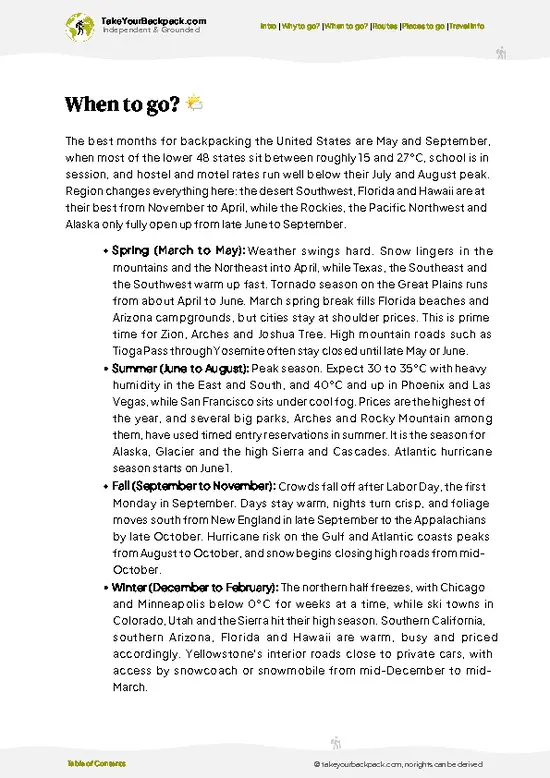
🌤️ When to go?Weather, crowds, and seasonal trade-offs


  • Weather: Haleakalā’s summit is cold and windy year-round, often dropping below freezing at night, even in summer. The lower elevations are warmer but can be rainy, especially in winter.

  • Temperature: Expect summit temps between -1°C to 10°C (30°F to 50°F). Lower trails hover around 15°C to 25°C (59°F to 77°F) in summer, cooler in winter.

  • Daylight Hours: Longer days from May to August offer more hiking time, while winter days are shorter, limiting summit exploration.

  • Crowds: Peak season is winter holidays and spring break, when the park fills with tourists chasing sunrise views. Off-season months see fewer people, especially weekdays.

  • Seasonal Activities: Winter brings native bird watching and rare plant blooms; summer is better for stargazing and extended backpacking trips.

  • Price
  • read more 👉

  • Weather: Haleakalā’s summit is cold and windy year-round, often dropping below freezing at night, even in summer. The lower elevations are warmer but can be rainy, especially in winter.

  • Temperature: Expect summit temps between -1°C to 10°C (30°F to 50°F). Lower trails hover around 15°C to 25°C (59°F to 77°F) in summer, cooler in winter.

  • Daylight Hours: Longer days from May to August offer more hiking time, while winter days are shorter, limiting summit exploration.

  • Crowds: Peak season is winter holidays and spring break, when the park fills with tourists chasing sunrise views. Off-season months see fewer people, especially weekdays.

  • Seasonal Activities: Winter brings native bird watching and rare plant blooms; summer is better for stargazing and extended backpacking trips.

  • Price Fluctuations: Accommodation and flights to Maui spike during holidays and summer; booking off-peak saves money and stress.


Pro-tip: Visit in late spring or early fall to dodge crowds, enjoy mild weather, and stretch your daylight hours without the premium prices.


source: climatestotravel.comJANJanuary: good for travelingFEBFebruary: good for travelingMARMarch: highly recommended for travelingAPRApril: highly recommended for travelingMAYMay: excellent for travelingJUNJune: highly recommended for travelingJULJuly: highly recommended for travelingAUGAugust: highly recommended for travelingSEPSeptember: excellent for travelingOCTOctober: excellent for travelingNOVNovember: good for travelingDECDecember: fair for traveling
United States - Haleakalā National Park

✈️ The ultimate backpacker shortcutthe USA Travel Guide

Skip weeks of stressful planning and hit the road with confidence. Our backpacking travel guides are designed specifically for independent travelers who want practical information, realistic itineraries, and honest advice they can actually use on the ground.
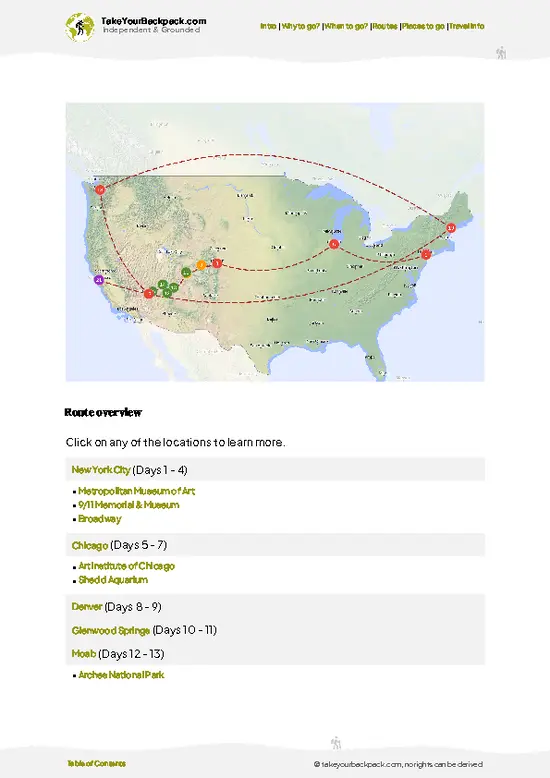
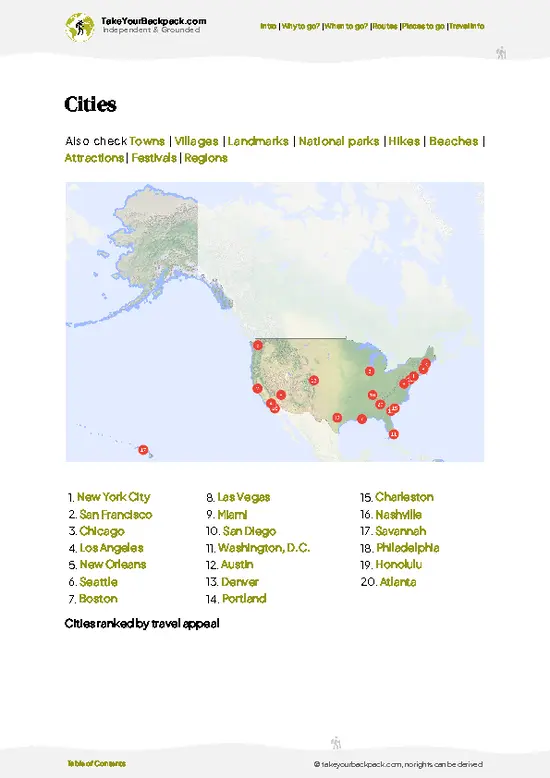
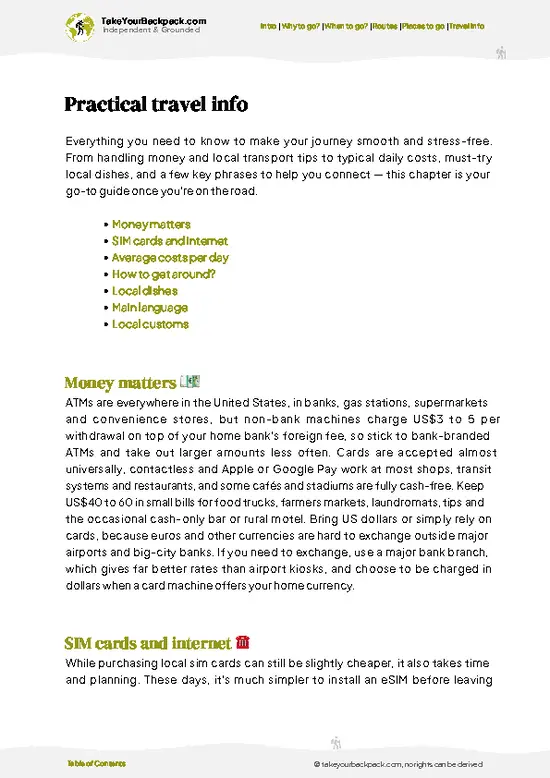
example page 0 from our offline Travel Guide for United Statesexample page 1 from our offline Travel Guide for United Statesexample page 2 from our offline Travel Guide for United Statesexample page 3 from our offline Travel Guide for United Statesexample page 4 from our offline Travel Guide for United States
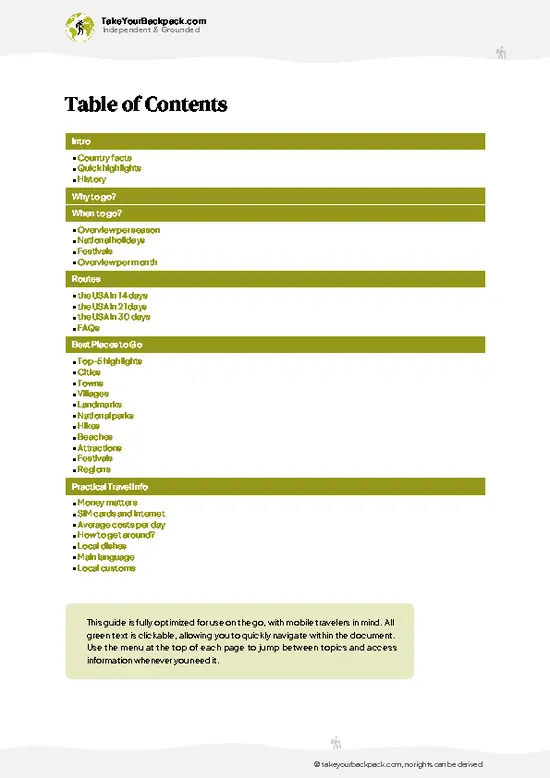
The guide (512 pages) contains:
14, 21 & 30-day routes paced for real travel
166 ranked highlights with honest advice
Logistics solved: Best areas to stay & transport
Safety: Common local scams to avoid
No Wi-Fi? No problem: Phone-optimized offline PDF
👉 See all 30+ guide features

📅 Plan smarter in minutes, not weeks
Realistic travel times & pacing
Best months per region
Festivals & national holidays
Budget expectations

🗺️ Go to the right places, skip the overrated ones
166 ranked highlights across the country
Hidden gems beyond the tourist trail
Honest pros & cons of destinations
Top hikes, parks & viewpoints
Lesser-known places most travelers miss
Clear “worth it vs skip it” guidance

🛏️ Travel smoothly without rookie mistakes
Best areas to stay
Transport systems explained simply
Local transport tradeoffs
Common scams & safety advice
SIM cards, money & practical tips
What to expect before arrival

🌍 Understand the country, not just visit it
Culture & traditions
Local customs
Festivals worth planning around
Traveler-friendly historical context
Insights that make places more meaningful

📱 Built for real travel conditions
Fully downloadable PDF
Works completely offline
Optimized for phone use
Useful in remote areas & buses
Everything in one place
Save weeks of stressful planning
Get instant access to the full guide directly. 30-day money-back guarantee.


Sent to your inbox immediately after payment • 100% Secure Checkout
Best Backpacking Travel Advisor 2025 tourism awardBest Backpacking
Travel Advisor
2025
What others say about Take Your Backpack Guides:
⭐⭐⭐⭐⭐
Fantastic, amazing amount of information!
⭐⭐⭐⭐⭐
My goodness this is amazing, it's what I've been looking for hats off too you!
⭐⭐⭐⭐⭐
I think this is absolutely BRILLIANT
⭐⭐⭐⭐
Very complete and informative. It's still missing places, but I gotta to commend you
⭐⭐⭐⭐⭐
This is truly amazing, thank you, can't wait to explore it with my kids!
⭐⭐⭐⭐⭐
Awesome resource, thank you!
⭐⭐⭐⭐⭐
This is amazing! Can't wait to explore the ones I haven't seen
⭐⭐⭐⭐
I love this! Well done, great idea.
⭐⭐⭐⭐⭐
Thanks for taking the time to make this gem!
⭐⭐⭐⭐⭐
This might be the best website I've ever seen.
⭐⭐⭐⭐⭐
Congratulations, and thank you so much for your work; it's incredibly valuable.
⭐⭐⭐⭐
In all seriousness I think you did a great job pointing out the important spots
⭐⭐⭐⭐⭐
10/10 very good
⭐⭐⭐⭐⭐
As someone who's only just starting to visit regularly this is awesome, thank you.
⭐⭐⭐⭐
Thank you very much! I'm going to visit my dad, it's going to be very useful!
⭐⭐⭐⭐⭐
This is really cool! We'll be travelling for the first time and this definitely come in handy.
⭐⭐⭐⭐⭐
You are now our minister of culture, congratulations 👨‍💼
⭐⭐⭐⭐⭐
Just wanted to tell you that this is a pearl! Going to follow your recommendations.
⭐⭐⭐⭐⭐
This is so cool. I'll definitely be using the resource for my travels soon.
⭐⭐⭐⭐⭐
This is very impressive! Good work.
⭐⭐⭐⭐⭐
This is an amazing and informative site. Very well done!

🛏️ Where to stay?Best areas to stay in the USA

Haleakalā National Park offers limited lodging options within its boundaries. The park has a few campgrounds, like Hosmer Grove and Kipahulu, which are perfect for backpackers seeking a rugged experience. Reservations are essential, especially during peak seasons.

For more comfort, head to nearby towns like Makawao or Paia. Both have charming hostels and budget-friendly inns. Paia is particularly lively, with local eateries and shops that add character to your stay. Keep in mind that accommodations fill up quickly, so plan ahead to avoid disappointment. Prioritize your energy and budget for the … read more 👉
Haleakalā National Park offers limited lodging options within its boundaries. The park has a few campgrounds, like Hosmer Grove and Kipahulu, which are perfect for backpackers seeking a rugged experience. Reservations are essential, especially during peak seasons.

For more comfort, head to nearby towns like Makawao or Paia. Both have charming hostels and budget-friendly inns. Paia is particularly lively, with local eateries and shops that add character to your stay. Keep in mind that accommodations fill up quickly, so plan ahead to avoid disappointment. Prioritize your energy and budget for the park’s breathtaking sunrises and hikes, not last-minute lodging stress.

👛 Costs (as of 10 May 2025)Travel costs and budget guide for Haleakalā

Haleakalā National Park in the USA has some straightforward costs to keep in mind.

First, there’s the entrance fee. It’s $30 per vehicle, valid for three days. If you’re biking or walking in, the fee is $15 per person. This can add up quickly if you’re traveling with a group.

Camping is another consideration. The park has several campgrounds. Expect to pay around $20 per night for a site. Reservations are recommended, especially during peak seasons, as spots can fill up fast.

If you’re planning to join a guided tour, prices vary widely. You might pay anywhere from $100 to $250 per person, depending on the tour length and inclusions.

Food and supplies can also catch you off guard. There are limited options within the park. Stock up on snacks and water before you arrive. A meal at nearby … read more 👉
Haleakalā National Park in the USA has some straightforward costs to keep in mind.

First, there’s the entrance fee. It’s $30 per vehicle, valid for three days. If you’re biking or walking in, the fee is $15 per person. This can add up quickly if you’re traveling with a group.

Camping is another consideration. The park has several campgrounds. Expect to pay around $20 per night for a site. Reservations are recommended, especially during peak seasons, as spots can fill up fast.

If you’re planning to join a guided tour, prices vary widely. You might pay anywhere from $100 to $250 per person, depending on the tour length and inclusions.

Food and supplies can also catch you off guard. There are limited options within the park. Stock up on snacks and water before you arrive. A meal at nearby towns can range from $15 to $30 per person.

Lastly, don’t forget about transportation. If you’re renting a car, prices can fluctuate based on demand. Budget around $50 to $100 per day for a standard vehicle.

Being aware of these costs will help you manage your budget effectively, leaving you with more energy and funds for the experiences that truly matter.


source: nps.gov
⚠️ Prices can change and everyone travels differently, so take this as a rough guide. Hope it helps you plan your adventure!

🥾 TrailsScenic routes and wildlife spotting in Haleakalā

Haleakalā National Park is a hiker’s dream, offering diverse terrains that range from lush rainforests to stark volcanic landscapes. The views from the summit are breathtaking, especially at sunrise when the sky explodes in colors. Wildlife is abundant here, with unique species like the Hawaiian goose, or nene, and various native plants that you won’t find anywhere else.

One of the standout trails is the Halemau’u Trail, which is a fantastic way to immerse yourself in the park’s beauty. Here’s a quick rundown:
  • Length: 4.2 miles (one way)
  • Estimated Duration: 3-4 hours (one way)
  • Difficulty Level:
  • read more 👉
Haleakalā National Park is a hiker’s dream, offering diverse terrains that range from lush rainforests to stark volcanic landscapes. The views from the summit are breathtaking, especially at sunrise when the sky explodes in colors. Wildlife is abundant here, with unique species like the Hawaiian goose, or nene, and various native plants that you won’t find anywhere else.

One of the standout trails is the Halemau’u Trail, which is a fantastic way to immerse yourself in the park’s beauty. Here’s a quick rundown:
  • Length: 4.2 miles (one way)
  • Estimated Duration: 3-4 hours (one way)
  • Difficulty Level: Moderate to Strenuous
  • Key Features: Stunning views of the crater, diverse ecosystems, and unique flora and fauna
  • Terrain: Rocky paths with elevation changes, some steep sections

Another great option is the Sliding Sands Trail, which offers a more challenging experience. Here’s what you need to know:
  • Length: 11 miles (round trip)
  • Estimated Duration: 6-8 hours
  • Difficulty Level: Strenuous
  • Key Features: Incredible views of the crater and the opportunity to see rare plants
  • Terrain: Volcanic rock and loose gravel, significant elevation gain

Reaching the park can be a bit tricky without a car, as public transport options are limited, but there are shuttles from some areas. It can get crowded, especially for sunrise viewing, so an early start is key. As for the entrance fee, it’s around $30 per vehicle, but that’s good for three days, so if you plan to explore a bit, it’s worth it. Just remember to pack plenty of water and snacks, and you’ll be set for an unforgettable adventure!
⚠️ Hiking info can sometimes be outdated or inaccurate. Before you hit the trail, check the latest conditions with locals. If you do spot anything that's off, I'd love to hear from you, so I can update it for fellow travelers.

🛡️ SafetyScams, Hazards, and Annoyances

Haleakalā National Park offers a generally straightforward hiking experience, but a few realities can catch you off guard. Weather can shift rapidly; temperatures drop significantly at higher elevations, so layers are essential. The terrain varies from rocky paths to steep inclines, requiring good footwear and careful navigation. Wildlife encounters are rare, but if you spot a nene goose, keep your distance and don’t feed them. Prepare for altitude effects by pacing yourself, especially on longer trails. This park rewards those who respect its rhythms and plan ahead.

Other American national parks near Haleakalā

Explore more nearby:


👉 Discover all national parks

Or checkout all the USA has to offer (think cities, towns, villages, national parks, hikes, beaches, festivals)
Country photo of the USA
film
0
0
0a
Grand Canyon
Pixabay
film
1
1
1a
Yellowstone
Pixabay
film
2
2
2a
Yosemite
Pixabay
film
3
3
3a
Zion
Pixabay
film
4
4
4a
Glacier
Aure05 Sapparys
film
5
5
5a
Bryce Canyon
Pixabay
film
6
6
6a
Arches
Pixabay
film
7
7
7a
Olympic
Еаликино Абинореал
film
8
8
8a
Rocky Mountain
Daniel Gonzalez
film
9
9
9a
Acadia
Brian Etzel
film
10
10
10a
Everglades
iStockphoto
film
11
11
11a
Saguaro
Rachel Y
film
12
12
12a
Mammoth Cave
Jared Mccullough
film
13
13
13a
Carlsbad Caverns
Mandy Anglin
film
14
14
14a
Channel Islands
Zach Sarnoff
film
15
15
15a
Great Smoky Mountains
National Park Photos And Reviews
film
16
16
16a
Great Sand Dunes
Roy O
film
17
17
17a
Mesa Verde
Jeff Jackson
film
18
18
18a
Denali
iStockphoto
film
19
19
19a
Dry Tortugas
National Park Photos And Reviews
film
20
20
20a
North Cascades
Chadi Abdallah
film
21
21
21a
Custer State Park
Patti Orzel
film
22
22
22a
Letchworth State Park
Ching-jen Tang
film
23
23
23a
Valley of Fire State Park
Jay The Traveler
film
24
24
24a
Smith Rock State Park
Bo Li
film
25
25
25a
Hocking Hills State Park
Chadwick Brewer
film
26
26
26a
Big Sur
Muhammad
film
27
27
27a
Maroon Bells
Emily Hsia

We 💚 feedbackWhat to keep in mind

Haleakalā National Park is worth it for the sunrise—watching the world wake up from above the clouds is something else. Just be ready for the cold; it can bite at those early hours. Dress in layers to keep your energy focused on the experience, not the chill.

✈️ When did I visit the USA?
In January 2023 I visited New York. Many years before, before digital cameras existed, I discovered most of the national parks in the West.

✍️ Help improve this page!
The information on this page is based on my own backpacking experience in the USA, supplemented with up-to-date research and feedback from other travelers. Travel details can change, so if you notice anything outdated or incomplete, feel free to let me know.


🙋‍♂️ Give feedback

👋 Meet the founderWho’s Behind Take Your Backpack?

Johan, backpacker and founder of TakeYourBackpackHi, I’m Johan (Netherlands 🇳🇱), the creator of TakeYourBackpack. Over the past decade, I’ve backpacked through 80+ countries across six continents, gaining extensive experience with independent travel, long-term trips, and overland routes.

This site is built on a combination of firsthand travel experience and carefully curated insights from other backpackers. Many guides are based on places I’ve personally visited, while others bring together tips, observations, and practical advice shared by trusted travelers I’ve met along the way.

The goal is to provide realistic, experience-driven guidance — not generic itineraries — so you can explore destinations with better context, clearer expectations, and more confidence.

Get Full Country Guide |
Instant download • 166 highlights • Full Offline guide