

×
New York City

the USA🇺🇸 | citiesNew York CityStatue ferry, Brooklyn Bridge, Met galleries, High Line | things to do and best time to go

Explore New OrleansExplore San Francisco

Backpacking in New York City
🏆 Top pickcity ranked #1
By Johan Kruseman 🇳🇱 | Updated October 22, 2026

New York City is not one island of skyscrapers; most of its 8 million residents live in Brooklyn, Queens, the Bronx and Staten Island, and Manhattan is only the famous slice. The city sits on the Atlantic coast in the northeast of the United States. The smarter move is to treat it as a collection of neighborhoods, because the subway links them all around the clock and costs the same flat fare whether you ride one stop or forty. I expected a stampede of rude strangers. Instead, a man on a Queens-bound train spent ten minutes drawing me a map on a napkin for a dumpling shop, then refused to let me pay for the bagel he insisted I try first. It suits curious, energetic travelers who like walking and eating. It wears out anyone who wants quiet or a small bill. Buy a reloadable tap-to-pay setup before you go, since the turnstiles take your phone or card directly.

Discover everything you want to know in the 📖 the USA Travel Guide.


example page 0 from our offline Travel Guide for United States
example page 1 from our offline Travel Guide for United States
example page 2 from our offline Travel Guide for United States
example page 3 from our offline Travel Guide for United States
example page 4 from our offline Travel Guide for United States
example page 5 from our offline Travel Guide for United States
example page 6 from our offline Travel Guide for United States
example page 7 from our offline Travel Guide for United States
Loading the map 🌍
CLICK TO FILTER
cities
towns
villages
landmarks
national parks
hikes
beaches
attractions
festivals
regions
SHOW COUNTRY’S BESTSHOW ALL

✨ Why go?
Ranked #1 city in the USA
What makes it a must-see city

New York City earns its place on a backpacking route because a single week still leaves you with a to-do list. The sheer density of things to see is the draw: world-class museums, free ferry rides, parks, street art and neighborhoods that each feel like a different country. You can spend days wandering Chinatown, the East Village, Williamsburg and Harlem without repeating a meal. Food is the real engine here. The city has some of the best cheap eating in the country, from dumplings to dollar-slice pizza to halal carts on nearly every corner, and it is open at hours when most places are shut. Hostels are scattered across Manhattan and Brooklyn, which makes it easy to pick a base near the subway lines you need. The city is also a major hub for onward travel, with three big airports and long-distance … read more 👉
New York City earns its place on a backpacking route because a single week still leaves you with a to-do list. The sheer density of things to see is the draw: world-class museums, free ferry rides, parks, street art and neighborhoods that each feel like a different country. You can spend days wandering Chinatown, the East Village, Williamsburg and Harlem without repeating a meal. Food is the real engine here. The city has some of the best cheap eating in the country, from dumplings to dollar-slice pizza to halal carts on nearly every corner, and it is open at hours when most places are shut. Hostels are scattered across Manhattan and Brooklyn, which makes it easy to pick a base near the subway lines you need. The city is also a major hub for onward travel, with three big airports and long-distance trains and buses fanning out along the coast. It is pricey, so it works best as a focused stop of several days rather than a slow, cheap hangout. If you want nightlife until 4 AM and a new cuisine every meal, it is hard to beat.

💡 HighlightsDon't-miss highlights and experiences

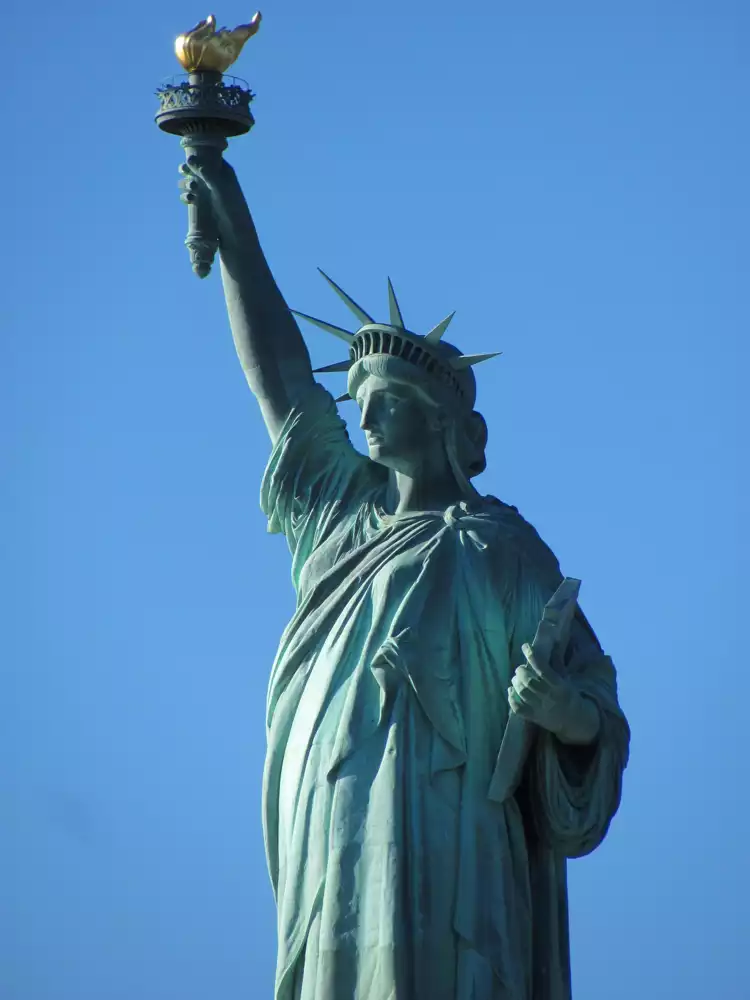
  1. Statue of Liberty and Ellis Island: The symbol most people come for, reached by ferry from Battery Park. Ellis Island’s museum traces the arrival of millions of immigrants and is the more moving half. Go on the first morning ferry to dodge lines. Tickets run about US$25 to 30, and you need 4 to 5 hours.
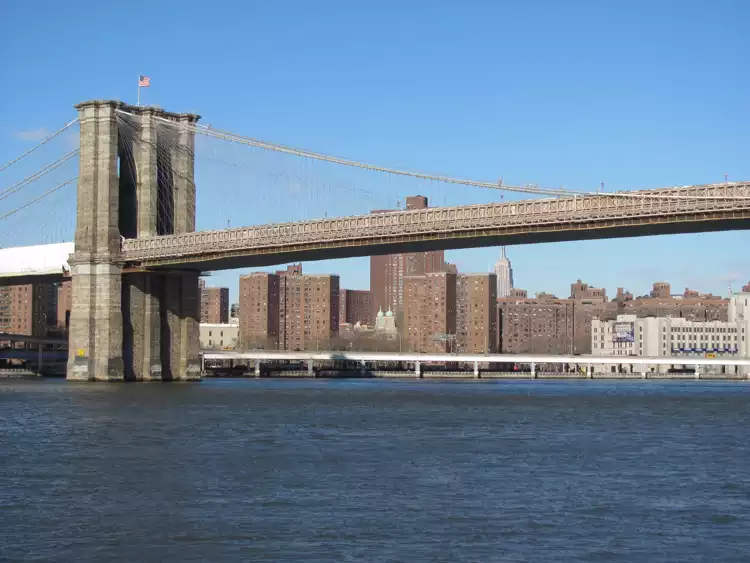
  2. Brooklyn Bridge walk: The 1883 stone-and-steel span gives you the skyline over the East River. Walk from Brooklyn toward Manhattan at sunrise or late afternoon for the best light and fewer cyclists in your way. Free, about 45 minutes to an hour.
  3. Metropolitan Museum of Art: Egyptian temple, armor halls and European paintings under one roof on Fifth Avenue. Pick three wings rather than attempting everything. Adults pay about US$30 (New York State residents pay what they wish). Allow 3 to 4 hours,
… read more 👉
  1. Statue of Liberty and Ellis Island: The symbol most people come for, reached by ferry from Battery Park. Ellis Island’s museum traces the arrival of millions of immigrants and is the more moving half. Go on the first morning ferry to dodge lines. Tickets run about US$25 to 30, and you need 4 to 5 hours.
  2. Brooklyn Bridge walk: The 1883 stone-and-steel span gives you the skyline over the East River. Walk from Brooklyn toward Manhattan at sunrise or late afternoon for the best light and fewer cyclists in your way. Free, about 45 minutes to an hour.
  3. Metropolitan Museum of Art: Egyptian temple, armor halls and European paintings under one roof on Fifth Avenue. Pick three wings rather than attempting everything. Adults pay about US$30 (New York State residents pay what they wish). Allow 3 to 4 hours, and go on a weekday morning.
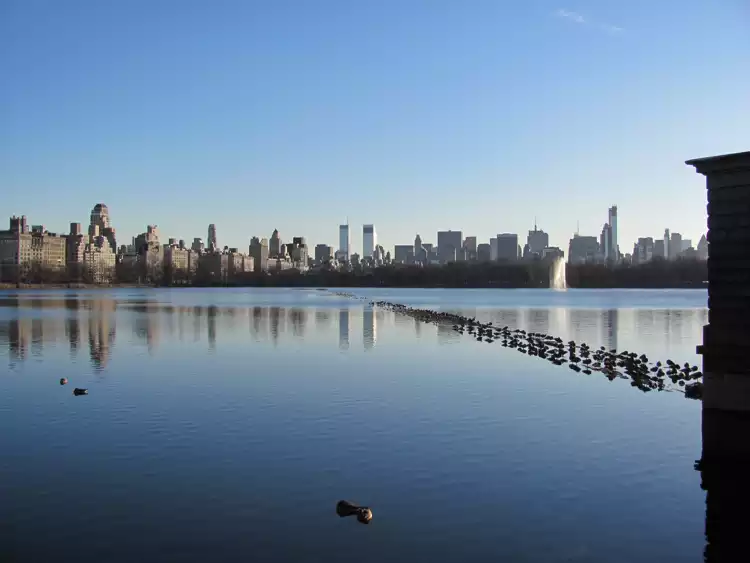
  4. Central Park: An 843-acre park with rowboats, rocky outcrops and Bethesda Terrace. Early mornings are calm and weekends are lively. Free, 2 to 3 hours.
  5. 9/11 Memorial and Museum: Two reflecting pools sit in the footprints of the towers, with names cut into the bronze edges. The museum below is heavy and thorough. The plaza is free, and the museum costs about US$33 to 36. Allow 2 to 3 hours for both.
  6. High Line: A former elevated freight railway turned garden path on Manhattan’s West Side, with art and views of the Hudson. Weekday mornings are quieter. Free, about 1 hour.
  7. Staten Island Ferry: The free ride passes the Statue of Liberty and gives a sweeping harbor view. Evening crossings catch the lit-up skyline. Free, around 1 hour round trip.
  8. Chinatown and the Lower East Side: Dumpling counters, herbal shops, tenement history and old delis sit within a few walkable blocks. Come hungry around midday. A meal costs roughly US$8 to 20, and 2 to 3 hours is right.
For New York City day trips, consider Hudson Valley’s Storm King Art Center, Beacon’s Dia museum, Sleepy Hollow and the Jersey Shore beaches at Asbury Park. The Brooklyn Bridge walk pairs well with Chinatown and the Lower East Side, since they sit a short stroll apart on the Manhattan side.
Spotted a mistake or missing something? Contact us.

Things to do in New York City

Ratings based on Tripadvisor reviews. When you book through this link, you support our work at no extra cost to you.

🏘️ NeighborhoodsWhere things are and how it's laid out

New York City is five boroughs stitched together by subway, and the smart move is to pick two or three areas a day instead of crossing the map like a pinball. Distances look short on a map and feel long underground, so cluster your days.
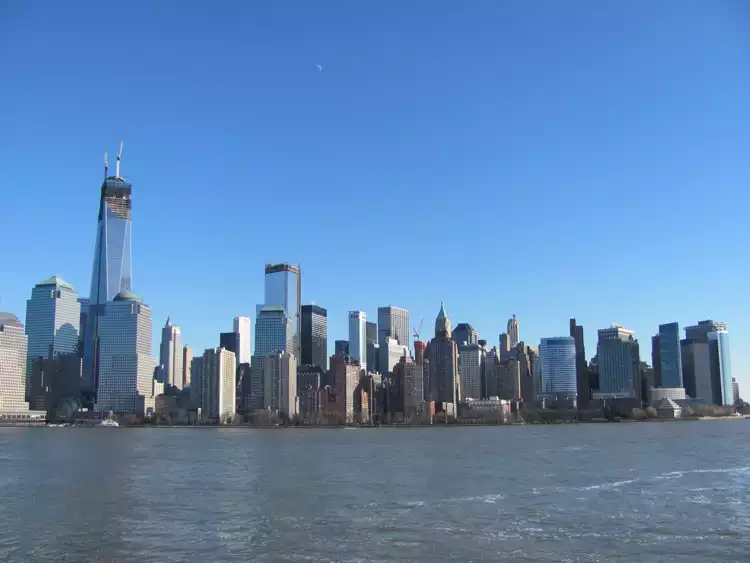
  • Lower Manhattan: Financial District, the 9/11 Memorial and the Staten Island Ferry (free, with a skyline view for nothing). Streets are a tangle because they predate the grid, so walk it with a map open. Weekday lunch crowds thin out by evening.
  • Chinatown and Lower East Side: Dumpling counters, bakeries and old tenement-era delis, then bars that start serving around dinner and run late. Very walkable. Go hungry, because portions are cheap and tempting.
  • Greenwich Village and East Village: Small streets, pizza by the slice, record shops and dive bars. The grid
… read more 👉
New York City is five boroughs stitched together by subway, and the smart move is to pick two or three areas a day instead of crossing the map like a pinball. Distances look short on a map and feel long underground, so cluster your days.
  • Lower Manhattan: Financial District, the 9/11 Memorial and the Staten Island Ferry (free, with a skyline view for nothing). Streets are a tangle because they predate the grid, so walk it with a map open. Weekday lunch crowds thin out by evening.
  • Chinatown and Lower East Side: Dumpling counters, bakeries and old tenement-era delis, then bars that start serving around dinner and run late. Very walkable. Go hungry, because portions are cheap and tempting.
  • Greenwich Village and East Village: Small streets, pizza by the slice, record shops and dive bars. The grid breaks down here, so ignore the street numbers and wander. Best for a loose evening on foot.
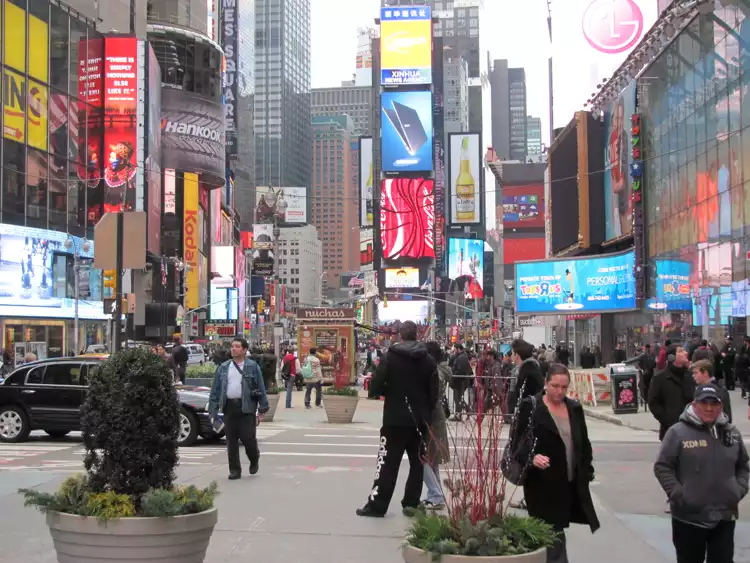
  • Midtown: Times Square, Grand Central and the Empire State Building. Loud, crowded and worth one visit. Locals cut through on side streets, and so should you.
  • Upper West Side and Harlem: Central Park on one side, museums, soul food and jazz clubs further north. Quieter at night. Walk the park, then take the 1 or A/C train uptown.
  • Brooklyn (Williamsburg, DUMBO, Bushwick): Street art, breweries, flea markets and the Brooklyn Bridge walk. Williamsburg and Bushwick run late. Walk the bridge from Brooklyn toward Manhattan so the skyline stays in front of you.

⌛️ 1 dayA smart one-day plan

7:30 AM, Brooklyn Bridge Park: Start on the Brooklyn side while the light is soft and the crowds are small. Grab coffee near DUMBO, then take in the skyline from the Washington Street photo spot before walking up to the bridge entrance.
9:00 AM, Brooklyn Bridge walk: Cross on the pedestrian deck (keep to the walker side, not the bike lane). The stone towers and cable web are best admired slowly. You land at City Hall in about 45 minutes.
10:30 AM, Chinatown: Walk 10 minutes north to Mott and Canal streets. Share pork buns and soup dumplings at a counter spot, then browse fish markets and bakeries on Grand Street.
12:30 PM, Lower East Side Tenement Museum area: Continue east to Orchard Street. Stop at an old-school deli for pastrami, then peek into vintage shops and tiny galleries.
2:30 PM, Seward … read more 👉
7:30 AM, Brooklyn Bridge Park: Start on the Brooklyn side while the light is soft and the crowds are small. Grab coffee near DUMBO, then take in the skyline from the Washington Street photo spot before walking up to the bridge entrance.
9:00 AM, Brooklyn Bridge walk: Cross on the pedestrian deck (keep to the walker side, not the bike lane). The stone towers and cable web are best admired slowly. You land at City Hall in about 45 minutes.
10:30 AM, Chinatown: Walk 10 minutes north to Mott and Canal streets. Share pork buns and soup dumplings at a counter spot, then browse fish markets and bakeries on Grand Street.
12:30 PM, Lower East Side Tenement Museum area: Continue east to Orchard Street. Stop at an old-school deli for pastrami, then peek into vintage shops and tiny galleries.
2:30 PM, Seward Park and Essex Market: Away from most itineraries, this pocket gives you a calm green square and a local food hall where residents shop. Pick up a snack and sit for a while.
4:00 PM, Subway to Union Square, then High Line: Ride the F or L toward the West Side and walk the elevated park from Gansevoort Street north. It is easy on tired legs and has public art along the way.
6:30 PM, Hudson Yards and the Hudson River: Finish at the river for sunset over New Jersey, then take the 7 train back toward your hostel.
8:00 PM, Dinner in Greenwich Village: Eat a slice or a plate of pasta, and catch live jazz at a small club if energy remains.

🌤️ When to go?Seasonal considerations and timing

September and October are the easiest months for backpacking in New York City, with highs around 13 to 24°C (55 to 75°F) and clear days.
  • Spring (April to May): Highs of 12 to 23°C (54 to 73°F), blooming parks and about 13 to 14 hours of daylight by May. Rain is common, so carry a light shell.
  • Summer (June to August): Hot and sticky, 25 to 32°C (77 to 90°F) with heat waves above that. Crowds and hotel prices peak, though free outdoor concerts and rooftop bars are in full swing.
  • Fall (September to October): Mild, dry and bright, with 10 to 12 hours of light and foliage in the parks by late October. Prices stay high around the UN General Assembly in September.
  • Winter (December to March): Highs of 0 to 7°C (32 to 45°F), sometimes snow, and daylight down to around 9 hours. December holiday weeks are
… read more 👉
September and October are the easiest months for backpacking in New York City, with highs around 13 to 24°C (55 to 75°F) and clear days.
  • Spring (April to May): Highs of 12 to 23°C (54 to 73°F), blooming parks and about 13 to 14 hours of daylight by May. Rain is common, so carry a light shell.
  • Summer (June to August): Hot and sticky, 25 to 32°C (77 to 90°F) with heat waves above that. Crowds and hotel prices peak, though free outdoor concerts and rooftop bars are in full swing.
  • Fall (September to October): Mild, dry and bright, with 10 to 12 hours of light and foliage in the parks by late October. Prices stay high around the UN General Assembly in September.
  • Winter (December to March): Highs of 0 to 7°C (32 to 45°F), sometimes snow, and daylight down to around 9 hours. December holiday weeks are crowded and costly, while January and February are the cheapest months for beds and flights.
Book beds well ahead for late December, and aim for a midweek visit in February if you want empty museums.


source: climatestotravel.comJANJanuary: fair for travelingFEBFebruary: fair for travelingMARMarch: good for travelingAPRApril: excellent for travelingMAYMay: excellent for travelingJUNJune: highly recommended for travelingJULJuly: fair for travelingAUGAugust: fair for travelingSEPSeptember: excellent for travelingOCTOctober: excellent for travelingNOVNovember: highly recommended for travelingDECDecember: fair for traveling
United States - New York City

✈️ The backpacker research shortcutthe USA Travel Guide

An offline-friendly backpacking guide with optimized travel routes, ranked highlights, transport advice, and the best areas to stay.
example page 0 from our offline Travel Guide for United States
example page 1 from our offline Travel Guide for United States
example page 2 from our offline Travel Guide for United States
example page 3 from our offline Travel Guide for United States
example page 4 from our offline Travel Guide for United States
example page 5 from our offline Travel Guide for United States
example page 6 from our offline Travel Guide for United States
example page 7 from our offline Travel Guide for United States
The digital guide (451 pages) contains:
✅ 159 highlights, ranked by travel appeal
✅ Optimized 14, 21 & 30-day travel routes
✅ Cities, national parks, landmarks, beaches
✅ How to get around
✅ Offline-friendly for travel without Wi-Fi
👉 Click to see all 30+ guide features

📅 Plan smarter in minutes, not weeks
✅ Month by month travel advice
✅ Festivals & national holidays
✅ Budget expectations

🗺️ Go to the right places, skip the overrated ones
✅ Honest pros & cons of destinations
✅ Top hikes, parks & viewpoints
✅ Lesser-known places most travelers miss
✅ Clear “worth it vs skip it” guidance

🛏️ Travel smoothly without rookie mistakes
✅ Best areas to stay
✅ Transport systems explained simply
✅ Common scams & safety advice
✅ SIM cards, money & practical tips

🌍 Understand the country, not just visit it
✅ Culture & traditions
✅ Local customs
✅ Festivals worth planning around
✅ Traveler-friendly historical context
✅ Insights that make places more meaningful

📱 Built for real travel conditions
✅ Fully downloadable PDF
✅ Works completely offline
✅ Optimized for phone use
✅ Useful in remote areas & buses
✅ Everything in one place
Stop searching, start planning
Get instant access to your full guide. 30‑day money-back guarantee.
+ Add another guide for just

By proceeding you agree to our terms.
Sent to your inbox immediately after payment • 100% Secure Checkout
Best Backpacking Travel Advisor 2025 tourism awardBest Backpacking
Travel Advisor
2025
What others say about Take Your Backpack Guides:
⭐⭐⭐⭐⭐
Fantastic, amazing amount of information!
⭐⭐⭐⭐⭐
My goodness this is amazing, it's what I've been looking for hats off too you!
⭐⭐⭐⭐⭐
I think this is absolutely BRILLIANT
⭐⭐⭐⭐
Very complete and informative. It's still missing places, but I gotta to commend you
⭐⭐⭐⭐⭐
This is truly amazing, thank you, can't wait to explore it with my kids!
⭐⭐⭐⭐⭐
Awesome resource, thank you!
⭐⭐⭐⭐⭐
This is amazing! Can't wait to explore the ones I haven't seen
⭐⭐⭐⭐
I love this! Well done, great idea.
⭐⭐⭐⭐⭐
Thanks for taking the time to make this gem!
⭐⭐⭐⭐⭐
This might be the best website I've ever seen.
⭐⭐⭐⭐⭐
Congratulations, and thank you so much for your work; it's incredibly valuable.
⭐⭐⭐⭐
In all seriousness I think you did a great job pointing out the important spots
⭐⭐⭐⭐⭐
10/10 very good
⭐⭐⭐⭐⭐
As someone who's only just starting to visit regularly this is awesome, thank you.
⭐⭐⭐⭐
Thank you very much! I'm going to visit my dad, it's going to be very useful!
⭐⭐⭐⭐⭐
This is really cool! We'll be travelling for the first time and this definitely come in handy.
⭐⭐⭐⭐⭐
You are now our minister of culture, congratulations 👨‍💼
⭐⭐⭐⭐⭐
Just wanted to tell you that this is a pearl! Going to follow your recommendations.
⭐⭐⭐⭐⭐
This is so cool. I'll definitely be using the resource for my travels soon.
⭐⭐⭐⭐⭐
This is very impressive! Good work.
⭐⭐⭐⭐⭐
This is an amazing and informative site. Very well done!

🛏️ Where to stay?How to pick the right area

Backpackers get the best mix of hostel beds, safety and subway access in Manhattan’s Upper West Side and in Brooklyn’s Williamsburg and Bushwick area.
The Upper West Side has a handful of long-running hostels and budget dorms near Central Park, with express trains (1, 2, 3, A, B, C, D) that reach Midtown and downtown in 15 to 25 minutes. Streets are residential and quiet after dark, and late-night walks back from the subway feel easy. Dorm beds are limited, so book early in summer and holiday weeks.
Williamsburg and Bushwick have more bar-and-music energy, with several hostels and room shares, plus … read more 👉
Backpackers get the best mix of hostel beds, safety and subway access in Manhattan’s Upper West Side and in Brooklyn’s Williamsburg and Bushwick area.
The Upper West Side has a handful of long-running hostels and budget dorms near Central Park, with express trains (1, 2, 3, A, B, C, D) that reach Midtown and downtown in 15 to 25 minutes. Streets are residential and quiet after dark, and late-night walks back from the subway feel easy. Dorm beds are limited, so book early in summer and holiday weeks.
Williamsburg and Bushwick have more bar-and-music energy, with several hostels and room shares, plus the L train for a direct run into Manhattan. Noise on weekends is part of the deal, so bring earplugs. Expect a 20 to 40 minute commute to Midtown. Late at night the L can be slower because of repairs, though it runs around the clock.
Midtown has hostels too, close to Penn Station and Times Square, but streets are loud and crowded and sleeping there costs more per bed. Staying near a major subway stop matters more than being in a famous area. Avoid places that need two transfers to reach, because late-night rides add up and delays stack.

🚌 Getting aroundHow to get from A to B

From Penn Station or Grand Central, you are already in the center, and the subway is right under your feet. Most backpackers skip taxis and ride the subway, which runs 24 hours and is cheap, if occasionally maddening. Weekend track work reroutes lines with little warning, so check the signs on the platform or a maps app before you commit.
  • Subway: A single ride is US$3, with tap-to-pay using a contactless card or phone at turnstiles. Trains come every 3 to 10 minutes by day. Local and express trains share tracks, and the classic mistake is hopping on an express that skips your stop. Check the line letter and the bullet color on the map before boarding.
  • Walking: Midtown and downtown are compact, with street blocks about 80 meters (260 feet) north to south. Avenue blocks are much longer, so a 10-block
… read more 👉
From Penn Station or Grand Central, you are already in the center, and the subway is right under your feet. Most backpackers skip taxis and ride the subway, which runs 24 hours and is cheap, if occasionally maddening. Weekend track work reroutes lines with little warning, so check the signs on the platform or a maps app before you commit.
  • Subway: A single ride is US$3, with tap-to-pay using a contactless card or phone at turnstiles. Trains come every 3 to 10 minutes by day. Local and express trains share tracks, and the classic mistake is hopping on an express that skips your stop. Check the line letter and the bullet color on the map before boarding.
  • Walking: Midtown and downtown are compact, with street blocks about 80 meters (260 feet) north to south. Avenue blocks are much longer, so a 10-block walk is shorter along a street than along an avenue. Locals cross against the light, but you can wait for it.
  • Bus: Same US$3 fare, and transfers to the subway are free within two hours when you tap the same card. Slower in traffic, but great for crosstown routes where trains do not go. Stops are every few blocks, so ring the bell early.
  • Citi Bike: A single ride costs around US$4.99 for 30 minutes, or buy a day pass for about US$20 to 25. Bike lanes are good along the Hudson and in Brooklyn, less friendly in Midtown.
  • Ferry: The NYC Ferry costs US$4.50 a ride and gives the best harbor views per dollar. The Staten Island Ferry is free and runs around the clock.
From the airports, the AirTrain to JFK or Newark adds a US$8.75 fare, and the subway or LIRR beats a taxi of US$70 or more in rush hour. Ignore anyone in the arrivals hall offering a ride.

👛 Costs (as of 22 October 2026)Typical daily expenses

New York City costs a backpacker about US$155 to 262 a day in high season, and the dorm bed is the line that decides how close to the bottom you land. Prices are in US dollars, and cards are accepted almost everywhere. Sales tax of about 8.9% is added at the register, and restaurant tipping of 18 to 20% is expected.
CategoryBudget RangeLocal Reality
Dorm bed (high season, summer and December)US$55 to 90Most dorms sleep 6 to 12 people. Weekends and holiday weeks sit at the top of the range. Book weeks ahead.
Dorm bed (off-season, Jan to Mar)US$35 to 60Midweek winter beds drop sharply. A hostel city tax is already folded into most listed rates.
MealsUS$30 to 45Bagel with cream cheese US$4 to 7, dollar-slice pizza US$1.50 to 4, halal cart plate US$8 to 10, a sit-down dinner US$20 to 35 before tip.
… read more 👉
New York City costs a backpacker about US$155 to 262 a day in high season, and the dorm bed is the line that decides how close to the bottom you land. Prices are in US dollars, and cards are accepted almost everywhere. Sales tax of about 8.9% is added at the register, and restaurant tipping of 18 to 20% is expected.
CategoryBudget RangeLocal Reality
Dorm bed (high season, summer and December)US$55 to 90Most dorms sleep 6 to 12 people. Weekends and holiday weeks sit at the top of the range. Book weeks ahead.
Dorm bed (off-season, Jan to Mar)US$35 to 60Midweek winter beds drop sharply. A hostel city tax is already folded into most listed rates.
MealsUS$30 to 45Bagel with cream cheese US$4 to 7, dollar-slice pizza US$1.50 to 4, halal cart plate US$8 to 10, a sit-down dinner US$20 to 35 before tip.
Local transportUS$6 to 12A single subway or bus ride is US$3. Fare capping through OMNY means that after 12 paid rides in any seven days, the rest are free.
City transport passUS$35 weekly capNo purchase needed. Tap a contactless card or phone on the reader, and the 7-day cap stops charging you at US$35.
Basic activities and entry feesUS$0 to 35Staten Island Ferry, Brooklyn Bridge, Central Park and High Line are free. Museums run US$25 to 30, and many offer pay-what-you-wish or free evenings.
MiscellaneousUS$10 to 20Coffee US$4 to 6, a beer at a bar US$8 to 12, laundry about US$4 to 6 per load, plus the odd tip.
Total Daily BudgetUS$155 to 262Per person, per day, in high season.
Eat your big meal at lunch, when many restaurants run set menus for US$15 to 20 that cost nearly double at dinner.


source: nyctourism.com
⚠️ Prices can change and everyone travels differently, so take this as a rough guide. Hope it helps you plan your adventure!

🚌 Day tripsWhere to go beyond the main area

New York City works well for day trips because commuter rail and buses reach most places in under two hours, and none needs an overnight.
Hudson Valley and Beacon:
Take the Metro-North Hudson Line from Grand Central, about 90 minutes and US$20 to 30 each way off-peak. Dia Beacon holds large-scale modern art in a former factory, and the Hudson Highlands trails climb to river views. Fall brings color, but Saturday trains fill up, so go on a weekday.

Philadelphia:
Buses run about 2 to 2.5 hours and often cost US$15 to 35 each way, cheaper than Amtrak. You can see Independence Hall, the Reading Terminal Market and the murals on foot in a day. Book the hall timed ticket ahead if you want to enter. Spring and fall are comfortable for walking.
👉 Explore Philadelphia
Jersey Shore at Asbury Park:
NJ … read more 👉
New York City works well for day trips because commuter rail and buses reach most places in under two hours, and none needs an overnight.
Hudson Valley and Beacon:
Take the Metro-North Hudson Line from Grand Central, about 90 minutes and US$20 to 30 each way off-peak. Dia Beacon holds large-scale modern art in a former factory, and the Hudson Highlands trails climb to river views. Fall brings color, but Saturday trains fill up, so go on a weekday.

Philadelphia:
Buses run about 2 to 2.5 hours and often cost US$15 to 35 each way, cheaper than Amtrak. You can see Independence Hall, the Reading Terminal Market and the murals on foot in a day. Book the hall timed ticket ahead if you want to enter. Spring and fall are comfortable for walking.
👉 Explore Philadelphia
Jersey Shore at Asbury Park:
NJ Transit from Penn Station takes about 1.75 hours, with fares near US$20 to 25 each way. Boardwalk, live music venues and a wide beach make it a good summer escape. The beach has a seasonal fee of about US$5 to 10 a day. Many first-timers stay too late, but the last trains thin out in the evening, so check the timetable.

Storm King Art Center:
Coach USA buses from Port Authority and a taxi from the station make this a two-part trip of about 1.5 hours, or around US$30 to 40 round-trip plus US$20 to 25 entry. Sculptures sit across 500 acres of hills. Go in late spring through October, and bring comfortable shoes.

🍲 FoodEating & Drinking in New York City

New York City food is built on immigrant kitchens, so the local standouts are the dollar-slice style of New York pizza, a thin, foldable slice you eat standing up, and the bagel with cream cheese or lox, chewy inside because it is boiled before baking. Delis serve pastrami on rye, piled high and sharable between two people for around US$20 to 28 at the classic spots. Street carts sell halal chicken over rice for roughly US$8 to 12, which is the budget traveler’s anchor meal and comes with white sauce that deserves respect.
Queens has some of the city’s best cheap food, from Flushing’s dumpling halls to Jackson Heights’ Himalayan and Colombian spots. Chinatown in Manhattan offers soup dumplings and noodles for US$8 to 15. Food halls and markets like Chelsea Market give variety, though prices … read more 👉
New York City food is built on immigrant kitchens, so the local standouts are the dollar-slice style of New York pizza, a thin, foldable slice you eat standing up, and the bagel with cream cheese or lox, chewy inside because it is boiled before baking. Delis serve pastrami on rye, piled high and sharable between two people for around US$20 to 28 at the classic spots. Street carts sell halal chicken over rice for roughly US$8 to 12, which is the budget traveler’s anchor meal and comes with white sauce that deserves respect.
Queens has some of the city’s best cheap food, from Flushing’s dumpling halls to Jackson Heights’ Himalayan and Colombian spots. Chinatown in Manhattan offers soup dumplings and noodles for US$8 to 15. Food halls and markets like Chelsea Market give variety, though prices climb. Bodegas, the corner shops, make egg-and-cheese sandwiches on a roll for about US$5 to 8, a breakfast many locals live on.
For drinks, craft breweries in Brooklyn pour local beer, and happy hours from about 4 to 7 p.m. cut cocktail prices. Tipping is expected at sit-down places, usually 18 to 22 percent, and tap water is excellent and free.

🛡️ SafetyTraveler Safety Guide

New York City is among the safer large cities in the United States, and most trouble for backpackers comes from small annoyances rather than violence. Pickpocketing happens on packed subway cars, in Times Square and around the Staten Island Ferry, so carry your phone in a front pocket and keep your bag zipped. Some people offer free CDs, friendship bracelets or photos with costumed characters and then demand money, and a firm no and a walk away is enough. Ticket sellers around Times Square can be pushy, so buy shows at the official box office or the TKTS booth. Late at night, ride in the subway car with the conductor or near other riders and avoid empty platform ends. Solo travelers do fine, including women, if they stay aware of surroundings and use rideshare when tired. Some stations and … read more 👉
New York City is among the safer large cities in the United States, and most trouble for backpackers comes from small annoyances rather than violence. Pickpocketing happens on packed subway cars, in Times Square and around the Staten Island Ferry, so carry your phone in a front pocket and keep your bag zipped. Some people offer free CDs, friendship bracelets or photos with costumed characters and then demand money, and a firm no and a walk away is enough. Ticket sellers around Times Square can be pushy, so buy shows at the official box office or the TKTS booth. Late at night, ride in the subway car with the conductor or near other riders and avoid empty platform ends. Solo travelers do fine, including women, if they stay aware of surroundings and use rideshare when tired. Some stations and parks empty out after dark, so use well-traveled blocks. Never leave a drink unattended in bars. Emergencies go through 911.

FAQTraveler FAQ

Three to four days covers the main sights in New York City, with a fifth day if you want to add a day trip. One day for downtown and the Brooklyn Bridge, one for Midtown and Central Park, one for museums and Harlem, and one for Brooklyn or Queens fills the time well. Five to seven days lets you slow down and see a neighborhood like Williamsburg or Flushing properly.
New York City is generally comfortable for solo backpackers, especially in busy areas where streets stay active late. Keep your phone and bag secure on crowded subways and around Times Square, and use rideshare late at night if you are tired or the platform is empty. Hostel dorms in Manhattan and Brooklyn cost about US$35 to 95 and are easy places to meet other travelers.
New York City is known for its skyline, Central Park, Times Square, Broadway theaters and museums like the Met and MoMA. It is also famous for pizza slices, bagels, delis and food from nearly every culture. The Statue of Liberty ferry, the free Staten Island Ferry and the Brooklyn Bridge walk give the best classic views on a budget.
⚠️ Things can change over time, so always validate details locally before you go.

📸 PhotosTravel photos from New York City

Take your backpack - New York - 0
Take your backpack - New York - 1
Take your backpack - New York - 2
Take your backpack - New York - 3
Take your backpack - New York - 4
Take your backpack - New York - 5
Take your backpack - New York - 6
Take your backpack - New York - 7
Take your backpack - New York - 8
Take your backpack - New York - 9
Take your backpack - New York - 10
Photographed by: Johan Kruseman

Other American cities near New York City

Explore more nearby:

  • Philadelphia—Independence Hall, Liberty Bell, Reading Terminal, Rocky Steps| 129 km away
  • Baltimore—Star-shaped fort, Fells Point pubs, crab cakes, Federal Hill| 272 km away
  • Boston—Red brick trail, Fenway tours, North End bakeries, harbor ferries| 306 km away

💡 Not sure where to go next?
Create a personalized itinerary for the USA including New York City and the places that fit your trip.

Generate my itinerary

👉 Discover all cities

Or checkout all the USA has to offer (think cities, towns, villages, national parks, hikes, beaches, festivals)
Country photo of the USA

We 💚 feedbackKey takeaways before you go

New York City hides its best moments in the small gaps between famous sights: a courtyard garden, a ferry seat, a lunch counter that has not changed in decades. First-timers rush from landmark to landmark and miss them. I would build in unscheduled hours in one neighborhood each day, wear your most comfortable shoes, and say yes to the odd side street.

✈️ When did I visit the USA?
In January 2023 I visited New York. Many years before, before digital cameras existed, I discovered most of the national parks in the West.

✍️ Help improve this page!
The information on this page is based on my own backpacking experience in the USA, supplemented with up-to-date research and feedback from other travelers. Travel details can change, so if you notice anything outdated or incomplete, feel free to let me know.


🙋‍♂️ Give feedback

👋 Meet the founderWho’s Behind Take Your Backpack?

Johan, backpacker and founder of TakeYourBackpackHi, I’m Johan (Netherlands 🇳🇱), the creator of TakeYourBackpack. Over the past 3 decades, I’ve backpacked through 90+ countries across six continents, gaining extensive experience with independent travel, long-term trips, and overland routes.

This site is built on a combination of firsthand travel experience and carefully curated insights from other backpackers. Many guides are based on places I’ve personally visited, while others bring together tips, observations, and practical advice shared by trusted travelers I’ve met along the way.

The goal is to provide realistic, experience-driven guidance — not generic itineraries — so you can explore destinations with better context, clearer expectations, and more confidence.