×

Uruguay🇺🇾 | townsColonia del SacramentoCobbled Portuguese quarter, lighthouse view, Calle de los Suspiros, sunset rambla | things to do and best time to go

Explore CarmeloExplore Piriápolis

Backpacking in Colonia del Sacramento
UNESCO World Heritage site
🏆 Top picktown ranked #1
By Johan Kruseman 🇳🇱 | Updated October 19, 2026

Colonia del Sacramento is a Portuguese-founded town, and the old quarter is small enough to cross in ten minutes, so it does not need the long weekend that many packages sell. It sits on the Río de la Plata in the southwest of Uruguay, directly across the water from Buenos Aires. The Barrio Histórico, with its cobbled lanes, lighthouse and river views, is the real reason to come, and it is worth a few unhurried hours. The museums are modest and can be skipped if time is short. Beyond the old quarter the town is quiet, a little pricey for Uruguay and short on nightlife. Reaching it is easy by ferry or bus. Hostels are few and small, so meeting other travelers happens over a terrace beer, not in a party scene. It works best as a stop between Buenos Aires and Montevideo. A first day could mean dropping your bag, walking the old quarter by late afternoon, and watching the sun go down along the Rambla.

Discover everything you want to know in the 📖 Uruguay Travel Guide.


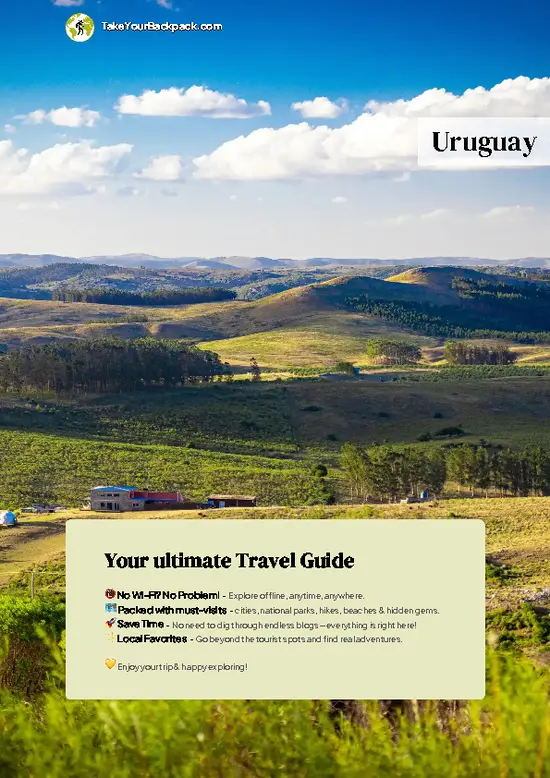
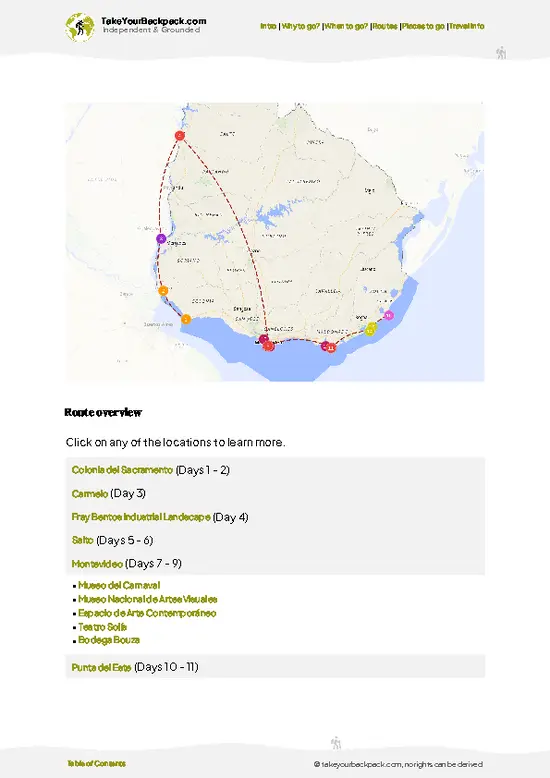
example page 0 from our offline Travel Guide for Uruguay
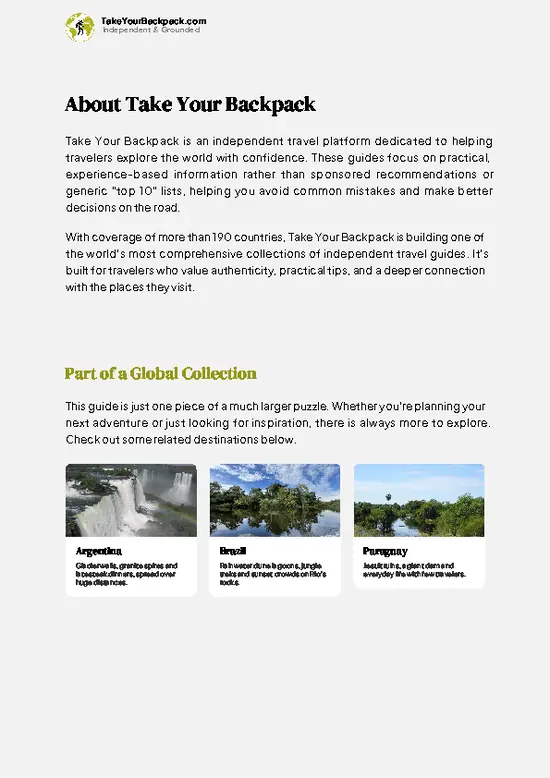
example page 1 from our offline Travel Guide for Uruguay
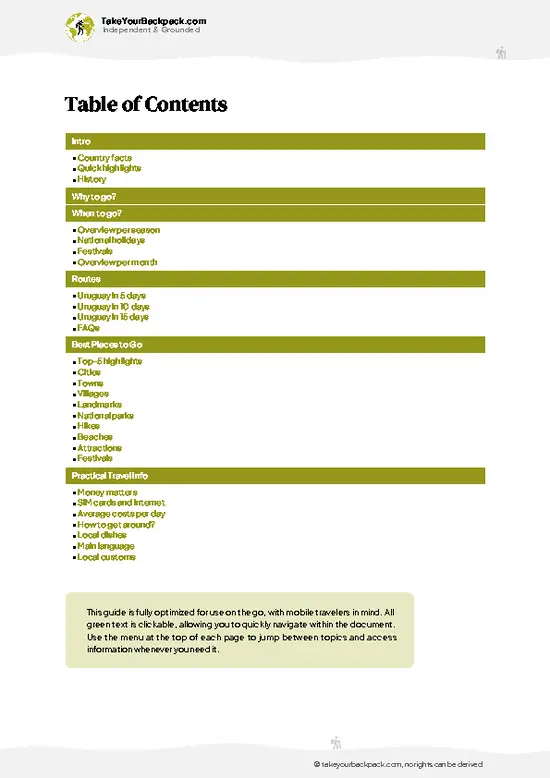
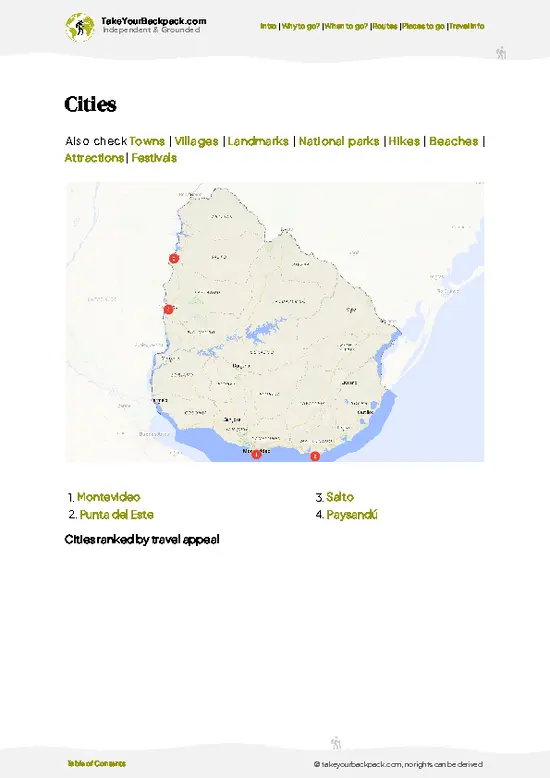
example page 2 from our offline Travel Guide for Uruguay
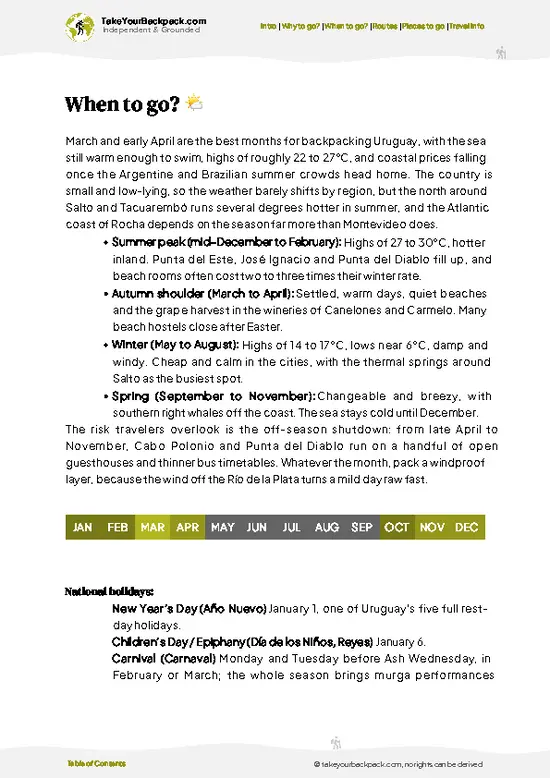
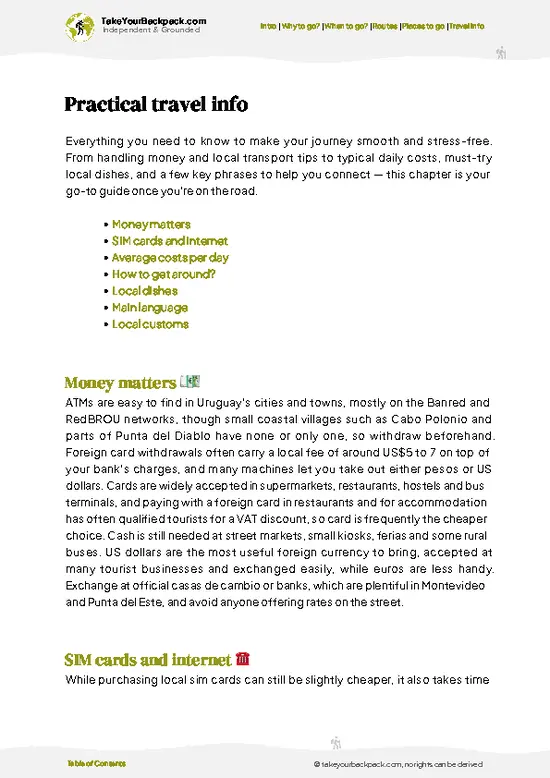
example page 3 from our offline Travel Guide for Uruguay
example page 4 from our offline Travel Guide for Uruguay
example page 5 from our offline Travel Guide for Uruguay
example page 6 from our offline Travel Guide for Uruguay
example page 7 from our offline Travel Guide for Uruguay
Loading the map 🌍
CLICK TO FILTER
cities
towns
villages
landmarks
national parks
hikes
beaches
attractions
festivals
SHOW COUNTRY’S BESTSHOW ALL

✨ Why go?
Ranked #1 town in Uruguay
Reasons people choose to visit here

Colonia del Sacramento earns its place on a route because it is the easiest, calmest way to cross between Argentina and Uruguay, and most travelers stay one or two nights. The Barrio Histórico, a UNESCO-listed quarter of Portuguese and Spanish colonial houses, can be covered on foot, and the evening is when it is best, after the day-trip crowds from Buenos Aires have left on the ferry. Stay overnight and you get the lanes almost to yourself, with street lamps, plane trees and the river lapping at the stone. The long Rambla along the water is where locals walk, cycle and drink mate at dusk, and renting a golf cart or bicycle is a pleasant way to cover it. Food is a draw too, with grilled meat, chivito sandwiches and local wine in small restaurants. The town suits slow travelers, couples and … read more 👉
Colonia del Sacramento earns its place on a route because it is the easiest, calmest way to cross between Argentina and Uruguay, and most travelers stay one or two nights. The Barrio Histórico, a UNESCO-listed quarter of Portuguese and Spanish colonial houses, can be covered on foot, and the evening is when it is best, after the day-trip crowds from Buenos Aires have left on the ferry. Stay overnight and you get the lanes almost to yourself, with street lamps, plane trees and the river lapping at the stone. The long Rambla along the water is where locals walk, cycle and drink mate at dusk, and renting a golf cart or bicycle is a pleasant way to cover it. Food is a draw too, with grilled meat, chivito sandwiches and local wine in small restaurants. The town suits slow travelers, couples and solo travelers who want a gentle reset after big cities. Nightlife is minimal and the hostel scene is small. If you want hiking, surf or crowds of backpackers, keep moving. If you want a pretty, easy pause, stay a night.

💡 HighlightsEssential experiences to have while visiting Colonia del Sacramento

  1. Barrio Histórico: The UNESCO-listed old quarter, with uneven stone streets, low colonial houses and bougainvillea, is what everyone comes for. Entry to the streets is free, and it takes 2 to 3 hours to wander properly. Go early morning or late afternoon for soft light and fewer tour groups.
  2. Faro de Colonia (Lighthouse): Built in the 1850s within the ruins of the Convent of San Francisco, the lighthouse gives the best view over the rooftops and river. The climb is a narrow spiral stair of about 118 steps. Tickets cost around US$1 to 2, and 30 minutes is enough. Late afternoon is best.
  3. Portón de Campo and city wall: The restored gate with its drawbridge and the sloping stone wall form the classic entry to the old quarter. Walking through and along the wall takes 20 to 30 minutes and is free. It
… read more 👉
  1. Barrio Histórico: The UNESCO-listed old quarter, with uneven stone streets, low colonial houses and bougainvillea, is what everyone comes for. Entry to the streets is free, and it takes 2 to 3 hours to wander properly. Go early morning or late afternoon for soft light and fewer tour groups.
  2. Faro de Colonia (Lighthouse): Built in the 1850s within the ruins of the Convent of San Francisco, the lighthouse gives the best view over the rooftops and river. The climb is a narrow spiral stair of about 118 steps. Tickets cost around US$1 to 2, and 30 minutes is enough. Late afternoon is best.
  3. Portón de Campo and city wall: The restored gate with its drawbridge and the sloping stone wall form the classic entry to the old quarter. Walking through and along the wall takes 20 to 30 minutes and is free. It is quietest in the morning.
  4. Calle de los Suspiros: This short cobbled lane, lined with tiled-roof Portuguese houses, is the most photographed street in town. It is free and takes 10 to 15 minutes. Visit early or at dusk to avoid queues for photos.
  5. Rambla and the sunset waterfront: The riverside path running along the Río de la Plata is where locals gather at dusk, and the sky over the water is the reason to be here in the evening. It is free, and a leisurely stroll takes 1 to 2 hours. Rental bikes and golf carts cost roughly US$10 to 25 for a couple of hours.
For a change of pace, the nearby Real de San Carlos, with its old bullring, and the vineyards around Carmelo are easy day trips by road. Start with the Barrio Histórico in the morning, before the ferry crowds arrive, so the other sights fall into place as the day goes on.
Spotted a mistake or missing something? Contact us.

Things to do around Colonia del Sacramento

Ratings based on Tripadvisor reviews. When you book through this link, you support our work at no extra cost to you.

🏘️ NeighborhoodsUnderstanding the local layout

Colonia is small enough that the areas below blend into one another, and you can cross the whole lot on foot in under an hour.
  • Barrio Histórico: The Portuguese-founded old quarter on the peninsula, with cobbled lanes, whitewashed houses, the lighthouse and the Portón de Campo gate. This is the reason to come, and it is worth a half day at an unhurried pace. Go early or late, when the day-trip crowds from Buenos Aires have thinned. Most of its small museums are minor, so pick one or two at most. Fully walkable, though the stones are hard on thin sandals.
  • Rambla and the port: The waterfront promenade along the Río de la Plata, running from the old port past the yacht marina. The sunset walk here is free and better than any ticketed sight. Restaurants by the port are pricier and aimed at day visitors,
… read more 👉
Colonia is small enough that the areas below blend into one another, and you can cross the whole lot on foot in under an hour.
  • Barrio Histórico: The Portuguese-founded old quarter on the peninsula, with cobbled lanes, whitewashed houses, the lighthouse and the Portón de Campo gate. This is the reason to come, and it is worth a half day at an unhurried pace. Go early or late, when the day-trip crowds from Buenos Aires have thinned. Most of its small museums are minor, so pick one or two at most. Fully walkable, though the stones are hard on thin sandals.
  • Rambla and the port: The waterfront promenade along the Río de la Plata, running from the old port past the yacht marina. The sunset walk here is free and better than any ticketed sight. Restaurants by the port are pricier and aimed at day visitors, so eat a block or two inland.
  • Centro (Nueva Colonia): The modern grid around Avenida General Flores, where locals shop, bank and catch buses. It has bakeries, parrilla grills, supermarkets and cheaper meals than the old quarter. Little to photograph, but useful and quiet at night. Walking from the historic gate takes about 10 minutes.
  • Real de San Carlos: A few kilometers north along the coast, with the restored bullring, the old hippodrome and a stretch of beach. It is a curiosity rather than a destination, and only worth it if you rent a bike and have a spare afternoon. Skip it in a rush.

⌛️ 1 day1-day itinerary for Colonia del Sacramento

8:00 AM: Puerto Viejo and the Portón de Campo
Start at the old port while the day-trippers from Buenos Aires are still on the ferry. The streets are empty, the light is soft on the stone, and you can walk through the Portón de Campo, the 1745 town gate with its wooden drawbridge, without anyone in your photo. Follow the cobbled Calle de los Suspiros, a short lane of low whitewashed houses with tiled roofs.

9:30 AM: Breakfast on Plaza Mayor 25 de Mayo
Sit under the plane trees and order coffee with medialunas at one of the cafés around the square. Prices are higher here than a few blocks inland, so keep it to one round. The Roman-style ruins of the Convent of San Francisco and the old lighthouse are steps away.

10:30 AM: Faro and the Basílica del Santísimo Sacramento
Climb the lighthouse (a … read more 👉
8:00 AM: Puerto Viejo and the Portón de Campo
Start at the old port while the day-trippers from Buenos Aires are still on the ferry. The streets are empty, the light is soft on the stone, and you can walk through the Portón de Campo, the 1745 town gate with its wooden drawbridge, without anyone in your photo. Follow the cobbled Calle de los Suspiros, a short lane of low whitewashed houses with tiled roofs.

9:30 AM: Breakfast on Plaza Mayor 25 de Mayo
Sit under the plane trees and order coffee with medialunas at one of the cafés around the square. Prices are higher here than a few blocks inland, so keep it to one round. The Roman-style ruins of the Convent of San Francisco and the old lighthouse are steps away.

10:30 AM: Faro and the Basílica del Santísimo Sacramento
Climb the lighthouse (a small entry fee, about 20 minutes) for a view over the red roofs and the wide brown river. Then step into the basilica next door, one of the oldest churches in Uruguay, plain and cool inside.

12:30 PM: Lunch away from the old quarter
Walk ten minutes east, out of the walled quarter, to the streets around Avenida General Flores. Menus here are written for locals, with chivito sandwiches and grilled meat at fair prices. It is the part of town the tour groups never reach.

2:30 PM: Rambla and the Real de San Carlos side
Follow the riverside rambla north past the small beaches, where residents sit with their mate flasks. Rent a bike if your legs want a change, because the flat path runs for kilometers. The bullring at Real de San Carlos, an early 1900s arena restored and reopened in 2021 as a cultural venue, is a quiet detour that most people never include in a visit.

5:30 PM: Sunset at the Paseo de San Gabriel
Head back along the water to the western shore of the old quarter. Find a rock or bench and watch the sky turn pink over the Río de la Plata. This is the best free show in town.

7:30 PM: Dinner and a slow evening
Return to the old quarter for a parrilla dinner on a cobbled side street, then wander back to your hostel. Evenings are calm, with guitar music drifting from a few bars, and the lanes look their best under the old lamps.

🌤️ When to go?Weather, crowds, and seasonal trade-offs

Late spring through early autumn, roughly November to March, gives the warmest river weather, though weekends fill with visitors from Buenos Aires.
  • Summer (December to February): Highs of 27 to 31°C (81 to 88°F), long evenings and the busiest streets. Prices peak and beds sell out on weekends, especially in January.
  • Autumn (March to May): Highs of 17 to 25°C (63 to 77°F). Calm, golden afternoons and thinner crowds. This is the best balance for walking the old quarter.
  • Winter (June to August): Highs of 11 to 15°C (52 to 59°F), lows near 4°C (39°F), with damp wind off the river. Daylight ends early, but rates are lowest and the lanes are almost empty.
  • Spring (September to November): Highs of 17 to 24°C (63 to 75°F) with occasional rain. Quiet, green and good value.
Visit midweek in any season and the old quarter feels like a different town.

source: climatestotravel.comJANJanuary: fair for travelingFEBFebruary: fair for travelingMARMarch: highly recommended for travelingAPRApril: highly recommended for travelingMAYMay: highly recommended for travelingJUNJune: good for travelingJULJuly: good for travelingAUGAugust: good for travelingSEPSeptember: excellent for travelingOCTOctober: excellent for travelingNOVNovember: highly recommended for travelingDECDecember: fair for traveling
when-to-go

✈️ The backpacker research shortcutUruguay Travel Guide

An offline-friendly backpacking guide with optimized travel routes, ranked highlights, transport advice, and the best areas to stay.
example page 0 from our offline Travel Guide for Uruguay
example page 1 from our offline Travel Guide for Uruguay
example page 2 from our offline Travel Guide for Uruguay
example page 3 from our offline Travel Guide for Uruguay
example page 4 from our offline Travel Guide for Uruguay
example page 5 from our offline Travel Guide for Uruguay
example page 6 from our offline Travel Guide for Uruguay
example page 7 from our offline Travel Guide for Uruguay
The digital guide (198 pages) contains:
✅ 56 highlights, ranked by travel appeal
✅ Optimized 5, 10 & 15-day travel routes
✅ Cities, national parks, landmarks, beaches
✅ How to get around
✅ Offline-friendly for travel without Wi-Fi
👉 Click to see all 30+ guide features

📅 Plan smarter in minutes, not weeks
✅ Month by month travel advice
✅ Festivals & national holidays
✅ Budget expectations

🗺️ Go to the right places, skip the overrated ones
✅ Honest pros & cons of destinations
✅ Top hikes, parks & viewpoints
✅ Lesser-known places most travelers miss
✅ Clear “worth it vs skip it” guidance

🛏️ Travel smoothly without rookie mistakes
✅ Best areas to stay
✅ Transport systems explained simply
✅ Common scams & safety advice
✅ SIM cards, money & practical tips

🌍 Understand the country, not just visit it
✅ Culture & traditions
✅ 52 Essential phrases & customs
✅ Festivals worth planning around
✅ Traveler-friendly historical context
✅ Insights that make places more meaningful

📱 Built for real travel conditions
✅ Fully downloadable PDF
✅ Works completely offline
✅ Optimized for phone use
✅ Useful in remote areas & buses
✅ Everything in one place
Stop searching, start planning
Get instant access to your full guide. 30‑day money-back guarantee.
+ Add another guide for just

By proceeding you agree to our terms.
Sent to your inbox immediately after payment • 100% Secure Checkout
Best Backpacking Travel Advisor 2025 tourism awardBest Backpacking
Travel Advisor
2025
What others say about Take Your Backpack Guides:
⭐⭐⭐⭐⭐
Fantastic, amazing amount of information!
⭐⭐⭐⭐⭐
My goodness this is amazing, it's what I've been looking for hats off too you!
⭐⭐⭐⭐⭐
I think this is absolutely BRILLIANT
⭐⭐⭐⭐
Very complete and informative. It's still missing places, but I gotta to commend you
⭐⭐⭐⭐⭐
This is truly amazing, thank you, can't wait to explore it with my kids!
⭐⭐⭐⭐⭐
Awesome resource, thank you!
⭐⭐⭐⭐⭐
This is amazing! Can't wait to explore the ones I haven't seen
⭐⭐⭐⭐
I love this! Well done, great idea.
⭐⭐⭐⭐⭐
Thanks for taking the time to make this gem!
⭐⭐⭐⭐⭐
This might be the best website I've ever seen.
⭐⭐⭐⭐⭐
Congratulations, and thank you so much for your work; it's incredibly valuable.
⭐⭐⭐⭐
In all seriousness I think you did a great job pointing out the important spots
⭐⭐⭐⭐⭐
10/10 very good
⭐⭐⭐⭐⭐
As someone who's only just starting to visit regularly this is awesome, thank you.
⭐⭐⭐⭐
Thank you very much! I'm going to visit my dad, it's going to be very useful!
⭐⭐⭐⭐⭐
This is really cool! We'll be travelling for the first time and this definitely come in handy.
⭐⭐⭐⭐⭐
You are now our minister of culture, congratulations 👨‍💼
⭐⭐⭐⭐⭐
Just wanted to tell you that this is a pearl! Going to follow your recommendations.
⭐⭐⭐⭐⭐
This is so cool. I'll definitely be using the resource for my travels soon.
⭐⭐⭐⭐⭐
This is very impressive! Good work.
⭐⭐⭐⭐⭐
This is an amazing and informative site. Very well done!

🛏️ Where to stay?Where staying makes the most sense

Stay in the Centro, a few blocks inland from the old quarter, if you want the cheapest beds and easy transport. Dorms and budget rooms are limited in Colonia overall, and the supply is small, so book ahead on weekends and in summer. The few hostels cluster in and near the center, with a handful of guesthouses and simple inns beside them. Prices drop by a third or more midweek and in winter.
The Centro is the practical pick. It is a 10 minute walk to the bus terminal, close to supermarkets and cheap eateries, and quiet after dark. Streets are well lit and residential, and walking back late is routine. … read more 👉
Stay in the Centro, a few blocks inland from the old quarter, if you want the cheapest beds and easy transport. Dorms and budget rooms are limited in Colonia overall, and the supply is small, so book ahead on weekends and in summer. The few hostels cluster in and near the center, with a handful of guesthouses and simple inns beside them. Prices drop by a third or more midweek and in winter.
The Centro is the practical pick. It is a 10 minute walk to the bus terminal, close to supermarkets and cheap eateries, and quiet after dark. Streets are well lit and residential, and walking back late is routine. You reach the historic gate in about 10 to 15 minutes on foot.
The edge of the old quarter is the second option. Sleeping inside the walls puts you among cobbled lanes after the day visitors leave, which is the best time to be there. Rooms are fewer and cost noticeably more, and old buildings carry some street noise on weekend nights from the restaurants. It suits one or two nights if the budget allows.
Beach areas further out are poorly served by transport and have little budget lodging, so they are best skipped.

🚌 Getting aroundTransportation options and practical tips

Walking is the easiest way to get around Colonia del Sacramento, because the Barrio Histórico, the rambla and the main commercial streets all sit within about 2 kilometers (1.2 miles) of the bus terminal. Traffic is light, cobblestones are uneven, and nothing in the old quarter needs a vehicle. Public transport exists but is thin, and you only reach for wheels when you head to the outskirts or the farther beaches.
  • Walking: Free, and the best option by a wide margin. The historic quarter takes 2 to 3 hours to cover without rushing, and the walk from the bus terminal to the old gate (Puerta de la Ciudadela) is roughly 15 to 20 minutes. Wear sturdy sandals or sneakers, since the old stone streets punish thin soles and heels.
  • Rental bicycle: US$8 to 12 for a few hours or US$12 to 18 for the day,
… read more 👉
Walking is the easiest way to get around Colonia del Sacramento, because the Barrio Histórico, the rambla and the main commercial streets all sit within about 2 kilometers (1.2 miles) of the bus terminal. Traffic is light, cobblestones are uneven, and nothing in the old quarter needs a vehicle. Public transport exists but is thin, and you only reach for wheels when you head to the outskirts or the farther beaches.
  • Walking: Free, and the best option by a wide margin. The historic quarter takes 2 to 3 hours to cover without rushing, and the walk from the bus terminal to the old gate (Puerta de la Ciudadela) is roughly 15 to 20 minutes. Wear sturdy sandals or sneakers, since the old stone streets punish thin soles and heels.
  • Rental bicycle: US$8 to 12 for a few hours or US$12 to 18 for the day, from shops near the port and along the main streets. Cycling the rambla toward Real de San Carlos and the beaches is flat and pleasant, and it saves you taxi fares. Skip bikes inside the old quarter itself, where the cobbles rattle your teeth and walkers fill the lanes.
  • Golf cart or scooter: Electric golf carts (around US$25 to 40 an hour for the cart) and scooters (about US$25 to 40 a day) are rented around the center. The carts suit groups of three or four who want to see the outskirts quickly. For one solo backpacker, a bicycle is the cheaper and better choice.
  • Local bus: The urban buses run mainly between the terminal, the center and the Real de San Carlos area, with fares around US$0.80 to 1.20, paid in pesos to the driver. Frequency drops sharply in the evening and on Sundays, so check the last departure with the driver before you rely on it. Useful for the bullring and beach side, not worth planning around for the old town.
  • Taxi: Fares within town run about US$4 to 8, and a ride out to Real de San Carlos is usually US$6 to 10. Taxis wait near the terminal and the port, and you can ask your accommodation to call one. Agree on the price before you get in if the car has no meter running, and carry small pesos notes for change.
For arriving and leaving, the bus terminal sits a short walk from the center, so you rarely need any transfer at all. Ferries to Buenos Aires leave from the port, also within walking distance of the old quarter, so travelers with a backpack can go door to door on foot.

👛 Costs (as of 19 October 2026)Typical daily expenses

A backpacker in Colonia del Sacramento should plan on about US$62 a day in high season, with a day in the low season closer to US$48.
CategoryBudget RangeLocal Reality
Dorm accommodationUS$18 to 28Few hostels, so beds are limited and rise on summer weekends. Winter and midweek prices are lower. Budget: US$23.
MealsUS$14 to 25Chivitos, empanadas and bakery lunches cost US$4 to 8. A sit-down dinner in the old quarter runs US$15 to 25. Budget: US$18.
Local transportUS$1 to 4Walking covers most needs. Buses cost about US$1 a ride, and bike rental adds US$5 to 10 when used. Budget: US$3.
Basic activities/entry feesUS$3 to 10Wandering the old quarter is free. The lighthouse and individual museums cost a few dollars each. Budget: US$8.
Miscellaneous expensesUS$5 to 12Coffee, water, sunscreen and the occasional
… read more 👉
A backpacker in Colonia del Sacramento should plan on about US$62 a day in high season, with a day in the low season closer to US$48.
CategoryBudget RangeLocal Reality
Dorm accommodationUS$18 to 28Few hostels, so beds are limited and rise on summer weekends. Winter and midweek prices are lower. Budget: US$23.
MealsUS$14 to 25Chivitos, empanadas and bakery lunches cost US$4 to 8. A sit-down dinner in the old quarter runs US$15 to 25. Budget: US$18.
Local transportUS$1 to 4Walking covers most needs. Buses cost about US$1 a ride, and bike rental adds US$5 to 10 when used. Budget: US$3.
Basic activities/entry feesUS$3 to 10Wandering the old quarter is free. The lighthouse and individual museums cost a few dollars each. Budget: US$8.
Miscellaneous expensesUS$5 to 12Coffee, water, sunscreen and the occasional drink. Budget: US$10.
Total Daily BudgetUS$41 to 79Typical high-season day: US$62.
Buy lunch at a bakery or supermarket in the center rather than near the port, where the same meal costs up to twice as much.


source: turismo.gub.uy
⚠️ Prices can change and everyone travels differently, so take this as a rough guide. Hope it helps you plan your adventure!

🚌 Day tripsExploring the surroundings

Colonia works as a base for short outings, with the better trips reached by bus or bike within a couple of hours.
Carmelo and its wineries: Carmelo is a quiet river town in the wine region, reached by bus in roughly 1.5 to 2 hours for about US$6 to 9 each way. Wineries and vineyard bike routes are the draw, with tastings from around US$10 to 20. Go between March and May for the harvest. Services are sparse on Sundays, which catches first-timers out.
👉 Explore Carmelo
Real de San Carlos: A 5 km ride along the coast on a rented bike, about US$5 to 10 for the day. You get a beach, the restored bullring and a sunset on the river without a bus ticket. Choose a clear afternoon in spring or autumn, since summer midday heat is draining and the road has little shade.

Colonia Valdense and Nueva Helvecia: … read more 👉
Colonia works as a base for short outings, with the better trips reached by bus or bike within a couple of hours.
Carmelo and its wineries: Carmelo is a quiet river town in the wine region, reached by bus in roughly 1.5 to 2 hours for about US$6 to 9 each way. Wineries and vineyard bike routes are the draw, with tastings from around US$10 to 20. Go between March and May for the harvest. Services are sparse on Sundays, which catches first-timers out.
👉 Explore Carmelo
Real de San Carlos: A 5 km ride along the coast on a rented bike, about US$5 to 10 for the day. You get a beach, the restored bullring and a sunset on the river without a bus ticket. Choose a clear afternoon in spring or autumn, since summer midday heat is draining and the road has little shade.

Colonia Valdense and Nueva Helvecia: These Swiss and Waldensian farming towns inland are known for cheese shops, bakeries and chocolate. Buses take about 1 to 1.5 hours and cost US$3 to 6. Plan a long lunch and go on a weekday. Many shops close on Sunday afternoons.

Montevideo: Possible in a long day. The bus takes 2.5 to 3 hours each way at about US$10 to 14. It gives you the Ciudad Vieja and Mercado del Puerto, but you will feel rushed, and a night there is better.
👉 Explore Montevideo

🛡️ SafetyScams, Hazards, and Annoyances

Colonia is one of the calmer places in Uruguay, and violent crime against travelers is rare. Petty theft is the main issue, mostly phones and bags left on café tables or beach towels, and occasional opportunistic thefts from parked cars and rented bikes. Use the lock that comes with a rental bike and keep valuables out of sight in vehicles.
Solo travelers, including women, generally walk the old quarter and Rambla at night without trouble. The edges of the center become very empty late, so take the lit main streets rather than shortcuts. Taxis are metered and usually fair, and agreeing the price first on longer rides avoids disputes.
Scams are uncommon. The more likely annoyance is paying for tourist-oriented restaurants priced in dollars at inflated rates, so check menus before sitting down. … read more 👉
Colonia is one of the calmer places in Uruguay, and violent crime against travelers is rare. Petty theft is the main issue, mostly phones and bags left on café tables or beach towels, and occasional opportunistic thefts from parked cars and rented bikes. Use the lock that comes with a rental bike and keep valuables out of sight in vehicles.
Solo travelers, including women, generally walk the old quarter and Rambla at night without trouble. The edges of the center become very empty late, so take the lit main streets rather than shortcuts. Taxis are metered and usually fair, and agreeing the price first on longer rides avoids disputes.
Scams are uncommon. The more likely annoyance is paying for tourist-oriented restaurants priced in dollars at inflated rates, so check menus before sitting down. Sun and wind off the river are stronger than they look, and rental golf carts require care on cobbles.

FAQCommon questions from travelers

Colonia del Sacramento is worth a night or two rather than a quick stop. The Portuguese-era old quarter, the lighthouse view and the Rambla sunset take most of a day, and the quiet evenings after the day-trippers leave are the best part. Buses from Montevideo take about 2.5 to 3 hours, and fast ferries from Buenos Aires about 1 to 1.25 hours.
Two days and one night is the practical amount for Colonia del Sacramento. That covers the historic quarter, a bike ride to Real de San Carlos and a slow evening on the waterfront. Add a third day if you want Carmelo wineries, about 1.5 to 2 hours away by bus, or if you simply prefer a slower pace.
Yes, Colonia del Sacramento is a very common day trip from Buenos Aires by fast ferry, taking about 1 to 1.25 hours each way, with return fares of roughly US$80 to 130. From Montevideo it is possible but long, at 2.5 to 3 hours each way by bus for about US$10 to 14. A day gives you the old quarter, though you miss the quiet evening hours.
⚠️ Things can change over time, so always validate details locally before you go.

Other Uruguayan towns near Colonia del Sacramento

Explore more nearby:

  • Carmelo—Swing bridge, Arroyo Las Vacas marina, Tannat bodega, Tigre ferry| 67 km away
  • Atlántida—Dieste brick church, Costa de Oro rambla, pine-shaded chalets, Calle 18 chivitos| 193 km away
  • San Javier—Russian settler village, Cyrillic gravestones, immigrants museum, Uruguay River banks| 202 km away

💡 Not sure where to go next?
Create a personalized itinerary for Uruguay including Colonia del Sacramento and the places that fit your trip.

Generate my itinerary

👉 Discover all towns

Or checkout all Uruguay has to offer (think cities, towns, villages, national parks, hikes, beaches, festivals)
Country photo of Uruguay

We 💚 feedbackFinal thoughts on visiting Colonia del Sacramento

Colonia del Sacramento works best as a one-night pause between Buenos Aires and Montevideo, or before heading on to Carmelo or the Atlantic coast near Punta del Este. I would sleep over so the old quarter is yours after the ferries leave. Bring cash for small cafés and a light layer, because the river breeze cools the evenings quickly.

✍️ Help improve this page!
The information on this page is based on in-depth research, insights shared by experienced travelers, and feedback from the local travel community in Uruguay. While every effort is made to keep the information accurate and current, conditions can change — so if you spot anything incorrect or outdated, please get in touch.


🙋‍♂️ Give feedback

👋 Meet the founderWho’s Behind Take Your Backpack?

Johan, backpacker and founder of TakeYourBackpackHi, I’m Johan (Netherlands 🇳🇱), the creator of TakeYourBackpack. Over the past 3 decades, I’ve backpacked through 90+ countries across six continents, gaining extensive experience with independent travel, long-term trips, and overland routes.

This site is built on a combination of firsthand travel experience and carefully curated insights from other backpackers. Many guides are based on places I’ve personally visited, while others bring together tips, observations, and practical advice shared by trusted travelers I’ve met along the way.

The goal is to provide realistic, experience-driven guidance — not generic itineraries — so you can explore destinations with better context, clearer expectations, and more confidence.