×

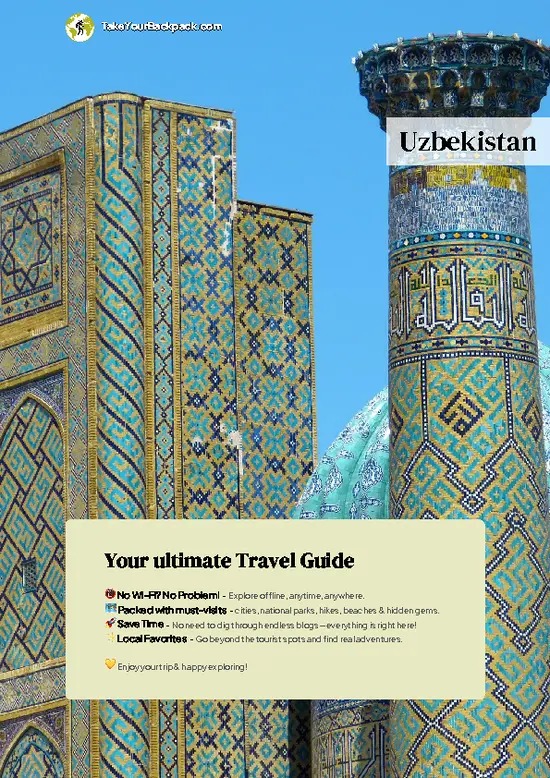
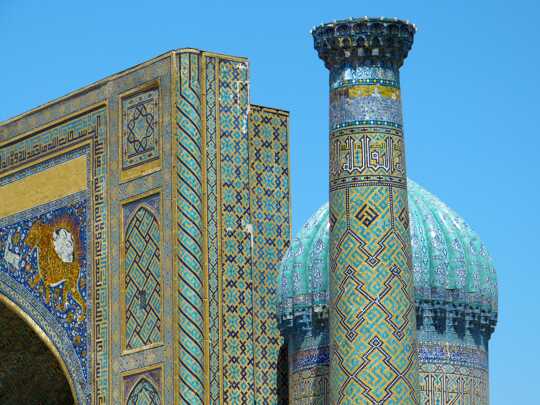
Uzbekistan🇺🇿 | attractionsBibi-Khanym Mosquecolossal portal, blue domes, marble columns | things to do and best time to go

Explore Gur-e-Amir MausoleumExplore Ark of Bukhara

Backpacking in Bibi-Khanym Mosque
🌟 Highlightattraction ranked #6
By Johan Kruseman 🇳🇱 | Updated July 10, 2026

Forget the filtered photos: Bibi-Khanym Mosque isn’t some serene, untouched relic—its interior is mostly rubble and open sky, not a carpeted sanctuary. You’ll find it in the heart of Samarkand, Uzbekistan, looming over the city’s bazaar like a half-ruined colossus. Here’s the deal: the scale is jaw-dropping, the blue domes and battered arches feel almost mythic, and you can wander right up to the bones of Timur’s ambition. But you won’t be alone—tour groups and selfie-sticks are everywhere, especially midday. Entry is cheap, but restoration is ongoing, so don’t expect pristine mosaics or quiet contemplation. Compared to the Registan’s polished grandeur, Bibi-Khanym is raw, honest, and a little chaotic—perfect if you crave atmosphere over perfection, and want to feel the pulse of real Samarkand, not just its postcard face.

Discover everything you want to know in the 📖 Uzbekistan Travel Guide.
Loading the map 🌍
CLICK TO FILTER
cities
towns
villages
landmarks
national parks
hikes
beaches
attractions
festivals
regions
SHOW COUNTRY’S BESTSHOW ALL

✨ Why go?
Ranked #6 attraction in Uzbekistan
Reasons people choose to visit here

The Bibi-Khanym Mosque isn’t just another photo op on the Silk Road—it’s a brutal reminder of ambition meeting reality. Yes, it’s crowded, especially midday when tour groups swarm like bees, and yes, restoration efforts mean parts look patched rather than pristine. But here’s the kicker: this mosque was once the largest in the Islamic world, built in the 15th century by Timur’s empire, a symbol of raw power and faith. Walking through its massive, crumbling arches, you feel the weight of history pressing down—emperors, artisans, and pilgrims all left their mark here. It’s not just about the size or the faded grandeur; it’s about standing in a place where human will tried to defy time itself. For backpackers, it’s a milestone on the Uzbekistan route, a checkpoint that demands respect and reflection. … read more 👉
The Bibi-Khanym Mosque isn’t just another photo op on the Silk Road—it’s a brutal reminder of ambition meeting reality. Yes, it’s crowded, especially midday when tour groups swarm like bees, and yes, restoration efforts mean parts look patched rather than pristine. But here’s the kicker: this mosque was once the largest in the Islamic world, built in the 15th century by Timur’s empire, a symbol of raw power and faith. Walking through its massive, crumbling arches, you feel the weight of history pressing down—emperors, artisans, and pilgrims all left their mark here. It’s not just about the size or the faded grandeur; it’s about standing in a place where human will tried to defy time itself. For backpackers, it’s a milestone on the Uzbekistan route, a checkpoint that demands respect and reflection. The effort to get here—navigating Samarkand’s chaos and the mosque’s uneven grounds—is rewarded with a visceral connection to a world that’s both distant and startlingly real.
Want to include Bibi-Khanym Mosque in your Uzbekistan route?
Create a personalized Uzbekistan itinerary that includes Bibi-Khanym Mosque and the places that fit your trip — based on your travel style, budget, and available time. Get your route in seconds.

Generate my trip

💡 HighlightsThe experiences that define the visit

The Jaw-Dropping Main Portal (Iwan)
Forget the Instagram angles—standing under the main iwan is a gut-check for your sense of scale. This isn’t just a big doorway; it’s a 40-meter-tall slab of blue-tiled ambition that once tried to outshine anything in Samarkand. The battered grandeur is part of the appeal. You’ll see cracks, missing tiles, and scaffolding—proof that this place has survived centuries of earthquakes, neglect, and Soviet indifference. The real entertainment is watching tour groups crane their necks and gasp, then realizing you’re standing where Tamerlane’s architects nearly broke themselves trying to impress their boss.


The Courtyard’s Echo Chamber
Step inside and you’ll find a courtyard that swallows sound and sunlight in equal measure. It’s not peaceful in the Instagram sense—there’s … read more 👉
The Jaw-Dropping Main Portal (Iwan)
Forget the Instagram angles—standing under the main iwan is a gut-check for your sense of scale. This isn’t just a big doorway; it’s a 40-meter-tall slab of blue-tiled ambition that once tried to outshine anything in Samarkand. The battered grandeur is part of the appeal. You’ll see cracks, missing tiles, and scaffolding—proof that this place has survived centuries of earthquakes, neglect, and Soviet indifference. The real entertainment is watching tour groups crane their necks and gasp, then realizing you’re standing where Tamerlane’s architects nearly broke themselves trying to impress their boss.


The Courtyard’s Echo Chamber
Step inside and you’ll find a courtyard that swallows sound and sunlight in equal measure. It’s not peaceful in the Instagram sense—there’s a constant shuffle of feet, the drone of guides, and the occasional wedding party in neon suits. But if you stand in the right spot, you’ll catch the echo of your own voice bouncing off centuries-old brickwork. That’s the real magic: the sense that you’re just one more visitor in a thousand-year parade, and the mosque is big enough to swallow everyone’s stories.


The Ruined Dome
The main dome is a lesson in beautiful imperfection. It’s massive, patched, and visibly scarred by time. The inside is closed to visitors, but even from the courtyard, you can see the ribs and faded mosaics that hint at what once was. This isn’t a pristine relic—it’s a survivor. The entertainment here is in the details: storks nesting on the roof, the way the light shifts across chipped tiles, and the realization that you’re looking at the architectural equivalent of a heavyweight boxer who’s gone the distance.


The Quran Stand (Koran Rehal)
In the center of the courtyard sits a hulking stone bookstand, supposedly built to hold the world’s largest Quran. It’s not flashy, but it’s weirdly magnetic—locals still tie rags to it for luck, and you’ll see people circling it with a mix of reverence and curiosity. The stand is a reminder that this place was once the spiritual heart of an empire, not just a backdrop for selfies.


The Human Circus
If you want to see Samarkand’s social life in fast-forward, park yourself on a bench and watch the parade. You’ll get everything: Uzbek grandmothers in gold teeth, kids playing soccer with plastic bottles, honeymooners posing for awkward photos, and the occasional Sufi mystic lost in thought. The crowds are real, but so is the energy. This is not a museum—it’s a living, breathing crossroads, and the people-watching is world-class.
Spotted a mistake or missing something? Contact us.

Things to do around Bibi-Khanym Mosque

Ratings based on Tripadvisor reviews. When you book through this link, you support our work at no extra cost to you.

🌤️ When to go?Choosing the right time of year


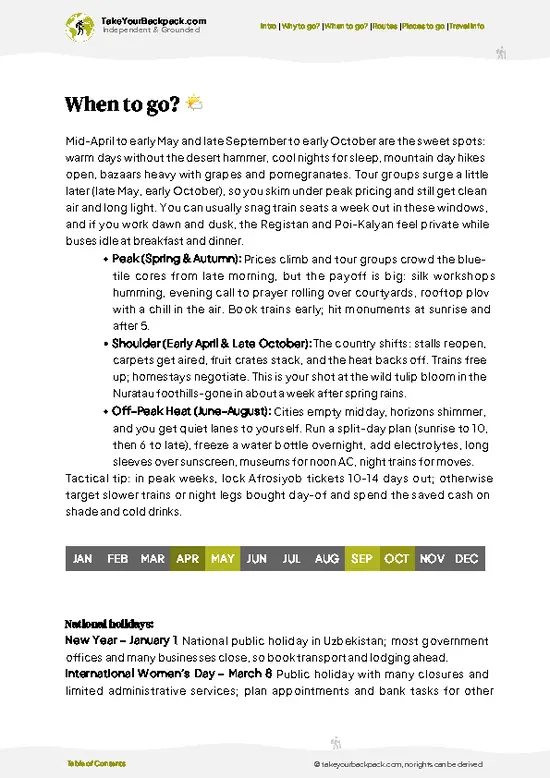
  • Weather: The best weather hits between April and June or September and early October. Summers scorch with highs often above 38°C (100°F), making midday exploration brutal. Winters dip below freezing, which can freeze your enthusiasm.

  • Temperature: Spring and fall offer a sweet spot—daytime temps hover around 20-25°C (68-77°F), perfect for wandering without melting or shivering.

  • Daylight Hours: From late March to early October, you get 12 to 14 hours of daylight, giving you plenty of time to soak in the mosque’s details without rushing.

  • Crowds: Peak tourist season aligns with spring and fall, so expect groups around the mosque, especially mid-morning. Early mornings or late afternoons are quieter, letting you savor the atmosphere solo.

  • Seasonal Activities: Spring brings local festivals
read more 👉

  • Weather: The best weather hits between April and June or September and early October. Summers scorch with highs often above 38°C (100°F), making midday exploration brutal. Winters dip below freezing, which can freeze your enthusiasm.

  • Temperature: Spring and fall offer a sweet spot—daytime temps hover around 20-25°C (68-77°F), perfect for wandering without melting or shivering.

  • Daylight Hours: From late March to early October, you get 12 to 14 hours of daylight, giving you plenty of time to soak in the mosque’s details without rushing.

  • Crowds: Peak tourist season aligns with spring and fall, so expect groups around the mosque, especially mid-morning. Early mornings or late afternoons are quieter, letting you savor the atmosphere solo.

  • Seasonal Activities: Spring brings local festivals and a burst of greenery around Samarkand, adding life to your visit. Fall is harvest time, with markets nearby showcasing fresh produce and crafts.

  • Price Fluctuations: Accommodation and tours spike during spring and fall. Winter and summer see fewer tourists, so prices drop, but weather trade-offs apply.


Pro-tip: Aim for early April or late September to dodge the worst crowds and heat while catching the mosque in its most approachable form.


source: climatestotravel.comJANJanuary: fair for travelingFEBFebruary: fair for travelingMARMarch: good for travelingAPRApril: excellent for travelingMAYMay: excellent for travelingJUNJune: highly recommended for travelingJULJuly: below average for travelingAUGAugust: below average for travelingSEPSeptember: excellent for travelingOCTOctober: highly recommended for travelingNOVNovember: good for travelingDECDecember: fair for traveling
when-to-go

✈️ The backpacker research shortcutUzbekistan Travel Guide

An offline-friendly backpacking guide with optimized travel routes, ranked highlights, transport advice, and the best areas to stay.
example page 0 from our offline Travel Guide for Uzbekistan
example page 1 from our offline Travel Guide for Uzbekistan
example page 2 from our offline Travel Guide for Uzbekistan
example page 3 from our offline Travel Guide for Uzbekistan
example page 4 from our offline Travel Guide for Uzbekistan
example page 5 from our offline Travel Guide for Uzbekistan
example page 6 from our offline Travel Guide for Uzbekistan
example page 7 from our offline Travel Guide for Uzbekistan
The digital guide (328 pages) contains:
94 highlights, ranked by travel appeal
Optimized 5, 10 & 15-day travel routes
Cities, national parks, landmarks, beaches
How to get around
Offline-friendly for travel without Wi-Fi
👉 Click to see all 30+ guide features

📅 Plan smarter in minutes, not weeks
Month by month travel advice
Festivals & national holidays
Budget expectations

🗺️ Go to the right places, skip the overrated ones
Honest pros & cons of destinations
Top hikes, parks & viewpoints
Lesser-known places most travelers miss
Clear “worth it vs skip it” guidance

🛏️ Travel smoothly without rookie mistakes
Best areas to stay
Transport systems explained simply
Common scams & safety advice
SIM cards, money & practical tips

🌍 Understand the country, not just visit it
Culture & traditions
52 Essential phrases & customs
Festivals worth planning around
Traveler-friendly historical context
Insights that make places more meaningful

📱 Built for real travel conditions
Fully downloadable PDF
Works completely offline
Optimized for phone use
Useful in remote areas & buses
Everything in one place
Save weeks of stressful planning
Get instant access to your full guide. 30‑day money-back guarantee.


By proceeding you agree to our terms.
Sent to your inbox immediately after payment • 100% Secure Checkout
Best Backpacking Travel Advisor 2025 tourism awardBest Backpacking
Travel Advisor
2025
What others say about Take Your Backpack Guides:
⭐⭐⭐⭐⭐
Fantastic, amazing amount of information!
⭐⭐⭐⭐⭐
My goodness this is amazing, it's what I've been looking for hats off too you!
⭐⭐⭐⭐⭐
I think this is absolutely BRILLIANT
⭐⭐⭐⭐
Very complete and informative. It's still missing places, but I gotta to commend you
⭐⭐⭐⭐⭐
This is truly amazing, thank you, can't wait to explore it with my kids!
⭐⭐⭐⭐⭐
Awesome resource, thank you!
⭐⭐⭐⭐⭐
This is amazing! Can't wait to explore the ones I haven't seen
⭐⭐⭐⭐
I love this! Well done, great idea.
⭐⭐⭐⭐⭐
Thanks for taking the time to make this gem!
⭐⭐⭐⭐⭐
This might be the best website I've ever seen.
⭐⭐⭐⭐⭐
Congratulations, and thank you so much for your work; it's incredibly valuable.
⭐⭐⭐⭐
In all seriousness I think you did a great job pointing out the important spots
⭐⭐⭐⭐⭐
10/10 very good
⭐⭐⭐⭐⭐
As someone who's only just starting to visit regularly this is awesome, thank you.
⭐⭐⭐⭐
Thank you very much! I'm going to visit my dad, it's going to be very useful!
⭐⭐⭐⭐⭐
This is really cool! We'll be travelling for the first time and this definitely come in handy.
⭐⭐⭐⭐⭐
You are now our minister of culture, congratulations 👨‍💼
⭐⭐⭐⭐⭐
Just wanted to tell you that this is a pearl! Going to follow your recommendations.
⭐⭐⭐⭐⭐
This is so cool. I'll definitely be using the resource for my travels soon.
⭐⭐⭐⭐⭐
This is very impressive! Good work.
⭐⭐⭐⭐⭐
This is an amazing and informative site. Very well done!

🛏️ Where to stay?Best areas to stay in Uzbekistan

If you’re backpacking to see Bibi-Khanym Mosque, forget the glossy travel brochures that make it look like you’ll have the place to yourself. It’s a major draw, so expect crowds, especially midday when tour buses roll in. The real magic isn’t just in the mosque’s grand facade but in the gritty, lived-in neighborhoods nearby where locals go about their day.

For a genuine experience, aim to stay in the old city area of Samarkand, just a short walk from the mosque. This zone is where budget travelers and solo backpackers converge because it’s safe, social, and packed with affordable guesthouses … read more 👉
If you’re backpacking to see Bibi-Khanym Mosque, forget the glossy travel brochures that make it look like you’ll have the place to yourself. It’s a major draw, so expect crowds, especially midday when tour buses roll in. The real magic isn’t just in the mosque’s grand facade but in the gritty, lived-in neighborhoods nearby where locals go about their day.

For a genuine experience, aim to stay in the old city area of Samarkand, just a short walk from the mosque. This zone is where budget travelers and solo backpackers converge because it’s safe, social, and packed with affordable guesthouses and teahouses where you can swap stories over endless cups of green tea. The streets here pulse with daily life—vendors selling fresh bread, kids darting through alleys, and artisans hammering away at crafts. It’s a far cry from sanitized tourist zones.

Staying close means you can catch the mosque at dawn or dusk, when the light hits the intricate tilework just right and the crowds thin out. Plus, you’re steps from other historic sites, making it easy to stretch your legs and soak in the city’s layered history without breaking the bank or your spirit.

👛 Costs (as of 12 June 2025)What things cost and how to budget

As of the most recent estimates, the entrance fee for foreign tourists to visit the Bibi-Khanym Mosque in Samarkand, Uzbekistan, is approximately 25,000 to 30,000 Uzbek Som, which is about €2 to €3. Photography is usually allowed, but visitors should be respectful when locals are praying. The best time for photography is in the early morning or late afternoon when the sunlight highlights the mosque’s blue domes and tiles.

source: tourtravelworld.com
⚠️ Prices can change and everyone travels differently, so take this as a rough guide. Hope it helps you plan your adventure!

Other Uzbek attractions near Bibi-Khanym Mosque

Explore more nearby:


💡 Not sure where to go next?
Create a personalized itinerary for Uzbekistan including Bibi-Khanym Mosque and the places that fit your trip.

Generate my itinerary

👉 Discover all attractions

Or checkout all Uzbekistan has to offer (think cities, towns, villages, national parks, hikes, beaches, festivals)
Country photo of Uzbekistan

We 💚 feedbackParting advice and final tips

The Bibi-Khanym Mosque isn’t some quiet, untouched relic—expect crowds, especially midday. But here’s the kicker: once you step inside, the scale hits you like a punch. The sheer ambition of this 15th-century project, with its battered yet defiant domes and intricate tilework, tells a story of power and passion that no Instagram snap can capture. Go early, soak in the dust and history, and let the place surprise you beyond the usual tourist buzz.

✍️ Help improve this page!
The information on this page is based on in-depth research, insights shared by experienced travelers, and feedback from the local travel community in Uzbekistan. While every effort is made to keep the information accurate and current, conditions can change — so if you spot anything incorrect or outdated, please get in touch.


🙋‍♂️ Give feedback

👋 Meet the founderWho’s Behind Take Your Backpack?

Johan, backpacker and founder of TakeYourBackpackHi, I’m Johan (Netherlands 🇳🇱), the creator of TakeYourBackpack. Over the past decade, I’ve backpacked through 80+ countries across six continents, gaining extensive experience with independent travel, long-term trips, and overland routes.

This site is built on a combination of firsthand travel experience and carefully curated insights from other backpackers. Many guides are based on places I’ve personally visited, while others bring together tips, observations, and practical advice shared by trusted travelers I’ve met along the way.

The goal is to provide realistic, experience-driven guidance — not generic itineraries — so you can explore destinations with better context, clearer expectations, and more confidence.

Get full Uzbekistan guide •
Instant download • 94 highlights • Full Offline guide