v2.webp)
The Portal: The Entrance Iwan
Forget the Instagrammed blue domes for a second. The real drama starts at the entrance. The iwan—this monumental, tile-clad archway—hits you with a wall of geometry and color that’s almost aggressive in its confidence. It’s not just decorative; it’s a statement. Timur (Tamerlane) wanted you to feel small before you even stepped inside. The scale is deliberate, the patterns hypnotic, and the restoration is honest enough that you can still spot scars from centuries of earthquakes and repairs. Stand here at sunrise or dusk for the full effect—when the golds and blues catch the light, it’s less a photo op and more a punch to the senses.
The Dome: Cerulean Crown
You’ve seen domes before, but this one is a show-off. The ribbed, turquoise dome of Gur-e-Amir is the blueprint … read more 👉
Forget the Instagrammed blue domes for a second. The real drama starts at the entrance. The iwan—this monumental, tile-clad archway—hits you with a wall of geometry and color that’s almost aggressive in its confidence. It’s not just decorative; it’s a statement. Timur (Tamerlane) wanted you to feel small before you even stepped inside. The scale is deliberate, the patterns hypnotic, and the restoration is honest enough that you can still spot scars from centuries of earthquakes and repairs. Stand here at sunrise or dusk for the full effect—when the golds and blues catch the light, it’s less a photo op and more a punch to the senses.
The Dome: Cerulean Crown
You’ve seen domes before, but this one is a show-off. The ribbed, turquoise dome of Gur-e-Amir is the blueprint … read more 👉
The Portal: The Entrance Iwan
Forget the Instagrammed blue domes for a second. The real drama starts at the entrance. The iwan—this monumental, tile-clad archway—hits you with a wall of geometry and color that’s almost aggressive in its confidence. It’s not just decorative; it’s a statement. Timur (Tamerlane) wanted you to feel small before you even stepped inside. The scale is deliberate, the patterns hypnotic, and the restoration is honest enough that you can still spot scars from centuries of earthquakes and repairs. Stand here at sunrise or dusk for the full effect—when the golds and blues catch the light, it’s less a photo op and more a punch to the senses.
The Dome: Cerulean Crown
You’ve seen domes before, but this one is a show-off. The ribbed, turquoise dome of Gur-e-Amir is the blueprint for every Timurid dome that came after, including the ones in Samarkand and even the Taj Mahal. Up close, the scale is almost absurd—this is architectural bravado, not subtlety. The dome’s color shifts with the sun, and if you circle it, you’ll notice the tilework isn’t perfectly symmetrical. That’s not a flaw; it’s a signature of hand-made craftsmanship, a reminder that this was built by real people, not machines.
The Mausoleum Interior: Gold, Gloom, and Gravitas
Step inside and the mood flips. The air cools, the light dims, and suddenly you’re in a chamber that feels more like a jewel box than a tomb. The walls are layered with gold leaf and lapis lazuli, and the muqarnas (stalactite vaulting) overhead is dizzying in its complexity. Timur’s cenotaph sits at the center, flanked by the tombs of his sons and grandsons. There’s no hush for tourists here—locals come to pay respects, and the atmosphere is thick with reverence. It’s not just a relic; it’s a living monument.
The Crypt: The Real Tomb of Timur
Most visitors don’t realize the cenotaph above is just for show. The real Timur lies in a crypt below, accessible only on rare occasions or with special permission. If you’re lucky enough to get in, you’ll see a simple, somber chamber—no gold, no fanfare, just the black jade tombstone. This is where the legend meets the man. The contrast between the opulent mausoleum above and the stark crypt below is a gut-punch reminder of mortality, no matter how grand your empire.
The Night Illumination: After-Hours Spectacle
Here’s the secret: Gur-e-Amir is at its most cinematic after dark. The crowds thin, the tour groups vanish, and the mausoleum glows under carefully placed lights. The dome turns electric blue, the tiles shimmer, and the whole complex feels like it’s floating. It’s the closest you’ll get to having the place to yourself—no filter needed, no crowds in your shot, just you and six centuries of history humming in the night air.
Forget the Instagrammed blue domes for a second. The real drama starts at the entrance. The iwan—this monumental, tile-clad archway—hits you with a wall of geometry and color that’s almost aggressive in its confidence. It’s not just decorative; it’s a statement. Timur (Tamerlane) wanted you to feel small before you even stepped inside. The scale is deliberate, the patterns hypnotic, and the restoration is honest enough that you can still spot scars from centuries of earthquakes and repairs. Stand here at sunrise or dusk for the full effect—when the golds and blues catch the light, it’s less a photo op and more a punch to the senses.
The Dome: Cerulean Crown
You’ve seen domes before, but this one is a show-off. The ribbed, turquoise dome of Gur-e-Amir is the blueprint for every Timurid dome that came after, including the ones in Samarkand and even the Taj Mahal. Up close, the scale is almost absurd—this is architectural bravado, not subtlety. The dome’s color shifts with the sun, and if you circle it, you’ll notice the tilework isn’t perfectly symmetrical. That’s not a flaw; it’s a signature of hand-made craftsmanship, a reminder that this was built by real people, not machines.
The Mausoleum Interior: Gold, Gloom, and Gravitas
Step inside and the mood flips. The air cools, the light dims, and suddenly you’re in a chamber that feels more like a jewel box than a tomb. The walls are layered with gold leaf and lapis lazuli, and the muqarnas (stalactite vaulting) overhead is dizzying in its complexity. Timur’s cenotaph sits at the center, flanked by the tombs of his sons and grandsons. There’s no hush for tourists here—locals come to pay respects, and the atmosphere is thick with reverence. It’s not just a relic; it’s a living monument.
The Crypt: The Real Tomb of Timur
Most visitors don’t realize the cenotaph above is just for show. The real Timur lies in a crypt below, accessible only on rare occasions or with special permission. If you’re lucky enough to get in, you’ll see a simple, somber chamber—no gold, no fanfare, just the black jade tombstone. This is where the legend meets the man. The contrast between the opulent mausoleum above and the stark crypt below is a gut-punch reminder of mortality, no matter how grand your empire.
The Night Illumination: After-Hours Spectacle
Here’s the secret: Gur-e-Amir is at its most cinematic after dark. The crowds thin, the tour groups vanish, and the mausoleum glows under carefully placed lights. The dome turns electric blue, the tiles shimmer, and the whole complex feels like it’s floating. It’s the closest you’ll get to having the place to yourself—no filter needed, no crowds in your shot, just you and six centuries of history humming in the night air.
Spotted a mistake or missing something? Contact us.

Samarkand Private Guided Tour with transport (options avail)

Seven Lakes: Fully Inclusive Door-to-Door Guided Tour

Bake Legendary Samarkand Bread in Tandir

All-inclusive Daytrip to Seven Lakes and Panjakent from Samarkand

Group tour from Samarkand to Explore Seven Lakes

Uzbekistan in 7 days Tashkent Samarkand Bukhara and Khiva

Samarkand Private City Tour with Transport

Samarkand Walking Tour History Culture and Hidden Gems

Samarkand Capital of Amir Timur Private Tour with Transport

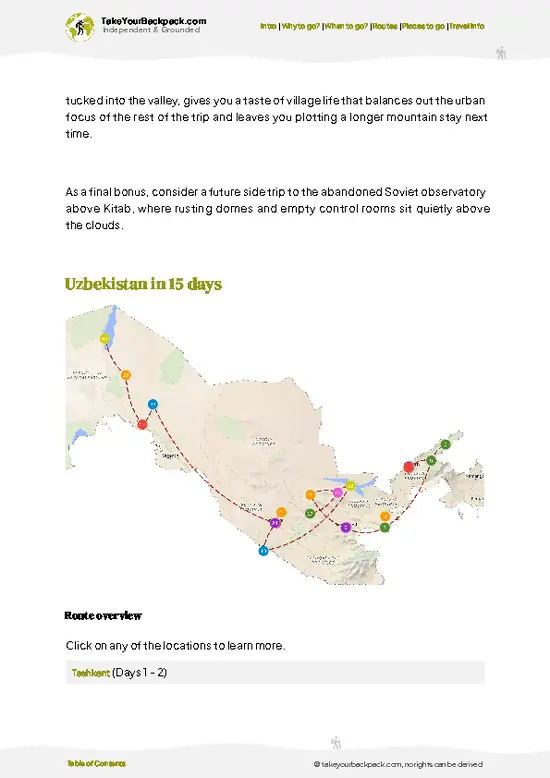
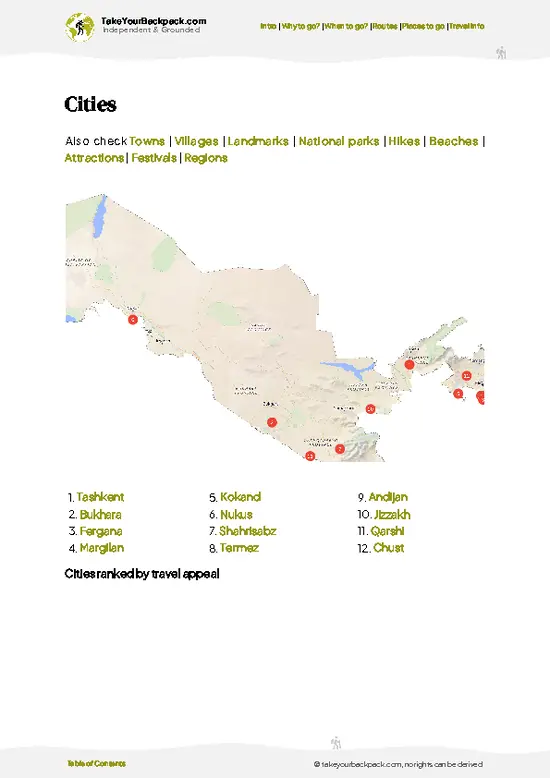

 Best Backpacking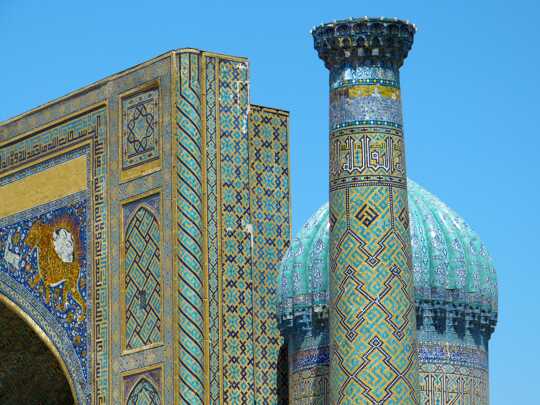
.jpg) Hi, I’m Johan (Netherlands 🇳🇱), the creator of TakeYourBackpack. Over the past decade, I’ve backpacked through 80+ countries across six continents, gaining extensive experience with independent travel, long-term trips, and overland routes.
Hi, I’m Johan (Netherlands 🇳🇱), the creator of TakeYourBackpack. Over the past decade, I’ve backpacked through 80+ countries across six continents, gaining extensive experience with independent travel, long-term trips, and overland routes.