×

Uzbekistan🇺🇿 | attractionsShah-i-Zinda Necropolismausoleum avenue, turquoise tiles, pilgrimage site | things to do and best time to go

Explore Registan EnsembleExplore Gur-e-Amir Mausoleum

Backpacking in Shah-i-Zinda Necropolis
🏆 Top pickattraction ranked #3
By Johan Kruseman 🇳🇱 | Updated September 4, 2026

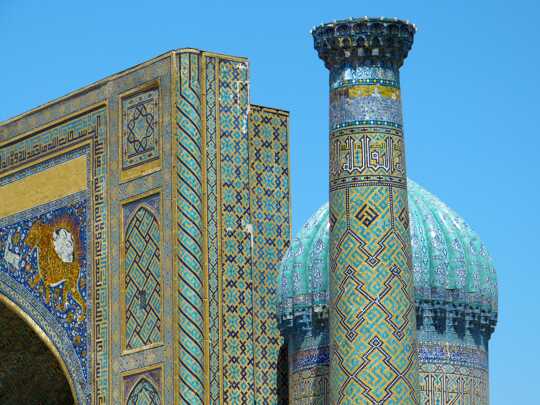
Everyone’s seen the turquoise mosaics of Shah-i-Zinda Necropolis splashed across social feeds—those impossibly blue tiles, the perfect symmetry, the promise of a photo that’ll rake in likes. But here’s the truth: the real magic isn’t in the Instagram-perfect arches or the crowds jostling for the same shot. What actually matters is the electric sense of history humming through this hillside burial complex in Samarkand, Uzbekistan. Shah-i-Zinda is less a mausoleum and more a living corridor of memory, where centuries of pilgrims and conquerors have left their fingerprints. Yes, it’s busy—especially in peak season, and yes, ticket prices have crept up, but compared to the sanitized grandeur of Registan, this place feels raw and personal. The wow-factor is real, but it’s the quiet details—the chipped tiles, the scent of dust and incense, the locals weaving through tourists—that make it worth every som.

Discover everything you want to know in the 📖 Uzbekistan Travel Guide.
Loading the map 🌍
CLICK TO FILTER
cities
towns
villages
landmarks
national parks
hikes
beaches
attractions
festivals
regions
SHOW COUNTRY’S BESTSHOW ALL

✨ Why go?
Ranked #3 attraction in Uzbekistan
Reasons people choose to visit here

Shah-i-Zinda Necropolis isn’t just another stop on the Silk Road checklist—it’s a visceral plunge into Uzbekistan’s soul. Sure, it draws crowds, especially midday when tour groups swarm the narrow alleyways, but that’s part of the deal. This isn’t a quiet shrine; it’s a bustling monument to centuries of faith, artistry, and power. The complex is a jaw-dropping corridor of mausoleums, each one dripping with intricate tilework that’s survived invasions, earthquakes, and time itself. It’s not just about the colors or the craftsmanship—though those alone are worth the trip—it’s about standing where history and legend collide. Shah-i-Zinda means “The Living King,” referring to a figure tied to the Prophet Muhammad, and that spiritual weight hangs in the air. For backpackers, it’s a milestone that … read more 👉
Shah-i-Zinda Necropolis isn’t just another stop on the Silk Road checklist—it’s a visceral plunge into Uzbekistan’s soul. Sure, it draws crowds, especially midday when tour groups swarm the narrow alleyways, but that’s part of the deal. This isn’t a quiet shrine; it’s a bustling monument to centuries of faith, artistry, and power. The complex is a jaw-dropping corridor of mausoleums, each one dripping with intricate tilework that’s survived invasions, earthquakes, and time itself. It’s not just about the colors or the craftsmanship—though those alone are worth the trip—it’s about standing where history and legend collide. Shah-i-Zinda means “The Living King,” referring to a figure tied to the Prophet Muhammad, and that spiritual weight hangs in the air. For backpackers, it’s a milestone that marks a shift from Uzbekistan’s dusty cities to its mystical heart. The effort to navigate Samarkand’s maze-like streets pays off with a sensory overload that’s both humbling and electrifying. If you’re chasing authenticity over sanitized snapshots, this necropolis delivers a raw, unfiltered connection to a world few places can match.
Want to include Shah-i-Zinda Necropolis in your Uzbekistan route?
Create a personalized Uzbekistan itinerary that includes Shah-i-Zinda Necropolis and the places that fit your trip — based on your travel style, budget, and available time. Get your route in seconds.

Generate my trip

💡 HighlightsEssential experiences to have while visiting Shah-i-Zinda Necropolis

The Avenue of Mausoleums
Forget the Instagram-perfect blue tiles for a second—this is a corridor of death that feels more alive than most city streets. The main alley is a gauntlet of mausoleums, each one a riot of color and geometry, built for queens, scholars, and Timur’s favorite relatives. You’ll dodge selfie sticks, yes, but you’ll also feel the weight of centuries pressing in from both sides. The real thrill? That sense of walking through a living museum, where every step is a leap across dynasties.


The Tilework—Up Close
Here’s the truth: most people snap a wide shot and move on. But the real magic is in the details. Get your nose right up to the mosaics—some are so intricate you’ll spot patterns inside patterns, like fractals in ceramic. The turquoise and lapis lazuli glazes aren’t … read more 👉
The Avenue of Mausoleums
Forget the Instagram-perfect blue tiles for a second—this is a corridor of death that feels more alive than most city streets. The main alley is a gauntlet of mausoleums, each one a riot of color and geometry, built for queens, scholars, and Timur’s favorite relatives. You’ll dodge selfie sticks, yes, but you’ll also feel the weight of centuries pressing in from both sides. The real thrill? That sense of walking through a living museum, where every step is a leap across dynasties.


The Tilework—Up Close
Here’s the truth: most people snap a wide shot and move on. But the real magic is in the details. Get your nose right up to the mosaics—some are so intricate you’ll spot patterns inside patterns, like fractals in ceramic. The turquoise and lapis lazuli glazes aren’t just pretty; they’re a technical flex from medieval artisans, some of whom signed their work in tiny script. If you’re a design nerd or just appreciate obsessive craftsmanship, this is your playground.


The Mausoleum of Kusam ibn Abbas
This is the spiritual heart of Shah-i-Zinda. Kusam ibn Abbas, cousin of the Prophet Muhammad, is said to be buried here, and the site still draws pilgrims who treat it with a reverence you can feel in your bones. The air is thick with incense and whispered prayers. Even if you’re not religious, the energy is undeniable—this is where the necropolis stops being a photo op and becomes a living place of devotion.


The Staircase of Repentance
You’ll climb 40 steps to reach the necropolis, and local legend says if you count the same number going up and coming down, your sins are forgiven. It’s a simple ritual, but it adds a layer of playful superstition to the visit. Watch the locals—some take it seriously, some laugh it off, but everyone counts. It’s a rare moment where you’re not just a spectator; you’re part of the story.


The Light at Dusk
Most tour groups bail by late afternoon. Stick around. As the sun drops, the tiles catch fire—cobalt, gold, and emerald flicker in the low light. The crowds thin, the air cools, and the place feels almost private. This is when Shah-i-Zinda shakes off its tourist-trap reputation and becomes something close to sacred. If you want the real magic, this is the hour to claim it.
Spotted a mistake or missing something? Contact us.

Things to do around Shah-i-Zinda Necropolis

Ratings based on Tripadvisor reviews. When you book through this link, you support our work at no extra cost to you.

🌤️ When to go?Seasonal considerations and timing


  • Weather: The best weather hits between April and June, and again from September to early November. Summers scorch with highs often above 38°C (100°F), making midday trekking brutal. Winters dip below freezing, with January lows around -5°C (23°F), which can freeze your enthusiasm.

  • Temperature: Spring and autumn offer a sweet spot: daytime temps hover between 15-25°C (59-77°F), perfect for wandering without overheating or bundling up like an Eskimo.

  • Daylight Hours: Long daylight in late spring and early autumn means more time to explore. June and July bring up to 14 hours of light, but remember, that’s when the heat peaks.

  • Crowds: Peak tourist season aligns with the pleasant weather months, so expect more visitors from April to June and September to October. If you want fewer selfie
read more 👉

  • Weather: The best weather hits between April and June, and again from September to early November. Summers scorch with highs often above 38°C (100°F), making midday trekking brutal. Winters dip below freezing, with January lows around -5°C (23°F), which can freeze your enthusiasm.

  • Temperature: Spring and autumn offer a sweet spot: daytime temps hover between 15-25°C (59-77°F), perfect for wandering without overheating or bundling up like an Eskimo.

  • Daylight Hours: Long daylight in late spring and early autumn means more time to explore. June and July bring up to 14 hours of light, but remember, that’s when the heat peaks.

  • Crowds: Peak tourist season aligns with the pleasant weather months, so expect more visitors from April to June and September to October. If you want fewer selfie sticks, aim for early spring or late autumn.

  • Seasonal Activities: Local festivals and cultural events tend to cluster in spring and autumn, adding layers to your visit beyond the necropolis itself.

  • Price Fluctuations: Accommodation and guided tours spike during peak months. Off-season travel can save you 20-30%, but brace for limited services and chillier weather.


Pro-tip: Visit just before or after peak season to dodge crowds, enjoy mild weather, and snag better deals—this is when Shah-i-Zinda’s real atmosphere shines without the Instagram glare.


source: climatestotravel.comJANJanuary: fair for travelingFEBFebruary: good for travelingMARMarch: highly recommended for travelingAPRApril: excellent for travelingMAYMay: excellent for travelingJUNJune: highly recommended for travelingJULJuly: fair for travelingAUGAugust: fair for travelingSEPSeptember: excellent for travelingOCTOctober: excellent for travelingNOVNovember: good for travelingDECDecember: fair for traveling
when-to-go

✈️ The backpacker research shortcutUzbekistan Travel Guide

An offline-friendly backpacking guide with optimized travel routes, ranked highlights, transport advice, and the best areas to stay.
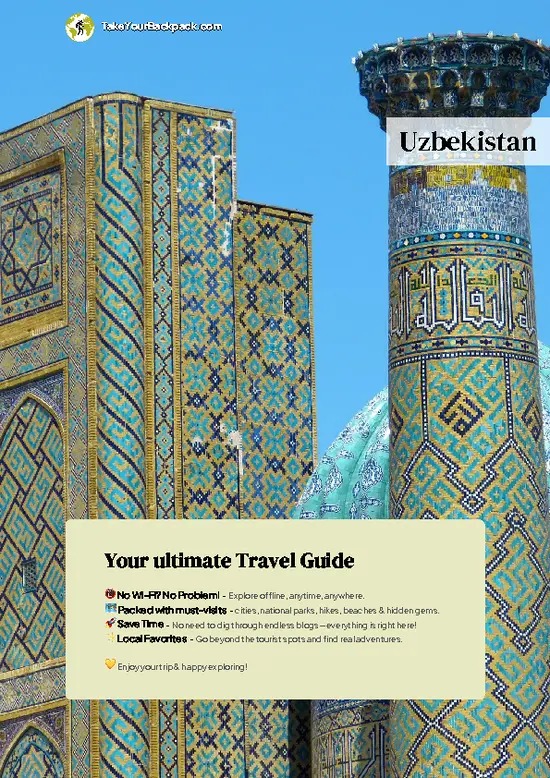
example page 0 from our offline Travel Guide for Uzbekistan
example page 1 from our offline Travel Guide for Uzbekistan
example page 2 from our offline Travel Guide for Uzbekistan
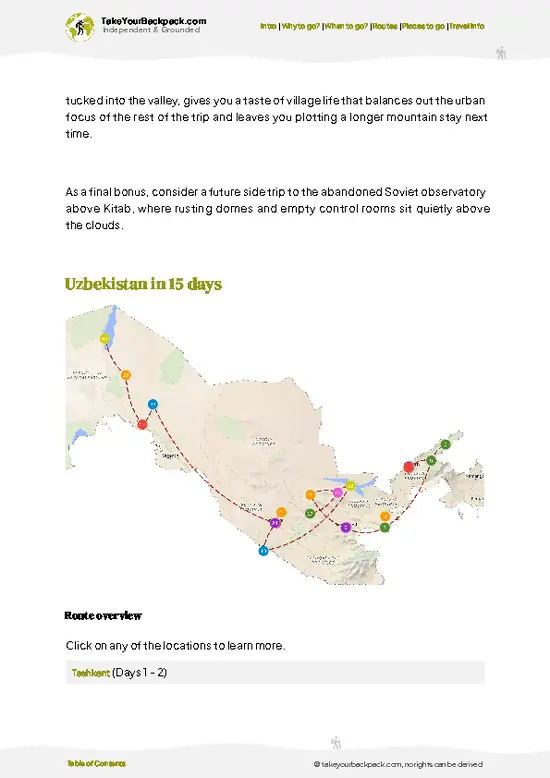
example page 3 from our offline Travel Guide for Uzbekistan
example page 4 from our offline Travel Guide for Uzbekistan
example page 5 from our offline Travel Guide for Uzbekistan
example page 6 from our offline Travel Guide for Uzbekistan
example page 7 from our offline Travel Guide for Uzbekistan
The digital guide (328 pages) contains:
94 highlights, ranked by travel appeal
Optimized 5, 10 & 15-day travel routes
Cities, national parks, landmarks, beaches
How to get around
Offline-friendly for travel without Wi-Fi
👉 Click to see all 30+ guide features

📅 Plan smarter in minutes, not weeks
Month by month travel advice
Festivals & national holidays
Budget expectations

🗺️ Go to the right places, skip the overrated ones
Honest pros & cons of destinations
Top hikes, parks & viewpoints
Lesser-known places most travelers miss
Clear “worth it vs skip it” guidance

🛏️ Travel smoothly without rookie mistakes
Best areas to stay
Transport systems explained simply
Common scams & safety advice
SIM cards, money & practical tips

🌍 Understand the country, not just visit it
Culture & traditions
52 Essential phrases & customs
Festivals worth planning around
Traveler-friendly historical context
Insights that make places more meaningful

📱 Built for real travel conditions
Fully downloadable PDF
Works completely offline
Optimized for phone use
Useful in remote areas & buses
Everything in one place
Save weeks of stressful planning
Get instant access to your full guide. 30‑day money-back guarantee.
+ Add another guide for just US$7.80

By proceeding you agree to our terms.
Sent to your inbox immediately after payment • 100% Secure Checkout
Best Backpacking Travel Advisor 2025 tourism awardBest Backpacking
Travel Advisor
2025
What others say about Take Your Backpack Guides:
⭐⭐⭐⭐⭐
Fantastic, amazing amount of information!
⭐⭐⭐⭐⭐
My goodness this is amazing, it's what I've been looking for hats off too you!
⭐⭐⭐⭐⭐
I think this is absolutely BRILLIANT
⭐⭐⭐⭐
Very complete and informative. It's still missing places, but I gotta to commend you
⭐⭐⭐⭐⭐
This is truly amazing, thank you, can't wait to explore it with my kids!
⭐⭐⭐⭐⭐
Awesome resource, thank you!
⭐⭐⭐⭐⭐
This is amazing! Can't wait to explore the ones I haven't seen
⭐⭐⭐⭐
I love this! Well done, great idea.
⭐⭐⭐⭐⭐
Thanks for taking the time to make this gem!
⭐⭐⭐⭐⭐
This might be the best website I've ever seen.
⭐⭐⭐⭐⭐
Congratulations, and thank you so much for your work; it's incredibly valuable.
⭐⭐⭐⭐
In all seriousness I think you did a great job pointing out the important spots
⭐⭐⭐⭐⭐
10/10 very good
⭐⭐⭐⭐⭐
As someone who's only just starting to visit regularly this is awesome, thank you.
⭐⭐⭐⭐
Thank you very much! I'm going to visit my dad, it's going to be very useful!
⭐⭐⭐⭐⭐
This is really cool! We'll be travelling for the first time and this definitely come in handy.
⭐⭐⭐⭐⭐
You are now our minister of culture, congratulations 👨‍💼
⭐⭐⭐⭐⭐
Just wanted to tell you that this is a pearl! Going to follow your recommendations.
⭐⭐⭐⭐⭐
This is so cool. I'll definitely be using the resource for my travels soon.
⭐⭐⭐⭐⭐
This is very impressive! Good work.
⭐⭐⭐⭐⭐
This is an amazing and informative site. Very well done!

🛏️ Where to stay?Best areas and accommodation options

Staying near Shah-i-Zinda Necropolis means diving into the heart of Samarkand’s old city, where the real vibe happens. Forget the polished tourist zones; backpackers who want to soak in the atmosphere choose the neighborhoods just a few minutes’ walk from the necropolis. This area is gritty but safe, with narrow streets that buzz with local life—street vendors, chai spots, and the occasional stray cat weaving through ancient walls. It’s where you’ll find the pulse of everyday Uzbekistan, not the sanitized postcard.

This is the spot for solo travelers and budget backpackers who want to connect. … read more 👉
Staying near Shah-i-Zinda Necropolis means diving into the heart of Samarkand’s old city, where the real vibe happens. Forget the polished tourist zones; backpackers who want to soak in the atmosphere choose the neighborhoods just a few minutes’ walk from the necropolis. This area is gritty but safe, with narrow streets that buzz with local life—street vendors, chai spots, and the occasional stray cat weaving through ancient walls. It’s where you’ll find the pulse of everyday Uzbekistan, not the sanitized postcard.

This is the spot for solo travelers and budget backpackers who want to connect. You’ll bump into other wanderers in small guesthouses or family-run homestays that don’t scream “tourist trap” but offer a genuine welcome. The social scene here isn’t about bars or clubs; it’s about shared meals, swapping stories over tea, and stepping out to explore the necropolis before the crowds arrive.

Yes, the area can feel crowded during peak hours, and prices creep up around major sites. But staying close means you get first dibs on the magic moments—early morning light hitting the mosaic tiles, the quiet hum of prayers, and the chance to watch the city wake up without the tourist throng. That’s the real deal.

👛 Costs (as of 4 September 2026)Typical daily expenses

The Shah-i-Zinda Necropolis in Samarkand charges an entrance fee of 50,000 Uzbekistani som for foreign visitors, approximately €3 to €5. ([silkroad-tour.com](https://silkroad-tour.com/entrance-tickets/?utm_source=openai)) Additional fees may apply for photography and video recording. ([mindofahitchhiker.com](https://mindofahitchhiker.com/samarkand-museums-cultural-heritage-sites-2021-entry-fees-for-foreigners/?utm_source=openai))

source: silkroad-tour.com
⚠️ Prices can change and everyone travels differently, so take this as a rough guide. Hope it helps you plan your adventure!

FAQFrequently asked questions about Shah-i-Zinda Necropolis

You need about 1 to 2 hours to visit Shah-i-Zinda Necropolis. This allows enough time to explore the main mausoleums and appreciate the intricate tilework. Rushing through may cause you to miss important details of the site.
Yes, Shah-i-Zinda Necropolis is worth the entrance fee, which is typically around 15,000 Uzbek soms (about 1.50 USD). The site offers a unique glimpse into Timurid architecture and history, making it a valuable cultural experience. The well-preserved mausoleums and their vibrant decorations justify the cost.
You get to Shah-i-Zinda Necropolis by walking from the center of Samarkand, as it is located about 1 kilometer northeast of Registan Square. Taxis and local minibuses (marshrutkas) are also available if you prefer not to walk. The site is well-signposted and easy to find.
⚠️ Things can change over time, so always validate details locally before you go.

Other Uzbek attractions near Shah-i-Zinda Necropolis

Explore more nearby:


💡 Not sure where to go next?
Create a personalized itinerary for Uzbekistan including Shah-i-Zinda Necropolis and the places that fit your trip.

Generate my itinerary

👉 Discover all attractions

Or checkout all Uzbekistan has to offer (think cities, towns, villages, national parks, hikes, beaches, festivals)
Country photo of Uzbekistan

We 💚 feedbackKey takeaways before you go

Shah-i-Zinda isn’t some quiet, untouched relic—expect crowds, especially midday. But here’s the kicker: once you push past the selfie sticks and tour groups, the intricate tilework hits you like a secret handshake from history itself. The colors don’t just pop; they hum with centuries of stories. If you time it right—early morning or late afternoon—the light turns those mosaics into something almost alive. It’s not just a photo op; it’s a pulse of the Silk Road’s soul.

✍️ Help improve this page!
The information on this page is based on in-depth research, insights shared by experienced travelers, and feedback from the local travel community in Uzbekistan. While every effort is made to keep the information accurate and current, conditions can change — so if you spot anything incorrect or outdated, please get in touch.


🙋‍♂️ Give feedback

👋 Meet the founderWho’s Behind Take Your Backpack?

Johan, backpacker and founder of TakeYourBackpackHi, I’m Johan (Netherlands 🇳🇱), the creator of TakeYourBackpack. Over the past decade, I’ve backpacked through 80+ countries across six continents, gaining extensive experience with independent travel, long-term trips, and overland routes.

This site is built on a combination of firsthand travel experience and carefully curated insights from other backpackers. Many guides are based on places I’ve personally visited, while others bring together tips, observations, and practical advice shared by trusted travelers I’ve met along the way.

The goal is to provide realistic, experience-driven guidance — not generic itineraries — so you can explore destinations with better context, clearer expectations, and more confidence.

Get full Uzbekistan guide •
Instant download • 94 highlights • Full Offline guide