v2.webp)
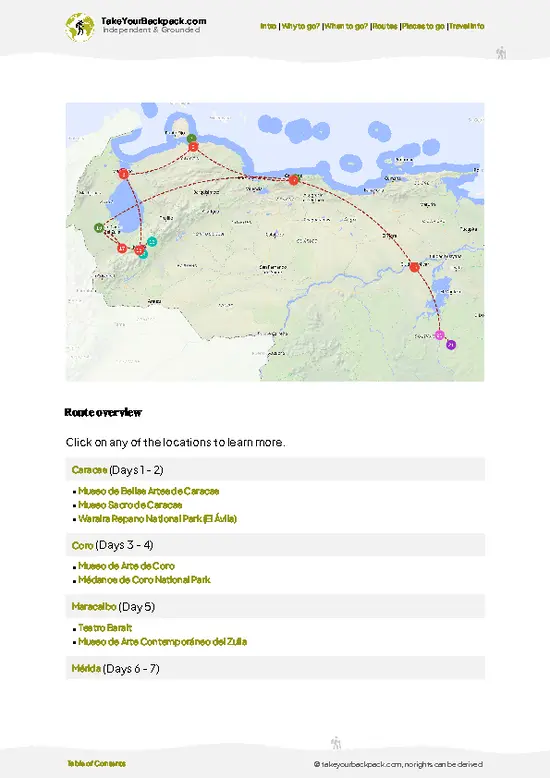
- Guariquito River gallery forest: Shaded riverbanks where howler monkeys roar at dawn and kingfishers work the shallows. Best seen from a slow boat.
- Aguaro River: A wide, slow channel lined with capybara and basking spectacled caiman, with good odds of hawks and herons overhead.
- Flooded savanna of the llanos: In the rainy months the grasslands turn to shallow lakes, and wading birds gather in large numbers.
- Scarlet ibis and wading birds: Flocks of ibis, storks and egrets feed in the marshes, with the best color at low light.
- Giant otter and caiman spotting: Quiet river stretches where family groups of otters occasionally surface, a rare treat in Venezuela.
- Night wildlife drives and river outings: After dark, eyeshine from caiman and the sounds of frogs and nightjars fill the savanna edges.
- Dry-season
- Guariquito River gallery forest: Shaded riverbanks where howler monkeys roar at dawn and kingfishers work the shallows. Best seen from a slow boat.
- Aguaro River: A wide, slow channel lined with capybara and basking spectacled caiman, with good odds of hawks and herons overhead.
- Flooded savanna of the llanos: In the rainy months the grasslands turn to shallow lakes, and wading birds gather in large numbers.
- Scarlet ibis and wading birds: Flocks of ibis, storks and egrets feed in the marshes, with the best color at low light.
- Giant otter and caiman spotting: Quiet river stretches where family groups of otters occasionally surface, a rare treat in Venezuela.
- Night wildlife drives and river outings: After dark, eyeshine from caiman and the sounds of frogs and nightjars fill the savanna edges.
- Dry-season savanna walks: Open grassland where deer, anteaters and foxes show up near shrinking waterholes.
Spotted a mistake or missing something? Contact us.

 Best Backpacking
.jpg) Hi, I’m Johan (Netherlands 🇳🇱), the creator of TakeYourBackpack. Over the past 3 decades, I’ve backpacked through 90+ countries across six continents, gaining extensive experience with independent travel, long-term trips, and overland routes.
Hi, I’m Johan (Netherlands 🇳🇱), the creator of TakeYourBackpack. Over the past 3 decades, I’ve backpacked through 90+ countries across six continents, gaining extensive experience with independent travel, long-term trips, and overland routes.