×

Venezuela🇻🇪 | best national parksEssential 10 national parks to Explore in Venezuela

Venezuela’s national parks are a treasure trove of breathtaking landscapes, diverse wildlife, and thrilling adventure opportunities. Each park offers a unique experience shaped by its region and seasonality. For backpackers, the choice of park can dramatically influence your journey. Some parks, like Canaima, are remote and require careful planning, while others, like Henri Pittier, are more accessible and budget-friendly.

Your selection impacts not just the vibe and cultural immersion, but also safety and ease of travel. Understanding these nuances is key to maximizing your experience in Venezuela’s wild heart. Choose wisely, and you’ll preserve your energy and budget for the moments that truly matter.

By Johan Kruseman 🇳🇱 | Updated September 5, 2026
Explore the best hikes in Venezuela

Why go?What Makes Them Special

Venezuela’s national parks are a treasure trove of biodiversity and dramatic landscapes, setting them apart from parks in other countries. The tepuis, or table-top mountains, create a unique geological feature that hosts endemic species found nowhere else on Earth. This rich biodiversity is complemented by lush rainforests, savannas, and stunning waterfalls, making the parks a haven for nature enthusiasts.

However, accessibility can be a double-edged sword. Many parks are remote, requiring significant travel time and effort to reach. This can deter casual visitors but rewards those willing to invest the time with a deeper, more immersive experience. The trade-off is clear: the more remote the park, the more profound the connection to nature, but also the more challenging the journey.

Venezuela’s … read more 👉
Venezuela’s national parks are a treasure trove of biodiversity and dramatic landscapes, setting them apart from parks in other countries. The tepuis, or table-top mountains, create a unique geological feature that hosts endemic species found nowhere else on Earth. This rich biodiversity is complemented by lush rainforests, savannas, and stunning waterfalls, making the parks a haven for nature enthusiasts.

However, accessibility can be a double-edged sword. Many parks are remote, requiring significant travel time and effort to reach. This can deter casual visitors but rewards those willing to invest the time with a deeper, more immersive experience. The trade-off is clear: the more remote the park, the more profound the connection to nature, but also the more challenging the journey.

Venezuela’s infrastructure is another consideration. While some areas have basic amenities, others lack reliable services, which can impact your adventure. Travelers should be prepared for potential logistical hurdles, from transportation to accommodations. The climate varies widely, affecting accessibility and the best times to visit.

Understanding these factors is crucial. The national parks of Venezuela offer unparalleled experiences, but they demand respect for their challenges. Embrace the journey, and you’ll uncover the true essence of this remarkable country.
Evaluating the Top Choices
The list of best national parks in Venezuela is created based on landscapes, wildlife, adventure opportunities, facilities, and overall experience. If you feel a national park is missing in this list, please let us know.

When to go?Best Time to Visit Venezuela for national parks

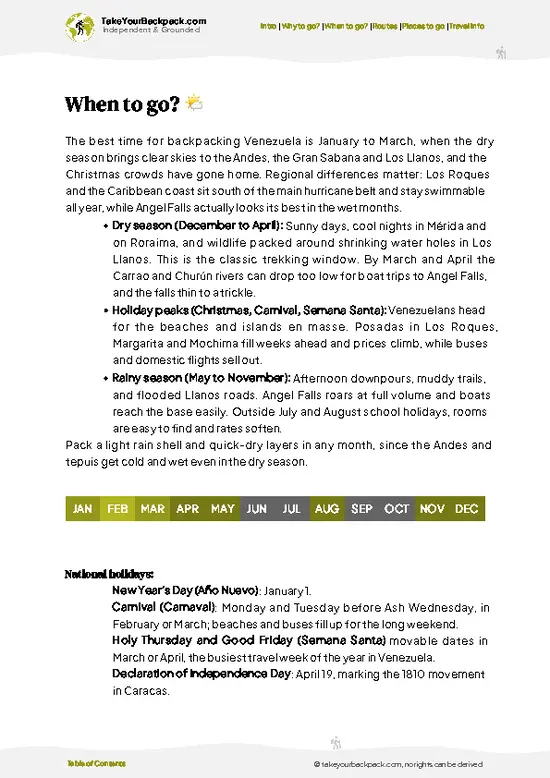
Venezuela’s national parks experience distinct seasonal patterns that significantly impact wildlife visibility, rainfall, and trail conditions. The dry season, typically from December to April, offers the best opportunities for exploration. During this time, trails are more accessible, and wildlife is easier to spot as animals gather around dwindling water sources. Temperatures are generally milder, making hikes more enjoyable.

However, this peak season also attracts larger crowds. Expect busy trails and potential competition for accommodations. If solitude is a priority, consider visiting during the shoulder seasons, which occur just before and after the dry season. These months can still provide decent weather, though rain may be more frequent. The trade-off here is that wildlife visibility … read more 👉
Venezuela’s national parks experience distinct seasonal patterns that significantly impact wildlife visibility, rainfall, and trail conditions. The dry season, typically from December to April, offers the best opportunities for exploration. During this time, trails are more accessible, and wildlife is easier to spot as animals gather around dwindling water sources. Temperatures are generally milder, making hikes more enjoyable.

However, this peak season also attracts larger crowds. Expect busy trails and potential competition for accommodations. If solitude is a priority, consider visiting during the shoulder seasons, which occur just before and after the dry season. These months can still provide decent weather, though rain may be more frequent. The trade-off here is that wildlife visibility might decrease slightly, but the reduced crowd levels can enhance the experience.

The wet season, from May to November, brings heavy rainfall, which can lead to muddy trails and increased difficulty in navigation. While the parks are lush and vibrant during this time, many trails may become impassable. This season can also deter some visitors, leading to lower costs for accommodations and activities.

Planning around these seasonal constraints is crucial. Understanding the trade-offs between peak scenery and crowd levels can help preserve energy and budget for the moments that truly matter.

national park hoppingTips for Visiting Multiple Destinations

Combining national parks in Venezuela requires strategic planning and a clear understanding of regional clusters. Start by grouping parks based on proximity. For instance, focus on the Gran Sabana region, which includes Canaima National Park and its stunning waterfalls. This area is remote, so allocate at least three to four days here to truly soak in the beauty.

Next, consider the Andes region, home to Sierra Nevada National Park. The drive from Gran Sabana to the Andes can take up to eight hours, so plan accordingly. A two-day stop here allows for hiking and enjoying the unique flora and fauna.

Travelers often underestimate travel times between parks. Distances can be deceptive; what looks close on a map may involve rough roads and limited transport options. Flexibility is key.

Balancing
read more 👉
Combining national parks in Venezuela requires strategic planning and a clear understanding of regional clusters. Start by grouping parks based on proximity. For instance, focus on the Gran Sabana region, which includes Canaima National Park and its stunning waterfalls. This area is remote, so allocate at least three to four days here to truly soak in the beauty.

Next, consider the Andes region, home to Sierra Nevada National Park. The drive from Gran Sabana to the Andes can take up to eight hours, so plan accordingly. A two-day stop here allows for hiking and enjoying the unique flora and fauna.

Travelers often underestimate travel times between parks. Distances can be deceptive; what looks close on a map may involve rough roads and limited transport options. Flexibility is key.

Balancing speed and depth of experience is crucial. Rushing through parks can lead to missing out on the essence of each location. Budget constraints may also dictate whether to splurge on guided tours or stick to self-guided hikes.

Common mistakes include trying to fit too many parks into a short timeframe, leading to exhaustion rather than enjoyment. Prioritize quality over quantity. Embrace the slower pace to truly appreciate Venezuela’s natural wonders. This approach preserves energy and budget for the moments that matter.

The ListTop national parks of Venezuela

1 Canaima National Park

tepui plateaus, Angel Falls, savanna trails

Navigate ancient sandstone mesas and open plains, encountering waterfalls and remote indigenous communities in a landscape shaped by water and wind.

Venezuela - Canaima National Park

2 Los Roques National Park

atoll archipelago, turquoise lagoons, white sand flats

Sail across shallow waters dotted with islands, where kitesurfers and snorkelers share space with nesting seabirds and quiet fishing villages.

venezuela-national-park-los-roques-national-park
© Google |

3 El Ávila National Park

urban mountain, cable car, panoramic city views

Escape city heat by hiking steep slopes or riding the funicular, reaching cool summits with sweeping vistas over Caracas and the Caribbean.

4 Mochima National Park

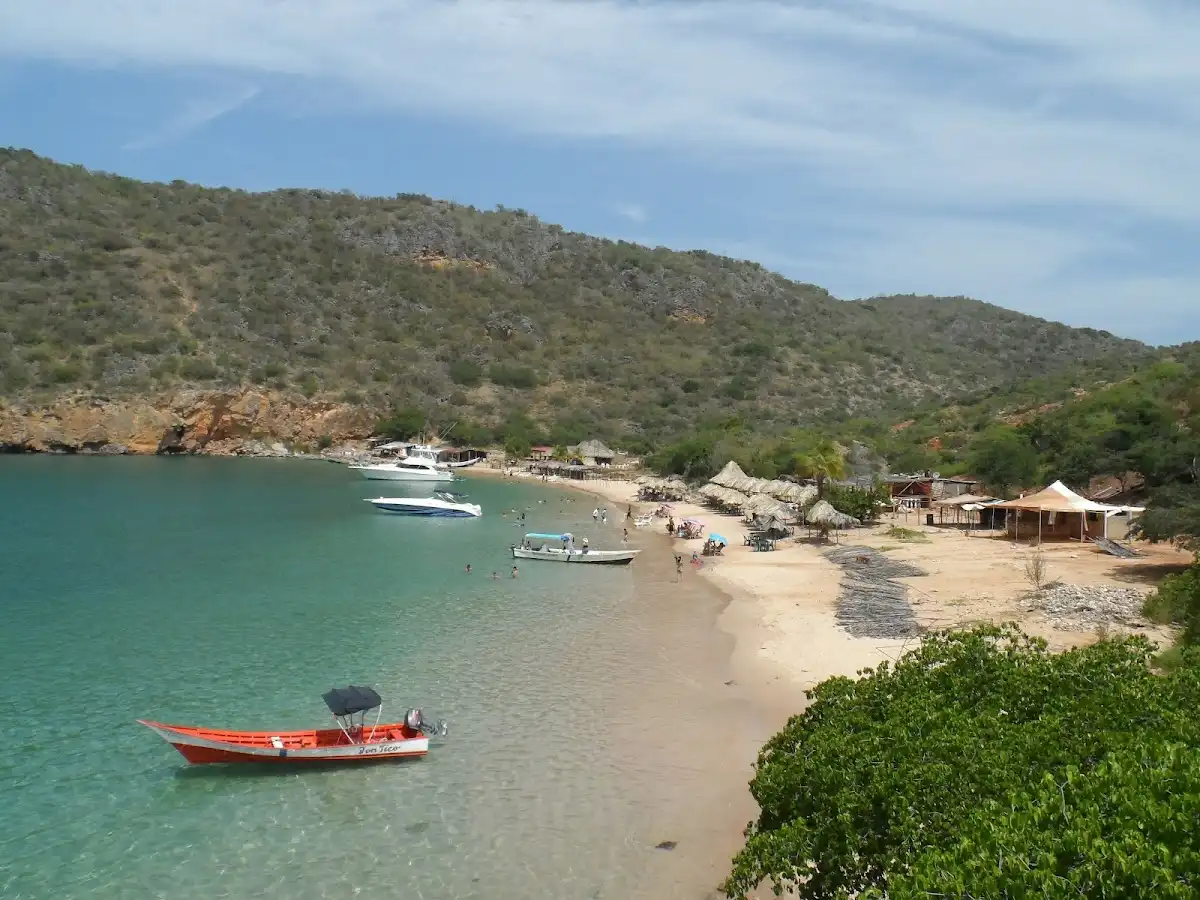
rocky coves, offshore islands, dolphin sightings

Travel by boat between rugged headlands and tranquil bays, watching for marine mammals and exploring small fishing communities along the coast.

venezuela-national-park-mochima-national-park
© Google |

5 Henri Pittier National Park

cloud forest, bird migration, coastal valleys

Hike from humid mountain forests to secluded Caribbean beaches, observing rare birds and shifting ecosystems along steep, winding roads.

6 Médanos de Coro National Park

sand dunes, arid plains, wind-sculpted ridges

Walk across shifting dunes under intense sun, where the landscape changes daily and the horizon stretches unbroken in every direction.

venezuela-national-park-medanos-de-coro-national-park v1
© Google |

7 Cueva del Guácharo National Park

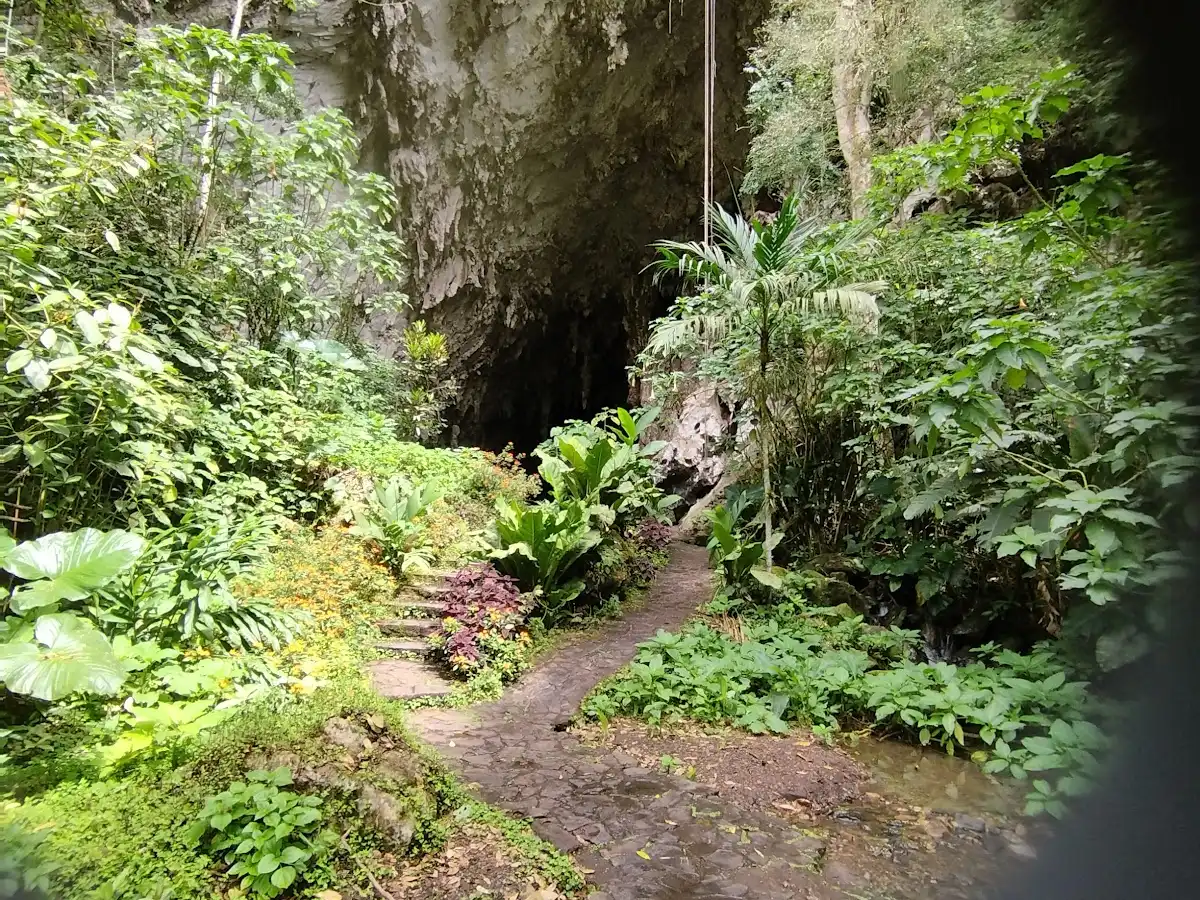
limestone cave, oilbird colonies, humid forest

Venture into a vast cavern system alive with nocturnal birds, then emerge into lush forest rich in unusual plant and animal life.

venezuela-national-park-cueva-del-guacharo-national-park
© Google |

8 El Parque Nacional Morrocoy

coral cays, mangrove channels, shallow reefs

Swim between sandy islets and explore labyrinthine mangroves, where marine life thrives in warm, protected waters just offshore.

venezuela-national-park-el-parque-nacional-morrocoy
© Google | Toibis Gutierrez

9 Sierra Nevada National Park

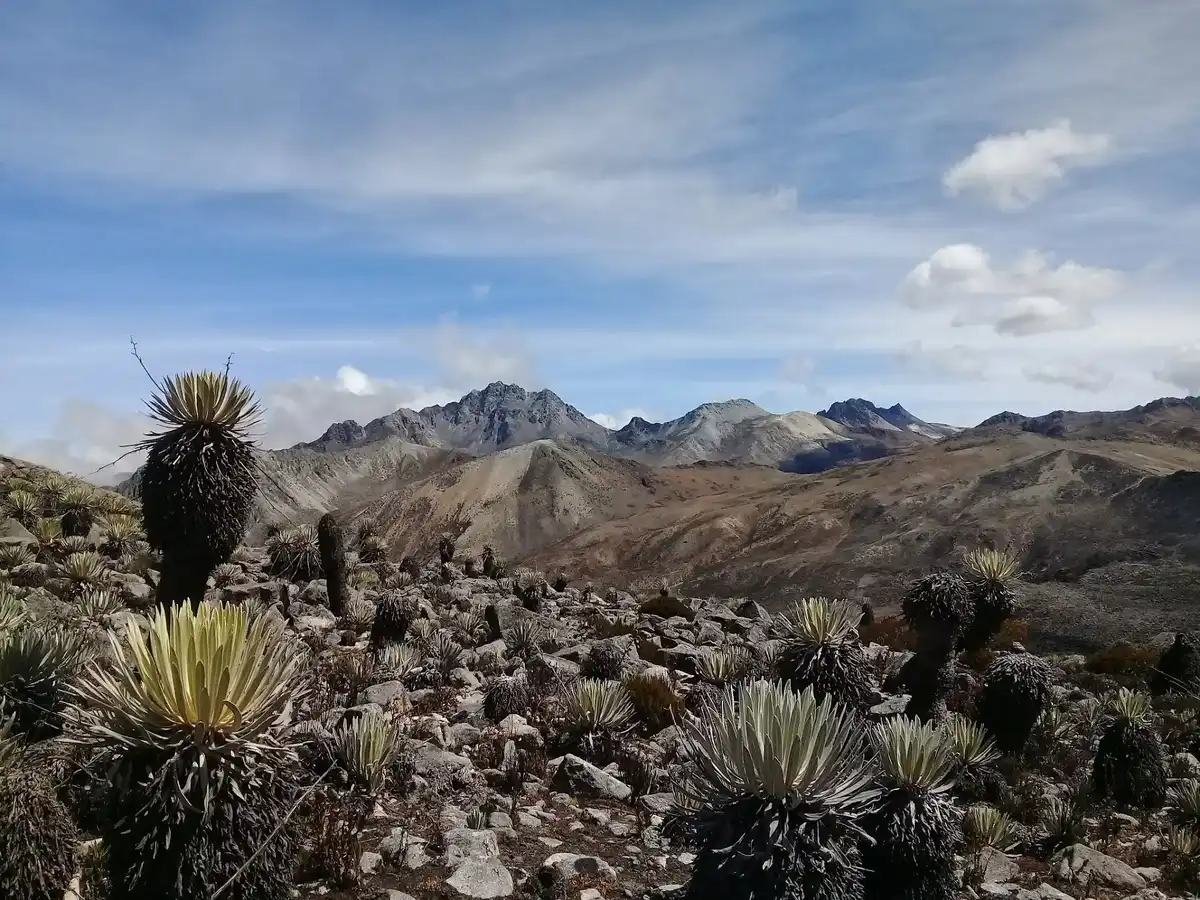
glacial peaks, páramo grasslands, Andean villages

Ascend high-altitude trails past glacial lakes and stone-built towns, experiencing sharp temperature shifts and panoramic mountain views.

venezuela-national-park-sierra-nevada-national-park
© Google |

10 Sierra de La Culata

alpine valleys, cold rivers, endemic flora

Trek through windswept uplands and narrow valleys, where rare plants and icy streams define a landscape shaped by altitude and isolation.

venezuela-national-park-sierra-de-la-culata
© Google | Giovanny G.

11 San Esteban National Park

coastal hills, colonial ruins, dry forest

Explore sun-baked trails past crumbling stone structures and dry woodland, then descend to quiet beaches framed by forested slopes.

12 Guatopo National Park

lowland rainforest, river crossings, dense canopy

Traverse muddy trails beneath thick foliage, crossing streams and encountering a variety of birds and amphibians in humid, shaded terrain.

13 Aguaro-Guariquito National Park

savanna wetlands, gallery forests, capybara herds

Travel across open plains dotted with palms and seasonal lagoons, where large mammals and waterbirds gather during the rainy season.

venezuela-national-park-aguaro-guariquito-national-park
© Google |

14 Dinira National Park

steep ridges, cloud-shrouded peaks, endemic orchids

Climb rugged slopes through persistent mist, discovering rare plants and dramatic changes in vegetation with every gain in elevation.

15 El Tamá National Park

foggy ridges, border mountains, montane forest

Hike along misty borderlands, passing through thick forest and open grassland with frequent views into Colombia and the Venezuelan Andes.

16 Parima Tapirapecó National Park

Amazon basin, river headwaters, rainforest expanse

Venture deep into the Amazon, navigating rivers and dense jungle in a region home to isolated indigenous groups and rare wildlife.

17 Serranía La Neblina National Park

misty tepuis, remote rainforest, rare species

Enter a world of perpetual cloud and towering sandstone mesas, where unique plants and animals thrive in near-total isolation.

18 Perijá National Park

remote sierra, indigenous lands, cloud forest

Journey into seldom-visited mountains, where traditional communities and diverse wildlife inhabit steep slopes and isolated valleys.

19 Terepaima National Park

tropical forest, howler monkeys, misty hills

Follow narrow trails through dense, humid woods, listening for primates and spotting orchids clinging to mossy branches overhead.

20 Yacambú National Park

river canyons, cloud forest, reservoir views

Descend into deep gorges lined with ferns and bromeliads, then climb to overlooks above a tranquil artificial lake ringed by forest.

21 Yapacana National Park

tabletop mountain, savanna edge, Amazonian flora

Approach a solitary tepui rising from grasslands, then explore surrounding forests rich in medicinal plants and endemic species.

22 Yurubí National Park

river pools, subtropical forest, fern groves

Swim in cool streams beneath dense canopy, where lush undergrowth and abundant water create a haven for insects and amphibians.

23 Catatumbo National Park

marshlands, lightning phenomenon, river delta

Witness frequent lightning storms over wetlands and rivers, where aquatic birds and floating vegetation dominate a landscape shaped by water.

Think you know Venezuela?

Prove you’re a true local — uncover 13 lesser-known national parks in Venezuela that locals tend to keep to themselves.
Loading the map 🌍

Expert viewInsights from Locals and Experts

Terrain
Venezuela’s national parks are a wild mix of landscapes, from the towering tepuis of Canaima to the lush rainforests of Henri Pittier. Each park has its own character, shaped by the unique geology and climate of the region. Expect rugged trails, steep ascents, and sometimes muddy paths. If you’re not prepared for variable terrain, you’ll waste energy and time. Choose your parks wisely based on your fitness level and hiking experience. If you’re keen on tackling the iconic Roraima, be ready for a multi-day trek that demands stamina and grit. On the flip side, if you’re looking for something less strenuous, Henri Pittier offers easier trails with rewarding wildlife sightings.

Park Infrastructure
Venezuela’s park infrastructure can be hit or miss. Some parks, like Morrocoy, have decent … read more 👉
Terrain
Venezuela’s national parks are a wild mix of landscapes, from the towering tepuis of Canaima to the lush rainforests of Henri Pittier. Each park has its own character, shaped by the unique geology and climate of the region. Expect rugged trails, steep ascents, and sometimes muddy paths. If you’re not prepared for variable terrain, you’ll waste energy and time. Choose your parks wisely based on your fitness level and hiking experience. If you’re keen on tackling the iconic Roraima, be ready for a multi-day trek that demands stamina and grit. On the flip side, if you’re looking for something less strenuous, Henri Pittier offers easier trails with rewarding wildlife sightings.

Park Infrastructure
Venezuela’s park infrastructure can be hit or miss. Some parks, like Morrocoy, have decent facilities, while others are more rustic. Don’t expect luxury; think basic campsites and limited amenities. This can be a double-edged sword. On one hand, it keeps costs down and immerses you in nature. On the other, it means you need to be self-sufficient. Bring your own gear, food, and water purification systems. If you’re planning to visit multiple parks, factor in the time it takes to set up and break down camp. It can eat into your exploration time.

Wildlife Activity
Wildlife in Venezuela is vibrant and diverse, but spotting it can be a game of patience. Parks like Los Llanos are teeming with birds and mammals, but the best times to see them are early morning or late afternoon. If you’re not an early riser, you might miss the action. In contrast, the dense jungles of Parque Nacional Canaima can make wildlife sightings more challenging, but the thrill of encountering a tapir or a howler monkey is worth the wait. Prioritize parks based on your wildlife interests, but be prepared for some downtime.

Time and Budget Trade-offs
Visiting three to four parks is a sweet spot for most travelers. More than that, and you risk feeling rushed and missing the essence of each park. Each park can require a few days to fully appreciate its offerings. Budget-wise, expect to spend more in parks with better infrastructure, but remember that the experience often justifies the cost. If you’re on a tight budget, consider parks with free entry or lower fees, but be ready for less developed facilities.

Planning and Prioritizing
When planning your itinerary, consider regional variations. The Andes offer cooler climates and different wildlife compared to the tropical lowlands. If you’re keen on hiking, prioritize parks with well-marked trails and reliable maps. If you’re more interested in cultural experiences, look for parks that offer local guides or community interactions. Always check for seasonal weather patterns; some parks can be nearly inaccessible during the rainy season.

Safety and Cultural Considerations
Safety is paramount. While many parks are safe, some areas can be prone to petty crime or have limited medical facilities. Always travel in groups and stay informed about local customs. Engaging with local communities can enrich your experience, but be respectful of their space and traditions.

Venezuela’s national parks are a treasure trove of adventure, but they demand respect and preparation. The rewards are immense, but only if you’re willing to navigate the challenges. Choose wisely, plan thoroughly, and you’ll find the journey is as enriching as the destination.

✈️ The backpacker research shortcutVenezuela Travel Guide

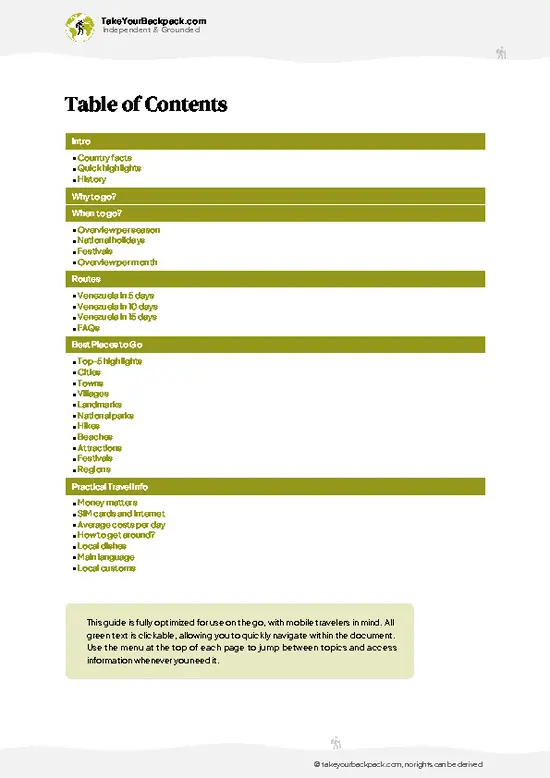
An offline-friendly backpacking guide with optimized travel routes, ranked highlights, transport advice, and the best areas to stay.
example page 0 from our offline Travel Guide for Venezuela
example page 1 from our offline Travel Guide for Venezuela
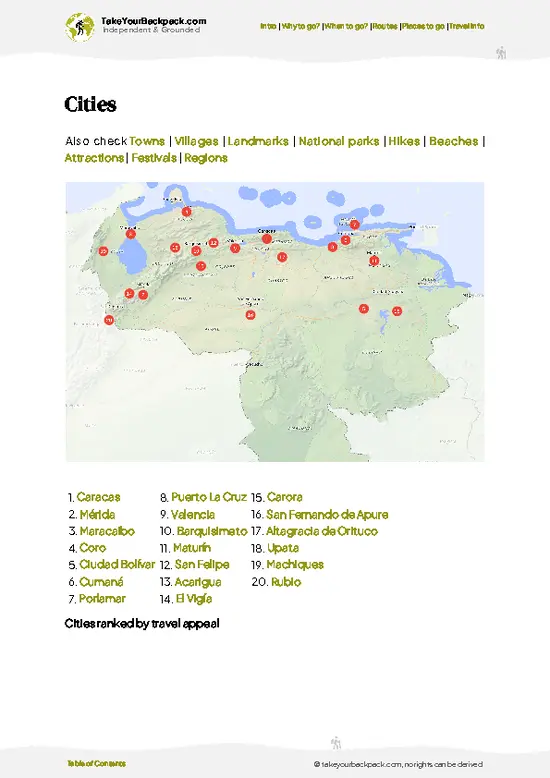
example page 2 from our offline Travel Guide for Venezuela
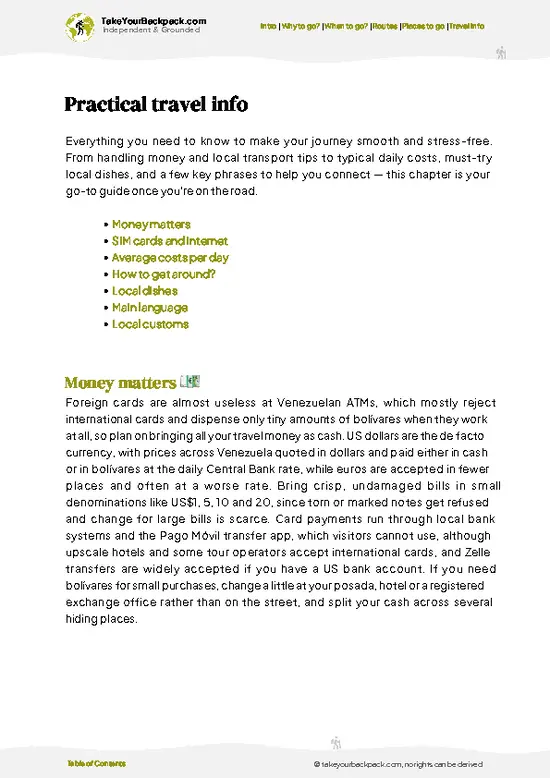
example page 3 from our offline Travel Guide for Venezuela
example page 4 from our offline Travel Guide for Venezuela
example page 5 from our offline Travel Guide for Venezuela
example page 6 from our offline Travel Guide for Venezuela
example page 7 from our offline Travel Guide for Venezuela
The digital guide (369 pages) contains:
99 highlights, ranked by travel appeal
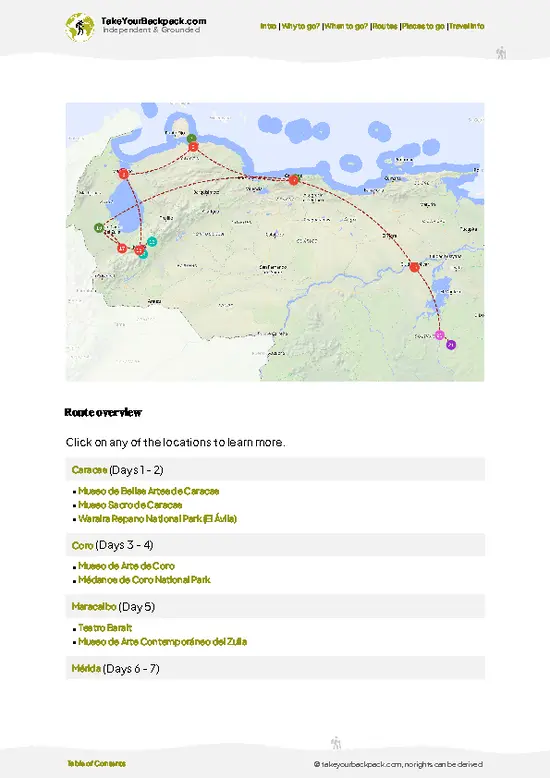
Optimized 5, 10 & 15-day travel routes
Cities, national parks, landmarks, beaches
How to get around
Offline-friendly for travel without Wi-Fi
👉 Click to see all 30+ guide features

📅 Plan smarter in minutes, not weeks
Month by month travel advice
Festivals & national holidays
Budget expectations

🗺️ Go to the right places, skip the overrated ones
Honest pros & cons of destinations
Top hikes, parks & viewpoints
Lesser-known places most travelers miss
Clear “worth it vs skip it” guidance

🛏️ Travel smoothly without rookie mistakes
Best areas to stay
Transport systems explained simply
Common scams & safety advice
SIM cards, money & practical tips

🌍 Understand the country, not just visit it
Culture & traditions
52 Essential phrases & customs
Festivals worth planning around
Traveler-friendly historical context
Insights that make places more meaningful

📱 Built for real travel conditions
Fully downloadable PDF
Works completely offline
Optimized for phone use
Useful in remote areas & buses
Everything in one place
Save weeks of stressful planning
Get instant access to your full guide. 30‑day money-back guarantee.
+ Add another guide for just US$7.80

By proceeding you agree to our terms.
Sent to your inbox immediately after payment • 100% Secure Checkout
Best Backpacking Travel Advisor 2025 tourism awardBest Backpacking
Travel Advisor
2025
What others say about Take Your Backpack Guides:
⭐⭐⭐⭐⭐
Fantastic, amazing amount of information!
⭐⭐⭐⭐⭐
My goodness this is amazing, it's what I've been looking for hats off too you!
⭐⭐⭐⭐⭐
I think this is absolutely BRILLIANT
⭐⭐⭐⭐
Very complete and informative. It's still missing places, but I gotta to commend you
⭐⭐⭐⭐⭐
This is truly amazing, thank you, can't wait to explore it with my kids!
⭐⭐⭐⭐⭐
Awesome resource, thank you!
⭐⭐⭐⭐⭐
This is amazing! Can't wait to explore the ones I haven't seen
⭐⭐⭐⭐
I love this! Well done, great idea.
⭐⭐⭐⭐⭐
Thanks for taking the time to make this gem!
⭐⭐⭐⭐⭐
This might be the best website I've ever seen.
⭐⭐⭐⭐⭐
Congratulations, and thank you so much for your work; it's incredibly valuable.
⭐⭐⭐⭐
In all seriousness I think you did a great job pointing out the important spots
⭐⭐⭐⭐⭐
10/10 very good
⭐⭐⭐⭐⭐
As someone who's only just starting to visit regularly this is awesome, thank you.
⭐⭐⭐⭐
Thank you very much! I'm going to visit my dad, it's going to be very useful!
⭐⭐⭐⭐⭐
This is really cool! We'll be travelling for the first time and this definitely come in handy.
⭐⭐⭐⭐⭐
You are now our minister of culture, congratulations 👨‍💼
⭐⭐⭐⭐⭐
Just wanted to tell you that this is a pearl! Going to follow your recommendations.
⭐⭐⭐⭐⭐
This is so cool. I'll definitely be using the resource for my travels soon.
⭐⭐⭐⭐⭐
This is very impressive! Good work.
⭐⭐⭐⭐⭐
This is an amazing and informative site. Very well done!

🛏️ Where to stay?Top Areas to Stay

Yes — there are hostels and budget guesthouses across Venezuela, concentrated in major cities and popular tourist towns.

Best options cluster in Mérida (city center near the cable car) and in Caracas (Altamira/Chacao/Sabana Grande), with beach hubs like Isla Margarita (Porlamar/Pampatar) and Puerto La Cruz/Lecherías for Mochima access; Mérida offers the strongest backpacker scene and affordable mountain lodging, Caracas neighborhoods give nightlife and transport links but carry higher petty‑crime risk, Isla Margarita and Puerto La Cruz give beach access with seasonal price swings and variable standards, while Los Roques and Canaima are spectacular yet often pricier and logistically constrained. … read more 👉
Yes — there are hostels and budget guesthouses across Venezuela, concentrated in major cities and popular tourist towns.

Best options cluster in Mérida (city center near the cable car) and in Caracas (Altamira/Chacao/Sabana Grande), with beach hubs like Isla Margarita (Porlamar/Pampatar) and Puerto La Cruz/Lecherías for Mochima access; Mérida offers the strongest backpacker scene and affordable mountain lodging, Caracas neighborhoods give nightlife and transport links but carry higher petty‑crime risk, Isla Margarita and Puerto La Cruz give beach access with seasonal price swings and variable standards, while Los Roques and Canaima are spectacular yet often pricier and logistically constrained.

Choose central neighborhoods for safety, expect fluctuating utilities and variable accommodation standards, carry cash, avoid walking alone at night in non‑tourist areas, and book or confirm transport ahead during high season.

If you enjoy meeting fellow travelers, consider choosing hostels with high ratings for atmosphere. On the other hand, if you prefer having your own space, a hotel might be a better option.

VenezuelaDiscover the Country

👋 Meet the founderWho’s Behind Take Your Backpack?

Johan, backpacker and founder of TakeYourBackpackHi, I’m Johan (Netherlands 🇳🇱), the creator of TakeYourBackpack. Over the past decade, I’ve backpacked through 80+ countries across six continents, gaining extensive experience with independent travel, long-term trips, and overland routes.

This site is built on a combination of firsthand travel experience and carefully curated insights from other backpackers. Many guides are based on places I’ve personally visited, while others bring together tips, observations, and practical advice shared by trusted travelers I’ve met along the way.

The goal is to provide realistic, experience-driven guidance — not generic itineraries — so you can explore destinations with better context, clearer expectations, and more confidence.

Get full Venezuela guide •
Instant download • 99 highlights • Full Offline guide