



Kinetic Art Installations by Jesús Soto
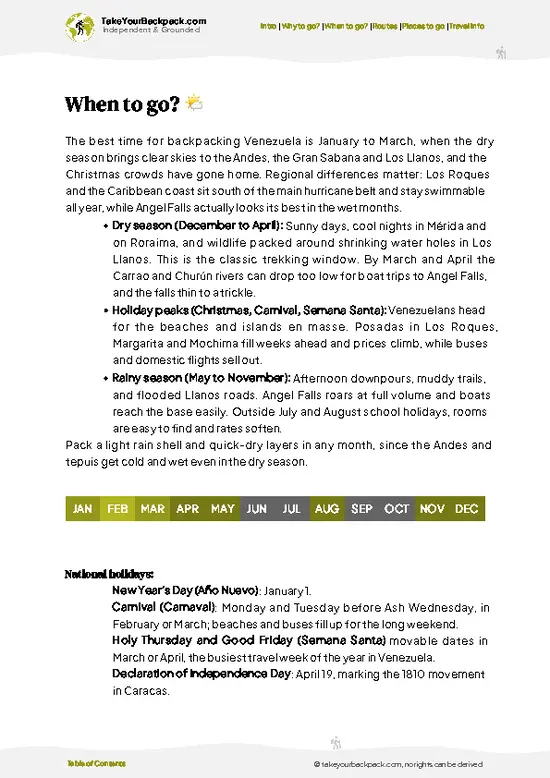
Forget the Instagram illusion of a sleepy provincial museum. The real draw here is the kinetic art—Soto’s signature. These aren’t just paintings on a wall. You walk into rooms where the art literally moves, or better yet, you move and the art changes with you. Stand inside Soto’s “Penetrables”—giant forests of hanging plastic threads—and you’re suddenly part of the artwork. It’s playful, immersive, and a little disorienting. No filter can capture the sensation of walking through a piece that blurs the line between sculpture and environment. This is the kind of interactive art that makes you forget you’re in a museum at all.
The Permanent Soto Collection
Most museums have a few works by their namesake. Here, you get a deep dive. The permanent collection … read more 👉
Forget the Instagram illusion of a sleepy provincial museum. The real draw here is the kinetic art—Soto’s signature. These aren’t just paintings on a wall. You walk into rooms where the art literally moves, or better yet, you move and the art changes with you. Stand inside Soto’s “Penetrables”—giant forests of hanging plastic threads—and you’re suddenly part of the artwork. It’s playful, immersive, and a little disorienting. No filter can capture the sensation of walking through a piece that blurs the line between sculpture and environment. This is the kind of interactive art that makes you forget you’re in a museum at all.
The Permanent Soto Collection
Most museums have a few works by their namesake. Here, you get a deep dive. The permanent collection … read more 👉
Kinetic Art Installations by Jesús Soto
Forget the Instagram illusion of a sleepy provincial museum. The real draw here is the kinetic art—Soto’s signature. These aren’t just paintings on a wall. You walk into rooms where the art literally moves, or better yet, you move and the art changes with you. Stand inside Soto’s “Penetrables”—giant forests of hanging plastic threads—and you’re suddenly part of the artwork. It’s playful, immersive, and a little disorienting. No filter can capture the sensation of walking through a piece that blurs the line between sculpture and environment. This is the kind of interactive art that makes you forget you’re in a museum at all.
The Permanent Soto Collection
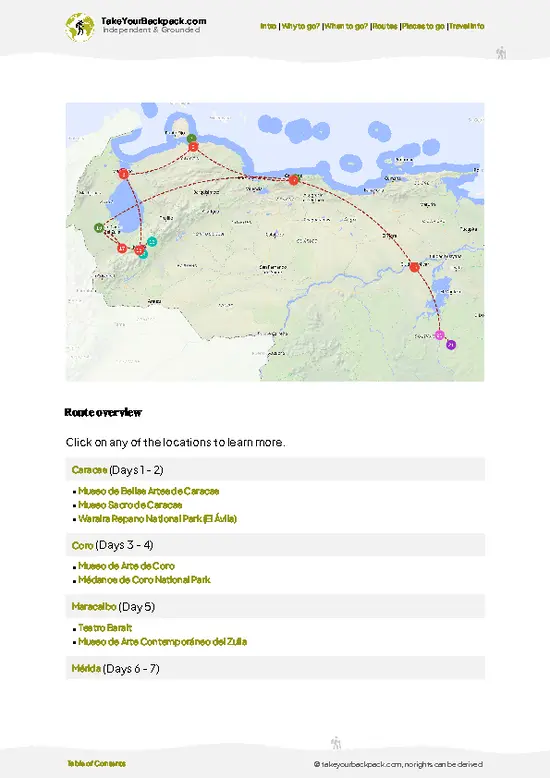
Most museums have a few works by their namesake. Here, you get a deep dive. The permanent collection is a crash course in Soto’s evolution—from his early geometric abstractions to his mind-bending optical illusions. You see the progression, the experiments, the failures, and the breakthroughs. It’s not just a greatest-hits reel; it’s a backstage pass to the artist’s brain. If you want to understand why kinetic art matters, this is the place to do it.
Open-Air Sculpture Garden
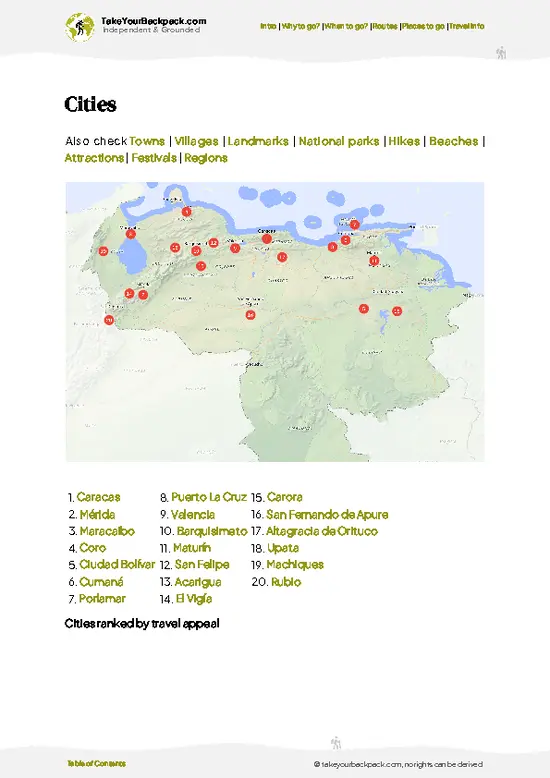
Step outside and the art doesn’t stop. The sculpture garden is a sun-baked playground of steel, color, and shadow. Soto’s outdoor pieces interact with the brutal heat and shifting light of Ciudad Bolívar. The garden isn’t manicured or precious—expect cracked tiles and wild grass. But that’s the point. The sculptures feel alive, changing as the sun moves. It’s a reminder that art doesn’t have to be locked behind glass to be powerful.
Works by Soto’s Contemporaries
This isn’t a one-man show. The museum curates pieces by other Latin American modernists—think Carlos Cruz-Diez, Alejandro Otero, and Gego. You get context, rivalry, and a sense of the creative ferment that made Venezuela a hotbed for kinetic and optical art in the 20th century. It’s a rare chance to see these works side by side, outside the sanitized halls of European or North American museums.
The Building Itself
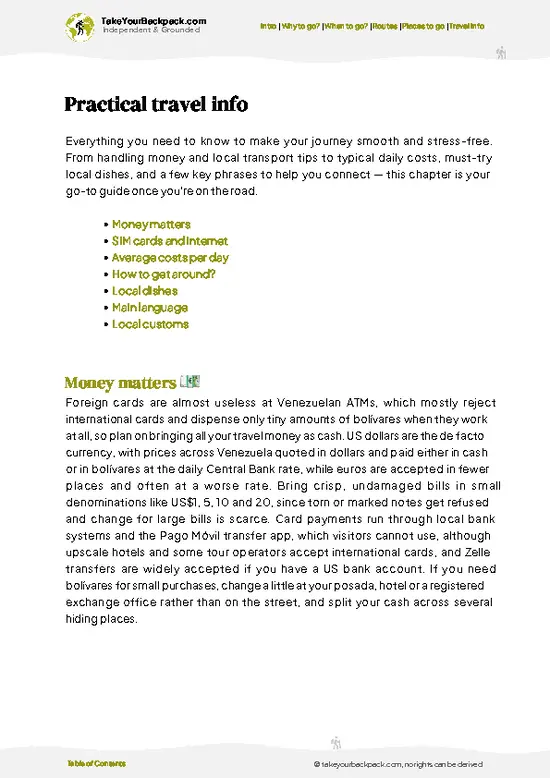
Designed by Carlos Raúl Villanueva, the architect behind Caracas’s University City, the museum is a concrete-and-glass time capsule of 1970s optimism. It’s not flashy, but it’s got character—open spaces, natural light, and a layout that encourages wandering. The building is a piece of Venezuelan modernism in its own right, and the way it frames the Orinoco River is quietly spectacular. You’ll remember the feeling of the place as much as the art.
Forget the Instagram illusion of a sleepy provincial museum. The real draw here is the kinetic art—Soto’s signature. These aren’t just paintings on a wall. You walk into rooms where the art literally moves, or better yet, you move and the art changes with you. Stand inside Soto’s “Penetrables”—giant forests of hanging plastic threads—and you’re suddenly part of the artwork. It’s playful, immersive, and a little disorienting. No filter can capture the sensation of walking through a piece that blurs the line between sculpture and environment. This is the kind of interactive art that makes you forget you’re in a museum at all.
The Permanent Soto Collection
Most museums have a few works by their namesake. Here, you get a deep dive. The permanent collection is a crash course in Soto’s evolution—from his early geometric abstractions to his mind-bending optical illusions. You see the progression, the experiments, the failures, and the breakthroughs. It’s not just a greatest-hits reel; it’s a backstage pass to the artist’s brain. If you want to understand why kinetic art matters, this is the place to do it.
Open-Air Sculpture Garden
Step outside and the art doesn’t stop. The sculpture garden is a sun-baked playground of steel, color, and shadow. Soto’s outdoor pieces interact with the brutal heat and shifting light of Ciudad Bolívar. The garden isn’t manicured or precious—expect cracked tiles and wild grass. But that’s the point. The sculptures feel alive, changing as the sun moves. It’s a reminder that art doesn’t have to be locked behind glass to be powerful.
Works by Soto’s Contemporaries
This isn’t a one-man show. The museum curates pieces by other Latin American modernists—think Carlos Cruz-Diez, Alejandro Otero, and Gego. You get context, rivalry, and a sense of the creative ferment that made Venezuela a hotbed for kinetic and optical art in the 20th century. It’s a rare chance to see these works side by side, outside the sanitized halls of European or North American museums.
The Building Itself
Designed by Carlos Raúl Villanueva, the architect behind Caracas’s University City, the museum is a concrete-and-glass time capsule of 1970s optimism. It’s not flashy, but it’s got character—open spaces, natural light, and a layout that encourages wandering. The building is a piece of Venezuelan modernism in its own right, and the way it frames the Orinoco River is quietly spectacular. You’ll remember the feeling of the place as much as the art.
Spotted a mistake or missing something? Contact us.
v2.webp)

Best Backpacking
Hi, I’m Johan (Netherlands 🇳🇱), the creator of TakeYourBackpack. Over the past decade, I’ve backpacked through 80+ countries across six continents, gaining extensive experience with independent travel, long-term trips, and overland routes.