×

Venezuela🇻🇪 | national parksPerijá National Parkremote sierra, indigenous lands, cloud forest | things to do and best time to go

Explore El Tamá National ParkExplore Parima Tapirapecó National Park

Backpacking in Perijá
👌 Worth visitingnational park ranked #18
By Johan Kruseman 🇳🇱 | Updated September 4, 2026

Most travelers assume Perijá National Park is either off-limits guerrilla country or a casual day-hike zone; it’s neither, and treating it as such is how people get in trouble. Tucked along the Colombian border in western Zulia state, Perijá is a remote, high-Andes-style park with cloud forest, páramo, and serious birdlife, but minimal infrastructure. Trails are rough, access is slow, and you’ll likely need local contacts instead of a ticket booth and clear entrance fee. Compared with more visited parks like Sierra Nevada or Canaima, Perijá feels wilder, cheaper, emptier, and logistically harsher, with camping and basic village stays instead of classic backpacker comforts.

Discover everything you want to know in the 📖 Venezuela Travel Guide.
Safety warning

The current risk level for Venezuela is high. Check the advice before going.


Get your Venezuela guide
99 ranked highlights, routes & tips, works offline (369 pages)
Loading the map 🌍
CLICK TO FILTER
cities
towns
villages
landmarks
national parks
hikes
beaches
attractions
festivals
regions
SHOW COUNTRY’S BESTSHOW ALL

✨ Why go?
Ranked #18 national park in Venezuela
What sets this place apart

Backpackers flock to Perijá National Park for its blend of independent exploration and budget-friendly options. The park offers a range of campsites and hostels nearby, making it easy to stretch your budget without sacrificing comfort. You’ll find trail variety here, from gentle walks to more challenging hikes, catering to different skill levels. This flexibility allows for self-guided adventures, which many travelers prefer over organized tours. You can set your own pace, soak in the scenery, and discover hidden spots without a guide. Just be aware: some trails can be less marked, so a good map is essential. Embrace the freedom, but stay prepared to make the most of your experience.
Want to include Perijá National Park in your Venezuela route?
Create a personalized Venezuela itinerary that includes Perijá National Park and the places that fit your trip — based on your travel style, budget, and available time. Get your route in seconds.

Generate my trip

💡 HighlightsTop highlights of Perijá

  • Pico de la Serranía (high peaks and ridgelines) — The park’s high ridges rise above the cloud line and give you big, raw mountain panoramas. Expect windswept páramo, sunrise light that slices through clouds, and views into both Venezuelan valleys and over the Colombian border — the kind of scenery that makes the hike worth the sweat.
  • Páramo ecosystems and frailejones — This cold, island-like habitat at elevation is full of chunky Espeletia (frailejones) and tussock grasses. It feels otherworldly compared with the lowland jungle and is where unique alpine plants adapted to fog and frost hang out.
  • Cloud forest corridors and waterfalls — Lower slopes are thick with moss, orchids and epiphytes; small streams cut into the forest and form pretty, secluded cascades. These trails are humid, green
read more 👉
  • Pico de la Serranía (high peaks and ridgelines) — The park’s high ridges rise above the cloud line and give you big, raw mountain panoramas. Expect windswept páramo, sunrise light that slices through clouds, and views into both Venezuelan valleys and over the Colombian border — the kind of scenery that makes the hike worth the sweat.
  • Páramo ecosystems and frailejones — This cold, island-like habitat at elevation is full of chunky Espeletia (frailejones) and tussock grasses. It feels otherworldly compared with the lowland jungle and is where unique alpine plants adapted to fog and frost hang out.
  • Cloud forest corridors and waterfalls — Lower slopes are thick with moss, orchids and epiphytes; small streams cut into the forest and form pretty, secluded cascades. These trails are humid, green and great for short, peaceful walks and plant lovers.
  • Endemic birds and hummingbirds — Serranía de Perijá is a hotspot for birds you won’t easily see elsewhere, including local hummingbirds and thistletail species. If you’re into birding, the high cloud forests and páramo are where the special stuff shows up.
  • Shy mammals and amphibians — The park shelters Andean-range wildlife: spectacled bears, small cats and a variety of frogs and rodents. Sightings are rare and usually fleeting, but signs and tracks tell a rich story if you keep your ears and eyes open.
  • Ridge walks and cross-border vistas — Trails along the crest give dramatic, changing views as you move from cloud forest to open páramo. The border location means you get a real sense of shifting landscapes — mountains dropping toward different basins on each side.
  • Cultural encounters with local Indigenous communities — The Yukpa and other local groups live in and around the range; guided walks with local leaders are the best way to learn about traditional land use, medicinal plants and the human side of this remote park.
Spotted a mistake or missing something? Contact us.
🌤️ When to go?Weather, crowds, and seasonal trade-offs


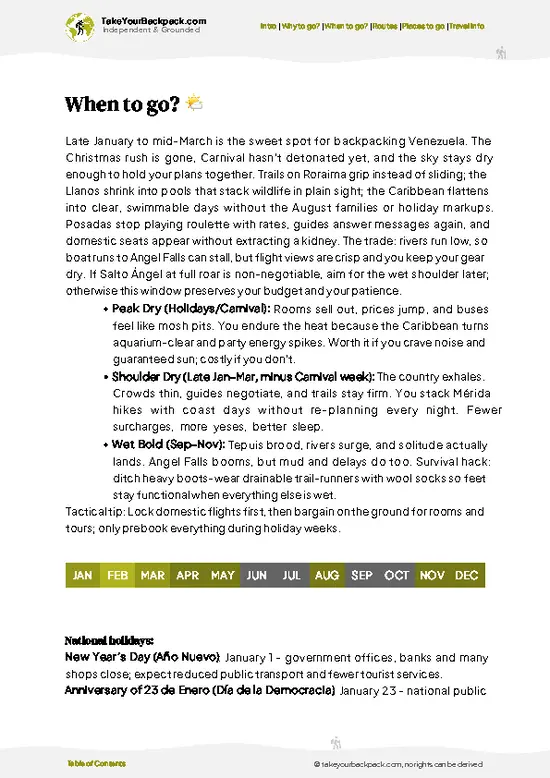
  • Weather: The dry season from December to April offers the most reliable conditions. Rainfall drops significantly, reducing mud and slippery trails that can slow you down.

  • Temperature: Expect daytime highs around 22-28°C (72-82°F) and cooler nights near 10-15°C (50-59°F). The mountain climate means layers are essential, especially early mornings and evenings.

  • Daylight Hours: Roughly 11-12 hours of daylight year-round, but the dry season’s clearer skies make mornings and late afternoons more pleasant for hiking.

  • Crowds: Visitor numbers peak during the dry season, especially around holidays. Off-peak months see fewer people but more rain, which can hamper access.

  • Seasonal Activities: Birdwatching and flora spotting are best in the dry months when trails are accessible and wildlife
read more 👉

  • Weather: The dry season from December to April offers the most reliable conditions. Rainfall drops significantly, reducing mud and slippery trails that can slow you down.

  • Temperature: Expect daytime highs around 22-28°C (72-82°F) and cooler nights near 10-15°C (50-59°F). The mountain climate means layers are essential, especially early mornings and evenings.

  • Daylight Hours: Roughly 11-12 hours of daylight year-round, but the dry season’s clearer skies make mornings and late afternoons more pleasant for hiking.

  • Crowds: Visitor numbers peak during the dry season, especially around holidays. Off-peak months see fewer people but more rain, which can hamper access.

  • Seasonal Activities: Birdwatching and flora spotting are best in the dry months when trails are accessible and wildlife is active without the distraction of heavy rain.

  • Price Fluctuations: Expect higher costs for guides and lodging during the dry season. Off-season offers better deals but comes with the trade-off of tougher conditions.


Pro-tip: Prioritize the dry season for a smoother trek, but book early to lock in rates and avoid last-minute price hikes.


source: climatestotravel.comJANJanuary: excellent for travelingFEBFebruary: excellent for travelingMARMarch: excellent for travelingAPRApril: excellent for travelingMAYMay: good for travelingJUNJune: fair for travelingJULJuly: fair for travelingAUGAugust: fair for travelingSEPSeptember: good for travelingOCTOctober: good for travelingNOVNovember: good for travelingDECDecember: excellent for traveling
when-to-go

✈️ The backpacker research shortcutVenezuela Travel Guide

An offline-friendly backpacking guide with optimized travel routes, ranked highlights, transport advice, and the best areas to stay.
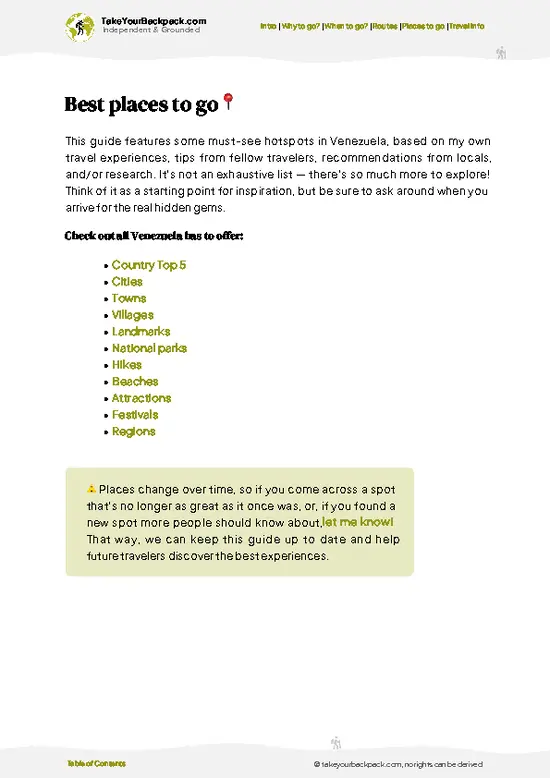
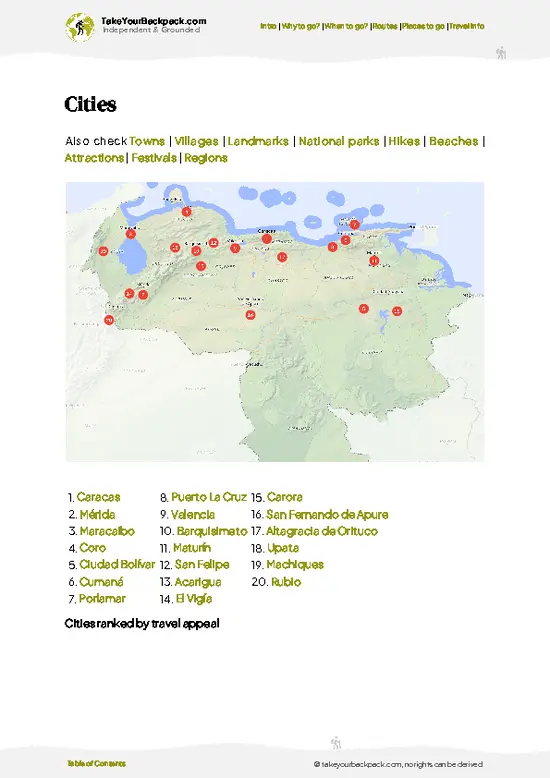
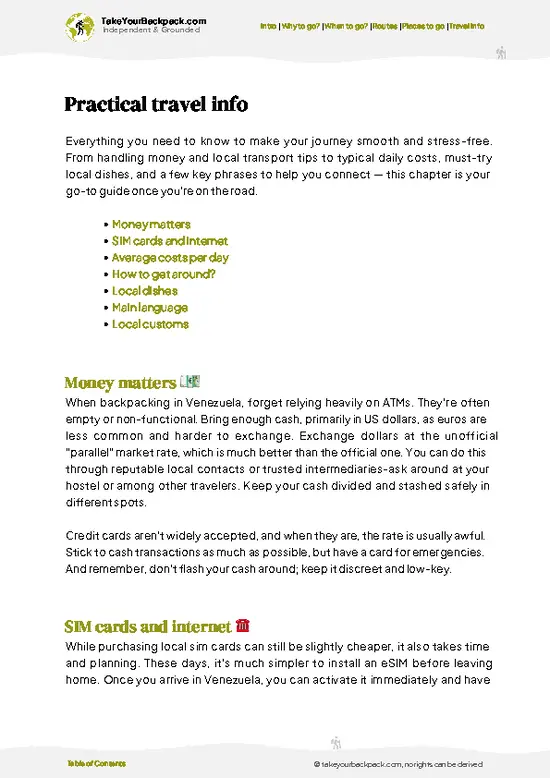
example page 0 from our offline Travel Guide for Venezuela
example page 1 from our offline Travel Guide for Venezuela
example page 2 from our offline Travel Guide for Venezuela
example page 3 from our offline Travel Guide for Venezuela
example page 4 from our offline Travel Guide for Venezuela
example page 5 from our offline Travel Guide for Venezuela
example page 6 from our offline Travel Guide for Venezuela
example page 7 from our offline Travel Guide for Venezuela
The digital guide (369 pages) contains:
99 highlights, ranked by travel appeal
Optimized 5, 10 & 15-day travel routes
Cities, national parks, landmarks, beaches
How to get around
Offline-friendly for travel without Wi-Fi
👉 Click to see all 30+ guide features

📅 Plan smarter in minutes, not weeks
Month by month travel advice
Festivals & national holidays
Budget expectations

🗺️ Go to the right places, skip the overrated ones
Honest pros & cons of destinations
Top hikes, parks & viewpoints
Lesser-known places most travelers miss
Clear “worth it vs skip it” guidance

🛏️ Travel smoothly without rookie mistakes
Best areas to stay
Transport systems explained simply
Common scams & safety advice
SIM cards, money & practical tips

🌍 Understand the country, not just visit it
Culture & traditions
52 Essential phrases & customs
Festivals worth planning around
Traveler-friendly historical context
Insights that make places more meaningful

📱 Built for real travel conditions
Fully downloadable PDF
Works completely offline
Optimized for phone use
Useful in remote areas & buses
Everything in one place
Save weeks of stressful planning
Get instant access to your full guide. 30‑day money-back guarantee.
+ Add another guide for just US$7.80

By proceeding you agree to our terms.
Sent to your inbox immediately after payment • 100% Secure Checkout
Best Backpacking Travel Advisor 2025 tourism awardBest Backpacking
Travel Advisor
2025
What others say about Take Your Backpack Guides:
⭐⭐⭐⭐⭐
Fantastic, amazing amount of information!
⭐⭐⭐⭐⭐
My goodness this is amazing, it's what I've been looking for hats off too you!
⭐⭐⭐⭐⭐
I think this is absolutely BRILLIANT
⭐⭐⭐⭐
Very complete and informative. It's still missing places, but I gotta to commend you
⭐⭐⭐⭐⭐
This is truly amazing, thank you, can't wait to explore it with my kids!
⭐⭐⭐⭐⭐
Awesome resource, thank you!
⭐⭐⭐⭐⭐
This is amazing! Can't wait to explore the ones I haven't seen
⭐⭐⭐⭐
I love this! Well done, great idea.
⭐⭐⭐⭐⭐
Thanks for taking the time to make this gem!
⭐⭐⭐⭐⭐
This might be the best website I've ever seen.
⭐⭐⭐⭐⭐
Congratulations, and thank you so much for your work; it's incredibly valuable.
⭐⭐⭐⭐
In all seriousness I think you did a great job pointing out the important spots
⭐⭐⭐⭐⭐
10/10 very good
⭐⭐⭐⭐⭐
As someone who's only just starting to visit regularly this is awesome, thank you.
⭐⭐⭐⭐
Thank you very much! I'm going to visit my dad, it's going to be very useful!
⭐⭐⭐⭐⭐
This is really cool! We'll be travelling for the first time and this definitely come in handy.
⭐⭐⭐⭐⭐
You are now our minister of culture, congratulations 👨‍💼
⭐⭐⭐⭐⭐
Just wanted to tell you that this is a pearl! Going to follow your recommendations.
⭐⭐⭐⭐⭐
This is so cool. I'll definitely be using the resource for my travels soon.
⭐⭐⭐⭐⭐
This is very impressive! Good work.
⭐⭐⭐⭐⭐
This is an amazing and informative site. Very well done!

🛏️ Where to stay?How to pick the right area

Perijá National Park is a remote treasure in Venezuela, and finding the right place to stay can make or break your experience. Inside the park, options are limited. There are a few basic campsites, but they require prior arrangements and local knowledge. Bring your own gear and be prepared for rustic conditions.

For more comfort, head to nearby towns like Machiques or La Villa de Rosario. Both offer budget-friendly hostels and guesthouses. Machiques has a few local spots where you can rest your head and enjoy authentic Venezuelan meals.

Be aware of transportation challenges; roads can be rough, … read more 👉
Perijá National Park is a remote treasure in Venezuela, and finding the right place to stay can make or break your experience. Inside the park, options are limited. There are a few basic campsites, but they require prior arrangements and local knowledge. Bring your own gear and be prepared for rustic conditions.

For more comfort, head to nearby towns like Machiques or La Villa de Rosario. Both offer budget-friendly hostels and guesthouses. Machiques has a few local spots where you can rest your head and enjoy authentic Venezuelan meals.

Be aware of transportation challenges; roads can be rough, and public transport is sporadic. Plan ahead to avoid wasting time and energy. Prioritize your logistics to ensure you’re ready for the breathtaking hikes and wildlife that await you.

👛 Costs (as of 4 September 2026)Typical daily expenses

Visiting Perijá National Park in Venezuela requires careful budgeting. Here’s what you need to know.

Entry fees are typically around $5 to $10 per person. This fee helps maintain the park and its facilities.

Transportation can be tricky. If you’re coming from nearby towns like Machiques, expect to pay between $10 and $30 for a taxi or shared ride. Public transport options are limited, so plan accordingly.

Accommodation varies widely. Basic lodges or campsites near the park can cost around $15 to $50 per night. If you’re looking for more comfort, mid-range hotels might charge $50 to $100.

Food is generally affordable. Local meals can range from $3 to $10, depending on where you eat. Stocking up on snacks and water before entering the park is wise, as options inside are limited and pricier. … read more 👉
Visiting Perijá National Park in Venezuela requires careful budgeting. Here’s what you need to know.

Entry fees are typically around $5 to $10 per person. This fee helps maintain the park and its facilities.

Transportation can be tricky. If you’re coming from nearby towns like Machiques, expect to pay between $10 and $30 for a taxi or shared ride. Public transport options are limited, so plan accordingly.

Accommodation varies widely. Basic lodges or campsites near the park can cost around $15 to $50 per night. If you’re looking for more comfort, mid-range hotels might charge $50 to $100.

Food is generally affordable. Local meals can range from $3 to $10, depending on where you eat. Stocking up on snacks and water before entering the park is wise, as options inside are limited and pricier.

Guided tours can enhance your experience but come at a cost. Expect to pay $30 to $100 for a day tour, depending on the length and inclusions.

Keep in mind that cash is king in Venezuela. Credit cards may not be accepted everywhere, so bring enough cash to cover your expenses.

Plan for unexpected costs. Always have a buffer in your budget for emergencies or last-minute needs.

By staying aware of these costs, you can focus on enjoying the park’s natural beauty without financial stress.


source: venezuelatuya.com
⚠️ Prices can change and everyone travels differently, so take this as a rough guide. Hope it helps you plan your adventure!

🥾 TrailsPlan your hike in Perijá: routes, terrain, and sights

Perijá National Park in Venezuela is a hidden gem for hikers, offering a mix of stunning landscapes, diverse wildlife, and a bit of adventure. The park is characterized by its lush forests, dramatic mountains, and vibrant ecosystems. As you wander through, you might catch glimpses of unique wildlife, including various bird species and maybe even a capybara or two. The terrain can be rugged, with steep ascents and rocky paths, so it’s best to be prepared for some physical challenges.

There are a few designated trails that cater to different levels of hikers. One notable trail is the Sendero de read more 👉
Perijá National Park in Venezuela is a hidden gem for hikers, offering a mix of stunning landscapes, diverse wildlife, and a bit of adventure. The park is characterized by its lush forests, dramatic mountains, and vibrant ecosystems. As you wander through, you might catch glimpses of unique wildlife, including various bird species and maybe even a capybara or two. The terrain can be rugged, with steep ascents and rocky paths, so it’s best to be prepared for some physical challenges.

There are a few designated trails that cater to different levels of hikers. One notable trail is the Sendero de las Aguas:
  • Length: 8 km
  • Estimated Duration: 3-4 hours
  • Difficulty Level: Moderate
  • Key Features: Waterfalls, scenic viewpoints, and diverse flora
  • Terrain: A mix of rocky paths and forested areas

Another option is the Sendero del Cañon:
  • Length: 5 km
  • Estimated Duration: 2-3 hours
  • Difficulty Level: Easy
  • Key Features: Stunning canyon views and unique rock formations
  • Terrain: Mostly flat with some gentle inclines

Getting to Perijá National Park can be a bit of a trek, but it’s doable. Public transport options are available from nearby towns, though schedules can be a bit unpredictable. Once you’re in the area, you might find the park isn’t overly crowded, especially compared to more popular spots, which can make for a more tranquil experience. As for the entrance fee, it’s generally quite affordable, making it a budget-friendly option for travelers looking to explore the natural beauty of Venezuela. Just be sure to check local conditions and regulations before you go, as they can change.
⚠️ Hiking info can sometimes be outdated or inaccurate. Before you hit the trail, check the latest conditions with locals. If you do spot anything that's off, I'd love to hear from you, so I can update it for fellow travelers.

🛡️ SafetySafety Tips and Common Scams in Perijá

Perijá National Park offers a rewarding experience, but it’s wise to stay grounded about its realities. Weather can shift quickly; be prepared for rain, especially in the wet season. The terrain varies, with some steep sections and rocky paths that require careful footing. Navigation can be tricky, so a reliable map and compass are essential.

Wildlife encounters are rare but respectful behavior is key. Keep a safe distance from animals and avoid feeding them. First-timers often underestimate the importance of good footwear and hydration. Pace yourself, especially at higher altitudes, to enjoy the journey without exhausting your energy.

FAQFrequently asked questions about Perijá

3 to 5 days are recommended to explore Perijá National Park adequately, allowing time for hiking and wildlife observation. The terrain is rugged and remote, so plan for slower travel and possible overnight camping.
No, visiting Perijá National Park without a car is difficult due to its remote location and limited public transport options. Most visitors arrange private transport or guided tours from nearby towns.
Yes, a permit is required to enter Perijá National Park, typically obtained through local authorities or park offices. The entrance fee is modest, usually around 5 to 10 USD, but this can vary, so confirm before your trip.
⚠️ Things can change over time, so always validate details locally before you go.

Other Venezuelan national parks near Perijá

Explore more nearby:


💡 Not sure where to go next?
Create a personalized itinerary for Venezuela including Perijá and the places that fit your trip.

Generate my itinerary

👉 Discover all national parks

Or checkout all Venezuela has to offer (think cities, towns, villages, national parks, hikes, beaches, festivals)
Country photo of Venezuela

We 💚 feedbackWhat to keep in mind

Perijá National Park is raw and wild, a true escape from the everyday. Expect rugged trails and the thrill of spotting elusive wildlife. The best surprise? The locals’ warmth; they’ll share stories that make the landscape come alive. Just be ready for the humidity—it can drain your energy fast. Pack wisely, and savor every moment.

✍️ Help improve this page!
The information on this page is based on in-depth research, insights shared by experienced travelers, and feedback from the local travel community in Venezuela. While every effort is made to keep the information accurate and current, conditions can change — so if you spot anything incorrect or outdated, please get in touch.


🙋‍♂️ Give feedback

👋 Meet the founderWho’s Behind Take Your Backpack?

Johan, backpacker and founder of TakeYourBackpackHi, I’m Johan (Netherlands 🇳🇱), the creator of TakeYourBackpack. Over the past decade, I’ve backpacked through 80+ countries across six continents, gaining extensive experience with independent travel, long-term trips, and overland routes.

This site is built on a combination of firsthand travel experience and carefully curated insights from other backpackers. Many guides are based on places I’ve personally visited, while others bring together tips, observations, and practical advice shared by trusted travelers I’ve met along the way.

The goal is to provide realistic, experience-driven guidance — not generic itineraries — so you can explore destinations with better context, clearer expectations, and more confidence.

Get full Venezuela guide •
Instant download • 99 highlights • Full Offline guide