v2.webp)
- Relámpago del Catatumbo (Catatumbo Lightning) — The park’s headline act: persistent, spectacular storm lightning that lights up the marshes at night. It’s atmospheric and noisy in a way you won’t forget; local boat or shore viewpoints are the usual way to watch safely.
- Caribbean-tropical marshes and floodplains — Vast wetlands of reeds, sedges and shallow channels that give the area its mirror-like reflections and support huge numbers of waterbirds and amphibians. Great for slow, photography-friendly exploration by boat or wading paths.
- Mangrove and estuarine ecosystems — The brackish fringes where river meets lake are full of tangled roots, juvenile fish, and crabs. These mangroves are vital nurseries and excellent for spotting shorebirds and learning about coastal ecology from guides.
- Relámpago del Catatumbo (Catatumbo Lightning) — The park’s headline act: persistent, spectacular storm lightning that lights up the marshes at night. It’s atmospheric and noisy in a way you won’t forget; local boat or shore viewpoints are the usual way to watch safely.
- Caribbean-tropical marshes and floodplains — Vast wetlands of reeds, sedges and shallow channels that give the area its mirror-like reflections and support huge numbers of waterbirds and amphibians. Great for slow, photography-friendly exploration by boat or wading paths.
- Mangrove and estuarine ecosystems — The brackish fringes where river meets lake are full of tangled roots, juvenile fish, and crabs. These mangroves are vital nurseries and excellent for spotting shorebirds and learning about coastal ecology from guides.
- Catatumbo River corridors — Narrow river channels cut through dense vegetation; traveling them by canoe reveals kingfishers, herons, and the tiny life behind each bend. Easy half-day paddles are a good way to see wildlife without long treks.
- Birdwatching hotspots — The mix of marsh, mangrove and forest attracts herons, egrets, raptors and migratory species. Bring binoculars — morning and late afternoon are the most active times.
- Shoreline vantage points on Lake Maracaibo — Low sandy banks and small beach stretches give wide views across the water where you can watch sunsets and wait for the lightning show to start. Quiet, open spots are best for photos and nightwatching.
- Local riverine communities and guided walks — Small fishing and farming villages that border the park offer guided boat trips, short trails and cultural context; guides know the best hides for animals and the safest places to view lightning.
Spotted a mistake or missing something? Contact us.







 Best Backpacking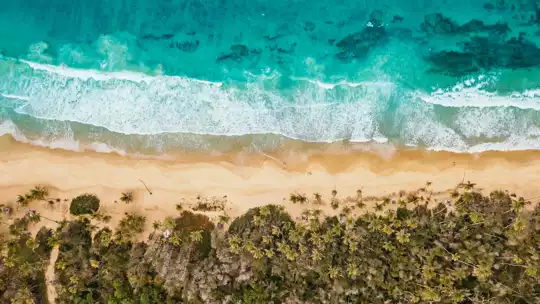
.jpg) Hi, I’m Johan (Netherlands 🇳🇱), the creator of TakeYourBackpack. Over the past decade, I’ve backpacked through 80+ countries across six continents, gaining extensive experience with independent travel, long-term trips, and overland routes.
Hi, I’m Johan (Netherlands 🇳🇱), the creator of TakeYourBackpack. Over the past decade, I’ve backpacked through 80+ countries across six continents, gaining extensive experience with independent travel, long-term trips, and overland routes.