
×

Venezuela🇻🇪 | townsSan Antonio del Táchiraborder crossing, duty-free shops, Andean foothills | things to do and best time to go

Explore Ocumare de la CostaExplore Angel Falls

Backpacking in San Antonio del Táchira
👌 Worth visitingtown ranked #4
By Johan Kruseman 🇳🇱 | Updated September 4, 2026

Most people only know San Antonio del Táchira as “that chaotic border crossing into Colombia,” and assume it’s just noise, queues, and hustlers. It is a border town, yes, but it’s also a lived‑in Andean place in western Venezuela, pressed up against the Táchira River opposite Cúcuta, in the state of Táchira near San Cristóbal. For backpackers, it works more as a functional stop than a destination: a place to sleep, change money, reset your SIM, and catch your breath before pushing deeper into Venezuela or crossing toward Colombia. Streets are walkable, traffic is dusty and loud, and the air smells like exhaust, fried arepas, and river humidity. It’s cheaper than Cúcuta, but safety and scams demand alertness, especially around terminals and the bridge. Compared with calmer Andean towns like Mérida, San Antonio feels more transactional than scenic, but that’s exactly why it’s useful on a long overland route.

Discover everything you want to know in the 📖 Venezuela Travel Guide.
Safety warning

The current risk level for Venezuela is high. Check the advice before going.


Get your Venezuela guide
99 ranked highlights, routes & tips, works offline (369 pages)
Loading the map 🌍
CLICK TO FILTER
cities
towns
villages
landmarks
national parks
hikes
beaches
attractions
festivals
regions
SHOW COUNTRY’S BESTSHOW ALL

✨ Why go?
Ranked #4 town in Venezuela
Why visitors keep coming back

San Antonio del Táchira serves as a gateway for backpackers exploring Venezuela’s stunning landscapes. Nestled near the Andes, it’s a convenient stop for those heading to hikes in the mountains or cultural sites in nearby towns. The walkable streets create an inviting atmosphere, perfect for solo travelers or small groups looking to connect.

You’ll find small-scale hostels and guesthouses that offer a cozy vibe, often run by locals eager to share their knowledge. The local food scene is a treat, with street vendors serving up arepas that burst with flavor, making every meal an experience.

Most travelers tend to linger a few days, soaking in the friendly social atmosphere while planning their next move. It’s not a party town, but the sense of community makes it easy to meet fellow adventurers. … read more 👉
San Antonio del Táchira serves as a gateway for backpackers exploring Venezuela’s stunning landscapes. Nestled near the Andes, it’s a convenient stop for those heading to hikes in the mountains or cultural sites in nearby towns. The walkable streets create an inviting atmosphere, perfect for solo travelers or small groups looking to connect.

You’ll find small-scale hostels and guesthouses that offer a cozy vibe, often run by locals eager to share their knowledge. The local food scene is a treat, with street vendors serving up arepas that burst with flavor, making every meal an experience.

Most travelers tend to linger a few days, soaking in the friendly social atmosphere while planning their next move. It’s not a party town, but the sense of community makes it easy to meet fellow adventurers. If you’re a slow traveler or a hiker, this town is a perfect blend of convenience and charm, enhancing your journey through Venezuela.
Want to include San Antonio del Táchira in your Venezuela route?
Create a personalized Venezuela itinerary that includes San Antonio del Táchira and the places that fit your trip — based on your travel style, budget, and available time. Get your route in seconds.

Generate my trip

💡 HighlightsPlaces and moments you shouldn't skip

  • Plaza Bolívar — The classic heart of town: shady trees, people-watching, and the municipal buildings and church that give you a quick feel for local rhythms and everyday life.
  • Parroquia (Iglesia) de San Antonio — The main church by the plaza; solid place to see local religious art, weekday mass, and the architecture that anchors the historic center.
  • Puente Internacional (frontera peatonal) — The pedestrian border crossing and its vantage point are a dramatic, very “frontier” experience: watch cross-border trade, take photos of the valley, and feel how close two countries can be.
  • Mercado Municipal — A noisy, colorful market where you can sample local produce, street snacks and inexpensive clothes; great for seeing how people shop daily and for cheap, authentic bites.
  • Casa de la Cultura
read more 👉
  • Plaza Bolívar — The classic heart of town: shady trees, people-watching, and the municipal buildings and church that give you a quick feel for local rhythms and everyday life.
  • Parroquia (Iglesia) de San Antonio — The main church by the plaza; solid place to see local religious art, weekday mass, and the architecture that anchors the historic center.
  • Puente Internacional (frontera peatonal) — The pedestrian border crossing and its vantage point are a dramatic, very “frontier” experience: watch cross-border trade, take photos of the valley, and feel how close two countries can be.
  • Mercado Municipal — A noisy, colorful market where you can sample local produce, street snacks and inexpensive clothes; great for seeing how people shop daily and for cheap, authentic bites.
  • Casa de la Cultura — Small municipal cultural center that usually hosts rotating exhibitions, local theater and community events — a good place to catch local artists and cultural projects that don’t make tourist guides.
  • Paseo de los Artesanos / Rincón de los Artesanos — A cluster of stalls and small shops (often near the center or border area) selling regional crafts, leather goods and typical souvenirs — ideal for unique, locally made finds.
  • Mirador de la Frontera — A local viewpoint where you can watch the city drop into the valley and get clear views of the border bridges and surrounding hills, especially pretty at sunset.
  • Plaza de los Próceres / Parque Central — The city’s main park area where locals exercise, kids play and vendors set up; good for relaxed afternoons and to observe community life away from the busiest streets.
  • Tianguis/mercado de fin de semana — Weekly flea/food markets that pop up on certain days; perfect for bargain hunting, street food, and the kind of local interactions you won’t get in a shop window.
  • Ruta gastronómica céntrica — Not a single building but a compact strip of bakeries, arepera stands and small eateries in the historic center where you can do a cheap, very tasty crawl through Táchira staples.
A few nearby day-trip highlights: San Cristóbal (state capital for museums and nightlife), the cooler mountain towns of Capacho Nuevo and Capacho Viejo (traditional architecture and countryside), and—if you want to peek across the border—the Colombian city of Cúcuta via the international bridge.
Spotted a mistake or missing something? Contact us.

🏘️ NeighborhoodsKey areas and districts to know

San Antonio del Táchira offers a unique blend of culture and accessibility, making it a compelling stop for backpackers. Here’s a breakdown of the neighborhoods that will help you navigate this vibrant town.

Centro Histórico: This is the heart of the town, where colonial architecture meets local life. The vibe is lively, with street vendors and cafes buzzing with chatter. It’s walkable, so you can easily explore on foot. Costs are moderate, making it suitable for both short and longer stays. Nightlife is low-key, with a few bars that come alive after dark.

La Concordia: A bit quieter, this neighborhood is perfect for those seeking a more laid-back atmosphere. It’s still close to the action but offers a peaceful retreat. Prices here are slightly lower, ideal for budget-conscious travelers. … read more 👉
San Antonio del Táchira offers a unique blend of culture and accessibility, making it a compelling stop for backpackers. Here’s a breakdown of the neighborhoods that will help you navigate this vibrant town.

Centro Histórico: This is the heart of the town, where colonial architecture meets local life. The vibe is lively, with street vendors and cafes buzzing with chatter. It’s walkable, so you can easily explore on foot. Costs are moderate, making it suitable for both short and longer stays. Nightlife is low-key, with a few bars that come alive after dark.

La Concordia: A bit quieter, this neighborhood is perfect for those seeking a more laid-back atmosphere. It’s still close to the action but offers a peaceful retreat. Prices here are slightly lower, ideal for budget-conscious travelers. Public transport is accessible, but walking is a great way to soak in the local scenery. Perfect for longer stays if you want to immerse yourself in the community.

El Palmar: Known for its vibrant markets and local eateries, El Palmar is where you’ll find the best street food. The energy is palpable, especially during the day. It’s a bit further from the center, so transport is necessary, but the experience is worth it. This area suits short stays, especially if you’re looking to dive into local flavors.

Each neighborhood offers a distinct experience, so choose based on your vibe and needs.

⌛️ 1 dayA smart one-day plan

San Antonio del Táchira, a lively town in Venezuela, pulses with a unique blend of culture and history. Nestled near the Colombian border, it’s a crossroads of flavors, sounds, and stories. The air is thick with the scent of arepas sizzling on street corners, and the vibrant murals tell tales of local pride.

Start your day at the Plaza Bolívar, where the morning sun casts a warm glow on the colonial architecture. Grab a coffee from a nearby café and soak in the atmosphere. The plaza is often alive with locals chatting, so don’t hesitate to strike up a conversation. This is where you’ll feel the town’s heartbeat.

As the sun climbs higher, wander through the El Centro neighborhood. Here, you’ll find the Iglesia San Antonio, a stunning church that’s often overlooked by tourists. Its intricate … read more 👉
San Antonio del Táchira, a lively town in Venezuela, pulses with a unique blend of culture and history. Nestled near the Colombian border, it’s a crossroads of flavors, sounds, and stories. The air is thick with the scent of arepas sizzling on street corners, and the vibrant murals tell tales of local pride.

Start your day at the Plaza Bolívar, where the morning sun casts a warm glow on the colonial architecture. Grab a coffee from a nearby café and soak in the atmosphere. The plaza is often alive with locals chatting, so don’t hesitate to strike up a conversation. This is where you’ll feel the town’s heartbeat.

As the sun climbs higher, wander through the El Centro neighborhood. Here, you’ll find the Iglesia San Antonio, a stunning church that’s often overlooked by tourists. Its intricate details and serene ambiance offer a moment of reflection. Afterward, head to a local market, like Mercado Municipal, where you can sample fresh fruits and homemade snacks. The vibrant colors and sounds of vendors haggling create an authentic experience that’s hard to replicate.

In the afternoon, make your way to the outskirts of town to explore the Parque Metropolitano. This green space is perfect for a leisurely stroll or a picnic. The scent of blooming flowers fills the air, and you might even spot some local wildlife.

As evening approaches, return to the town center for dinner. Seek out a family-run restaurant where you can indulge in traditional Venezuelan dishes. The warmth of the locals and the rich flavors will cap off your day perfectly.

San Antonio del Táchira isn’t just a stopover; it’s a vibrant tapestry of experiences waiting to be unraveled. Embrace the rhythm, and you’ll leave with stories that linger long after you’ve gone.
Turn your San Antonio del Táchira visit into an Venezuela adventure
Build a complete Venezuela route with San Antonio del Táchira, hidden gems, must-see destinations, and realistic travel times included.

Generate my trip

🌤️ When to go?Seasonal considerations and timing


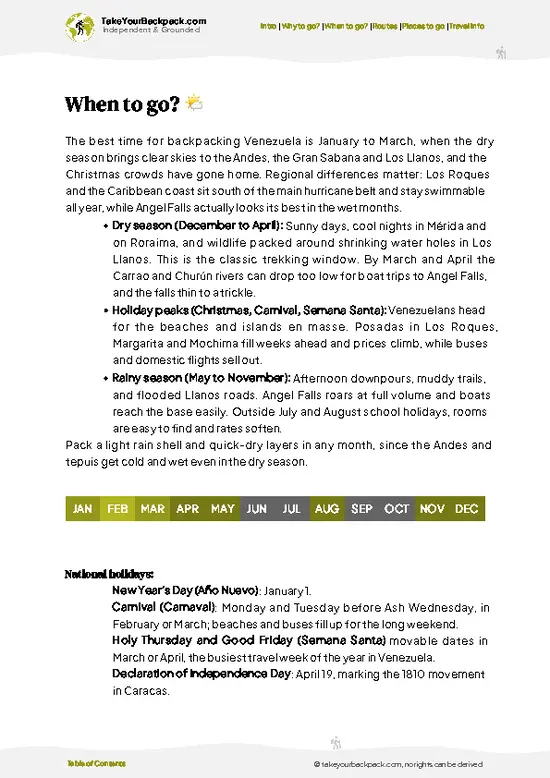
  • Topic: Weather – San Antonio del Táchira sits at about 1,200 meters elevation, so expect a mild climate year-round. The dry season from December to April offers clear skies and less humidity, making hiking and exploring more comfortable. The rainy season, May to November, brings afternoon showers that can turn trails slippery and roads muddy.

  • Topic: Temperature – Temperatures hover between 15°C and 25°C (59°F to 77°F), rarely dipping lower or soaring higher. Morning chills in the dry season can surprise you, so pack layers. The rainy season feels warmer but stickier, thanks to the humidity.

  • Topic: Daylight Hours – Near the equator, daylight stays steady around 12 hours year-round. Sunrise is roughly 6:00 AM, sunset near 6:00 PM, giving you a reliable window for day hikes and market
read more 👉

  • Topic: Weather – San Antonio del Táchira sits at about 1,200 meters elevation, so expect a mild climate year-round. The dry season from December to April offers clear skies and less humidity, making hiking and exploring more comfortable. The rainy season, May to November, brings afternoon showers that can turn trails slippery and roads muddy.

  • Topic: Temperature – Temperatures hover between 15°C and 25°C (59°F to 77°F), rarely dipping lower or soaring higher. Morning chills in the dry season can surprise you, so pack layers. The rainy season feels warmer but stickier, thanks to the humidity.

  • Topic: Daylight Hours – Near the equator, daylight stays steady around 12 hours year-round. Sunrise is roughly 6:00 AM, sunset near 6:00 PM, giving you a reliable window for day hikes and market visits without rushing.

  • Topic: Crowds – Tourist traffic peaks during local holidays and the dry season when Venezuelans from hotter regions escape to cooler highlands. Visiting just before or after this window means fewer people and a more authentic vibe.

  • Topic: Seasonal Activities – The dry months host outdoor festivals and open-air markets, perfect for soaking in local culture. The rainy season slows down events but brings lush landscapes and fewer tourists.

  • Topic: Price Fluctuations – Expect higher prices in the dry season due to demand. Off-season travel can save you money on lodging and food, but be ready for occasional rain delays.


Pro-tip: Aim for late March to early April—enjoy the tail end of dry weather, manageable crowds, and better prices before the rains roll in.


source: climatestotravel.comJANJanuary: excellent for travelingFEBFebruary: excellent for travelingMARMarch: excellent for travelingAPRApril: highly recommended for travelingMAYMay: good for travelingJUNJune: fair for travelingJULJuly: fair for travelingAUGAugust: fair for travelingSEPSeptember: fair for travelingOCTOctober: good for travelingNOVNovember: good for travelingDECDecember: highly recommended for traveling
when-to-go

✈️ The backpacker research shortcutVenezuela Travel Guide

An offline-friendly backpacking guide with optimized travel routes, ranked highlights, transport advice, and the best areas to stay.
example page 0 from our offline Travel Guide for Venezuela
example page 1 from our offline Travel Guide for Venezuela
example page 2 from our offline Travel Guide for Venezuela
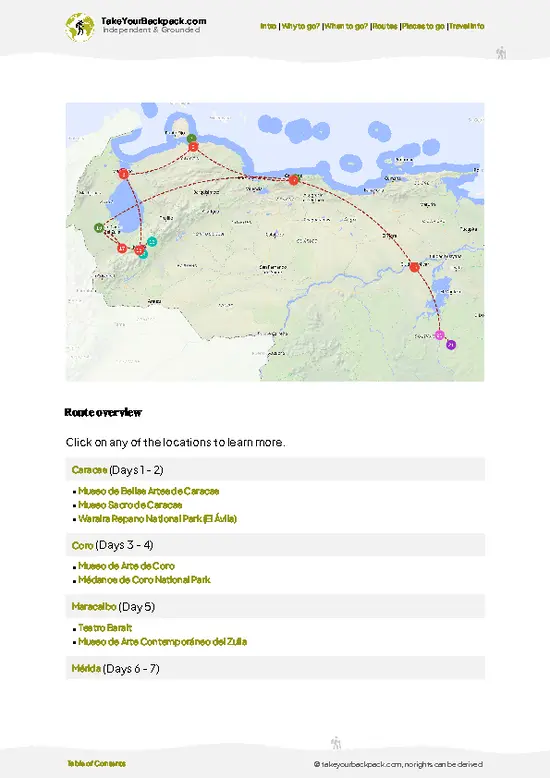
example page 3 from our offline Travel Guide for Venezuela
example page 4 from our offline Travel Guide for Venezuela
example page 5 from our offline Travel Guide for Venezuela
example page 6 from our offline Travel Guide for Venezuela
example page 7 from our offline Travel Guide for Venezuela
The digital guide (369 pages) contains:
99 highlights, ranked by travel appeal
Optimized 5, 10 & 15-day travel routes
Cities, national parks, landmarks, beaches
How to get around
Offline-friendly for travel without Wi-Fi
👉 Click to see all 30+ guide features

📅 Plan smarter in minutes, not weeks
Month by month travel advice
Festivals & national holidays
Budget expectations

🗺️ Go to the right places, skip the overrated ones
Honest pros & cons of destinations
Top hikes, parks & viewpoints
Lesser-known places most travelers miss
Clear “worth it vs skip it” guidance

🛏️ Travel smoothly without rookie mistakes
Best areas to stay
Transport systems explained simply
Common scams & safety advice
SIM cards, money & practical tips

🌍 Understand the country, not just visit it
Culture & traditions
52 Essential phrases & customs
Festivals worth planning around
Traveler-friendly historical context
Insights that make places more meaningful

📱 Built for real travel conditions
Fully downloadable PDF
Works completely offline
Optimized for phone use
Useful in remote areas & buses
Everything in one place
Save weeks of stressful planning
Get instant access to your full guide. 30‑day money-back guarantee.
+ Add another guide for just US$7.80

By proceeding you agree to our terms.
Sent to your inbox immediately after payment • 100% Secure Checkout
Best Backpacking Travel Advisor 2025 tourism awardBest Backpacking
Travel Advisor
2025
What others say about Take Your Backpack Guides:
⭐⭐⭐⭐⭐
Fantastic, amazing amount of information!
⭐⭐⭐⭐⭐
My goodness this is amazing, it's what I've been looking for hats off too you!
⭐⭐⭐⭐⭐
I think this is absolutely BRILLIANT
⭐⭐⭐⭐
Very complete and informative. It's still missing places, but I gotta to commend you
⭐⭐⭐⭐⭐
This is truly amazing, thank you, can't wait to explore it with my kids!
⭐⭐⭐⭐⭐
Awesome resource, thank you!
⭐⭐⭐⭐⭐
This is amazing! Can't wait to explore the ones I haven't seen
⭐⭐⭐⭐
I love this! Well done, great idea.
⭐⭐⭐⭐⭐
Thanks for taking the time to make this gem!
⭐⭐⭐⭐⭐
This might be the best website I've ever seen.
⭐⭐⭐⭐⭐
Congratulations, and thank you so much for your work; it's incredibly valuable.
⭐⭐⭐⭐
In all seriousness I think you did a great job pointing out the important spots
⭐⭐⭐⭐⭐
10/10 very good
⭐⭐⭐⭐⭐
As someone who's only just starting to visit regularly this is awesome, thank you.
⭐⭐⭐⭐
Thank you very much! I'm going to visit my dad, it's going to be very useful!
⭐⭐⭐⭐⭐
This is really cool! We'll be travelling for the first time and this definitely come in handy.
⭐⭐⭐⭐⭐
You are now our minister of culture, congratulations 👨‍💼
⭐⭐⭐⭐⭐
Just wanted to tell you that this is a pearl! Going to follow your recommendations.
⭐⭐⭐⭐⭐
This is so cool. I'll definitely be using the resource for my travels soon.
⭐⭐⭐⭐⭐
This is very impressive! Good work.
⭐⭐⭐⭐⭐
This is an amazing and informative site. Very well done!

🛏️ Where to stay?How to pick the right area

San Antonio del Táchira’s heartbeat pulses strongest in its central neighborhoods, where backpackers find a blend of safety, social buzz, and budget-friendly options. The downtown area, especially around Plaza Bolívar, is your go-to. Here, the streets hum with local vendors, the scent of fresh arepas mingling with the sharp tang of mountain air. It’s a place where you can walk confidently after dark, thanks to a steady police presence and a community that looks out for itself.

This central zone isn’t just about safety—it’s where solo travelers naturally gravitate. Hostels cluster here, offering … read more 👉
San Antonio del Táchira’s heartbeat pulses strongest in its central neighborhoods, where backpackers find a blend of safety, social buzz, and budget-friendly options. The downtown area, especially around Plaza Bolívar, is your go-to. Here, the streets hum with local vendors, the scent of fresh arepas mingling with the sharp tang of mountain air. It’s a place where you can walk confidently after dark, thanks to a steady police presence and a community that looks out for itself.

This central zone isn’t just about safety—it’s where solo travelers naturally gravitate. Hostels cluster here, offering communal spaces that invite conversation over shared meals or late-night coffee. The vibe is casual but lively, with a mix of locals and travelers swapping stories in open-air cafés. Compared to the quieter, more residential outskirts, staying downtown means you’re plugged into the city’s rhythm, not isolated from it.

If you wander too far into the suburbs, you’ll lose that easy access to social hubs and reliable transport. The trade-off isn’t worth it when you can wake up to the buzz of street life, the glow of early morning markets, and the promise of new connections just outside your door.

🚌 Getting aroundTransportation options and practical tips

San Antonio del Táchira moves at its own rhythm—less a clock-bound city and more a place where the pulse is set by the sun and the chatter of street vendors. The air carries a mix of roasted coffee and fresh empanadas, while the streets hum with a blend of purposeful footsteps and the occasional honk from a mototaxi weaving through narrow alleys. It’s not about rigid schedules here; it’s about reading the flow, catching the right moment to hop on a ride or stroll through the bustling mercados. Understanding this flow means you don’t just get from A to B—you absorb the town’s character in every step and turn.

Walking: The heart of San Antonio del Táchira is compact enough to explore on foot. Streets are uneven in spots, so sturdy shoes are a must. Walking lets you catch the scent of fresh … read more 👉
San Antonio del Táchira moves at its own rhythm—less a clock-bound city and more a place where the pulse is set by the sun and the chatter of street vendors. The air carries a mix of roasted coffee and fresh empanadas, while the streets hum with a blend of purposeful footsteps and the occasional honk from a mototaxi weaving through narrow alleys. It’s not about rigid schedules here; it’s about reading the flow, catching the right moment to hop on a ride or stroll through the bustling mercados. Understanding this flow means you don’t just get from A to B—you absorb the town’s character in every step and turn.

Walking: The heart of San Antonio del Táchira is compact enough to explore on foot. Streets are uneven in spots, so sturdy shoes are a must. Walking lets you catch the scent of fresh arepas and the vibrant street life, plus it’s free. Most locals rely on this, especially for short hops between plazas, markets, and eateries.

Mototaxis: These three-wheeled motorcycles dart through traffic with a speed and agility that cars can’t match. They run all day, roughly from 6 a.m. to 9 p.m., and fares hover around a few bolívares—super cheap but expect a bumpy ride and hold on tight. Mototaxis are perfect for quick trips across town when time is tight but you want to avoid the heat.

Colectivos (Shared Vans): These minibuses follow semi-fixed routes connecting San Antonio with nearby towns and neighborhoods. They start early, around 5 a.m., and run until dusk. The price is low, and while they can get crowded, they offer a chance to travel like a local and catch glimpses of daily life beyond the center. They’re slower than mototaxis but more comfortable and weather-protected.

Local Buses: Larger than colectivos, these buses serve longer routes and operate on a looser schedule. They’re the cheapest option for budget travelers heading to the outskirts or crossing into Colombia. Expect basic seating and frequent stops. They run from early morning until early evening but can be unpredictable, so build in extra time.

Taxi Services: Metered taxis exist but are pricier and less common for budget travelers. They’re best reserved for late-night rides or when you’re carrying heavy gear. Negotiate the fare upfront if the meter isn’t used, and expect a smoother, more private ride than mototaxis or colectivos.

Mastering these options means you’re not just moving through San Antonio del Táchira—you’re syncing with its tempo, turning transit into part of the adventure rather than a hurdle.

👛 Costs (as of 4 September 2026)Travel costs and budget guide for San Antonio del Táchira

Backpacking through San Antonio del Táchira, Venezuela, means navigating a town where every peso counts and local prices reflect the economic realities on the ground. Here’s what you can expect to spend daily as an independent traveler.
  • Dorm Accommodation: Hostels and guesthouses offer dorm beds typically between $5 and $10 USD per night. The rooms are basic, often with shared bathrooms, but clean enough to rest after a day of exploring. Expect simple furnishings and sometimes intermittent hot water.
  • Meals: Eating local is the way to go here. Street food and small eateries serve up hearty Venezuelan staples like arepas or empanadas for $1 to $3 per meal. A full meal at a modest restaurant might run $3 to $6. Fresh fruit and snacks from markets are even cheaper, perfect for quick energy boosts.
read more 👉
Backpacking through San Antonio del Táchira, Venezuela, means navigating a town where every peso counts and local prices reflect the economic realities on the ground. Here’s what you can expect to spend daily as an independent traveler.
  • Dorm Accommodation: Hostels and guesthouses offer dorm beds typically between $5 and $10 USD per night. The rooms are basic, often with shared bathrooms, but clean enough to rest after a day of exploring. Expect simple furnishings and sometimes intermittent hot water.
  • Meals: Eating local is the way to go here. Street food and small eateries serve up hearty Venezuelan staples like arepas or empanadas for $1 to $3 per meal. A full meal at a modest restaurant might run $3 to $6. Fresh fruit and snacks from markets are even cheaper, perfect for quick energy boosts.
  • Local Transport: Public transport is mostly informal but affordable. Bus or shared taxi rides within town usually cost around $0.25 to $0.50. For longer trips to nearby towns, prices can rise to $2 to $5 depending on distance and vehicle type. Walking is often the best way to soak in the atmosphere and save money.
  • Basic Activities/Entry Fees: San Antonio del Táchira is more about soaking in the local vibe than paying for tourist attractions. Small museums or cultural sites charge nominal fees, typically under $2. Outdoor activities like hiking or visiting local markets are free but rewarding.
  • Miscellaneous Expenses: Budget around $1 to $3 for essentials like bottled water, occasional coffee, or small souvenirs. Internet cafes or SIM cards for mobile data can cost $2 to $5 depending on usage.

All told, you’re looking at roughly $10 to $25 USD per day to cover the basics in San Antonio del Táchira. This range gives you enough flexibility to enjoy local flavors and move around comfortably without overspending, making the town accessible even on a tight budget.
⚠️ Prices can change and everyone travels differently, so take this as a rough guide. Hope it helps you plan your adventure!

🚌 Day tripsWhere to go beyond the main area

San Antonio del Táchira is a fantastic launchpad for exploring the rich landscapes and vibrant culture of Venezuela. With its strategic location, you can dive into adventures that are both accessible and rewarding.

1. La Fría
Just a short bus ride away, La Fría offers a refreshing escape from the heat. The journey takes about an hour, and you’ll find yourself surrounded by lush greenery and the cool mountain air. Stroll through the local market, where the scent of fresh arepas fills the air, and grab a bite from a street vendor. The total cost for transport and snacks is usually under $5. Avoid visiting on Sundays when the market is less lively; weekdays are when the true local vibe shines.


2. Táriba
A quick 30-minute bus ride brings you to Táriba, a town known for its colorful murals … read more 👉
San Antonio del Táchira is a fantastic launchpad for exploring the rich landscapes and vibrant culture of Venezuela. With its strategic location, you can dive into adventures that are both accessible and rewarding.

1. La Fría
Just a short bus ride away, La Fría offers a refreshing escape from the heat. The journey takes about an hour, and you’ll find yourself surrounded by lush greenery and the cool mountain air. Stroll through the local market, where the scent of fresh arepas fills the air, and grab a bite from a street vendor. The total cost for transport and snacks is usually under $5. Avoid visiting on Sundays when the market is less lively; weekdays are when the true local vibe shines.


2. Táriba
A quick 30-minute bus ride brings you to Táriba, a town known for its colorful murals and friendly locals. Spend your day wandering the streets, soaking in the vibrant art that tells stories of the region. Don’t miss the chance to sip on a local coffee while chatting with residents. The round trip will set you back about $2, making it a budget-friendly option. Aim for early morning to catch the town waking up; the light is perfect for photos.


3. El Cobre
For a taste of nature, head to El Cobre, roughly an hour away. This small village is famous for its stunning waterfalls and hiking trails. Bring sturdy shoes; the trails can be rocky. The cost is minimal—around $4 for transport and maybe another $3 for snacks. The best time to visit is during the dry season, when the trails are more manageable. A common mistake is underestimating the hike; pack plenty of water and snacks to keep your energy up.


4. San Cristóbal
Just over an hour from San Antonio, San Cristóbal offers a bustling city experience with a twist. Explore its lively plazas and sample local dishes like pabellón criollo. The bus fare is about $5, and you’ll want to spend the whole day here to soak it all in. Weekdays are ideal for avoiding crowds, especially in the markets. Many first-timers miss out on the local eateries tucked away from the main square—don’t be one of them!
Want to know what more Venezuela offers?
The Venezuela Travel Guide describes 99 highlights, from cities to national parks, from beaches to hikes

Get the Travel Guide -

🛡️ SafetySafety Tips and Common Scams in San Antonio del Táchira

San Antonio del Táchira has a relaxed vibe, but staying aware is key. Stick to well-lit areas, especially at night. The main square is lively during the day, but it can feel empty after dark. If you’re solo, consider teaming up with fellow travelers for evening strolls.

Watch for common scams, like overly friendly locals offering unsolicited help. Politely decline and keep your belongings close. Street vendors can be persistent, but a firm “no, gracias” usually does the trick.

The atmosphere is rich with the scent of arepas and the sound of bustling markets, but don’t let distractions pull you in too deep. Carry a small amount of cash and keep your phone out of sight when not in use. With a little mindfulness, you can enjoy the charm of this border town without a hitch.

FAQCommon questions from travelers

San Antonio del Táchira is primarily a stopover rather than a destination for extended visits. It serves as a key border town between Venezuela and Colombia, with limited tourist attractions. Most travelers pass through to cross the border or explore nearby areas.
One day is usually sufficient to explore San Antonio del Táchira. The town is small, and main activities include visiting the border market and local eateries. Staying longer is generally unnecessary unless using it as a base for border crossing logistics.
Yes, San Antonio del Táchira can be visited as a day trip from nearby cities like Cúcuta in Colombia, which is about 10 kilometers away. The border crossing is straightforward, allowing travelers to explore the town and return the same day without issues.
⚠️ Things can change over time, so always validate details locally before you go.

Other Venezuelan towns near San Antonio del Táchira

Explore more nearby:

  • Ocumare de la Costa—fishing port, rainforest edge, black sand beach| 591 km away
  • Choroni—colonial plaza, palm-fringed beach, cocoa farms| 608 km away
  • La Asunción—island hills, colonial churches, quiet plazas| 1006 km away

💡 Not sure where to go next?
Create a personalized itinerary for Venezuela including San Antonio del Táchira and the places that fit your trip.

Generate my itinerary

👉 Discover all towns

Or checkout all Venezuela has to offer (think cities, towns, villages, national parks, hikes, beaches, festivals)
Country photo of Venezuela

We 💚 feedbackIs it worth it?

San Antonio del Táchira has a pulse that’s hard to ignore. The streets hum with the chatter of locals, and the aroma of arepas fills the air. A delightful surprise? The warmth of the people; they’ll invite you into their world without hesitation. Just a heads-up: be mindful of your belongings, especially in crowded markets. Embrace the chaos, and you’ll find a vibrant community that thrives on connection and resilience. It’s a place that rewards those willing to dive in.

✍️ Help improve this page!
The information on this page is based on in-depth research, insights shared by experienced travelers, and feedback from the local travel community in Venezuela. While every effort is made to keep the information accurate and current, conditions can change — so if you spot anything incorrect or outdated, please get in touch.


🙋‍♂️ Give feedback

👋 Meet the founderWho’s Behind Take Your Backpack?

Johan, backpacker and founder of TakeYourBackpackHi, I’m Johan (Netherlands 🇳🇱), the creator of TakeYourBackpack. Over the past decade, I’ve backpacked through 80+ countries across six continents, gaining extensive experience with independent travel, long-term trips, and overland routes.

This site is built on a combination of firsthand travel experience and carefully curated insights from other backpackers. Many guides are based on places I’ve personally visited, while others bring together tips, observations, and practical advice shared by trusted travelers I’ve met along the way.

The goal is to provide realistic, experience-driven guidance — not generic itineraries — so you can explore destinations with better context, clearer expectations, and more confidence.

Get full Venezuela guide •
Instant download • 99 highlights • Full Offline guide