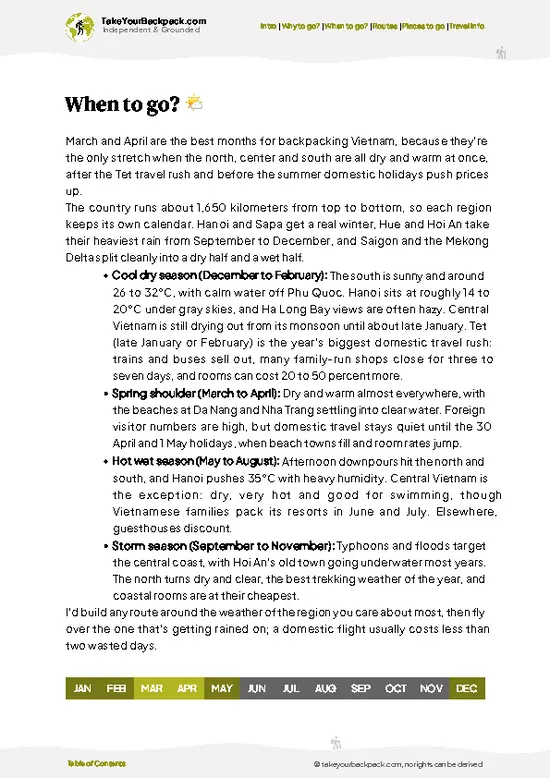
v2.webp)
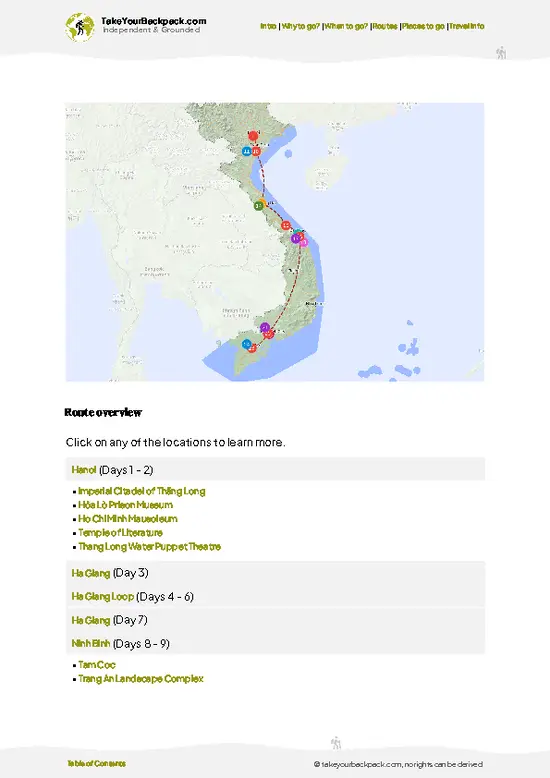
1. Mu Cang Chai Market
If you want to feel the pulse of Mu Cang Chai, start at the town market. It’s not a sanitized tourist show—this is where Hmong and Thai villagers trade vegetables, handwoven indigo cloth, and the kind of sticky rice that tastes like the earth after rain. The air is thick with the scent of grilled pork and woodsmoke. You’ll hear the clatter of dialects, see baskets balanced on backs, and maybe get a shy smile from a child in a riot of embroidered colors. The best time is early morning, when the produce is freshest and the crowd is mostly locals. Entry is free, but bring small bills for snacks or handicrafts. Give yourself 1-2 hours to wander, snack, and people-watch.
2. Mu Cang Chai Rice Terraces (Town Viewpoints)
You don’t need to trek for hours to see the terraces—there … read more 👉
If you want to feel the pulse of Mu Cang Chai, start at the town market. It’s not a sanitized tourist show—this is where Hmong and Thai villagers trade vegetables, handwoven indigo cloth, and the kind of sticky rice that tastes like the earth after rain. The air is thick with the scent of grilled pork and woodsmoke. You’ll hear the clatter of dialects, see baskets balanced on backs, and maybe get a shy smile from a child in a riot of embroidered colors. The best time is early morning, when the produce is freshest and the crowd is mostly locals. Entry is free, but bring small bills for snacks or handicrafts. Give yourself 1-2 hours to wander, snack, and people-watch.
2. Mu Cang Chai Rice Terraces (Town Viewpoints)
You don’t need to trek for hours to see the terraces—there … read more 👉
1. Mu Cang Chai Market
If you want to feel the pulse of Mu Cang Chai, start at the town market. It’s not a sanitized tourist show—this is where Hmong and Thai villagers trade vegetables, handwoven indigo cloth, and the kind of sticky rice that tastes like the earth after rain. The air is thick with the scent of grilled pork and woodsmoke. You’ll hear the clatter of dialects, see baskets balanced on backs, and maybe get a shy smile from a child in a riot of embroidered colors. The best time is early morning, when the produce is freshest and the crowd is mostly locals. Entry is free, but bring small bills for snacks or handicrafts. Give yourself 1-2 hours to wander, snack, and people-watch.
2. Mu Cang Chai Rice Terraces (Town Viewpoints)
You don’t need to trek for hours to see the terraces—there are several accessible viewpoints right on the town’s edge. The late afternoon light turns the rice paddies into a living mosaic of gold and green, with the scent of wet grass rising as farmers finish their day. The hum of insects and the distant laughter from a hillside home remind you this is a working landscape, not a postcard. The best time is September to early October, when the harvest paints the hills in amber. Free to visit; just walk or rent a motorbike (about 100,000 VND/day). Allow 1-2 hours for a slow stroll and photos.
3. Hmong Embroidery Workshops
Several family-run homes in town offer hands-on embroidery sessions. This isn’t a staged demo—expect to sit cross-legged on a bamboo mat, learning stitches from women whose hands move with the muscle memory of generations. The indigo dye stains your fingers, and the rhythmic chatter is as much a part of the lesson as the thread. Workshops usually run mornings or late afternoons. Expect to pay 100,000-200,000 VND for a 1-2 hour session, and you’ll leave with your own small piece of textile art.
4. Bamboo Forest Walk (Suoi Kim Hamlet)
Just a short walk from the town center, Suoi Kim’s bamboo groves offer a cool, green escape. The light here is dappled, the air sweet with the scent of crushed leaves and river water. You’ll pass local kids fishing with homemade rods and elders weaving baskets in the shade. It’s not a mapped trail—just follow the footpaths and let curiosity lead. Best in the late morning, when the sun filters through the canopy. Free, and an hour is enough to reset your senses.
5. Local Homestay Dinner
Skip the guesthouse buffet and book a meal with a local family. You’ll sit on low stools, sharing bowls of mountain vegetables, grilled fish, and rice wine poured from a reused soda bottle. The conversation is half-gesture, half-laughter, and the food tastes like it was grown in the backyard—because it was. Dinners usually start at dusk. Expect to pay 100,000-150,000 VND per person. Allow 2-3 hours; the real highlight is the slow, communal pace.
If you’re itching to explore beyond town, day trips to La Pan Tan’s spiral terraces, the Khau Pha Pass, and the waterfall at Mo De are all within easy reach—La Pan Tan’s wild, looping rice fields are my personal favorite for sheer scale and drama.
If you want to feel the pulse of Mu Cang Chai, start at the town market. It’s not a sanitized tourist show—this is where Hmong and Thai villagers trade vegetables, handwoven indigo cloth, and the kind of sticky rice that tastes like the earth after rain. The air is thick with the scent of grilled pork and woodsmoke. You’ll hear the clatter of dialects, see baskets balanced on backs, and maybe get a shy smile from a child in a riot of embroidered colors. The best time is early morning, when the produce is freshest and the crowd is mostly locals. Entry is free, but bring small bills for snacks or handicrafts. Give yourself 1-2 hours to wander, snack, and people-watch.
2. Mu Cang Chai Rice Terraces (Town Viewpoints)
You don’t need to trek for hours to see the terraces—there are several accessible viewpoints right on the town’s edge. The late afternoon light turns the rice paddies into a living mosaic of gold and green, with the scent of wet grass rising as farmers finish their day. The hum of insects and the distant laughter from a hillside home remind you this is a working landscape, not a postcard. The best time is September to early October, when the harvest paints the hills in amber. Free to visit; just walk or rent a motorbike (about 100,000 VND/day). Allow 1-2 hours for a slow stroll and photos.
3. Hmong Embroidery Workshops
Several family-run homes in town offer hands-on embroidery sessions. This isn’t a staged demo—expect to sit cross-legged on a bamboo mat, learning stitches from women whose hands move with the muscle memory of generations. The indigo dye stains your fingers, and the rhythmic chatter is as much a part of the lesson as the thread. Workshops usually run mornings or late afternoons. Expect to pay 100,000-200,000 VND for a 1-2 hour session, and you’ll leave with your own small piece of textile art.
4. Bamboo Forest Walk (Suoi Kim Hamlet)
Just a short walk from the town center, Suoi Kim’s bamboo groves offer a cool, green escape. The light here is dappled, the air sweet with the scent of crushed leaves and river water. You’ll pass local kids fishing with homemade rods and elders weaving baskets in the shade. It’s not a mapped trail—just follow the footpaths and let curiosity lead. Best in the late morning, when the sun filters through the canopy. Free, and an hour is enough to reset your senses.
5. Local Homestay Dinner
Skip the guesthouse buffet and book a meal with a local family. You’ll sit on low stools, sharing bowls of mountain vegetables, grilled fish, and rice wine poured from a reused soda bottle. The conversation is half-gesture, half-laughter, and the food tastes like it was grown in the backyard—because it was. Dinners usually start at dusk. Expect to pay 100,000-150,000 VND per person. Allow 2-3 hours; the real highlight is the slow, communal pace.
If you’re itching to explore beyond town, day trips to La Pan Tan’s spiral terraces, the Khau Pha Pass, and the waterfall at Mo De are all within easy reach—La Pan Tan’s wild, looping rice fields are my personal favorite for sheer scale and drama.
Spotted a mistake or missing something? Contact us.

Half Day Private Trekking Mu Cang Chai_Morning or Afternoon

Hanoi Private Transfers One Way (by Luxury Limousine Vans)

Full Day Private Trekking Mu Cang Chai

Hanoi - Mu Cang Chai One Way Private Transfer (Hotel pickup)

Private Car from Mu Cang Chai to Sa Pa

4 Days Mu Cang Chai Culture Spirituality and Hidden Landscapes

Mu Cang Chai Trekking and Motorbike Full Day

2 Day Mu Cang Chai Motorbike Tour with Homestay Experience

2 Days Motorbike Tour from Mu Cang Chai to Sapa


 Best Backpacking
.jpg) Hi, I’m Johan (Netherlands 🇳🇱), the creator of TakeYourBackpack. Over the past 3 decades, I’ve backpacked through 90+ countries across six continents, gaining extensive experience with independent travel, long-term trips, and overland routes.
Hi, I’m Johan (Netherlands 🇳🇱), the creator of TakeYourBackpack. Over the past 3 decades, I’ve backpacked through 90+ countries across six continents, gaining extensive experience with independent travel, long-term trips, and overland routes.