×

Vietnam🇻🇳 | townsSapaalpine climate, ethnic markets, Fansipan views | things to do and best time to go

Explore Bà Rịa-Vũng Tàu ProvinceExplore Phước Hải

Backpacking in Sapa
🏆 Top picktown ranked #1
By Johan Kruseman 🇳🇱 | Updated June 16, 2026

Most people chase Sapa for “the rice terrace photos,” but the real reason to come is the feeling of being up in the cool, misty air of Vietnam’s far north, where life slows down and every road seems to fall off the edge of a mountain. Sapa town itself sits in Lao Cai province, close to the Chinese border, high above Hanoi in both altitude and attitude. As a destination, it’s more launchpad than prize: a slightly chaotic, concrete hill town that gives you beds, buses, gear rentals, and hot bowls of pho before you disappear into the valleys and minority villages below.

It’s easy enough to reach by night train or bus via Lao Cai, then a winding road up; once in town you mostly walk, or grab cheap motorbike taxis to trailheads and viewpoints. Compared with quieter spots like Bac Ha or Ha Giang’s smaller towns, Sapa is busier, more touristic, and more social, with hostels, cafés, and trekking agencies everywhere. That means higher prices, more touts, and less “untouched” atmosphere, but also a reliable backpacker scene, decent safety, and a simple truth: if you treat Sapa as your staging area, not your whole story, it earns its place on the route.

Discover everything you want to know in the 📖 Vietnam Travel Guide.


Get your Vietnam guide
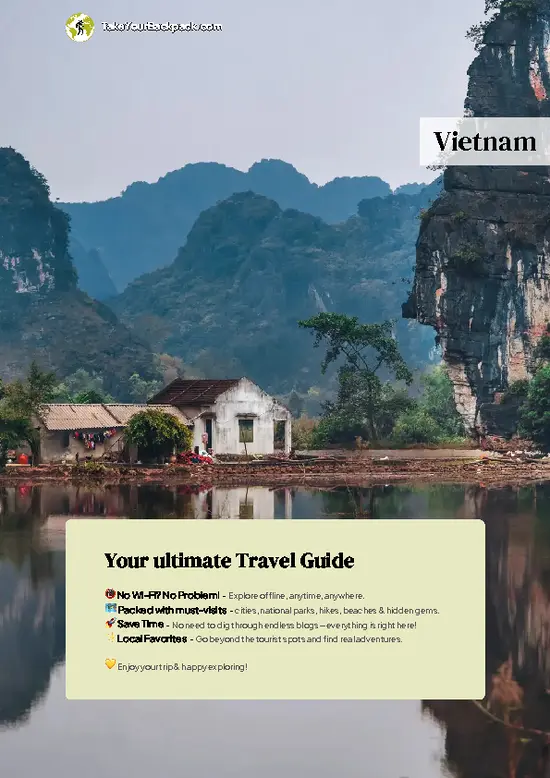
122 ranked highlights, routes & tips, works offline (437 pages)
Loading the map 🌍
CLICK TO FILTER
cities
towns
villages
landmarks
national parks
hikes
beaches
attractions
festivals
regions
SHOW COUNTRY’S BESTSHOW ALL

✨ Why go?
Ranked #1 town in Vietnam
Why Sapa should be on your travel list

Backpackers flock to Sapa for its strategic location as a gateway to some of Vietnam’s most breathtaking hikes. The surrounding mountains offer trails that range from easy strolls to challenging treks, making it a haven for hikers and nature lovers. You can step out of your guesthouse and find yourself on a trail within minutes, breathing in the crisp air and the earthy scent of pine.

The town itself is a charming blend of local culture and backpacker convenience. Small-scale hostels and guesthouses dot the streets, offering cozy beds and a chance to connect with fellow travelers. The walkable streets are lined with stalls selling local food—think steaming bowls of pho and fresh spring rolls that fill the air with mouthwatering aromas.

Most travelers tend to linger for a few days, soaking … read more 👉
Backpackers flock to Sapa for its strategic location as a gateway to some of Vietnam’s most breathtaking hikes. The surrounding mountains offer trails that range from easy strolls to challenging treks, making it a haven for hikers and nature lovers. You can step out of your guesthouse and find yourself on a trail within minutes, breathing in the crisp air and the earthy scent of pine.

The town itself is a charming blend of local culture and backpacker convenience. Small-scale hostels and guesthouses dot the streets, offering cozy beds and a chance to connect with fellow travelers. The walkable streets are lined with stalls selling local food—think steaming bowls of pho and fresh spring rolls that fill the air with mouthwatering aromas.

Most travelers tend to linger for a few days, soaking in the friendly social atmosphere. It’s a place where solo travelers can easily strike up conversations, and small groups can share stories over a meal. While it’s not a nightlife hotspot, the evenings are filled with laughter and camaraderie. If you’re a slow traveler or a hiker, Sapa offers a perfect blend of adventure and community, making it more than just a stopover.
Want to include Sapa in your Vietnam route?
Create a personalized Vietnam itinerary that includes Sapa and the places that fit your trip — based on your travel style, budget, and available time. Get your route in seconds.

Generate my trip

💡 HighlightsPlaces and moments you shouldn't skip

  • Sapa Stone Church (Nhà thờ Đá) — The town’s postcard: a small, French-era stone church sitting on the main square. It’s not just for photos — the plaza around it is the social heart of Sapa, with street vendors, meeting spots and easy access to the rest of town.
  • Sapa Central Market (Chợ Sapa) — A multi-level indoor market where locals sell fresh mountain produce, dried herbs and household goods downstairs and embroidered textiles, silverwork and minority clothing upstairs. Great for seeing daily life and price-checking before you buy souvenirs.
  • Sapa Night Market & Handicraft Street — After dusk the pedestrian strip near the church fills with stalls selling Hmong and Dao handicrafts, warming street food and snacks. It’s touristy but lively, and the best place to haggle for woven goods while
read more 👉
  • Sapa Stone Church (Nhà thờ Đá) — The town’s postcard: a small, French-era stone church sitting on the main square. It’s not just for photos — the plaza around it is the social heart of Sapa, with street vendors, meeting spots and easy access to the rest of town.
  • Sapa Central Market (Chợ Sapa) — A multi-level indoor market where locals sell fresh mountain produce, dried herbs and household goods downstairs and embroidered textiles, silverwork and minority clothing upstairs. Great for seeing daily life and price-checking before you buy souvenirs.
  • Sapa Night Market & Handicraft Street — After dusk the pedestrian strip near the church fills with stalls selling Hmong and Dao handicrafts, warming street food and snacks. It’s touristy but lively, and the best place to haggle for woven goods while trying local bites.
  • Ham Rong Mountain & Flower Park — A short walk from the center, this landscaped park has stepped paths, an orchid garden and several viewpoints that look down on town and the surrounding terraces. It’s an easy, ticketed climb that gives big views without needing a full trek.
  • Sun Plaza & Fansipan Legend Cable Car Station — The dramatic, European-style facade is a Sapa landmark and the practical hub for the Fansipan cable car. Even if you don’t ride up, the plaza is a good place to organize tours, buy tickets and snap photos of the cable car infrastructure.
  • Fansipan Cable Car Departure Plaza — The cable car itself is an experience: modern, efficient and the fastest route to the peak. Visiting the departure plaza gives you a taste of highland engineering and the option to book a same-day trip to the summit without leaving town.
  • Love Market (Cho Tình Yêu, Sapa Stadium) — A traditional matchmaking market historically held on weekend evenings in/near the town stadium. It’s a cultural scene rather than an everyday marketplace — best experienced with respect for local customs and modest photography.
  • Traditional Tailoring & Weaving Workshops — Small shops and family workshops along the main streets offer live demonstrations of Hmong embroidery and quick tailoring (you can often get a custom piece made in 24-48 hours). It’s hands-on, personal and far more interesting than buying factory trinkets.
  • Red Dao Herbal Bath Houses — Several town spas run by Red Dao practitioners offer herbal baths and simple massages using locally-sourced plants. It’s a warm, restorative cultural experience after walking the terraces — ask what’s in the bath and bring flip-flops and a towel.
  • Sapa Cultural House / Community Center (Nhà văn hóa) — The local cultural center stages music and dance performances, hosts exhibitions and is where town events happen. Check the schedule: a short folk performance here gives much more context about ethnic groups than any souvenir shop.
A few nearby day-trip highlights outside town: Cat Cat Village (a short walk/downhill, my personal favorite for an easy Hmong-village visit and small falls), the Muong Hoa valley rice-terrace views, and the Silver Waterfall/Fansipan foothills — all perfectly doable from Sapa for a half- or full-day.
Spotted a mistake or missing something? Contact us.

Things to do around Sapa

Ratings based on Tripadvisor reviews. When you book through this link, you support our work at no extra cost to you.

🏘️ NeighborhoodsNeighborhood guide to Sapa

Sapa is a vibrant tapestry of culture and nature, where the mountains meet the rice terraces. Each neighborhood offers a unique flavor, making it essential to choose wisely for your stay.

Town Center: This is the heartbeat of Sapa. Bustling with shops, cafes, and street vendors, it’s perfect for first-timers. The vibe is lively, especially at night when the market comes alive. Walkability is high; everything is within a short stroll. Expect moderate prices, but be ready for tourist crowds. Ideal for short stays where you want to soak in the local atmosphere.

Cat Cat Village: Just a short hike from the center, this area offers a more traditional experience. The scent of wood smoke and the sound of rushing water create a serene backdrop. It’s quieter, with homestays that let you immerse yourself … read more 👉
Sapa is a vibrant tapestry of culture and nature, where the mountains meet the rice terraces. Each neighborhood offers a unique flavor, making it essential to choose wisely for your stay.

Town Center: This is the heartbeat of Sapa. Bustling with shops, cafes, and street vendors, it’s perfect for first-timers. The vibe is lively, especially at night when the market comes alive. Walkability is high; everything is within a short stroll. Expect moderate prices, but be ready for tourist crowds. Ideal for short stays where you want to soak in the local atmosphere.

Cat Cat Village: Just a short hike from the center, this area offers a more traditional experience. The scent of wood smoke and the sound of rushing water create a serene backdrop. It’s quieter, with homestays that let you immerse yourself in local culture. Prices here can be lower, especially if you opt for a homestay. Great for longer stays if you want to explore the surrounding hills.

Ta Van Village: A bit further out, Ta Van is where you’ll find stunning rice terraces and fewer tourists. The atmosphere is peaceful, with the occasional laughter of local children. It’s less walkable, so consider renting a bike or arranging transport. Prices are generally lower, making it a solid choice for budget travelers. Perfect for those looking to escape the hustle and dive deep into nature.

Fansipan Area: Home to Vietnam’s highest peak, this area is for the adventurous. The vibe is rugged, with trails that challenge even seasoned hikers. Accommodations range from basic to mid-range. It’s less walkable, requiring transport to trailheads. Ideal for longer stays focused on trekking and exploration.

⌛️ 1 dayA smart one-day plan

Sapa, Vietnam, is a tapestry of terraced rice fields, misty mountains, and vibrant cultures. Nestled in the northern highlands, it’s a place where the air is crisp and the landscape feels alive. You can sense the pulse of the local tribes, each with their own stories woven into the fabric of the town.

Start your day early with a stroll through the bustling market. The scent of fresh herbs and grilled meats fills the air, mingling with the earthy aroma of the surrounding hills. Grab a bowl of steaming pho from a local vendor. It’s a simple breakfast, but the flavors are rich and comforting, setting the tone for your adventure. After breakfast, head to the nearby Cat Cat Village. This spot is often overlooked by the standard tourist route, but it’s a charming place to witness traditional handicrafts … read more 👉
Sapa, Vietnam, is a tapestry of terraced rice fields, misty mountains, and vibrant cultures. Nestled in the northern highlands, it’s a place where the air is crisp and the landscape feels alive. You can sense the pulse of the local tribes, each with their own stories woven into the fabric of the town.

Start your day early with a stroll through the bustling market. The scent of fresh herbs and grilled meats fills the air, mingling with the earthy aroma of the surrounding hills. Grab a bowl of steaming pho from a local vendor. It’s a simple breakfast, but the flavors are rich and comforting, setting the tone for your adventure. After breakfast, head to the nearby Cat Cat Village. This spot is often overlooked by the standard tourist route, but it’s a charming place to witness traditional handicrafts and the daily lives of the Hmong people. The sound of water cascading down the nearby waterfall adds a serene backdrop as you wander through the narrow paths lined with colorful flowers.

In the afternoon, make your way to Fansipan Mountain, the highest peak in Indochina. If you’re feeling adventurous, take the cable car for breathtaking views that stretch for miles. The light filtering through the clouds creates a surreal atmosphere, making the effort feel worthwhile. If you prefer a more leisurely pace, explore the quaint streets of Sapa town, where you can pop into local shops selling handmade textiles.

As evening approaches, find a cozy spot at a local eatery to enjoy a dinner of grilled fish and sticky rice. The warmth of the restaurant, combined with the laughter of locals, creates a welcoming vibe. Afterward, take a stroll along the lake, where the reflections of the surrounding mountains dance on the water’s surface.

Sapa isn’t just a destination; it’s an experience that lingers long after you leave. Each moment, from the morning market to the evening lake, is a reminder of the beauty found in the journey itself.
Turn your Sapa visit into an Vietnam adventure
Build a complete Vietnam route with Sapa, hidden gems, must-see destinations, and realistic travel times included.

Generate my trip

🌤️ When to go?Seasonal considerations and timing


  • Weather: Sapa’s weather swings dramatically. The dry season from October to April offers crisp, clear skies, perfect for trekking. Expect daytime temps around 15-20°C (59-68°F), but nights can dip below 5°C (41°F), so pack layers. The wet season, May to September, brings heavy rains and fog that can obscure the mountain views and turn trails into slippery mud slides.

  • Temperature: Spring (March-April) and autumn (September-October) provide the most comfortable temperatures, hovering between 15-22°C (59-72°F) during the day. Summer can be hot and humid, while winter nights get downright chilly, sometimes near freezing, which can surprise if you’re not prepared.

  • Daylight Hours: Around 11-12 hours of daylight year-round, but the clearest light for photography and trekking is in the dry
read more 👉

  • Weather: Sapa’s weather swings dramatically. The dry season from October to April offers crisp, clear skies, perfect for trekking. Expect daytime temps around 15-20°C (59-68°F), but nights can dip below 5°C (41°F), so pack layers. The wet season, May to September, brings heavy rains and fog that can obscure the mountain views and turn trails into slippery mud slides.

  • Temperature: Spring (March-April) and autumn (September-October) provide the most comfortable temperatures, hovering between 15-22°C (59-72°F) during the day. Summer can be hot and humid, while winter nights get downright chilly, sometimes near freezing, which can surprise if you’re not prepared.

  • Daylight Hours: Around 11-12 hours of daylight year-round, but the clearest light for photography and trekking is in the dry months when mornings start bright and evenings stretch long enough to savor the sunset over terraced fields.

  • Crowds: Peak season aligns with the dry months, especially around Tet (Vietnamese New Year, late January/early February) when locals and tourists flood in. This means busier trails and higher prices. Off-peak months offer solitude but risk rain and limited visibility.

  • Seasonal Activities: Rice terraces turn golden in September-October, a visual feast for photographers and hikers. Spring brings blooming flowers and fresh greenery, while winter’s misty mornings create an ethereal atmosphere but limit distant views.

  • Price Fluctuations: Accommodation and tours spike during peak dry season and holidays. Booking ahead is wise. The wet season sees discounts but comes with trade-offs in comfort and scenery.


Pro-tip: Aim for late September to early October—after the rains ease but before the crowds swell—when the air smells of damp earth, terraces glow gold, and the trails still feel like your own secret path.


source: climatestotravel.comJANJanuary: highly recommended for travelingFEBFebruary: highly recommended for travelingMARMarch: highly recommended for travelingAPRApril: highly recommended for travelingMAYMay: fair for travelingJUNJune: fair for travelingJULJuly: fair for travelingAUGAugust: fair for travelingSEPSeptember: good for travelingOCTOctober: excellent for travelingNOVNovember: highly recommended for travelingDECDecember: highly recommended for traveling
when-to-go

✈️ The backpacker research shortcutVietnam Travel Guide

An offline-friendly backpacking guide with optimized travel routes, ranked highlights, transport advice, and the best areas to stay.
example page 0 from our offline Travel Guide for Vietnam
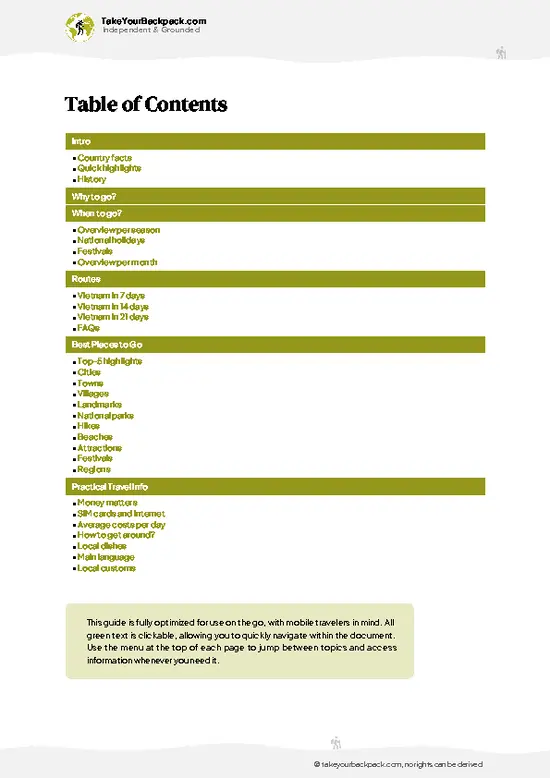
example page 1 from our offline Travel Guide for Vietnam
example page 2 from our offline Travel Guide for Vietnam
example page 3 from our offline Travel Guide for Vietnam
example page 4 from our offline Travel Guide for Vietnam
example page 5 from our offline Travel Guide for Vietnam
example page 6 from our offline Travel Guide for Vietnam
example page 7 from our offline Travel Guide for Vietnam
The digital guide (437 pages) contains:
122 highlights, ranked by travel appeal
Optimized 7, 14 & 21-day travel routes
Cities, national parks, landmarks, beaches
How to get around
Offline-friendly for travel without Wi-Fi
👉 Click to see all 30+ guide features

📅 Plan smarter in minutes, not weeks
Month by month travel advice
Festivals & national holidays
Budget expectations

🗺️ Go to the right places, skip the overrated ones
Honest pros & cons of destinations
Top hikes, parks & viewpoints
Lesser-known places most travelers miss
Clear “worth it vs skip it” guidance

🛏️ Travel smoothly without rookie mistakes
Best areas to stay
Transport systems explained simply
Common scams & safety advice
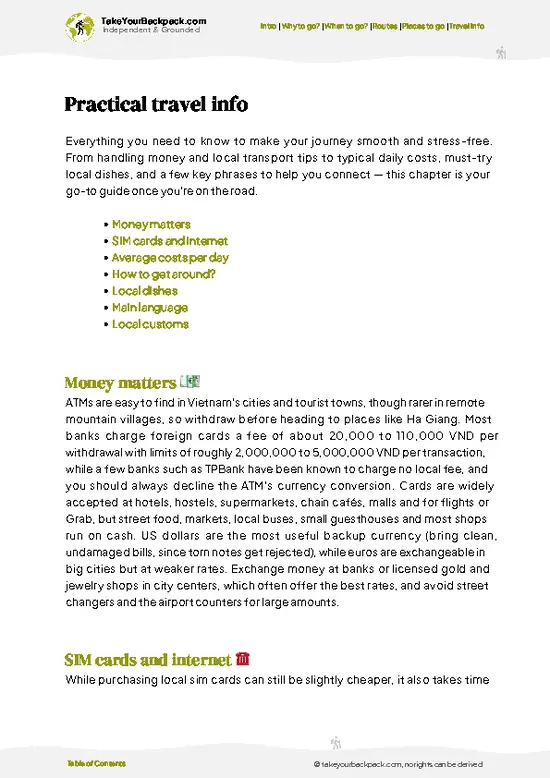
SIM cards, money & practical tips

🌍 Understand the country, not just visit it
Culture & traditions
52 Essential phrases & customs
Festivals worth planning around
Traveler-friendly historical context
Insights that make places more meaningful

📱 Built for real travel conditions
Fully downloadable PDF
Works completely offline
Optimized for phone use
Useful in remote areas & buses
Everything in one place
Save weeks of stressful planning
Get instant access to your full guide. 30‑day money-back guarantee.


By proceeding you agree to our terms.
Sent to your inbox immediately after payment • 100% Secure Checkout
Best Backpacking Travel Advisor 2025 tourism awardBest Backpacking
Travel Advisor
2025
What others say about Take Your Backpack Guides:
⭐⭐⭐⭐⭐
Fantastic, amazing amount of information!
⭐⭐⭐⭐⭐
My goodness this is amazing, it's what I've been looking for hats off too you!
⭐⭐⭐⭐⭐
I think this is absolutely BRILLIANT
⭐⭐⭐⭐
Very complete and informative. It's still missing places, but I gotta to commend you
⭐⭐⭐⭐⭐
This is truly amazing, thank you, can't wait to explore it with my kids!
⭐⭐⭐⭐⭐
Awesome resource, thank you!
⭐⭐⭐⭐⭐
This is amazing! Can't wait to explore the ones I haven't seen
⭐⭐⭐⭐
I love this! Well done, great idea.
⭐⭐⭐⭐⭐
Thanks for taking the time to make this gem!
⭐⭐⭐⭐⭐
This might be the best website I've ever seen.
⭐⭐⭐⭐⭐
Congratulations, and thank you so much for your work; it's incredibly valuable.
⭐⭐⭐⭐
In all seriousness I think you did a great job pointing out the important spots
⭐⭐⭐⭐⭐
10/10 very good
⭐⭐⭐⭐⭐
As someone who's only just starting to visit regularly this is awesome, thank you.
⭐⭐⭐⭐
Thank you very much! I'm going to visit my dad, it's going to be very useful!
⭐⭐⭐⭐⭐
This is really cool! We'll be travelling for the first time and this definitely come in handy.
⭐⭐⭐⭐⭐
You are now our minister of culture, congratulations 👨‍💼
⭐⭐⭐⭐⭐
Just wanted to tell you that this is a pearl! Going to follow your recommendations.
⭐⭐⭐⭐⭐
This is so cool. I'll definitely be using the resource for my travels soon.
⭐⭐⭐⭐⭐
This is very impressive! Good work.
⭐⭐⭐⭐⭐
This is an amazing and informative site. Very well done!

🛏️ Where to stay?Best areas and accommodation options

In Sapa, the heartbeat for backpackers pulses strongest around the town center, especially near the main market and the pedestrian-friendly streets that fan out from it. This area is your launchpad—safe, lively, and packed with budget hostels where you’ll find fellow travelers swapping stories over steaming cups of Vietnamese coffee. The streets here hum with a mix of local vendors and backpackers, creating a social atmosphere that’s easy to plug into without feeling overwhelmed.

Why settle here? Because it’s where the town’s pulse is most accessible. You’re a short walk from the bus station, … read more 👉
In Sapa, the heartbeat for backpackers pulses strongest around the town center, especially near the main market and the pedestrian-friendly streets that fan out from it. This area is your launchpad—safe, lively, and packed with budget hostels where you’ll find fellow travelers swapping stories over steaming cups of Vietnamese coffee. The streets here hum with a mix of local vendors and backpackers, creating a social atmosphere that’s easy to plug into without feeling overwhelmed.

Why settle here? Because it’s where the town’s pulse is most accessible. You’re a short walk from the bus station, which means no complicated taxi negotiations after a long trek. The vibe is casual but buzzing, with enough cafes and eateries to keep your energy up without breaking the bank. Hostels here often have communal spaces—think shared kitchens and rooftop terraces—perfect for meeting others before heading out to the rice terraces or hill tribe villages.

Contrast this with the outskirts or newer developments, which might offer quieter nights but lack the social buzz and easy access to transport and tours. Staying central means you’re immersed in the sensory mix of Sapa’s misty mornings, the scent of fresh herbs from market stalls, and the chatter of locals and travelers alike. It’s not just a place to crash—it’s where your Sapa adventure starts, with all the practical ease and social perks that make backpacking feel like a shared journey rather than a solo slog.

🚌 Getting aroundTransportation options and practical tips

Sapa moves at the pace of the mountains themselves—unpredictable, shaped by weather and the rhythm of local life rather than strict timetables. The mist curls through the terraced rice fields in the early morning, blurring the edges of the town’s narrow streets. Vendors set up stalls when they feel the light is right, and buses leave when they’re full, not by the clock. This isn’t a place where you’ll find rigid schedules or polished transit hubs. Instead, you navigate by intuition, by watching the flow of people and listening for the distant rumble of engines. Understanding this flow is your key to moving smoothly through Sapa without frustration or wasted time.


  • Walking: The heart of Sapa is best explored on foot. The town’s compact size and uneven cobblestone streets mean you’ll cover
read more 👉
Sapa moves at the pace of the mountains themselves—unpredictable, shaped by weather and the rhythm of local life rather than strict timetables. The mist curls through the terraced rice fields in the early morning, blurring the edges of the town’s narrow streets. Vendors set up stalls when they feel the light is right, and buses leave when they’re full, not by the clock. This isn’t a place where you’ll find rigid schedules or polished transit hubs. Instead, you navigate by intuition, by watching the flow of people and listening for the distant rumble of engines. Understanding this flow is your key to moving smoothly through Sapa without frustration or wasted time.


  • Walking: The heart of Sapa is best explored on foot. The town’s compact size and uneven cobblestone streets mean you’ll cover most ground in 20 to 40 minutes. Walking lets you soak in the scent of wet earth after rain and catch glimpses of local life—children playing, elders chatting on benches—without missing a beat. It’s free, flexible, and the best way to adjust your pace to the shifting mountain light.


  • Local Minibuses (Xe Om): These motorbike taxis are everywhere, weaving through narrow alleys and up steep hills. Expect to pay around 20,000 to 40,000 VND ($1–$2) for short rides within town or to nearby villages. They don’t run on a fixed schedule; instead, they operate on demand from dawn until dusk. This means you can hop on whenever you see one, but be ready to negotiate fares and hold tight on bumpy roads.


  • Shared Jeep or Van Services: For trips to popular trekking spots like Cat Cat Village or Ta Phin, shared jeeps and vans are the budget traveler’s best bet. They typically leave when full, so timing is flexible but unpredictable—usually between 7 AM and 9 AM. Prices hover around 100,000 to 150,000 VND ($4–$6). These rides are rougher than private cars but offer a social, immersive way to meet fellow travelers and locals.


  • Public Buses to/from Lao Cai: The main gateway to Sapa is Lao Cai, about 35 kilometers away. Public buses run several times daily, roughly from 6 AM to 6 PM, costing 60,000 to 100,000 VND ($2.50–$4). They’re slower than private transfers but reliable and cheap. Expect a bumpy ride on winding mountain roads, with stops at small villages along the way. Booking in advance isn’t necessary, but arriving early helps secure a seat during peak seasons.


  • Private Motorbike Rentals: If you’re comfortable on two wheels, renting a motorbike gives you unmatched freedom to explore beyond the town’s edges. Rentals cost about 150,000 to 200,000 VND ($6–$8) per day. The roads can be slippery and steep, so only take this option if you have solid riding experience. The payoff is huge: you control your schedule, chase the best light for photos, and dive deep into the mountain atmosphere at your own pace.

👛 Costs (as of 26 April 2026)Money, prices, and spending tips

Backpacking in Sapa, Vietnam, offers a raw, sensory experience where the crisp mountain air meets the scent of fresh herbs and sizzling street food. Knowing the daily costs helps you focus on soaking in the atmosphere without budget surprises.
  • Dorm Accommodation: Expect to pay around $5 to $10 per night for a bed in a basic dormitory. These hostels often have simple wooden bunk beds, shared bathrooms, and sometimes a balcony with views of terraced rice fields. The price reflects the no-frills but authentic mountain vibe.
  • Meals: Street food and local eateries dominate here. A typical meal—think pho, grilled pork skewers, or sticky rice with fresh herbs—runs about $1.50 to $3. If you opt for a western-style café or a tourist-targeted restaurant, prices can climb to $5 or $6. Breakfast is often
read more 👉
Backpacking in Sapa, Vietnam, offers a raw, sensory experience where the crisp mountain air meets the scent of fresh herbs and sizzling street food. Knowing the daily costs helps you focus on soaking in the atmosphere without budget surprises.
  • Dorm Accommodation: Expect to pay around $5 to $10 per night for a bed in a basic dormitory. These hostels often have simple wooden bunk beds, shared bathrooms, and sometimes a balcony with views of terraced rice fields. The price reflects the no-frills but authentic mountain vibe.
  • Meals: Street food and local eateries dominate here. A typical meal—think pho, grilled pork skewers, or sticky rice with fresh herbs—runs about $1.50 to $3. If you opt for a western-style café or a tourist-targeted restaurant, prices can climb to $5 or $6. Breakfast is often a quick bowl of noodle soup or a fresh baguette sandwich, fueling your day without breaking the bank.
  • Local Transport: Getting around Sapa town is mostly on foot, but for trips to nearby villages, motorbike taxis or shared jeeps cost around $2 to $5 per ride. Renting a motorbike yourself is about $7 to $10 per day, giving you freedom but requiring confidence on winding mountain roads.
  • Basic Activities/Entry Fees: Trekking is the main draw, and many trails are free to explore. However, visiting ethnic minority villages or certain viewpoints might have small entrance fees ranging from $1 to $3. Guided treks, which add insight and ease, typically start at $15 for a half-day.
  • Miscellaneous Expenses: Bottled water, snacks, and occasional coffee or tea add up to about $1 to $3 daily. Wi-Fi is usually free in hostels but can be spotty, so consider a local SIM card for around $5 to $10 if you need reliable internet.

All told, a realistic daily budget for backpacking in Sapa falls between $12 and $25. This range covers the essentials without skimping on comfort or experience. The mountain chill in the early morning makes that $1.50 bowl of pho taste like a warm reward earned through the day’s wandering.
⚠️ Prices can change and everyone travels differently, so take this as a rough guide. Hope it helps you plan your adventure!

🚌 Day tripsWhere to go beyond the main area

Sapa, Vietnam, is a backpacker’s dream base for day trips, offering a blend of breathtaking landscapes and rich cultural experiences. The town itself buzzes with the scent of street food and the sound of laughter, setting the stage for adventures that feel both rewarding and accessible.

Cat Cat Village
Just a short 30-minute walk from Sapa, Cat Cat Village is a delightful introduction to the local culture. The trail meanders through terraced rice fields, where you can catch the golden light of dawn illuminating the landscape. Expect to pay a small entrance fee, around 20,000 VND, and bring some cash for snacks from local vendors. The best time to visit is early morning when the village is waking up, and the air is crisp. A common mistake? Many rush through without taking time to chat with … read more 👉
Sapa, Vietnam, is a backpacker’s dream base for day trips, offering a blend of breathtaking landscapes and rich cultural experiences. The town itself buzzes with the scent of street food and the sound of laughter, setting the stage for adventures that feel both rewarding and accessible.

Cat Cat Village
Just a short 30-minute walk from Sapa, Cat Cat Village is a delightful introduction to the local culture. The trail meanders through terraced rice fields, where you can catch the golden light of dawn illuminating the landscape. Expect to pay a small entrance fee, around 20,000 VND, and bring some cash for snacks from local vendors. The best time to visit is early morning when the village is waking up, and the air is crisp. A common mistake? Many rush through without taking time to chat with the locals; those conversations can reveal stories that enrich your experience.


Fansipan Mountain
For those craving a challenge, a day hike to Fansipan, the highest peak in Indochina, is a must. The trek typically takes about 6-8 hours round trip, depending on your pace. You can catch a bus from Sapa for around 50,000 VND, but be prepared for a steep climb that rewards you with panoramic views of the surrounding mountains. The best months to tackle this are from September to November when the skies are clear. A rookie mistake is underestimating the weather; it can change quickly, so pack layers and rain gear.


Ta Phin Village
A 20-minute ride from Sapa, Ta Phin Village offers a glimpse into the lives of the Red Dao people. The journey costs about 30,000 VND by motorbike taxi. Here, you can explore traditional herbal medicine practices and even participate in a local weaving workshop. The vibrant colors of the textiles are a feast for the eyes, especially in the late afternoon light. Many travelers overlook the chance to engage with local artisans; doing so not only supports the community but also deepens your understanding of their culture.


Muong Hoa Valley
This stunning valley is about a 30-minute drive from Sapa and is famous for its ancient stone carvings and sweeping rice terraces. The entrance fee is minimal, around 10,000 VND. The best time to visit is during the rice harvest in September, when the fields are a brilliant gold. A common pitfall is sticking to the main paths; venture off the beaten track to discover hidden viewpoints and quieter spots. The valley’s tranquility is a perfect counterbalance to the bustling town.
Want to know what more Vietnam offers?
The Vietnam Travel Guide describes 122 highlights, from cities to national parks, from beaches to hikes

Get the Travel Guide -

🛡️ SafetyScams, Hazards, and Annoyances

Sapa is generally safe, but a few practical tips can enhance your experience. The bustling market area is vibrant, but keep your belongings close. Pickpockets can be a concern, especially in crowded spots. When you’re wandering the narrow streets, maintain a confident posture; it signals you know where you’re going.

If you’re traveling solo, especially at night, stick to well-lit areas. The charm of Sapa’s night market is inviting, but it’s wise to avoid dimly lit alleys. Trust your instincts; if something feels off, it probably is.

Scams are rare but can happen. Be cautious with offers for guided treks that seem too cheap. Always ask for a clear breakdown of costs and read reviews beforehand. Local vendors may try to upsell you on souvenirs, but a polite “no, thank you” usually suffices. … read more 👉
Sapa is generally safe, but a few practical tips can enhance your experience. The bustling market area is vibrant, but keep your belongings close. Pickpockets can be a concern, especially in crowded spots. When you’re wandering the narrow streets, maintain a confident posture; it signals you know where you’re going.

If you’re traveling solo, especially at night, stick to well-lit areas. The charm of Sapa’s night market is inviting, but it’s wise to avoid dimly lit alleys. Trust your instincts; if something feels off, it probably is.

Scams are rare but can happen. Be cautious with offers for guided treks that seem too cheap. Always ask for a clear breakdown of costs and read reviews beforehand. Local vendors may try to upsell you on souvenirs, but a polite “no, thank you” usually suffices.

Overall, Sapa’s beauty is earned through its rich culture and stunning landscapes. Stay aware, and you’ll unlock a smoother, more rewarding journey.

Other Vietnamese towns near Sapa

Explore more nearby:

  • Bac Ha—Sunday market, hill tribe textiles, highland plateau| 53 km away
  • Mu Cang Chai—terraced rice fields, mountain passes, Hmong villages| 59 km away
  • Dien Bien Phu—battlefield relics, valley setting, French fortifications| 133 km away

💡 Not sure where to go next?
Create a personalized itinerary for Vietnam including Sapa and the places that fit your trip.

Generate my itinerary

👉 Discover all towns

Or checkout all Vietnam has to offer (think cities, towns, villages, national parks, hikes, beaches, festivals)
Country photo of Vietnam

We 💚 feedbackIs it worth it?

Sapa’s charm lies in its breathtaking rice terraces, where the sun dances on the emerald fields at dawn. You’ll feel the heartbeat of the local culture as you sip strong coffee with the scent of fresh herbs wafting through the air. But be ready for the crowds; they can be overwhelming, especially during peak season. Embrace the hustle, though—it adds to the experience and reminds you why you came here in the first place.

✈️ When did I visit Vietnam?
I have backpacked through the northern part of Vietnam all the way back in 1998.

✍️ Help improve this page!
The information on this page is based on my own backpacking experience in Vietnam, supplemented with up-to-date research and feedback from other travelers. Travel details can change, so if you notice anything outdated or incomplete, feel free to let me know.


🙋‍♂️ Give feedback

👋 Meet the founderWho’s Behind Take Your Backpack?

Johan, backpacker and founder of TakeYourBackpackHi, I’m Johan (Netherlands 🇳🇱), the creator of TakeYourBackpack. Over the past decade, I’ve backpacked through 80+ countries across six continents, gaining extensive experience with independent travel, long-term trips, and overland routes.

This site is built on a combination of firsthand travel experience and carefully curated insights from other backpackers. Many guides are based on places I’ve personally visited, while others bring together tips, observations, and practical advice shared by trusted travelers I’ve met along the way.

The goal is to provide realistic, experience-driven guidance — not generic itineraries — so you can explore destinations with better context, clearer expectations, and more confidence.

Get full Vietnam guide •
Instant download • 122 highlights • Full Offline guide