×

Western Sahara🇪🇭 | citiesEl Aaiunadministrative center, desert outskirts, wide boulevards, local souks | things to do and best time to go

Explore DakhlaExplore Laayoune

Backpacking in El Aaiun
🌟 Highlightcity ranked #2
By Johan Kruseman 🇳🇱 | Updated June 5, 2026

If you crave postcard-perfect medinas, bustling hostels, or a nightlife scene that hums past midnight, El Aaiun will frustrate you. But that’s the trade-off: this is the capital of Western Sahara, a city that feels more like a frontier outpost than a tourist destination. For backpackers, that’s the draw. El Aaiun sits on the edge of the Sahara, where the Atlantic wind tangles with desert grit and the streets pulse with a mix of Moroccan administration and Sahrawi resilience. The Spanish cathedral, the dusty Plaza Mechouar, and the Sahrawi cultural center are worth a look, but the real highlight is the sense of being somewhere most travelers skip. It’s safe, but the police presence is obvious. Costs are lower than Morocco’s big cities, but don’t expect backpacker infrastructure or easy camaraderie—solo travelers may go days without meeting another foreigner. Compared to Dakhla’s kitesurfing buzz or Laayoune’s (El Aaiun’s) own quieter neighborhoods, this city is about observing, not indulging. The vibe? Stark, real, and oddly compelling.

Discover everything you want to know in the 📖 Western Sahara Travel Guide.
Loading the map 🌍
CLICK TO FILTER
cities
towns
villages
landmarks
hikes
beaches
festivals
regions
SHOW COUNTRY’S BESTSHOW ALL

✨ Why go?
Ranked #2 city in Western Sahara
What sets this place apart

El Aaiun, the capital of Western Sahara, is a strategic stop for backpackers weaving through North Africa. It’s not just a place to pass through; it’s a basecamp for those eager to explore the surrounding desert landscapes. The city offers a unique blend of affordability and comfort, with hostels that cater to budget travelers while providing a cozy atmosphere.

You’ll find local eateries serving up hearty meals that won’t break the bank, allowing you to fuel up for your adventures without sacrificing quality. The walkability of El Aaiun makes it easy to navigate, whether you’re hunting for street food or soaking in the local culture.

Nightlife here is low-key but engaging, with a few bars and cafes where you can unwind and connect with fellow travelers. Plus, the city’s easy onward travel read more 👉
El Aaiun, the capital of Western Sahara, is a strategic stop for backpackers weaving through North Africa. It’s not just a place to pass through; it’s a basecamp for those eager to explore the surrounding desert landscapes. The city offers a unique blend of affordability and comfort, with hostels that cater to budget travelers while providing a cozy atmosphere.

You’ll find local eateries serving up hearty meals that won’t break the bank, allowing you to fuel up for your adventures without sacrificing quality. The walkability of El Aaiun makes it easy to navigate, whether you’re hunting for street food or soaking in the local culture.

Nightlife here is low-key but engaging, with a few bars and cafes where you can unwind and connect with fellow travelers. Plus, the city’s easy onward travel options mean you can seamlessly continue your journey, whether heading deeper into the Sahara or back to Morocco.

In short, El Aaiun is more than a waypoint; it’s a place to recharge, connect, and prepare for the next leg of your adventure. If you’re looking for a rich experience without the touristy fluff, this city deserves a spot on your itinerary.
Want to include El Aaiun in your Western Sahara route?
Create a personalized Western Sahara itinerary that includes El Aaiun and the places that fit your trip — based on your travel style, budget, and available time. Get your route in seconds.

Generate my trip

💡 HighlightsEssential experiences to have while visiting El Aaiun

  • Laayoune Corniche & Fishing Port — The working seafront is this city’s best-sense-of-place: fishing boats, crates of tuna, noisy gulls and a concrete promenade where locals walk at sunset. Great for people-watching and to see how seafood gets handled before it hits the stalls.
  • Plaza España and the Spanish colonial quarter — A compact cluster of wide avenues and colonial façades left from the Spanish era. It’s not a palace tour, but the streets, signage and older buildings tell the story of the city’s 20th-century footprint and make for easy, interesting wandering.
  • Central Souk (Old Market) — Tight alleys, traders selling spices, textiles, blankets and Sahrawi handicrafts. This is where you feel the daily rhythm of the city and can pick up affordable scarves, silver filigree or just a cup
read more 👉
  • Laayoune Corniche & Fishing Port — The working seafront is this city’s best-sense-of-place: fishing boats, crates of tuna, noisy gulls and a concrete promenade where locals walk at sunset. Great for people-watching and to see how seafood gets handled before it hits the stalls.
  • Plaza España and the Spanish colonial quarter — A compact cluster of wide avenues and colonial façades left from the Spanish era. It’s not a palace tour, but the streets, signage and older buildings tell the story of the city’s 20th-century footprint and make for easy, interesting wandering.
  • Central Souk (Old Market) — Tight alleys, traders selling spices, textiles, blankets and Sahrawi handicrafts. This is where you feel the daily rhythm of the city and can pick up affordable scarves, silver filigree or just a cup of mint tea while practising a little bargaining.
  • Grande Mosquée (Main Mosque) and its courtyard — The mosque’s exterior and courtyard are an important focal point for local religious life; non-Muslims should respect prayer times and dress modestly, but the atmosphere and architecture are worth seeing from the outside and nearby streets.
  • Maison de la Culture / Local cultural centre — Where concerts, poetry evenings and small exhibitions happen (check the program). It’s the best place to catch Sahrawi music, spoken-word events or community festivals that reveal local culture beyond the tourist surface.
  • Urban beaches and city dunes — Within the city limits you’ll find stretches of beach and low dunes you can walk or picnic on. They’re raw and windy, not resort beaches, which makes them better for short explorations, photography and watching coastal birds.
  • Fishermen’s jetty and seafood stalls — Separate from the formal port, the jetty area is where small boats land and local sellers lay out fish straight off the line. It’s a live, honest food experience — great if you want fresh, cheap seafood and a look at everyday work.
  • Public gardens and pedestrian boulevards — Small parks and green boulevards are cozy places to sit with a soda, see families out in the cooler hours, and observe city life away from the dust and traffic. They’re low-key but useful when you need a break from exploring.
  • Local cafés and teahouses — The real cultural highlight isn’t a monument but hospitality: slow mint tea, cardamom coffee, and the chance to talk (with patience and respect) to Sahrawi residents. These spots give you a feel for everyday life and local conversations.
  • Spanish-era civic buildings and modest museums (small local exhibits) — Scattered municipal buildings and small display rooms record colonial-era maps, old photos and local history. They’re modest, often overlooked, but useful if you want context on how the city and the region developed.
A few real, visitable highlights just outside Laayoune that make good day trips: Khenifiss National Park (coastal lagoon and birdlife), the fishing/coastal town of Boujdour, and the long Atlantic dunes and beaches in the nearby coastal belt.
Spotted a mistake or missing something? Contact us.
🏘️ NeighborhoodsHow different areas shape the experience

El Aaiun, the capital of Western Sahara, offers a unique blend of culture and desert charm. Here’s how to navigate its neighborhoods for the best backpacking experience.

Centre Ville
This is the heart of El Aaiun. You’ll find bustling markets and local eateries. The vibe is lively, perfect for soaking in the local culture. Costs are moderate, and it’s walkable, making it easy to explore on foot. Nightlife is minimal, but you can enjoy a few cafes and bars. Ideal for short stays, as you can easily access transport to other areas.

Hay Mohammadi
A bit quieter, this neighborhood is more residential. It’s less touristy, giving you a genuine feel for daily life in El Aaiun. Costs are lower here, and it’s still walkable, though you might need to rely on taxis for longer distances. Perfect for … read more 👉
El Aaiun, the capital of Western Sahara, offers a unique blend of culture and desert charm. Here’s how to navigate its neighborhoods for the best backpacking experience.

Centre Ville
This is the heart of El Aaiun. You’ll find bustling markets and local eateries. The vibe is lively, perfect for soaking in the local culture. Costs are moderate, and it’s walkable, making it easy to explore on foot. Nightlife is minimal, but you can enjoy a few cafes and bars. Ideal for short stays, as you can easily access transport to other areas.

Hay Mohammadi
A bit quieter, this neighborhood is more residential. It’s less touristy, giving you a genuine feel for daily life in El Aaiun. Costs are lower here, and it’s still walkable, though you might need to rely on taxis for longer distances. Perfect for longer stays if you want to immerse yourself in the local scene.

Hay Salam
Known for its spacious streets and parks, Hay Salam is family-friendly and offers a more relaxed atmosphere. It’s a bit further from the city center, so transport is essential. Costs are reasonable, and while nightlife is subdued, you can find local gatherings. Great for those looking to unwind after a day of exploration.

Plage de El Aaiun
This coastal area is perfect for sunset views and beach walks. It’s a bit pricier due to its scenic location, but the experience is worth it. Walkability is good, and you can find some beachside cafes. Ideal for short stays, especially if you want to mix relaxation with your adventure.

⌛️ 1 dayA smart one-day plan

El Aaiun, the capital of Western Sahara, is a city where the desert meets the Atlantic, offering a unique blend of culture, history, and stunning landscapes. It’s a place where you can feel the pulse of Sahrawi life, with its vibrant markets and the vast, open skies that stretch endlessly.

Start your morning at the bustling Souk El Aaiun. The market is alive with the sounds of bargaining and the scents of spices wafting through the air. Grab a traditional breakfast of msemen, a flaky Moroccan pancake, paired with sweet mint tea. As you wander through the stalls, take in the colorful textiles and handcrafted goods. This is not just shopping; it’s a glimpse into daily life here.

In the afternoon, head towards the coastal area of Playa de El Aaiun. The beach is a perfect spot to relax and … read more 👉
El Aaiun, the capital of Western Sahara, is a city where the desert meets the Atlantic, offering a unique blend of culture, history, and stunning landscapes. It’s a place where you can feel the pulse of Sahrawi life, with its vibrant markets and the vast, open skies that stretch endlessly.

Start your morning at the bustling Souk El Aaiun. The market is alive with the sounds of bargaining and the scents of spices wafting through the air. Grab a traditional breakfast of msemen, a flaky Moroccan pancake, paired with sweet mint tea. As you wander through the stalls, take in the colorful textiles and handcrafted goods. This is not just shopping; it’s a glimpse into daily life here.

In the afternoon, head towards the coastal area of Playa de El Aaiun. The beach is a perfect spot to relax and soak in the sun. You might even spot local fishermen bringing in their catch. For a more off-the-beaten-path experience, visit the nearby ruins of the old Spanish colonial buildings. They tell stories of a different era and provide a stark contrast to the modern city.

As the sun begins to set, make your way to the city center. The Avenue Mohammed V is lined with cafes and shops, making it an ideal place to unwind. Grab a seat at a local café and enjoy a refreshing glass of fresh juice while people-watching.

For dinner, seek out a local restaurant serving traditional Sahrawi dishes. Try the mechoui, a slow-roasted lamb, which is a staple here. The flavors are rich and will leave you satisfied after a day of exploration.

El Aaiun may not be on every traveler’s radar, but its charm lies in its authenticity. Embrace the rhythm of the city, and you’ll find that every moment spent here is a treasure.
Turn your El Aaiun visit into an Western Sahara adventure
Build a complete Western Sahara route with El Aaiun, hidden gems, must-see destinations, and realistic travel times included.

Generate my trip

🌤️ When to go?When to go for the best experience


  • Weather: El Aaiun is a desert city, so expect dry conditions year-round. Summers scorch with highs often hitting 40°C (104°F), making midday trekking brutal. Winters are mild and far more forgiving, with highs around 20°C (68°F) and cool nights dipping to 8°C (46°F).

  • Temperature: The sweet spot is late autumn through early spring (October to April). Daytime temps hover between 18-25°C (64-77°F), perfect for hiking without overheating. Avoid summer unless you’re a heat warrior.

  • Daylight Hours: Daylight varies moderately, with roughly 10-12 hours in winter and up to 14 in summer. Longer days in spring and autumn give you more daylight for exploration without the punishing heat.

  • Crowds: El Aaiun isn’t a tourist hotspot, so crowds are minimal year-round. However, local holidays and festivals
read more 👉

  • Weather: El Aaiun is a desert city, so expect dry conditions year-round. Summers scorch with highs often hitting 40°C (104°F), making midday trekking brutal. Winters are mild and far more forgiving, with highs around 20°C (68°F) and cool nights dipping to 8°C (46°F).

  • Temperature: The sweet spot is late autumn through early spring (October to April). Daytime temps hover between 18-25°C (64-77°F), perfect for hiking without overheating. Avoid summer unless you’re a heat warrior.

  • Daylight Hours: Daylight varies moderately, with roughly 10-12 hours in winter and up to 14 in summer. Longer days in spring and autumn give you more daylight for exploration without the punishing heat.

  • Crowds: El Aaiun isn’t a tourist hotspot, so crowds are minimal year-round. However, local holidays and festivals in winter can bring a spike in activity, offering a chance to witness authentic Saharan culture.

  • Seasonal Activities: Cooler months align with cultural events and camel races, adding layers to your experience. Summer’s heat limits outdoor activities mostly to early mornings or late evenings.

  • Price Fluctuations: Accommodation and transport costs dip in the off-peak summer months due to the harsh climate, but you pay with comfort. Winter sees a slight price bump, justified by better conditions and more events.


Pro-tip: Aim for late autumn or early spring to balance comfort, cultural immersion, and cost—turning your trip into a strategic win rather than a weather gamble.


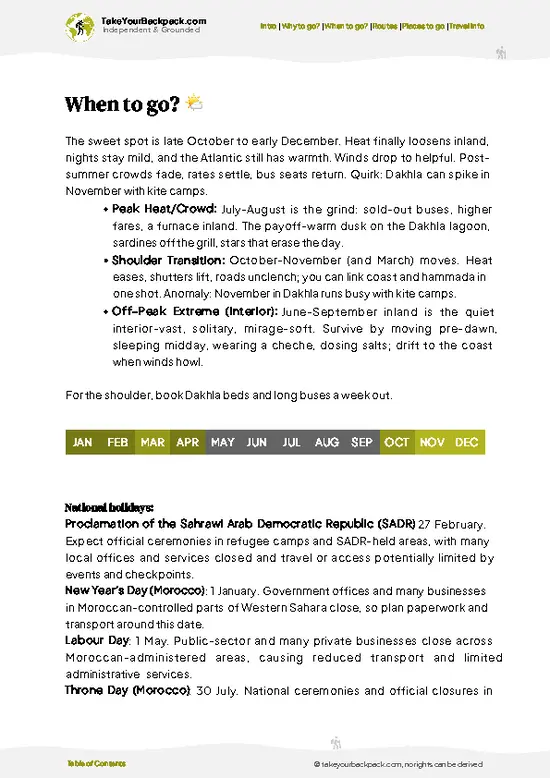
source: climatestotravel.comJANJanuary: excellent for travelingFEBFebruary: excellent for travelingMARMarch: excellent for travelingAPRApril: highly recommended for travelingMAYMay: fair for travelingJUNJune: below average for travelingJULJuly: below average for travelingAUGAugust: below average for travelingSEPSeptember: fair for travelingOCTOctober: excellent for travelingNOVNovember: excellent for travelingDECDecember: excellent for traveling
when-to-go

✈️ The backpacker research shortcutWestern Sahara Travel Guide

An offline-friendly backpacking guide with optimized travel routes, ranked highlights, transport advice, and the best areas to stay.
example page 0 from our offline Travel Guide for Western Sahara
example page 1 from our offline Travel Guide for Western Sahara
example page 2 from our offline Travel Guide for Western Sahara
example page 3 from our offline Travel Guide for Western Sahara
example page 4 from our offline Travel Guide for Western Sahara
example page 5 from our offline Travel Guide for Western Sahara
example page 6 from our offline Travel Guide for Western Sahara
example page 7 from our offline Travel Guide for Western Sahara
The digital guide (117 pages) contains:
22 highlights, ranked by travel appeal
Optimized 2, 3 & 5-day travel routes
Cities, national parks, landmarks, beaches
How to get around
Offline-friendly for travel without Wi-Fi
👉 Click to see all 30+ guide features

📅 Plan smarter in minutes, not weeks
Month by month travel advice
Festivals & national holidays
Budget expectations

🗺️ Go to the right places, skip the overrated ones
Honest pros & cons of destinations
Top hikes, parks & viewpoints
Lesser-known places most travelers miss
Clear “worth it vs skip it” guidance

🛏️ Travel smoothly without rookie mistakes
Best areas to stay
Transport systems explained simply
Common scams & safety advice
SIM cards, money & practical tips

🌍 Understand the country, not just visit it
Culture & traditions
52 Essential phrases & customs
Festivals worth planning around
Traveler-friendly historical context
Insights that make places more meaningful

📱 Built for real travel conditions
Fully downloadable PDF
Works completely offline
Optimized for phone use
Useful in remote areas & buses
Everything in one place
Save weeks of stressful planning
Get instant access to your full guide. 30‑day money-back guarantee.


By proceeding you agree to our terms.
Sent to your inbox immediately after payment • 100% Secure Checkout
Best Backpacking Travel Advisor 2025 tourism awardBest Backpacking
Travel Advisor
2025
What others say about Take Your Backpack Guides:
⭐⭐⭐⭐⭐
Fantastic, amazing amount of information!
⭐⭐⭐⭐⭐
My goodness this is amazing, it's what I've been looking for hats off too you!
⭐⭐⭐⭐⭐
I think this is absolutely BRILLIANT
⭐⭐⭐⭐
Very complete and informative. It's still missing places, but I gotta to commend you
⭐⭐⭐⭐⭐
This is truly amazing, thank you, can't wait to explore it with my kids!
⭐⭐⭐⭐⭐
Awesome resource, thank you!
⭐⭐⭐⭐⭐
This is amazing! Can't wait to explore the ones I haven't seen
⭐⭐⭐⭐
I love this! Well done, great idea.
⭐⭐⭐⭐⭐
Thanks for taking the time to make this gem!
⭐⭐⭐⭐⭐
This might be the best website I've ever seen.
⭐⭐⭐⭐⭐
Congratulations, and thank you so much for your work; it's incredibly valuable.
⭐⭐⭐⭐
In all seriousness I think you did a great job pointing out the important spots
⭐⭐⭐⭐⭐
10/10 very good
⭐⭐⭐⭐⭐
As someone who's only just starting to visit regularly this is awesome, thank you.
⭐⭐⭐⭐
Thank you very much! I'm going to visit my dad, it's going to be very useful!
⭐⭐⭐⭐⭐
This is really cool! We'll be travelling for the first time and this definitely come in handy.
⭐⭐⭐⭐⭐
You are now our minister of culture, congratulations 👨‍💼
⭐⭐⭐⭐⭐
Just wanted to tell you that this is a pearl! Going to follow your recommendations.
⭐⭐⭐⭐⭐
This is so cool. I'll definitely be using the resource for my travels soon.
⭐⭐⭐⭐⭐
This is very impressive! Good work.
⭐⭐⭐⭐⭐
This is an amazing and informative site. Very well done!

🛏️ Where to stay?Best areas to stay in Western Sahara

In El Aaiun, the real backpacker sweet spot is the city center, especially around Avenue Smara and the adjacent streets. This area strikes a rare balance between safety and social buzz, which is crucial when you’re navigating a place that’s off the usual tourist radar. It’s where you’ll find the most budget-friendly accommodations, including a handful of hostels and guesthouses that cater to solo travelers and those who want to connect without breaking the bank.

Compared to the sprawling, quieter residential zones on the outskirts, the city center pulses with local life—markets, cafes, and street … read more 👉
In El Aaiun, the real backpacker sweet spot is the city center, especially around Avenue Smara and the adjacent streets. This area strikes a rare balance between safety and social buzz, which is crucial when you’re navigating a place that’s off the usual tourist radar. It’s where you’ll find the most budget-friendly accommodations, including a handful of hostels and guesthouses that cater to solo travelers and those who want to connect without breaking the bank.

Compared to the sprawling, quieter residential zones on the outskirts, the city center pulses with local life—markets, cafes, and street vendors create a low-key but constant hum of activity. This makes it easier to meet other travelers or locals, which is half the game when you’re backpacking solo. The vibe here isn’t flashy or touristy; it’s practical and grounded, giving you a genuine feel for the city’s rhythm without the pressure of tourist traps.

Venturing into newer districts or the industrial edges might offer more modern comforts but at the cost of isolation and higher prices. For a backpacker, that trade-off rarely pays off. Stick to the heart of El Aaiun if you want to maximize social opportunities, stay safe, and keep your budget intact—all while soaking in the city’s authentic pulse.

🚌 Getting aroundTransportation options and practical tips

El Aaiun moves at its own rhythm—less a clockwork city and more a pulse you feel underfoot. It’s not about rigid timetables or polished efficiency; it’s about reading the street, catching the right moment, and knowing when to wait or move. The city’s flow is a blend of deliberate patience and bursts of activity, where the line between waiting and wandering blurs. Your transit choices here are a dance between saving time, spending money, and tolerating a bit of discomfort. Understanding this trade-off is your key to mastering El Aaiun’s transport game.


  • Walking: The ultimate budget option and the best way to soak in the city’s texture. El Aaiun’s center is compact enough to cover on foot, with no cost and zero scheduling hassle. It’s slow but reliable, and you control the pace and stops.
read more 👉
El Aaiun moves at its own rhythm—less a clockwork city and more a pulse you feel underfoot. It’s not about rigid timetables or polished efficiency; it’s about reading the street, catching the right moment, and knowing when to wait or move. The city’s flow is a blend of deliberate patience and bursts of activity, where the line between waiting and wandering blurs. Your transit choices here are a dance between saving time, spending money, and tolerating a bit of discomfort. Understanding this trade-off is your key to mastering El Aaiun’s transport game.


  • Walking: The ultimate budget option and the best way to soak in the city’s texture. El Aaiun’s center is compact enough to cover on foot, with no cost and zero scheduling hassle. It’s slow but reliable, and you control the pace and stops. Perfect if you want to absorb the street life and avoid any transit guesswork.


  • Local Buses: These are the cheapest motorized option, usually running from early morning until early evening. Expect prices around 5-10 MAD per ride. Buses are slow and often crowded, with no fixed schedules—more like a rolling suggestion than a timetable. Comfort is minimal, but they cover key routes connecting neighborhoods and markets. Ideal if you have time to spare and want to stretch your budget.


  • Grand Taxis: Shared taxis that run fixed routes but leave only when full. They operate roughly from 7 AM to 9 PM. Fares vary but typically hover around 15-30 MAD depending on distance. They’re faster than buses but less predictable in departure times, and comfort depends on how many passengers squeeze in. This option balances speed and cost but demands flexibility and a tolerance for tight quarters.


  • Private Taxis: The fastest and most comfortable way to get around, available 24/7. Expect to pay 50-100 MAD for typical city trips. No waiting for a full car, but you’re paying for exclusivity. This is the choice when time is tight, or you want to avoid the hustle of shared rides. It’s the clear trade-off: spend more money for comfort and control over your schedule.


El Aaiun’s transit is a puzzle of trade-offs. Walk if you want immersion and zero cost. Take the bus if you’re patient and budget-conscious. Grand taxis offer a middle ground—faster but less predictable. Private taxis buy you time and comfort at a premium. Your move depends on what you value most: time, money, or comfort. Play it smart, and you’ll turn the city’s flow into your advantage.

👛 Costs (as of 17 February 2026)How expensive it really is

Backpacking in El Aaiun, Western Sahara, offers a unique challenge in balancing your budget with the realities of a less-touristy, politically complex region. Here’s the breakdown of what you’re likely to spend daily as an independent traveler.
  • Dorm Accommodation (High Season): Expect to pay around €15-€25 per night. Options are limited and tend to fill up during peak travel months, so prices can spike slightly.
  • Dorm Accommodation (Off-Season): Prices drop to about €10-€15 per night. Fewer travelers mean more negotiating power, but amenities remain basic.
  • Meals: Local eateries offer meals for roughly €3-€7 each. Street food and small cafes dominate, so you can eat well without splurging, but don’t expect a wide variety of international cuisine.
  • Local Transport: Shared taxis and minibuses
read more 👉
Backpacking in El Aaiun, Western Sahara, offers a unique challenge in balancing your budget with the realities of a less-touristy, politically complex region. Here’s the breakdown of what you’re likely to spend daily as an independent traveler.
  • Dorm Accommodation (High Season): Expect to pay around €15-€25 per night. Options are limited and tend to fill up during peak travel months, so prices can spike slightly.
  • Dorm Accommodation (Off-Season): Prices drop to about €10-€15 per night. Fewer travelers mean more negotiating power, but amenities remain basic.
  • Meals: Local eateries offer meals for roughly €3-€7 each. Street food and small cafes dominate, so you can eat well without splurging, but don’t expect a wide variety of international cuisine.
  • Local Transport: Shared taxis and minibuses cost about €0.50-€1 per ride. They’re the main way locals get around, but routes can be irregular and crowded.
  • City Transport Pass: There is no formal city transport pass system in El Aaiun. Budget for individual rides or occasional private taxis, which can cost €3-€5 for short distances.
  • Basic Activities/Entry Fees: Cultural sites and museums are either free or charge a nominal fee around €1-€3. Organized tours or desert excursions, if you choose to splurge, start at about €30 and up.
  • Miscellaneous Expenses: Include water, snacks, and small purchases, roughly €2-€5 daily. Internet access is patchy and may require buying local SIM cards or paying for Wi-Fi at cafes.

El Aaiun’s daily budget for backpackers typically ranges from €20 to €40. You’re trading off comfort and convenience for authenticity and low costs. The city’s infrastructure isn’t built for tourists, so your money goes further if you embrace local rhythms and simple living.


source: saharawi.org
⚠️ Prices can change and everyone travels differently, so take this as a rough guide. Hope it helps you plan your adventure!

🚌 Day tripsEasy escapes and nearby places

El Aaiun is a fantastic base for day trips that offer a taste of the diverse landscapes and cultures of Western Sahara. Here are some worthwhile excursions that will enrich your experience without breaking the bank.

Dakhla Oasis
A trip to Dakhla Oasis is a must for those craving stunning coastal views and a taste of local culture. The drive takes about six hours, but the scenery along the way is a visual feast. Once there, you can explore the vibrant markets and sample fresh seafood. Budget around $30 for transportation and meals. The best time to visit is between October and April when the weather is mild. A common mistake is underestimating the travel time; plan for a full day to soak it all in.


Boujdour Beach
Just a short two-hour drive from El Aaiun, Boujdour Beach is perfect … read more 👉
El Aaiun is a fantastic base for day trips that offer a taste of the diverse landscapes and cultures of Western Sahara. Here are some worthwhile excursions that will enrich your experience without breaking the bank.

Dakhla Oasis
A trip to Dakhla Oasis is a must for those craving stunning coastal views and a taste of local culture. The drive takes about six hours, but the scenery along the way is a visual feast. Once there, you can explore the vibrant markets and sample fresh seafood. Budget around $30 for transportation and meals. The best time to visit is between October and April when the weather is mild. A common mistake is underestimating the travel time; plan for a full day to soak it all in.


Boujdour Beach
Just a short two-hour drive from El Aaiun, Boujdour Beach is perfect for a quick escape. The beach is less crowded, offering a serene atmosphere to unwind. Bring a picnic, as local eateries are sparse. Expect to spend about $15 on transport and snacks. The best time to go is early morning to catch the sunrise. First-timers often overlook the need for sunscreen; the sun can be relentless.


Tifariti
For a taste of Sahrawi culture, head to Tifariti, about three hours away. This village is a cultural hub, showcasing traditional music and crafts. The journey is a mix of paved and unpaved roads, so a sturdy vehicle is essential. Budget around $25 for transport and small purchases. The ideal time to visit is during local festivals, which happen throughout the year. Many travelers forget to engage with locals; they’re often eager to share their stories.
👉 Explore Tifariti

Laguna de la Balsa
This hidden lagoon, about an hour from El Aaiun, is a birdwatcher’s paradise. You can spot flamingos and other migratory birds while enjoying a peaceful hike around the area. The trip is budget-friendly, costing around $10 for transport. Spring is the best season for birdwatching. A common mistake is arriving too late in the day; mornings are prime for wildlife activity.


The Sand Dunes of El Aaiun
Just a short drive from the city, the sand dunes offer a quick adventure. Spend the day hiking or sandboarding, and don’t forget your camera for those golden hour shots. The trip is practically free if you have your own transport, or about $10 for a shared taxi. Anytime is good, but sunset is magical. First-timers often forget water; stay hydrated while you explore.
Want to know what more Western Sahara offers?
The Western Sahara Travel Guide describes 22 highlights, from cities to national parks, from beaches to hikes

Get the Travel Guide -

🍲 FoodLocal Cuisine & Drinks

In El Aaiun, the culinary scene is a vibrant tapestry of flavors and traditions. Start with the couscous, a staple that’s often served on Fridays, fluffy and warm, topped with tender meat and vegetables. The tagine, slow-cooked in earthenware, bursts with spices that dance on your palate. Don’t miss the harira, a hearty soup that’s a meal in itself, especially during Ramadan.

For drinks, the local mint tea is a ritual. It’s sweet, refreshing, and served with a flourish. You’ll find it everywhere, from bustling markets to cozy cafés. The act of pouring it from a height is an art form, symbolizing hospitality.

Backpackers often gather at street food stalls and casual eateries, where the atmosphere is lively and the prices are friendly. Here, you can savor grilled meats and fresh seafood, often … read more 👉
In El Aaiun, the culinary scene is a vibrant tapestry of flavors and traditions. Start with the couscous, a staple that’s often served on Fridays, fluffy and warm, topped with tender meat and vegetables. The tagine, slow-cooked in earthenware, bursts with spices that dance on your palate. Don’t miss the harira, a hearty soup that’s a meal in itself, especially during Ramadan.

For drinks, the local mint tea is a ritual. It’s sweet, refreshing, and served with a flourish. You’ll find it everywhere, from bustling markets to cozy cafés. The act of pouring it from a height is an art form, symbolizing hospitality.

Backpackers often gather at street food stalls and casual eateries, where the atmosphere is lively and the prices are friendly. Here, you can savor grilled meats and fresh seafood, often accompanied by a side of bread that’s perfect for soaking up the flavors.

Etiquette is simple: share your food and enjoy the company. Meals are often communal, fostering a sense of connection. Embrace the local pace—dining is not rushed. It’s about savoring each bite and the stories shared over the table.

🛡️ SafetyStaying Safe: What Travelers Should Know

El Aaiun is generally safe for travelers, but like any city, it has its nuances. Stay aware in crowded markets, especially around the bustling Souk. Pickpocketing isn’t rampant, but it can happen, so keep your belongings close.

If you’re solo, consider your surroundings at night. The streets are quieter after dark, and while locals are friendly, it’s wise to stick to well-lit areas. A confident stride and a friendly nod can go a long way in establishing rapport.

Scams are rare, but be cautious with unofficial taxi drivers. Always agree on a fare before getting in. You might encounter persistent street vendors; a polite “no, thank you” usually suffices.

Overall, trust your instincts. Engage with locals—they’re often eager to share their culture. By staying aware and respectful, you’ll … read more 👉
El Aaiun is generally safe for travelers, but like any city, it has its nuances. Stay aware in crowded markets, especially around the bustling Souk. Pickpocketing isn’t rampant, but it can happen, so keep your belongings close.

If you’re solo, consider your surroundings at night. The streets are quieter after dark, and while locals are friendly, it’s wise to stick to well-lit areas. A confident stride and a friendly nod can go a long way in establishing rapport.

Scams are rare, but be cautious with unofficial taxi drivers. Always agree on a fare before getting in. You might encounter persistent street vendors; a polite “no, thank you” usually suffices.

Overall, trust your instincts. Engage with locals—they’re often eager to share their culture. By staying aware and respectful, you’ll navigate El Aaiun smoothly, turning potential annoyances into opportunities for connection.

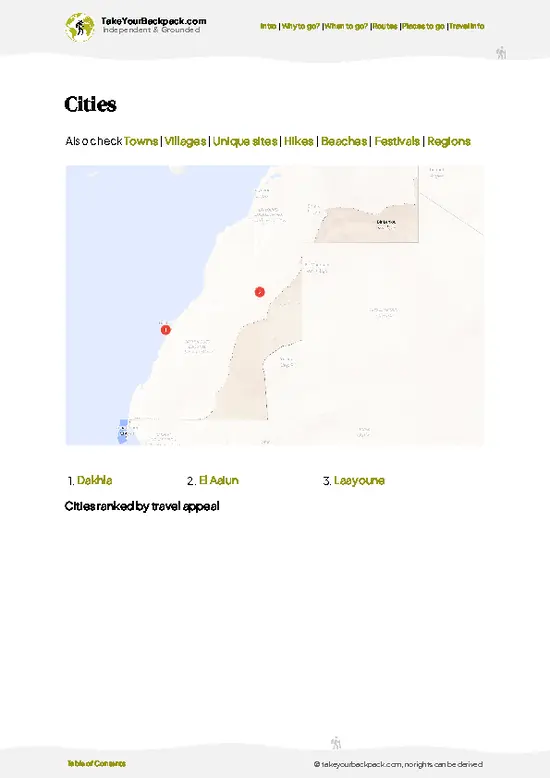
Other Sahrawi cities near El Aaiun

Explore more nearby:

  • Laayoune—Spanish colonial remnants, palm-lined avenues, city squares, regional transport hub| 2 km away
  • Dakhla—Atlantic lagoon, windsurfing spots, Saharan coastline, seafood markets| 296 km away

💡 Not sure where to go next?
Create a personalized itinerary for Western Sahara including El Aaiun and the places that fit your trip.

Generate my itinerary

👉 Discover all cities

Or checkout all Western Sahara has to offer (think cities, towns, villages, national parks, hikes, beaches, festivals)
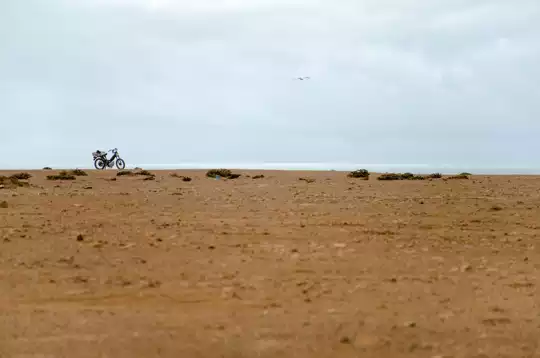
Country photo of Western Sahara

We 💚 feedbackSumming up the experience

El Aaiun has a raw, unfiltered vibe that’s hard to find elsewhere. The best surprise? The warmth of the locals. They’re genuinely curious about you, and their hospitality can turn a simple chat into a memorable experience. Just a heads-up: the infrastructure can be a bit rough around the edges. Embrace the unpredictability. It’s part of the charm. If you’re open to it, you’ll leave with stories that outshine any polished tourist spot.

✍️ Help improve this page!
The information on this page is based on in-depth research, insights shared by experienced travelers, and feedback from the local travel community in Western Sahara. While every effort is made to keep the information accurate and current, conditions can change — so if you spot anything incorrect or outdated, please get in touch.


🙋‍♂️ Give feedback

👋 Meet the founderWho’s Behind Take Your Backpack?

Johan, backpacker and founder of TakeYourBackpackHi, I’m Johan (Netherlands 🇳🇱), the creator of TakeYourBackpack. Over the past decade, I’ve backpacked through 80+ countries across six continents, gaining extensive experience with independent travel, long-term trips, and overland routes.

This site is built on a combination of firsthand travel experience and carefully curated insights from other backpackers. Many guides are based on places I’ve personally visited, while others bring together tips, observations, and practical advice shared by trusted travelers I’ve met along the way.

The goal is to provide realistic, experience-driven guidance — not generic itineraries — so you can explore destinations with better context, clearer expectations, and more confidence.

Get full country guide •
Instant download • 22 highlights • Full Offline guide