×

Zambia🇿🇲 | attractionsChoma Museum and Crafts CentreTonga homesteads, cattle culture, headrests, craft shop | things to do and best time to go

Explore Kabwata Cultural VillageExplore Moto Moto Museum

Backpacking in Choma Museum and Crafts Centre
🌟 Highlightattraction ranked #4
By Johan Kruseman 🇳🇱 | Updated October 22, 2026

The Choma Museum holds one of southern Zambia’s best collections of Tonga material culture, and the first thing you meet is the outdoor display of traditional homestead buildings, thatched and mud-walled, in the grounds. The museum sits in Choma, on the Lusaka to Livingstone highway in Zambia’s Southern Province. Crowds are not a problem here. You will likely share the halls with a school group or nobody at all, and entry is cheap, so the cost barely registers. Inside, push through the exhibits on Tonga cattle-keeping, drums, headrests, ironwork and basketry, then browse the crafts centre for woven goods and carvings you can actually buy. It is small, so expect an hour or two, not a day. Unlike the Livingstone Museum, which sweeps across the whole country with big colonial-era and natural history galleries, Choma zooms in on one people and one region, and that focus is the draw.

Discover everything you want to know in the 📖 Zambia Travel Guide.


example page 0 from our offline Travel Guide for Zambia
example page 1 from our offline Travel Guide for Zambia
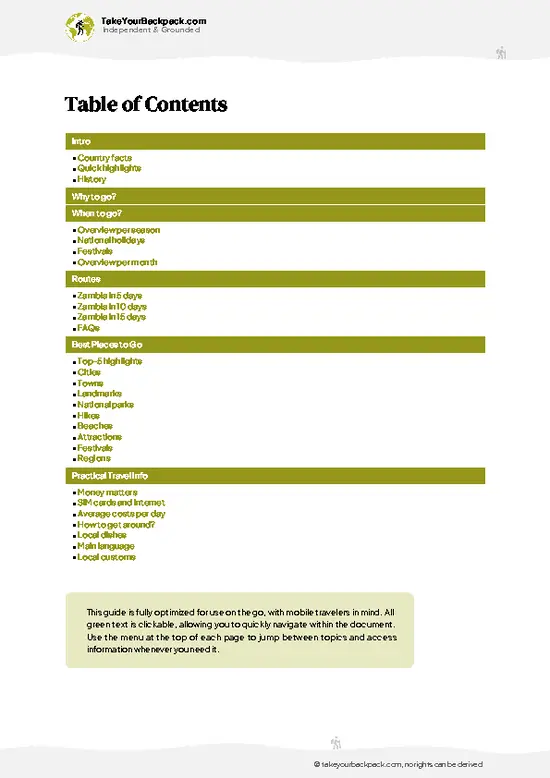
example page 2 from our offline Travel Guide for Zambia
example page 3 from our offline Travel Guide for Zambia
example page 4 from our offline Travel Guide for Zambia
example page 5 from our offline Travel Guide for Zambia
example page 6 from our offline Travel Guide for Zambia
example page 7 from our offline Travel Guide for Zambia
Loading the map 🌍
CLICK TO FILTER
cities
towns
landmarks
national parks
hikes
beaches
attractions
festivals
regions
SHOW COUNTRY’S BESTSHOW ALL

✨ Why go?
Ranked #4 attraction in Zambia
Why visitors keep coming back

Choma Museum and Crafts Centre is the place to understand the Tonga, the people whose cattle, farms and ceremonies shaped the plateau you are crossing on the road between Lusaka and Livingstone. Most travelers blast through Choma on a bus. Stopping gives you a real answer to the question of who lives along this route.
The collection is the reason. Look for the Tonga cattle culture displays, since herds are central to wealth, marriage and status here, and for the traditional homestead structures in the grounds, which show how a village was laid out. The crafts centre adds a living angle: you can buy baskets and carvings straight from local makers, so your money goes somewhere useful.
As a milestone, it breaks up the long overland leg to Victoria Falls with something cultural, cheap and uncrowded. … read more 👉
Choma Museum and Crafts Centre is the place to understand the Tonga, the people whose cattle, farms and ceremonies shaped the plateau you are crossing on the road between Lusaka and Livingstone. Most travelers blast through Choma on a bus. Stopping gives you a real answer to the question of who lives along this route.
The collection is the reason. Look for the Tonga cattle culture displays, since herds are central to wealth, marriage and status here, and for the traditional homestead structures in the grounds, which show how a village was laid out. The crafts centre adds a living angle: you can buy baskets and carvings straight from local makers, so your money goes somewhere useful.
As a milestone, it breaks up the long overland leg to Victoria Falls with something cultural, cheap and uncrowded. Pair it with a lunch stop in town and you have used a transit day well.

💡 HighlightsEssential experiences to have while visiting Choma Museum and Crafts Centre

  1. Tonga Ethnographic Collection: The core of the museum, with household tools, ironwork, drums and everyday objects that explain how Tonga communities lived and farmed on the plateau.
  2. Cattle Culture Displays: Cattle anchor Tonga social life, and the exhibits on herding and its role in marriage and status make sense of the livestock you see along the highway.
  3. Traditional Homestead Buildings: Thatched, mud-walled structures in the grounds show the layout of a rural homestead, and you can step inside to feel the cool, dark interior.
  4. Musical Instruments: Drums and other traditional instruments connect to ceremonies and dances, and they are among the most photogenic pieces on show.
  5. Baskets and Weaving: Local basketry appears both as history and as product, so you can compare old pieces with what is made
… read more 👉
  1. Tonga Ethnographic Collection: The core of the museum, with household tools, ironwork, drums and everyday objects that explain how Tonga communities lived and farmed on the plateau.
  2. Cattle Culture Displays: Cattle anchor Tonga social life, and the exhibits on herding and its role in marriage and status make sense of the livestock you see along the highway.
  3. Traditional Homestead Buildings: Thatched, mud-walled structures in the grounds show the layout of a rural homestead, and you can step inside to feel the cool, dark interior.
  4. Musical Instruments: Drums and other traditional instruments connect to ceremonies and dances, and they are among the most photogenic pieces on show.
  5. Baskets and Weaving: Local basketry appears both as history and as product, so you can compare old pieces with what is made now.
  6. Crafts Centre Shop: Carvings, baskets and other handmade goods are sold here, which makes it a practical place for honest souvenirs without the Livingstone markup.
  7. Headrests and Personal Items: Small carved objects reveal how people dressed, slept and adorned themselves, and the craftsmanship rewards a close look.
Start with the Tonga Ethnographic Collection, because it gives you the context that makes every other display and craft in Choma Museum and Crafts Centre click.
Spotted a mistake or missing something? Contact us.

🌤️ When to go?Best time to visit Choma Museum and Crafts Centre

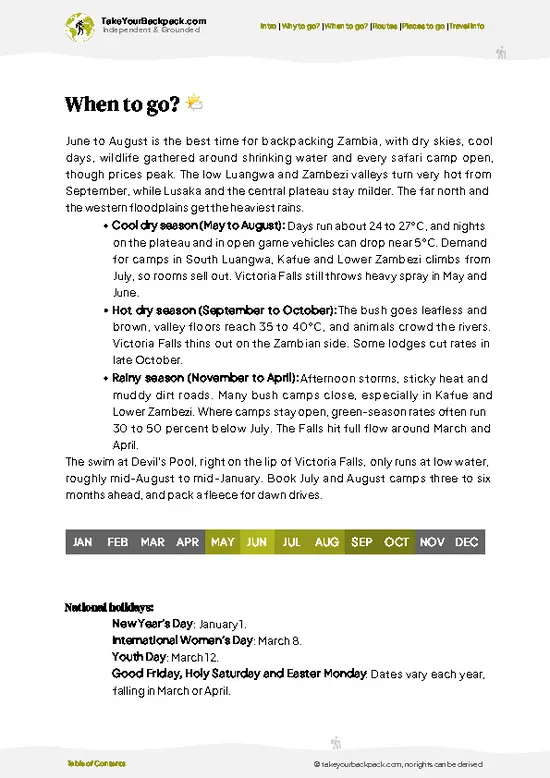
  • Cool Dry Season (May to August): Mornings in Choma start at 5 to 10°C (41 to 50°F) and afternoons reach 24 to 27°C (75 to 81°F). Rain is absent, roads are firm, and the museum’s open-air displays are comfortable to walk.
  • Hot Dry Season (September to October): Highs climb to 30 to 35°C (86 to 95°F), the grass turns straw-colored and dust hangs in the air. Midday is best spent in the shaded exhibition rooms.
  • Rainy Season (November to April): Expect 25 to 29°C (77 to 84°F) with afternoon downpours, mostly December to March. Dirt side roads get slick, though crafts stalls stay open and prices do not change.
  • Choma Cultural Events: The Tonga community’s Mukuni and other traditional ceremonies draw visitors in the dry months, and the town gets busier then.
Arrive before noon on a weekday for quiet halls and cooler air.

source: climatestotravel.comJANJanuary: fair for travelingFEBFebruary: fair for travelingMARMarch: fair for travelingAPRApril: good for travelingMAYMay: excellent for travelingJUNJune: highly recommended for travelingJULJuly: highly recommended for travelingAUGAugust: highly recommended for travelingSEPSeptember: excellent for travelingOCTOctober: highly recommended for travelingNOVNovember: fair for travelingDECDecember: fair for traveling
when-to-go

✈️ The backpacker research shortcutZambia Travel Guide

An offline-friendly backpacking guide with optimized travel routes, ranked highlights, transport advice, and the best areas to stay.
example page 0 from our offline Travel Guide for Zambia
example page 1 from our offline Travel Guide for Zambia
example page 2 from our offline Travel Guide for Zambia
example page 3 from our offline Travel Guide for Zambia
example page 4 from our offline Travel Guide for Zambia
example page 5 from our offline Travel Guide for Zambia
example page 6 from our offline Travel Guide for Zambia
example page 7 from our offline Travel Guide for Zambia
The digital guide (351 pages) contains:
✅ 89 highlights, ranked by travel appeal
✅ Optimized 5, 10 & 15-day travel routes
✅ Cities, national parks, landmarks, beaches
✅ How to get around
✅ Offline-friendly for travel without Wi-Fi
👉 Click to see all 30+ guide features

📅 Plan smarter in minutes, not weeks
✅ Month by month travel advice
✅ Festivals & national holidays
✅ Budget expectations

🗺️ Go to the right places, skip the overrated ones
✅ Honest pros & cons of destinations
✅ Top hikes, parks & viewpoints
✅ Lesser-known places most travelers miss
✅ Clear “worth it vs skip it” guidance

🛏️ Travel smoothly without rookie mistakes
✅ Best areas to stay
✅ Transport systems explained simply
✅ Common scams & safety advice
✅ SIM cards, money & practical tips

🌍 Understand the country, not just visit it
✅ Culture & traditions
✅ 52 Essential phrases & customs
✅ Festivals worth planning around
✅ Traveler-friendly historical context
✅ Insights that make places more meaningful

📱 Built for real travel conditions
✅ Fully downloadable PDF
✅ Works completely offline
✅ Optimized for phone use
✅ Useful in remote areas & buses
✅ Everything in one place
Stop searching, start planning
Get instant access to your full guide. 30‑day money-back guarantee.
+ Add another guide for just

By proceeding you agree to our terms.
Sent to your inbox immediately after payment • 100% Secure Checkout
Best Backpacking Travel Advisor 2025 tourism awardBest Backpacking
Travel Advisor
2025
What others say about Take Your Backpack Guides:
⭐⭐⭐⭐⭐
Fantastic, amazing amount of information!
⭐⭐⭐⭐⭐
My goodness this is amazing, it's what I've been looking for hats off too you!
⭐⭐⭐⭐⭐
I think this is absolutely BRILLIANT
⭐⭐⭐⭐
Very complete and informative. It's still missing places, but I gotta to commend you
⭐⭐⭐⭐⭐
This is truly amazing, thank you, can't wait to explore it with my kids!
⭐⭐⭐⭐⭐
Awesome resource, thank you!
⭐⭐⭐⭐⭐
This is amazing! Can't wait to explore the ones I haven't seen
⭐⭐⭐⭐
I love this! Well done, great idea.
⭐⭐⭐⭐⭐
Thanks for taking the time to make this gem!
⭐⭐⭐⭐⭐
This might be the best website I've ever seen.
⭐⭐⭐⭐⭐
Congratulations, and thank you so much for your work; it's incredibly valuable.
⭐⭐⭐⭐
In all seriousness I think you did a great job pointing out the important spots
⭐⭐⭐⭐⭐
10/10 very good
⭐⭐⭐⭐⭐
As someone who's only just starting to visit regularly this is awesome, thank you.
⭐⭐⭐⭐
Thank you very much! I'm going to visit my dad, it's going to be very useful!
⭐⭐⭐⭐⭐
This is really cool! We'll be travelling for the first time and this definitely come in handy.
⭐⭐⭐⭐⭐
You are now our minister of culture, congratulations 👨‍💼
⭐⭐⭐⭐⭐
Just wanted to tell you that this is a pearl! Going to follow your recommendations.
⭐⭐⭐⭐⭐
This is so cool. I'll definitely be using the resource for my travels soon.
⭐⭐⭐⭐⭐
This is very impressive! Good work.
⭐⭐⭐⭐⭐
This is an amazing and informative site. Very well done!

🛏️ Where to stay?Where staying makes the most sense

Choma town itself is the practical place to sleep, because the museum sits a short ride from the center along the Lusaka to Livingstone highway. Staying near the central market and main street puts you within walking distance of supermarkets, ATMs, bus offices and cheap local eateries serving nshima with relish. It is a calm, working farming town, so the atmosphere is friendly but quiet after dark. Expect few other backpackers, which suits anyone wanting conversations with locals rather than a hostel scene. Guesthouses and small lodges here are the norm, usually family run and safe for solo travelers … read more 👉
Choma town itself is the practical place to sleep, because the museum sits a short ride from the center along the Lusaka to Livingstone highway. Staying near the central market and main street puts you within walking distance of supermarkets, ATMs, bus offices and cheap local eateries serving nshima with relish. It is a calm, working farming town, so the atmosphere is friendly but quiet after dark. Expect few other backpackers, which suits anyone wanting conversations with locals rather than a hostel scene. Guesthouses and small lodges here are the norm, usually family run and safe for solo travelers if you take a taxi after dark.

If you want a livelier social scene, Livingstone, roughly 3 hours south by road, is the region’s main backpacker hub with dorms, bars and overland groups. Many travelers break the long drive between Lusaka and Livingstone with a night in Choma, then visit the museum in the morning before moving on. The stretch along the highway just outside town has a few lodges with parking, handy if you travel by rented car, though you will need transport to reach the museum and shops.

👛 Costs (as of 22 October 2026)Travel costs and budget guide for Choma Museum and Crafts Centre

Choma Museum and Crafts Centre costs most backpackers about US$32 to 45 a day, and the figure here is US$40 including a guesthouse night, meals, local transport and the entry fee.
CategoryBudget RangeLocal Reality
Entrance FeeUS$2 to 5Charged at the gate, paid in kwacha. Foreign visitors pay more than Zambians, and guided explanations may be included.
Accommodation (High Season)US$15 to 25Simple guesthouse in Choma town with private room and fan. Low season rates run US$12 to 20.
FoodUS$6 to 10Nshima with chicken or beans at local eateries costs US$2 to 4. Supermarket snacks fill the gaps.
Local TransportUS$2 to 4Shared minibuses and taxis run within town. A taxi to the museum is US$2 to 3 each way.
Crafts and SouvenirsUS$3 to 15Baskets, stools and pottery from Tonga makers. Prices are negotiable
… read more 👉
Choma Museum and Crafts Centre costs most backpackers about US$32 to 45 a day, and the figure here is US$40 including a guesthouse night, meals, local transport and the entry fee.
CategoryBudget RangeLocal Reality
Entrance FeeUS$2 to 5Charged at the gate, paid in kwacha. Foreign visitors pay more than Zambians, and guided explanations may be included.
Accommodation (High Season)US$15 to 25Simple guesthouse in Choma town with private room and fan. Low season rates run US$12 to 20.
FoodUS$6 to 10Nshima with chicken or beans at local eateries costs US$2 to 4. Supermarket snacks fill the gaps.
Local TransportUS$2 to 4Shared minibuses and taxis run within town. A taxi to the museum is US$2 to 3 each way.
Crafts and SouvenirsUS$3 to 15Baskets, stools and pottery from Tonga makers. Prices are negotiable and cash is preferred.
Intercity Bus (Optional)US$8 to 15Lusaka to Choma or Choma to Livingstone buses cost this much one way.
Total Daily BudgetUS$40Excludes intercity bus fare.


source: zambiatourism.com
⚠️ Prices can change and everyone travels differently, so take this as a rough guide. Hope it helps you plan your adventure!

FAQTraveler FAQ

Choma Museum and Crafts Centre needs about 1.5 to 2 hours for the galleries, outdoor exhibits and a browse through the crafts stalls. Add another hour if you want a guided explanation of Tonga history, farming tools and ethnographic displays. Most travelers fit it into a morning stop between Lusaka and Livingstone, roughly 3 hours apart by road.
Choma Museum and Crafts Centre is worth the modest entry fee of about US$2 to 5 if you want to understand Tonga culture, cattle history and early colonial-era life in Southern Province. It holds one of Zambia’s larger regional collections outside Livingstone and Lusaka, and the on-site crafts shop sells locally made baskets and pottery. Skip it if you only want wildlife or waterfalls.
Choma Museum and Crafts Centre sits on the edge of Choma town, about 285 km (177 miles) south of Lusaka along the T1 highway. Buses from Lusaka take roughly 4 to 5 hours and cost US$8 to 15, and Livingstone is about 3 hours south. From Choma center, a taxi to the museum costs around US$2 to 3.
⚠️ Things can change over time, so always validate details locally before you go.

Other Zambian attractions near Choma Museum and Crafts Centre

Explore more nearby:

  • Livingstone Museum—Livingstone letters, ethnography, archaeology, old taxidermy| 167 km away
  • Livingstone Railway Museum—Steam engines, climbable cabs, signal gear, colonial coaches| 168 km away
  • Mukuni Big 5—Habituated elephants, hand feeding, cheetah viewing, bush drive| 169 km away

💡 Not sure where to go next?
Create a personalized itinerary for Zambia including Choma Museum and Crafts Centre and the places that fit your trip.

Generate my itinerary

👉 Discover all attractions

Or checkout all Zambia has to offer (think cities, towns, villages, national parks, hikes, beaches, festivals)
Country photo of Zambia

We 💚 feedbackSumming up the experience

Choma Museum and Crafts Centre gets skipped because travelers treat Choma as a toilet-and-snack stop on the bus. Get off for a few hours instead. I would go straight to the homestead buildings, chat with whoever is on duty, and buy your baskets here before reaching Livingstone, where prices climb.

✍️ Help improve this page!
The information on this page is based on in-depth research, insights shared by experienced travelers, and feedback from the local travel community in Zambia. While every effort is made to keep the information accurate and current, conditions can change — so if you spot anything incorrect or outdated, please get in touch.


🙋‍♂️ Give feedback

👋 Meet the founderWho’s Behind Take Your Backpack?

Johan, backpacker and founder of TakeYourBackpackHi, I’m Johan (Netherlands 🇳🇱), the creator of TakeYourBackpack. Over the past 3 decades, I’ve backpacked through 90+ countries across six continents, gaining extensive experience with independent travel, long-term trips, and overland routes.

This site is built on a combination of firsthand travel experience and carefully curated insights from other backpackers. Many guides are based on places I’ve personally visited, while others bring together tips, observations, and practical advice shared by trusted travelers I’ve met along the way.

The goal is to provide realistic, experience-driven guidance — not generic itineraries — so you can explore destinations with better context, clearer expectations, and more confidence.