×

Zambia🇿🇲 | festivalsKazanga CeremonyLozi floodplain migration, Mongu, royal drum lines, Makishi troupes | things to do and best time to go

Explore Shimunenga CeremonyExplore Mutomboko Ceremony

Backpacking in Kazanga Ceremony
🌟 Highlightfestival ranked #6
By Johan Kruseman 🇳🇱 | Updated October 22, 2026

Kazanga Ceremony suits curious travelers who like their culture live, loud and a little muddy at the edges: drum-chasers, photographers and anyone happy to stand in a crowd of thousands and not understand every word. If you need tight schedules, nightlife or polished facilities, you may find it less rewarding. It happens in the west of Zambia, near Mongu, on the edge of the Barotse Floodplain, and it celebrates the Lozi people’s move from the floodplain’s low ground to the higher ground of Kataba. Expect royal drumming, dance troupes, speeches and a huge sense of local pride, all packed into a few days. Walk the sandy lanes, follow the music and you get the real show. Look for the Nalolo chiefs’ procession, where paddlers in matching dress steer through open water.

Discover everything you want to know in the 📖 Zambia Travel Guide.


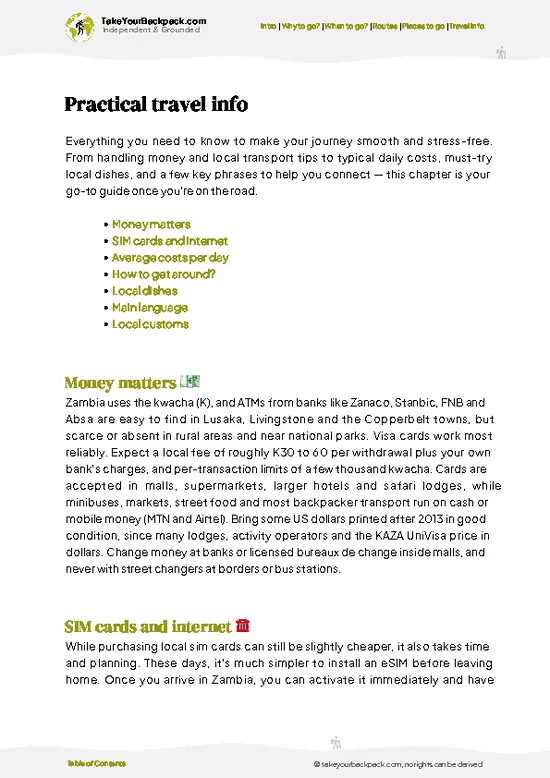
example page 0 from our offline Travel Guide for Zambia
example page 1 from our offline Travel Guide for Zambia
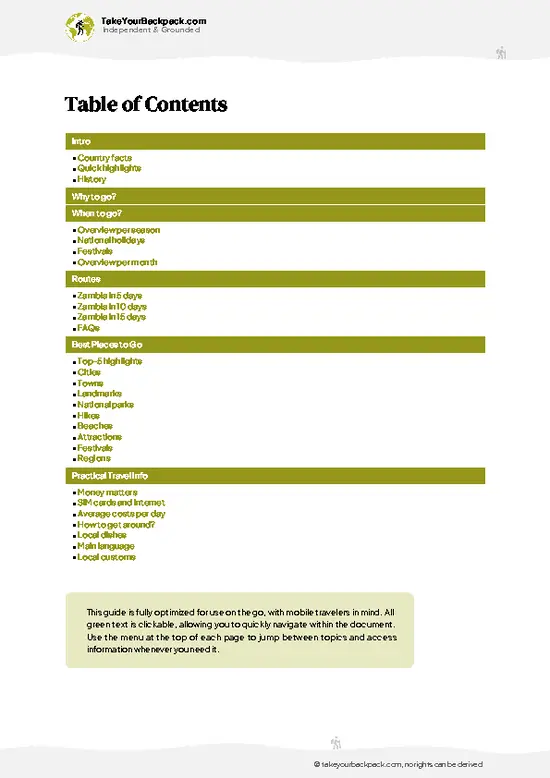
example page 2 from our offline Travel Guide for Zambia
example page 3 from our offline Travel Guide for Zambia
example page 4 from our offline Travel Guide for Zambia
example page 5 from our offline Travel Guide for Zambia
example page 6 from our offline Travel Guide for Zambia
example page 7 from our offline Travel Guide for Zambia
Loading the map 🌍
CLICK TO FILTER
cities
towns
landmarks
national parks
hikes
beaches
attractions
festivals
regions
SHOW COUNTRY’S BESTSHOW ALL

✨ Why go?
Ranked #6 festival in Zambia
What makes this festival worth celebrating

Kazanga Ceremony gives you a rare seat at a living tradition that locals attend for themselves, not for cameras. That matters if you want culture without a staged feel. The event is tied to the Nalolo and Mongu areas of Western Province, so it pairs naturally with a western circuit through Mongu, Kalongola and the floodplain, a region many Zambia routes skip. You see how Lozi communities honor their history through clothing, song and ritual, and strangers are usually welcomed with curiosity. Costs stay low compared with big music festivals, since the focus is the ground-level experience, with simple food, shared transport and basic stays. The Barotse Floodplain setting adds real landscape: reed-lined channels, cattle herds and wide horizons that give the ceremony its meaning. Your days gain … read more 👉
Kazanga Ceremony gives you a rare seat at a living tradition that locals attend for themselves, not for cameras. That matters if you want culture without a staged feel. The event is tied to the Nalolo and Mongu areas of Western Province, so it pairs naturally with a western circuit through Mongu, Kalongola and the floodplain, a region many Zambia routes skip. You see how Lozi communities honor their history through clothing, song and ritual, and strangers are usually welcomed with curiosity. Costs stay low compared with big music festivals, since the focus is the ground-level experience, with simple food, shared transport and basic stays. The Barotse Floodplain setting adds real landscape: reed-lined channels, cattle herds and wide horizons that give the ceremony its meaning. Your days gain a clear purpose, and evenings come with conversation among fellow visitors and locals who are keen to explain what you just watched.

💡 HighlightsEssential experiences to have while celebrating the Kazanga Ceremony

  1. The Kazanga Ceremony procession: The main draw is the parade of dancers, drummers and dignitaries with their regalia, moving across the grounds with serious pageantry. You hear the beat before you see them.
  2. Makishi and traditional dance performances: Troupes from different communities perform in costume, with fast footwork and masks that carry symbolic meaning. Each group has its own style, so you can compare as you go.
  3. Drumming displays: Large drums set a rhythm that carries across the whole arena. Watching the drummers lock in together is a highlight even if you know nothing about the music.
  4. Lozi royal presence and speeches: Chiefs and officials address the crowd in a ceremony of respect and storytelling. The mood is formal, proud and surprisingly warm.
  5. Local food, crafts and markets: Stalls
… read more 👉
  1. The Kazanga Ceremony procession: The main draw is the parade of dancers, drummers and dignitaries with their regalia, moving across the grounds with serious pageantry. You hear the beat before you see them.
  2. Makishi and traditional dance performances: Troupes from different communities perform in costume, with fast footwork and masks that carry symbolic meaning. Each group has its own style, so you can compare as you go.
  3. Drumming displays: Large drums set a rhythm that carries across the whole arena. Watching the drummers lock in together is a highlight even if you know nothing about the music.
  4. Lozi royal presence and speeches: Chiefs and officials address the crowd in a ceremony of respect and storytelling. The mood is formal, proud and surprisingly warm.
  5. Local food, crafts and markets: Stalls around the grounds sell handmade baskets, cloth and cooked snacks. It is an easy way to meet people and take home something made nearby.
For a first visit, the main procession is the item to prioritize, because Kazanga Ceremony shows its full scale and meaning in that moment.
Spotted a mistake or missing something? Contact us.

🌤️ When to go?When is the celebration of Kazanga Ceremony?

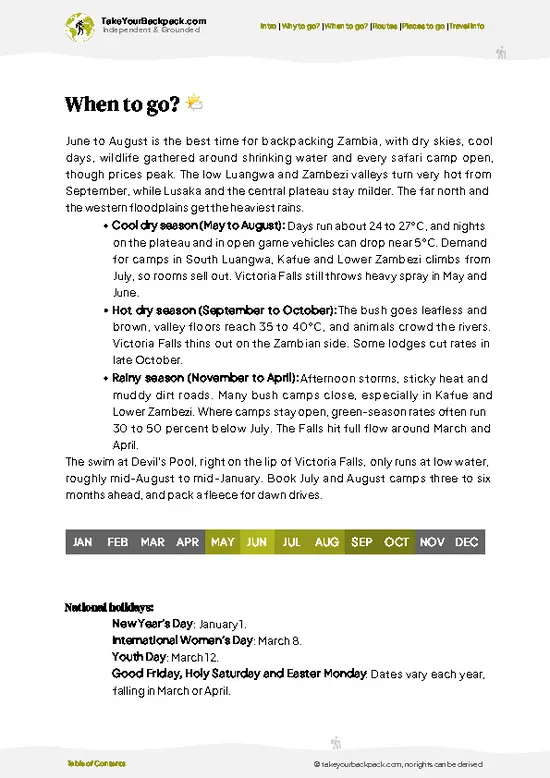
Kazanga Ceremony is held over a weekend in late August, usually the last weekend of the month, at the Kazanga grounds in Kaoma, Western Province, with the date set each year by the Nkoya royal establishment.
  • Best day: Saturday is the main event, when the Mwene Kahare, Mwene Mutondo and other Nkoya chiefs arrive in procession and the Kazanga dances and drumming reach full strength. Friday is calmer and good for the early gatherings.
  • Weather: Days run about 25 to 30°C (77 to 86°F), dry and sunny, while nights can fall to 8 to 12°C (46 to 54°F). Bring a warm layer, a hat, sunscreen and a bandana for the dust.
  • Booking: Rooms in Kaoma are few, so reserve four to six weeks ahead. Prices can rise 30 to 60 percent that weekend.
  • Roads: Drive or take buses from Lusaka on Thursday or Friday morning. Leave
… read more 👉
Kazanga Ceremony is held over a weekend in late August, usually the last weekend of the month, at the Kazanga grounds in Kaoma, Western Province, with the date set each year by the Nkoya royal establishment.
  • Best day: Saturday is the main event, when the Mwene Kahare, Mwene Mutondo and other Nkoya chiefs arrive in procession and the Kazanga dances and drumming reach full strength. Friday is calmer and good for the early gatherings.
  • Weather: Days run about 25 to 30°C (77 to 86°F), dry and sunny, while nights can fall to 8 to 12°C (46 to 54°F). Bring a warm layer, a hat, sunscreen and a bandana for the dust.
  • Booking: Rooms in Kaoma are few, so reserve four to six weeks ahead. Prices can rise 30 to 60 percent that weekend.
  • Roads: Drive or take buses from Lusaka on Thursday or Friday morning. Leave Sunday before midday, as minibuses and trucks fill quickly after the closing events.
Arrive by Friday afternoon so you can settle in and watch the arrivals before Saturday's crowds.


source: climatestotravel.comJANJanuary: not recommended for travelingFEBFebruary: not recommended for travelingMARMarch: not recommended for travelingAPRApril: not recommended for travelingMAYMay: not recommended for travelingJUNJune: excellent for travelingJULJuly: excellent for travelingAUGAugust: excellent for travelingSEPSeptember: not recommended for travelingOCTOctober: not recommended for travelingNOVNovember: not recommended for travelingDECDecember: not recommended for traveling

✈️ The backpacker research shortcutZambia Travel Guide

An offline-friendly backpacking guide with optimized travel routes, ranked highlights, transport advice, and the best areas to stay.
example page 0 from our offline Travel Guide for Zambia
example page 1 from our offline Travel Guide for Zambia
example page 2 from our offline Travel Guide for Zambia
example page 3 from our offline Travel Guide for Zambia
example page 4 from our offline Travel Guide for Zambia
example page 5 from our offline Travel Guide for Zambia
example page 6 from our offline Travel Guide for Zambia
example page 7 from our offline Travel Guide for Zambia
The digital guide (351 pages) contains:
✅ 89 highlights, ranked by travel appeal
✅ Optimized 5, 10 & 15-day travel routes
✅ Cities, national parks, landmarks, beaches
✅ How to get around
✅ Offline-friendly for travel without Wi-Fi
👉 Click to see all 30+ guide features

📅 Plan smarter in minutes, not weeks
✅ Month by month travel advice
✅ Festivals & national holidays
✅ Budget expectations

🗺️ Go to the right places, skip the overrated ones
✅ Honest pros & cons of destinations
✅ Top hikes, parks & viewpoints
✅ Lesser-known places most travelers miss
✅ Clear “worth it vs skip it” guidance

🛏️ Travel smoothly without rookie mistakes
✅ Best areas to stay
✅ Transport systems explained simply
✅ Common scams & safety advice
✅ SIM cards, money & practical tips

🌍 Understand the country, not just visit it
✅ Culture & traditions
✅ 52 Essential phrases & customs
✅ Festivals worth planning around
✅ Traveler-friendly historical context
✅ Insights that make places more meaningful

📱 Built for real travel conditions
✅ Fully downloadable PDF
✅ Works completely offline
✅ Optimized for phone use
✅ Useful in remote areas & buses
✅ Everything in one place
Stop searching, start planning
Get instant access to your full guide. 30‑day money-back guarantee.
+ Add another guide for just

By proceeding you agree to our terms.
Sent to your inbox immediately after payment • 100% Secure Checkout
Best Backpacking Travel Advisor 2025 tourism awardBest Backpacking
Travel Advisor
2025
What others say about Take Your Backpack Guides:
⭐⭐⭐⭐⭐
Fantastic, amazing amount of information!
⭐⭐⭐⭐⭐
My goodness this is amazing, it's what I've been looking for hats off too you!
⭐⭐⭐⭐⭐
I think this is absolutely BRILLIANT
⭐⭐⭐⭐
Very complete and informative. It's still missing places, but I gotta to commend you
⭐⭐⭐⭐⭐
This is truly amazing, thank you, can't wait to explore it with my kids!
⭐⭐⭐⭐⭐
Awesome resource, thank you!
⭐⭐⭐⭐⭐
This is amazing! Can't wait to explore the ones I haven't seen
⭐⭐⭐⭐
I love this! Well done, great idea.
⭐⭐⭐⭐⭐
Thanks for taking the time to make this gem!
⭐⭐⭐⭐⭐
This might be the best website I've ever seen.
⭐⭐⭐⭐⭐
Congratulations, and thank you so much for your work; it's incredibly valuable.
⭐⭐⭐⭐
In all seriousness I think you did a great job pointing out the important spots
⭐⭐⭐⭐⭐
10/10 very good
⭐⭐⭐⭐⭐
As someone who's only just starting to visit regularly this is awesome, thank you.
⭐⭐⭐⭐
Thank you very much! I'm going to visit my dad, it's going to be very useful!
⭐⭐⭐⭐⭐
This is really cool! We'll be travelling for the first time and this definitely come in handy.
⭐⭐⭐⭐⭐
You are now our minister of culture, congratulations 👨‍💼
⭐⭐⭐⭐⭐
Just wanted to tell you that this is a pearl! Going to follow your recommendations.
⭐⭐⭐⭐⭐
This is so cool. I'll definitely be using the resource for my travels soon.
⭐⭐⭐⭐⭐
This is very impressive! Good work.
⭐⭐⭐⭐⭐
This is an amazing and informative site. Very well done!

🛏️ Where to stay?Best areas to stay in Zambia

Kaoma town is the best place to stay, because it puts you within a short taxi or walking distance of the ceremonial grounds and the main bus stop. It is also where most travelers and visiting families end up, so you meet people easily at the market, the fuel stations and the small eateries along the main road. Rooms are limited, so budget guesthouses and lodges in the center fill early for the festival weekend, and the town feels safe in daylight with plenty of other visitors around.
If Kaoma is full, camping or asking about homestays through local contacts is a realistic fallback, and many Zambians … read more 👉
Kaoma town is the best place to stay, because it puts you within a short taxi or walking distance of the ceremonial grounds and the main bus stop. It is also where most travelers and visiting families end up, so you meet people easily at the market, the fuel stations and the small eateries along the main road. Rooms are limited, so budget guesthouses and lodges in the center fill early for the festival weekend, and the town feels safe in daylight with plenty of other visitors around.
If Kaoma is full, camping or asking about homestays through local contacts is a realistic fallback, and many Zambians do exactly that at festival time. Keep valuables close, stay out of the crowd at night and arrange your return transport before dark.
Mongu, the provincial capital in the west, offers a wider range of budget places and a livelier traveler scene, but you will need a full morning or more by road to reach the grounds. Many backpackers coming from Livingstone or Lusaka also overnight in Kaoma on the way through, which gives a good chance to share rides to the ceremony.

👛 Costs (as of 22 October 2026)Travel costs and budget guide for Kazanga Ceremony

Kazanga Ceremony costs most independent travelers about US$45 to 75 a day, including a basic room in Kaoma at festival prices.
CategoryBudget RangeLocal Reality
Festival ticketsUS$0 to 5Entry to the grounds is typically free or a small gate fee. Reserved seating near the chiefs' area may cost extra.
AccommodationUS$20 to 45 (high season)Basic guesthouse rooms in Kaoma rise sharply that weekend. Camping or homestays may cost less.
Local transportUS$3 to 12Short taxi or minibus rides between town and the grounds. Long-distance buses from Lusaka or Mongu cost more, about US$15 to 30 one way.
Food & drinksUS$8 to 15Nshima plates from stalls cost US$2 to 5, and beer or soft drinks cost about US$1 to 2.
Miscellaneous expensesUS$5 to 10Crafts, honey, a photo contribution if asked, phone credit and a warm
… read more 👉
Kazanga Ceremony costs most independent travelers about US$45 to 75 a day, including a basic room in Kaoma at festival prices.
CategoryBudget RangeLocal Reality
Festival ticketsUS$0 to 5Entry to the grounds is typically free or a small gate fee. Reserved seating near the chiefs' area may cost extra.
AccommodationUS$20 to 45 (high season)Basic guesthouse rooms in Kaoma rise sharply that weekend. Camping or homestays may cost less.
Local transportUS$3 to 12Short taxi or minibus rides between town and the grounds. Long-distance buses from Lusaka or Mongu cost more, about US$15 to 30 one way.
Food & drinksUS$8 to 15Nshima plates from stalls cost US$2 to 5, and beer or soft drinks cost about US$1 to 2.
Miscellaneous expensesUS$5 to 10Crafts, honey, a photo contribution if asked, phone credit and a warm layer for cold nights.
Total Daily BudgetUS$45 to 75Figures assume you share rides and eat at stalls.


source: zambiatourism.com
⚠️ Prices can change and everyone travels differently, so take this as a rough guide. Hope it helps you plan your adventure!

🍲 FoodEating & Drinking in Kazanga Ceremony

Food at the Kazanga Ceremony is village cooking done for a crowd. Expect nshima, the thick maize porridge, served with relishes such as kapenta (small dried fish), beans, pumpkin leaves, chicken or goat. Stalls and family cookpots near the grounds sell plates for roughly US$2 to 5, and portions are generous.
Worth seeking out is anything made with local ingredients from the Barotse floodplain and Kaoma area, including honey, groundnuts, sweet potatoes and fresh river fish. Roasted maize cobs and fried cassava make easy snacks while you watch the dances. Traditional maize beer is often passed around among elders, and bottled Mosi lager, soft drinks and water are sold at small stalls.
Eat with your right hand and wash it first, as nshima is rolled into a small ball and dipped into the relish. … read more 👉
Food at the Kazanga Ceremony is village cooking done for a crowd. Expect nshima, the thick maize porridge, served with relishes such as kapenta (small dried fish), beans, pumpkin leaves, chicken or goat. Stalls and family cookpots near the grounds sell plates for roughly US$2 to 5, and portions are generous.
Worth seeking out is anything made with local ingredients from the Barotse floodplain and Kaoma area, including honey, groundnuts, sweet potatoes and fresh river fish. Roasted maize cobs and fried cassava make easy snacks while you watch the dances. Traditional maize beer is often passed around among elders, and bottled Mosi lager, soft drinks and water are sold at small stalls.
Eat with your right hand and wash it first, as nshima is rolled into a small ball and dipped into the relish. If you are invited to share a dish, accept at least a taste, which is polite and often leads to good conversation. Carry small notes in kwacha, since cash is the norm and change can be scarce. Lines move slowly at midday, so eat early or after the main procession.

FAQFrequently asked questions about Kazanga Ceremony

Kazanga Ceremony takes place over a weekend in late August, usually the last one of the month, in Kaoma, Western Province. The Nkoya royal establishment sets the exact dates each year. Saturday is the main day with the chiefs' procession and dancing, so plan to be in Kaoma by Friday.
Attending Kazanga Ceremony is cheap in itself, with entry to the grounds usually free or a small fee of up to about US$5. The bigger costs are a room in Kaoma at US$20 to 45 a night and transport, with long-distance buses from Lusaka costing roughly US$15 to 30 each way. Food stalls charge about US$2 to 5 a plate, so a daily budget of US$45 to 75 is realistic.
Kazanga Ceremony does not generally require advance tickets, as the event is open to the public and entry is usually paid or free at the gate. What you should book early is a bed, since Kaoma has limited rooms and they fill four to six weeks ahead. If you want reserved seating near the chiefs, ask local organizers in Kaoma on arrival.
⚠️ Things can change over time, so always validate details locally before you go.

Other Zambian festivals near Kazanga Ceremony

Explore more nearby:

  • Mbunda Liyoyelo Ceremony—Mbunda chieftainship, cultural displays, royal procession, community feasting| 148 km away
  • Kuomboka—Lozi king, barge procession, Zambezi floodplain, royal drums| 181 km away
  • Shimunenga Ceremony—cattle parade, Ba-Ila traditions, river crossing, tribal songs| 232 km away

💡 Not sure where to go next?
Create a personalized itinerary for Zambia including Kazanga Ceremony and the places that fit your trip.

Generate my itinerary

👉 Discover all festivals

Or checkout all Zambia has to offer (think cities, towns, villages, national parks, hikes, beaches, festivals)
Country photo of Zambia

We 💚 feedbackSumming up the experience

Kazanga Ceremony works best as the centerpiece of a western Zambia loop, followed by a few quiet days on the Barotse Floodplain or a push toward Livingstone to the south. I would arrive a day early, bring cash in small notes, and carry a hat and sunscreen for long hours standing in the open.

✍️ Help improve this page!
The information on this page is based on in-depth research, insights shared by experienced travelers, and feedback from the local travel community in Zambia. While every effort is made to keep the information accurate and current, conditions can change — so if you spot anything incorrect or outdated, please get in touch.


🙋‍♂️ Give feedback

👋 Meet the founderWho’s Behind Take Your Backpack?

Johan, backpacker and founder of TakeYourBackpackHi, I’m Johan (Netherlands 🇳🇱), the creator of TakeYourBackpack. Over the past 3 decades, I’ve backpacked through 90+ countries across six continents, gaining extensive experience with independent travel, long-term trips, and overland routes.

This site is built on a combination of firsthand travel experience and carefully curated insights from other backpackers. Many guides are based on places I’ve personally visited, while others bring together tips, observations, and practical advice shared by trusted travelers I’ve met along the way.

The goal is to provide realistic, experience-driven guidance — not generic itineraries — so you can explore destinations with better context, clearer expectations, and more confidence.