×

Zambia🇿🇲 | festivalsMutomboko CeremonyLuapula chiefs, conquest reenactment, drumming, warrior attire | things to do and best time to go

Explore Kazanga CeremonyExplore Kulamba Ceremony

Backpacking in Mutomboko Ceremony
By Johan Kruseman 🇳🇱 | Updated September 23, 2026

Drums thunder under your feet, the ground itself pulsing as masked dancers whirl past, sweat and dust flying in the midday heat. You’re pressed shoulder-to-shoulder with locals and a handful of wide-eyed travelers, all craning for a glimpse of the chief’s procession. This is the Mutomboko Ceremony, deep in Zambia’s Luapula Province, near the banks of the Luapula River in the town of Mwansabombwe.

Mutomboko isn’t a tourist show—it’s a living, breathing celebration of Lunda migration and conquest, with pounding ngoma drums, ululating crowds, and a sense of raw, communal pride. The festival draws mostly Zambians, plus a few intrepid backpackers chasing authenticity over comfort. It’s loud, chaotic, and utterly magnetic, running for a single, action-packed weekend each July. If you crave real cultural immersion and don’t mind a little dust in your teeth, this is the kind of festival that justifies every mile you’ve traveled.

Discover everything you want to know in the 📖 Zambia Travel Guide.


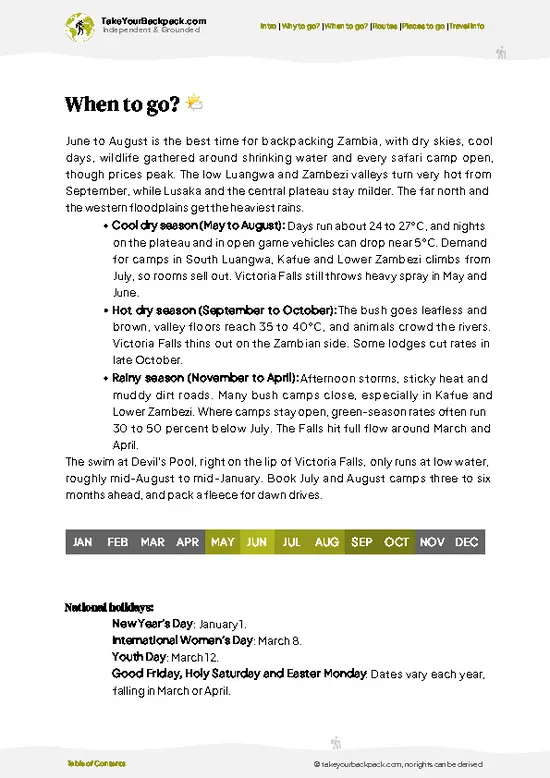
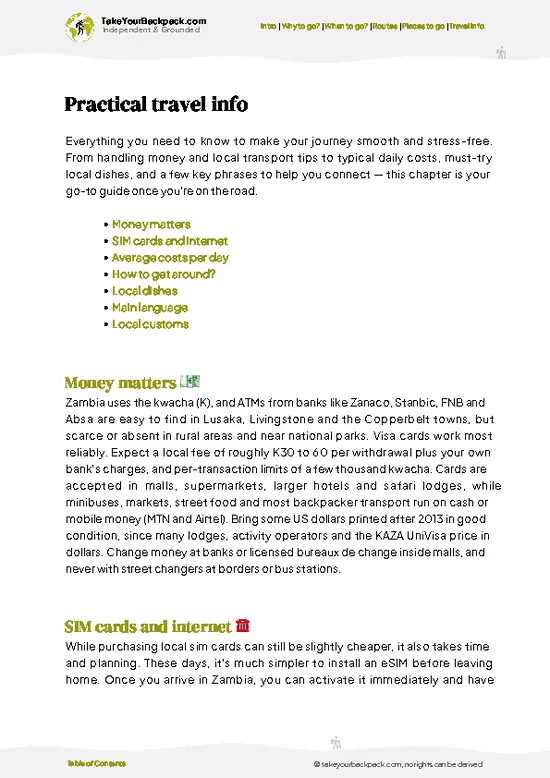
example page 0 from our offline Travel Guide for Zambia
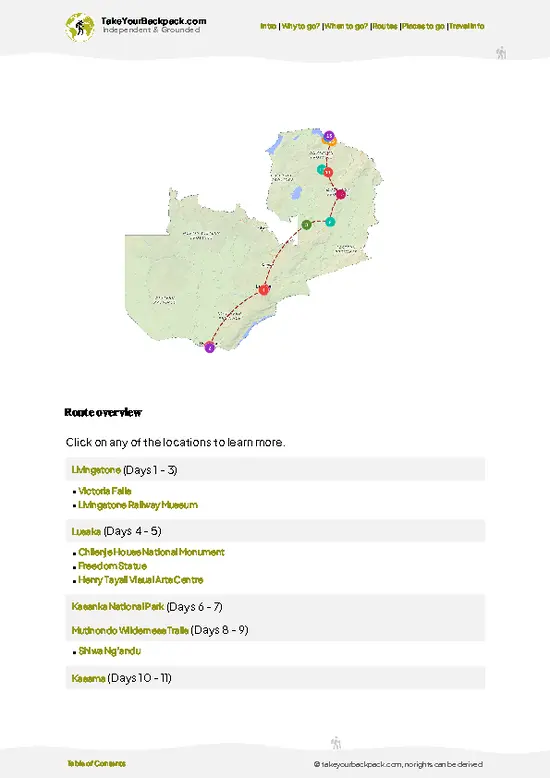
example page 1 from our offline Travel Guide for Zambia
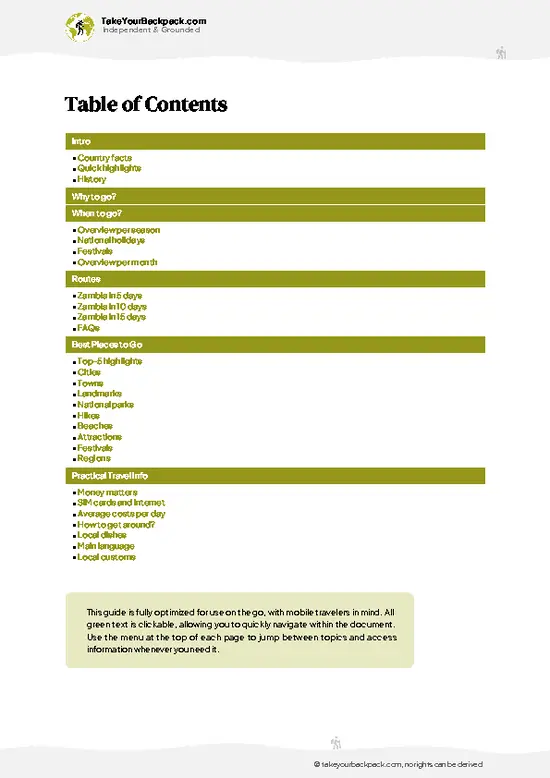
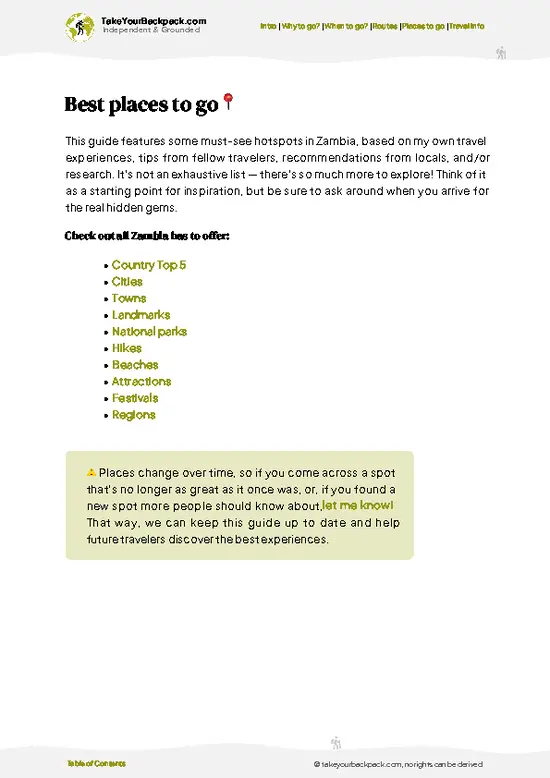
example page 2 from our offline Travel Guide for Zambia
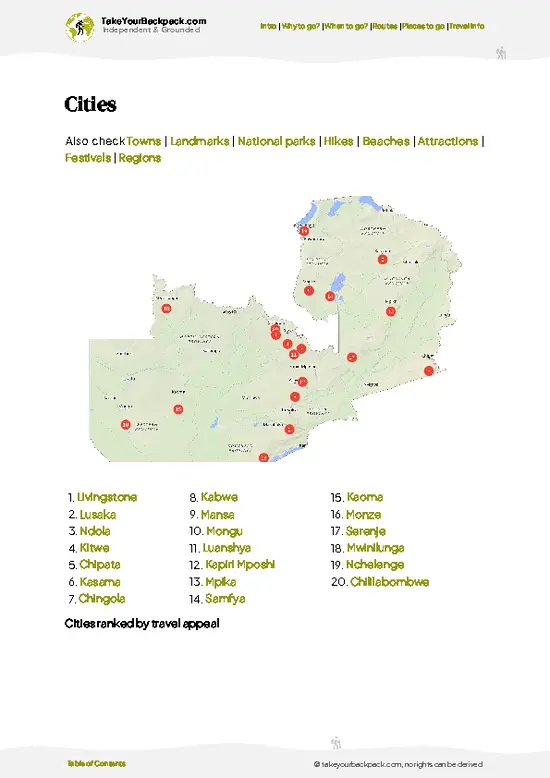
example page 3 from our offline Travel Guide for Zambia
example page 4 from our offline Travel Guide for Zambia
example page 5 from our offline Travel Guide for Zambia
example page 6 from our offline Travel Guide for Zambia
example page 7 from our offline Travel Guide for Zambia
Loading the map 🌍
CLICK TO FILTER
cities
towns
landmarks
national parks
hikes
beaches
attractions
festivals
regions
SHOW COUNTRY’S BESTSHOW ALL

✨ Why go?
Ranked #99 festival in Zambia
Why Mutomboko Ceremony should be on your travel list

Backpackers flock to the Mutomboko Ceremony in Zambia for a burst of social energy that’s hard to find elsewhere. This festival isn’t just an event; it’s a temporary community where you can dive headfirst into local culture. Picture vibrant dances, traditional rituals, and the palpable excitement of shared experiences.

Planning your route around this festival means you’re not just a spectator; you’re part of something bigger. The cultural immersion is profound, offering insights into the Lunda people that you won’t get from a guidebook. Plus, it’s affordable compared to similar events worldwide, allowing you to stretch your budget for other adventures.

Integrating the Mutomboko into your travel plans can elevate your journey. It’s a perfect pit stop between exploring Zambia’s stunning … read more 👉
Backpackers flock to the Mutomboko Ceremony in Zambia for a burst of social energy that’s hard to find elsewhere. This festival isn’t just an event; it’s a temporary community where you can dive headfirst into local culture. Picture vibrant dances, traditional rituals, and the palpable excitement of shared experiences.

Planning your route around this festival means you’re not just a spectator; you’re part of something bigger. The cultural immersion is profound, offering insights into the Lunda people that you won’t get from a guidebook. Plus, it’s affordable compared to similar events worldwide, allowing you to stretch your budget for other adventures.

Integrating the Mutomboko into your travel plans can elevate your journey. It’s a perfect pit stop between exploring Zambia’s stunning landscapes and heading to nearby attractions. You’ll leave not just with memories, but with stories and connections that enrich your travels. Embrace the rhythm of the festival, and let it fuel your exploration.

💡 HighlightsPlaces and moments you shouldn't skip

  • Ceremonial royal procession — the slow, deliberate entrance and formal rituals around the chief or traditional leader are the festival’s spine; it’s pageantry with purpose, a live link to authority and history that people still take seriously today.
  • Traditional dances and warrior displays — high-energy, tightly choreographed dances and drill-like performances tell stories of past campaigns and migration; they’re athletic, rhythm-driven and full of crowd-rousing moments you won’t see at a concert hall.
  • Masquerades and regalia — elaborate costumes, masks and body paint turn performers into ancestors, spirits and heroes; the craftsmanship and symbolism in these outfits make each appearance feel like a dramatic reveal.
  • Oral history, blessings and ritual storytelling — elders, praise-singers
… read more 👉
  • Ceremonial royal procession — the slow, deliberate entrance and formal rituals around the chief or traditional leader are the festival’s spine; it’s pageantry with purpose, a live link to authority and history that people still take seriously today.
  • Traditional dances and warrior displays — high-energy, tightly choreographed dances and drill-like performances tell stories of past campaigns and migration; they’re athletic, rhythm-driven and full of crowd-rousing moments you won’t see at a concert hall.
  • Masquerades and regalia — elaborate costumes, masks and body paint turn performers into ancestors, spirits and heroes; the craftsmanship and symbolism in these outfits make each appearance feel like a dramatic reveal.
  • Oral history, blessings and ritual storytelling — elders, praise-singers and ritual specialists recount migration tales, give public blessings and perform rites that knit past to present; it’s where the festival’s meaning is spoken aloud, not just danced.
  • Market, food and the reunion vibe — local stalls, home-cooked specialties and crafts mix with families reconnecting and spontaneous music; the festival is as much a social homecoming and shopping spree as it is a formal ceremony, so bring appetite and cash.
Spotted a mistake or missing something? Contact us.

🌤️ When to go?When is the celebration of Mutomboko Ceremony?

  • Topic: Festival Timing - The Mutomboko Ceremony happens annually in early July. This fixed date means your timing is non-negotiable if you want to catch the full cultural spectacle.
  • Topic: Weather - July is Zambia’s dry season, with daytime highs around 22-25°C (72-77°F). Cooler nights drop to 7-10°C (45-50°F), so pack layers for comfort during evening events.
  • Topic: Daylight Hours - Expect about 11 hours of daylight, enough to explore before and after the ceremony without rushing. The sun sets around 6:30 PM, giving you a solid window for outdoor activities.
  • Topic: Crowds - The festival draws local crowds and some tourists, but it’s not overrun. Arriving a day early helps you settle in and avoid last-minute scramble for accommodations.
  • Topic: Seasonal Activities - Dry season means easier
… read more 👉
  • Topic: Festival Timing - The Mutomboko Ceremony happens annually in early July. This fixed date means your timing is non-negotiable if you want to catch the full cultural spectacle.
  • Topic: Weather - July is Zambia’s dry season, with daytime highs around 22-25°C (72-77°F). Cooler nights drop to 7-10°C (45-50°F), so pack layers for comfort during evening events.
  • Topic: Daylight Hours - Expect about 11 hours of daylight, enough to explore before and after the ceremony without rushing. The sun sets around 6:30 PM, giving you a solid window for outdoor activities.
  • Topic: Crowds - The festival draws local crowds and some tourists, but it’s not overrun. Arriving a day early helps you settle in and avoid last-minute scramble for accommodations.
  • Topic: Seasonal Activities - Dry season means easier trekking and wildlife spotting nearby. Combine the festival with a safari or hikes without the mud and mosquitoes of the rainy season.
  • Topic: Price Fluctuations - Expect a slight bump in local prices during the festival, especially for lodging and transport. Booking early locks in better rates and spares you from inflated last-minute costs.
Pro-tip: Lock in your travel plans well ahead of July to dodge price hikes and secure your spot in this vibrant cultural rhythm without the stress.


source: climatestotravel.comJANJanuary: not recommended for travelingFEBFebruary: not recommended for travelingMARMarch: not recommended for travelingAPRApril: not recommended for travelingMAYMay: not recommended for travelingJUNJune: not recommended for travelingJULJuly: excellent for travelingAUGAugust: not recommended for travelingSEPSeptember: not recommended for travelingOCTOctober: not recommended for travelingNOVNovember: not recommended for travelingDECDecember: not recommended for traveling

✈️ The backpacker research shortcutZambia Travel Guide

An offline-friendly backpacking guide with optimized travel routes, ranked highlights, transport advice, and the best areas to stay.
example page 0 from our offline Travel Guide for Zambia
example page 1 from our offline Travel Guide for Zambia
example page 2 from our offline Travel Guide for Zambia
example page 3 from our offline Travel Guide for Zambia
example page 4 from our offline Travel Guide for Zambia
example page 5 from our offline Travel Guide for Zambia
example page 6 from our offline Travel Guide for Zambia
example page 7 from our offline Travel Guide for Zambia
The digital guide (351 pages) contains:
✅ 89 highlights, ranked by travel appeal
✅ Optimized 5, 10 & 15-day travel routes
✅ Cities, national parks, landmarks, beaches
✅ How to get around
✅ Offline-friendly for travel without Wi-Fi
👉 Click to see all 30+ guide features

📅 Plan smarter in minutes, not weeks
✅ Month by month travel advice
✅ Festivals & national holidays
✅ Budget expectations

🗺️ Go to the right places, skip the overrated ones
✅ Honest pros & cons of destinations
✅ Top hikes, parks & viewpoints
✅ Lesser-known places most travelers miss
✅ Clear “worth it vs skip it” guidance

🛏️ Travel smoothly without rookie mistakes
✅ Best areas to stay
✅ Transport systems explained simply
✅ Common scams & safety advice
✅ SIM cards, money & practical tips

🌍 Understand the country, not just visit it
✅ Culture & traditions
✅ 52 Essential phrases & customs
✅ Festivals worth planning around
✅ Traveler-friendly historical context
✅ Insights that make places more meaningful

📱 Built for real travel conditions
✅ Fully downloadable PDF
✅ Works completely offline
✅ Optimized for phone use
✅ Useful in remote areas & buses
✅ Everything in one place
Stop searching, start planning
Get instant access to your full guide. 30‑day money-back guarantee.
+ Add another guide for just

By proceeding you agree to our terms.
Sent to your inbox immediately after payment • 100% Secure Checkout
Best Backpacking Travel Advisor 2025 tourism awardBest Backpacking
Travel Advisor
2025
What others say about Take Your Backpack Guides:
⭐⭐⭐⭐⭐
Fantastic, amazing amount of information!
⭐⭐⭐⭐⭐
My goodness this is amazing, it's what I've been looking for hats off too you!
⭐⭐⭐⭐⭐
I think this is absolutely BRILLIANT
⭐⭐⭐⭐
Very complete and informative. It's still missing places, but I gotta to commend you
⭐⭐⭐⭐⭐
This is truly amazing, thank you, can't wait to explore it with my kids!
⭐⭐⭐⭐⭐
Awesome resource, thank you!
⭐⭐⭐⭐⭐
This is amazing! Can't wait to explore the ones I haven't seen
⭐⭐⭐⭐
I love this! Well done, great idea.
⭐⭐⭐⭐⭐
Thanks for taking the time to make this gem!
⭐⭐⭐⭐⭐
This might be the best website I've ever seen.
⭐⭐⭐⭐⭐
Congratulations, and thank you so much for your work; it's incredibly valuable.
⭐⭐⭐⭐
In all seriousness I think you did a great job pointing out the important spots
⭐⭐⭐⭐⭐
10/10 very good
⭐⭐⭐⭐⭐
As someone who's only just starting to visit regularly this is awesome, thank you.
⭐⭐⭐⭐
Thank you very much! I'm going to visit my dad, it's going to be very useful!
⭐⭐⭐⭐⭐
This is really cool! We'll be travelling for the first time and this definitely come in handy.
⭐⭐⭐⭐⭐
You are now our minister of culture, congratulations 👨‍💼
⭐⭐⭐⭐⭐
Just wanted to tell you that this is a pearl! Going to follow your recommendations.
⭐⭐⭐⭐⭐
This is so cool. I'll definitely be using the resource for my travels soon.
⭐⭐⭐⭐⭐
This is very impressive! Good work.
⭐⭐⭐⭐⭐
This is an amazing and informative site. Very well done!

🛏️ Where to stay?Best areas and accommodation options

When you’re gearing up for the Mutomboko Ceremony in Zambia, your choice of where to stay can make or break your experience. Head to the lively town of Kasama. It’s buzzing with energy, and you’ll find a mix of local culture and fellow travelers. The vibe here is friendly, and you can easily connect with others who share your passion for exploration.

Look for spots near the Kasama Market. This area is a hive of activity, with vendors selling everything from fresh produce to handmade crafts. Staying close means you can soak in the local atmosphere and grab a bite without straying far from the … read more 👉
When you’re gearing up for the Mutomboko Ceremony in Zambia, your choice of where to stay can make or break your experience. Head to the lively town of Kasama. It’s buzzing with energy, and you’ll find a mix of local culture and fellow travelers. The vibe here is friendly, and you can easily connect with others who share your passion for exploration.

Look for spots near the Kasama Market. This area is a hive of activity, with vendors selling everything from fresh produce to handmade crafts. Staying close means you can soak in the local atmosphere and grab a bite without straying far from the action.

Another solid option is the Lake Bangweulu region. It’s a bit quieter but offers stunning views and a chance to unwind after the festival’s excitement. Plus, you’ll find a few budget-friendly lodges that cater to backpackers, making it easy to meet like-minded adventurers.

Avoid the tourist traps that can drain your wallet. Instead, focus on places that let you immerse yourself in the culture while keeping your budget intact. This way, you’ll have more energy and cash for the moments that truly matter.

👛 Costs (as of 23 September 2026)Money, prices, and spending tips

The Mutomboko Ceremony in Zambia is a vibrant cultural experience, but navigating the costs can be tricky. Here’s how to budget effectively so you can focus on the celebration rather than the stress.
  • Festival Tickets: Expect to pay around $10 to $20 for entry. Prices can vary based on seating and access to special areas. Buy in advance if possible to avoid last-minute price hikes.
  • Accommodation: Options range from budget hostels at about $15 per night to mid-range hotels costing $50 to $100. Book early, especially during the festival, as places fill up fast. Camping might be available, offering a more immersive experience.
  • Local Transport: Budget around $5 to $15 for local transport. Minibuses are the most common and affordable option. If you’re traveling from Lusaka, expect to pay about $10
… read more 👉
The Mutomboko Ceremony in Zambia is a vibrant cultural experience, but navigating the costs can be tricky. Here’s how to budget effectively so you can focus on the celebration rather than the stress.
  • Festival Tickets: Expect to pay around $10 to $20 for entry. Prices can vary based on seating and access to special areas. Buy in advance if possible to avoid last-minute price hikes.
  • Accommodation: Options range from budget hostels at about $15 per night to mid-range hotels costing $50 to $100. Book early, especially during the festival, as places fill up fast. Camping might be available, offering a more immersive experience.
  • Local Transport: Budget around $5 to $15 for local transport. Minibuses are the most common and affordable option. If you’re traveling from Lusaka, expect to pay about $10 to $20 for a bus ticket to the festival site.
  • Food & Drinks: Street food is your best friend here. You can enjoy local dishes for as little as $2 to $5 per meal. If you prefer sit-down restaurants, budget $10 to $20 per meal. Don’t forget to factor in drinks, which can add another $1 to $5.
  • Miscellaneous Expenses: Set aside $20 to $50 for souvenirs, tips, or unexpected costs. This cushion will help you enjoy the festival without worrying about running out of cash.

Planning ahead and keeping these costs in mind will help you savor every moment of the Mutomboko Ceremony without breaking the bank.


source: zambiatourism.com
⚠️ Prices can change and everyone travels differently, so take this as a rough guide. Hope it helps you plan your adventure!

🍲 FoodLocal Flavors for Backpackers

At the Mutomboko Ceremony in Zambia, food and drink are as vibrant as the festivities themselves. You’ll find stalls brimming with local specialties like nsima, a staple maize porridge that pairs perfectly with rich, savory stews. Don’t miss out on chikanda, a unique dish made from wild orchids, which offers a taste of the region’s culinary heritage.

For drinks, grab a local beer like Mosi or Castle Lager to cool off. If you’re feeling adventurous, try maheu, a sweet, fermented maize drink that’s both refreshing and energizing.

When it comes to etiquette, sharing is key. Don’t hesitate to offer a taste of your dish to a neighbor; it’s a way to connect. Lines can get long, so be patient and ready to engage with fellow festival-goers. Cash is king here; many stalls won’t accept cards, so … read more 👉
At the Mutomboko Ceremony in Zambia, food and drink are as vibrant as the festivities themselves. You’ll find stalls brimming with local specialties like nsima, a staple maize porridge that pairs perfectly with rich, savory stews. Don’t miss out on chikanda, a unique dish made from wild orchids, which offers a taste of the region’s culinary heritage.

For drinks, grab a local beer like Mosi or Castle Lager to cool off. If you’re feeling adventurous, try maheu, a sweet, fermented maize drink that’s both refreshing and energizing.

When it comes to etiquette, sharing is key. Don’t hesitate to offer a taste of your dish to a neighbor; it’s a way to connect. Lines can get long, so be patient and ready to engage with fellow festival-goers. Cash is king here; many stalls won’t accept cards, so stock up on kwacha before diving into the food frenzy.

Serving sizes can vary, so don’t be shy about asking for recommendations. The experience is about savoring every bite and every moment, so dive in and enjoy the communal spirit of this incredible celebration!

FAQCommon questions from travelers

Mutomboko Ceremony takes place annually in August, typically lasting for about three days. It is a traditional festival celebrated by the Luvale people in Zambia.
Attending the Mutomboko Ceremony is generally free of charge for visitors. However, some local events or guided tours related to the festival may have small fees, usually under 20 USD.
No, you do not need tickets in advance to attend the Mutomboko Ceremony. It is an open cultural event where anyone can participate or observe without prior booking.
⚠️ Things can change over time, so always validate details locally before you go.

Other Zambian festivals near Mutomboko Ceremony

Explore more nearby:

  • Umutomboko Ceremony—Lunda-Luba migration, royal palace, symbolic dances, historical narrative
  • Vinkhakanimba Ceremony—Ngoni clan leaders, ancestral spirits, sacred groves, clan reunions| 520 km away
  • Malaila Ceremony—Kunda chiefs, unity rituals, drumming circles, traditional attire| 523 km away

💡 Not sure where to go next?
Create a personalized itinerary for Zambia including Mutomboko Ceremony and the places that fit your trip.

Generate my itinerary

👉 Discover all festivals

Or checkout all Zambia has to offer (think cities, towns, villages, national parks, hikes, beaches, festivals)
Country photo of Zambia

We 💚 feedbackKey takeaways before you go

The Mutomboko Ceremony is a whirlwind of energy and tradition, but don’t underestimate the logistics. Arrive early to snag a good spot; the crowd swells fast. The best surprise? The raw, infectious joy of the dancers—it’s a pulse that grabs you. Just a heads-up: bring cash for local crafts and snacks; those little treasures are worth every kwacha. Embrace the chaos, soak in the spirit, and let the experience fuel your journey. You’ll leave with stories that linger long after you’ve returned home.

✍️ Help improve this page!
The information on this page is based on in-depth research, insights shared by experienced travelers, and feedback from the local travel community in Zambia. While every effort is made to keep the information accurate and current, conditions can change — so if you spot anything incorrect or outdated, please get in touch.


🙋‍♂️ Give feedback

👋 Meet the founderWho’s Behind Take Your Backpack?

Johan, backpacker and founder of TakeYourBackpackHi, I’m Johan (Netherlands 🇳🇱), the creator of TakeYourBackpack. Over the past 3 decades, I’ve backpacked through 90+ countries across six continents, gaining extensive experience with independent travel, long-term trips, and overland routes.

This site is built on a combination of firsthand travel experience and carefully curated insights from other backpackers. Many guides are based on places I’ve personally visited, while others bring together tips, observations, and practical advice shared by trusted travelers I’ve met along the way.

The goal is to provide realistic, experience-driven guidance — not generic itineraries — so you can explore destinations with better context, clearer expectations, and more confidence.