×

Zambia🇿🇲 | citiesLivingstoneVictoria Falls access, adventure sports, colonial architecture | things to do and best time to go

Explore KitweExplore Lusaka

Backpacking in Livingstone
🏆 Top pickcity ranked #1
By Johan Kruseman 🇳🇱 | Updated September 3, 2026

Most travelers only realize after arrival: Livingstone is the rare African adventure hub where you can walk almost everywhere, even at night, without feeling like you’re rolling the dice. Tucked in Zambia’s southwest, just a stone’s throw from the Zimbabwe border and the thunder of Victoria Falls, Livingstone is the kind of place that rewards curiosity. The city itself is compact and easy to navigate, with colonial-era buildings, a surprisingly lively café scene, and a museum that actually earns its entry fee (the Livingstone Museum’s collection is a crash course in Zambian history and David Livingstone’s exploits). Backpackers find it easy to meet others—hostels and guesthouses cluster near the center, and the main drag is always humming with travelers swapping tips over cheap Mosi lagers. Costs are lower than in Zimbabwe’s Victoria Falls town, and the vibe is friendlier, less hustly. Livingstone isn’t polished, but it’s safe, social, and genuinely Zambian—more than just a launchpad for the Falls.

Discover everything you want to know in the 📖 Zambia Travel Guide.


Get your Zambia guide
91 ranked highlights, routes & tips, works offline (357 pages)
Loading the map 🌍
CLICK TO FILTER
cities
towns
landmarks
national parks
hikes
beaches
attractions
festivals
SHOW COUNTRY’S BESTSHOW ALL

✨ Why go?
Ranked #1 city in Zambia
What makes this city worth visiting

Livingstone, Zambia, is a strategic basecamp for backpackers, offering a unique blend of highlights and activities that cater to various travel styles. The city’s walkability makes it easy to explore on foot, allowing you to soak in the local vibe without the hassle of transport. You’ll find a range of hostels that cater to budget-conscious travelers, providing not just a place to sleep but also opportunities to meet fellow adventurers.

When it comes to food, the options are diverse, from street vendors serving up local delicacies to cozy cafes where you can recharge. The nightlife is laid-back yet vibrant, perfect for unwinding after a day of exploration.

Livingstone serves as a gateway for day trips to iconic spots, making it a practical choice for those looking to maximize their experience … read more 👉
Livingstone, Zambia, is a strategic basecamp for backpackers, offering a unique blend of highlights and activities that cater to various travel styles. The city’s walkability makes it easy to explore on foot, allowing you to soak in the local vibe without the hassle of transport. You’ll find a range of hostels that cater to budget-conscious travelers, providing not just a place to sleep but also opportunities to meet fellow adventurers.

When it comes to food, the options are diverse, from street vendors serving up local delicacies to cozy cafes where you can recharge. The nightlife is laid-back yet vibrant, perfect for unwinding after a day of exploration.

Livingstone serves as a gateway for day trips to iconic spots, making it a practical choice for those looking to maximize their experience without sacrificing comfort. If you’re on a longer journey through Southern Africa, this city fits seamlessly into your route, offering both value and convenience. Whether you stay for a few days or just a quick stop, Livingstone has enough to keep you engaged without overwhelming your itinerary.
Want to include Livingstone in your Zambia route?
Create a personalized Zambia itinerary that includes Livingstone and the places that fit your trip — based on your travel style, budget, and available time. Get your route in seconds.

Generate my trip

💡 HighlightsThe experiences that define the visit

  • Livingstone Museum — Zambia’s oldest and best museum; great displays on archaeology, colonial history, and David Livingstone’s journals and gear. A compact, well-curated place to understand the region beyond the postcard falls.
  • Victoria Falls Bridge — an Edwardian steel arch you can walk across for jaw-dropping views of the gorge and the mist. It’s history, engineering and a thrill (watch trains and the bungee jump from the Zambian side viewpoint).
  • Mosi-oa-Tunya National Park (Zambian side) — a tiny but special park inside town limits where you can see elephants, buffalo and antelope against a backdrop of river and rainforest; good short walks and easy access to Falls viewpoints without leaving Livingstone.
  • Livingstone Island & Devil’s Pool — the hands-on, edge-of-the-world experience:
read more 👉
  • Livingstone Museum — Zambia’s oldest and best museum; great displays on archaeology, colonial history, and David Livingstone’s journals and gear. A compact, well-curated place to understand the region beyond the postcard falls.
  • Victoria Falls Bridge — an Edwardian steel arch you can walk across for jaw-dropping views of the gorge and the mist. It’s history, engineering and a thrill (watch trains and the bungee jump from the Zambian side viewpoint).
  • Mosi-oa-Tunya National Park (Zambian side) — a tiny but special park inside town limits where you can see elephants, buffalo and antelope against a backdrop of river and rainforest; good short walks and easy access to Falls viewpoints without leaving Livingstone.
  • Livingstone Island & Devil’s Pool — the hands-on, edge-of-the-world experience: guided boat to the island and—season permitting—stand in the natural rock pool at the lip of the Falls. Not a photo trick; you’ll need a licensed operator, but it’s unforgettable.
  • Mukuni Village & Mukuni Park — a living cultural stop a few minutes from town where you can meet Chief Mukuni’s people, buy authentic crafts, hear stories, and see traditional homesteads and burial sites. A good, respectful way to learn local customs.
  • Livingstone Crocodile Farm & Reptile Park — close to town and hands-on: see Nile crocodiles, snakes and tortoises, learn about local conservation efforts, and if you’re brave, hold a baby croc. Informal, educational and easy to fit into a half-day.
  • Maramba Market & Maramba Cultural Village — the best place for raw local life: fresh produce, everyday goods, and a buzzing craft lane. Nearby Maramba Cultural Village stages dances and demonstrations that give context to what you see in the market.
  • Old Drift Cemetery — a small, atmospheric site marking the doomed early European settlement attempts on the Zambezi; interesting for history buffs and a quiet spot with views toward the river and Falls area.
  • Livingstone Railway Station & Steam Locomotive displays — the classic colonial-era terminus with historic architecture and static locomotives on display. Good for train nerds and anyone who likes tangible pieces of the town’s transport history.
  • Zambezi River Jetty & Sunset Cruise departures — the relaxed riverfront scene where most boat trips launch: sundowner cruises, hippo and birdlife watching, and a great way to see the river that shapes the town without breaking the budget.
A few nearby day-trip highlights worth planning from Livingstone: the Zimbabwe side of Victoria Falls for alternative viewpoints, Chobe National Park (Botswana) for big-game river safaris via Kazungula, and short boat safaris on the Chobe/Zambezi confluence.
Spotted a mistake or missing something? Contact us.

Things to do in Livingstone

Ratings based on Tripadvisor reviews. When you book through this link, you support our work at no extra cost to you.

🏘️ NeighborhoodsWhere things are and how it's laid out

Livingstone is a vibrant hub for backpackers, offering a mix of adventure and culture. Here’s how the neighborhoods stack up:

Town Center
This is the heartbeat of Livingstone. It’s bustling with shops, cafes, and local markets. The vibe is energetic, perfect for those who want to dive into the local scene. Costs are moderate, and you can easily walk to most attractions. Nightlife is lively, with bars and restaurants buzzing until late. Ideal for short stays, but longer-term visitors might find it a bit too hectic.

Victoria Falls Area
Just a stone’s throw from the falls, this area is a must for adventure seekers. Expect a mix of hostels and lodges, with prices varying widely. The walkability is decent, but you’ll want to budget for transport to the falls and nearby activities. It’s quieter … read more 👉
Livingstone is a vibrant hub for backpackers, offering a mix of adventure and culture. Here’s how the neighborhoods stack up:

Town Center
This is the heartbeat of Livingstone. It’s bustling with shops, cafes, and local markets. The vibe is energetic, perfect for those who want to dive into the local scene. Costs are moderate, and you can easily walk to most attractions. Nightlife is lively, with bars and restaurants buzzing until late. Ideal for short stays, but longer-term visitors might find it a bit too hectic.

Victoria Falls Area
Just a stone’s throw from the falls, this area is a must for adventure seekers. Expect a mix of hostels and lodges, with prices varying widely. The walkability is decent, but you’ll want to budget for transport to the falls and nearby activities. It’s quieter at night, making it suitable for those who want to recharge after a day of exploration. Great for both short and longer stays, especially if you’re focused on activities.

Maramba
A bit further out, Maramba offers a more laid-back atmosphere. It’s less touristy, with a local vibe that’s refreshing. Accommodation here tends to be cheaper, and you’ll need to rely on public transport or taxis to get around. The area is quiet at night, perfect for those who prefer peace over nightlife. Best for longer stays, as you can immerse yourself in local life.

Livingstone Island
For a unique experience, consider staying on Livingstone Island. It’s pricier, but the proximity to the falls is unbeatable. The vibe is serene, with stunning views and a sense of exclusivity. Access is limited, so plan ahead. Ideal for short stays, especially for couples or those seeking a romantic getaway.

⌛️ 1 dayHow to make the most of one day

Livingstone, Zambia, is a vibrant hub that dances on the edge of adventure and culture. Known primarily for its proximity to Victoria Falls, the city offers a rich tapestry of experiences that go beyond the typical tourist trail. You’ll find a blend of local life, history, and stunning landscapes, making it a perfect spot for a day of exploration.

Start your morning with a hearty breakfast at the iconic Café Zambezi, located in the bustling town center. Their fresh fruit smoothies and hearty Zambian dishes will fuel you for the day ahead. After breakfast, take a stroll through the nearby Livingstone Market. This isn’t just a shopping trip; it’s an immersion into local life. The vibrant stalls brim with fresh produce, handmade crafts, and the lively chatter of vendors. It’s a sensory feast … read more 👉
Livingstone, Zambia, is a vibrant hub that dances on the edge of adventure and culture. Known primarily for its proximity to Victoria Falls, the city offers a rich tapestry of experiences that go beyond the typical tourist trail. You’ll find a blend of local life, history, and stunning landscapes, making it a perfect spot for a day of exploration.

Start your morning with a hearty breakfast at the iconic Café Zambezi, located in the bustling town center. Their fresh fruit smoothies and hearty Zambian dishes will fuel you for the day ahead. After breakfast, take a stroll through the nearby Livingstone Market. This isn’t just a shopping trip; it’s an immersion into local life. The vibrant stalls brim with fresh produce, handmade crafts, and the lively chatter of vendors. It’s a sensory feast that gives you a taste of the city’s heart.

In the afternoon, head to the Livingstone Museum, a short walk from the market. This often-overlooked gem showcases the rich history of the region, from ancient artifacts to colonial history. Spend a couple of hours here, absorbing the stories that shaped this area. Afterward, take a leisurely walk to the nearby Mukuni Park Curio Market. While it’s a bit touristy, you can find unique handcrafted items that support local artisans.

As the sun begins to set, make your way to the Zambezi River for a sunset cruise. This is where the magic happens. You’ll witness the sky ablaze with colors while sipping on a cold drink, and if you’re lucky, you might spot some hippos or elephants along the banks.

For dinner, head to The Royal Livingstone Hotel’s restaurant. It’s a splurge, but the ambiance and views of the river make it worth every kwacha. You’ve spent a day balancing local culture, history, and breathtaking nature, all while savoring the unique flavors of Livingstone.
Turn your Livingstone visit into an Zambia adventure
Build a complete Zambia route with Livingstone, hidden gems, must-see destinations, and realistic travel times included.

Generate my trip

🌤️ When to go?Best time to visit Livingstone


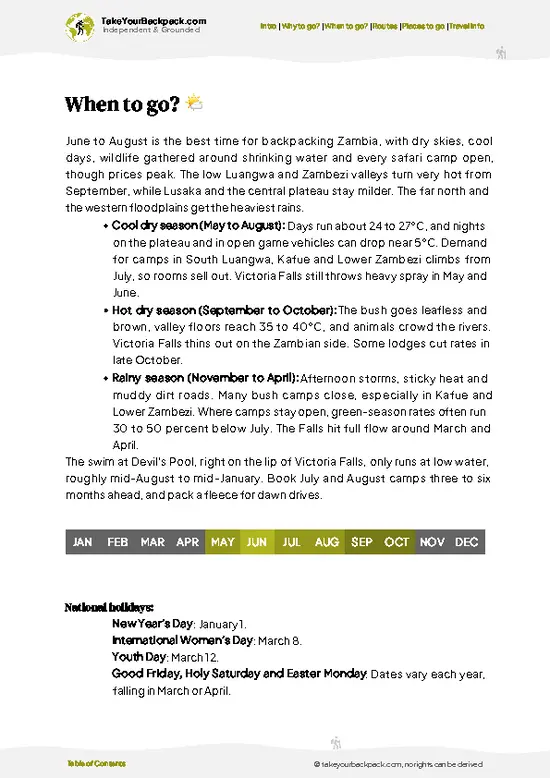
  • Topic: Weather and Temperature — The dry season from May to October is your best bet. Expect daytime highs around 25-30°C (77-86°F) with cool nights dipping to 10-15°C (50-59°F). This means less mud, fewer mosquitoes, and more comfortable hiking conditions.

  • Topic: Daylight Hours — June and July offer the longest days, with up to 12-13 hours of daylight. More daylight means more time to explore Victoria Falls and the surrounding parks without rushing.

  • Topic: Crowds — Peak tourist season aligns with the dry months, especially July and August. This means more visitors and higher prices, but also better wildlife sightings and fully operational tours.

  • Topic: Seasonal Activities — The dry season is prime for game drives and walking safaris. The Zambezi River is lower, making activities
read more 👉

  • Topic: Weather and Temperature — The dry season from May to October is your best bet. Expect daytime highs around 25-30°C (77-86°F) with cool nights dipping to 10-15°C (50-59°F). This means less mud, fewer mosquitoes, and more comfortable hiking conditions.

  • Topic: Daylight Hours — June and July offer the longest days, with up to 12-13 hours of daylight. More daylight means more time to explore Victoria Falls and the surrounding parks without rushing.

  • Topic: Crowds — Peak tourist season aligns with the dry months, especially July and August. This means more visitors and higher prices, but also better wildlife sightings and fully operational tours.

  • Topic: Seasonal Activities — The dry season is prime for game drives and walking safaris. The Zambezi River is lower, making activities like white-water rafting and bungee jumping more accessible and safer.

  • Topic: Price Fluctuations — Expect accommodation and tour prices to spike during the dry season’s peak months. Traveling just before or after this window can save money while still enjoying decent weather.


Pro-tip: Aim for shoulder months like May or September to balance good weather, fewer crowds, and better prices—smart timing turns logistics into your advantage.


source: climatestotravel.comJANJanuary: fair for travelingFEBFebruary: fair for travelingMARMarch: fair for travelingAPRApril: good for travelingMAYMay: highly recommended for travelingJUNJune: excellent for travelingJULJuly: excellent for travelingAUGAugust: excellent for travelingSEPSeptember: highly recommended for travelingOCTOctober: good for travelingNOVNovember: fair for travelingDECDecember: fair for traveling
when-to-go

✈️ The backpacker research shortcutZambia Travel Guide

An offline-friendly backpacking guide with optimized travel routes, ranked highlights, transport advice, and the best areas to stay.
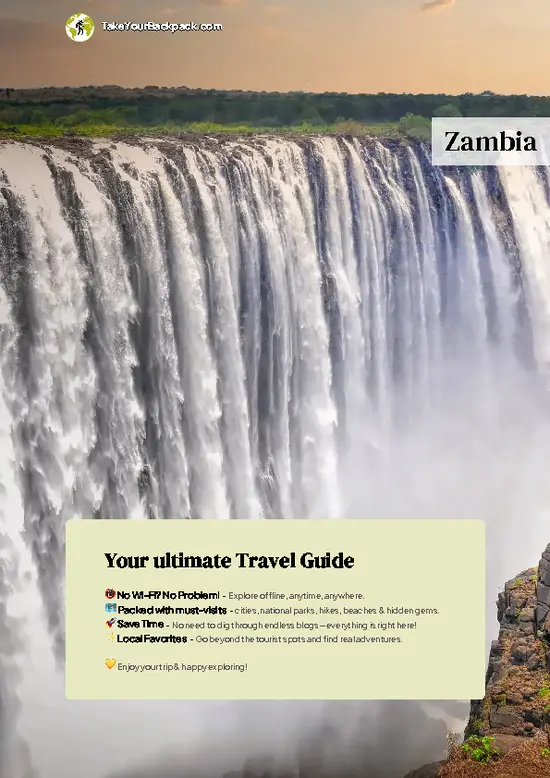
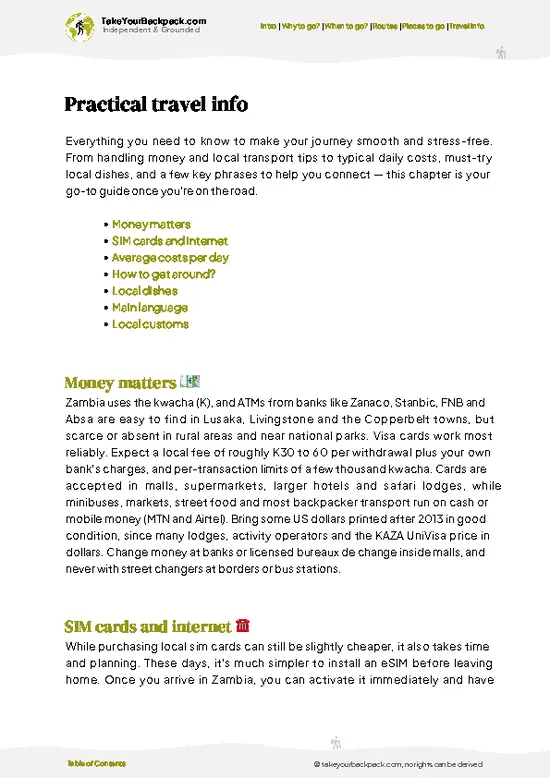
example page 0 from our offline Travel Guide for Zambia
example page 1 from our offline Travel Guide for Zambia
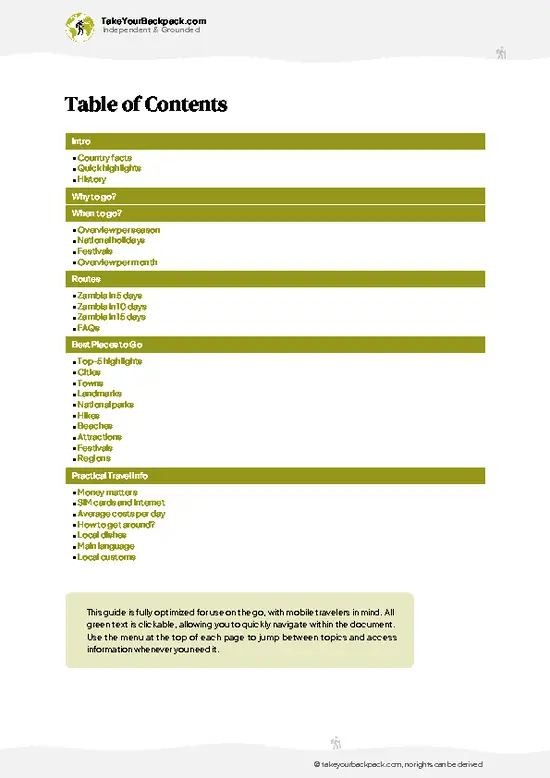
example page 2 from our offline Travel Guide for Zambia
example page 3 from our offline Travel Guide for Zambia
example page 4 from our offline Travel Guide for Zambia
example page 5 from our offline Travel Guide for Zambia
example page 6 from our offline Travel Guide for Zambia
example page 7 from our offline Travel Guide for Zambia
The digital guide (357 pages) contains:
91 highlights, ranked by travel appeal
Optimized 5, 10 & 15-day travel routes
Cities, national parks, landmarks, beaches
How to get around
Offline-friendly for travel without Wi-Fi
👉 Click to see all 30+ guide features

📅 Plan smarter in minutes, not weeks
Month by month travel advice
Festivals & national holidays
Budget expectations

🗺️ Go to the right places, skip the overrated ones
Honest pros & cons of destinations
Top hikes, parks & viewpoints
Lesser-known places most travelers miss
Clear “worth it vs skip it” guidance

🛏️ Travel smoothly without rookie mistakes
Best areas to stay
Transport systems explained simply
Common scams & safety advice
SIM cards, money & practical tips

🌍 Understand the country, not just visit it
Culture & traditions
52 Essential phrases & customs
Festivals worth planning around
Traveler-friendly historical context
Insights that make places more meaningful

📱 Built for real travel conditions
Fully downloadable PDF
Works completely offline
Optimized for phone use
Useful in remote areas & buses
Everything in one place
Save weeks of stressful planning
Get instant access to your full guide. 30‑day money-back guarantee.
+ Add another guide for just US$7.80

By proceeding you agree to our terms.
Sent to your inbox immediately after payment • 100% Secure Checkout
Best Backpacking Travel Advisor 2025 tourism awardBest Backpacking
Travel Advisor
2025
What others say about Take Your Backpack Guides:
⭐⭐⭐⭐⭐
Fantastic, amazing amount of information!
⭐⭐⭐⭐⭐
My goodness this is amazing, it's what I've been looking for hats off too you!
⭐⭐⭐⭐⭐
I think this is absolutely BRILLIANT
⭐⭐⭐⭐
Very complete and informative. It's still missing places, but I gotta to commend you
⭐⭐⭐⭐⭐
This is truly amazing, thank you, can't wait to explore it with my kids!
⭐⭐⭐⭐⭐
Awesome resource, thank you!
⭐⭐⭐⭐⭐
This is amazing! Can't wait to explore the ones I haven't seen
⭐⭐⭐⭐
I love this! Well done, great idea.
⭐⭐⭐⭐⭐
Thanks for taking the time to make this gem!
⭐⭐⭐⭐⭐
This might be the best website I've ever seen.
⭐⭐⭐⭐⭐
Congratulations, and thank you so much for your work; it's incredibly valuable.
⭐⭐⭐⭐
In all seriousness I think you did a great job pointing out the important spots
⭐⭐⭐⭐⭐
10/10 very good
⭐⭐⭐⭐⭐
As someone who's only just starting to visit regularly this is awesome, thank you.
⭐⭐⭐⭐
Thank you very much! I'm going to visit my dad, it's going to be very useful!
⭐⭐⭐⭐⭐
This is really cool! We'll be travelling for the first time and this definitely come in handy.
⭐⭐⭐⭐⭐
You are now our minister of culture, congratulations 👨‍💼
⭐⭐⭐⭐⭐
Just wanted to tell you that this is a pearl! Going to follow your recommendations.
⭐⭐⭐⭐⭐
This is so cool. I'll definitely be using the resource for my travels soon.
⭐⭐⭐⭐⭐
This is very impressive! Good work.
⭐⭐⭐⭐⭐
This is an amazing and informative site. Very well done!

🛏️ Where to stay?Best areas to stay in Zambia

In Livingstone, the backpacker sweet spot is the area around the town center, especially near the main road leading to the Victoria Falls. This neighborhood strikes a solid balance between safety, social buzz, and budget options. It’s where you’ll find the densest cluster of hostels, guesthouses, and small eateries catering to solo travelers and those watching their wallets. The vibe here is relaxed but lively—think travelers swapping stories over cheap beers, planning their next adventure to the falls or a safari.

Compared to the outskirts or more residential zones, this central strip offers … read more 👉
In Livingstone, the backpacker sweet spot is the area around the town center, especially near the main road leading to the Victoria Falls. This neighborhood strikes a solid balance between safety, social buzz, and budget options. It’s where you’ll find the densest cluster of hostels, guesthouses, and small eateries catering to solo travelers and those watching their wallets. The vibe here is relaxed but lively—think travelers swapping stories over cheap beers, planning their next adventure to the falls or a safari.

Compared to the outskirts or more residential zones, this central strip offers a clear advantage: walkability. You can hit up local markets, grab a quick bite, or book tours without needing a taxi every time. It’s also safer after dark, thanks to the steady flow of tourists and a visible security presence. The social scene is organic; you’re not stuck in isolated hostels but part of a loose community that spills into the streets and cafes.

Other parts of Livingstone, like the industrial or purely residential neighborhoods, lack this mix. They’re quieter but less convenient and often require transport to get anywhere interesting. For backpackers, the trade-off is clear: stay central to maximize comfort and social opportunities without blowing the budget on transport or missing out on the city’s pulse.

🚌 Getting aroundHow to get from A to B

Livingstone moves at its own rhythm—a blend of laid-back African charm and the pulse of a town that thrives on tourism and border trade. It’s not a place where you’ll find rigid timetables etched in stone; instead, the flow is more about catching the right moment, reading the crowd, and knowing when to push or pause. The city’s transit options reflect this: some run on a loose schedule, others on gut feeling and the ebb and flow of passengers. Your job is to decode this system, turning what might seem chaotic into a strategic advantage. When you understand the trade-offs between time, money, and comfort here, you’re not just getting from A to B—you’re hacking the city’s pulse and making your trip sing.


  • Walking: The ultimate zero-cost option. Livingstone’s compact center means many key
read more 👉
Livingstone moves at its own rhythm—a blend of laid-back African charm and the pulse of a town that thrives on tourism and border trade. It’s not a place where you’ll find rigid timetables etched in stone; instead, the flow is more about catching the right moment, reading the crowd, and knowing when to push or pause. The city’s transit options reflect this: some run on a loose schedule, others on gut feeling and the ebb and flow of passengers. Your job is to decode this system, turning what might seem chaotic into a strategic advantage. When you understand the trade-offs between time, money, and comfort here, you’re not just getting from A to B—you’re hacking the city’s pulse and making your trip sing.


  • Walking: The ultimate zero-cost option. Livingstone’s compact center means many key spots—markets, museums, and eateries—are within a 20- to 30-minute stroll. Walking costs nothing but time and energy, and it’s the best way to soak in the street life, smells, and spontaneous encounters. Comfort is minimal, but the payoff is maximum immersion.


  • Local Minibuses (Shared Taxis): These are the workhorses of Livingstone’s transit. They run roughly from dawn until dusk, with no fixed schedule—departures happen when the vehicle fills up. Fares hover around a few kwacha, making them the cheapest motorized option. Speed varies wildly depending on stops and traffic, and comfort is basic: expect crowded, bumpy rides with open windows and a soundtrack of local chatter. Perfect if you want to save cash and don’t mind a bit of unpredictability.


  • Private Taxis: For those who want door-to-door convenience without breaking the bank, private taxis are a solid middle ground. They’re available 24/7, prices are negotiable but generally affordable compared to Western standards, and they’re faster than minibuses since they don’t detour for passengers. Comfort is decent—air conditioning is rare, but the seats are cushioned and the ride smoother. Ideal if you value time but still want to keep an eye on your budget.


  • Bicycle Rentals: A clever compromise between walking and motorized transport. Bikes cost a few dollars a day and let you cover more ground quickly while staying active. You control your schedule entirely, and the comfort level depends on the bike’s condition—some are well-maintained, others less so. This option suits travelers who want flexibility and a bit of adventure without the expense of taxis.


  • Tourist Shuttle Services: These are pricier but worth considering if your itinerary includes excursions to Victoria Falls or the Zambian border. Shuttles run on fixed schedules aligned with popular tourist activities, offering reliable timing and comfortable rides with air conditioning. They save you the hassle of negotiating fares or navigating local transit but come at a premium. Use them strategically when time is tight and comfort is a priority.

👛 Costs (as of 3 September 2026)What things cost and how to budget

Backpacking in Livingstone, Zambia, offers a clear trade-off between cost and comfort, with prices that reflect its status as a gateway to Victoria Falls and a hub for adventure tourism.
  • Dorm Accommodation (High Season): Expect to pay around $15 to $25 per night. High season pushes prices up due to demand from tourists visiting Victoria Falls, so dorms fill fast and rates climb accordingly.
  • Dorm Accommodation (Off-Season): Prices drop to about $8 to $15 per night. This is when you can snag a bed in a decent hostel without the crowds, but some places may close or reduce services.
  • Meals: Budget roughly $5 to $10 per day if you stick to local eateries or cook your own food. Street food and small local restaurants offer filling meals at the lower end, while tourist-oriented spots push prices
read more 👉
Backpacking in Livingstone, Zambia, offers a clear trade-off between cost and comfort, with prices that reflect its status as a gateway to Victoria Falls and a hub for adventure tourism.
  • Dorm Accommodation (High Season): Expect to pay around $15 to $25 per night. High season pushes prices up due to demand from tourists visiting Victoria Falls, so dorms fill fast and rates climb accordingly.
  • Dorm Accommodation (Off-Season): Prices drop to about $8 to $15 per night. This is when you can snag a bed in a decent hostel without the crowds, but some places may close or reduce services.
  • Meals: Budget roughly $5 to $10 per day if you stick to local eateries or cook your own food. Street food and small local restaurants offer filling meals at the lower end, while tourist-oriented spots push prices higher.
  • Local Transport: Minibus taxis are the norm, costing about $0.50 to $1 per trip within the city. They’re frequent but can be crowded and unpredictable in timing.
  • City Transport Pass: There isn’t a formal city transport pass system. Instead, budget daily for multiple minibus rides if you plan to move around extensively—around $2 to $3 total.
  • Basic Activities/Entry Fees: Simple local attractions or museums charge around $5 to $10. Keep in mind that Victoria Falls itself has a higher entry fee, but that’s a separate, premium experience.
  • Miscellaneous Expenses: Include about $2 to $5 for essentials like bottled water, snacks, or occasional internet access. These small costs add up but remain manageable.

In total, a backpacker in Livingstone can expect to spend between $20 and $40 per day, depending on season and lifestyle choices. This range balances the essentials without cutting corners on safety or basic comfort, letting you focus on the experience rather than the expense.


source: zambiatourism.com
⚠️ Prices can change and everyone travels differently, so take this as a rough guide. Hope it helps you plan your adventure!

🚌 Day tripsShort trips worth adding

Livingstone, Zambia, is a backpacker’s dream hub, offering easy access to some of Southern Africa’s most exhilarating experiences. With a mix of adventure, culture, and nature, you can pack your days with high-value trips without breaking the bank.

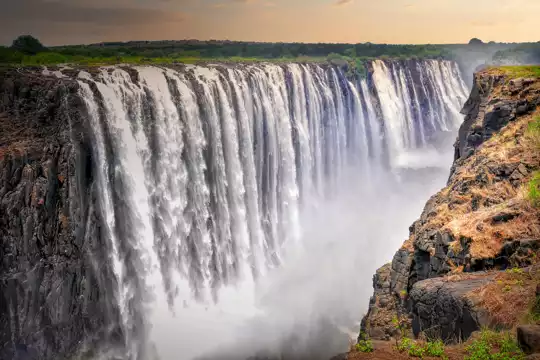
Victoria Falls
Just a short 30-minute ride from Livingstone, Victoria Falls is a must-see. The sheer power of the Zambezi River crashing down is something you have to experience. Entry fees are around $30 for day visitors, and the best time to visit is during the dry season (May to October) when the falls are less misty. A common mistake? Many first-timers stick to the viewpoints; don’t miss the chance to walk along the trails for a more intimate experience.
👉 Explore Victoria Falls

Chobe National Park
A bit further afield, about an hour … read more 👉
Livingstone, Zambia, is a backpacker’s dream hub, offering easy access to some of Southern Africa’s most exhilarating experiences. With a mix of adventure, culture, and nature, you can pack your days with high-value trips without breaking the bank.

Victoria Falls
Just a short 30-minute ride from Livingstone, Victoria Falls is a must-see. The sheer power of the Zambezi River crashing down is something you have to experience. Entry fees are around $30 for day visitors, and the best time to visit is during the dry season (May to October) when the falls are less misty. A common mistake? Many first-timers stick to the viewpoints; don’t miss the chance to walk along the trails for a more intimate experience.
👉 Explore Victoria Falls

Chobe National Park
A bit further afield, about an hour and a half by bus, Chobe National Park in Botswana offers a different flavor of wildlife. Expect to pay around $150 for a day trip, including a river cruise and safari. The park is teeming with elephants and hippos, especially during the dry season. Many backpackers underestimate the time needed for border crossing; plan for delays. This trip is worth every kwacha for the chance to see wildlife in their natural habitat.


Livingstone Island
For a unique perspective on the falls, take a half-day trip to Livingstone Island. It’s about a 15-minute boat ride from the mainland, costing around $100, which includes a guided tour and lunch. The best time to go is during the dry season when you can swim in the Devil’s Pool. A rookie mistake? Not booking in advance; spots fill up quickly, especially in peak season.


Mukuni Village
Immerse yourself in local culture with a visit to Mukuni Village, just 30 minutes from Livingstone. A guided tour costs about $20 and gives you insight into the daily lives of the Leya people. The best time to visit is during the dry season when village activities are in full swing. Many travelers overlook the importance of engaging with the locals; don’t just observe—ask questions and learn.


Zambezi River Sunset Cruise
End your day with a sunset cruise on the Zambezi River. This leisurely trip takes about two hours and costs around $40. The best time is during the dry season when the sunsets are spectacular. A common oversight is booking too late; these cruises can fill up quickly, especially in peak season. Enjoying a cold drink while watching the sun dip below the horizon is a perfect way to cap off your day.
Want to know what more Zambia offers?
The Zambia Travel Guide describes 91 highlights, from cities to national parks, from beaches to hikes

Get the Travel Guide -

🍲 FoodLocal Cuisine & Drinks

In Livingstone, food is a vibrant tapestry of flavors that tells the story of its people. You can’t miss trying nshima, a staple made from maize flour. It’s a thick porridge served with a variety of sides, like samp (corn kernels) or relish—a spicy mix of vegetables or meats. Pair it with chicken or fish, often grilled to perfection, and you’ll get a taste of local life.

Street food is where the magic happens. Vendors line the streets, offering samosas and kapenta (tiny fried fish) that are crispy and packed with flavor. Grab a bottle of Mosi, the local beer, and you’ll fit right in. The atmosphere is lively, with laughter and chatter filling the air, making it easy to strike up a conversation with locals.

Dining here is casual and communal. Expect to share dishes, which fosters a sense … read more 👉
In Livingstone, food is a vibrant tapestry of flavors that tells the story of its people. You can’t miss trying nshima, a staple made from maize flour. It’s a thick porridge served with a variety of sides, like samp (corn kernels) or relish—a spicy mix of vegetables or meats. Pair it with chicken or fish, often grilled to perfection, and you’ll get a taste of local life.

Street food is where the magic happens. Vendors line the streets, offering samosas and kapenta (tiny fried fish) that are crispy and packed with flavor. Grab a bottle of Mosi, the local beer, and you’ll fit right in. The atmosphere is lively, with laughter and chatter filling the air, making it easy to strike up a conversation with locals.

Dining here is casual and communal. Expect to share dishes, which fosters a sense of togetherness. When you’re invited to eat, it’s customary to accept—refusing can be seen as impolite.

As the sun sets, the bars come alive. Sip on a Zambian gin and tonic while mingling with fellow travelers and locals alike. The vibe is relaxed, and the stories shared over drinks often become the highlight of your trip. Embrace the flavors, the customs, and the camaraderie; it’s all part of the Livingstone experience.

🛡️ SafetyScams, Hazards, and Annoyances

Livingstone is generally safe, but like any city, it has its quirks. Stay alert in crowded markets and near popular tourist spots, where pickpockets might lurk. Keep your valuables close, ideally in a money belt under your clothes.

If you’re traveling solo, especially at night, stick to well-lit areas and avoid wandering too far from your accommodation. Taxis are a reliable option; negotiate the fare beforehand to avoid surprises.

Scams are rare, but some locals may approach you with offers that seem too good to be true, like guided tours at inflated prices. Trust your instincts—if it feels off, it probably is.

Everyday annoyances include persistent vendors and street performers. A polite but firm “no, thank you” usually does the trick. Carry yourself confidently, and you’ll navigate … read more 👉
Livingstone is generally safe, but like any city, it has its quirks. Stay alert in crowded markets and near popular tourist spots, where pickpockets might lurk. Keep your valuables close, ideally in a money belt under your clothes.

If you’re traveling solo, especially at night, stick to well-lit areas and avoid wandering too far from your accommodation. Taxis are a reliable option; negotiate the fare beforehand to avoid surprises.

Scams are rare, but some locals may approach you with offers that seem too good to be true, like guided tours at inflated prices. Trust your instincts—if it feels off, it probably is.

Everyday annoyances include persistent vendors and street performers. A polite but firm “no, thank you” usually does the trick. Carry yourself confidently, and you’ll navigate Livingstone with ease. Embrace the local culture, but stay aware, and you’ll enjoy a rewarding experience without unnecessary hassle.

FAQFrequently asked questions about Livingstone

3 to 4 days are sufficient to explore Livingstone and its main attractions. This allows time for visiting Victoria Falls, taking a safari, and exploring local markets. Additional days can be added for activities like white-water rafting or day trips to nearby parks.
Yes, Livingstone is generally safe for solo backpackers with standard precautions. Avoid walking alone at night and keep valuables secure. The town has a friendly backpacker community and reliable transport options.
Livingstone is known primarily for Victoria Falls, one of the largest and most famous waterfalls in the world. It is also a gateway for safari tours in nearby national parks like Mosi-oa-Tunya. Adventure activities such as bungee jumping and white-water rafting are popular here.
⚠️ Things can change over time, so always validate details locally before you go.

Other Zambian cities near Livingstone

Explore more nearby:

  • Monze—agricultural center, roadside town, local grain markets| 247 km away
  • Kaoma—timber industry, Lozi communities, western gateway| 355 km away
  • Lusaka—National capital, government district, diverse neighborhoods| 376 km away

💡 Not sure where to go next?
Create a personalized itinerary for Zambia including Livingstone and the places that fit your trip.

Generate my itinerary

👉 Discover all cities

Or checkout all Zambia has to offer (think cities, towns, villages, national parks, hikes, beaches, festivals)
Country photo of Zambia

We 💚 feedbackKey takeaways before you go

Livingstone has a pulse that’s hard to ignore. The locals are warm, and the energy is infectious, especially around the markets. Don’t miss the sunset over the Zambezi; it’s a moment that sneaks up on you and leaves you breathless. Just a heads-up: the humidity can be relentless, so stay hydrated and pace yourself. Embrace the chaos, and you’ll find the real magic here. It’s not just about the falls; it’s about the stories you’ll collect along the way.

✍️ Help improve this page!
The information on this page is based on in-depth research, insights shared by experienced travelers, and feedback from the local travel community in Zambia. While every effort is made to keep the information accurate and current, conditions can change — so if you spot anything incorrect or outdated, please get in touch.


🙋‍♂️ Give feedback

👋 Meet the founderWho’s Behind Take Your Backpack?

Johan, backpacker and founder of TakeYourBackpackHi, I’m Johan (Netherlands 🇳🇱), the creator of TakeYourBackpack. Over the past decade, I’ve backpacked through 80+ countries across six continents, gaining extensive experience with independent travel, long-term trips, and overland routes.

This site is built on a combination of firsthand travel experience and carefully curated insights from other backpackers. Many guides are based on places I’ve personally visited, while others bring together tips, observations, and practical advice shared by trusted travelers I’ve met along the way.

The goal is to provide realistic, experience-driven guidance — not generic itineraries — so you can explore destinations with better context, clearer expectations, and more confidence.

Get full Zambia guide •
Instant download • 91 highlights • Full Offline guide