×

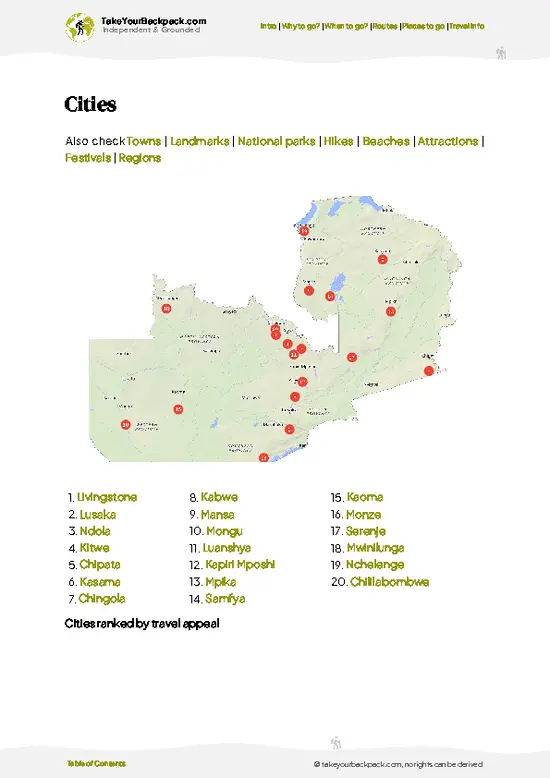
Zambia🇿🇲 | citiesKitweCommercial hub, shopping districts, urban nightlife | things to do and best time to go

Explore KabweExplore Livingstone

Backpacking in Kitwe
🏆 Top pickcity ranked #4
By Johan Kruseman 🇳🇱 | Updated July 30, 2026

You land in Kitwe and face a classic backpacker’s dilemma: do you splurge on a private taxi from the bus station to your hostel, or brave the minibus with locals, saving cash but sacrificing elbow room and predictability? This isn’t just about a ride—it’s the first move in a city where every decision tilts the balance between time, money, and comfort. Kitwe sits in Zambia’s Copperbelt, a region built on mining, not tourism. That means you’ll find real Zambian city life—bustling markets, smoky roadside braais, and a nightlife scene that’s lively if you know where to look. The pros: Kitwe is affordable, safe by Zambian standards, and refreshingly untouristy. The cons: it’s light on headline attractions, and you’ll work for your fun—think chatting up locals at Freedom Park or tracking down the Nkana Mine’s industrial relics. Compared to Lusaka or Livingstone, Kitwe is grittier, less polished, but more authentic. You’ll stand out, but you’ll also be remembered.

Discover everything you want to know in the 📖 Zambia Travel Guide.


Get your Zambia guide
91 ranked highlights, routes & tips, works offline (357 pages)
Loading the map 🌍
CLICK TO FILTER
cities
towns
landmarks
national parks
hikes
beaches
attractions
festivals
SHOW COUNTRY’S BESTSHOW ALL

✨ Why go?
Ranked #4 city in Zambia
Why visitors keep coming back

Kitwe, Zambia, is a strategic basecamp for backpackers navigating the Copperbelt region. It’s not just a stopover; it’s a place where you can maximize your time and minimize costs. The city offers a solid mix of affordable hostels that cater to budget travelers, making it easy to find a cozy spot without breaking the bank.

You’ll appreciate the walkability of Kitwe, allowing you to explore local markets and eateries without the hassle of transport. The food scene is diverse and delicious, with street vendors serving up local favorites that won’t dent your wallet.

When the sun sets, the nightlife buzzes with energy, offering a chance to mingle with locals and fellow travelers alike. Plus, Kitwe serves as a convenient launchpad for day trips to nearby attractions, ensuring you can pack in … read more 👉
Kitwe, Zambia, is a strategic basecamp for backpackers navigating the Copperbelt region. It’s not just a stopover; it’s a place where you can maximize your time and minimize costs. The city offers a solid mix of affordable hostels that cater to budget travelers, making it easy to find a cozy spot without breaking the bank.

You’ll appreciate the walkability of Kitwe, allowing you to explore local markets and eateries without the hassle of transport. The food scene is diverse and delicious, with street vendors serving up local favorites that won’t dent your wallet.

When the sun sets, the nightlife buzzes with energy, offering a chance to mingle with locals and fellow travelers alike. Plus, Kitwe serves as a convenient launchpad for day trips to nearby attractions, ensuring you can pack in experiences without the stress of constant travel.

In short, if you’re looking for a place that balances comfort and value, Kitwe is a smart choice for both a quick stop or a longer stay.
Want to include Kitwe in your Zambia route?
Create a personalized Zambia itinerary that includes Kitwe and the places that fit your trip — based on your travel style, budget, and available time. Get your route in seconds.

Generate my trip

💡 HighlightsEssential experiences to have while visiting Kitwe

  1. Kitwe Central Market — The beating heart of the city: noisy stalls, fresh produce, cheap grilled fish and nyama, and a real chance to watch daily Kitwe life up close. Great for street food and buying locally made goods.
  2. Nkana Stadium — Home turf for local football madness. Even if you don’t catch a match, the stadium and surrounding neighbourhood give a strong sense of what community life revolves around here.
  3. Copperbelt University (main campus) — A lively campus where you can sense the city’s younger energy. Walk the grounds, visit the library or watch student life unfold — an easy way to meet locals and see Kitwe beyond the mines.
  4. Mindolo Dam & Ecumenical Centre — A surprisingly calm spot for a walk, picnic or boat trip. The Ecumenical Centre often hosts events and has a small conference/hospitality
read more 👉
  1. Kitwe Central Market — The beating heart of the city: noisy stalls, fresh produce, cheap grilled fish and nyama, and a real chance to watch daily Kitwe life up close. Great for street food and buying locally made goods.
  2. Nkana Stadium — Home turf for local football madness. Even if you don’t catch a match, the stadium and surrounding neighbourhood give a strong sense of what community life revolves around here.
  3. Copperbelt University (main campus) — A lively campus where you can sense the city’s younger energy. Walk the grounds, visit the library or watch student life unfold — an easy way to meet locals and see Kitwe beyond the mines.
  4. Mindolo Dam & Ecumenical Centre — A surprisingly calm spot for a walk, picnic or boat trip. The Ecumenical Centre often hosts events and has a small conference/hospitality setup; good for a slow afternoon out of the traffic.
  5. Kitwe Golf Club — A green slice of colonial-era leisure tucked into the city. Even if you don’t play, the clubhouse, gardens and relaxed atmosphere are a pleasant contrast to the industrial parts of town.
  6. Kitwe Railway Station & yards — The rail hub helped build the Copperbelt. Walking around the station area (from public paths) gives insight into the transport networks that shaped the city’s growth.
  7. Wusakile township — One of Kitwe’s historic residential areas; a guided or mindful stroll here reveals everyday life, township markets, local eateries and strong community spirit — very authentic and photo-worthy if you’re respectful.
  8. Nkana mining precinct (public viewpoints) — You can’t wander into active shafts, but the prominent headgear, slag heaps and processing plants visible from public roads tell the story of Kitwe’s industrial heartbeat. Best seen with a local who can explain the history safely.
  9. Chimwemwe Market & local craft stalls — A slightly less touristy market where you’ll find household goods, textiles and small craft sellers. Good for practicing bartering and getting affordable souvenirs.
  10. Kitwe Civic/Commercial Spine (Independence Drive area) — The city’s main commercial strip: banks, shops, eateries and small cafés that capture modern Kitwe life. Walkable, practical and useful for people-watching and catching the local rhythm.
If you’ve got extra time, easy day trips from Kitwe include nearby cities and sites like Ndola and Mufulira and the surrounding Copperbelt mining towns and countryside (each offers larger museums, market scenes and more industrial heritage to explore).
Spotted a mistake or missing something? Contact us.

Things to do near Kitwe

Ratings based on Tripadvisor reviews. When you book through this link, you support our work at no extra cost to you.

🏘️ NeighborhoodsHow different areas shape the experience

Kitwe offers a unique blend of urban life and Zambian culture, making it a fascinating stop for backpackers. Here’s how the neighborhoods stack up:

City Center: This is the heartbeat of Kitwe. It’s bustling, with shops and markets that pulse with local life. Costs are moderate, and you can find budget accommodations. Walkability is high, but be cautious at night. Great for short stays, as everything is within reach, including transport options to other cities.

Chingola Road: A quieter area with a more residential vibe. It’s less touristy, which means you’ll experience authentic local life. Prices for food and lodging are lower here. While it’s not as walkable, public transport is accessible. Ideal for longer stays if you want to immerse yourself in daily Zambian life.

Parklands: This neighborhood … read more 👉
Kitwe offers a unique blend of urban life and Zambian culture, making it a fascinating stop for backpackers. Here’s how the neighborhoods stack up:

City Center: This is the heartbeat of Kitwe. It’s bustling, with shops and markets that pulse with local life. Costs are moderate, and you can find budget accommodations. Walkability is high, but be cautious at night. Great for short stays, as everything is within reach, including transport options to other cities.

Chingola Road: A quieter area with a more residential vibe. It’s less touristy, which means you’ll experience authentic local life. Prices for food and lodging are lower here. While it’s not as walkable, public transport is accessible. Ideal for longer stays if you want to immerse yourself in daily Zambian life.

Parklands: This neighborhood strikes a balance between nightlife and tranquility. You’ll find bars and restaurants, but it’s not overwhelming. Costs are reasonable, and it’s fairly walkable. Perfect for those who want a bit of evening fun without sacrificing comfort. Suitable for both short and longer visits.

Kwacha: Known for its vibrant market scene, Kwacha is lively and colorful. Prices are very budget-friendly, and the area is walkable. However, it can get noisy. It’s best for short stays if you want to soak in the local atmosphere quickly. Transport links are decent, making it easy to explore further afield.

⌛️ 1 dayWhat you can realistically do in a day

Kitwe, Zambia, is a city that pulses with the energy of its mining heritage and the warmth of its people. It’s not just a stopover; it’s a place where you can dive into local culture and experience the everyday rhythm of Zambian life.

Start your day in the bustling neighborhood of Nkana East. Grab breakfast at a local café like the Copperbelt Coffee House, where the aroma of freshly brewed coffee mingles with the scent of fried eggs and local delicacies. After fueling up, take a stroll to the nearby Nkana Mine, an iconic site that tells the story of Kitwe’s industrial past. While it’s not a typical tourist attraction, the sheer scale of the operation is fascinating and gives you insight into the city’s economic backbone.

In the afternoon, head to the Kitwe Market. This vibrant hub is a … read more 👉
Kitwe, Zambia, is a city that pulses with the energy of its mining heritage and the warmth of its people. It’s not just a stopover; it’s a place where you can dive into local culture and experience the everyday rhythm of Zambian life.

Start your day in the bustling neighborhood of Nkana East. Grab breakfast at a local café like the Copperbelt Coffee House, where the aroma of freshly brewed coffee mingles with the scent of fried eggs and local delicacies. After fueling up, take a stroll to the nearby Nkana Mine, an iconic site that tells the story of Kitwe’s industrial past. While it’s not a typical tourist attraction, the sheer scale of the operation is fascinating and gives you insight into the city’s economic backbone.

In the afternoon, head to the Kitwe Market. This vibrant hub is a sensory overload, with vendors selling everything from fresh produce to handmade crafts. Engage with locals, sample some street food—try the chibwabwa (pumpkin leaves) or a spicy samosa—and soak in the lively atmosphere. It’s a perfect spot to pick up unique souvenirs and connect with the community.

As the sun begins to set, make your way to the nearby Mufulira, just a short drive away. Here, you can visit the Mufulira Golf Club for a casual round or simply enjoy the lush greenery and watch the sunset over the course. For dinner, head back to Kitwe and dine at the popular Kafue River Lodge, where you can savor grilled fish while listening to the sounds of the evening.

This day in Kitwe isn’t just about ticking boxes; it’s about immersing yourself in the local vibe, making connections, and savoring the flavors of Zambia. Each choice you make—whether to linger at the market or explore a hidden corner—adds depth to your experience.
Turn your Kitwe visit into an Zambia adventure
Build a complete Zambia route with Kitwe, hidden gems, must-see destinations, and realistic travel times included.

Generate my trip

🌤️ When to go?Seasonal considerations and timing


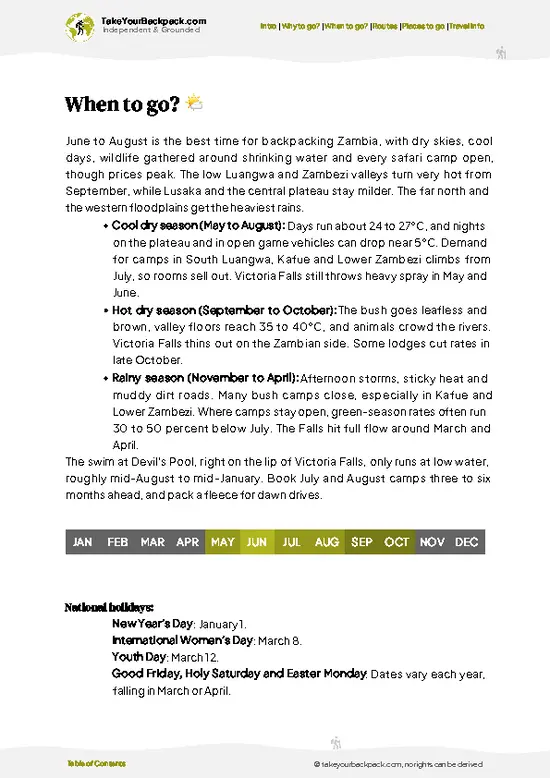
  • Topic: Weather – Kitwe experiences a tropical savanna climate with a clear wet season from November to April. Heavy rains can turn dirt roads into mud traps, slowing travel and dampening outdoor plans. The dry season, May to October, offers more reliable hiking and exploration conditions.

  • Topic: Temperature – Daytime highs hover around 25-30°C (77-86°F) during the dry months, making it comfortable for trekking and city wandering. Wet season temps rise slightly, often reaching 30-33°C (86-91°F), paired with high humidity that can sap your energy fast.

  • Topic: Daylight Hours – Near the equator, Kitwe enjoys roughly 12 hours of daylight year-round, so timing your activities is less about daylight and more about weather and comfort.

  • Topic: Crowds – Tourist traffic peaks during the dry
read more 👉

  • Topic: Weather – Kitwe experiences a tropical savanna climate with a clear wet season from November to April. Heavy rains can turn dirt roads into mud traps, slowing travel and dampening outdoor plans. The dry season, May to October, offers more reliable hiking and exploration conditions.

  • Topic: Temperature – Daytime highs hover around 25-30°C (77-86°F) during the dry months, making it comfortable for trekking and city wandering. Wet season temps rise slightly, often reaching 30-33°C (86-91°F), paired with high humidity that can sap your energy fast.

  • Topic: Daylight Hours – Near the equator, Kitwe enjoys roughly 12 hours of daylight year-round, so timing your activities is less about daylight and more about weather and comfort.

  • Topic: Crowds – Tourist traffic peaks during the dry season, especially July and August, when international visitors escape colder climates. This means busier accommodations and higher prices but also more social opportunities.

  • Topic: Seasonal Activities – Dry months are prime for outdoor adventures like visiting nearby national parks or exploring mining heritage sites. Wet season limits these options but brings lush landscapes and fewer tourists.

  • Topic: Price Fluctuations – Expect accommodation and transport costs to spike in the dry season’s peak months. Traveling just before or after this window can save money without sacrificing too much comfort.


Pro-tip: Aim for the shoulder months of May or September to balance pleasant weather, manageable crowds, and better prices—turning timing into your secret weapon for a high-value Kitwe experience.


source: climatestotravel.comJANJanuary: fair for travelingFEBFebruary: fair for travelingMARMarch: fair for travelingAPRApril: good for travelingMAYMay: excellent for travelingJUNJune: highly recommended for travelingJULJuly: highly recommended for travelingAUGAugust: highly recommended for travelingSEPSeptember: excellent for travelingOCTOctober: highly recommended for travelingNOVNovember: fair for travelingDECDecember: fair for traveling
when-to-go

✈️ The backpacker research shortcutZambia Travel Guide

An offline-friendly backpacking guide with optimized travel routes, ranked highlights, transport advice, and the best areas to stay.
example page 0 from our offline Travel Guide for Zambia
example page 1 from our offline Travel Guide for Zambia
example page 2 from our offline Travel Guide for Zambia
example page 3 from our offline Travel Guide for Zambia
example page 4 from our offline Travel Guide for Zambia
example page 5 from our offline Travel Guide for Zambia
example page 6 from our offline Travel Guide for Zambia
example page 7 from our offline Travel Guide for Zambia
The digital guide (357 pages) contains:
91 highlights, ranked by travel appeal
Optimized 5, 10 & 15-day travel routes
Cities, national parks, landmarks, beaches
How to get around
Offline-friendly for travel without Wi-Fi
👉 Click to see all 30+ guide features

📅 Plan smarter in minutes, not weeks
Month by month travel advice
Festivals & national holidays
Budget expectations

🗺️ Go to the right places, skip the overrated ones
Honest pros & cons of destinations
Top hikes, parks & viewpoints
Lesser-known places most travelers miss
Clear “worth it vs skip it” guidance

🛏️ Travel smoothly without rookie mistakes
Best areas to stay
Transport systems explained simply
Common scams & safety advice
SIM cards, money & practical tips

🌍 Understand the country, not just visit it
Culture & traditions
52 Essential phrases & customs
Festivals worth planning around
Traveler-friendly historical context
Insights that make places more meaningful

📱 Built for real travel conditions
Fully downloadable PDF
Works completely offline
Optimized for phone use
Useful in remote areas & buses
Everything in one place
Save weeks of stressful planning
Get instant access to your full guide. 30‑day money-back guarantee.


By proceeding you agree to our terms.
Sent to your inbox immediately after payment • 100% Secure Checkout
Best Backpacking Travel Advisor 2025 tourism awardBest Backpacking
Travel Advisor
2025
What others say about Take Your Backpack Guides:
⭐⭐⭐⭐⭐
Fantastic, amazing amount of information!
⭐⭐⭐⭐⭐
My goodness this is amazing, it's what I've been looking for hats off too you!
⭐⭐⭐⭐⭐
I think this is absolutely BRILLIANT
⭐⭐⭐⭐
Very complete and informative. It's still missing places, but I gotta to commend you
⭐⭐⭐⭐⭐
This is truly amazing, thank you, can't wait to explore it with my kids!
⭐⭐⭐⭐⭐
Awesome resource, thank you!
⭐⭐⭐⭐⭐
This is amazing! Can't wait to explore the ones I haven't seen
⭐⭐⭐⭐
I love this! Well done, great idea.
⭐⭐⭐⭐⭐
Thanks for taking the time to make this gem!
⭐⭐⭐⭐⭐
This might be the best website I've ever seen.
⭐⭐⭐⭐⭐
Congratulations, and thank you so much for your work; it's incredibly valuable.
⭐⭐⭐⭐
In all seriousness I think you did a great job pointing out the important spots
⭐⭐⭐⭐⭐
10/10 very good
⭐⭐⭐⭐⭐
As someone who's only just starting to visit regularly this is awesome, thank you.
⭐⭐⭐⭐
Thank you very much! I'm going to visit my dad, it's going to be very useful!
⭐⭐⭐⭐⭐
This is really cool! We'll be travelling for the first time and this definitely come in handy.
⭐⭐⭐⭐⭐
You are now our minister of culture, congratulations 👨‍💼
⭐⭐⭐⭐⭐
Just wanted to tell you that this is a pearl! Going to follow your recommendations.
⭐⭐⭐⭐⭐
This is so cool. I'll definitely be using the resource for my travels soon.
⭐⭐⭐⭐⭐
This is very impressive! Good work.
⭐⭐⭐⭐⭐
This is an amazing and informative site. Very well done!

🛏️ Where to stay?Best areas and accommodation options

Kitwe’s sweet spot for backpackers is the central business district (CBD) and its immediate surroundings. This area strikes a smart balance between safety, social buzz, and budget-friendly options. It’s where you’ll find the most hostels and guesthouses catering to solo travelers and those watching their wallets. The vibe here is practical but lively—locals and travelers mingle in markets, street food stalls, and small bars, creating a low-key social scene without the touristy gloss.

Compared to the outskirts or industrial zones, the CBD offers better infrastructure and easier access to transport … read more 👉
Kitwe’s sweet spot for backpackers is the central business district (CBD) and its immediate surroundings. This area strikes a smart balance between safety, social buzz, and budget-friendly options. It’s where you’ll find the most hostels and guesthouses catering to solo travelers and those watching their wallets. The vibe here is practical but lively—locals and travelers mingle in markets, street food stalls, and small bars, creating a low-key social scene without the touristy gloss.

Compared to the outskirts or industrial zones, the CBD offers better infrastructure and easier access to transport links, which is crucial when you want to maximize your time exploring rather than wasting it on long commutes. It’s also safer after dark than some of the more residential or less trafficked neighborhoods, which tend to lack the same level of street activity and can feel isolating.

If you’re after comfort, the CBD won’t spoil you with luxury, but it delivers clean, simple accommodations that prioritize function over flair. The trade-off here is clear: you sacrifice high-end amenities for proximity, safety, and a social atmosphere that’s perfect for meeting fellow travelers and locals alike. In Kitwe, this is the smartest base camp for backpackers who want to keep their trip efficient and engaging.

🚌 Getting aroundMoving around without the hassle

Kitwe moves with a pulse that’s part clockwork, part improvisation. It’s not a city where you’ll find pristine timetables or polished transit apps guiding your every step. Instead, it’s a place where schedules blur, and local rhythms dictate the flow. You’ll quickly learn that timing here is a flexible concept—buses and minibuses roll out when they’re full, not when the clock says so. This means your travel game in Kitwe is about reading the room, spotting the right vehicle, and balancing patience with urgency. The trade-offs between time, money, and comfort become a strategic puzzle, and mastering it means you’re not just a tourist—you’re a savvy player in the city’s daily dance.


  • Walking: The ultimate budget option and often the fastest way to navigate short distances in Kitwe’s central
read more 👉
Kitwe moves with a pulse that’s part clockwork, part improvisation. It’s not a city where you’ll find pristine timetables or polished transit apps guiding your every step. Instead, it’s a place where schedules blur, and local rhythms dictate the flow. You’ll quickly learn that timing here is a flexible concept—buses and minibuses roll out when they’re full, not when the clock says so. This means your travel game in Kitwe is about reading the room, spotting the right vehicle, and balancing patience with urgency. The trade-offs between time, money, and comfort become a strategic puzzle, and mastering it means you’re not just a tourist—you’re a savvy player in the city’s daily dance.


  • Walking: The ultimate budget option and often the fastest way to navigate short distances in Kitwe’s central areas. It costs nothing, offers full control over your schedule, and lets you soak in the city’s textures. Comfort depends on the weather—shade is scarce, so midday heat can be brutal.


  • Shared Minibuses (Local Kombis): These are the backbone of Kitwe’s public transit. Expect to pay around 2,000 to 3,000 ZMW per ride. They don’t run on a strict timetable; instead, they leave when full, which can mean waiting 5 to 20 minutes depending on the time of day. Speed varies with traffic and stops, but they cover most routes efficiently. Comfort is basic—crowded and noisy, but a genuine local experience.


  • Private Taxis: More expensive, roughly 20,000 to 40,000 ZMW for typical intra-city trips, but they offer door-to-door convenience and a faster pace. You control your departure time, which is a huge plus if you’re on a tight schedule. Comfort is significantly better than minibuses, with air conditioning in some vehicles, but you’re paying a premium for that luxury.


  • Bicycle Rentals: A niche but growing option for the adventurous budget traveler. Rentals cost about 10,000 to 15,000 ZMW per day. This mode gives you freedom from schedules and traffic jams, plus a decent workout. It’s slower than motorized transport but offers a unique way to explore neighborhoods at your own pace. Comfort depends on your stamina and the condition of the roads.


  • Motorbike Taxis (Zemidala): Quick and cheap, usually 3,000 to 5,000 ZMW per ride, these are perfect for weaving through traffic and short hops. They run on demand, so no waiting for a full vehicle. Comfort is minimal—exposed to the elements and dust—but the time saved can be significant, especially during rush hours.

👛 Costs (as of 30 July 2026)What things cost and how to budget

Backpacking in Kitwe, Zambia, presents a clear trade-off map between time, money, and comfort, with costs that reflect the city’s developing urban vibe and local economy.
  • Dorm Accommodation (High Season): Expect to pay around $10 to $15 per night in basic hostels or guesthouses. These places offer simple beds, often shared bathrooms, and minimal amenities but are clean and safe.
  • Dorm Accommodation (Off-Season): Prices drop to about $7 to $10 per night. The off-season brings fewer travelers, so you can negotiate better deals or find quieter spots with the same basic comfort.
  • Meals: Street food and local eateries dominate the scene. Budget about $3 to $6 per meal if you stick to staples like nshima (a maize-based dish), grilled meats, and vegetables. Western-style restaurants push the cost
read more 👉
Backpacking in Kitwe, Zambia, presents a clear trade-off map between time, money, and comfort, with costs that reflect the city’s developing urban vibe and local economy.
  • Dorm Accommodation (High Season): Expect to pay around $10 to $15 per night in basic hostels or guesthouses. These places offer simple beds, often shared bathrooms, and minimal amenities but are clean and safe.
  • Dorm Accommodation (Off-Season): Prices drop to about $7 to $10 per night. The off-season brings fewer travelers, so you can negotiate better deals or find quieter spots with the same basic comfort.
  • Meals: Street food and local eateries dominate the scene. Budget about $3 to $6 per meal if you stick to staples like nshima (a maize-based dish), grilled meats, and vegetables. Western-style restaurants push the cost higher, around $8 to $12 per meal.
  • Local Transport: Minibuses and shared taxis are the norm. A single ride usually costs between $0.30 and $0.70, depending on distance. Budget $1.50 to $3 daily if you move around moderately.
  • City Transport Pass: Kitwe doesn’t have a formal city transport pass system. Instead, daily transport expenses rely on cash fares for minibuses or taxis, so plan accordingly.
  • Basic Activities/Entry Fees: Attractions are limited but affordable. Entry to local museums or cultural sites typically costs $2 to $5. Guided tours or special activities might push this to $10 or more.
  • Miscellaneous Expenses: This covers essentials like bottled water, snacks, phone credit, and occasional small purchases. Allocate around $2 to $5 daily to stay covered without surprises.

Kitwe’s daily backpacking budget ranges roughly from $15 to $35, depending on your season and comfort choices. This range balances the essentials without overspending, letting you focus on the experience rather than the expense. The key trade-off here is comfort versus cost—opting for off-season dorms and street food saves money but sacrifices some convenience and variety. Understanding these trade-offs lets you play the system smartly, maximizing value on your terms.


source: zambiatourism.com
⚠️ Prices can change and everyone travels differently, so take this as a rough guide. Hope it helps you plan your adventure!

🚌 Day tripsExploring the surroundings

Kitwe, Zambia, is a fantastic launchpad for day trips that blend adventure with cultural immersion. Here’s how to make the most of your time, money, and comfort while exploring the region.

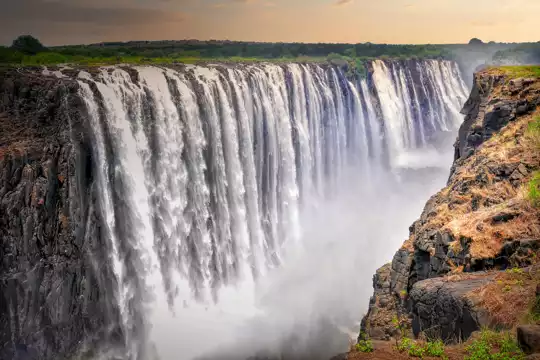
Victoria Falls
Just a few hours from Kitwe, Victoria Falls is a must-see. The roar of the water and the mist in the air create an electric atmosphere. You can take a bus for around $15, and the entrance fee is about $30. Aim for the dry season (May to October) for the best views. Many first-timers underestimate the time needed to explore; plan for a full day to soak it all in. Don’t rush; the sunset views are spectacular.
👉 Explore Victoria Falls

Kafue National Park
Kafue is a wildlife lover’s paradise, just a 3-4 hour drive from Kitwe. You can join a day safari tour for about $100, which includes … read more 👉
Kitwe, Zambia, is a fantastic launchpad for day trips that blend adventure with cultural immersion. Here’s how to make the most of your time, money, and comfort while exploring the region.

Victoria Falls
Just a few hours from Kitwe, Victoria Falls is a must-see. The roar of the water and the mist in the air create an electric atmosphere. You can take a bus for around $15, and the entrance fee is about $30. Aim for the dry season (May to October) for the best views. Many first-timers underestimate the time needed to explore; plan for a full day to soak it all in. Don’t rush; the sunset views are spectacular.
👉 Explore Victoria Falls

Kafue National Park
Kafue is a wildlife lover’s paradise, just a 3-4 hour drive from Kitwe. You can join a day safari tour for about $100, which includes transport and a guide. The park is home to elephants, lions, and a variety of birds. The best time to visit is during the dry season when animals congregate around water sources. A common mistake is thinking you can see everything in a few hours; take your time to appreciate the wildlife.


Chingola Copper Mine Tour
For a unique glimpse into Zambia’s industrial side, visit the Chingola Copper Mine, only about 30 minutes from Kitwe. Tours are often free or cost around $5, and they provide insight into the mining process and its impact on the local community. The best time to visit is during weekdays when operations are in full swing. Many backpackers overlook this experience, but it’s a fascinating contrast to the natural beauty of the region.


Lake Bangweulu
A bit further afield, Lake Bangweulu is about a 2.5-hour drive from Kitwe. Known for its stunning birdlife and fishing opportunities, it’s a peaceful escape. Expect to spend around $20 on transport and $10 for a fishing permit if you’re keen. The dry season is ideal for birdwatching. First-timers often miss the chance to engage with local fishermen; don’t hesitate to ask questions and learn from them.
Want to know what more Zambia offers?
The Zambia Travel Guide describes 91 highlights, from cities to national parks, from beaches to hikes

Get the Travel Guide -

🍲 FoodLocal Flavors for Backpackers

In Kitwe, food is a celebration of local flavors and communal spirit. Start with nshima, a staple made from ground maize, often served with a variety of relishes. Pair it with sadza, a rich vegetable stew or kapenta, tiny fish packed with flavor. These dishes are not just meals; they’re a way to connect with the culture.

Street food stalls are your best bet for an authentic experience. The aroma of grilled meats wafts through the air, drawing you in. Try chikanda, a savory cake made from wild orchids and ground nuts, or samosas filled with spiced potatoes. Markets buzz with life, offering fresh produce and local snacks.

When it comes to drinks, maheu, a fermented maize drink, is a must-try. It’s refreshing and slightly tangy, perfect for the warm afternoons. Don’t miss the local beer, often … read more 👉
In Kitwe, food is a celebration of local flavors and communal spirit. Start with nshima, a staple made from ground maize, often served with a variety of relishes. Pair it with sadza, a rich vegetable stew or kapenta, tiny fish packed with flavor. These dishes are not just meals; they’re a way to connect with the culture.

Street food stalls are your best bet for an authentic experience. The aroma of grilled meats wafts through the air, drawing you in. Try chikanda, a savory cake made from wild orchids and ground nuts, or samosas filled with spiced potatoes. Markets buzz with life, offering fresh produce and local snacks.

When it comes to drinks, maheu, a fermented maize drink, is a must-try. It’s refreshing and slightly tangy, perfect for the warm afternoons. Don’t miss the local beer, often brewed with traditional methods, giving it a unique taste that reflects the region.

Etiquette is simple: share your food and enjoy communal dining. It’s about connection, so don’t hesitate to join in the lively conversations around you. In Kitwe, every bite and sip tells a story, making your culinary journey as rich as the land itself.

🛡️ SafetySafety Tips and Common Scams in Kitwe

Kitwe is generally safe for backpackers, but a few smart habits can enhance your experience. Stay aware in crowded markets like the Kitwe Market, where pickpockets might lurk. Keep your valuables close and avoid flashy displays of wealth.

If you’re traveling solo, especially at night, stick to well-lit areas and consider using a reputable taxi service rather than walking. Local transport can be unpredictable, so plan your routes ahead of time.

Scams are rare, but be cautious with unsolicited offers for tours or guides. It’s best to book through established services. Everyday annoyances include the occasional aggressive vendor or persistent street hawkers; a polite “no, thank you” usually suffices.

Overall, Kitwe offers a welcoming atmosphere, and with a bit of awareness, you can navigate it confidently and enjoyably.

Other Zambian cities near Kitwe

Explore more nearby:

  • Luanshya—Historic mining sites, quiet neighborhoods, local football| 42 km away
  • Ndola—Industrial center, airport gateway, Copperbelt museums| 50 km away
  • Chingola—Nchanga mines, golf course, leafy residential areas| 50 km away

💡 Not sure where to go next?
Create a personalized itinerary for Zambia including Kitwe and the places that fit your trip.

Generate my itinerary

👉 Discover all cities

Or checkout all Zambia has to offer (think cities, towns, villages, national parks, hikes, beaches, festivals)
Country photo of Zambia

We 💚 feedbackIs it worth it?

Kitwe has a raw, unpolished vibe that feels real. The best surprise? The local markets bursting with life and flavors—try the street food; it’s a culinary adventure. Just be mindful of the heat; hydration is key. You’ll find friendly faces and genuine conversations, but don’t expect tourist traps. Embrace the chaos, and you’ll walk away with stories that stick. It’s not just a stop; it’s a slice of Zambian life that’ll linger long after you leave.

✍️ Help improve this page!
The information on this page is based on in-depth research, insights shared by experienced travelers, and feedback from the local travel community in Zambia. While every effort is made to keep the information accurate and current, conditions can change — so if you spot anything incorrect or outdated, please get in touch.


🙋‍♂️ Give feedback

👋 Meet the founderWho’s Behind Take Your Backpack?

Johan, backpacker and founder of TakeYourBackpackHi, I’m Johan (Netherlands 🇳🇱), the creator of TakeYourBackpack. Over the past decade, I’ve backpacked through 80+ countries across six continents, gaining extensive experience with independent travel, long-term trips, and overland routes.

This site is built on a combination of firsthand travel experience and carefully curated insights from other backpackers. Many guides are based on places I’ve personally visited, while others bring together tips, observations, and practical advice shared by trusted travelers I’ve met along the way.

The goal is to provide realistic, experience-driven guidance — not generic itineraries — so you can explore destinations with better context, clearer expectations, and more confidence.

Get full Zambia guide •
Instant download • 91 highlights • Full Offline guide