×

Zambia🇿🇲 | attractionsMoto Moto MuseumBemba artifacts, thumb pianos, ironwork, mounted elephant | things to do and best time to go

Explore Choma Museum and Crafts CentreExplore Henry Tayali Visual Arts Centre

Backpacking in Moto Moto Museum
🌟 Highlightattraction ranked #5
By Johan Kruseman 🇳🇱 | Updated October 22, 2026

Your eyes adjust to the dim hall, and there it is: a stuffed elephant, the size of a small truck, its hide worn smooth by decades of curious hands. You are in Moto Moto Museum, an ethnographic museum at Mbala, in the north of Zambia, near the southern tip of Lake Tanganyika's highlands. The collection is old-school and a little dusty, and that is part of the fun. Spend your time on the cultural galleries: drums, masks, tools, and the displays on the Bemba and neighboring peoples. The war and colonial rooms deserve a shorter look unless you love history. Crowds are close to nonexistent, entry is cheap, and the vibe is quiet and curious. A first day could mean a slow morning wander through the halls, then a walk around Mbala town and an afternoon heading to the nearby escarpment.

Discover everything you want to know in the 📖 Zambia Travel Guide.


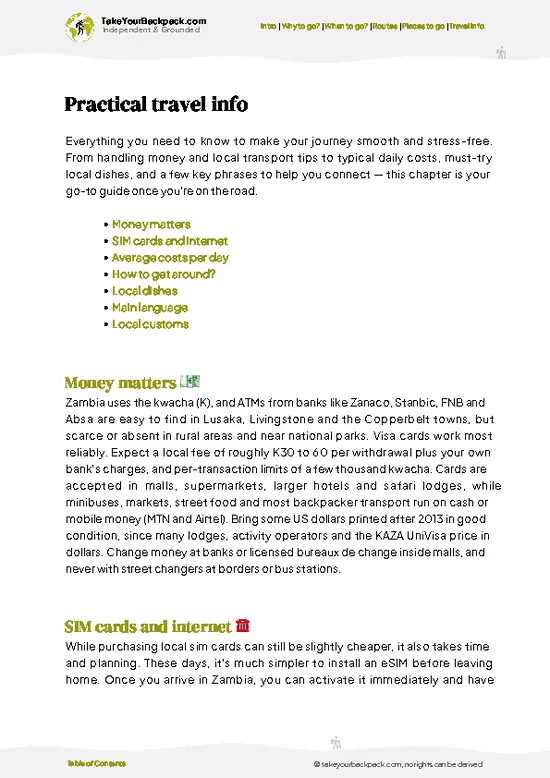
example page 0 from our offline Travel Guide for Zambia
example page 1 from our offline Travel Guide for Zambia
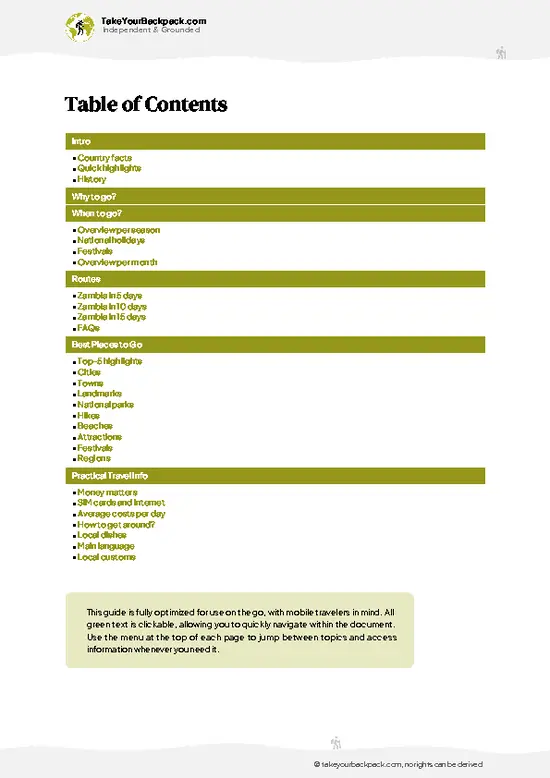
example page 2 from our offline Travel Guide for Zambia
example page 3 from our offline Travel Guide for Zambia
example page 4 from our offline Travel Guide for Zambia
example page 5 from our offline Travel Guide for Zambia
example page 6 from our offline Travel Guide for Zambia
example page 7 from our offline Travel Guide for Zambia
Loading the map 🌍
CLICK TO FILTER
cities
towns
landmarks
national parks
hikes
beaches
attractions
festivals
regions
SHOW COUNTRY’S BESTSHOW ALL

✨ Why go?
Ranked #5 attraction in Zambia
Reasons people choose to visit here

Moto Moto Museum is the best place in northern Zambia to understand the people who shaped this part of the country, and that alone justifies the detour. It sits near Mbala, close to the old Abercorn area on the plateau above Lake Tanganyika, and it holds the Bemba ethnographic collection that most travelers never see. Run by the White Fathers mission, it is a place where a local culture is explained through its own objects.
Go for the royal Bemba regalia and the traditional ceremonial items, which give the villages, chiefs and rituals you pass on the road an actual context. Go too for the Mbala region history, including the colonial-era story of the plateau and the nearby sites connected to the end of the First World War in East Africa. A short wander through the displays turns blurred roadside … read more 👉
Moto Moto Museum is the best place in northern Zambia to understand the people who shaped this part of the country, and that alone justifies the detour. It sits near Mbala, close to the old Abercorn area on the plateau above Lake Tanganyika, and it holds the Bemba ethnographic collection that most travelers never see. Run by the White Fathers mission, it is a place where a local culture is explained through its own objects.
Go for the royal Bemba regalia and the traditional ceremonial items, which give the villages, chiefs and rituals you pass on the road an actual context. Go too for the Mbala region history, including the colonial-era story of the plateau and the nearby sites connected to the end of the First World War in East Africa. A short wander through the displays turns blurred roadside scenery into names, ranks and customs.
It also works as a milestone on a northern route. Combine it with the Kalambo Falls and Lake Tanganyika corridor, and you get a stretch of Zambia where culture, history and landscape sit within easy reach of each other. Budget a relaxed morning, because the collection is compact and rewards close reading of the labels.

💡 HighlightsMust-see experiences and standout moments

  1. Bemba cultural gallery: the core of the museum, with ritual objects, masks and household items tied to the Bemba people of the north.
  2. Musical instruments display: drums, thumb pianos and string instruments you can study up close, which explains much of the music you hear on the road.
  3. Traditional tools and ironwork: hoes, axes, spears and smelting-related items that show how metalworking supported farming and hunting.
  4. Hunting and fishing exhibits: traps, nets and weapons that connect to life around the lakes and woodlands of the region.
  5. Colonial-era and historical rooms: photographs and objects from the period when the area was a mission and administrative outpost.
  6. Natural history specimens: the old stuffed animals, a nostalgic part of the visit and a reminder of how museums once displayed wildlife.
… read more 👉
  1. Bemba cultural gallery: the core of the museum, with ritual objects, masks and household items tied to the Bemba people of the north.
  2. Musical instruments display: drums, thumb pianos and string instruments you can study up close, which explains much of the music you hear on the road.
  3. Traditional tools and ironwork: hoes, axes, spears and smelting-related items that show how metalworking supported farming and hunting.
  4. Hunting and fishing exhibits: traps, nets and weapons that connect to life around the lakes and woodlands of the region.
  5. Colonial-era and historical rooms: photographs and objects from the period when the area was a mission and administrative outpost.
  6. Natural history specimens: the old stuffed animals, a nostalgic part of the visit and a reminder of how museums once displayed wildlife.
  7. Museum grounds: a quiet place to sit between halls, with outdoor pieces and a pleasant green setting.
All of it fits comfortably into one to two hours, or a little longer if you read every label and chat with the staff.
Spotted a mistake or missing something? Contact us.

🌤️ When to go?Weather, crowds, and seasonal trade-offs

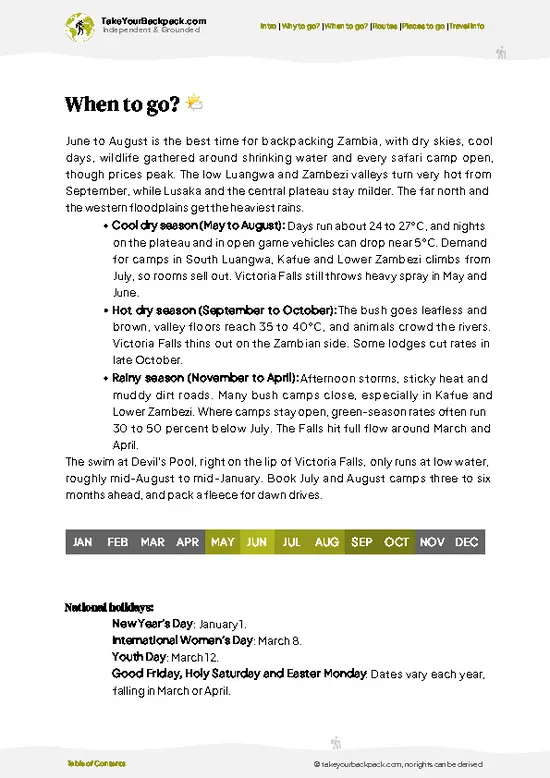
May to August is the most comfortable window for Moto Moto Museum in Mbala, with dry days and cool mornings.
  • Cool Dry Season (May to August): Days reach 22 to 26°C (72 to 79°F), and mornings on the Mbala plateau drop to 8 to 12°C (46 to 54°F), so bring a fleece. Roads are firm and the museum's outdoor displays are pleasant to walk.
  • Hot Dry Season (September to October): Highs climb to 28 to 32°C (82 to 90°F). Dust is common and the light is hazy, but visitor numbers stay low.
  • Rainy Season (November to April): Expect 20 to 26°C (68 to 79°F) and heavy afternoon downpours, especially December to March. Dirt roads around Mbala turn slick, and the surrounding hills are green. Guesthouse rates barely shift, since tourism here is thin all year.
  • Daylight: Days stay close to 12 hours all year, so plan
… read more 👉
May to August is the most comfortable window for Moto Moto Museum in Mbala, with dry days and cool mornings.
  • Cool Dry Season (May to August): Days reach 22 to 26°C (72 to 79°F), and mornings on the Mbala plateau drop to 8 to 12°C (46 to 54°F), so bring a fleece. Roads are firm and the museum's outdoor displays are pleasant to walk.
  • Hot Dry Season (September to October): Highs climb to 28 to 32°C (82 to 90°F). Dust is common and the light is hazy, but visitor numbers stay low.
  • Rainy Season (November to April): Expect 20 to 26°C (68 to 79°F) and heavy afternoon downpours, especially December to March. Dirt roads around Mbala turn slick, and the surrounding hills are green. Guesthouse rates barely shift, since tourism here is thin all year.
  • Daylight: Days stay close to 12 hours all year, so plan to finish visits and onward travel well before dark.
Aim for a weekday morning in June or July and pair it with a visit to Lake Chila or the Kalambo Falls area while roads are dry.


source: climatestotravel.comJANJanuary: fair for travelingFEBFebruary: fair for travelingMARMarch: fair for travelingAPRApril: fair for travelingMAYMay: highly recommended for travelingJUNJune: highly recommended for travelingJULJuly: good for travelingAUGAugust: good for travelingSEPSeptember: excellent for travelingOCTOctober: highly recommended for travelingNOVNovember: fair for travelingDECDecember: fair for traveling
when-to-go

✈️ The backpacker research shortcutZambia Travel Guide

An offline-friendly backpacking guide with optimized travel routes, ranked highlights, transport advice, and the best areas to stay.
example page 0 from our offline Travel Guide for Zambia
example page 1 from our offline Travel Guide for Zambia
example page 2 from our offline Travel Guide for Zambia
example page 3 from our offline Travel Guide for Zambia
example page 4 from our offline Travel Guide for Zambia
example page 5 from our offline Travel Guide for Zambia
example page 6 from our offline Travel Guide for Zambia
example page 7 from our offline Travel Guide for Zambia
The digital guide (351 pages) contains:
✅ 89 highlights, ranked by travel appeal
✅ Optimized 5, 10 & 15-day travel routes
✅ Cities, national parks, landmarks, beaches
✅ How to get around
✅ Offline-friendly for travel without Wi-Fi
👉 Click to see all 30+ guide features

📅 Plan smarter in minutes, not weeks
✅ Month by month travel advice
✅ Festivals & national holidays
✅ Budget expectations

🗺️ Go to the right places, skip the overrated ones
✅ Honest pros & cons of destinations
✅ Top hikes, parks & viewpoints
✅ Lesser-known places most travelers miss
✅ Clear “worth it vs skip it” guidance

🛏️ Travel smoothly without rookie mistakes
✅ Best areas to stay
✅ Transport systems explained simply
✅ Common scams & safety advice
✅ SIM cards, money & practical tips

🌍 Understand the country, not just visit it
✅ Culture & traditions
✅ 52 Essential phrases & customs
✅ Festivals worth planning around
✅ Traveler-friendly historical context
✅ Insights that make places more meaningful

📱 Built for real travel conditions
✅ Fully downloadable PDF
✅ Works completely offline
✅ Optimized for phone use
✅ Useful in remote areas & buses
✅ Everything in one place
Stop searching, start planning
Get instant access to your full guide. 30‑day money-back guarantee.
+ Add another guide for just

By proceeding you agree to our terms.
Sent to your inbox immediately after payment • 100% Secure Checkout
Best Backpacking Travel Advisor 2025 tourism awardBest Backpacking
Travel Advisor
2025
What others say about Take Your Backpack Guides:
⭐⭐⭐⭐⭐
Fantastic, amazing amount of information!
⭐⭐⭐⭐⭐
My goodness this is amazing, it's what I've been looking for hats off too you!
⭐⭐⭐⭐⭐
I think this is absolutely BRILLIANT
⭐⭐⭐⭐
Very complete and informative. It's still missing places, but I gotta to commend you
⭐⭐⭐⭐⭐
This is truly amazing, thank you, can't wait to explore it with my kids!
⭐⭐⭐⭐⭐
Awesome resource, thank you!
⭐⭐⭐⭐⭐
This is amazing! Can't wait to explore the ones I haven't seen
⭐⭐⭐⭐
I love this! Well done, great idea.
⭐⭐⭐⭐⭐
Thanks for taking the time to make this gem!
⭐⭐⭐⭐⭐
This might be the best website I've ever seen.
⭐⭐⭐⭐⭐
Congratulations, and thank you so much for your work; it's incredibly valuable.
⭐⭐⭐⭐
In all seriousness I think you did a great job pointing out the important spots
⭐⭐⭐⭐⭐
10/10 very good
⭐⭐⭐⭐⭐
As someone who's only just starting to visit regularly this is awesome, thank you.
⭐⭐⭐⭐
Thank you very much! I'm going to visit my dad, it's going to be very useful!
⭐⭐⭐⭐⭐
This is really cool! We'll be travelling for the first time and this definitely come in handy.
⭐⭐⭐⭐⭐
You are now our minister of culture, congratulations 👨‍💼
⭐⭐⭐⭐⭐
Just wanted to tell you that this is a pearl! Going to follow your recommendations.
⭐⭐⭐⭐⭐
This is so cool. I'll definitely be using the resource for my travels soon.
⭐⭐⭐⭐⭐
This is very impressive! Good work.
⭐⭐⭐⭐⭐
This is an amazing and informative site. Very well done!

🛏️ Where to stay?Best areas and accommodation options

Mbala town is the practical place to sleep, because the museum sits on the edge of it and everything a budget traveler needs is within a short walk or boda ride.
The center around the main market and the bus stop is the most sociable corner. You can eat at simple local restaurants, buy supplies, and meet Zambian traders and the occasional overlander. Guesthouses and small lodges here suit solo travelers, and the streets are generally calm in the evening, though you should avoid walking unlit roads late at night.
The quieter residential streets toward the museum are better if you want a good night's … read more 👉
Mbala town is the practical place to sleep, because the museum sits on the edge of it and everything a budget traveler needs is within a short walk or boda ride.
The center around the main market and the bus stop is the most sociable corner. You can eat at simple local restaurants, buy supplies, and meet Zambian traders and the occasional overlander. Guesthouses and small lodges here suit solo travelers, and the streets are generally calm in the evening, though you should avoid walking unlit roads late at night.
The quieter residential streets toward the museum are better if you want a good night's sleep and don't mind a short walk to food. Staff at smaller guesthouses are usually happy to arrange transport and share local knowledge.
Another option is the shore of Lake Tanganyika near Mpulungu, about an hour's drive away. It has more backpacker-oriented stays, a livelier traveler scene, and boat trips, which makes it the better choice if you want company and swimming. Mbala works well as a one-night stop for the museum before moving on. Book ahead in July and August, when the few beds fill with overland groups.

👛 Costs (as of 22 October 2026)Money, prices, and spending tips

Moto Moto Museum costs about US$21 to 40 a day for a backpacker in Mbala, with the entry fee a small part of that.
CategoryBudget RangeLocal Reality
Museum EntryUS$2 to 8Foreign visitors pay more than Zambians, and you pay in kwacha at the door. Cash only.
Guided TourUS$0 to 3Staff often walk you through the displays, and a small tip is appreciated.
Accommodation (high season)US$10 to 20Basic guesthouse rooms in Mbala. Cheaper in the rains, and dorms are rare.
FoodUS$4 to 8Nshima with relish and chicken at local eateries is the cheapest filling meal.
Local TransportUS$1 to 4Short boda or taxi rides around Mbala. Minibuses cost more to reach Mpulungu or Kasama.
Photography FeeUS$0 to 3A camera charge may apply for use inside the galleries.
Total Daily BudgetUS$21 to 40Based on high-season accommodation plus a museum visit.
⚠️ Prices can change and everyone travels differently, so take this as a rough guide. Hope it helps you plan your adventure!

FAQFrequently asked questions about Moto Moto Museum

Allow 1.5 to 2 hours for Moto Moto Museum, which is enough to see the ethnographic galleries and the outdoor displays at an unhurried pace. Add another hour if you take a guided walk or read the exhibits on Bemba and Mambwe culture closely. Most travelers fit it into a half day in Mbala alongside lunch in town.
Moto Moto Museum is worth the modest entry fee of roughly US$2 to 8 if you care about Bemba and northern Zambian history, because the collection of traditional objects and colonial-era items is among the best in the region. Visitors expecting polished, modern displays may find it dated. The fee is small compared with a day's guesthouse and food costs of about US$15 to 30.
Moto Moto Museum is in Mbala, about 1 km from the town center, and the town lies roughly 160 km north of Kasama on the Tanzania road. Minibuses and buses from Kasama take around 2.5 to 3 hours and cost roughly US$6 to 10, while Mpulungu is about an hour away by road. Once in Mbala, a short boda or taxi ride of US$1 to 2 reaches the museum, or you can walk.
⚠️ Things can change over time, so always validate details locally before you go.

Other Zambian attractions near Moto Moto Museum

Explore more nearby:


💡 Not sure where to go next?
Create a personalized itinerary for Zambia including Moto Moto Museum and the places that fit your trip.

Generate my itinerary

👉 Discover all attractions

Or checkout all Zambia has to offer (think cities, towns, villages, national parks, hikes, beaches, festivals)
Country photo of Zambia

We 💚 feedbackSumming up the experience

Moto Moto Museum pairs well with the Kalambo Falls and Lake Tanganyika shoreline in the same stretch of far northern Zambia, so build one loop around Mbala. I would visit the museum first, then head out to the falls, because the cultural background makes the landscape mean more.

✍️ Help improve this page!
The information on this page is based on in-depth research, insights shared by experienced travelers, and feedback from the local travel community in Zambia. While every effort is made to keep the information accurate and current, conditions can change — so if you spot anything incorrect or outdated, please get in touch.


🙋‍♂️ Give feedback

👋 Meet the founderWho’s Behind Take Your Backpack?

Johan, backpacker and founder of TakeYourBackpackHi, I’m Johan (Netherlands 🇳🇱), the creator of TakeYourBackpack. Over the past 3 decades, I’ve backpacked through 90+ countries across six continents, gaining extensive experience with independent travel, long-term trips, and overland routes.

This site is built on a combination of firsthand travel experience and carefully curated insights from other backpackers. Many guides are based on places I’ve personally visited, while others bring together tips, observations, and practical advice shared by trusted travelers I’ve met along the way.

The goal is to provide realistic, experience-driven guidance — not generic itineraries — so you can explore destinations with better context, clearer expectations, and more confidence.