×

Zambia🇿🇲 | citiesMpikaGreat North Road junction, rail stop, gateway to waterfalls | things to do and best time to go

Explore NdolaExplore Kasama

Backpacking in Mpika
👌 Worth visitingcity ranked #13
By Johan Kruseman 🇳🇱 | Updated September 3, 2026

Most travelers only realize after arriving: Mpika is the rare Zambian crossroads where you can actually reset. It sits in the country’s north, halfway between Lusaka and the Tanzanian border, surrounded by miombo woodland and the hush of big skies. Mpika itself is no showstopper—think practical over pretty, with a main street that smells of charcoal and dust, and a pace that slows to a crawl after dark. But for backpackers, that’s the point. It’s a launchpad for the wild: North Luangwa’s raw safari, the escarpment’s hidden waterfalls, or the Great North Road’s endless adventure. Buses and the TAZARA train both stop here, so you can swap cramped seats for a real meal and a cheap room. Social life is low-key—expect more shared stories at basic guesthouses than raucous hostel nights. Compared to touristy Kasama or the bustle of Lusaka, Mpika is quieter, cheaper, and more about the journey than the destination. Safety is straightforward: keep your wits, but you’ll find the town more curious than threatening.

Discover everything you want to know in the 📖 Zambia Travel Guide.


Get your Zambia guide
91 ranked highlights, routes & tips, works offline (357 pages)
Loading the map 🌍
CLICK TO FILTER
cities
towns
landmarks
national parks
hikes
beaches
attractions
festivals
SHOW COUNTRY’S BESTSHOW ALL

✨ Why go?
Ranked #13 city in Zambia
Reasons people choose to visit here

Backpackers flock to Mpika not just for a pit stop, but as a strategic hub in Zambia’s wild heart. It’s the gateway to hikes in the nearby Nsumbu National Park and the Lake Tanganyika beaches, where the sun sets in a blaze of orange over tranquil waters. The town’s small-scale hostels and guesthouses offer a cozy, communal vibe, perfect for solo travelers or small groups looking to swap stories over a plate of local nshima.

Strolling through Mpika’s walkable streets, you’ll catch the scent of street food mingling with the chatter of friendly locals. It’s a place where you can linger for a few days, soaking in the slow pace and genuine warmth of the community. While it’s not a nightlife hotspot, the social atmosphere is inviting, making it easy to connect with fellow travelers. If you’re … read more 👉
Backpackers flock to Mpika not just for a pit stop, but as a strategic hub in Zambia’s wild heart. It’s the gateway to hikes in the nearby Nsumbu National Park and the Lake Tanganyika beaches, where the sun sets in a blaze of orange over tranquil waters. The town’s small-scale hostels and guesthouses offer a cozy, communal vibe, perfect for solo travelers or small groups looking to swap stories over a plate of local nshima.

Strolling through Mpika’s walkable streets, you’ll catch the scent of street food mingling with the chatter of friendly locals. It’s a place where you can linger for a few days, soaking in the slow pace and genuine warmth of the community. While it’s not a nightlife hotspot, the social atmosphere is inviting, making it easy to connect with fellow travelers. If you’re a hiker or a slow traveler, Mpika is more than a stopover; it’s a chance to embrace the rhythm of Zambian life before heading deeper into the wild.
Want to include Mpika in your Zambia route?
Create a personalized Zambia itinerary that includes Mpika and the places that fit your trip — based on your travel style, budget, and available time. Get your route in seconds.

Generate my trip

💡 HighlightsTop highlights of Mpika

Quick question before I put the list together: do you want a best-effort list from my memory (I’ll aim to be careful but can’t live-check names/locations), or do you want me to pause so you can confirm I look up and verify every site?
Spotted a mistake or missing something? Contact us.

🏘️ NeighborhoodsNeighborhood guide to Mpika

Mpika is a charming stopover in Zambia, where the pulse of local life meets the rhythm of the road. Here’s how to navigate its neighborhoods like a pro.

Central Mpika: This is the heart of the town, buzzing with local markets and shops. The vibe is lively, with the scent of street food wafting through the air. It’s walkable, making it easy to explore on foot. Budget-friendly accommodations abound, perfect for short stays. Nightlife is low-key, with a few bars where you can unwind after a day of exploring.

Chinsali Road Area: A bit quieter, this area offers a more laid-back atmosphere. It’s ideal for longer stays, with guesthouses that feel like home. The transport access is solid, with minibuses frequently heading to nearby attractions. You’ll find local eateries serving hearty meals, and … read more 👉
Mpika is a charming stopover in Zambia, where the pulse of local life meets the rhythm of the road. Here’s how to navigate its neighborhoods like a pro.

Central Mpika: This is the heart of the town, buzzing with local markets and shops. The vibe is lively, with the scent of street food wafting through the air. It’s walkable, making it easy to explore on foot. Budget-friendly accommodations abound, perfect for short stays. Nightlife is low-key, with a few bars where you can unwind after a day of exploring.

Chinsali Road Area: A bit quieter, this area offers a more laid-back atmosphere. It’s ideal for longer stays, with guesthouses that feel like home. The transport access is solid, with minibuses frequently heading to nearby attractions. You’ll find local eateries serving hearty meals, and the evenings are peaceful, perfect for stargazing.

Mpika Market District: If you want to immerse yourself in local culture, this is the spot. The market is alive with color and sound, offering everything from fresh produce to handmade crafts. It’s a bit chaotic, but that’s part of the charm. Accommodations here are affordable, and you can easily spend hours wandering. Just be prepared for a vibrant, bustling atmosphere.

Outskirts of Mpika: For those seeking a more rural experience, the outskirts provide a serene escape. Here, you can connect with nature and enjoy the tranquility. Transport options are less frequent, so plan ahead. This area is best for longer stays, allowing you to soak in the slower pace of life.

⌛️ 1 dayWhat you can realistically do in a day

Mpika, Zambia, is a charming town that serves as a gateway to the stunning landscapes of Northern Zambia. It’s not just a stopover; it’s a place where you can feel the pulse of local life, from the bustling markets to the warm smiles of the residents. The air is filled with the scent of wood smoke and fresh produce, creating an inviting atmosphere that beckons exploration.

Start your morning at the Mpika Market. The vibrant chaos of vendors selling everything from fresh vegetables to handmade crafts is a sensory delight. Grab a local breakfast of nshima, a staple made from maize, paired with a side of savory relish. The flavors are simple yet rich, grounding you in the local culture. As you wander through the stalls, take in the colors and sounds—children laughing, women chatting, and the … read more 👉
Mpika, Zambia, is a charming town that serves as a gateway to the stunning landscapes of Northern Zambia. It’s not just a stopover; it’s a place where you can feel the pulse of local life, from the bustling markets to the warm smiles of the residents. The air is filled with the scent of wood smoke and fresh produce, creating an inviting atmosphere that beckons exploration.

Start your morning at the Mpika Market. The vibrant chaos of vendors selling everything from fresh vegetables to handmade crafts is a sensory delight. Grab a local breakfast of nshima, a staple made from maize, paired with a side of savory relish. The flavors are simple yet rich, grounding you in the local culture. As you wander through the stalls, take in the colors and sounds—children laughing, women chatting, and the rhythmic clatter of goods being exchanged.

In the afternoon, head to the nearby Kasanka National Park, about an hour’s drive from town. This isn’t on every tourist’s radar, but it’s worth the trip. The park is known for its diverse wildlife and stunning wetlands. Bring a packed lunch to enjoy while you watch the birds soar overhead and listen to the rustle of the reeds. The tranquility here is a stark contrast to the morning’s hustle, offering a chance to connect with nature.

As the sun begins to set, return to Mpika and explore the local neighborhoods. The streets come alive with the golden light of dusk. Stop by a local eatery for dinner; try the grilled fish, seasoned to perfection. The atmosphere is relaxed, and you’ll likely find yourself sharing stories with locals, who are eager to share their culture.

End your day with a stroll through the town, soaking in the night sounds—the distant laughter, the hum of conversation, and the occasional call of wildlife. Mpika may not be on every travel itinerary, but it offers a genuine slice of Zambian life that’s both enriching and memorable.
Turn your Mpika visit into an Zambia adventure
Build a complete Zambia route with Mpika, hidden gems, must-see destinations, and realistic travel times included.

Generate my trip

🌤️ When to go?Best time to visit Mpika


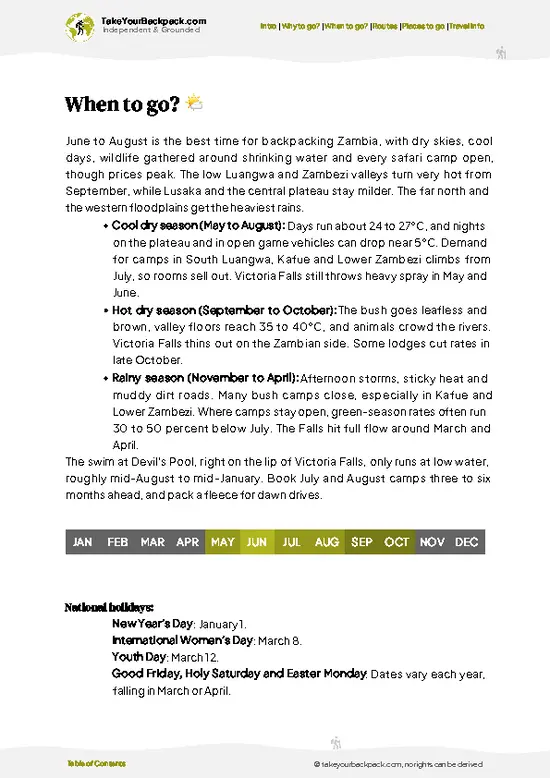
  • Weather: Mpika’s dry season, from May to October, offers clear skies and minimal rain, making trails less slippery and the air crisp. The wet season (November to April) brings heavy rains, turning dirt roads into mud traps and swelling rivers, which can stall your plans.

  • Temperature: Daytime temps in the dry season hover around 20-25°C (68-77°F), perfect for hiking without overheating. Nights can dip to 5-10°C (41-50°F), so pack layers. The wet season is warmer but muggy, with highs near 28°C (82°F) and sticky humidity.

  • Daylight Hours: Mpika enjoys roughly 11-12 hours of daylight year-round, but the dry season’s clearer skies mean more usable daylight for exploring, especially early mornings and late afternoons when the light softens beautifully.

  • Crowds: The dry season draws more
read more 👉

  • Weather: Mpika’s dry season, from May to October, offers clear skies and minimal rain, making trails less slippery and the air crisp. The wet season (November to April) brings heavy rains, turning dirt roads into mud traps and swelling rivers, which can stall your plans.

  • Temperature: Daytime temps in the dry season hover around 20-25°C (68-77°F), perfect for hiking without overheating. Nights can dip to 5-10°C (41-50°F), so pack layers. The wet season is warmer but muggy, with highs near 28°C (82°F) and sticky humidity.

  • Daylight Hours: Mpika enjoys roughly 11-12 hours of daylight year-round, but the dry season’s clearer skies mean more usable daylight for exploring, especially early mornings and late afternoons when the light softens beautifully.

  • Crowds: The dry season draws more tourists, especially around July and August, so expect busier campsites and higher prices. The wet season is quieter, offering solitude but with the trade-off of tougher conditions.

  • Seasonal Activities: Wildlife viewing peaks in the dry months as animals gather near waterholes, making game drives more rewarding. The wet season bursts with lush greenery and birdlife, ideal if you’re into birdwatching or photography of vibrant landscapes.

  • Price Fluctuations: Accommodation and tour prices spike during the dry season’s peak months. Booking ahead can save you money and secure spots. The wet season offers lower rates but fewer services and occasional closures.


Pro-tip: Aim for the shoulder months of May or October—enjoy manageable weather, fewer crowds, and better deals, all while catching Mpika’s landscape in transition.


source: climatestotravel.comJANJanuary: fair for travelingFEBFebruary: fair for travelingMARMarch: fair for travelingAPRApril: fair for travelingMAYMay: highly recommended for travelingJUNJune: highly recommended for travelingJULJuly: excellent for travelingAUGAugust: excellent for travelingSEPSeptember: excellent for travelingOCTOctober: highly recommended for travelingNOVNovember: fair for travelingDECDecember: fair for traveling
when-to-go

✈️ The backpacker research shortcutZambia Travel Guide

An offline-friendly backpacking guide with optimized travel routes, ranked highlights, transport advice, and the best areas to stay.
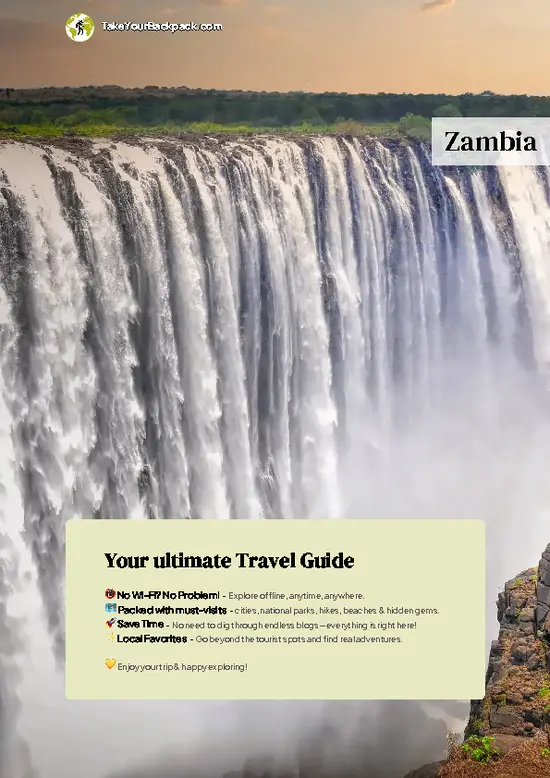
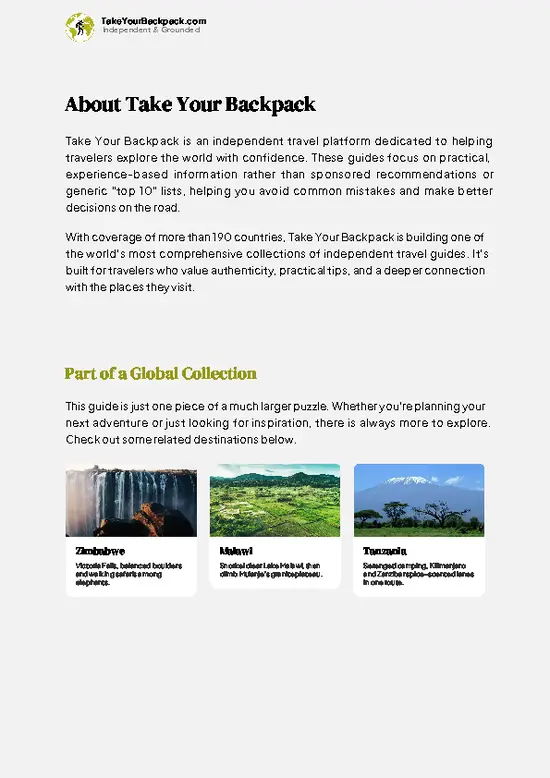
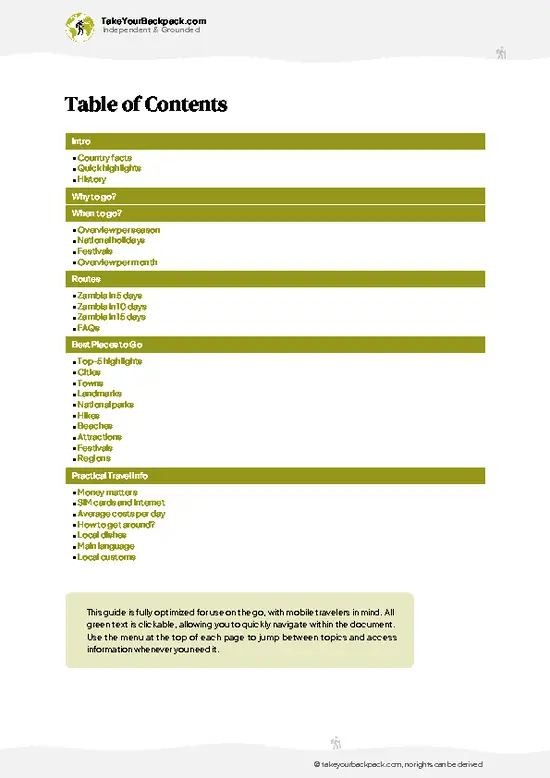
example page 0 from our offline Travel Guide for Zambia
example page 1 from our offline Travel Guide for Zambia
example page 2 from our offline Travel Guide for Zambia
example page 3 from our offline Travel Guide for Zambia
example page 4 from our offline Travel Guide for Zambia
example page 5 from our offline Travel Guide for Zambia
example page 6 from our offline Travel Guide for Zambia
example page 7 from our offline Travel Guide for Zambia
The digital guide (357 pages) contains:
91 highlights, ranked by travel appeal
Optimized 5, 10 & 15-day travel routes
Cities, national parks, landmarks, beaches
How to get around
Offline-friendly for travel without Wi-Fi
👉 Click to see all 30+ guide features

📅 Plan smarter in minutes, not weeks
Month by month travel advice
Festivals & national holidays
Budget expectations

🗺️ Go to the right places, skip the overrated ones
Honest pros & cons of destinations
Top hikes, parks & viewpoints
Lesser-known places most travelers miss
Clear “worth it vs skip it” guidance

🛏️ Travel smoothly without rookie mistakes
Best areas to stay
Transport systems explained simply
Common scams & safety advice
SIM cards, money & practical tips

🌍 Understand the country, not just visit it
Culture & traditions
52 Essential phrases & customs
Festivals worth planning around
Traveler-friendly historical context
Insights that make places more meaningful

📱 Built for real travel conditions
Fully downloadable PDF
Works completely offline
Optimized for phone use
Useful in remote areas & buses
Everything in one place
Save weeks of stressful planning
Get instant access to your full guide. 30‑day money-back guarantee.
+ Add another guide for just US$7.80

By proceeding you agree to our terms.
Sent to your inbox immediately after payment • 100% Secure Checkout
Best Backpacking Travel Advisor 2025 tourism awardBest Backpacking
Travel Advisor
2025
What others say about Take Your Backpack Guides:
⭐⭐⭐⭐⭐
Fantastic, amazing amount of information!
⭐⭐⭐⭐⭐
My goodness this is amazing, it's what I've been looking for hats off too you!
⭐⭐⭐⭐⭐
I think this is absolutely BRILLIANT
⭐⭐⭐⭐
Very complete and informative. It's still missing places, but I gotta to commend you
⭐⭐⭐⭐⭐
This is truly amazing, thank you, can't wait to explore it with my kids!
⭐⭐⭐⭐⭐
Awesome resource, thank you!
⭐⭐⭐⭐⭐
This is amazing! Can't wait to explore the ones I haven't seen
⭐⭐⭐⭐
I love this! Well done, great idea.
⭐⭐⭐⭐⭐
Thanks for taking the time to make this gem!
⭐⭐⭐⭐⭐
This might be the best website I've ever seen.
⭐⭐⭐⭐⭐
Congratulations, and thank you so much for your work; it's incredibly valuable.
⭐⭐⭐⭐
In all seriousness I think you did a great job pointing out the important spots
⭐⭐⭐⭐⭐
10/10 very good
⭐⭐⭐⭐⭐
As someone who's only just starting to visit regularly this is awesome, thank you.
⭐⭐⭐⭐
Thank you very much! I'm going to visit my dad, it's going to be very useful!
⭐⭐⭐⭐⭐
This is really cool! We'll be travelling for the first time and this definitely come in handy.
⭐⭐⭐⭐⭐
You are now our minister of culture, congratulations 👨‍💼
⭐⭐⭐⭐⭐
Just wanted to tell you that this is a pearl! Going to follow your recommendations.
⭐⭐⭐⭐⭐
This is so cool. I'll definitely be using the resource for my travels soon.
⭐⭐⭐⭐⭐
This is very impressive! Good work.
⭐⭐⭐⭐⭐
This is an amazing and informative site. Very well done!

🛏️ Where to stay?Best areas to stay in Zambia

In Mpika, the best spot for backpackers is the area around the town center, especially near the main market and bus station. This zone hums with life from dawn till dusk—vendors shouting, the scent of fresh maize roasting, and locals weaving through the stalls. It’s where you’ll find the most budget-friendly hostels and guesthouses, often run by locals who know the pulse of the town and can hook you up with insider tips or a ride to nearby attractions.

Staying here means you’re never far from the social buzz. Backpackers and solo travelers tend to gravitate toward this cluster because it’s safe, … read more 👉
In Mpika, the best spot for backpackers is the area around the town center, especially near the main market and bus station. This zone hums with life from dawn till dusk—vendors shouting, the scent of fresh maize roasting, and locals weaving through the stalls. It’s where you’ll find the most budget-friendly hostels and guesthouses, often run by locals who know the pulse of the town and can hook you up with insider tips or a ride to nearby attractions.

Staying here means you’re never far from the social buzz. Backpackers and solo travelers tend to gravitate toward this cluster because it’s safe, well-lit at night, and offers easy access to transport heading toward South Luangwa or the northern parks. Unlike the quieter, more residential outskirts, this area keeps you plugged into the rhythm of Mpika without the isolation. The trade-off is a bit of noise and bustle, but that’s part of the charm—it’s the town’s heartbeat, and you’ll feel it in every step.

🚌 Getting aroundMoving around without the hassle

Mpika moves at its own rhythm—less a clock-driven town and more a place where the sun’s angle and the hum of passing trucks set the pace. The air carries a mix of dust and fresh earth, stirred by the occasional breeze that slips through the baobab trees lining the streets. Here, schedules are suggestions, not laws. You’ll find that patience isn’t just a virtue; it’s your best travel companion. The town’s pulse is a blend of purposeful locals and wandering travelers, all navigating a patchwork of informal stops and dusty roads. Understanding this flow means you won’t just get from A to B—you’ll glide through the experience with fewer bumps and more moments to soak in the genuine atmosphere.


  • Walking: The heart of Mpika is compact enough to explore on foot, especially the market area and
read more 👉
Mpika moves at its own rhythm—less a clock-driven town and more a place where the sun’s angle and the hum of passing trucks set the pace. The air carries a mix of dust and fresh earth, stirred by the occasional breeze that slips through the baobab trees lining the streets. Here, schedules are suggestions, not laws. You’ll find that patience isn’t just a virtue; it’s your best travel companion. The town’s pulse is a blend of purposeful locals and wandering travelers, all navigating a patchwork of informal stops and dusty roads. Understanding this flow means you won’t just get from A to B—you’ll glide through the experience with fewer bumps and more moments to soak in the genuine atmosphere.


  • Walking: The heart of Mpika is compact enough to explore on foot, especially the market area and main street. Walking costs nothing, lets you absorb the scents of fresh produce and charcoal fires, and reveals small details missed by faster modes. Expect uneven sidewalks and a few stray dogs, but the pace is perfect for acclimating.


  • Shared Minibuses (Local Kombis): These are the budget traveler’s lifeline for short to medium distances within and just outside Mpika. They run roughly from 6 a.m. to 6 p.m., though departures wait until full, so timing is flexible but unpredictable. Fares hover around a few kwacha, and the ride is bumpy but authentic—expect lively chatter and occasional stops for passengers or goods.


  • Motorbike Taxis (Zambia’s “Boda Bodas”): Ideal for quick hops across town or to nearby villages, motorbike taxis are fast and nimble, weaving through traffic and dirt paths alike. Prices are negotiable but generally affordable; always agree on a fare before hopping on. Helmets are rare, so hold tight and brace for the wind and dust.


  • Intercity Buses: For longer hauls, like heading south toward Lusaka or north toward the Tanzanian border, intercity buses depart from the main bus station. They usually leave mid-morning and late afternoon, but expect delays. Tickets are cheap compared to private taxis, and the buses are basic but functional—bring snacks and water for the journey.


  • Private Taxis: Less common and pricier, private taxis offer comfort and speed but rarely fit a budget traveler’s plan unless shared. They’re best reserved for early arrivals or late departures when other options have dried up, or if you’re carrying heavy gear and want to avoid the dust and chaos.

👛 Costs (as of 3 September 2026)Travel costs and budget guide for Mpika

Backpacking in Mpika, Zambia, offers a straightforward, no-frills experience where your money goes mostly to essentials, not fluff. Here’s how the daily costs typically break down for an independent traveler navigating this town.
  • Dorm Accommodation: Expect to pay around $8 to $15 per night for a bed in a basic guesthouse or hostel dorm. These places are simple but clean, often with shared bathrooms and limited hot water. The lighting is usually soft, sometimes flickering, which adds to the authentic, rustic feel of the stay.
  • Meals: Local eateries serve up hearty meals for about $3 to $6 each. Think nshima (a maize-based staple) with vegetables or a bit of meat, cooked over charcoal fires that leave a faint smoky aroma in the air. Street food snacks like fried bananas or samosas cost under
read more 👉
Backpacking in Mpika, Zambia, offers a straightforward, no-frills experience where your money goes mostly to essentials, not fluff. Here’s how the daily costs typically break down for an independent traveler navigating this town.
  • Dorm Accommodation: Expect to pay around $8 to $15 per night for a bed in a basic guesthouse or hostel dorm. These places are simple but clean, often with shared bathrooms and limited hot water. The lighting is usually soft, sometimes flickering, which adds to the authentic, rustic feel of the stay.
  • Meals: Local eateries serve up hearty meals for about $3 to $6 each. Think nshima (a maize-based staple) with vegetables or a bit of meat, cooked over charcoal fires that leave a faint smoky aroma in the air. Street food snacks like fried bananas or samosas cost under a dollar, perfect for quick bites between adventures.
  • Local Transport: Minibus taxis and shared pickups are the norm, costing roughly $1 to $3 per trip within town or to nearby villages. The rides are bumpy and slow, but they offer a chance to soak in the dusty roads and chatter of locals, making transport part of the experience rather than just a necessity.
  • Basic Activities/Entry Fees: Most local attractions, such as small nature reserves or cultural sites, charge minimal entry fees, usually between $2 and $5. These spots are low-key but rewarding, with quiet trails and genuine encounters rather than crowds or polished tourist setups.
  • Miscellaneous Expenses: Budget around $2 to $4 for essentials like bottled water, occasional snacks, or phone credit. Mpika’s shops are modest, with goods often displayed in open-air stalls where the scent of fresh produce mingles with dust and earth.

All told, you’re looking at roughly $16 to $33 per day to cover the basics in Mpika. This range gives you enough room to stay comfortable without overspending, letting you focus on the raw, unvarnished charm of this Zambian town.


source: zambiatourism.com
⚠️ Prices can change and everyone travels differently, so take this as a rough guide. Hope it helps you plan your adventure!

🚌 Day tripsShort trips worth adding

Mpika, Zambia, serves as a fantastic base for exploring the surrounding wilderness and culture. With its laid-back vibe and access to stunning landscapes, you can easily dive into some unforgettable day trips. Here are a few that will make your backpacking adventure truly worthwhile.

Kasanka National Park
Just a couple of hours from Mpika, Kasanka National Park is a birdwatcher’s paradise. The park is famous for its annual bat migration, where millions of fruit bats fill the sky. The best time to visit is from late October to December when the bats are in full swing. Expect to pay around $10 for entry and a bit more for a guided tour. The drive is scenic, with the scent of wildflowers wafting through the air as you approach. A common mistake is to underestimate the park’s size; plan to … read more 👉
Mpika, Zambia, serves as a fantastic base for exploring the surrounding wilderness and culture. With its laid-back vibe and access to stunning landscapes, you can easily dive into some unforgettable day trips. Here are a few that will make your backpacking adventure truly worthwhile.

Kasanka National Park
Just a couple of hours from Mpika, Kasanka National Park is a birdwatcher’s paradise. The park is famous for its annual bat migration, where millions of fruit bats fill the sky. The best time to visit is from late October to December when the bats are in full swing. Expect to pay around $10 for entry and a bit more for a guided tour. The drive is scenic, with the scent of wildflowers wafting through the air as you approach. A common mistake is to underestimate the park’s size; plan to spend the whole day exploring its trails and waterways.
👉 Explore Kasanka National Park

Chishimba Falls
About an hour’s drive from Mpika, Chishimba Falls is a stunning series of waterfalls that cascade into a lush gorge. The sound of rushing water and the mist in the air create a refreshing atmosphere. The entrance fee is minimal, usually around $5, and you can easily spend a few hours hiking the trails and enjoying a picnic. The best time to visit is during the rainy season, when the falls are at their most powerful. Many first-timers miss the best viewpoints; don’t just stick to the main path—explore a bit!


Lake Tanganyika
A longer trip, but worth every minute, Lake Tanganyika is about a three-hour drive from Mpika. This massive lake is one of the deepest in the world and offers stunning views and a chance to swim in its clear waters. The cost for a day trip is around $15, including transport and a packed lunch. The best time to go is during the dry season when the weather is perfect for swimming and sunbathing. A common mistake is to forget sunscreen; the sun can be intense, so lather up!
👉 Explore Lake Tanganyika

Nsumbu National Park
Roughly two hours away, Nsumbu National Park is a hidden treasure for those seeking wildlife and tranquility. The park is home to elephants, hippos, and a variety of birds. Entry is about $10, and you can take a guided tour for an additional fee. The best time to visit is during the dry season when animals congregate around water sources. Many backpackers overlook the early morning hours; this is when the park is most alive, and the light is perfect for photography.
👉 Explore Nsumbu National Park
Want to know what more Zambia offers?
The Zambia Travel Guide describes 91 highlights, from cities to national parks, from beaches to hikes

Get the Travel Guide -

🍲 FoodLocal Flavors for Backpackers

In Mpika, Zambia, food and drink are a gateway to the heart of local life. The must-try dish is nshima, a dense maize porridge that’s the backbone of every meal, usually paired with savory relishes like ifisashi—a creamy mix of greens and peanuts—or a spicy chikanda, a wild orchid tuber stew that surprises with its earthy depth. These flavors aren’t just food; they’re a story told through texture and tradition.

Backpackers will find themselves drawn to bustling markets and street stalls where the air hums with sizzling meat and the sharp tang of fresh vegetables. Casual eateries serve hearty portions without fuss, perfect for refueling after a day on the trail. When it’s time to unwind, local bars offer chilled Chibuku, a thick, fermented sorghum beer that’s an acquired taste but a cultural … read more 👉
In Mpika, Zambia, food and drink are a gateway to the heart of local life. The must-try dish is nshima, a dense maize porridge that’s the backbone of every meal, usually paired with savory relishes like ifisashi—a creamy mix of greens and peanuts—or a spicy chikanda, a wild orchid tuber stew that surprises with its earthy depth. These flavors aren’t just food; they’re a story told through texture and tradition.

Backpackers will find themselves drawn to bustling markets and street stalls where the air hums with sizzling meat and the sharp tang of fresh vegetables. Casual eateries serve hearty portions without fuss, perfect for refueling after a day on the trail. When it’s time to unwind, local bars offer chilled Chibuku, a thick, fermented sorghum beer that’s an acquired taste but a cultural rite.

Eating here is communal and unhurried. Sharing plates is common, and a simple nod or smile goes a long way in this warm, grounded atmosphere. Expect to eat with your hands—nshima is meant to be torn and dipped, not cut—so embrace the mess and the moment.

🛡️ SafetySafety Tips and Common Scams in Mpika

In ’Mpika, Zambia, the atmosphere is relaxed, but a bit of awareness goes a long way. The town is generally safe, yet it’s wise to stay alert in crowded markets or bus stations where distractions can lead to petty theft. Keep your belongings close and avoid flashy displays of wealth; a simple backpack is less likely to draw unwanted attention.

If you’re traveling solo, especially at night, stick to well-lit areas and avoid wandering off the beaten path. The local people are friendly, but it’s best to engage with them during the day when the vibe is more communal.

Scams are rare, but be cautious of overly eager guides offering unsolicited help. Politely decline and seek out official services instead. Everyday annoyances might include the occasional power outage or slow internet, so embrace … read more 👉
In ’Mpika, Zambia, the atmosphere is relaxed, but a bit of awareness goes a long way. The town is generally safe, yet it’s wise to stay alert in crowded markets or bus stations where distractions can lead to petty theft. Keep your belongings close and avoid flashy displays of wealth; a simple backpack is less likely to draw unwanted attention.

If you’re traveling solo, especially at night, stick to well-lit areas and avoid wandering off the beaten path. The local people are friendly, but it’s best to engage with them during the day when the vibe is more communal.

Scams are rare, but be cautious of overly eager guides offering unsolicited help. Politely decline and seek out official services instead. Everyday annoyances might include the occasional power outage or slow internet, so embrace the downtime. This is all part of the experience, allowing you to soak in the local rhythm.

FAQTraveler FAQ

2 to 3 days is sufficient to explore Mpika and its surroundings, including nearby natural attractions like the North Luangwa National Park. This allows time for local markets and cultural sites without rushing.
Yes, Mpika is generally safe for solo backpackers during daylight hours, but caution is advised at night due to limited street lighting and fewer people around. Staying in well-known guesthouses and avoiding isolated areas improves safety.
Mpika is known for being a gateway to Zambia's North Luangwa National Park, a prime spot for wildlife safaris and walking tours. It is also recognized for its role as a transport hub on the Great North Road connecting Lusaka to Tanzania.
⚠️ Things can change over time, so always validate details locally before you go.

Other Zambian cities near Mpika

Explore more nearby:

  • Kasama—Kalambo Falls access, Bemba culture, rural markets| 180 km away
  • Serenje—railway stop, forest reserves, central plateau| 205 km away
  • Samfya—white sand beaches, Lake Bangweulu, fishing villages| 213 km away

💡 Not sure where to go next?
Create a personalized itinerary for Zambia including Mpika and the places that fit your trip.

Generate my itinerary

👉 Discover all cities

Or checkout all Zambia has to offer (think cities, towns, villages, national parks, hikes, beaches, festivals)
Country photo of Zambia

We 💚 feedbackWhat to keep in mind

Mpika has a raw, unfiltered vibe that pulls you in. The air is thick with the scent of earth after rain, and the laughter of locals fills the streets. Don’t miss the bustling market; it’s a sensory overload in the best way. You’ll find fresh produce and handmade crafts that tell stories. Just a heads-up: the roads can be rough, so take your time. Embrace the journey; the real magic lies in the unexpected moments along the way.

✍️ Help improve this page!
The information on this page is based on in-depth research, insights shared by experienced travelers, and feedback from the local travel community in Zambia. While every effort is made to keep the information accurate and current, conditions can change — so if you spot anything incorrect or outdated, please get in touch.


🙋‍♂️ Give feedback

👋 Meet the founderWho’s Behind Take Your Backpack?

Johan, backpacker and founder of TakeYourBackpackHi, I’m Johan (Netherlands 🇳🇱), the creator of TakeYourBackpack. Over the past decade, I’ve backpacked through 80+ countries across six continents, gaining extensive experience with independent travel, long-term trips, and overland routes.

This site is built on a combination of firsthand travel experience and carefully curated insights from other backpackers. Many guides are based on places I’ve personally visited, while others bring together tips, observations, and practical advice shared by trusted travelers I’ve met along the way.

The goal is to provide realistic, experience-driven guidance — not generic itineraries — so you can explore destinations with better context, clearer expectations, and more confidence.

Get full Zambia guide •
Instant download • 91 highlights • Full Offline guide