×

Zambia🇿🇲 | festivalsUmutomboko CeremonyLunda-Luba migration, royal palace, symbolic dances, historical narrative | things to do and best time to go

Explore Kulamba CeremonyExplore Chakwela Makumbi Ceremony

Backpacking in Umutomboko Ceremony
By Johan Kruseman 🇳🇱 | Updated September 23, 2026

Forget the travel-brochure myth: the Umutomboko Ceremony isn’t some sanitized, tourist-friendly dance show—it’s a living, pulsing rite of power and pride, staged in Mwansabombwe, northern Zambia. For backpackers, this is a festival that thrums with pounding royal drums, fierce Makishi masks, and a crowd that’s mostly local, fiercely invested, and not there for your Instagram. The energy is raw, the dancing relentless, and the history thick in the air. It’s a one-day, all-in spectacle—rewarding if you crave authenticity, but unforgiving if you expect comfort.

Discover everything you want to know in the 📖 Zambia Travel Guide.


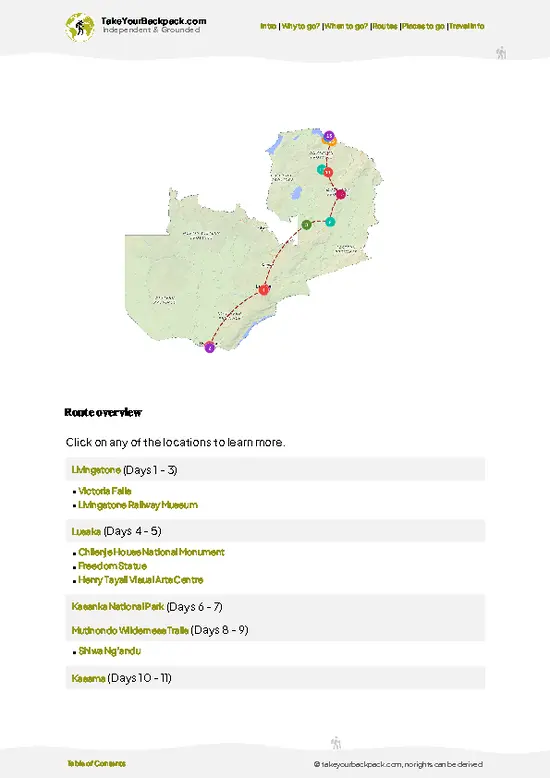
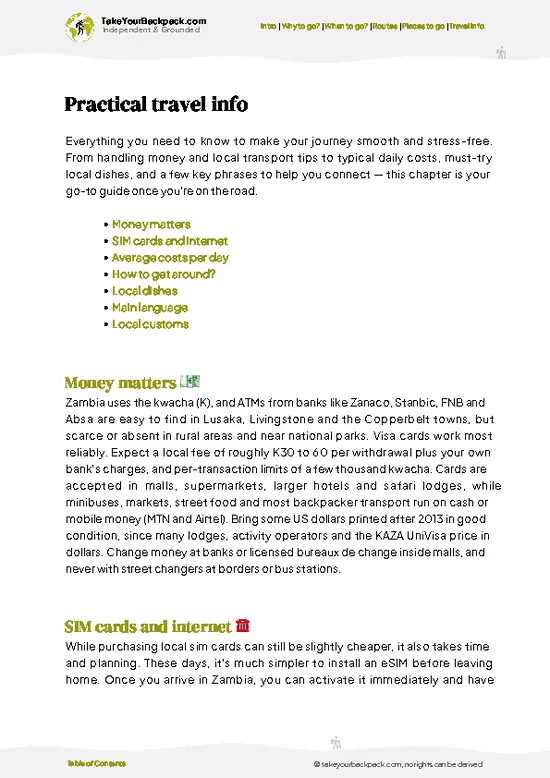
example page 0 from our offline Travel Guide for Zambia
example page 1 from our offline Travel Guide for Zambia
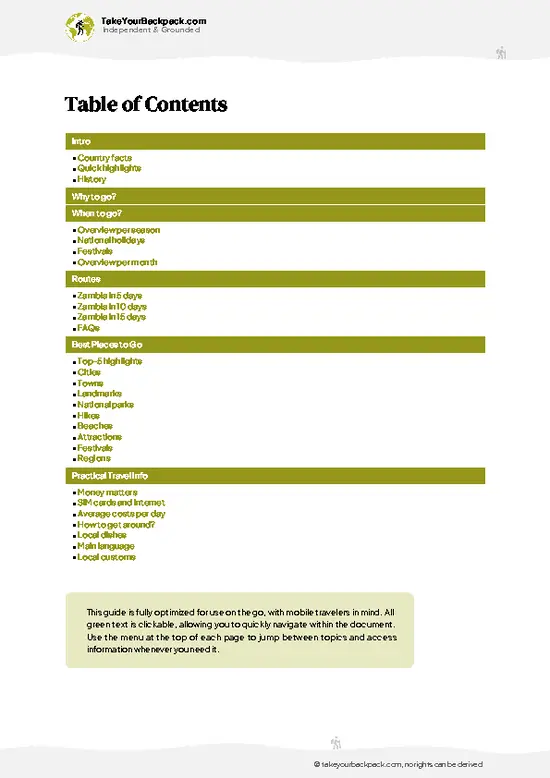
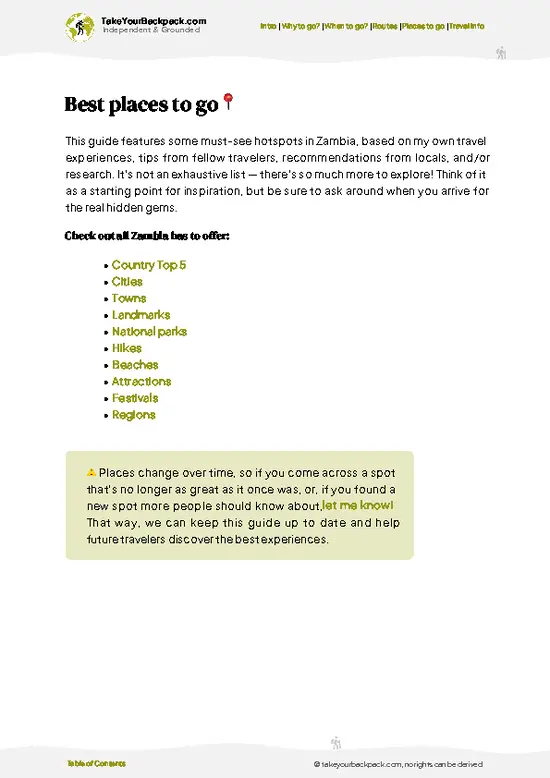
example page 2 from our offline Travel Guide for Zambia
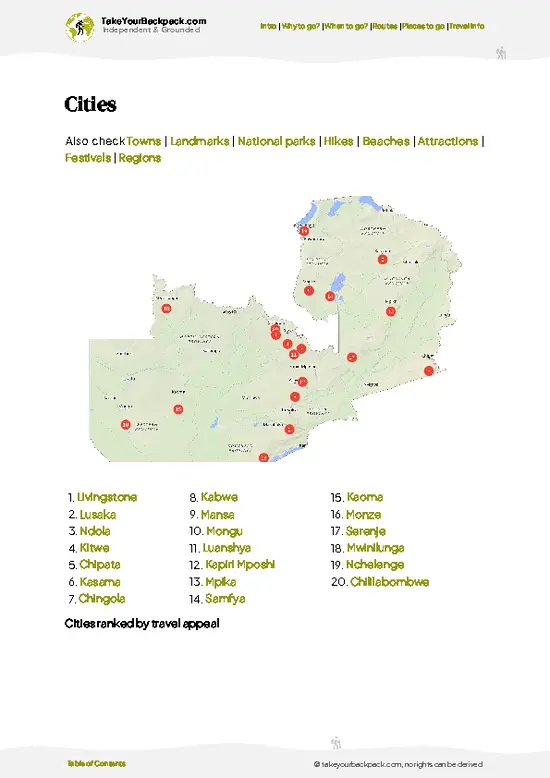
example page 3 from our offline Travel Guide for Zambia
example page 4 from our offline Travel Guide for Zambia
example page 5 from our offline Travel Guide for Zambia
example page 6 from our offline Travel Guide for Zambia
example page 7 from our offline Travel Guide for Zambia
Loading the map 🌍
CLICK TO FILTER
cities
towns
landmarks
national parks
hikes
beaches
attractions
festivals
regions
SHOW COUNTRY’S BESTSHOW ALL

✨ Why go?
Ranked #99 festival in Zambia
Why visitors keep coming back

Backpackers flock to the Umutomboko Ceremony in Zambia for a jolt of social energy and a taste of temporary community. This vibrant festival, celebrating the Lunda people, immerses you in cultural richness that’s hard to find elsewhere. It’s not just about the dances and rituals; it’s about connecting with locals and fellow travelers, sharing stories over a fire and feeling the pulse of tradition.

Planning your route around this event isn’t just smart; it’s a savvy way to stretch your budget. Compared to similar festivals, the costs are surprisingly low, allowing you to save for those epic adventures that follow. Integrating the ceremony into your travel plans transforms your journey into a dynamic experience, where every moment counts.

💡 HighlightsPlaces and moments you shouldn't skip

  • Regal procession and chieftaincy rituals — The sight of the paramount chiefs and senior elders arriving in full regalia is the spine of the ceremony. It’s not just pageantry: the symbolic acts, seating on stools, and public blessings are living expressions of local authority and continuity you won’t see at a typical tourist event.
  • High-energy drumming, singing and dances — Expect layered rhythms, call-and-response vocals and tightly choreographed group dances. Different age groups and sub-communities perform their own pieces, so you get a range from thunderous percussion to delicate footwork — raw, communal, and immersive.
  • Oral histories and dramatic reenactments — Elders and performers recount migration stories, founding myths and historic victories through storytelling and staged scenes.
… read more 👉
  • Regal procession and chieftaincy rituals — The sight of the paramount chiefs and senior elders arriving in full regalia is the spine of the ceremony. It’s not just pageantry: the symbolic acts, seating on stools, and public blessings are living expressions of local authority and continuity you won’t see at a typical tourist event.
  • High-energy drumming, singing and dances — Expect layered rhythms, call-and-response vocals and tightly choreographed group dances. Different age groups and sub-communities perform their own pieces, so you get a range from thunderous percussion to delicate footwork — raw, communal, and immersive.
  • Oral histories and dramatic reenactments — Elders and performers recount migration stories, founding myths and historic victories through storytelling and staged scenes. It’s a living classroom: the past is performed for the present, which gives real context to the costumes and rituals.
  • Striking costumes, masks and personal adornment — Bright textiles, beadwork, feathers, body paint and ceremonial masks make the whole event visually dazzling. Every item has meaning — clan identity, status, or spiritual symbolism — so it’s as much semiotics as it is spectacle.
  • Food, craft markets and warm local hospitality — The festival turns into a community hub: street food stalls serving local staples, small craft sellers with baskets, beadwork and carvings, and plenty of chances to be invited into conversations. The bustle and friendliness are a big part of the atmosphere.
Spotted a mistake or missing something? Contact us.

🌤️ When to go?When is the celebration of Umutomboko Ceremony?

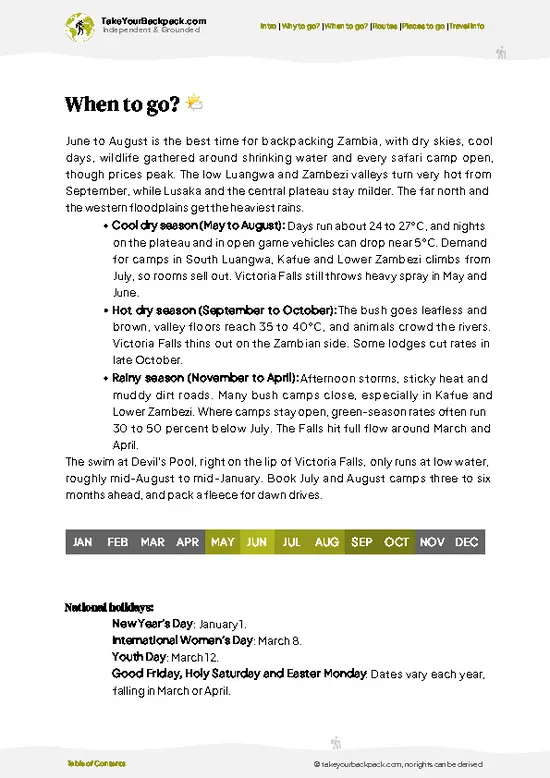
  • Topic: Weather - The Umutomboko Ceremony happens during Zambia’s dry season, typically August. Expect clear skies and minimal rain, perfect for trekking and outdoor festivities without mud or soggy gear.
  • Topic: Temperature - Days hover around 20-25°C (68-77°F), cool enough to keep you moving without overheating. Nights dip to 10-15°C (50-59°F), so pack a warm layer for evening events.
  • Topic: Daylight Hours - August offers roughly 11-12 hours of daylight, giving you ample time to explore before and after the ceremony without rushing.
  • Topic: Crowds - This festival draws local crowds but remains manageable for backpackers. Arriving early in the season helps you avoid the weekend rush and snag better lodging deals.
  • Topic: Seasonal Activities - Dry season means wildlife viewing nearby is
… read more 👉
  • Topic: Weather - The Umutomboko Ceremony happens during Zambia’s dry season, typically August. Expect clear skies and minimal rain, perfect for trekking and outdoor festivities without mud or soggy gear.
  • Topic: Temperature - Days hover around 20-25°C (68-77°F), cool enough to keep you moving without overheating. Nights dip to 10-15°C (50-59°F), so pack a warm layer for evening events.
  • Topic: Daylight Hours - August offers roughly 11-12 hours of daylight, giving you ample time to explore before and after the ceremony without rushing.
  • Topic: Crowds - This festival draws local crowds but remains manageable for backpackers. Arriving early in the season helps you avoid the weekend rush and snag better lodging deals.
  • Topic: Seasonal Activities - Dry season means wildlife viewing nearby is prime, so combine cultural immersion with game drives or hikes for a full-throttle experience.
  • Topic: Price Fluctuations - Prices peak slightly during the festival but stay reasonable compared to Zambia’s high season. Booking early locks in better rates on transport and accommodation.
Pro-tip: Time your visit for early August to dodge crowds, enjoy crisp weather, and stretch your budget further—this is when the festival’s pulse hits just right.


source: climatestotravel.comJANJanuary: not recommended for travelingFEBFebruary: not recommended for travelingMARMarch: not recommended for travelingAPRApril: not recommended for travelingMAYMay: not recommended for travelingJUNJune: not recommended for travelingJULJuly: not recommended for travelingAUGAugust: excellent for travelingSEPSeptember: not recommended for travelingOCTOctober: not recommended for travelingNOVNovember: not recommended for travelingDECDecember: not recommended for traveling

✈️ The backpacker research shortcutZambia Travel Guide

An offline-friendly backpacking guide with optimized travel routes, ranked highlights, transport advice, and the best areas to stay.
example page 0 from our offline Travel Guide for Zambia
example page 1 from our offline Travel Guide for Zambia
example page 2 from our offline Travel Guide for Zambia
example page 3 from our offline Travel Guide for Zambia
example page 4 from our offline Travel Guide for Zambia
example page 5 from our offline Travel Guide for Zambia
example page 6 from our offline Travel Guide for Zambia
example page 7 from our offline Travel Guide for Zambia
The digital guide (351 pages) contains:
✅ 89 highlights, ranked by travel appeal
✅ Optimized 5, 10 & 15-day travel routes
✅ Cities, national parks, landmarks, beaches
✅ How to get around
✅ Offline-friendly for travel without Wi-Fi
👉 Click to see all 30+ guide features

📅 Plan smarter in minutes, not weeks
✅ Month by month travel advice
✅ Festivals & national holidays
✅ Budget expectations

🗺️ Go to the right places, skip the overrated ones
✅ Honest pros & cons of destinations
✅ Top hikes, parks & viewpoints
✅ Lesser-known places most travelers miss
✅ Clear “worth it vs skip it” guidance

🛏️ Travel smoothly without rookie mistakes
✅ Best areas to stay
✅ Transport systems explained simply
✅ Common scams & safety advice
✅ SIM cards, money & practical tips

🌍 Understand the country, not just visit it
✅ Culture & traditions
✅ 52 Essential phrases & customs
✅ Festivals worth planning around
✅ Traveler-friendly historical context
✅ Insights that make places more meaningful

📱 Built for real travel conditions
✅ Fully downloadable PDF
✅ Works completely offline
✅ Optimized for phone use
✅ Useful in remote areas & buses
✅ Everything in one place
Stop searching, start planning
Get instant access to your full guide. 30‑day money-back guarantee.
+ Add another guide for just

By proceeding you agree to our terms.
Sent to your inbox immediately after payment • 100% Secure Checkout
Best Backpacking Travel Advisor 2025 tourism awardBest Backpacking
Travel Advisor
2025
What others say about Take Your Backpack Guides:
⭐⭐⭐⭐⭐
Fantastic, amazing amount of information!
⭐⭐⭐⭐⭐
My goodness this is amazing, it's what I've been looking for hats off too you!
⭐⭐⭐⭐⭐
I think this is absolutely BRILLIANT
⭐⭐⭐⭐
Very complete and informative. It's still missing places, but I gotta to commend you
⭐⭐⭐⭐⭐
This is truly amazing, thank you, can't wait to explore it with my kids!
⭐⭐⭐⭐⭐
Awesome resource, thank you!
⭐⭐⭐⭐⭐
This is amazing! Can't wait to explore the ones I haven't seen
⭐⭐⭐⭐
I love this! Well done, great idea.
⭐⭐⭐⭐⭐
Thanks for taking the time to make this gem!
⭐⭐⭐⭐⭐
This might be the best website I've ever seen.
⭐⭐⭐⭐⭐
Congratulations, and thank you so much for your work; it's incredibly valuable.
⭐⭐⭐⭐
In all seriousness I think you did a great job pointing out the important spots
⭐⭐⭐⭐⭐
10/10 very good
⭐⭐⭐⭐⭐
As someone who's only just starting to visit regularly this is awesome, thank you.
⭐⭐⭐⭐
Thank you very much! I'm going to visit my dad, it's going to be very useful!
⭐⭐⭐⭐⭐
This is really cool! We'll be travelling for the first time and this definitely come in handy.
⭐⭐⭐⭐⭐
You are now our minister of culture, congratulations 👨‍💼
⭐⭐⭐⭐⭐
Just wanted to tell you that this is a pearl! Going to follow your recommendations.
⭐⭐⭐⭐⭐
This is so cool. I'll definitely be using the resource for my travels soon.
⭐⭐⭐⭐⭐
This is very impressive! Good work.
⭐⭐⭐⭐⭐
This is an amazing and informative site. Very well done!

🛏️ Where to stay?Best areas and accommodation options

For the Umutomboko Ceremony, head to the vibrant town of Mansa. This area buzzes with energy, making it a hotspot for backpackers. You’ll find a mix of budget-friendly guesthouses and campsites that foster a social atmosphere.

Stay close to the lakeshore for stunning views and easy access to local markets. The community here is welcoming, so you can connect with fellow travelers and locals alike.

Another option is the nearby village of Mwansabombwe. It’s quieter but offers a genuine experience of Zambian culture. You’ll find basic accommodations that keep costs low while immersing you in the … read more 👉
For the Umutomboko Ceremony, head to the vibrant town of Mansa. This area buzzes with energy, making it a hotspot for backpackers. You’ll find a mix of budget-friendly guesthouses and campsites that foster a social atmosphere.

Stay close to the lakeshore for stunning views and easy access to local markets. The community here is welcoming, so you can connect with fellow travelers and locals alike.

Another option is the nearby village of Mwansabombwe. It’s quieter but offers a genuine experience of Zambian culture. You’ll find basic accommodations that keep costs low while immersing you in the local vibe.

Avoid the tourist traps by sticking to these areas. They’re safe, lively, and perfect for recharging before diving into the festival’s festivities. Keep your energy for the dance, music, and celebration that await!

👛 Costs (as of 23 September 2026)Money, prices, and spending tips

The Umutomboko Ceremony in Zambia is a vibrant celebration that can be a rewarding experience, but it’s essential to know the costs involved to keep your adventure smooth and enjoyable. Here’s a breakdown of what to expect:
  • Festival Tickets: Entry to the Umutomboko Ceremony typically costs around $10 to $20 USD. This fee grants you access to the festivities, including traditional dances and cultural displays. Buy your tickets in advance if possible to avoid last-minute hassles.
  • Accommodation: Expect to pay between $15 to $50 USD per night for budget to mid-range lodging. Options range from guesthouses to small hotels. Booking ahead is wise, especially during the festival, as places fill up quickly.
  • Local Transport: Budget around $5 to $15 USD for local transport. Minibuses and taxis are the main
… read more 👉
The Umutomboko Ceremony in Zambia is a vibrant celebration that can be a rewarding experience, but it’s essential to know the costs involved to keep your adventure smooth and enjoyable. Here’s a breakdown of what to expect:
  • Festival Tickets: Entry to the Umutomboko Ceremony typically costs around $10 to $20 USD. This fee grants you access to the festivities, including traditional dances and cultural displays. Buy your tickets in advance if possible to avoid last-minute hassles.
  • Accommodation: Expect to pay between $15 to $50 USD per night for budget to mid-range lodging. Options range from guesthouses to small hotels. Booking ahead is wise, especially during the festival, as places fill up quickly.
  • Local Transport: Budget around $5 to $15 USD for local transport. Minibuses and taxis are the main modes of getting around. Negotiate fares upfront to avoid surprises. If you’re in a group, consider hiring a private vehicle for convenience.
  • Food & Drinks: Plan for about $10 to $25 USD per day for meals. Street food is a delicious and affordable option, while local restaurants offer hearty meals at reasonable prices. Don’t miss trying traditional dishes; they’re part of the experience!
  • Miscellaneous Expenses: Set aside $10 to $30 USD for souvenirs, tips, or unexpected costs. This could include local crafts or small fees for photography in certain areas. Having a buffer will keep your budget flexible.

Being aware of these costs will help you navigate the festival without breaking the bank. Enjoy the energy of the Umutomboko Ceremony while keeping your finances in check!


source: zambiatourism.com
⚠️ Prices can change and everyone travels differently, so take this as a rough guide. Hope it helps you plan your adventure!

🍲 FoodLocal Cuisine & Drinks

At the Umutomboko Ceremony in Zambia, food and drink are the heartbeat of the festival. You’ll find traditional dishes like nsima (a maize porridge) served with rich sauces and stews featuring local meats and vegetables. Don’t miss out on chikanda, a savory dish made from wild orchids, or the grilled fish fresh from nearby lakes.

Festival stalls buzz with energy, and the local brews are a must-try. Sip on munkoyo, a refreshing fermented drink made from maize and roots, or grab a cold Zambian lager to cool off.

Etiquette is key here. Expect to share your food, as communal dining is part of the experience. Lines can get long, so be patient and enjoy the lively atmosphere. Bring cash; card payments are rare. Serving sizes are generous, so pace yourself and savor every bite. This is about … read more 👉
At the Umutomboko Ceremony in Zambia, food and drink are the heartbeat of the festival. You’ll find traditional dishes like nsima (a maize porridge) served with rich sauces and stews featuring local meats and vegetables. Don’t miss out on chikanda, a savory dish made from wild orchids, or the grilled fish fresh from nearby lakes.

Festival stalls buzz with energy, and the local brews are a must-try. Sip on munkoyo, a refreshing fermented drink made from maize and roots, or grab a cold Zambian lager to cool off.

Etiquette is key here. Expect to share your food, as communal dining is part of the experience. Lines can get long, so be patient and enjoy the lively atmosphere. Bring cash; card payments are rare. Serving sizes are generous, so pace yourself and savor every bite. This is about more than just food; it’s a celebration of culture and community.

FAQFrequently asked questions about Umutomboko Ceremony

Umutomboko Ceremony takes place annually in August, typically lasting for about 3 days. It is held to celebrate the Barotse people's history and culture in Western Zambia.
Attending the Umutomboko Ceremony is generally free of charge for spectators. However, some organized tours or special events during the festival may have fees ranging from 10 to 50 USD.
No, you do not need tickets in advance to attend the Umutomboko Ceremony. It is an open cultural event where locals and visitors can participate freely.
⚠️ Things can change over time, so always validate details locally before you go.

Other Zambian festivals near Umutomboko Ceremony

Explore more nearby:

  • Mutomboko Ceremony—Luapula chiefs, conquest reenactment, drumming, warrior attire
  • Vinkhakanimba Ceremony—Ngoni clan leaders, ancestral spirits, sacred groves, clan reunions| 520 km away
  • Malaila Ceremony—Kunda chiefs, unity rituals, drumming circles, traditional attire| 523 km away

💡 Not sure where to go next?
Create a personalized itinerary for Zambia including Umutomboko Ceremony and the places that fit your trip.

Generate my itinerary

👉 Discover all festivals

Or checkout all Zambia has to offer (think cities, towns, villages, national parks, hikes, beaches, festivals)
Country photo of Zambia

We 💚 feedbackWhat to keep in mind

The Umutomboko Ceremony is electric. You’ll feel the pulse of tradition in every drumbeat. The best surprise? The genuine warmth of the locals; they’ll pull you into their celebrations. Just a heads-up: don’t underestimate the sun. Stay hydrated and wear a hat. You want your energy for dancing, not nursing a headache. Enjoy every moment!

✍️ Help improve this page!
The information on this page is based on in-depth research, insights shared by experienced travelers, and feedback from the local travel community in Zambia. While every effort is made to keep the information accurate and current, conditions can change — so if you spot anything incorrect or outdated, please get in touch.


🙋‍♂️ Give feedback

👋 Meet the founderWho’s Behind Take Your Backpack?

Johan, backpacker and founder of TakeYourBackpackHi, I’m Johan (Netherlands 🇳🇱), the creator of TakeYourBackpack. Over the past 3 decades, I’ve backpacked through 90+ countries across six continents, gaining extensive experience with independent travel, long-term trips, and overland routes.

This site is built on a combination of firsthand travel experience and carefully curated insights from other backpackers. Many guides are based on places I’ve personally visited, while others bring together tips, observations, and practical advice shared by trusted travelers I’ve met along the way.

The goal is to provide realistic, experience-driven guidance — not generic itineraries — so you can explore destinations with better context, clearer expectations, and more confidence.